REVIEW · ROME
Kitchen of Mamma: Pasta Cooking Class with market visit in Rome
Book on Viator →Operated by YellowSquare · Bookable on Viator
Pasta starts at the market. This Rome experience links a real grocery run with a hands-on pasta lesson, so you understand what you cook with and why it matters. I especially like the chef-led market walk (you’ll shop like locals, not like tourists) and the make-and-eat lunch, where your pasta turns into a relaxed meal with wine. One drawback to plan for: there’s no gluten-free or vegan option, so this won’t work for everyone.
Expect a small group and a friendly, teach-by-doing format. You’ll follow the chef through the Nomentano Market, then head to YellowSquare to roll, cut, and cook classic pasta dishes in a real kitchen setup—casual, lively, and focused on practical technique. If you’re sensitive to schedule changes, know the class can sometimes run longer, depending on the pace of the group and how much chatting happens over wine.
In This Review
- Key things I’d plan around
- Finding your ingredients at Nomentano Market
- Hands-on pasta at YellowSquare (and why the dough matters)
- Lunch is the point: what you make, paired with wine
- Meet Marco’s teaching style and what it changes for you
- Price and value: what you’re really paying for at $151.23
- Vegetarian options and the no-gluten reality
- Where logistics matter most: meeting point, movement, and pace
- Who this class is best for (and who should skip)
- Tips to get the most from your pasta day
- Should you book Kitchen of Mamma in Rome?
- FAQ
- What language is the class taught in?
- How long is the Kitchen of Mamma pasta class?
- Where do I meet, and when does it start?
- Is transportation included?
- Can I request a vegetarian menu?
- Is it suitable for gluten-free diets or vegan diets?
Key things I’d plan around
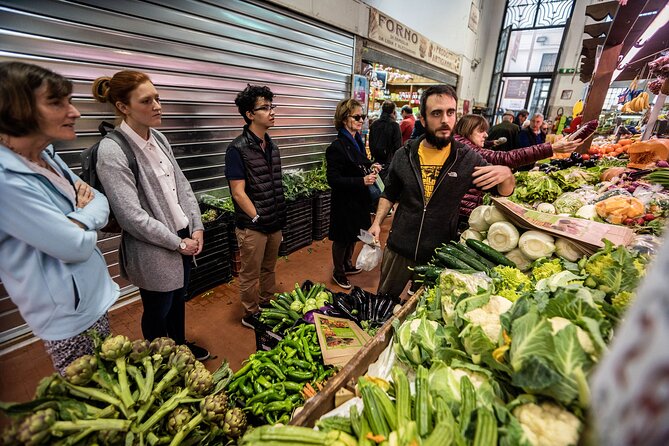
- Nomentano Market ingredient shopping with an Italian chef, so you learn what to buy and what to look for.
- Hands-on pasta making back at YellowSquare, with tips that help you fix dough issues.
- Lunch includes what you make, not a separate plate—this is meal-first energy.
- Italian wine pairings plus coffee and limoncello, which turns the class into a proper food day.
- Small group size (max 14) means you’re more likely to get personal guidance.
- Diet limits are real: vegetarian is available by request, but vegan and gluten-free are not available.
Finding your ingredients at Nomentano Market
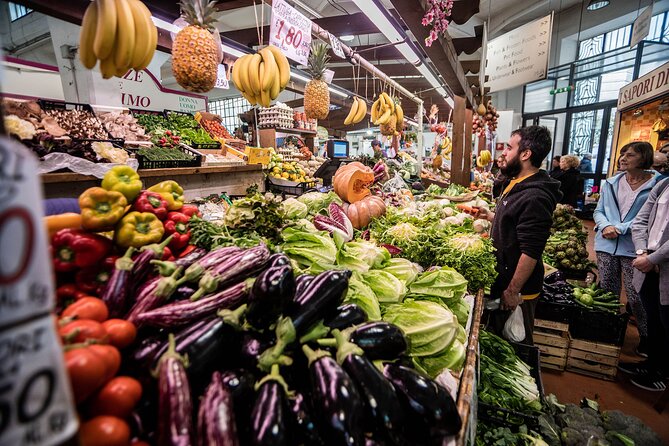
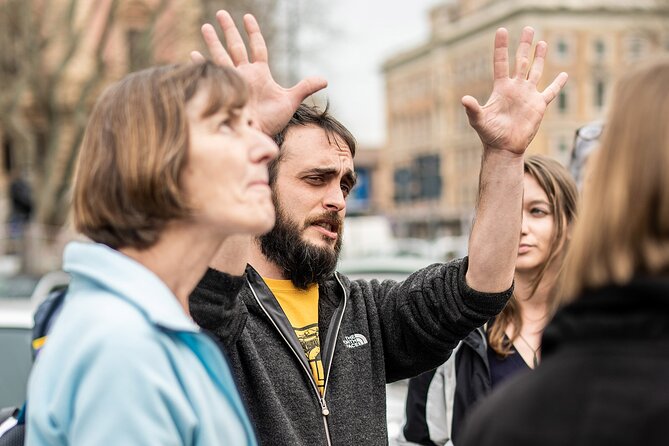
Meeting at Via Palestro, 51 puts you on a practical side of Rome for getting to the day’s first mission: ingredients. The tour starts at 11:00 am and includes a walking tour to a local market, led by an Italian chef.
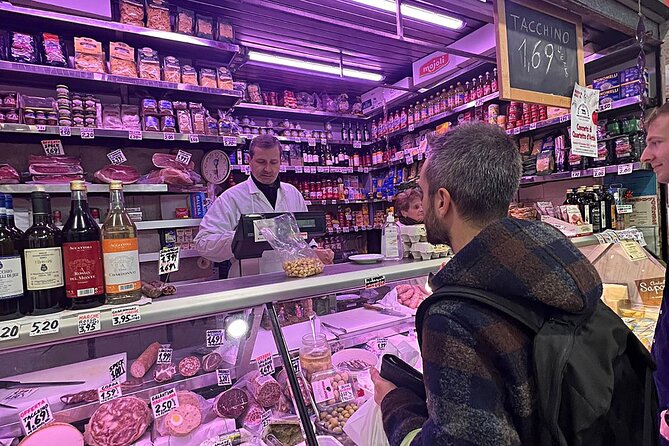
In the market, the goal isn’t just sightseeing. You’re learning what makes good Italian cooking possible: what kind of flour you’d want for the dough, what tomatoes and cheese tend to signal quality, and how different pantry items change the final taste. The chef’s market talk also helps you spot the difference between ingredients that look similar in a store window but behave differently when you cook.
This is where the experience becomes more than a recipe demo. When you understand what you bought and why, the pasta lesson clicks faster. Plus, you’re out in the city for part of the day instead of being stuck in one place.
Tip: Bring comfortable shoes. You’ll be moving through a real market, and the walk is part of the value.
You can also read our reviews of more tours and experiences in Rome.
Hands-on pasta at YellowSquare (and why the dough matters)
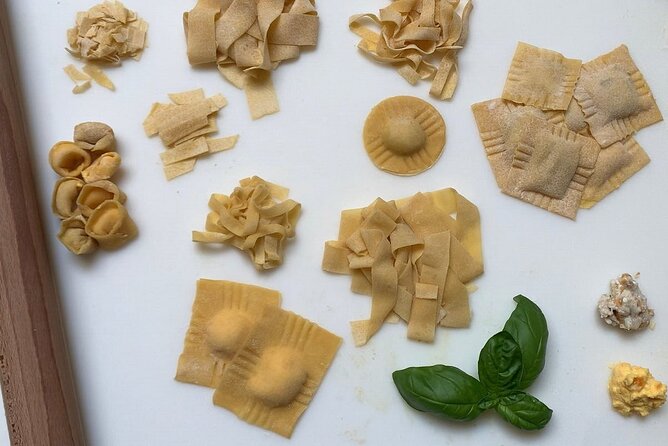
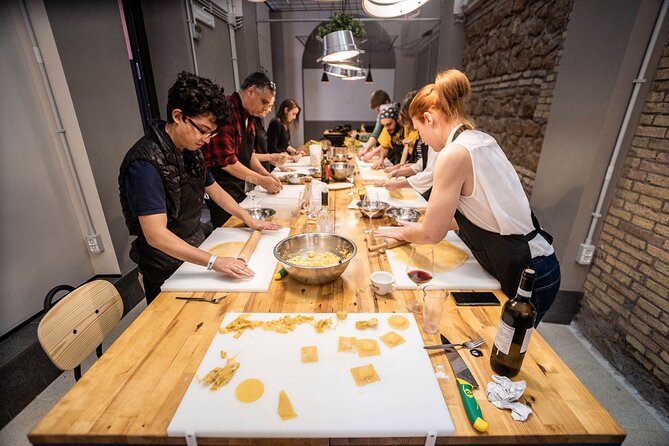
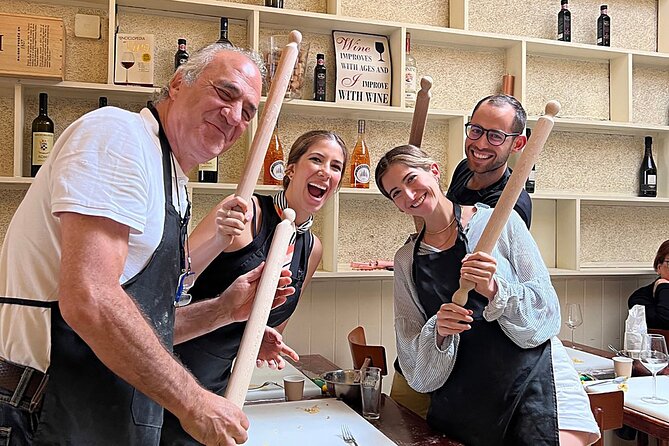
After the market, you return to the kitchen at YellowSquare. This is where you stop watching and start making. The class is designed for people who want to make pasta from scratch, and it teaches the steps in a way you can repeat at home.
The biggest learning moment tends to be dough feel. You’re guided through how the dough should look and feel as you work it. That matters because pasta dough is forgiving, but not magical: if it’s too dry, you’ll need adjustments, and the chef shows you what to do rather than leaving you guessing.
Based on how the class is described and how the chef teaches, you’re not likely to just roll one simple shape and call it a day. You may make multiple classic pasta dishes, and in many cases you’ll also learn about sauces—enough variety to keep the day interesting.
One practical consideration: kitchen setup. Some cooking classes use a layout where everyone can easily see the station. This one can be more classroom-style than you expect, which can make it harder to track every step if you end up sitting too far from the chef. If you care about visibility, position yourself so you can see the workspace clearly, and don’t be shy about asking the chef to repeat a step when something matters to you.
Value note: This isn’t about fancy flourishes. It’s about technique you can carry home.
Lunch is the point: what you make, paired with wine
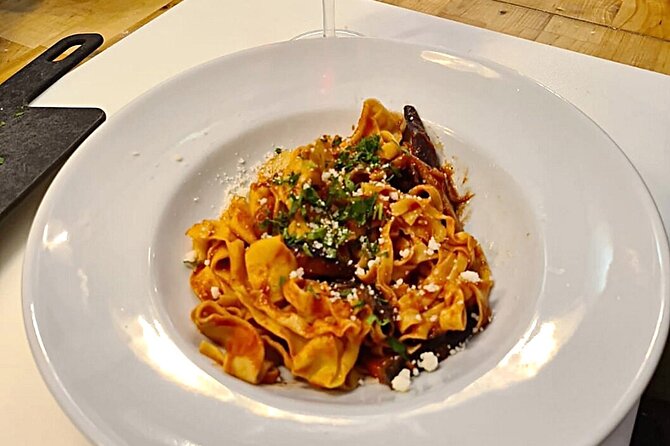
The best part of this class is also the simplest: you eat what you make. After learning the process, you sit down for a pleasant lunch featuring your homemade pasta, rather than a quick tasting that leaves you hungry.
The meal comes with local wine pairings, plus coffee and limoncello after. For many people, that’s what turns the day from a short activity into a full-food experience. Wine makes sense here because pasta and sauces naturally love acidity, body, and aroma. Limoncello is more of the finish-line moment—bright and sweet, like Rome weather after a long walk.
This is also a social format. You’re not being rushed through dinner. The chef often keeps a relaxed pace, and conversation around the table is part of the experience, especially with the small group size.
One timing reality: you might not be done exactly when you first expect. When the group is having a good time (and everyone is eating the pasta they made), the day can run a bit long. If you have a strict dinner reservation elsewhere, keep some buffer.
Meet Marco’s teaching style and what it changes for you
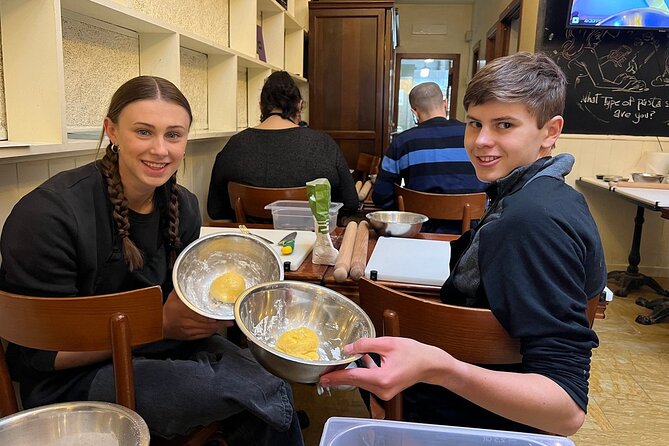
The chef behind the class is often Marco, and his reputation is consistent: funny, engaging, and very focused on making you successful. That matters because pasta-making has a learning curve. If the instructor is patient and practical, you’ll spend your energy on technique instead of stressing over mistakes.
Marco’s teaching tends to do three useful things:
- He explains the logic behind the steps, so you understand rather than memorize.
- He helps you correct issues during the process, like dough that isn’t responding.
- He makes the group feel comfortable enough to ask questions without fear of slowing down.
That combination is why people call it a highlight day. You’re not just getting a meal. You’re gaining skills and confidence.
Also, the vibe is good for food lovers who want more than basics. The chef often shares context tied to Italian cooking—small details that help you understand why certain ingredients and methods are used.
Price and value: what you’re really paying for at $151.23
At $151.23 per person, you’re paying for a full food day, not a short demonstration. Here’s what that price includes:
- the walking market tour
- a hands-on pasta class
- a pleasant lunch
- a glass of Italian wine
- coffee and limoncello
- participation certificate + pasta recipes
When you compare this to doing the same day on your own, the value becomes clear. Rome can be expensive when you add up a market meal, wine, and then a cooking workshop later. This is bundled: you handle ingredients, learn technique, and eat the result in one block of time.
The limited group size (max 14) also boosts value. Larger groups often mean less guidance, and pasta is easier when someone can spot what you’re doing wrong early.
Where value drops a bit is if you only want to watch. If you’re the type who enjoys food but doesn’t want to roll dough or get involved, you may prefer a different format.
Vegetarian options and the no-gluten reality
This is one of the clearest practical points in the tour description: vegetarian options are available upon request. You should inform the chef upon arrival (and ideally when booking) if you need a vegetarian menu.
But the boundaries are also explicit:
- No vegan options
- Not suitable for gluten-free diets
So if you’re avoiding gluten or eating vegan for medical, ethical, or lifestyle reasons, you’ll need to look elsewhere. Even if a dish seems close, pasta dough is a core ingredient here, and that’s why the tour is not positioned for gluten-free swaps.
If you’re vegetarian, you’ll likely still get a satisfying menu built around the day’s shopping and cooking focus. Just make sure you clearly communicate what you can eat before the cooking starts.
Where logistics matter most: meeting point, movement, and pace
The tour starts at Via Palestro, 51 and ends back at the meeting point. There’s no hotel pick-up or drop-off, so plan to meet there on your own using public transportation.
Since you’re moving from the market to YellowSquare on foot (plus the walking tour component), you’ll want:
- comfortable shoes
- a light layer (kitchens can be cooler than outside air)
- casual clothing that’s fine if flour ends up somewhere it shouldn’t
Dress code is casual, and it’s designed for normal clothing, not an outfit day.
One more practical note: service animals are allowed, which can matter for many people planning a food-focused trip.
Who this class is best for (and who should skip)
This is a strong fit if you want an authentic Roman food day where you learn by doing.
Best matches:
- You like food markets and want to understand ingredients, not just take photos.
- You want a hands-on Rome activity that results in a sit-down meal.
- You travel with teens or older kids. The minimum age is 8, and the pace is usually approachable for families that can follow directions.
- You appreciate small-group teaching where the chef can correct technique.
Less ideal:
- You need gluten-free or vegan meals.
- You dislike schedule flexibility. The experience can run longer based on how the group is enjoying the cooking and wine.
If you’re traveling solo, small-group size can actually feel good—you’ll likely interact more with the chef and other participants rather than being lost in a crowd.
Tips to get the most from your pasta day
A few things will help you leave with both pasta and confidence:
- Arrive on time for the 11:00 am start. Market time is cooking time later.
- Pay attention to dough feel cues. If the chef shows signs to watch for, those translate directly to success at home.
- Ask questions as you go. The chef’s value is in feedback, not in speed.
- Claim your best sightline early. If the kitchen layout limits visibility, move to a better position before the heavy rolling begins.
- Ask about recipes at the end. Recipes are listed as included, and you’ll want them while your memory is fresh.
And yes, plan for the wine and limoncello finish. Keep your evening plans relaxed.
Should you book Kitchen of Mamma in Rome?
I’d book it if you want a Rome experience that mixes market shopping, real cooking instruction, and a proper meal—all in a small group. The best part is the connection: you don’t just learn pasta in theory. You shop for ingredients, make dough, cook classic dishes, and then eat your work with wine pairings.
Skip it if gluten-free or vegan is non-negotiable, because the tour states it’s not suitable for gluten-free diets and doesn’t offer vegan options. Also, if you have zero tolerance for schedule drift, keep a buffer—this class can stretch when everyone is having a good time.
If your goal is a memorable food day you can recreate at home, this is the kind of activity that earns a spot in your trip photos and your kitchen shelf later.
FAQ
What language is the class taught in?
The experience is offered in English.
How long is the Kitchen of Mamma pasta class?
It runs for about 6 hours.
Where do I meet, and when does it start?
You meet at Via Palestro, 51, 00185 Roma RM, and the start time is 11:00 am. It ends back at the meeting point.
Is transportation included?
No. Transportation to and from attractions is not included, and there’s no hotel pick-up or drop-off.
Can I request a vegetarian menu?
Yes. Vegetarian options are available upon request. Let the chef know upon arrival.
Is it suitable for gluten-free diets or vegan diets?
No. It’s not suitable for travelers with a gluten-free diet, and vegan options are not available.