REVIEW · ROME
Pasta Making and Tiramisù Cooking Class in Rome
Book on Viator →Operated by Inrome Cooking Srl · Bookable on Viator
Fresh pasta, no shortcuts, just fun. This hands-on class in central Rome teaches fresh pasta and tiramisù in a proper Italian kitchen near Piazza Navona. I love the step-by-step coaching from English-speaking chefs like David and Simone, and I also like that you get to sit down and eat what you make with wine included. One possible drawback: depending on the night, the space can feel lively, and the group may be routed to a nearby studio, so it can run loud.
You start at 5:30 pm at Corso del Rinascimento, 65, and the class runs about 2 hours 30 minutes. With a max group size of 15 and professional equipment, the format is built for hands-on cooking rather than watching from the sidelines. Vegetarian and gluten-free options are available, and the staff have experience with allergy handling.
In This Review
- Key Things to Know Before You Go
- A Small-Group Pasta and Tiramisù Class Near Piazza Navona
- Where You Meet and How the Night Unfolds (5:30 pm Start)
- Welcome Prosecco and Italian Antipasti Before the Hands-On Part
- Fresh Pasta by Hand: Two Types Plus the Motion of Real Cooking
- Roman Sauces: Two Options, Plus How They Think About Flavor
- Tiramisù From Scratch: The Dessert Lesson That Actually Makes Sense
- Dinner Service and Drinks: Eating Like You Cooked It
- Instructor Style: Why Chefs Like David, Simone, and Marco Matter
- What Can Feel Awkward: Noise, Space, and the Split-Location Reality
- Price and Value: What $119.77 Buys You in Rome
- Who Should Book This Class (and Who Might Not)
- Should You Book Pasta Making and Tiramisù in Rome?
- FAQ
- FAQ
- What’s the duration of the cooking class?
- Where do I meet for the experience?
- What time does the class start?
- Is this class taught in English?
- What dishes will I learn to make?
- What’s included in the price?
- Are vegetarian or gluten-free options available?
- What’s the cancellation policy?
Key Things to Know Before You Go
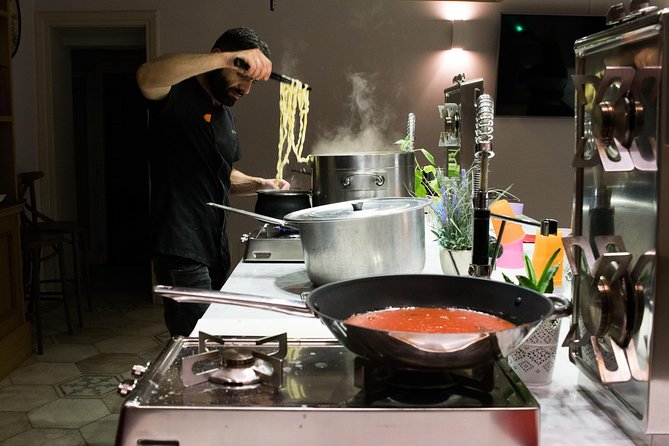
- You’ll make two fresh pasta types and learn the kneading and shaping by hand.
- Roman sauces are part of the lesson, not just a topping choice.
- Welcome Prosecco plus Italian antipasti kick things off before you cook.
- Small-group format (max 15) means you get real attention from the chef.
- Wine and a sit-down meal turn the class into a proper Roman night out.
- Some sessions can be lively and tight, especially if groups split between nearby kitchen rooms.
A Small-Group Pasta and Tiramisù Class Near Piazza Navona
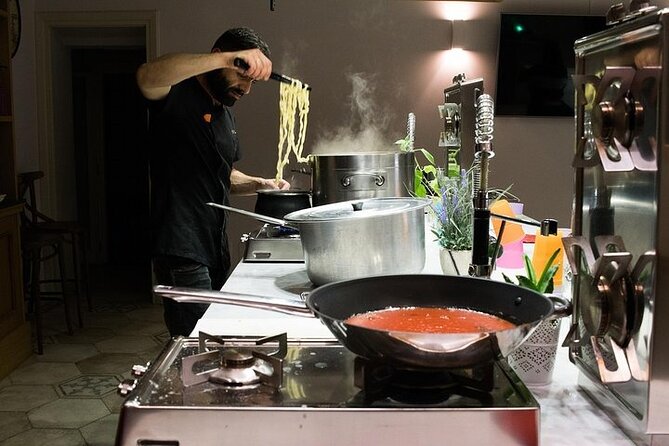
This is a classic Rome idea done the useful way: instead of doing a tasting tour where you nibble and move on, you get your hands into the food. You’ll learn fresh pasta and tiramisù in an actual Italian cooking school setting in central Rome, close to the Piazza Navona area.
The value here is the combination. You don’t just learn recipes; you learn technique, then you eat right away. That matters because pasta dough and tiramisù both reward hands-on practice, not just good intentions.
You can also read our reviews of more tours and experiences in Rome.


Where You Meet and How the Night Unfolds (5:30 pm Start)
The meeting point is Corso del Rinascimento, 65, 00186 Roma RM, Italy. The experience starts at 5:30 pm and ends back at the meeting point, so you’re not stuck hunting for a different place after class.
One logistical detail worth knowing: a short walk may be involved to reach the kitchen space used for your session. In most cases, it’s quick, but if you’re trying to time a dinner plan right after, build in a little wiggle room.
Plan on arriving a few minutes early. With any cooking class, the first minutes set the tone, and here that first stretch includes drinks and antipasti before cooking starts.
Welcome Prosecco and Italian Antipasti Before the Hands-On Part
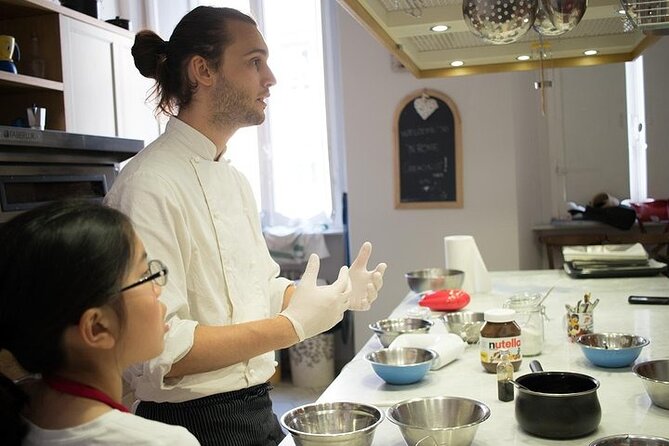
Before flour flies, you get a warm welcome with fresh drinks and Italian antipasti. Prosecco is part of the starter, and it’s a nice way to settle in without rushing.
This matters more than it sounds. When you’re learning pasta dough—something that can feel finicky if you’re anxious—your mood helps. A relaxed start makes it easier to follow instructions and not panic when the dough gets sticky or needs a little more kneading.
Also, since the class includes food tastings and light refreshments, you’re not walking in hungry and you’re not leaving with empty promises.
Fresh Pasta by Hand: Two Types Plus the Motion of Real Cooking
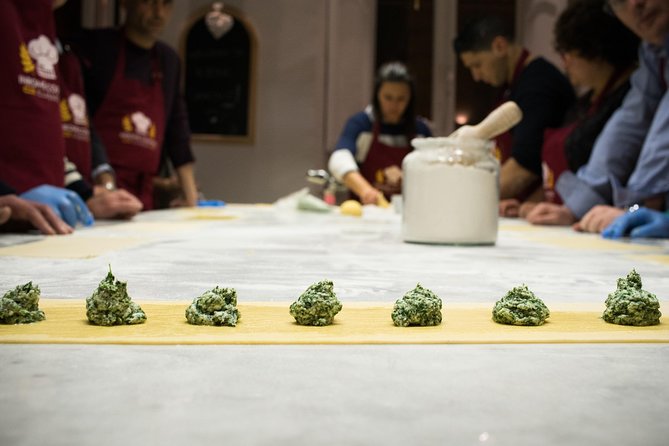
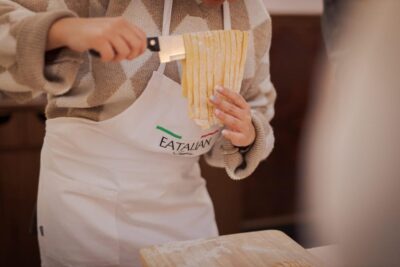
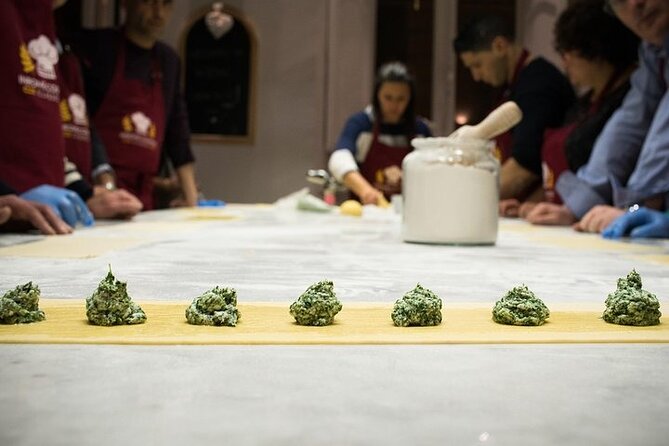
The core of the class is making fresh pasta from scratch. You’ll knead the dough by hand, then shape it into two pasta types. The goal isn’t to produce restaurant-grade perfection in one go. The point is learning why the dough behaves the way it does and what to do when it doesn’t.
Across the class, you get step-by-step guidance from an English-speaking chef. People consistently praise the clarity and patience, with instructors like David (calm and thorough), Simone (high energy), and Francesco (funny and engaging) mentioned by name.
A practical expectation: you’ll be doing the work. This isn’t you watching a demo and taking photos. The teaching style is built around getting you moving through the steps yourself.
If you’re new to cooking, this can still work well. The chefs repeatedly emphasize technique and provide tips you can use again at home.
Roman Sauces: Two Options, Plus How They Think About Flavor
The class doesn’t stop at pasta shapes. You’ll also learn two types of traditional Roman pasta sauces. More than just recipes, the chef teaches you how the sauce works, ingredient by ingredient, so you can understand what you’re doing.
One of the strongest themes in feedback is that chefs talk through substitutions and shortcuts. That’s handy, because not everyone can source the same ingredients in their home grocery store. If you’re the type who wants the flexibility to cook again later, you’ll appreciate this.
It also helps that some classes can run with extra sauce variety depending on timing and the group setup. You might end up making more than the two planned sauces, especially if the kitchen flow allows it, so the night can feel more tailored.




Tiramisù From Scratch: The Dessert Lesson That Actually Makes Sense
Then comes tiramisù, prepared during the class so you leave with a real understanding of the process. You’ll learn how to assemble it in a classic style, and the chef also covers its background as part of the teaching.
What makes this section valuable is that tiramisù is easy to mess up if you treat it like a checklist. The ladyfinger timing, the cream texture, and how you build the layers all matter. In this class format, you get guided repetition and tips for getting it right.
A number of people specifically called out how “super easy” it felt once they were taught the steps properly. That lines up with what you want from a class: the method becomes clear, and your confidence jumps.
Dinner Service and Drinks: Eating Like You Cooked It
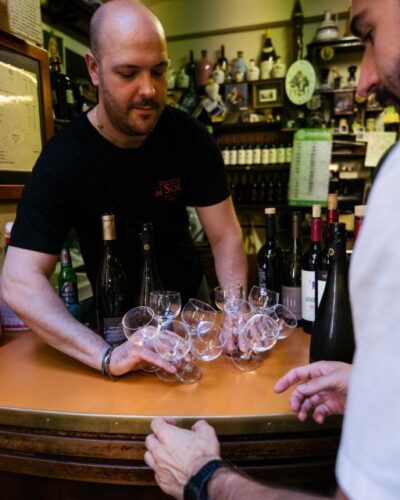
After the cooking, you sit down and enjoy your creations. Included with the meal are local wines and soft drinks, plus bottled water. You’ll also get the structured satisfaction of a full service dinner rather than a quick taste-and-run.
This is where the small-group format shines. Tables often turn into conversation time, and the overall vibe is social without becoming chaotic. Many people mention meeting other English-speaking guests and chatting during the meal, which makes the night feel like a shared experience rather than just a class.
If you’re celebrating something, this part helps. It’s a Roman-food night out that doesn’t require you to know the menu or decode Italian kitchen jargon.
Instructor Style: Why Chefs Like David, Simone, and Marco Matter
This experience can rise or fall based on the chef. The good news: the instruction style is consistently praised, from humor to patience to clear directions.
David comes up for being especially patient and helpful. Simone gets credit for energy and putting people at ease. Marco is repeatedly noted for thorough coaching and accommodating allergies with cross-contamination prevention. Sara earns praise for engaging teaching and a cheerful approach. Alessandro is described as fun and informative, with a teaching style that keeps you confident even if you’ve made pasta before.
You don’t need to be a cooking nerd to enjoy this. You just need someone who can explain what to do when the dough or mixture isn’t cooperating yet. The way the chefs teach seems to do exactly that.
What Can Feel Awkward: Noise, Space, and the Split-Location Reality
Here’s the honest caution: some sessions can feel loud and cramped, especially if classes are run in tight quarters or if groups are split between nearby rooms. One review described two separate classes in a small space where it was hard to hear the instructor.
The provider’s response addresses this by noting the kitchen size and the way they split chefs and groups to keep things hands-on. That’s reassuring, and it likely helps many nights run smoothly. Still, if you’re the type who gets irritated by noise, plan to be flexible.
Also, remember that the walking transfer between meeting point and kitchen area can surprise you if you’re strict about timing. It’s usually short, but it’s real.
Price and Value: What $119.77 Buys You in Rome
At $119.77 per person, you’re paying for more than “a recipe.” You’re paying for:
- Professional-grade equipment and a real kitchen setup
- Instruction in fresh pasta making and tiramisù assembly
- Included ingredients and a sit-down meal with drinks
The meal part is big for value. You’re not just leaving with food; you’re eating as part of the experience. Add wine included, plus the fact that you’ll leave with take-home recipe help, and the price starts to make sense as an evening activity rather than a quick snack event.
If you compare this to doing a cooking class plus dinner separately, it often feels like good budgeting. You get both the learning and the meal in one package.
Who Should Book This Class (and Who Might Not)
This is a strong fit if you want a fun, interactive way to understand Roman cooking without needing culinary background. Couples, friends, families, and solo travelers all work here. People have mentioned it working for a wide age range, including kids, because the steps are guided and the payoff is immediate.
It’s also a good pick if you like social meals. The wine and shared cooking process tend to create conversation, and you’ll likely meet other visitors who are doing Rome the same way you are.
You might reconsider if you need quiet, personal space, or you’re very sensitive to loud rooms. And if you’re trying to fit the class between tight commitments, remember there can be a walk to the actual kitchen space and the session runs around 2.5 hours.
Should You Book Pasta Making and Tiramisù in Rome?
If you want a hands-on Roman-food night, I think this is a book-worthy class. The best version of this experience delivers what you actually came for: real technique, real ingredients, and a real dinner at the end.
Book it if:
- you’re excited to make pasta dough and shape pasta yourself
- you want to learn Roman sauces, not just eat them
- you like the idea of Prosecco, wine, and a shared meal
Skip it if:
- you need a calm, quiet environment
- you hate the idea of a short walk to the kitchen room
- you’re looking for a strict lecture-only experience
FAQ
FAQ
What’s the duration of the cooking class?
It runs about 2 hours 30 minutes.
Where do I meet for the experience?
You meet at Corso del Rinascimento, 65, 00186 Roma RM, Italy.
What time does the class start?
The start time listed is 5:30 pm.
Is this class taught in English?
Yes, it’s offered in English.
What dishes will I learn to make?
You’ll make fresh pasta (two types) and classic tiramisù, plus two traditional Roman pasta sauces.
What’s included in the price?
Food tastings, light refreshments, a two-course meal, bottled water, and alcoholic beverages are included.
Are vegetarian or gluten-free options available?
Yes. Vegetarian and gluten-free options are available, and the team can handle allergy needs (including cross-contamination prevention).
What’s the cancellation policy?
Free cancellation is available up to 24 hours before the experience start time for a full refund.