REVIEW · ROME
Rome: City Walking Tour in English or Spanish
Book on GetYourGuide →Operated by Carpe Diem Tours · Bookable on GetYourGuide
Rome is best learned on foot. I love how this walk connects Rome’s top monuments with lesser-known street stops, and I love the story-led history that ties the Roman Empire to what you see today.
The main trade-off is time: it’s a fast sampler, so you’ll pass by the Pantheon rather than doing a long visit.
In This Review
- Key highlights you’ll actually feel on the ground
- Why this Rome walk is a smart first-day move
- Starting at Piazza d’Aracoeli or Piazza di Pasquino
- Piazza Venezia: the route’s big “anchor” square
- Trajan’s Column: a guided look at how Rome tells stories
- Trevi Fountain: your 30-minute reality check on fame
- Galleria Sciarra and Sant’Ignazio di Loyola: the useful pace break
- Pantheon: what you’ll get when it’s a pass-by stop
- Ending in Piazza Navona: dinner-grade recommendations
- Price and what $28 really buys you
- The guide makes or breaks it: what to look for
- How to get the most out of the walk (without burning out)
- Should you book this Rome City Walking Tour?
- FAQ
- How long is the Rome city walking tour?
- Where do I meet the guide?
- Is the tour offered in English or Spanish?
- How much does the tour cost?
- What stops are included on the itinerary?
- What’s included with the price?
- What’s not included?
- What should I bring, and can I cancel if plans change?
Key highlights you’ll actually feel on the ground
- Two starting options: Piazza d’Aracoeli or Piazza di Pasquino (pick the one that’s easiest for you)
- Guided stops where it counts: Piazza Venezia, Trajan’s Column, Trevi Fountain, Galleria Sciarra, and Sant’Ignazio di Loyola
- A stop-by-Pantheon moment: you’ll get oriented, but you won’t spend a long chunk inside
- A smart finish for food + viewpoints: Piazza Navona, with recommendations to help you choose where to eat next
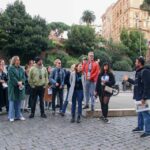
- Small-group vibes are common: guides are praised for answering questions and keeping a steady pace
- Language options: English or Spanish, plus private group availability
Why this Rome walk is a smart first-day move
This is the kind of tour that helps you get your bearings fast. You’re not just ticking off famous places—you’re walking between them while a local guide explains how Rome’s story changed from empire days to modern city life.
I also like that it’s built for attention. The schedule gives you focused guided time at several stops, then moves you along before you start zoning out. It’s the right format when you want context without spending your whole day in one museum.
One more practical note: the duration (2 to 2.5 hours) is short enough that it won’t wreck the rest of your itinerary. You can still plan an evening stroll or dinner at a leisurely pace in the same day.
You can also read our reviews of more tours and experiences in Rome.


Starting at Piazza d’Aracoeli or Piazza di Pasquino
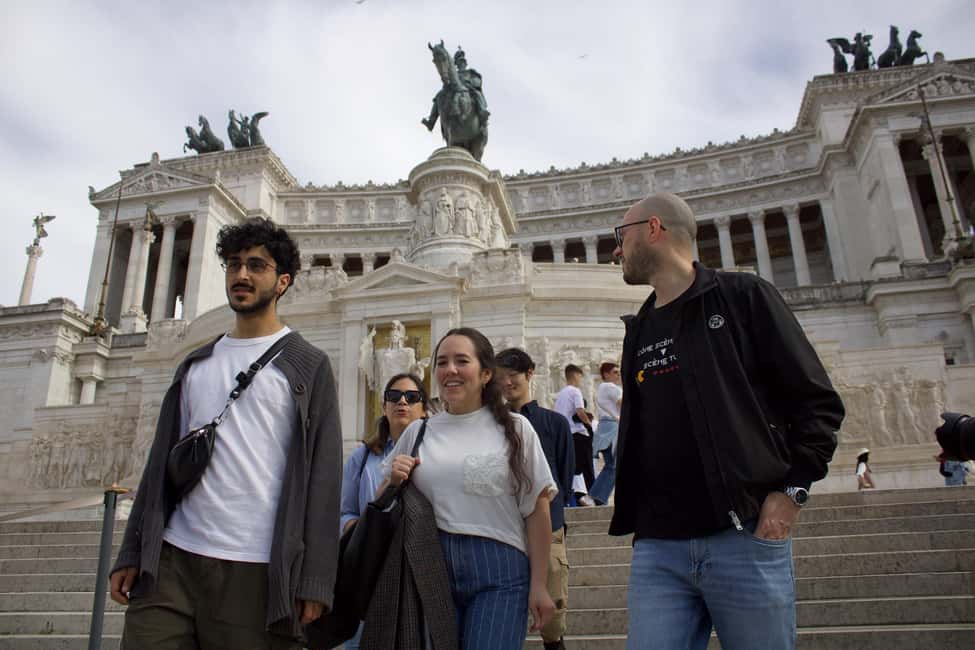
Your tour begins at one of two possible meeting points: Piazza d’Aracoeli or Piazza di Pasquino. That matters, because the route is your “first map” of central Rome—starting at the right place can save you time walking on your own afterward.
Here’s how I’d think about it: choose the meeting point that feels closest to where you’re staying or where you’ll naturally be that morning/afternoon. If you’re staying near the historic core, either works well. If you’re coming from farther out, picking the easiest starting square will keep you from arriving stressed and rushed.
Also, arrive a few minutes early and give yourself buffer time to find the guide. A walking tour lives or dies by the first 5 minutes—once you’re moving, it’s smooth.
Piazza Venezia: the route’s big “anchor” square
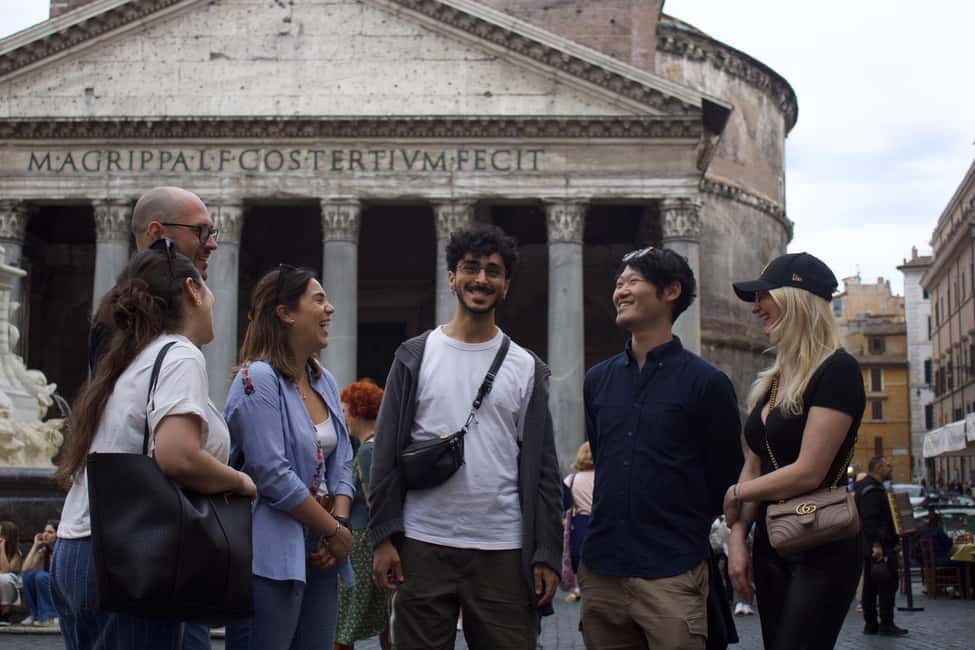
Stop 2 is Piazza Venezia, with a guided segment of about 20 minutes. This is where the tour sets tone: you’re in a major city center area, and the guide uses that setting to launch into Rome’s broader story.
What you’ll get here is orientation. You’ll be able to look around and start connecting the dots between what you’re seeing now and why that area matters. It’s a good spot to ask questions early, too—if the guide can answer something quickly, you’ll carry that clarity through the rest of the walk.
A small consideration: because this is a key public square, it can be busy depending on timing. Keep your focus on the guide’s pacing and the explanation you’re given, not on trying to chase photos every second.
Trajan’s Column: a guided look at how Rome tells stories
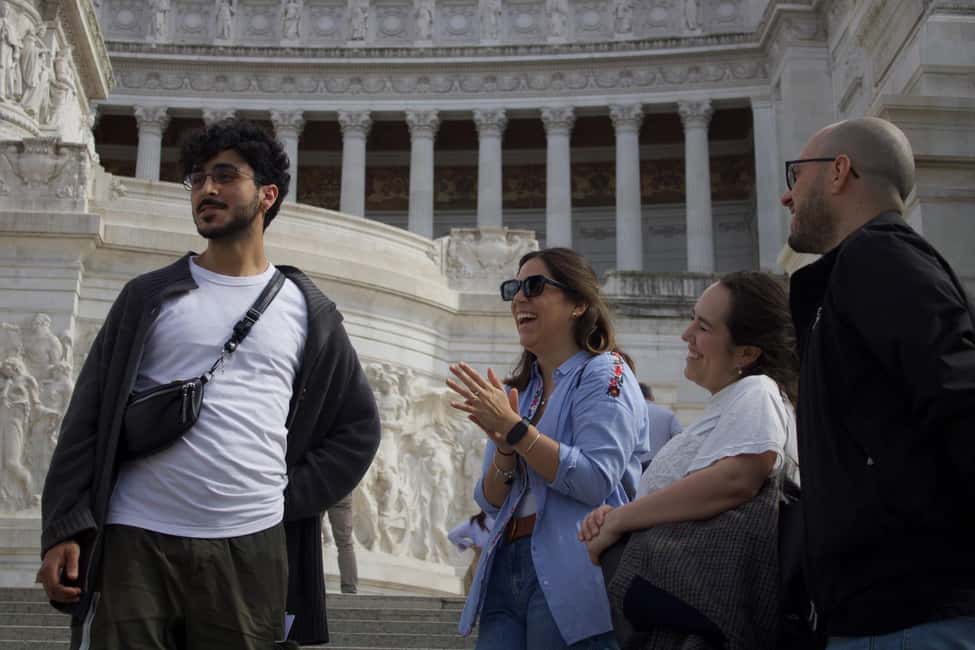
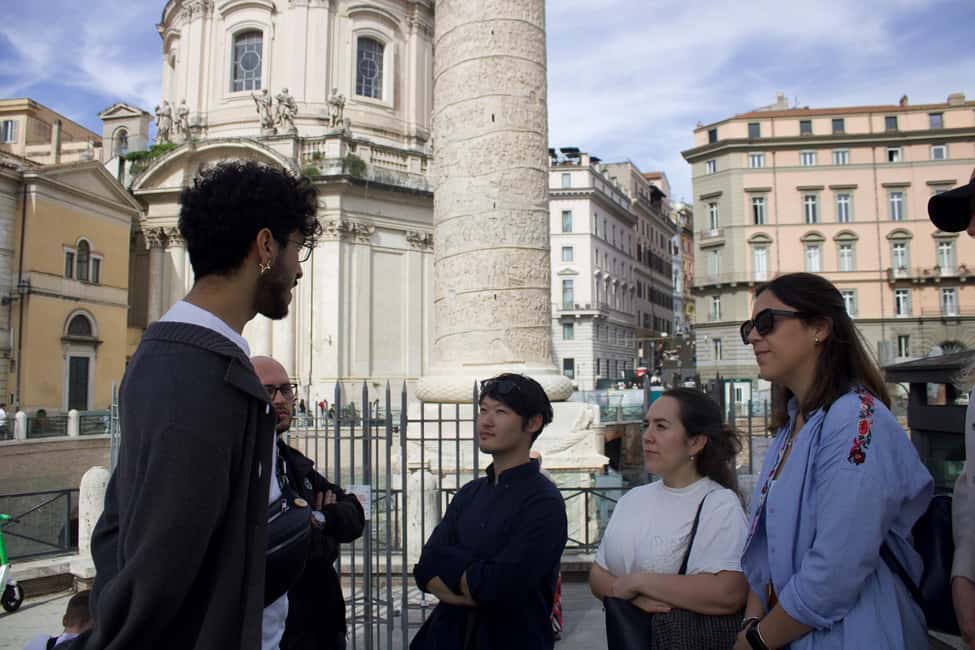
Next up is Trajan’s Column, another guided 20-minute stop. This kind of monument is the perfect “bridge” between the grand ideas of the empire and the way Rome communicates meaning through public landmarks.
In my view, the value here isn’t only seeing the structure—it’s hearing what the guide points out and why it fits into the larger narrative of Rome. If you’ve ever felt like famous ruins are just… ruins, this is the moment where a good guide helps you read the city.
Also, don’t be afraid to ask follow-ups. The tour format is designed for questions while you’re walking and stopping. Several guides are praised for handling questions clearly and keeping explanations easy to follow.
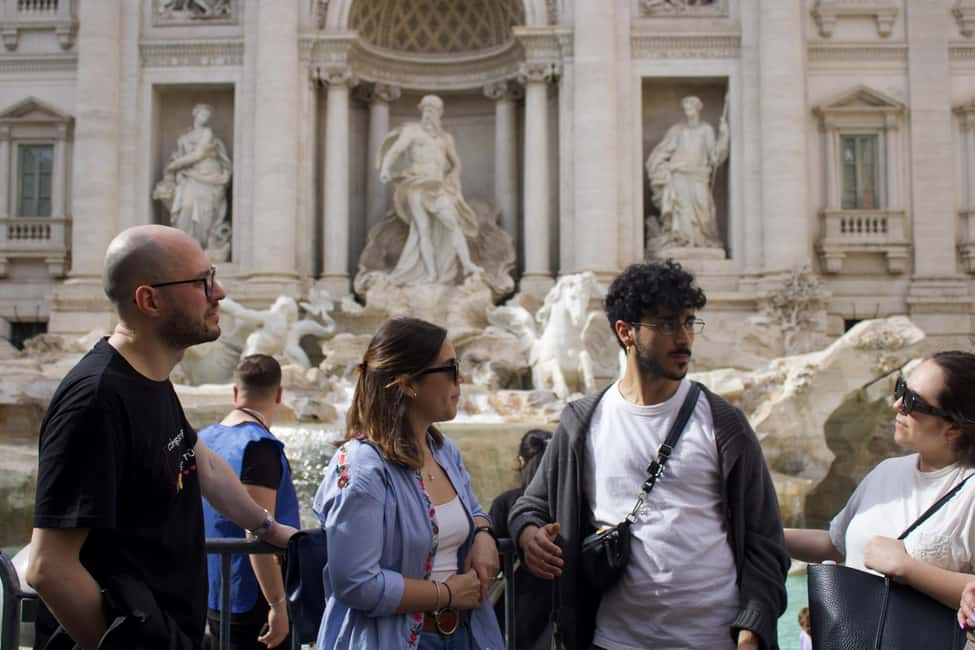
Trevi Fountain: your 30-minute reality check on fame
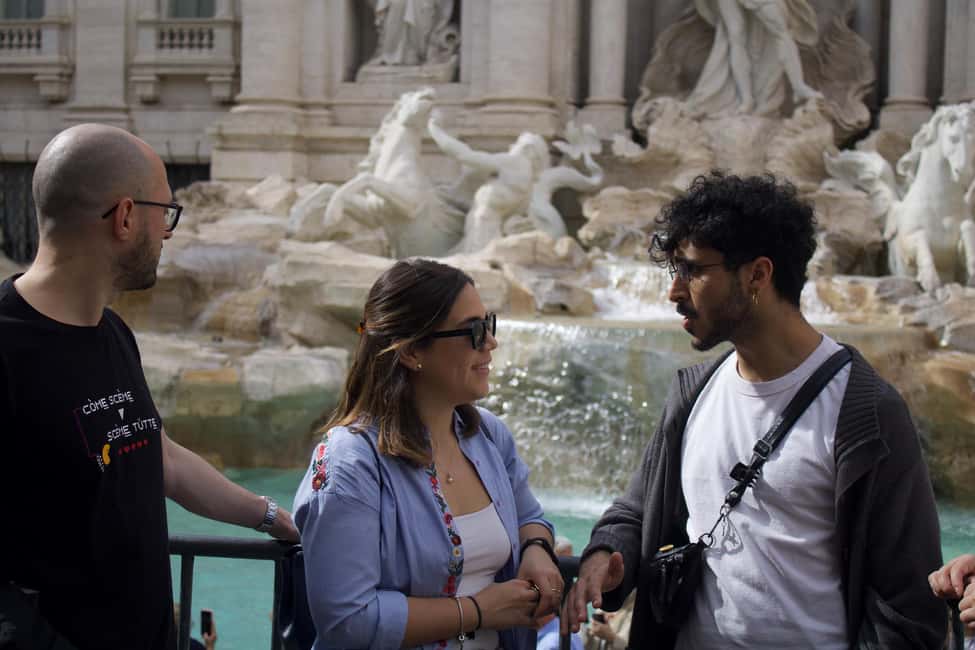
Then comes Trevi Fountain for about 30 minutes. If you’ve ever seen this place in photos, you already know it’s famous. What you may not expect is how much value you get from a guided stop here compared to doing a quick self-guided loop.
The guide’s job at a place like this is to help you look at more than just the postcard view. You’ll get time to take in the scene, but also time to understand how it fits into Rome’s culture and story.
Practical tip: give yourself a mental goal before you arrive—one good photo spot, one moment just to watch the fountain area, and one question to ask the guide. If you do that, you won’t feel rushed even if crowds rise.


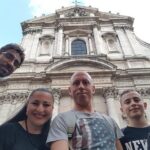
Galleria Sciarra and Sant’Ignazio di Loyola: the useful pace break
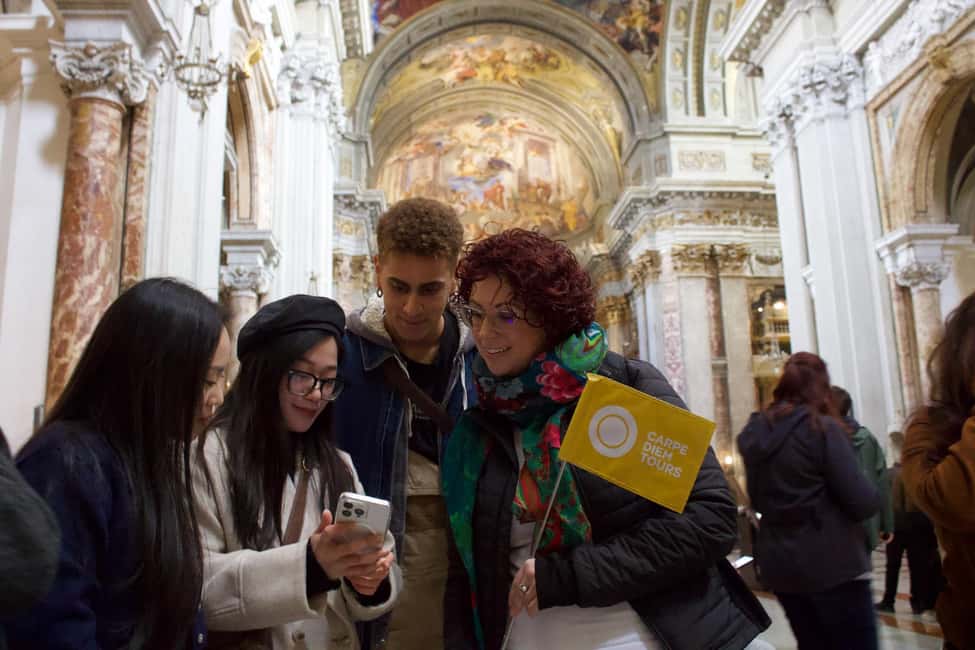
After the biggest headlines, the tour shifts to two stops that feel more like a change of setting:
- Galleria Sciarra (about 20 minutes, guided)
- Church of Sant’Ignazio di Loyola (about 20 minutes, guided)
This is where the tour stays interesting. It’s not just another big square with another “look and go.” Instead, you get guided time at different types of places, which helps you keep your attention—and it gives your feet a variety of walking rhythms.
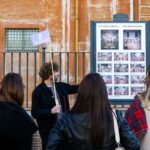
A good guide also helps you understand what you’re seeing without making it feel like homework. The style on this tour is repeatedly described as engaging and accessible, with guides who can answer questions and keep a steady walking pace.
If you’re someone who worries about keeping up, this section is where the tour’s pacing matters most. The schedule gives you breaks without turning the afternoon into a standstill.
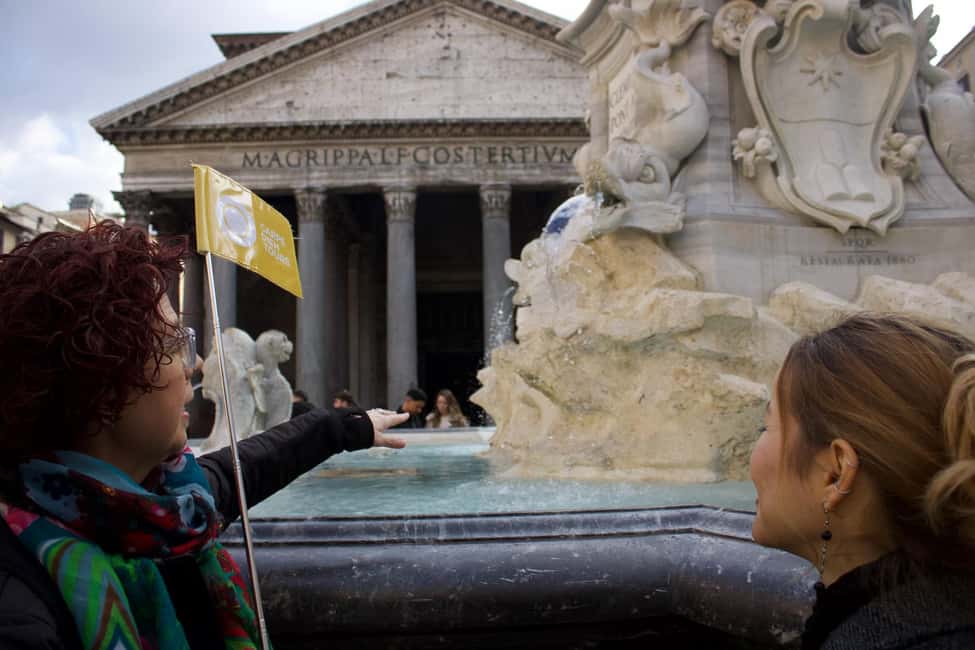
Pantheon: what you’ll get when it’s a pass-by stop
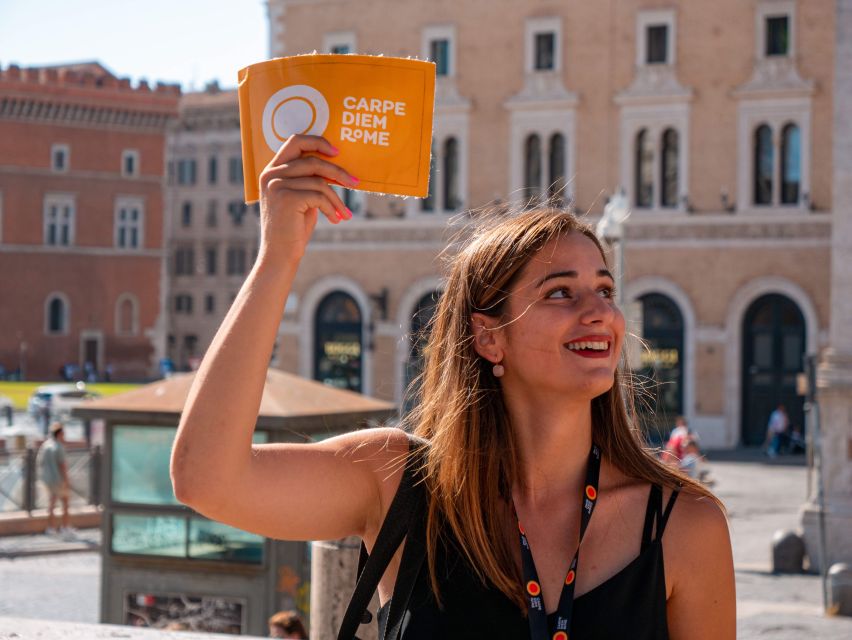
Stop 7 is Pantheon, Rome, but it’s listed as a pass by segment of around 20 minutes. That means you’ll get a guided orientation and a proper look from the outside/along the route, but you should not count on a long visit like you’d do on a separate Pantheon-focused outing.
So what should you do with those 20 minutes? Use them to lock in your “future plans.” If you want to return for a longer look, decide here. If your priorities are broad (empire → piazzas → fountains), this pass-by still works as a key landmark moment without overcommitting time.
This is the stop where people either love the speed (because it keeps the tour moving) or feel slightly impatient (because they want more time). If you’re strongly interested in interiors, pair this walking tour with a later, longer visit.
Ending in Piazza Navona: dinner-grade recommendations
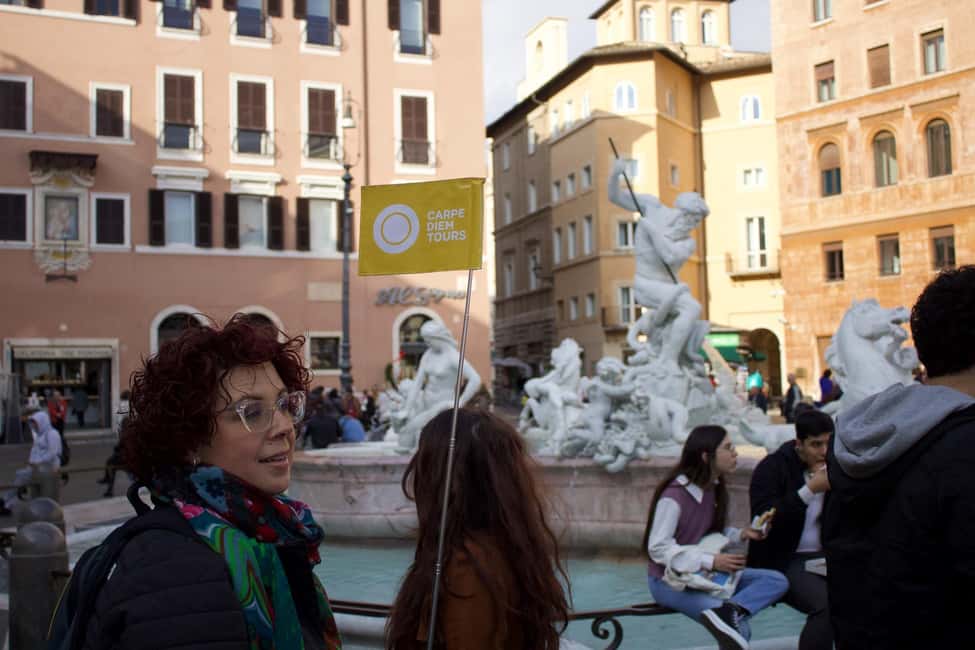
The tour wraps with drop-off options that include Piazza Navona, which the tour describes as the city’s best area for eateries, bars, and rooftop terraces. You’ll also have the chance to ask your guide for tips on what to see and where to eat next.
This ending point is practical. Piazza Navona is one of those “you can relax here” zones, so you’re not stuck thinking, Now what? Instead, you’re handed a next step right where you want one: food and an easy place to continue exploring.
When you arrive, I suggest doing two things fast:
- Ask your guide one question about where to eat nearby.
- Ask one question about what to see next that matches your interests (night views, more monuments, or a calmer stroll).
Many guides are praised for giving helpful recommendations at the end of the tour, and that’s exactly what makes this finish feel like a service, not just a stop.
Price and what $28 really buys you
The price is $28 per person, and the duration is 2 to 2.5 hours. For that time, you’re paying for a live guide plus a route design that connects major sights with smaller stops and includes recommendations.
Here’s what stands out as value:
- You’re not just walking between random points—you’re guided through context.
- You get multiple guided stops (Piazza Venezia, Trajan’s Column, Trevi Fountain, Galleria Sciarra, Sant’Ignazio di Loyola), not a “fast photo parade.”
- You finish in a prime area for meals and evening plans, which can save you decision fatigue.
What’s not included matters too. Food and drinks aren’t part of the ticket, so budget for a meal afterward. The upside is you’re free to choose based on your tastes and hunger level instead of being locked into a set snack.
In short: if you want a guided introduction that helps you move around central Rome with confidence, this price feels fair for the time and planning it replaces.
The guide makes or breaks it: what to look for
This tour’s reputation is strongly tied to guide quality. Names like Domenica, Romani, Dan, Dinara, Vlad, and Polina show up in the praised experiences, and the common theme is clear storytelling with a friendly, question-friendly approach.
You’ll feel that in two ways:
- The pacing stays comfortable, so you can absorb what you’re seeing rather than constantly sprinting to keep up.
- Explanations are described as detailed but still easy to follow, which is what you want when you’re standing in front of famous monuments without a guidebook.
One practical detail you might notice on some departures: guides have been praised for using a listening setup (headphones) that helps you hear them clearly while walking. If that’s available on your date, take advantage of it—it makes the tour feel smoother.
How to get the most out of the walk (without burning out)
This tour is ideal for your first day or first major afternoon in Rome. It helps you understand the shape of the center and gives you a list of places you’ll likely want to see longer later.
To make it work well:
- Wear comfortable shoes. This is walking-first, sightseeing-second, even though you’ll see major monuments.
- Bring a small note mindset. When your guide mentions where to return for deeper visits, write it down so you don’t forget when you’re hungry and tired.
- Ask questions at stops, not only at the end. If you’re curious about something you don’t understand on the spot, the guide can usually explain it in plain terms.
Also, plan to keep the rest of your day flexible. This tour gives you a starting framework, and that framework tends to change how you explore afterward—in a good way.
Should you book this Rome City Walking Tour?
Yes, if you want an organized introduction to central Rome in 2 to 2.5 hours, with a live guide, guided stops at the big names, and a finish in Piazza Navona where you can quickly transition into dinner plans.
Skip it if you’re the type who wants long, slow, inside-the-building time at every major landmark. The Pantheon is pass-by, and the overall format is designed to move through several points rather than linger.
If you’re deciding between doing everything on your own versus learning the city’s storyline as you walk, this one leans strongly toward the second option—and that’s exactly what makes it a practical value in Rome.
FAQ
How long is the Rome city walking tour?
The tour lasts about 2 to 2.5 hours. Starting times vary, so you’ll want to check availability for the exact schedule.
Where do I meet the guide?
You can start at one of two meeting points: Piazza d’Aracoeli or Piazza di Pasquino. The exact meeting point may vary depending on the option you book.
Is the tour offered in English or Spanish?
Yes. The live tour guide offers Spanish and English.
How much does the tour cost?
It costs $28 per person.
What stops are included on the itinerary?
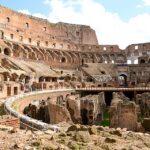
The tour includes Piazza Venezia, Trajan’s Column, Trevi Fountain, Galleria Sciarra, Church of Sant’Ignazio di Loyola, and a pass-by of the Pantheon. It ends near Piazza Navona, with options that can include the Colosseum area.
What’s included with the price?
The ticket includes a local guide, hidden gems/interesting smaller stops, Roman history context, scenic spots, and recommendations.
What’s not included?
Hotel pickup and drop-off are not included. Food and drinks are also not included.
What should I bring, and can I cancel if plans change?
Bring comfortable shoes and comfortable clothes. You can cancel up to 24 hours in advance for a full refund.