REVIEW · ROME
Rome Afternoon Sightseeing Vespa Sidecar Tour with Gourmet Gelato
Book on Viator →Operated by Vespa Sidecar Tour · Bookable on Viator
Rome from a sidecar feels like VIP mode. This is a no-driving ride with a pro team, plus a stop for gourmet gelato in a historic alley. I also like how you still get to hop off and look around at the big landmarks without the stress of navigating traffic on your own, but one catch is sound can be a little hit-or-miss while you’re moving.
You’ll spend about 4 hours zipping between Rome’s most famous sights, plus a few high-impact viewpoints and neighborhoods. The whole thing runs as a small-group experience (max 12), with headsets and live commentary so you can keep up instead of just staring at scenery.
One more thing to keep in mind: seating is split between the sidecar and the seat behind the driver, and you may not always hear perfectly depending on your headset/age/volume—so plan to turn your head a bit during the ride and save the best questions for stops.
In This Review
- Key things to know before you ride
- Starting at Piazza della Repubblica: what the sidecar setup really means
- 4 hours in a small group: how the ride stays fun (not frantic)
- Trevi Fountain timing and the Pantheon ticket: the two big “must-see” moments
- Piazza Navona and St. Peter’s Square: baroque drama in motion
- Janiculum Hill for views, then Trastevere lanes for the real Rome vibe
- Piazza Venezia, Altare della Patria, and the Colosseum photo-theater
- Santa Maria Maggiore: the calmer ending that still counts
- Price and value: what you’re actually paying for
- Who should book this Vespa sidecar tour
- Seating, comfort, and safety details you should plan for
- Should you book this Rome Vespa sidecar tour?
- FAQ
- How long is the Rome afternoon Vespa sidecar tour?
- What time does the tour start?
- Where do I meet for the tour?
- Do I have to drive the Vespa sidecar?
- Is the Pantheon entrance fee included?
- Is gelato included?
- What group size should I expect?
- Who can participate?
Key things to know before you ride
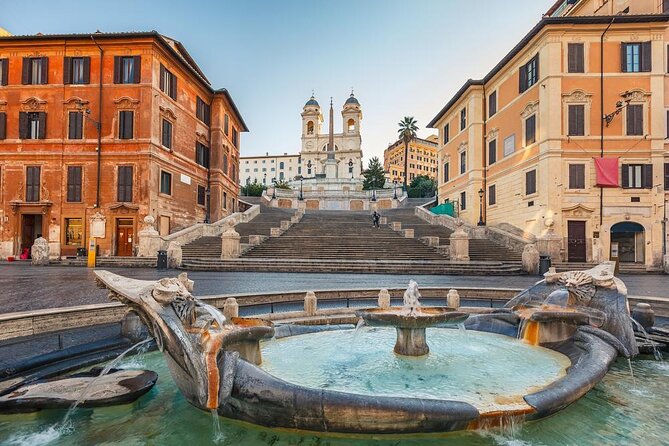
- Sidecar stability, zero driving: you relax while a designated driver handles the scooter.
- Headsets + helmet covers: you get headsets to hear clearly, and CE-approved helmets with sterilized disposable head covers.
- A fast-hit Rome loop: the pace is designed to cover major sights in a single afternoon.
- Pantheon entrance included: you don’t have to buy your own entry ticket for this one.
- Gelato is part of the plan: you get a gourmet gelato stop, timed for a break in the middle of the action.
Starting at Piazza della Repubblica: what the sidecar setup really means
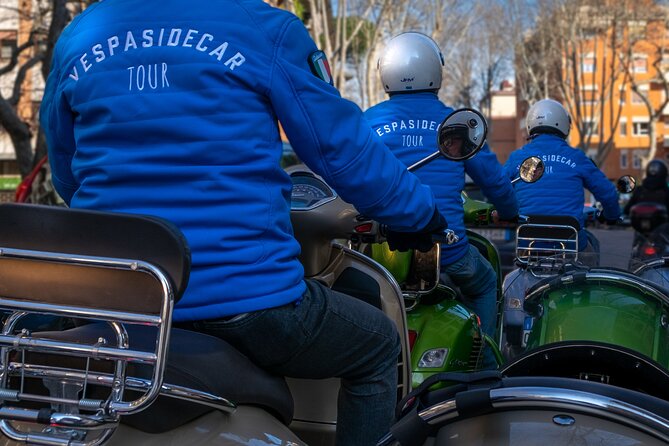
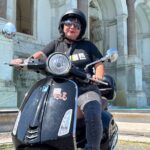
Your afternoon kicks off at Piazza della Repubblica, right by the action of Rome’s modern-day center. You meet, get fitted, and hop into a setup designed for comfort and safety: helmets are required, and you’ll wear disposable head covers placed over the helmet.
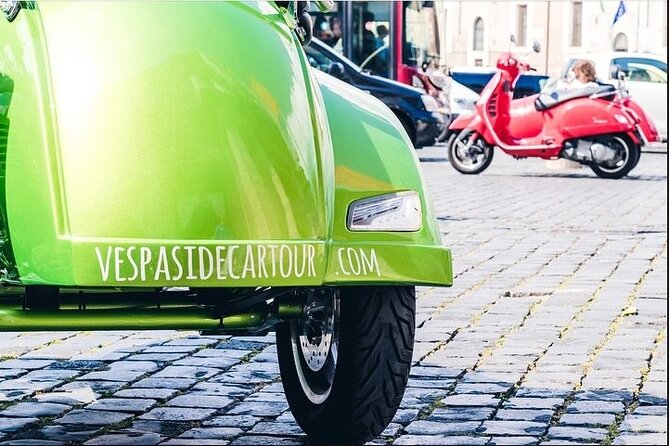
The biggest quality-of-life factor is the driving. Each two-seater sidecar has its own motorcyclist, and you’re not responsible for steering through Roman traffic. That changes the whole vibe. You can focus on the buildings, the streets, and the guide’s story instead of bracing for potholes and scooters.
If you’re worried about feeling boxed in, the good news is you’re not stuck in one long “sit and suffer” segment. You’ll stop often enough to stretch, take photos, and step out to get real looks instead of just passing by at speed.
You can also read our reviews of more tours and experiences in Rome.

4 hours in a small group: how the ride stays fun (not frantic)
This tour runs for about four hours, starting at 2:30 pm and ending back at the same meeting point. With a max of 12 travelers, you’re not part of a huge stampede. It feels more like a guided day out than a bus tour with a thousand faces.
The company provides headsets, which matters because Rome is loud. Even so, a couple of practical notes help: the motion and wind can make it harder to catch every word when you’re in motion, so you’ll hear best when you’re closer to the guide and you listen during slower stretches or stop-and-go moments.
What I like about this format is the rhythm. You’ll spend enough time out of the seat to actually see details, then you’ll roll to the next spot before you get bored. That’s how you get value out of an afternoon in Rome.
Trevi Fountain timing and the Pantheon ticket: the two big “must-see” moments
Trevi Fountain is one of those places where the scale grabs you fast. Expect a quick, high-impact stop that still gives you enough time to look closely—especially at the breadth of the façade and the busy theatrics of people trying to photograph without getting in each other’s way. It’s free to see, but the real win here is having a guide frame the story so you don’t just treat it like a postcard.
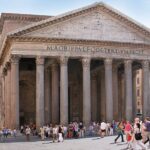
Then comes the Pantheon, and this is where the tour’s included ticket actually pays off. You get entrance included for the Pantheon, which means you can focus on the space itself rather than logistics. The Pantheon is famous for being the best preserved ancient building in Rome and for its dramatic oculus—your natural light moment is built right into the architecture.
Why this stop works on a Vespa sidecar tour: you’re not spending all day commuting between far-apart areas. You land here after a loop of central sights, so you get the full “this is why people come to Rome” payoff while you still have energy left.
Piazza Navona and St. Peter’s Square: baroque drama in motion
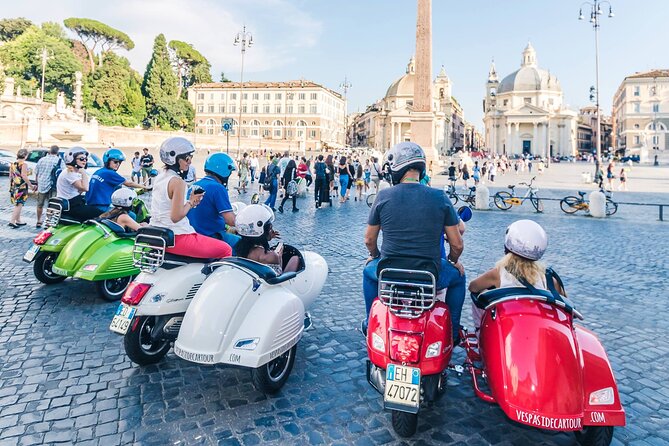
After Trevi and the Pantheon, the route threads you toward Piazza Navona, which sits on the footprint of an ancient Roman stadium. That layering is part of the fun: the shape and energy of the square make sense once you connect it to what was here before the Baroque redesign.
From there, the mood shifts as you move toward Vatican City and St. Peter’s Square. St. Peter’s Square is massive, and it’s designed to handle crowds—so it can feel overwhelming on your own. With a guide and a planned stop, you’re better positioned to look around with purpose instead of feeling like you’re just waiting for the group to move again.
A practical tip: plan on taking your photos quickly and stepping back once the crowd density changes. Squares like this can feel different every few minutes because people keep arriving and moving.
Janiculum Hill for views, then Trastevere lanes for the real Rome vibe

After the central big-hits, the route heads to Terrazza del Gianicolo on Janiculum Hill. This is a smart mid-tour change of pace. You get a peaceful break from the heavy landmark pressure, plus a panoramic look that helps you “read” the city in your head later.
The hill stop is short—about 15 minutes—so you’ll want to treat it like a quick viewpoint window. Wear comfortable shoes and move steadily so you don’t waste time deciding where to stand.
Then you shift into Trastevere, where the experience turns from monument hunting into neighborhood roaming. You’ll ride through narrow lanes and pass by trattorias and the Jewish Ghetto area along the drive. Even without long stop time, this stretch gives you something buses often skip: the feel of local streets rather than only the “official” sites.

Piazza Venezia, Altare della Patria, and the Colosseum photo-theater
Rome’s skyline gets dramatic near Piazza Venezia and the Monumento Nazionale a Vittorio Emanuele II (Altare della Patria). This area is all about scale. You get a view that helps you orient yourself, plus an important stop tied to the unification story of Italy.
Inside the monument there’s a museum focus on the Risorgimento and a place for the unknown soldier with the eternal flame concept, but even if you’re mostly sightseeing from outside, the point is context. Your guide should help you connect the monument to why Rome looks the way it does in the modern era.
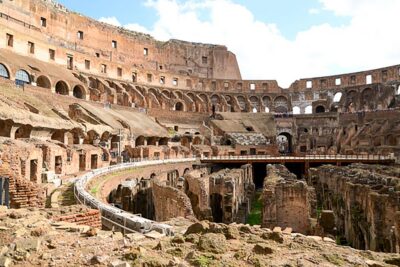
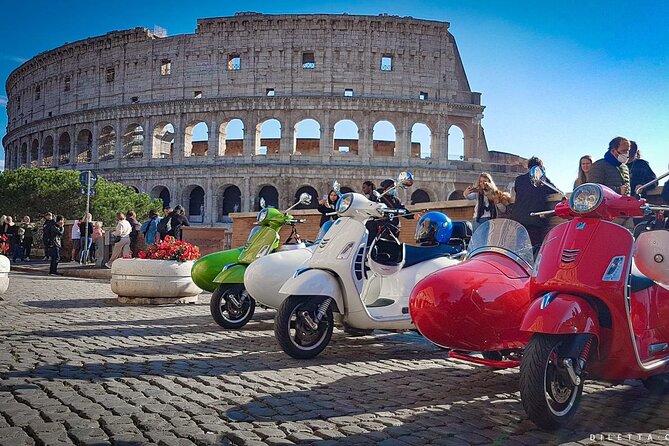
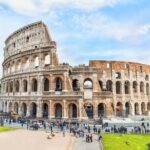
Then the route brings you to the Colosseum, the Flavian Amphitheatre. Expect it to feel like stepping into a time machine, even if your stop is primarily for seeing it up close and getting photos. This is the big symbol of Rome, and it tends to land as emotional for people who thought they only liked history in theory.
If you want a “I can’t believe I’m here” moment, this is one of the best times in your day for it—because you’ve already built momentum with smaller stops and you’re still in sightseeing mode.
Santa Maria Maggiore: the calmer ending that still counts
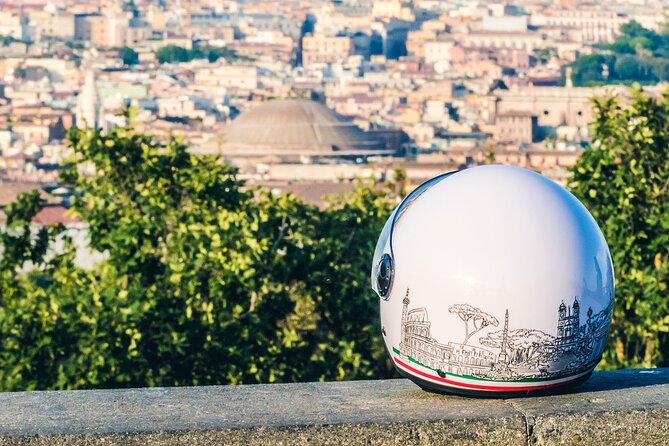
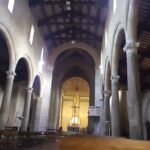
The afternoon ends with Basilica di Santa Maria Maggiore, one of Rome’s four major basilicas and the largest dedicated to the Virgin Mary in the city. This is a more reflective closing note compared to the Colosseum-and-fountains intensity earlier.
If you like churches that still feel woven into everyday city life rather than pure tourist theater, this stop works. You’ll likely have enough time to notice the structure without the experience dragging.
And because the tour returns you to the starting area, you don’t have to figure out transport afterward. You can head straight into your next meal plan while the day is fresh.
Price and value: what you’re actually paying for
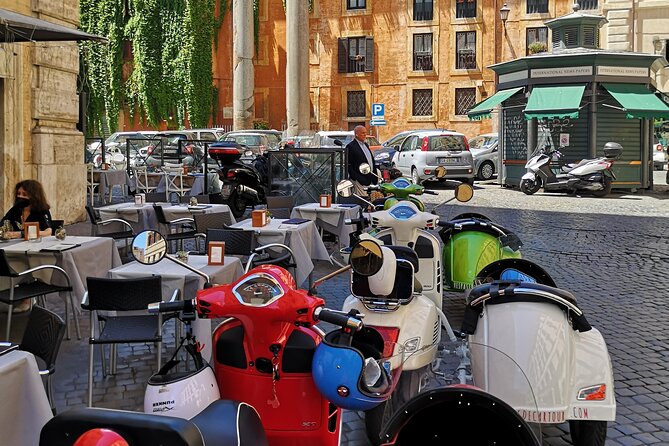
At $163.26 per person for about four hours, you’re paying for three things at once: transport, guided storytelling, and a few “included” touches that remove friction.
First, you’re paying for the convenience and safety of riding in a sidecar with licensed drivers. You avoid the stress of navigating scooters yourself. You also avoid spending time in taxis or buses that don’t always get you through the best angles or quickest routes in central Rome.
Second, the tour includes headsets and live interactive commentary. That’s not just “nice.” It’s how you turn stops into learning instead of photo moments that blur together.
Third, the Pantheon entrance ticket is included. That’s a real value add, because it’s one big attraction where entry logistics can cost time (and often extra money).
So is it worth it? If you want a high-impact overview that mixes major monuments, a viewpoint escape, and a neighborhood drive—while still feeling safe and relaxed—this is priced like a premium afternoon, but it matches the package.
Who should book this Vespa sidecar tour
This tour is a strong fit if you:
- want a top-sights Rome overview in one afternoon
- dislike long waits and prefer guided stops with a clear plan
- enjoy photography, since the ride-by motion and photo pauses create good moments
- like the idea of a “small group” day rather than a huge crowd schedule
It may be less ideal if you:
- hate any riding at all (you’re on a scooter sidecar the whole time, even though you don’t drive)
- get motion-sensitive with wind and movement
- need a strict guarantee that you’ll be seated in the sidecar every minute of the trip (seat location can vary by ticketed seats)
Seating, comfort, and safety details you should plan for
The sidecar has a weight limit of 110 kg / 242 pounds, and the seat behind the driver has a maximum weight of 118 kg / 260 pounds. The sidecar also has a maximum height of 1.90 m.
Kids must be at least 5 years old, and children taller than 150 cm can seat behind the driver; otherwise they have to sit in the sidecar. There are limits on who can participate during pregnancy, since the tour is not permitted for pregnant travelers.
One more practical detail: if you book one seat only, you’ll share the vehicle with another guest. There’s also a policy for swapping at stops so each person can alternate positions during the tour.
Finally, it requires good weather. If conditions are poor, you’ll be offered a different date or a full refund.
Should you book this Rome Vespa sidecar tour?
I’d book it if you want a fun, efficient introduction to Rome that still feels personal. The combination of sidecar transport, headsets, frequent stops, and a planned gelato break makes this a great “first Rome afternoon” option. It’s also a smart move when you want big-name monuments like the Trevi Fountain, Pantheon, and Colosseum without turning your day into a maze.
I’d skip or rethink it if you’re extremely noise-sensitive, motion-sensitive, or you’re traveling with needs that don’t match the ride rules. Otherwise, this is the kind of tour that makes Rome feel immediate, not overwhelming—your group rolls through the city, stops at the right moments, and you come away with both photos and context.
FAQ
How long is the Rome afternoon Vespa sidecar tour?
It’s about 4 hours.
What time does the tour start?
The start time is 2:30 pm.
Where do I meet for the tour?
You meet at Piazza della Repubblica, 41, 00185 Roma RM, Italy.
Do I have to drive the Vespa sidecar?
No. Professional drivers handle the riding, and you just sit on board.
Is the Pantheon entrance fee included?
Yes, entrance ticket to the Pantheon is included.
Is gelato included?
Yes. There’s a gourmet gelato stop during the tour.
What group size should I expect?
The tour has a maximum of 12 travelers.
Who can participate?
Children must be at least 5 years old and be accompanied by an adult. The tour is not permitted for pregnant travelers, and service animals are allowed.