REVIEW · ROME
Rome: Bioparco di Roma Zoological Garden Entry Ticket
Book on GetYourGuide →Operated by C-WAY Srl Unipersonale · Bookable on GetYourGuide
Rome trades ruins for real wildlife. Bioparco di Roma, set on part of the Villa Borghese estate, turns a stroll into a wildlife mission, with 1,200 animals across about 200 species. What I like most is how the park connects what you see to real conservation and environmental education.
One thing to keep in mind: the zoo is big, and not every animal is equally visible at every hour—some exhibits may also be under construction depending on the day.
Key things to know before you go
- Skip-the-line entry via a separate ticket line at the gate saves time when crowds form
- Reptile House is a top stop, with lots of iguanas, snakes, and lizards
- 42-acre park means you’ll walk more than you expect, so plan for comfortable shoes
- Bilingual animal info: many signs are in Italian and English
- Food inside is limited, so a flexible plan (or picnic) helps
- Conservation focus is part of the experience, not just signage
In This Review
- Bioparco di Roma in Villa Borghese: a zoo that feels like a green pause
- What your $25 ticket buys you (and why “skip-the-line” matters)
- A smart way to plan your visit: pace, walking, and timing
- The animal kingdom loop: reptiles, primates, big cats, and peacocks
- Reptile House: the stop that many people plan around
- Primates: chimps and lemurs for close-up energy
- Big animals: tigers, bears, and the reality of enclosure size
- Birds and the fun bonus: peacocks roaming freely
- Animal info that’s actually usable: signs in Italian and English
- Enclosures, conservation, and what to notice on the walk
- Food, cafes, and keeping your energy up without overspending
- Accessibility and practical comforts that affect the day
- Getting to Bioparco: transit tips that can save you time and hassle
- Who should book this zoo day?
- Should you book Bioparco di Roma entry?
- FAQ
- How many animals and species can I see at Bioparco di Roma?
- How long should I plan to spend at the zoo?
- Is skip-the-line entry included?
- Is food and drinks included with the ticket?
- Where can I pick up a Tramezzino during the visit?
- Are the animal information signs available in English?
- Do I need a separate child ticket?
- Is the activity refundable?
- Is Bioparco di Roma wheelchair accessible?
Bioparco di Roma in Villa Borghese: a zoo that feels like a green pause
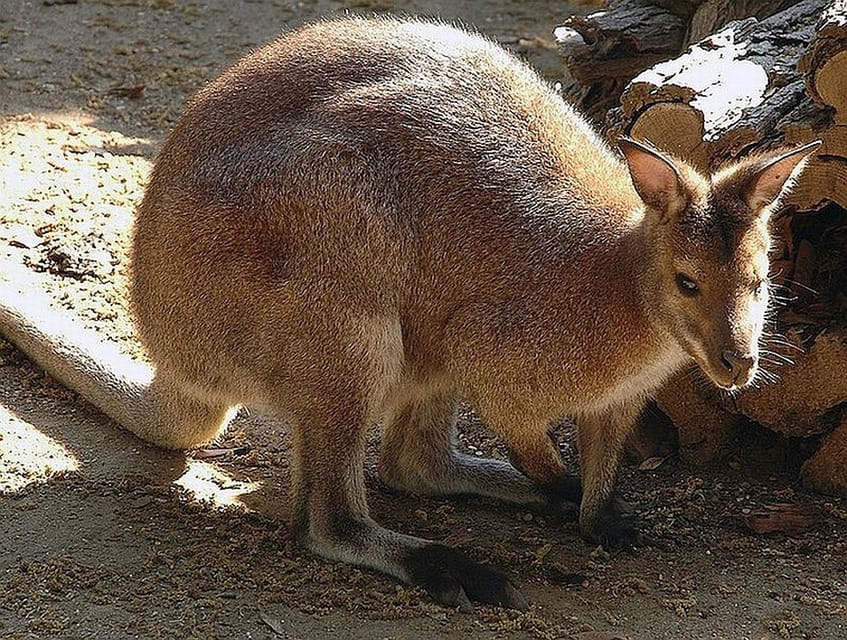
Bioparco di Roma is one of those places where you can step away from Rome’s big sights and just focus on living animals. It sits on part of the original Villa Borghese estate, so even before you reach the enclosures you’re walking in a park-like setting.
The park covers about 42 acres, which sounds huge for a zoo day—and it is. That size is part of the charm: you’re not fighting shoulder-to-shoulder crowds the whole time. And because you’re in a green space, breaks between animal areas actually feel good instead of just being a waiting room.
What your $25 ticket buys you (and why “skip-the-line” matters)
Your entry ticket is priced around $25 per person, and it’s built for one straightforward goal: get you into the zoological garden quickly. The most practical feature here is the skip-the-line entry through a separate entrance/ticket line at the gate. Even when queues are short, this helps you start your walk earlier, which matters because animal activity tends to be better earlier in the day.
Also, this ticket is for a 1-day visit. You’re not buying a timed show or a cramped group tour. You’re buying freedom to move at your pace and linger where something catches your eye.
You can also read our reviews of more tours and experiences in Rome.



A smart way to plan your visit: pace, walking, and timing
This is not a zoo you zip through in 45 minutes. It can take 3 hours for a solid circuit, but it can also stretch into a full day if you stop often, take photos, and revisit animals that are more active at certain moments.
Here’s how I’d plan it:
- Start early if you can. One of the best pieces of advice from the experience is that going when it’s quieter means more animal sightings and less stress.
- Treat the zoo like a route with checkpoints, not a checklist. Pick your must-sees (like the Reptile House) and then let the rest fill in around them.
- Expect to walk. People have reported covering around 6 miles in a full wander, so shoes are not optional.
If you’re visiting with kids or you want calmer pacing, aim for weekdays when possible. Quiet days usually mean you can actually watch behavior instead of scanning over other heads.
The animal kingdom loop: reptiles, primates, big cats, and peacocks
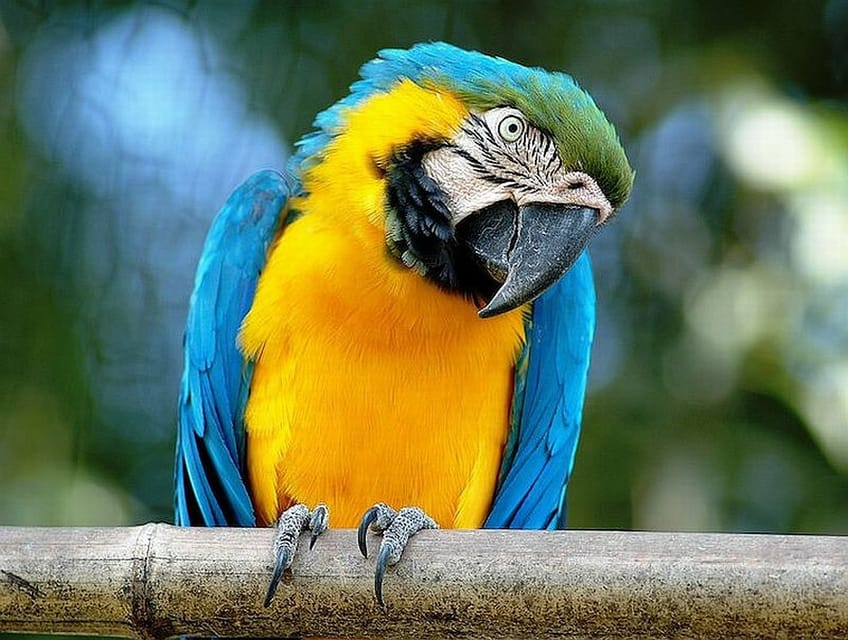
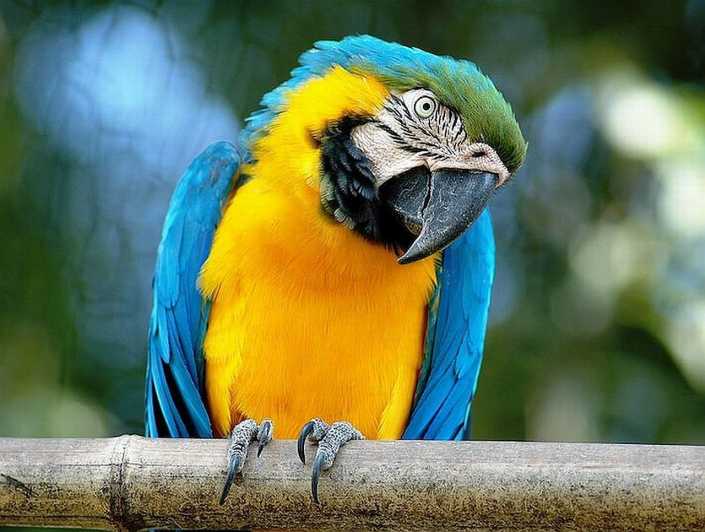
The zoo’s scale is the headline: you can see over 1,200 animals representing about 200 species, spread across five continents. That variety is what makes Bioparco a good choice if you’ve already done Rome’s classic monuments and want a change of pace.
Reptile House: the stop that many people plan around
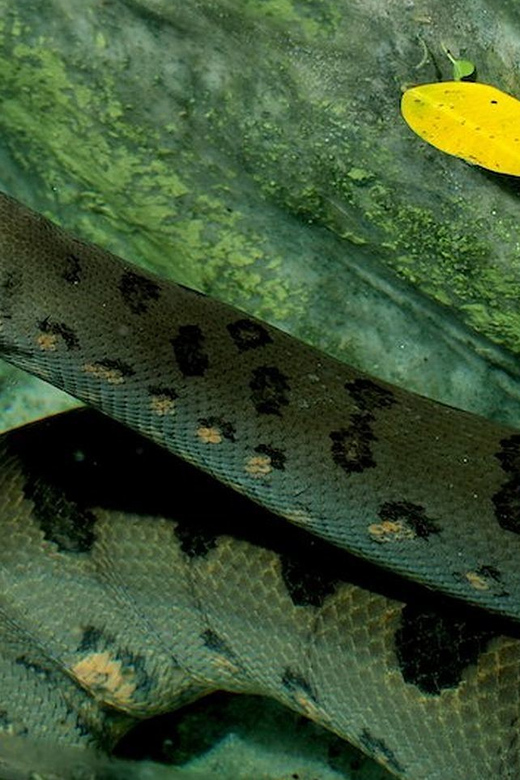
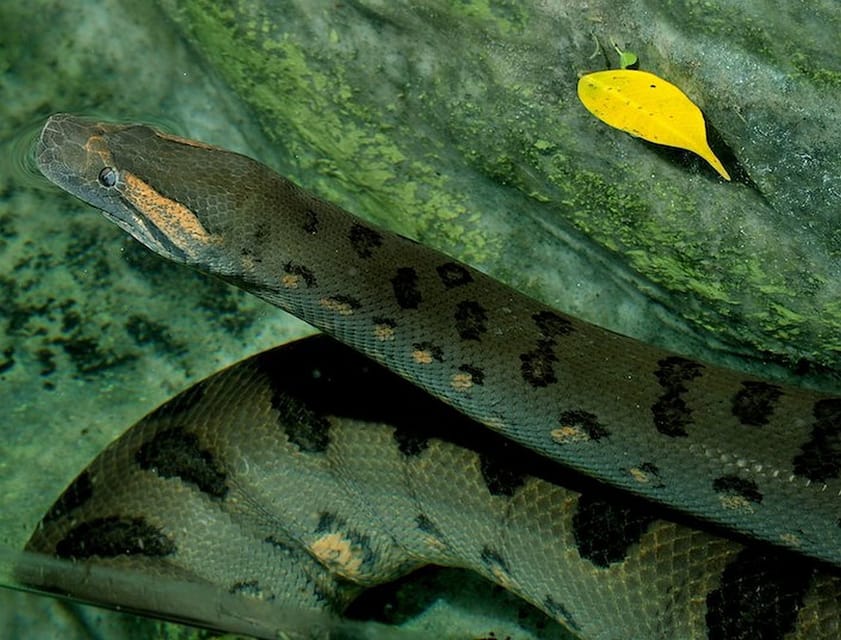
If you only pick one “must-hit” area, make it the Reptile House. Many visitors call it the highlight, mainly because it’s where you see the widest range—iguanas, snakes, and lizards. It’s also usually an easier area to enjoy because reptiles don’t require the same constant movement as mammals do to feel interesting; you can watch habits like resting positions, basking, and tongue flicking.
Primates: chimps and lemurs for close-up energy
You’ll also find primates like lemurs and chimpanzees. The big tip is simple: animals don’t run a schedule for you. Some may be hiding or asleep during your visit. When primates do come active, you’ll often get more engaging behavior than you’d expect from a typical zoo stop.




Big animals: tigers, bears, and the reality of enclosure size
Bioparco includes animals people associate with more famous zoos—tigers and bears, plus others like wolves and brown bears that have drawn lots of attention. Some visitors loved the care and cleanliness and felt animals looked happy. Others have noted that a few enclosures could offer more space and enrichment.
So I’d calibrate your expectations: you’ll likely get great viewing, but you may also notice limitations. If you’re sensitive to enclosure size, don’t assume every exhibit will feel equally spacious.
Birds and the fun bonus: peacocks roaming freely
One of the most memorable little surprises is that peacocks roam freely. It’s the kind of detail that turns a zoo walk into something more playful. You might spot them in the open areas between exhibits, which gives you breaks that are more like a garden stroll than a cage tour.
Animal info that’s actually usable: signs in Italian and English
Bioparco does a helpful job with interpretive signage. Many of the animal information boards are available in Italian and English, so you don’t need to guess what you’re looking at.
That matters because conservation and education are central to the park’s mission. When you can read the why behind the exhibit—habitat, threats, and species status—you spend less time just staring and more time understanding.
Enclosures, conservation, and what to notice on the walk
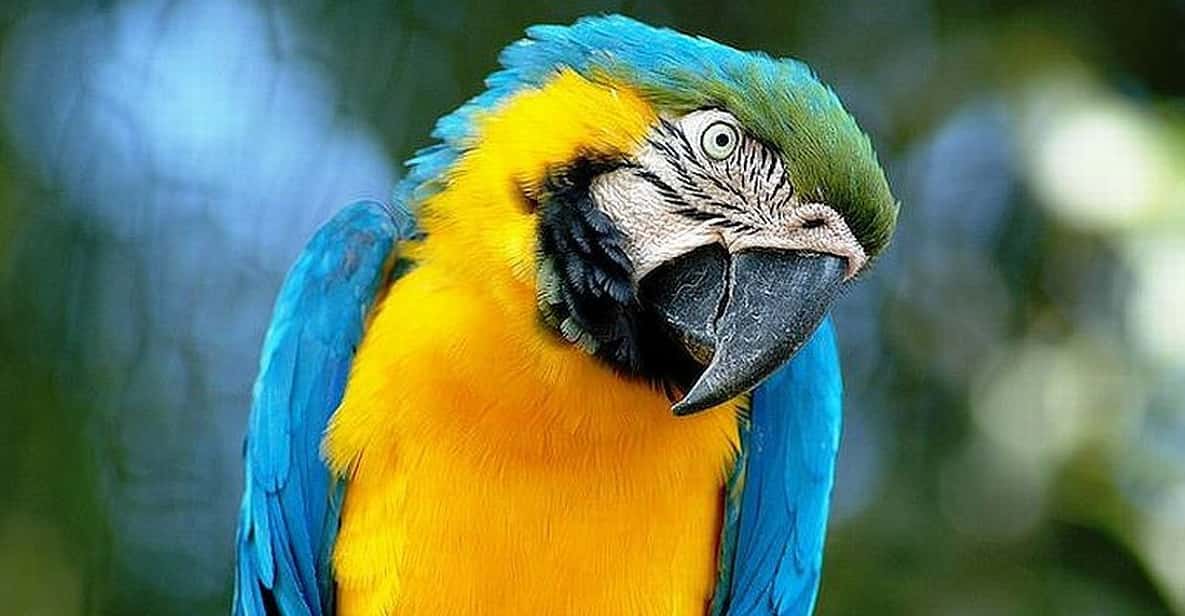
Bioparco is active in conservation of endangered species, plus environmental education and scientific research. In practice, this shows up in how exhibits are presented and the tone of the park overall: it’s not just about spectacle.
From a visitor point of view, there are two truths to hold at once:
- Many people report that animals look well cared for, enclosures are clean, and the park is tidy.
- Some people also point out that certain animals can look bored, and a few exhibits may not feel as spacious or enriched as you’d hope.
If you want to get the most from your visit, watch for the practical clues: are animals using the available space, is there visible clean care, and are the habitats set up in a way that supports natural behaviors? You don’t need to be an expert to notice when something is working.
Food, cafes, and keeping your energy up without overspending

Your ticket does not include food or drinks, but the park has cafes and snack stations. Reviews describe food as reasonable but limited inside, so I’d plan like this:
- If you’re going for a half-day, you can likely handle it with on-site snacks.
- If you’re turning this into a full day, consider bringing a picnic or making sure you’re ready for fewer choices once you’re deeper into the grounds.
People have mentioned that coffee, quick meals, soft drinks, ice cream, and similar items are available. Still, if you’re picky about food options, you might feel a little boxed in. A practical move is to eat before you head in, then treat on-site food as convenience rather than your whole meal plan.
Accessibility and practical comforts that affect the day
The park is wheelchair accessible, which is a real plus if you’re traveling with mobility needs. Also, there are places to sit and rest scattered throughout, which helps on a big walking day.
One more comfort detail: plan bathroom stops early. A lot of people advise going sooner rather than later because once you’re in the middle of your route, it’s harder to backtrack without breaking your flow.
Getting to Bioparco: transit tips that can save you time and hassle
Bioparco is in Rome proper, but it’s not right next door to the most central sights. Expect you’ll likely need a taxi or app-based ride.
A useful tip from the experience: avoid the white taxis and use an app or request a black cab instead to reduce the risk of overcharging and detours. It’s a small thing, but it can change the mood of your day before you even reach the gate.
If you’re coming from central landmarks, build in buffer time for traffic. Rome is Rome.
Who should book this zoo day?
This experience fits best if you want:
- A break from classic sightseeing without leaving the city
- A zoo visit that feels more relaxed than a major tourist crush
- A day that works for families, kids, teens, and adults who like animals
- Something educational but not heavy—good signage and a clear conservation theme
It’s also a strong fit if you’ve seen other attractions already and want variety. People often describe the park as peaceful and green, with lots of places to stop and watch.
If you’re going for a minimalist, fast “one and done” plan, you might find it slower than you expected. This is a walking day with animal pauses.
Should you book Bioparco di Roma entry?
I’d book it if you want a practical, high-value day in Rome that trades monuments for wildlife and gives you space to wander. The combination of skip-the-line entry, a Reptile House that people genuinely talk about, and the sheer number of animals makes this feel like a solid use of holiday time.
Book with realistic expectations too. The zoo is big, animals can be asleep or tucked away, and not every exhibit will satisfy your inner critic about space and enrichment. If you come with flexible expectations and comfortable shoes, you’ll likely leave happy—and a little amazed you were this close to so many different animals while still inside Rome.
FAQ
How many animals and species can I see at Bioparco di Roma?
You can see over 1,200 animals representing about 200 species from around the world.
How long should I plan to spend at the zoo?
You can do a solid visit in about 3 hours, but many people spend longer, especially if you want to see everything and take breaks.
Is skip-the-line entry included?
Yes. The ticket includes skip-the-line entry through a separate ticket line at the gate.
Is food and drinks included with the ticket?
No. Food and drinks are not included, though there are cafes and snack options available inside the park.
Where can I pick up a Tramezzino during the visit?
If you have a Tramezzino pickup included in your plan, pick-up timing is from 11:00 AM to 5:00 PM. It can be collected inside the park at Bar Ninfeo, Ristorante Mascagni, Chiosco Oasi del Lago, or Bar Voliera.
Are the animal information signs available in English?
Many of the animal info boards are in Italian and English.
Do I need a separate child ticket?
Child ticket pricing is based on height: children under 1 meter enter for free. If they are over 1 meter and up to 10 years old, you should select the child rate, and height will be measured on entry.
Is the activity refundable?
No. The activity is non-refundable.
Is Bioparco di Roma wheelchair accessible?
Yes, the zoo is listed as wheelchair accessible.