REVIEW · ROME
Rome: Eat Like a Roman Ghetto & Campo de’ Fiori Food Tour
Book on GetYourGuide →Operated by Hili srl · Bookable on GetYourGuide
Food and history collide here. This Rome tour links Campo de’ Fiori street life with the Jewish Ghetto’s food traditions, led by an English-speaking local guide. You’ll snack your way through Roman favorites like supplì, Roman-style pizza, and fried artichokes, then end with artisanal gelato near major landmarks.
I especially like two things. First, the tour handles the fun part well: you get a tight lineup of classic bites—porchetta panini, supplì, pizza, carciofo alla Giudia, and gelato—so you’re not stuck “just tasting.” Second, the guide adds context as you walk: you’ll hear stories that connect the places you pass, including the area tied to Julius Caesar’s death at Largo di Torre Argentina.
One drawback to plan around: it’s not suitable for vegans, and it’s also not designed for gluten intolerance. If you’re vegetarian, you can usually make it work, but you’ll want to tell the guide about any allergies or dietary limits ahead of time.
In This Review
- Key highlights before you go
- Campo de’ Fiori and the Jewish Ghetto: what this walk is really for
- Starting at Piazza di San Simeone and building momentum fast
- Morning-market bonus at Campo de’ Fiori (and why it matters)
- The street-food lineup: porchetta panini, supplì, Roman pizza, and more
- Jewish Ghetto food: carciofo alla Giudia with context
- Walking the landmarks: Porticoes, Caesar’s shadow, and iconic Roman stops
- Gelato at Gunther and what to do after the last bite
- Price and value: what $36 gets you in real terms
- Should you book the Rome Eat Like a Roman Ghetto & Campo de’ Fiori Food Tour?
- FAQ
- How long is the Rome Eat Like a Roman Ghetto & Campo de’ Fiori Food Tour?
- What food tastings are included?
- Does the tour offer vegetarian options?
- Is the tour suitable for gluten intolerance?
- Where do I meet the guide, and where does the tour end?
- Are drinks included?
Key highlights before you go
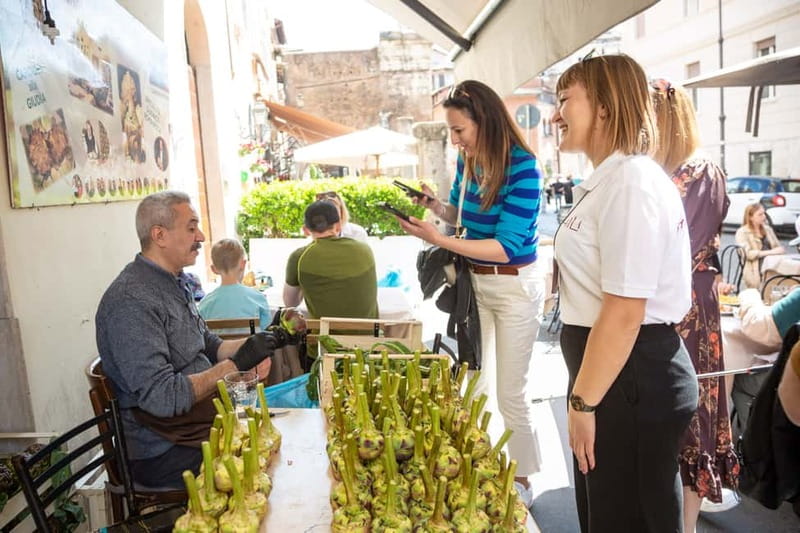
- Campo de’ Fiori (morning tours): you can include a stop at the local fruit market.
- Jewish Ghetto classics: you’ll taste carciofo alla Giudia (fried artichokes).
- A real Roman street-food mix: porchetta panini, supplì, Roman-style pizza, and gelato.
- History told on the move: Caesar’s story, plus stops around key landmarks.
- Seasoning tasting add-on (AM only): olive oil, truffle, and vinegar tastings.
Campo de’ Fiori and the Jewish Ghetto: what this walk is really for
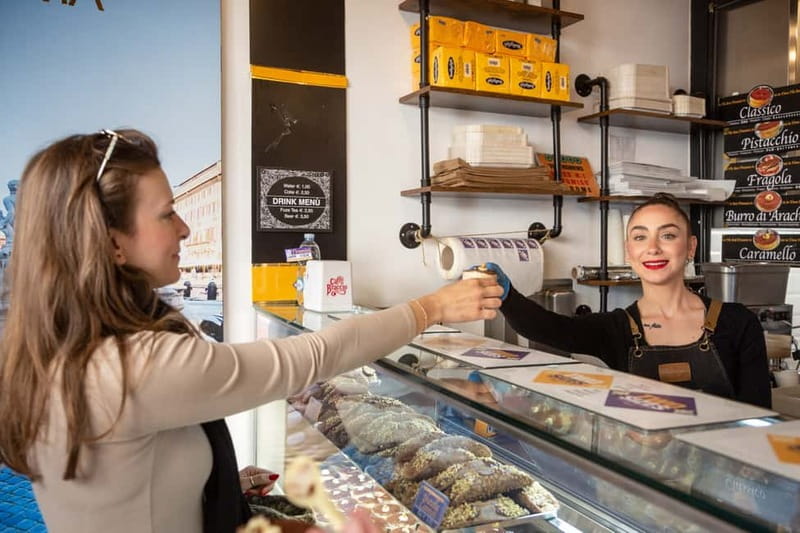
This isn’t a “look at monuments while you eat a snack” kind of tour. It’s a street food experience that uses food to explain Rome, from market days at Campo de’ Fiori to the Jewish quarter’s signature fried dishes. You’ll walk through lively central streets, but the structure stays simple: guide + short walks + a series of tastings that match the neighborhoods you’re seeing.
The sweet spot here is balance. You’re not stuck studying plaques, and you’re not stuck in a pure food line either. Instead, you get stories that help you understand why certain foods show up where they do, then you taste them right there on the route.
If you like Rome when it’s human-scale—backstreets, quick bites, and local routines—this tour fits well. It also works nicely early in your trip. Several guides on this route (names like Angelica, Giulia, Claudio, and Fiammetta show up as guide examples) are known for mixing food facts with practical suggestions for where to go next.
You can also read our reviews of more tours and experiences in Rome.

Starting at Piazza di San Simeone and building momentum fast
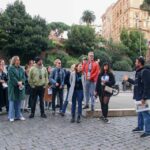
You meet your guide at the fountain in the center of Piazza di San Simeone. That’s a good setup because you start in the middle of things, not at some far-off transit stop. From there, the tour keeps moving on foot, with quick passes and short “sit-and-snack” moments that keep energy steady for a 2.5-hour walk.
A few things make this meeting style helpful. One, the itinerary is paced for eating without turning into a marathon. Two, you get enough walking time to feel the neighborhoods change, especially as you head toward Campo de’ Fiori and the Ghetto area.
Also, the tour is run by a live guide in English, and it’s marked as wheelchair accessible. If you need an accessibility-friendly plan, you’ll still want to mention it when you book so the guide can set expectations for pace and stops.
Morning-market bonus at Campo de’ Fiori (and why it matters)
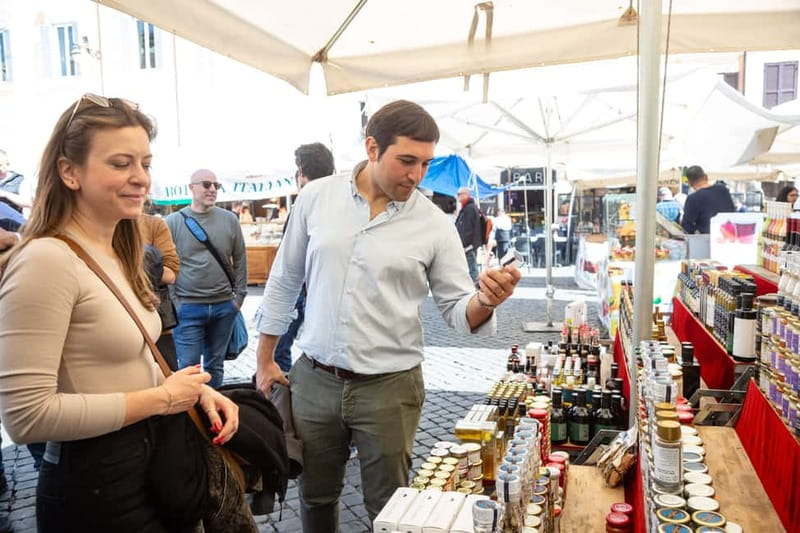
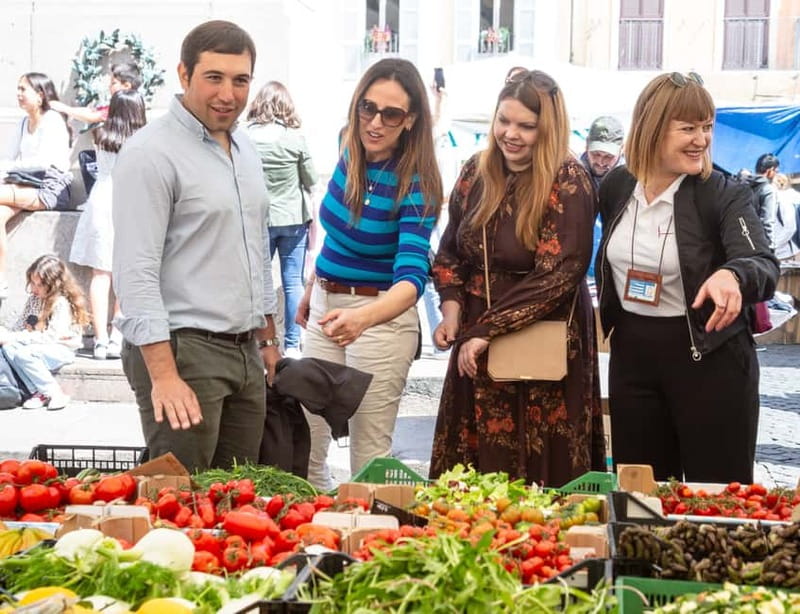
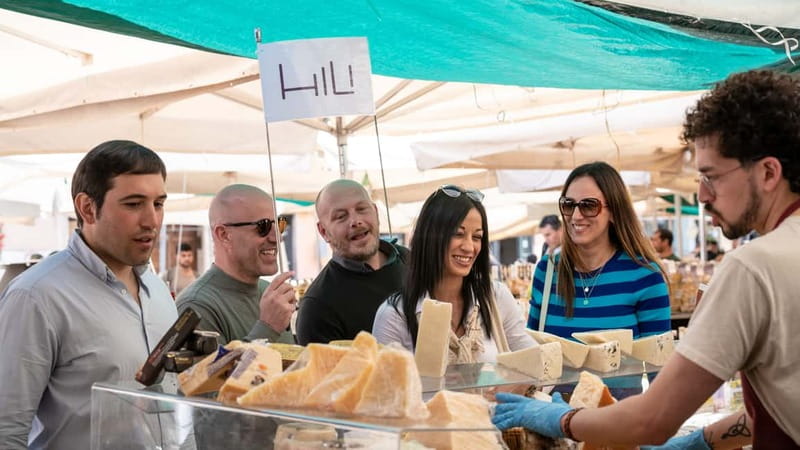
Campo de’ Fiori shows up in the highlights for a reason. On morning tours, the route includes a stop at the local fruit market. It’s not just a photo break. You get a sense of what Romans buy, how ingredients look when they’re fresh, and how a market day feeds a city’s daily food culture.
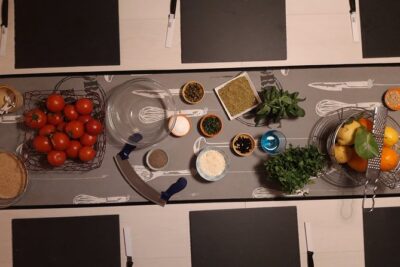
On top of that, morning departures also include tastings that many food tours skip: olive oil, truffle, and vinegar tasting. This is a smart add-on because it connects “street food” to the flavors that make it work. Even if you don’t go deep into shopping, you’ll pick up what different oils and vinegars taste like and how Romans think about seasoning.
If you’re choosing between morning and later, I’d lean morning unless you have a reason not to. The food lineup stays great either way, but the market stop and the oil/vinegar tasting give you extra context and extra value for your €-to-bites math.
The street-food lineup: porchetta panini, supplì, Roman pizza, and more
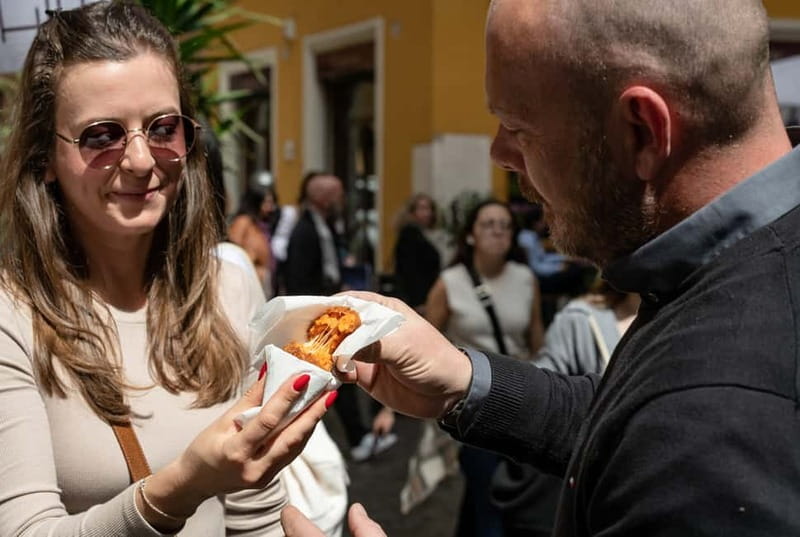
The main event is the tasting sequence. You’ll sample five food tastings as part of the included experience, plus the morning-only seasoning tasting where applicable. The core Roman classics are right in your hand, not described from a distance.
Here’s what that looks like in the order you’ll run into it during the walk:
- Panini with porchetta: tender, savory, and made for eating standing up. If you’ve never had porchetta in Rome style, this is a clean first step.
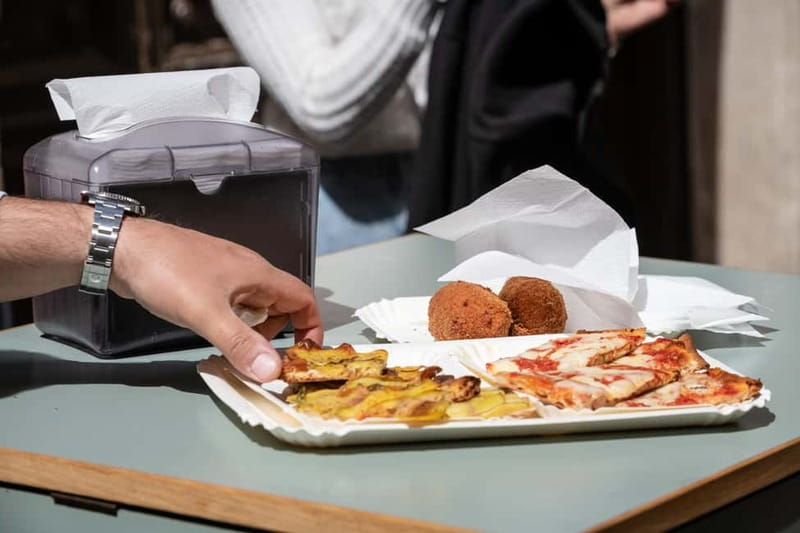
- Supplì: the famous fried rice ball. The tour’s wording points to it as deep-fried and crispy, so expect crunch first, then that melty, starchy center flavor.
- Roman-style pizza: you get slices that fit the street-food rhythm—no sit-down dinner required.
- Fried artichokes (Carciofo alla Giudia): crisp exterior, artichoke inside. This is one of those foods that turns a neighborhood into a memory.
- Artisanal gelato: a finish that feels like the final chapter, not an afterthought.
Two practical notes. First, the tour includes vegetarian options, but it also says it’s not suitable for vegans. That means dairy and/or egg may still show up, and fried items may include non-vegan ingredients. Second, drinks aren’t included, so if you’re a water-on-demand person, plan to buy water as needed.
Jewish Ghetto food: carciofo alla Giudia with context
The Jewish Ghetto section is the moment the tour earns its name. You’re walking through an area shaped by Jewish community life in Rome, and the food tasting ties directly to a local specialty: carciofo alla Giudia—fried artichokes.
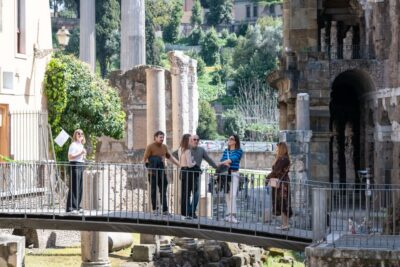
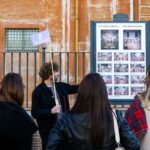
What I like about how this is handled is that the tour doesn’t treat food as a random “signature dish.” The guide explains the background as you move through the area, including landmarks like Portico d’Ottavia and the Turtle Fountain. You’re not just eating; you’re connecting what you taste to where it comes from.
This part also tends to land well with groups of different ages. Families and first-timers often enjoy it because it’s visual and snackable at the same time. The artichoke course is also a real conversation starter. You’ll taste it, then you’ll understand why it’s a known dish for the neighborhood’s food identity.
If you’re curious about Jewish Rome beyond food, this tour is a good orientation stop. You’ll still want to do deeper reading later, but this gives you the mental map and the flavor memory to build on.


Walking the landmarks: Porticoes, Caesar’s shadow, and iconic Roman stops
The route works like a guided “greatest hits with a reason.” You pass by several major sights, and the guide’s stories help you connect the dots between street food and what was happening around these places.
Some of the key landmarks you’ll encounter along the way include:
- Chiostro del Bramante (passed by): a classic architectural pause as you transition across central Rome.
- Teatro Marcello (passed by): a reminder that Rome’s entertainment and public life evolved over centuries.
- Largo di Torre Argentina (passed by): tied to the murder of Julius Caesar, which the tour specifically highlights.
- Pantheon (passed by): the kind of stop that makes even a short pass feel meaningful.
- Gunther Gelateria: your gelato stop, near the end.
Even if you’re not a “history buff,” these passes help you stay oriented. You’re eating along the way, and the guide uses the scenery to explain why the city looks the way it does—without dumping dates on you nonstop.
One practical upside: because you’re on foot for an afternoon chunk, you’re less likely to miss the small streets. Rome’s best food moments usually happen between the big postcards, and this route is designed to keep you in those in-between areas.
Gelato at Gunther and what to do after the last bite
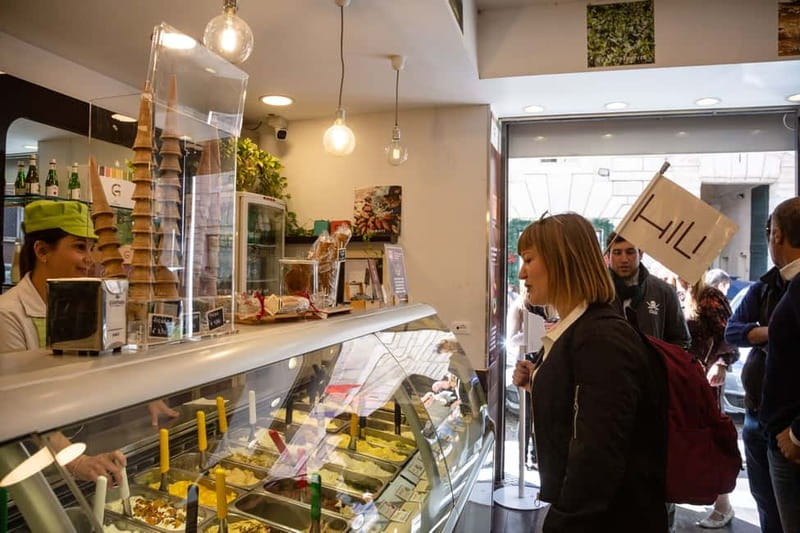
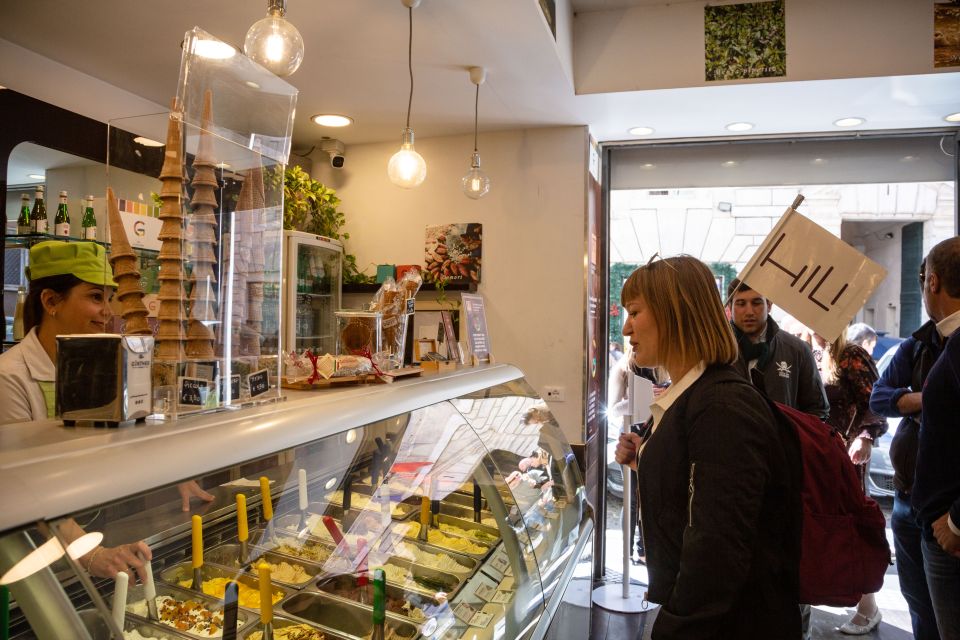
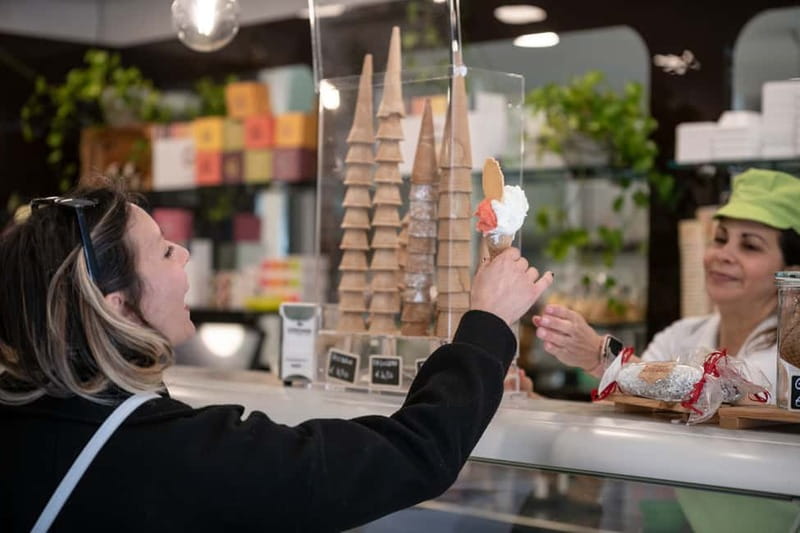
You end with artisanal gelato at Gunther Gelateria. That’s a nice close because gelato is one of the few foods that feels like a “celebration” instead of a chore after fried dishes and rich bites.
After the tour, you’ll have a couple of useful advantages. First, you’ll know the flavors you want to chase again—whether that’s supplì-style crunch, Roman pizza texture, or how carciofo alla Giudia tastes at street level. Second, your guide’s local knowledge usually helps you decide what to order next, and which areas to return to later.
This is exactly the kind of tour I’d do early. By day two or three, you can use your new food instincts to find places on your own with way less guesswork.
Price and value: what $36 gets you in real terms
At $36 per person, you’re paying for more than five bites. You’re paying for a guided walk that stitches together food, neighborhoods, and storytelling in about 2.5 hours. You also get a licensed local guide and a built-in path through places like Campo de’ Fiori and the Jewish Ghetto without spending your day assembling an itinerary from scratch.
Here’s the value math that matters: street food in Rome can add up quickly if you keep buying one item at a time. This tour gives you a sequence—porchetta panini, supplì, Roman pizza, fried artichokes, and gelato—so you get variety at a predictable cost. Morning tours add extra value via olive oil, truffle, and vinegar tasting and a market stop.
Two things to keep in mind so you feel good about the spend. Drinks aren’t included, so if you want soda or beer, budget that separately. And since it’s not suitable for gluten intolerance and not vegan-friendly, your enjoyment depends on your ability to eat what’s offered (or your willingness to tell the guide about dietary needs early).
Who should do it? If you’re a first-time Rome visitor who wants a fast, flavorful education, or if you’ve been to Rome before and want a more local angle than the usual sightseeing loop, this is an excellent fit.
Should you book the Rome Eat Like a Roman Ghetto & Campo de’ Fiori Food Tour?
Book it if you want your Rome trip to taste like Rome. This tour is strong when you care about both food and place, and when you like walking with a guide who explains what you’re eating and why it belongs in that neighborhood.
Skip or reconsider if vegan food is a must for you, or if you have gluten intolerance. This one is clearly not built for those needs. Also consider choosing a morning slot if you want the market stop and the oil/truffle/vinegar tastings, which add real extra flavor context.
If your goal is to kick off your visit with a smart introduction—and eat well while doing it—this tour earns a yes. It’s a tight, 2.5-hour loop with serious classics, clear pacing, and enough history to make the streets feel less random as you move through them. And with free cancellation up to 24 hours before, you can book now and adjust your schedule if your Rome days shift around.
FAQ
How long is the Rome Eat Like a Roman Ghetto & Campo de’ Fiori Food Tour?
The tour lasts about 2.5 hours.
What food tastings are included?
Included tastings include panini with porchetta, supplì, Roman-style pizza, fried artichokes (Carciofo alla Giudia), and artisanal gelato. Morning tours also include an olive oil, truffle, and vinegar tasting.
Does the tour offer vegetarian options?
Yes. Vegetarian options are available. The tour also states it is not suitable for vegans.
Is the tour suitable for gluten intolerance?
No. It is not suitable for people with gluten intolerance.
Where do I meet the guide, and where does the tour end?
Meet at the fountain in the center of Piazza di San Simeone. The tour ends back at the meeting point.
Are drinks included?
No. Drinks are not included.