REVIEW · ROME
Rome: Caracalla Baths & Circus Maximus — Private or Shared
Book on GetYourGuide →Operated by Touriks · Bookable on GetYourGuide
Caracalla feels bigger than you expect. This private or small-group outing connects two Roman leisure icons—the Baths of Caracalla and Circus Maximus—using an expert archaeologist guide, sterilized headsets, and a time-saving, guided route. You start in a quieter archaeological zone near the Colosseum area, then switch from thermal life to public spectacle in about 1.5 hours.
I particularly like the best-preserved bath complex ruins and how the guide makes you picture daily life inside the third-century spa. I also like that the tour time stays interactive, even in a group (max 10), with guides such as Ciara, Chiara, Lars, and Anestis known for clear explanations and good humor.
One thing to consider: Circus Maximus is shorter, and what remains is mostly the “where it happened” foundations. If you want a full view of stacked seating like at other Roman sites, you’ll rely on imagination to bring it to life.
In This Review
- Key things that make this tour worth it
- Caracalla and Circus Maximus in 90 minutes: what you actually get
- Meeting at Circo Massimo and getting there without stress
- Inside Caracalla Baths: mosaics, heating, and a third-century daily rhythm
- The Roman spa experience: body and mind, not just hot water
- Circus Maximus from the ground: Ludi, crowds, and early myths
- Group size, headsets, and why the guide style shapes everything
- Price and value: is $77 per person fair here?
- Who should book this tour (and who might choose something else)
- Should you book? My practical take
- FAQ
- How long is the Rome Caracalla Baths & Circus Maximus tour?
- Where do I meet the guide?
- What’s included in the price?
- Is there a ticket line to wait in?
- What languages are available?
- What should I bring, and what’s not allowed?
Key things that make this tour worth it
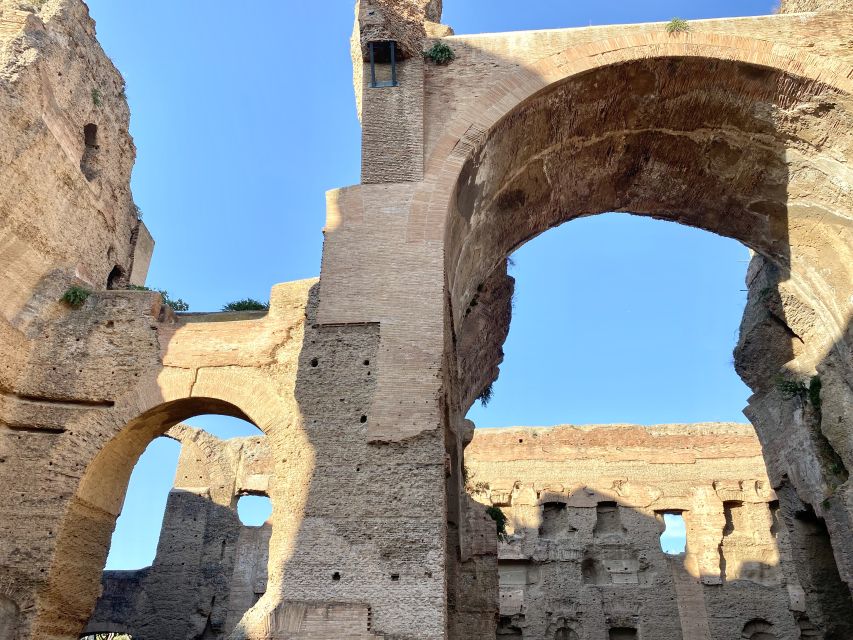
- Caracalla’s architecture up close: see towering walls and monumental rooms, not just a quick glance.
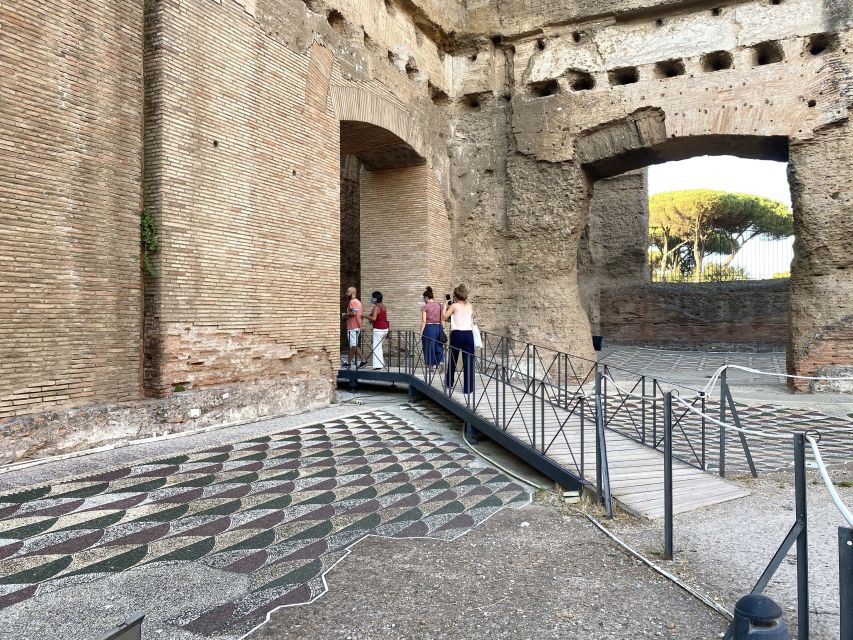
- Mosaics and floor motifs: you’ll spend time spotting geometric patterns that still read clearly today.
- Underfloor heating explained: the guide walks you through how Romans kept rooms at temperature using labor-intensive systems.
- Circus Maximus in the right context: learn about the Ludi public celebrations and why the track mattered.
- Small group pacing: with up to 10 people, you get more question time than at Rome’s mega-tours.
- Headsets that make a difference: sterilized audio helps you hear every detail without leaning in.
Caracalla and Circus Maximus in 90 minutes: what you actually get
This is not a “see Rome, check the boxes” tour. It’s built around two places that were both about free time, but for different crowds.
At Caracalla, the focus is the Roman spa world—rooms, surfaces, layouts, and the engineering behind the heat. At Circus Maximus, the focus is the public spectacle world—how crowds gathered for major celebrations, and what games like chariot races and gladiator fights meant to everyday Roman life. The whole thing fits into about 1.5 hours, so you can place it between bigger sights without feeling wiped out.
The value isn’t just that you visit two sites. It’s that you visit them with the guide’s structure: what to look for, what each area was used for, and how the rooms connect in a typical day at the baths. The headsets matter here, too. When you’re walking through ruins and reading details at your own pace, clear audio keeps you from missing the good parts.
You can also read our reviews of more tours and experiences in Rome.

Meeting at Circo Massimo and getting there without stress
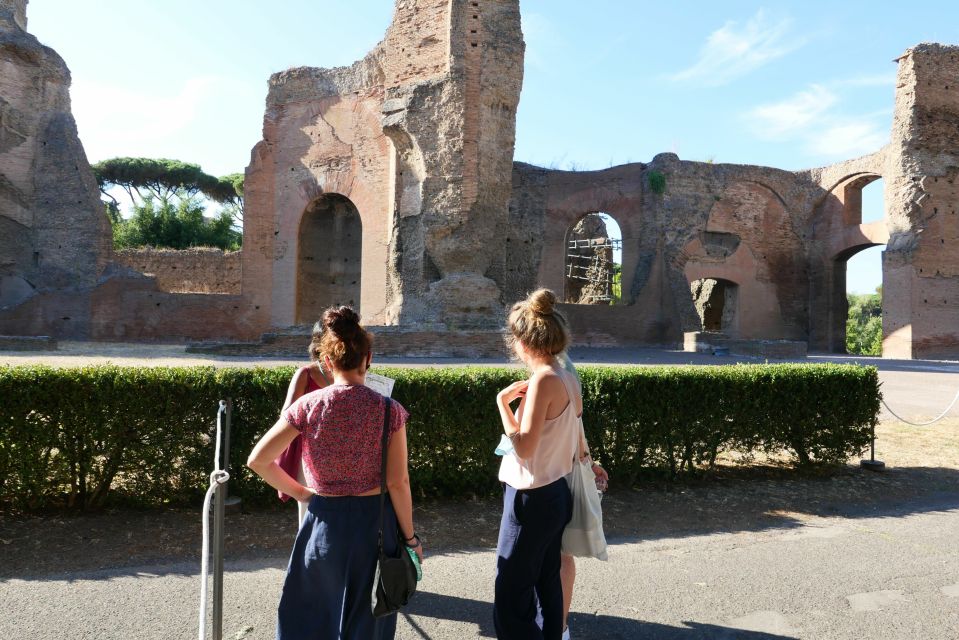
Your start point is practical and easy if you use Rome’s transit on purpose. Meet your guide at the exit of the Metro Station Circo Massimo (in the direction of Laurentina), in front of the FAO building. Look for a yellow label with the local partner’s name.
No hotel pickup is included, so I recommend planning to be there on time on your own. You also need to arrive about 5 minutes early so the sign-up process doesn’t eat into your tour window.
If you’re using the subway, this location is convenient because you can combine it with other nearby Rome moments. If you’re walking from the Colosseum area, it’s also doable, but you’ll want comfortable shoes and a steady pace. This is a “walk and stand” kind of tour, not a sit-and-watch.
Inside Caracalla Baths: mosaics, heating, and a third-century daily rhythm
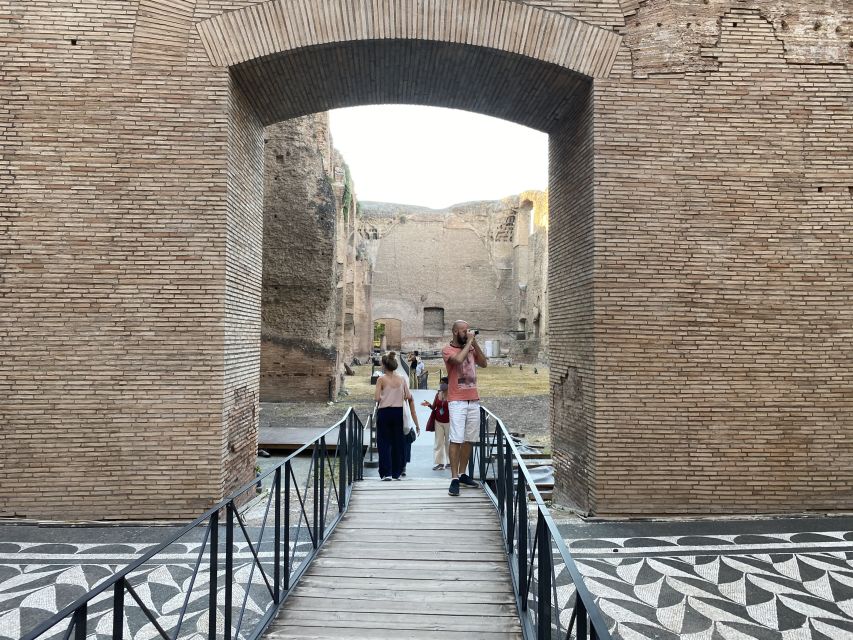
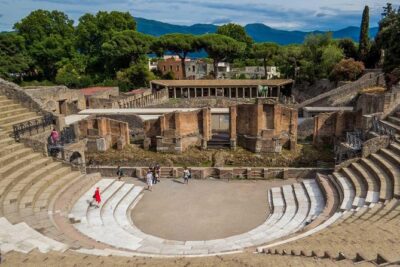
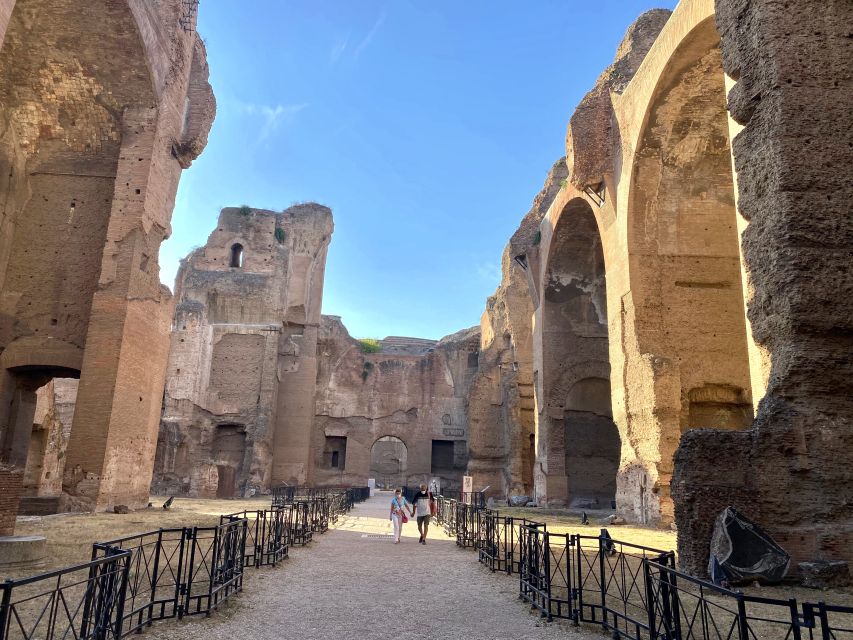
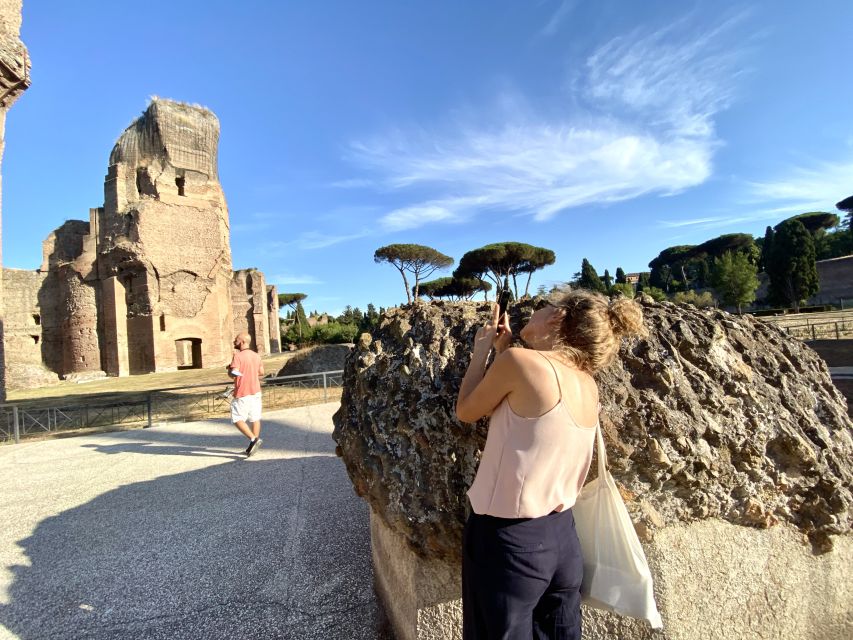
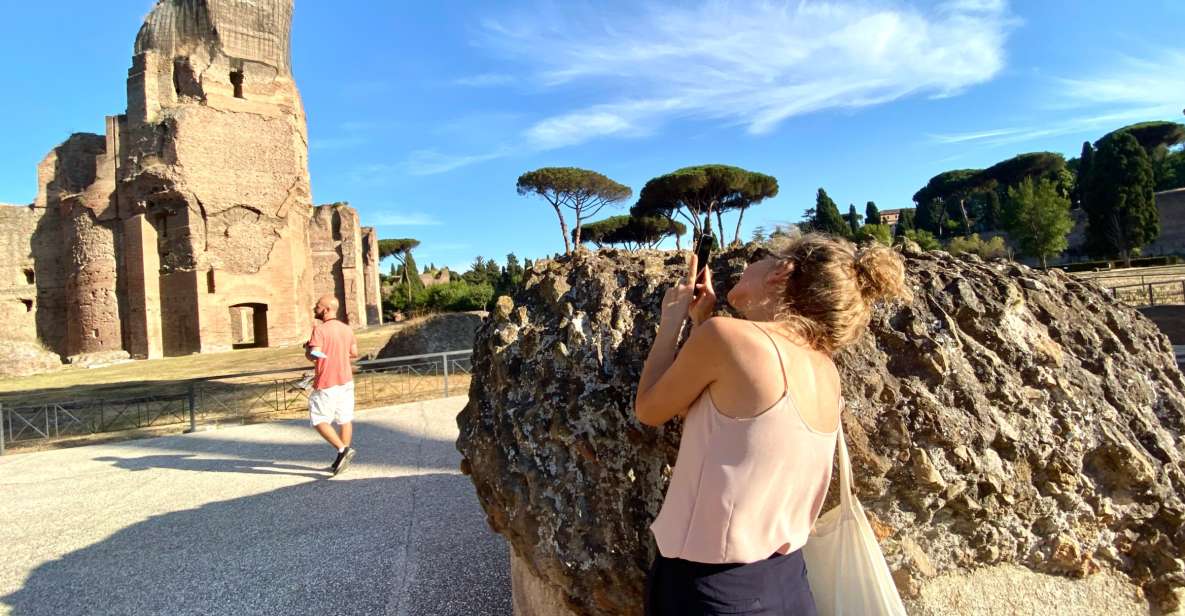
Caracalla Baths can feel oddly calming, even with the scale of the ruins. The complex sits in a green archaeological area, and the surviving walls give you a strong sense of room size. You’re not just looking at stone—you’re seeing the skeleton of a functioning leisure machine.
Your guided portion here runs about an hour, and that hour is where the tour earns its name. The guide points out monumental areas of the Caracalla complex and helps you read what you’re looking at: which spaces were designed for movement, washing, rest, and social time. You’ll also get a step-by-step sense of how a person might move through the baths during a typical day in the third century AD.
One of my favorite parts to expect is the way the guide explains engineering you can still spot. For example, you’ll learn about the underfloor heating system and how Romans maintained temperature across rooms. It’s the kind of detail that makes the ruins feel functional instead of frozen in time.
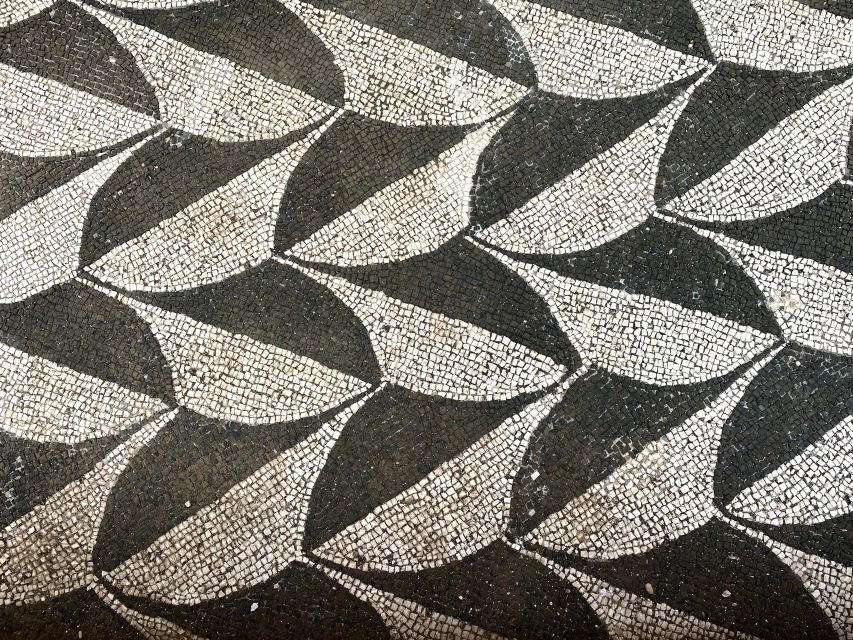
And then there are the visuals. Expect to notice the geometric motifs in mosaics across the site. Even when you know Roman mosaics existed, it’s different to see them here in place, tied to specific rooms. The guide also helps you understand what you’re seeing, so you’re not left guessing which hall is which.
The Roman spa experience: body and mind, not just hot water
Caracalla wasn’t only about soaking. The tour framing helps you see it as a whole leisure ecosystem—services for the body and also the mind.
The guide walks you through the types of facilities the baths offered and how people used them. That matters because many visitors come in thinking baths were only “warm water.” Here, you get a clearer picture of the baths as a social and cultural routine. It’s where people could spend hours, chat, recover, and keep themselves feeling human in a very demanding empire.
There’s also an emphasis on the practical design choices. Temperature control isn’t a vague concept; it’s tied to how the building was built and maintained. When you hear how labor-intensive it was to keep systems running, you start to appreciate why these spaces were impressive status statements as well as public leisure.
The tour often feels like a guided walk-through of a workflow. You’re shown the sequence and told why each area existed. That makes Caracalla less about memorizing facts and more about understanding how people spent leisure time.
Circus Maximus from the ground: Ludi, crowds, and early myths
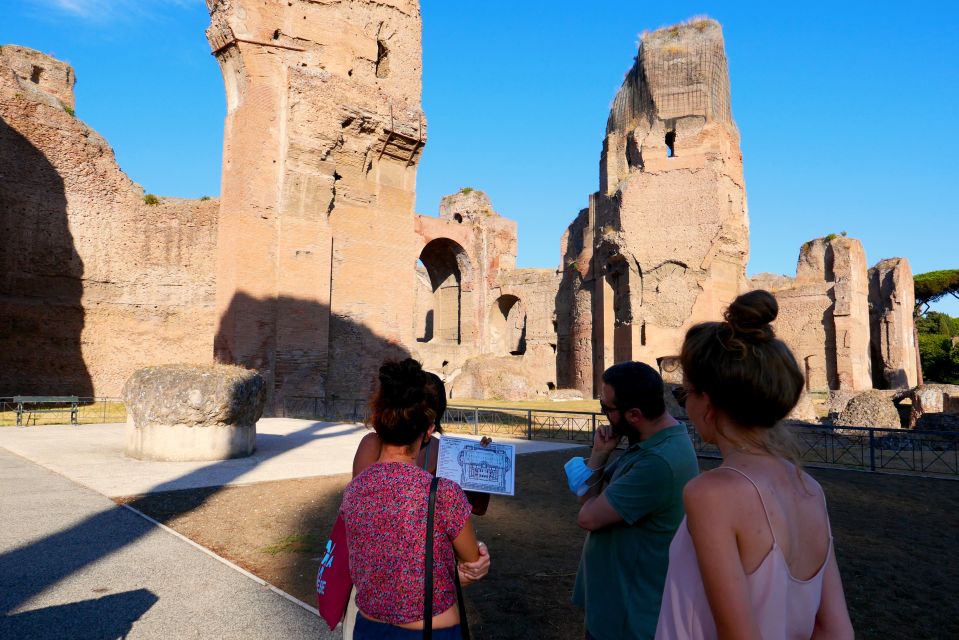
After Caracalla, you shift to Circus Maximus with a shorter guided stop—about 30 minutes.
Here’s the honest setup: Circus Maximus today doesn’t give you the same wow-factor as the bath walls. What you get is the experience of standing where large-scale public games once happened, and learning what made the whole event system matter to Rome.
Your guide explains the circus as the largest structure for public games ever built by mankind, and places it inside Roman traditions called the Ludi—major multi-venue celebrations that could last several days. You also hear stories connected to chariot races, gladiator fights, and the noise of the public as the crowds gathered.
The best part of this stop is the way it changes your mental picture. Instead of seeing a modern open area, you start seeing a schedule of spectacle. You learn to connect the track location to the rhythm of Roman public life—what people came for, what they felt, and why emperors and organizers used these events for mass attention.
One more layer: the tour also goes back into the quasi-legendary era before Rome itself, exploring early myths and gods tied to the circus’s foundations. That’s a nice change of pace from the more engineering-heavy Caracalla segment. It’s not a textbook lecture; it’s a story thread that gives the space more meaning than just “big event location.”




Group size, headsets, and why the guide style shapes everything
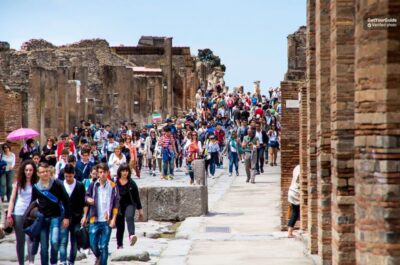
This tour caps at 10 participants, and that’s a big deal in a city where many major sights feel like a moving train. In a smaller group, you’re more likely to get questions answered. You also have more room to pause and actually look at mosaics and surfaces rather than speed-walking because the group is behind schedule.
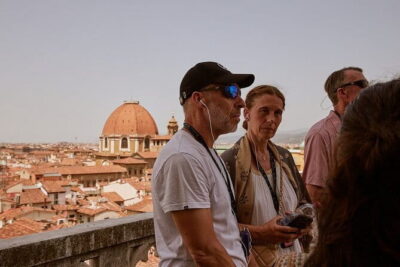
The other quality-of-life feature is the sterilized headsets. When you’re dealing with outdoor ruins, handshakes of audio get messy fast. With headsets, you can stand near your guide without pushing in and without competing for volume.
Guide style shows up in the details. From what’s been shared by different groups, guides often connect history to everyday images—so you’re not just learning dates and names. People have specifically praised guides like Francesca, Sam, and Mario for making the sites feel alive and for being friendly in conversation between key points.
Also, don’t be surprised if your guide adjusts pace depending on your group. Some guides are known to extend time when the interest level stays high, and that can be a genuine bonus if you’re a slower reader of ruins who likes asking questions.
Price and value: is $77 per person fair here?
At $77 per person for about 1.5 hours, this tour sits in the “mid-priced” category for Rome guided experiences.
What helps justify it is what’s included. Entrance fees to the Caracalla Baths are included, along with sterilized headsets and a live archaeologist guide. You also get full on-site assistance during the tour, plus skip the ticket line. That combination matters at Caracalla because time spent buying tickets and figuring things out is time you could spend learning how the building works.
What’s not included is also important. There’s no hotel pickup/drop-off, and food and drinks aren’t part of the cost. So you should plan to handle your own meals and transit logistics.
Value-wise, I’d call this a smart buy if:
- You want more than a quick pass through ruins.
- You like engineering details like underfloor heating.
- You enjoy a story-driven guide who helps you visualize daily Roman life.
If you’re mainly after Circus Maximus, double-check your expectations. Several people have noted that Circus Maximus leaves more to imagination than to dramatic visuals, so your enjoyment will depend on how much you enjoy context and storytelling.
Who should book this tour (and who might choose something else)
I think this is a great fit if you:
- Want an alternative to the biggest crowd magnets near the Colosseum area.
- Enjoy ruins where you can still spot mosaics and building details.
- Like guides who explain how Romans lived, not just what they built.
It’s also a good choice for couples and small groups who want a calmer vibe. The cap of 10 people, plus headsets, helps the experience feel more personal.
You might choose a different tour if:
- You need maximum visible “wow” from Circus Maximus specifically.
- You want more time at a single site rather than a fast pairing of two places.
Should you book? My practical take
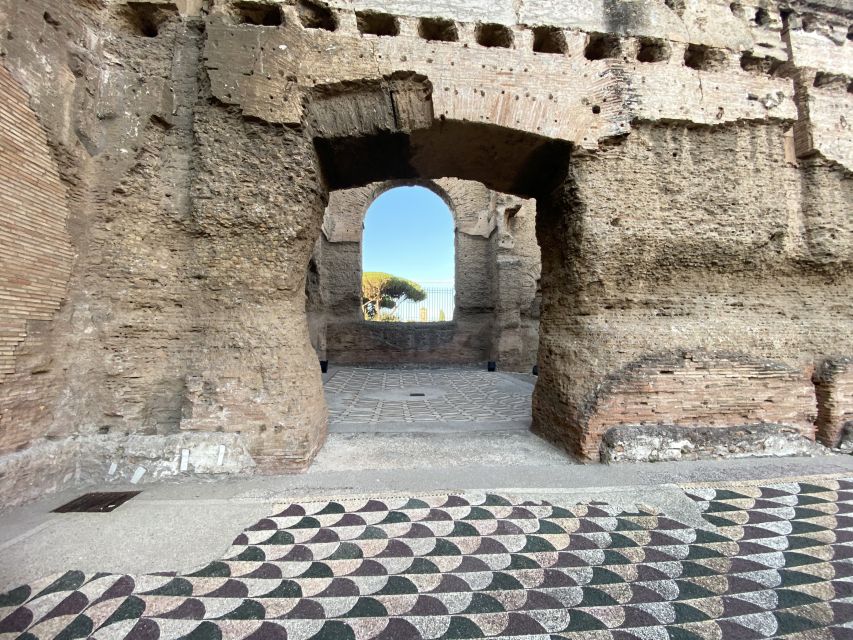
Book it if Caracalla Baths is on your must-see list and you want to understand why it was such a major Roman leisure complex. The underfloor heating explanation and the mosaic motifs are the kinds of details you’ll miss on your own unless you’re already an archaeology geek (which is totally fine).
If you’re on the fence about Circus Maximus, don’t let that scare you off. Just go in knowing what the site offers: a historical sense of place, stories about the Ludi, and a “stand here and picture it” experience rather than a showy, intact monument.
With small-group pacing, included entrance, and headsets that keep the narration clear, this tour is a solid way to spend 90 minutes in Rome without burning half your day on lines and navigation.
FAQ
How long is the Rome Caracalla Baths & Circus Maximus tour?
The duration is 1.5 hours, with about 1 hour for the Baths of Caracalla and about 30 minutes for Circus Maximus.
Where do I meet the guide?
Meet at the exit of the Metro Station Circo Massimo (in the direction of Laurentina) in front of the FAO building. Look for a yellow label with the local partner’s name.
What’s included in the price?
Entrance fees to the Caracalla Baths are included, along with sterilized headsets, a live archaeologist guide, and full on-site assistance.
Is there a ticket line to wait in?
No. The tour includes skip the ticket line.
What languages are available?
The live guide is available in French, Portuguese, Spanish, English, German, and Italian.
What should I bring, and what’s not allowed?
Bring comfortable shoes. Pets, weapons or sharp objects, baby strollers, luggage or large bags, and drones are not allowed.