REVIEW · ROME
Rome: Catacombs & St Clement’s Underground Semi-Private Tour
Book on GetYourGuide →Operated by Touriks · Bookable on GetYourGuide
Walking into the underworld starts fast. This semi-private tour links two very different underground experiences: St. Clement’s Basilica layered under itself, plus the Catacombs of San Domitilla with its long shift from pagan Rome toward Christian burials. You get expert-led storytelling while you walk through dark corridors, low ceilings, and those sudden “wait, this is actually under a church” moments.
I especially like how the tour is built around real depth and visible layers of time. You go down to about 14 meters under St. Clement’s, then you rise back up to the surface-history above you. And I like the practical small-group setup: max 10 people, sterilised headsets, and van transport that keeps you from doing two separate trips on your own.
One key drawback to plan for: the experience involves tight underground spaces and darkness, so it’s not suitable for claustrophobia. If you’re sensitive to enclosed areas, this may be tough even with the guide’s calm support.
In This Review
- What makes this tour worth your time
- Entering St. Clement’s Basilica’s 3-level underground world
- Descending about 14 meters: Mithraic Temple and the underground river
- Coming back up: 4th-century basilica and martyr-house storytelling
- The van transfer: how to keep the day flowing
- Domitilla Catacombs: going about 16 meters down
- What you’ll realistically notice in the catacombs
- Group size, headsets, and why the guide quality is the whole deal
- Price and value: what you’re paying for
- Who should book this tour (and who should skip it)
- Should you book Rome: Catacombs & St Clement’s Underground tour?
- FAQ
- How long is the tour?
- Where do I meet the guide?
- Is hotel pickup included?
- Is the tour good for people who get nervous in tight spaces?
- What should I wear and bring?
- Are luggage and big bags allowed?
- How big are the groups?
- What languages are offered?
What makes this tour worth your time
- Two contrasting sites in one go: layered St. Clement’s + large Domitilla catacombs (no bouncing between random tours on your own)
- Headsets included: sterilised equipment helps you hear clearly underground, even in echoes
- Depth that changes how you see Rome: around 14m down at St. Clement’s, then about 16m down at Domitilla
- Small group or private options: max 10 participants keeps the pace manageable
- Luggage deposit + city-center van: you avoid the “what do we do with bags?” headache
- You learn the why, not just the what: Mithraic and early Christian themes are tied to what you’re seeing
Entering St. Clement’s Basilica’s 3-level underground world
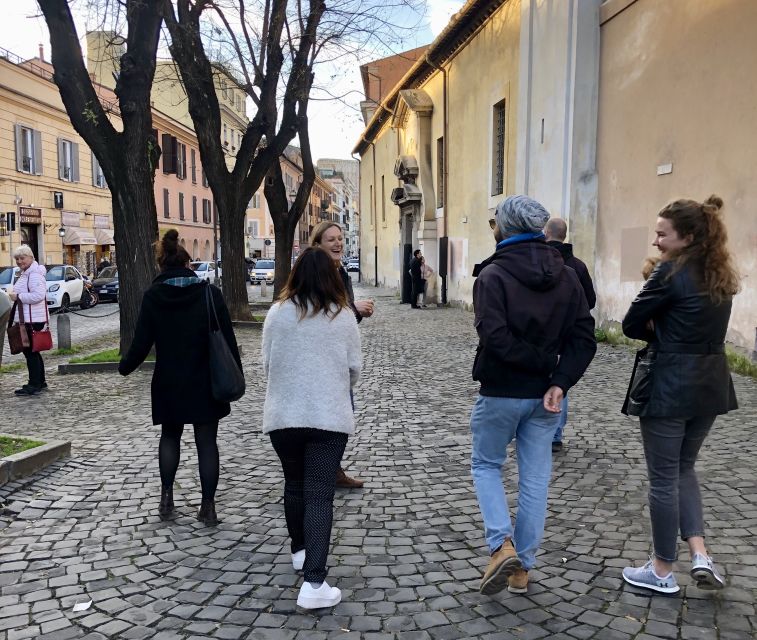
The tour starts right by Basilica di San Clemente al Laterano at Via di San Giovanni in Laterano 132. Plan to arrive about 15 minutes early so you can check in smoothly. Then you follow your guide into one of Rome’s best examples of “the city built on itself” done in a truly physical way.
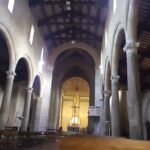
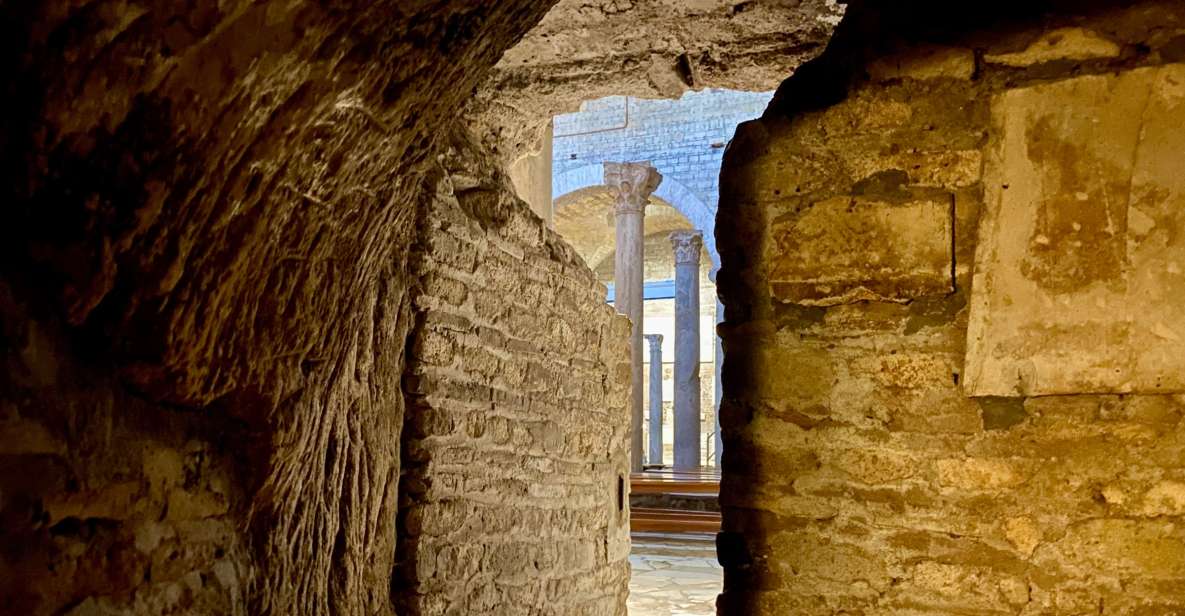
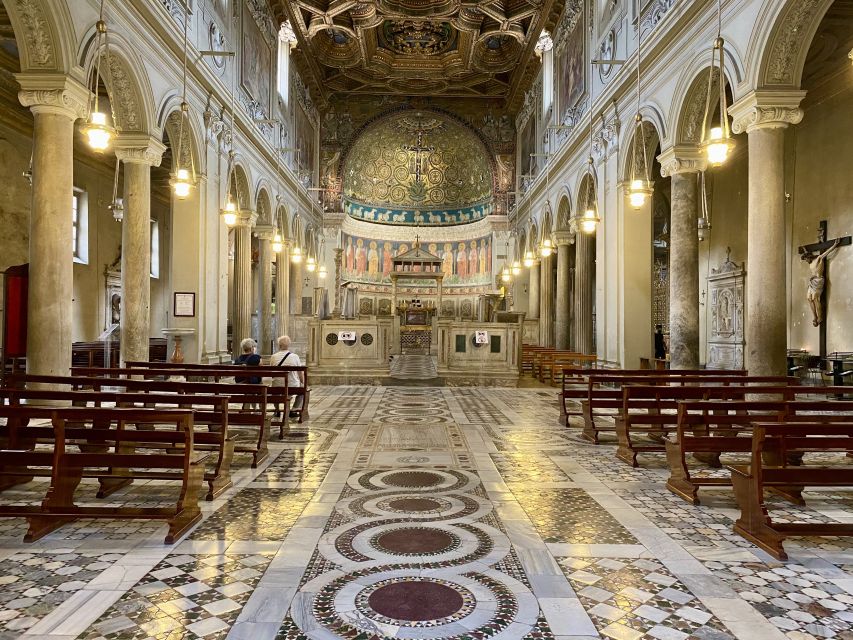
St. Clement’s is famous for its multiple layers under one roof. The tour takes you below the church’s foundations into a world shaped by ancient cult life and later Christian worship. You don’t just stand and look. You move along a path that shows how structures were built on top of older ones, and you feel that change in your body—going down, then working your way back up through time.
The guide’s pacing matters here. Underground, people naturally want to hurry, take a photo, and move on. A good tour flow keeps you stopping long enough to understand what you’re seeing: the idea that you’re standing in the footprint of different eras, each one leaving a mark. If you like history you can see and walk through, St. Clement’s is the star stop.
Practical tip: churches have dress expectations. You’ll need shoulders and knees covered to enter, so bring a light layer if you’re traveling in warmer weather.
You can also read our reviews of more tours and experiences in Rome.


Descending about 14 meters: Mithraic Temple and the underground river
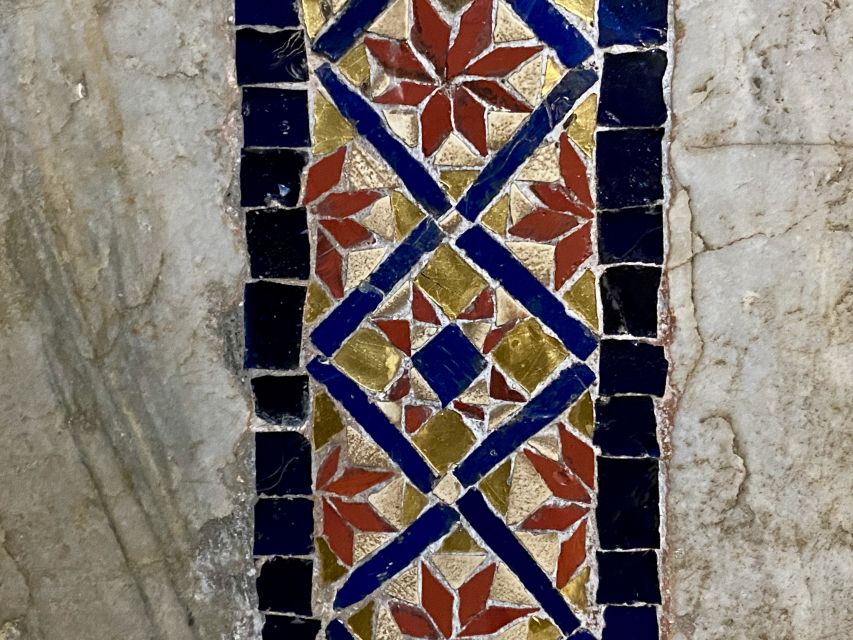
The coolest part of St. Clement’s is how it turns religion from a textbook topic into something concrete. You reach the deepest level (about 14 meters below ground) and encounter the Mithraic Temple, one of the underworld surprises in this complex. Mithras isn’t the first name most people expect in Rome’s church basements, so it feels like a plot twist—but it also makes sense once your guide explains the layers you’re standing in.
From there, you also get the chance to see water at an underground stream/underground water feature level. It’s one of those details that makes the underground feel less like a “set” and more like a place where real people lived, traveled, worshiped, and carried out daily routines long ago.
Timing also helps. The St. Clement’s guided portion runs about 75 minutes, which is long enough to settle in. You’re underground for long enough that your eyes adjust, and you stop thinking of it as just darkness and start noticing the structure—walls, levels, and how the space changes as you move.
Coming back up: 4th-century basilica and martyr-house storytelling
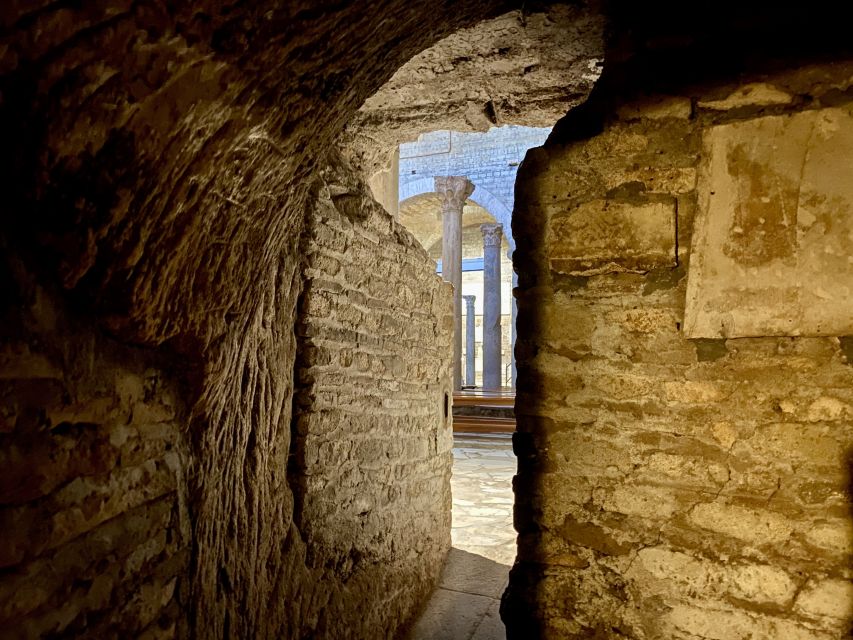
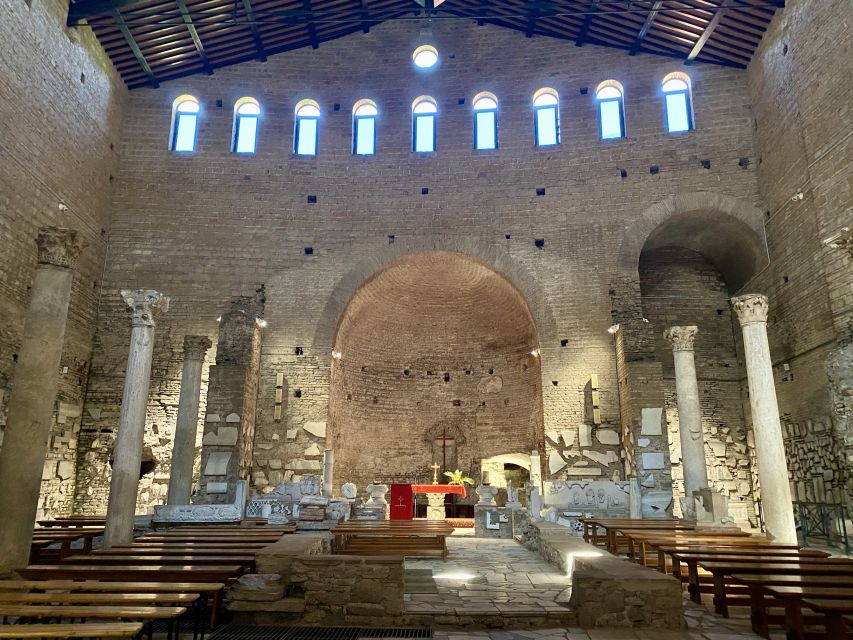
St. Clement’s is not only about the deepest layers. The return journey upward is where the tour pays off. As you go higher, you pass through remains connected to the 4th-century Basilica built above earlier spaces—tied to the martyr’s house and then below the later church itself.
This is where the tour leans into narrative. You walk along imposing walls and look at ancient frescoes tied to scenes and lives of the martyrs portrayed there. The visuals are the reward for the earlier “trust the layers” work. Instead of “we went underground and that’s it,” you leave with a clearer map of how Christian devotion evolved on the same ground.
It’s also a good place for your guide to handle questions. If you pause often, you’re not being annoying here—this is the type of site where one small question can unlock your understanding of the whole room.
The van transfer: how to keep the day flowing
Between St. Clement’s and Domitilla, there’s a van ride of about 30 minutes. This is included in the tour, and it’s one of the things that makes the day feel smooth. You’re not organizing separate directions, ticket times, and walking routes.
I do think it’s worth building a little patience into your day. Underground tours can run to schedule, but group logistics sometimes mean slight waiting. One review highlighted a late-start moment for a couple of people and an unhappy transport situation at the end. That doesn’t mean the whole experience will be chaotic—but it’s a reminder that the van is part of a group day. If you’re the type who needs every second planned, factor in some wiggle room.
Still, the trade-off is real: you get city-center assistance, plus a luggage deposit so you’re not dragging bags around Rome’s sidewalks before going underground.
Domitilla Catacombs: going about 16 meters down
After the transfer, you head into Catacombs of San Domitilla, the larger burial network this tour includes. This second stop runs about 75 minutes as well, which keeps the rhythm even: deep wonder, then a structured guide walk, then time to take it in.
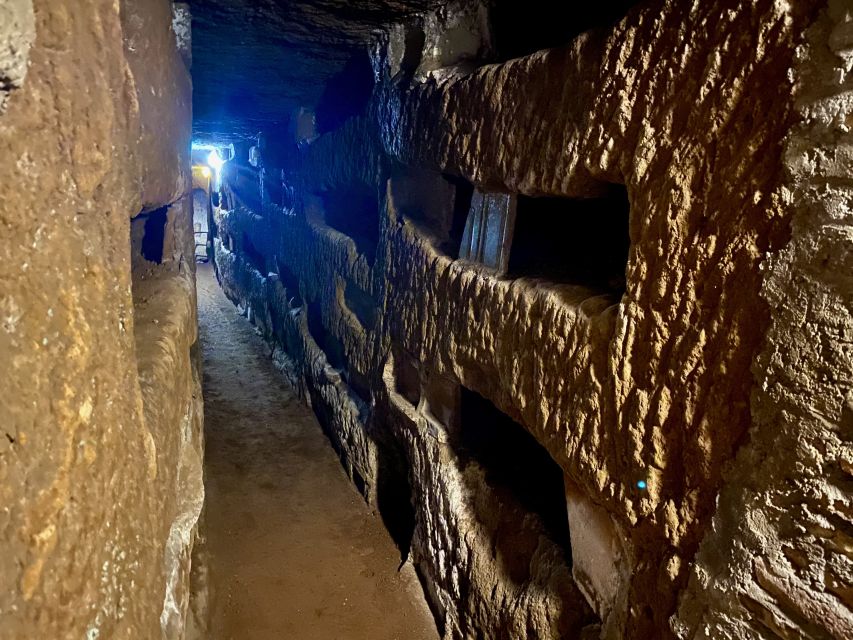
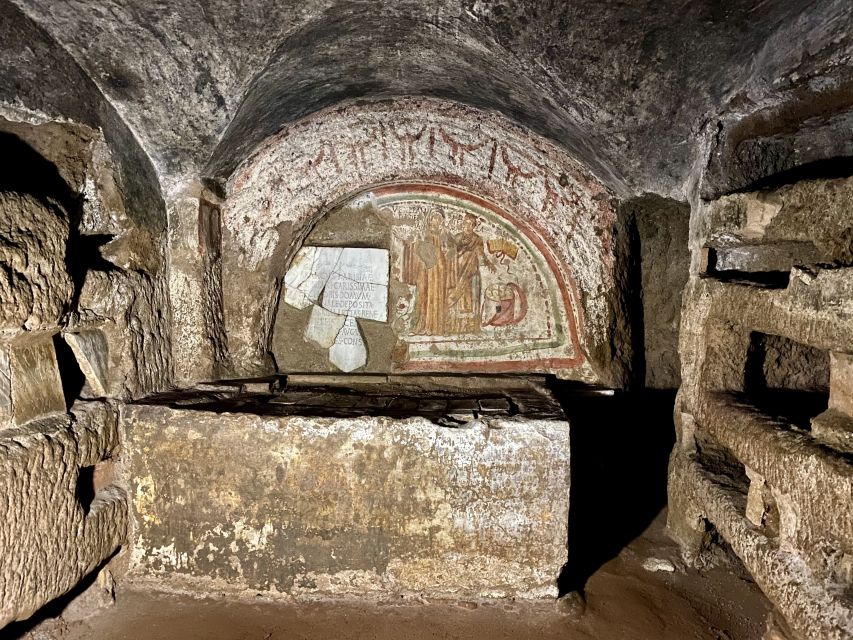
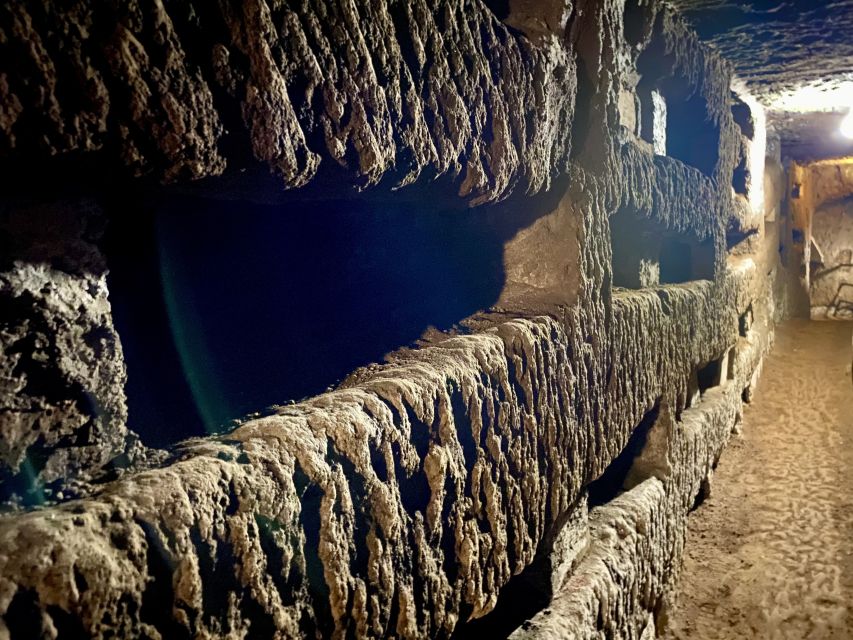
You descend again—about 16 meters below the surface. The experience shifts from the “church layered under a church” feeling to the “burial labyrinth” feeling. Expect to move through underground chambers and galleries that are set up for the accessible portion of the vast catacombs.
Here, the story changes from cults and church layers to burial practice and belief transitions. The tour connects what you see to the shift from paganism toward Christianity. That theme matters because it’s not only about religion in abstract. It’s about how people used underground spaces when beliefs changed, and how those changes leave traces in the structures you walk through.



What you’ll realistically notice in the catacombs
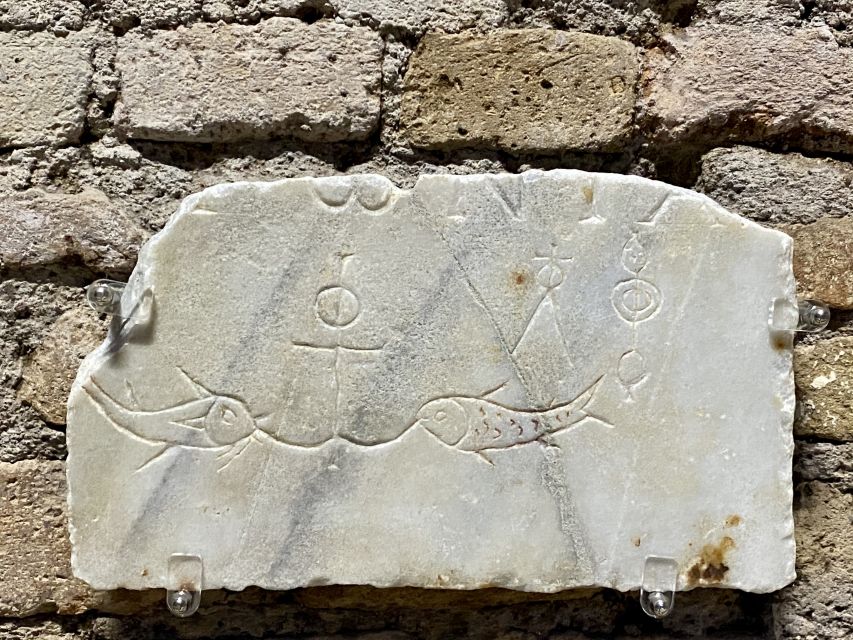
I want to set expectations honestly. One review said the catacombs felt more like empty corridors with fewer dramatic bone-and-art displays, which can be disappointing if you’re expecting a Hollywood version of “bones everywhere.” Another review still praised the overall experience, so the takeaway is this: the catacombs are meaningful, but the accessible sections can feel repetitive if you’re hunting for standout, picture-perfect moments.
If you’re in the mood for atmosphere and architecture—thin spaces, low ceilings, and the sense of movement through time—you’ll probably feel satisfied. If you’re mostly chasing spectacle, you may want to temper expectations.
Also: the tour includes headset audio and on-the-ground guidance, and that helps a lot. One review specifically noted that some people felt scared about going low into the catacombs. The guide support reportedly helped, and the spaces were well lit—more manageable than you’d fear from the phrase “dark maze.”
Practical tip: comfortable walking shoes are non-negotiable. You’re on foot for a good chunk of the day, plus you’ll be moving through uneven underground paths.
Group size, headsets, and why the guide quality is the whole deal
This tour caps at 10 participants for the small-group option, and private tours are also available. That limit is not just a marketing detail. It affects how smoothly the guide can manage the group in tight underground spaces, how often you can ask questions, and how well you can pause without feeling rushed.
The sterilised headsets are another big deal. Underground echoes can make normal conversation hard, and clear audio means you actually follow the story. Instead of focusing on whether you can hear, you can focus on what the guide is pointing out: level changes, symbolism, how the temple ties to the surrounding underground layout, and the way later basilicas built over earlier spaces.
From reviews, the strongest praise goes to the guides’ depth and time spent explaining artwork and context. One review called the guide incredibly detailed and supportive for people with fear, which tells me the human factor is central here. If you love learning while walking, this is where the tour’s value shows.
Price and value: what you’re paying for
At $134.81 per person for a 3-hour experience, the headline cost is not “cheap.” But I look at what’s included: entrance fees for both underground sites, live professional guide, sterilised headsets, on-site assistance, and transport between the two stops, plus a luggage deposit so you’re not carrying bags.
If you try to DIY this day, you’d be paying for separate tickets, separate guide times, and the headaches of matching arrival schedules. Even when self-guided options exist, you usually lose the kind of layered storytelling that makes St. Clement’s feel like more than “a church basement.”
Still, one review noted the guide’s explanations made up for the higher price, because entry pricing for two exhibits can add up. My advice: treat this as a “pay for the guide and logistics” purchase. If you’re comfortable paying for guided interpretation and you want both sites handled in one smooth block, the price starts to look fair.
Who should book this tour (and who should skip it)
This tour is best for you if you:
- Want to see two underground Rome experiences in one day without stress
- Like structured walking tours where you get meaning, not just locations
- Enjoy small-group formats with headsets
- Are interested in the less-obvious thread of Mithraic life alongside early Christian spaces
I’d skip it (or think twice) if you:
- Have claustrophobia, since the tour is not suitable for it
- Use a wheelchair, since it’s not suitable for wheelchair users
- Need every moment to be perfectly on time, since group logistics can create small delays
If you’re traveling in hot weather, you may also want to plan a quick outfit tweak for the shoulder/knee coverage requirement once you arrive.
Should you book Rome: Catacombs & St Clement’s Underground tour?
I think it’s a strong choice if your priority is guided meaning in Rome’s underground spaces. The reason is simple: the experience isn’t just “go down and look around.” It’s a shaped walk through different kinds of underground faith and space—first the layered St. Clement’s complex with its Mithraic Temple and fresco-filled return upward, then the larger burial network of Domitilla with its belief-change storyline.
If you’re mainly after dramatic “bones-and-wall-art spectacle,” you might find the catacombs less visually intense than expected. But if you’re there for atmosphere, architecture, and a guide who can explain what you’re standing in, the tour makes a lot of sense for the time you spend.
Book this if you want your Rome day to feel like you uncovered a secret city—one staircase, one level, and one story at a time.
FAQ
How long is the tour?
The tour lasts about 3 hours.
Where do I meet the guide?
Meet at the TouriksPoint at Via di San Giovanni in Laterano 132, about 15 meters from the Basilica of St. Clement. Arrive early, and be ready about 5 minutes before the tour starts.
Is hotel pickup included?
No. Hotel pickup and drop-off are not included.
Is the tour good for people who get nervous in tight spaces?
It’s not suitable for people with claustrophobia.
What should I wear and bring?
Wear comfortable shoes. You also need church-appropriate clothing with knees and shoulders covered. There are restrictions on short skirts and sleeveless shirts. Bring what you need to stay comfortable walking on your feet underground.
Are luggage and big bags allowed?
No. You can’t bring luggage or large bags, but you can deposit luggage in the office for the duration of the tour.
How big are the groups?
The maximum is 10 participants. Private tours are also available.
What languages are offered?
The live guide is available in English, German, French, Spanish, Italian, Portuguese.