REVIEW · ROME
City Sightseeing Rome Hop-On Hop-Off Bus Tour
Book on Viator →Operated by Sightseeing Experience · Bookable on Viator
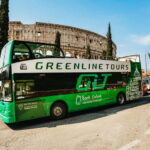
Rome is best when you can pace it. This hop-on hop-off loop lets you build your own sightseeing day with onboard audio commentary for the big sights, from ancient ruins to grand squares. I like that it’s simple to use with a mobile ticket and frequent boarding along the route. One thing to factor in: Rome traffic can slow the bus, so expect wait time between rides.
You’re buying time—and a clearer route—more than you’re buying “instant sightseeing.” You’ll get a guided feeling as you roll past major landmarks, then you can hop off when something grabs you (or hop back on when you’ve had enough steps for the day).
Before you plan your must-dos, note that Rome can change access and routes on short notice. The Colosseum stop is also listed as temporarily suspended, so build a backup plan for that area.
In This Review
- Key things to know before you go
- The value: why this bus can beat walking (and when it won’t)
- How the hop-on hop-off loop works in real life
- Where you start: Terminal A at Via Marsala 7
- Giolitti stop (Via Giovanni Giolitti, 38): a good “reposition” point
- Piazza dei Cinquecento (Terminal C): Rome’s major hub energy
- Santa Maria Maggiore zone (Via dell’Esquilino): history plus breathing room
- The Colosseum stop is suspended: Via di San Gregorio (Stop n.3)
- Circo Massimo (Piazzale Ugo la Malfa): wide views, big-scale feel
- Piazza Venezia (Via del Teatro di Marcello, 12): monument photos done right
- Vatican area access: Lungotevere Tor di Nona (Stop n.6)
- Spanish Steps zone: Via Ludovisi (Stop n.7)
- Piazza Barberini (Via Barberini, 2): a strong finish in central Rome
- Audio and Wi‑Fi: nice extras that actually help
- Night tour option: one loop, 90 minutes, different mindset
- Jubilee Line add-on: what it means for your ticket
- What can go wrong (and how to plan around it)
- Who this tour fits best
- Should you book this Rome hop-on hop-off bus?
Key things to know before you go
- Hop-on hop-off freedom across a single loop you can repeat when service allows
- Onboard audio in eight languages so you can follow along without reading your phone
- Free Wi‑Fi onboard to post photos or keep your maps handy
- A route built for first-timers that links major zones fast (Termini, Vatican, Spanish Steps)
- Day-of changes are real due to city regulations and traffic restrictions
The value: why this bus can beat walking (and when it won’t)
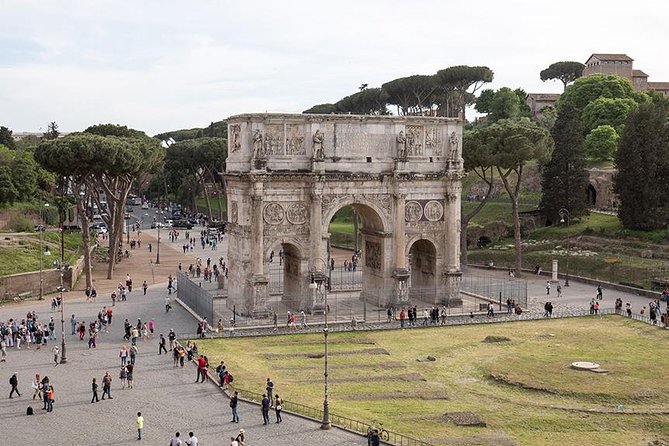
At $16.24 per person, this is a “good sense-making” ticket. You’re paying for three things that matter in Rome: getting from zone to zone without fuss, having audio guidance while you travel, and making flexible stops so you don’t have to guess your timing.
If your plan is packed—Colosseum in the morning, Vatican later, then piazzas and viewpoints—you’ll likely love how this bus stitches Rome together. Even when you hop off for only 45 minutes, you still gain distance and reduce backtracking. The free onboard Wi‑Fi also helps if you’re bouncing between maps, tickets, and restaurant tabs.
Now the trade-off. Rome traffic can turn sightseeing buses into slow-moving taxis. Some days, you’ll feel it more than others. If you’re the type who hates waiting for a vehicle, you’ll want a plan B ready: short taxi/metro hops, and some “walk-it-through” time built in.
You can also read our reviews of more tours and experiences in Rome.

How the hop-on hop-off loop works in real life
The full loop is listed at about 1.5 to 2 hours, and the tour experience runs on an audio-guided route with stops you can use as checkpoints. You show your ticket as you board, then you can hop off and hop back on as many times as you want at available stops.
Here’s the practical trick: treat this like an itinerary scaffold, not a strict schedule. If you hop off, give yourself time to wander before you expect the next bus. Rome delays can be sudden—especially near major landmarks or during special event days—so build buffer time into your day.
Also, note a big operational reality: stop availability can change. The city may impose temporary regulations with restricted access and those can impact how much of the loop you can actually use. On Sundays and selected public holidays (including Easter), traffic restrictions are common, and affected stops frequently include Colosseo or Circo Massimo.
Where you start: Terminal A at Via Marsala 7
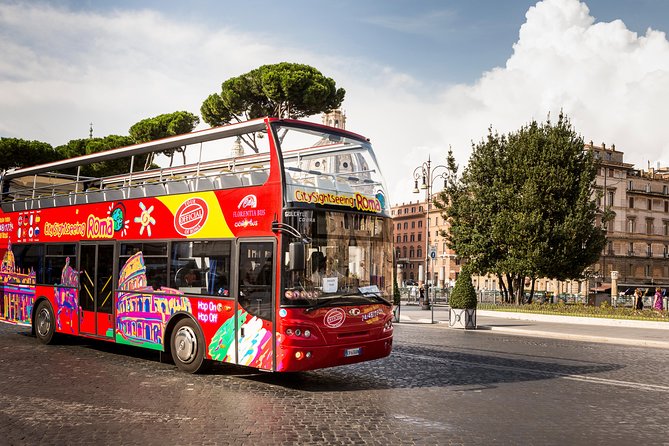
Most sightseeing buses feel like a blur once you’re in Rome. Terminal A at Via Marsala 7 is your first “orientation moment.” This start point is useful because it’s tied to the broader transit web around the Termini area—so if you land near central stations, you’re not stuck crossing half the city just to begin.
Practical mindset: plan to get oriented here, not to fully “do” your first neighborhood. Use the first ride to decide what you want to linger on later. If you’re traveling with people who want different pacing, you can split up when you hop off, then regroup at a later stop.
Giolitti stop (Via Giovanni Giolitti, 38): a good “reposition” point
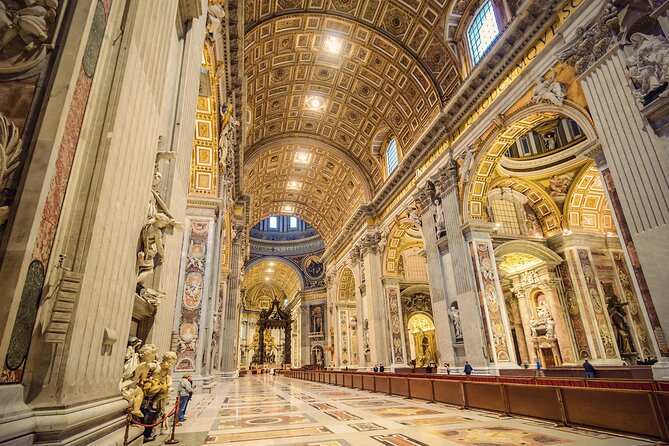
Stop n.1 is at Via Giovanni Giolitti, 38 (Stop n.1 “Giolitti”). This area works well as a reset point because you’re still in the central Rome zone. If you want to do one major block—then move again—you can treat Giolitti like a flexible gear shift.
This is also where the night-tour world intersects with daytime planning. The night departure is listed separately (see the night section), but Giolitti is clearly a key operational node. Even if you don’t plan to go at night, it’s a clue that this is an important pickup zone.
Piazza dei Cinquecento (Terminal C): Rome’s major hub energy
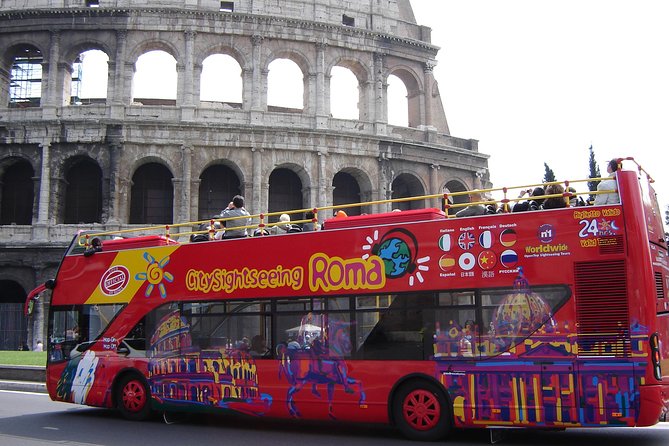
Stop 3 is Piazza dei Cinquecento (Terminal C). You’ll notice this is the kind of location where commuters, buses, and tourists mix. That can feel chaotic—but it’s also efficient.
Why it matters: it’s a practical link between “central Rome sightseeing” and “move onward.” If you’re aiming to connect your bus loop with trains, metros, or walking routes, this stop is a good place to do it. If you hate crowds, you may prefer to hop off for a quick look, then continue.

Santa Maria Maggiore zone (Via dell’Esquilino): history plus breathing room
Stop 4 is Via dell’Esquilino (Stop n.2 “Santa Maria Maggiore”). This stop puts you near one of Rome’s recognizable church and neighborhood areas. Even if you only step off briefly, it’s a strong place to feel the mix of older Rome texture with walkable streets.
The advantage here is simple: you can add a short “in-and-out” walk without committing to a long hike. If your group is split between “big monuments only” and “we want to wander,” this stop often works because you can do both types of time.
The Colosseum stop is suspended: Via di San Gregorio (Stop n.3)
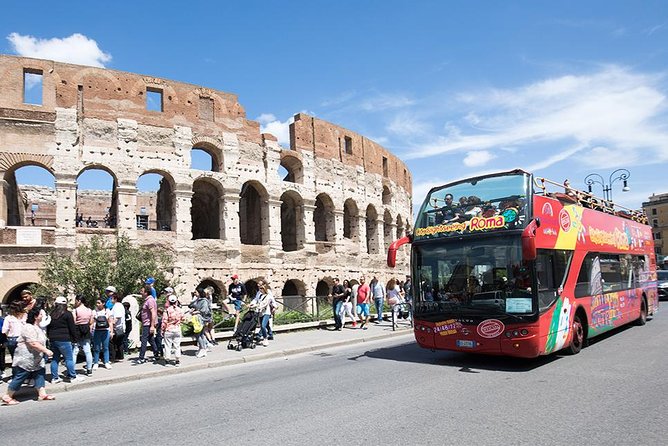
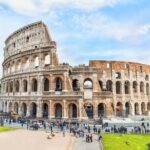
Stop 5 is Via di San Gregorio (Stop n.3 “Colosseo”), and it’s temporarily suspended until further notice.
So what do you do if the Colosseum is your anchor attraction? You’ll want to plan around the reality that the bus may not be delivering you right to that exact checkpoint. Instead of assuming a close drop-off, plan either:
- a separate walk from a nearby open-area stop, or
- a metro/taxi connection you lock in based on the day’s route access.
This isn’t a dealbreaker for the tour overall—Rome is full of impressive sights—but it changes the “easy mode” factor for your day. If the Colosseum is the one thing you cannot miss, make sure you build in extra time and confirm what’s running the day you go.
Circo Massimo (Piazzale Ugo la Malfa): wide views, big-scale feel
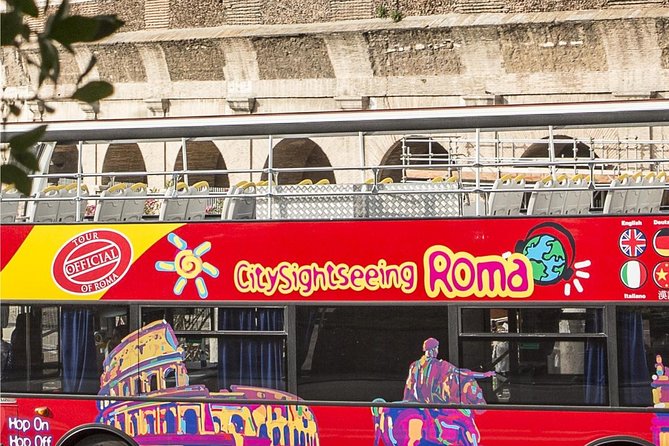
Stop 6 is Piazzale Ugo la Malfa (Stop n.4 “Circo Massimo”). This is a stop I’d use for skyline time. The Circus of old Rome is a huge space, and it’s the kind of attraction where stepping off the bus lets you understand scale—something you can’t get from a quick roadside glance.
Also, Circo Massimo can be affected by traffic restrictions on Sundays and holidays, so if you’re going on those days, give yourself margin. If you miss this stop, you’ll still get plenty of Rome—even so, I’d protect this one if you like open-air ruins and long views.
Piazza Venezia (Via del Teatro di Marcello, 12): monument photos done right
Stop 7 is Via del Teatro di Marcello, 12 (Stop n.5 “Piazza Venezia”). This is the part of the route where the bus connects you to Rome’s grand political-and-monument center.
Here’s why it works: you can hop off, reposition your photos and viewpoint, and then decide whether you want a longer walk in that direction. It’s a high-impact area—great for camera time, meeting up with a group, and getting a feel for how Rome’s layers sit next to each other.
Vatican area access: Lungotevere Tor di Nona (Stop n.6)
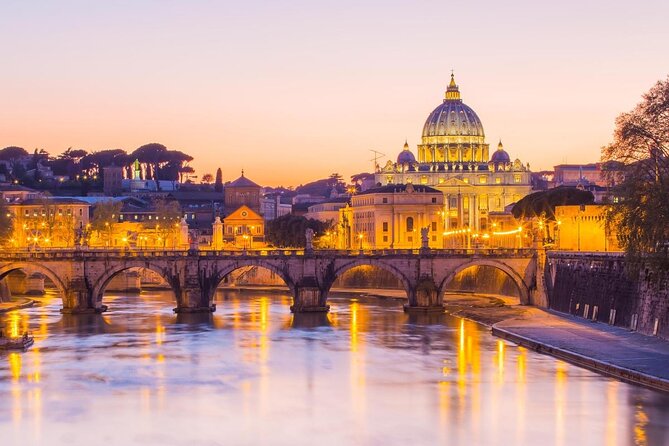
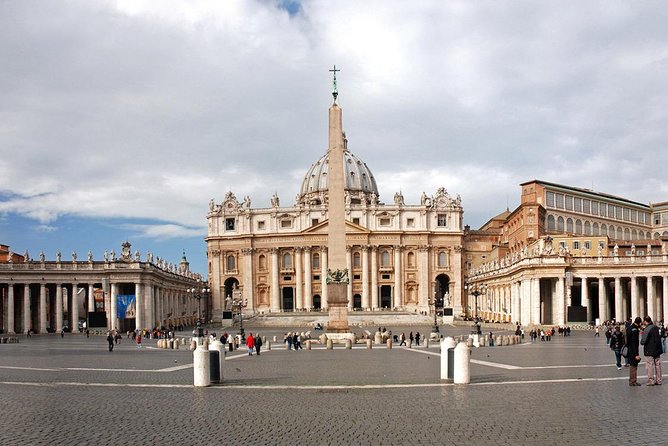
Stop 8 is Lungotevere Tor di Nona, 7 (Stop n.6 “Vaticano”). This is one of those Rome moments where your bus ride becomes your “approach.” You’ll get the audio as you pass key sights, then step out near the Vatican zone to explore at your own pace.
Practical note: the Vatican area is sensitive to crowds and access rules. If the bus drops you a bit farther than you expected, don’t panic. This is exactly the kind of stop where having a flexible ticket pays off—you can keep moving without feeling trapped.
Spanish Steps zone: Via Ludovisi (Stop n.7)
Stop 9 is Via Ludovisi, 47 (Stop n.7 “Piazza di Spagna”). This is a classic “wandering payoff” stop. You’re near one of the most famous pedestrian areas, so stepping off here makes it easy to transition from big landmarks to small street life: shops, viewpoints, and slow photo walks.
If you like to pace yourself, this stop is ideal in the late afternoon or early evening. You can do a short “steps and streets” circuit, then return to the bus if you still have energy—or jump off again to keep exploring.
Piazza Barberini (Via Barberini, 2): a strong finish in central Rome
Stop 10 is Via Barberini, 2 (Stop n.8 “Piazza Barberini”). This area is a solid ending point because you’re back in a central zone with plenty of walking options and an easy “decide what next” feel.
If you’re doing a multi-stop day, this is a great place to either:
- keep walking to nearby attractions, or
- re-board the bus if you want to repeat part of the route and catch anything you missed.
It’s also a good spot to regroup if you’re with family and everyone wants different walking speeds.
Audio and Wi‑Fi: nice extras that actually help
The onboard audio guide is included and available in eight different languages on the Open Bus. That matters because Rome is big. Hearing a simple narration while you move can turn “transit time” into useful time.
Two practical considerations:
- Some audio setups can be hit-or-miss day to day. If one device sounds off, it’s worth trying another so you get the full benefit.
- The audio style isn’t always delivered like a live guide. It can lean more toward music with facts mixed in, so don’t expect a nonstop lecture.
The free Wi‑Fi onboard is a genuine perk. It helps when you’re switching between plans, checking the day-of status of sights, or posting while you’re still near the action.
Night tour option: one loop, 90 minutes, different mindset
If you choose the night experience, it’s one loop only, not hop-on hop-off. It departs from Via Giolitti, 32 and is listed as 90 minutes.
The night tour is worth considering when you want the “Rome at night” feel and you’d rather not spend extra daylight hours in traffic. Still, because it’s one continuous loop, you’ll get the best value if you’re okay with staying on the bus and enjoying it as a moving viewpoint.
There’s also a small operational note: the 21:00 departure may be postponed by up to 15 minutes for operational reasons, while the service is still guaranteed. So you’ll want a flexible plan after the tour rather than a hard appointment.
Jubilee Line add-on: what it means for your ticket
Your ticket can include the Jubilee Line, and it’s described as exclusively included in the City Sightseeing ticket (operated by Vatican&Rome Open). In plain terms: it’s an extra option that may help you connect or ride more efficiently depending on the day’s services.
If you’re planning around specific Vatican-area timing, it can be a useful bonus. Just make sure you understand what you’re selecting at checkout so you don’t assume it’s bundled into every ticket type.
What can go wrong (and how to plan around it)
This tour is a strong “first day” tool, but Rome can be unpredictable. Here’s how to protect your day:
- Traffic delays happen. Don’t build a schedule where missing one bus ruins everything.
- Stops can be affected. Especially on Sundays/holidays or during city enforcement, some stops may be reduced or access limited.
- Colosseum stop is currently suspended. If that’s your priority, build a different route plan.
- Crowds and capacity can be real. If buses fill up, you may need to wait for the next one—so pick a comfortable start time.
- Rain changes the experience. An open-top setup can be cold and wet; if the weather looks rough, plan layers and a compact rain shell.
If you keep these in mind, you’ll treat the day like a flexible tour—not a rigid timetable—and you’ll get more satisfaction out of the ride and stops.
Who this tour fits best
This bus is a great match if you:
- want an easy overview of Rome’s top sights without building a complex route
- like the idea of hopping off as you discover what you enjoy
- want audio guidance so you’re not relying on constant phone reading
- are visiting for the first time and want a smoother start
It may feel less worth it if you already know Rome well, you’re comfortable navigating by metro and walking, or you hate waiting around for buses in traffic. Some people also find that, with everything within walking distance, the best value is using the bus for the “long cross-city links” only—not every stop.
Should you book this Rome hop-on hop-off bus?
Yes, I’d book it if you’re using it for what it’s best at: a flexible first-day framework with audio and quick repositioning across Rome. The price is reasonable for the convenience, and the added Wi‑Fi and guidance make the ride more than just transportation.
But don’t book it like a strict shuttle to the Colosseum right now. With the Colosseum stop listed as suspended, I’d protect your plan by choosing one or two “must-do” attractions and giving extra time for connections near them. If you do that, this tour can save energy and help you plan the next day with confidence.