REVIEW · ROME
Rome: City Highlights Electric Bike Tour
Book on GetYourGuide →Operated by Bicycle Roma · Bookable on GetYourGuide
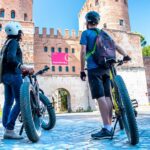
Rome moves faster on two wheels. This Rome City Highlights Electric Bike Tour is a fun way to cover the big-name monuments and some quieter streets too, with a local guide feeding you stories as you ride. I love the e-bike assist, which makes the whole loop feel doable even if you walk slowly; you still pedal, but the effort stays reasonable. I also love that the route focuses on calmer stretches, especially along the Tiber bike path, so it feels like sightseeing instead of dodging traffic. One consideration: the stops are built for photos and quick looks, so if you want long, inside visits, you’ll still need extra time elsewhere.
I’ve also seen how much the guide can shape the vibe. People like Daniela, Georgio, Ricardo, and Noam are praised for adapting the pace, answering questions, and even helping with photos. Groups are kept small (up to 8 per guide), and there’s a private option if you want a more custom route.
In This Review
- Key things that make this tour work well
- Why an E-Bike Is a Smart Way to Hit Rome’s Big Ones
- Meeting on the Tiber: What Your 4 Hours Look Like
- Tiber Island and Circus Maximus: Roman Roots Without the Exhaustion
- Colosseum and Piazza Venezia: Photo Stops With Real Street-Level Perspective
- Jewish Ghetto and Campo de’ Fiori: Streets With Character, Not Just Postcards
- Piazza Navona and Castel Sant’Angelo: Baroque Drama by Bike
- St. Peter’s Basilica Area and the Pantheon: Two Icons, One Efficient Route
- Trevi Fountain, Piazza di Spagna, and Piazza del Popolo: The Photo Triangle You’ll Actually Finish
- How Safe Does It Feel on Rome’s Streets?
- The E-Bike Matters: Power, Fit, and Who Should Skip
- What’s Included (and What to Bring) for a Smooth Ride
- Value Check: Is the $80 Price Tag Worth It?
- Should You Book This Rome City Highlights Electric Bike Tour?
- FAQ
- How long is the Rome City Highlights Electric Bike Tour?
- What does the tour cost?
- Where do we meet for the tour?
- What landmarks are included?
- What languages are the guides available in?
- Is there a private tour option?
- What’s included with the tour?
- Do I need experience cycling?
- What age can operate an E-bike?
- Is it free to cancel?
Key things that make this tour work well
- E-bike boost keeps momentum so you don’t burn half the day on tired legs
- Tiber bike path time gives you a calmer ride with big-city views
- Short photo stops let you hit many landmarks in 4 hours without dragging
- Guides actively help with navigation, safety, and history on the move
- Small group size keeps the ride organized and less chaotic
- Rain plan included with ponchos if the weather changes
Why an E-Bike Is a Smart Way to Hit Rome’s Big Ones
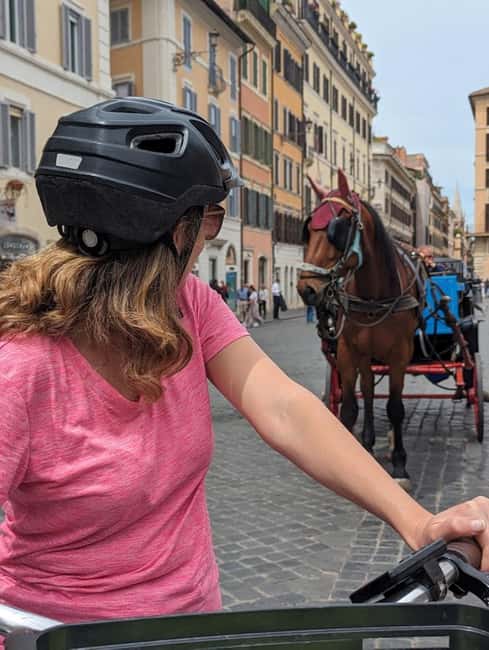
For Rome, timing matters. A 4-hour tour is short enough that you won’t lose the whole day to logistics, yet long enough to see a lot of Rome’s headline sites. The e-bike angle is the real value: you’re not just “getting transport.” You’re moving through the city with your eyes up, soaking in the streets, and arriving at famous places with energy left.
At $80 per person, it’s not a bargain like a transit ticket—but it is a practical upgrade. You’re paying for a guide, a high-quality bike setup, and a planned route that tries to keep you on safer, easier lanes than free-for-all street cycling. In a city where walking can be punishing, the e-bike is basically a leg-saver that still feels active.
Also, the tour is designed around the historic core. You’re riding between landmarks that would otherwise take multiple bus rides or a lot of backtracking. You get a “Rome highlights” overview that helps you decide what to revisit later—especially if it’s your first day.
You can also read our reviews of more tours and experiences in Rome.


Meeting on the Tiber: What Your 4 Hours Look Like
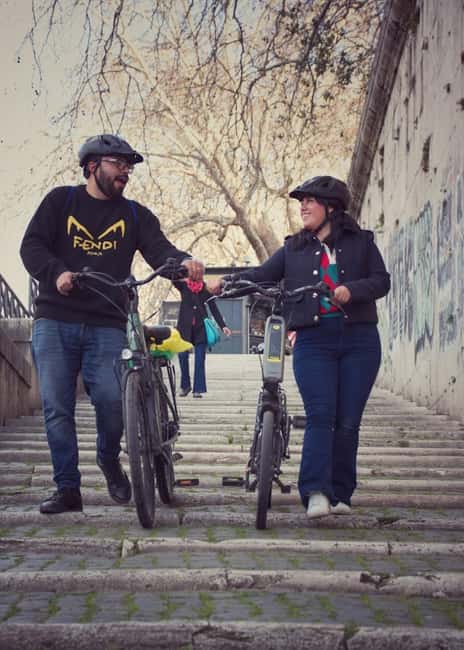
Your ride begins at one of the two listed meeting points at Lungotevere delle Armi, 44 (the operator notes it may vary by option). From there, you’ll roll into the historic center and along the Tiber bike path, which is one of the best ways to move through Rome without constantly wrestling with traffic.
Before departure, there’s a pre-departure test. This is there for safety and to confirm you can handle the bike. Helmets are handled too: you get a helmet cover, and you’ll also receive a poncho in case rain hits. If you’re bringing kids, there’s a child bike seat option, and there are rules for child height/extension usage.
One thing to watch: you need a minimum cycling level. Several people have called the e-bikes easy to use, but “easy” still assumes you can balance, pedal, and follow instructions. If you want a tour without any cycling confidence needed, this probably isn’t it.
Tiber Island and Circus Maximus: Roman Roots Without the Exhaustion
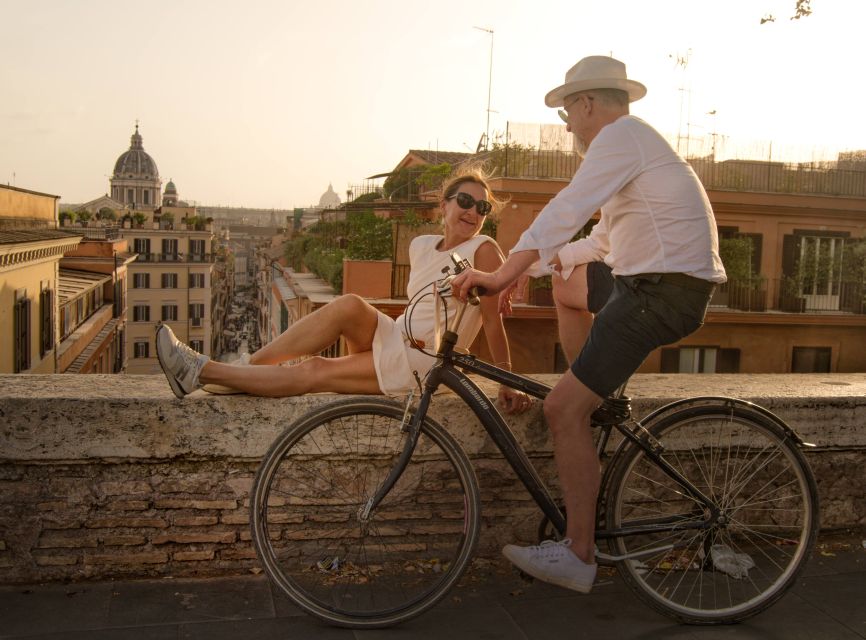
The first real sightseeing jump is Tiber Island, with a guided introduction and a short bike-tour segment. This is a good early stop because it orients you. You get a sense of how the city is laid out around the river, and you’re already moving through the same corridor locals use to travel and relax.
Next up is Circus Maximus, where you’ll have a photo stop and then keep riding. This stretch gives you that “wow, this used to be massive” feeling. You’ll get context from the guide—these places aren’t just backdrops. A competent guide helps you read what you’re seeing, instead of just collecting a quick picture and moving on.
A practical downside here: because the schedule is tight, you won’t hang around long. Think “snapshot and go,” not “wander and linger.”
Colosseum and Piazza Venezia: Photo Stops With Real Street-Level Perspective
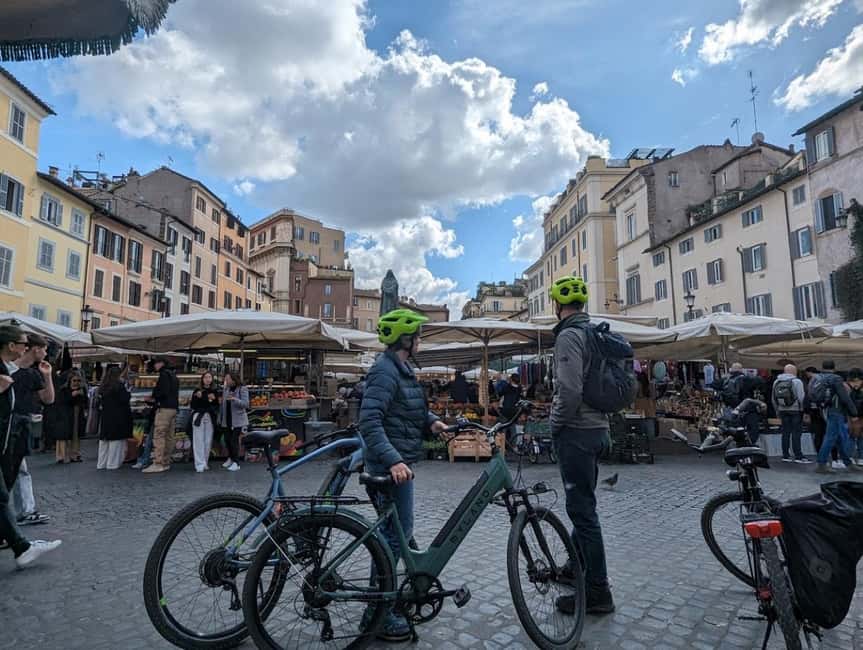
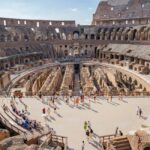
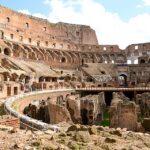
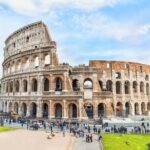
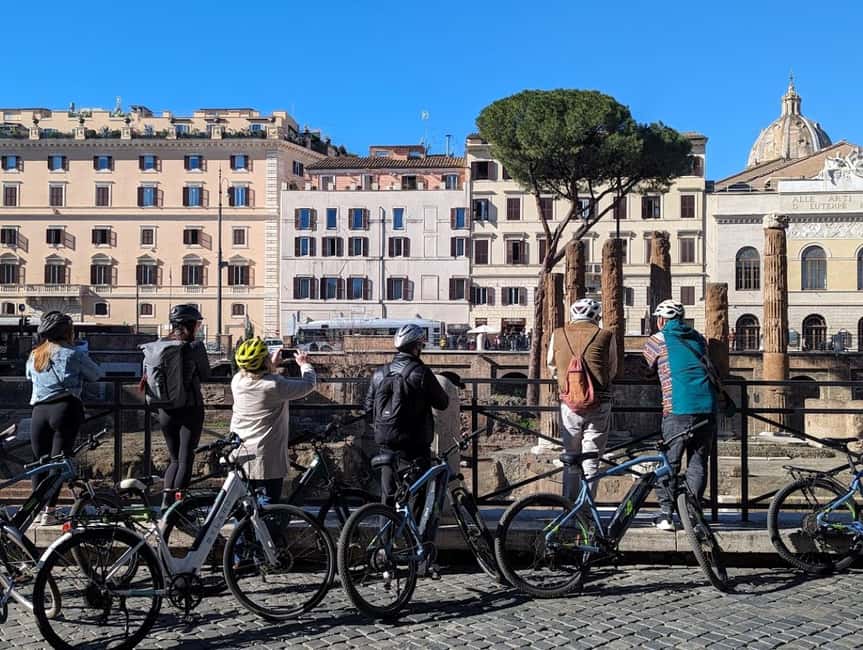
The Colosseum is the big moment on the route. You’ll get a photo stop and a short ride segment nearby. In some of the busiest areas, you may need to walk your bike—this is normal in crowded zones around major sights. The tour still works, though. You’re not stuck in a long queue or stuck far away; you’re positioned for a quick, clear look while the guide keeps the group moving.
Piazza Venezia follows with another photo stop. This is where the city’s “from many eras” feeling gets sharper. Standing here (even briefly) helps you understand the Roman layers you’ll keep seeing over and over: ancient scale, Renaissance framing, and Baroque drama all within a short ride.
If you’re the type who loves to read museum labels for an hour, this won’t replace that. But if you want a high-quality “first impression” of the Colosseum area and the surrounding story, it’s strong.
Jewish Ghetto and Campo de’ Fiori: Streets With Character, Not Just Postcards
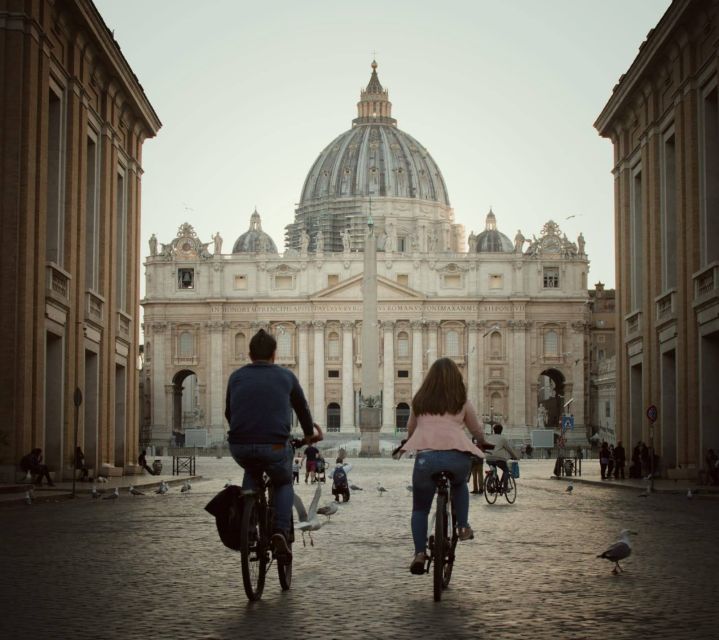
This is where the tour starts to feel less like a checklist and more like an actual walk-around-the-neighborhood experience. You’ll ride through the Jewish Ghetto area, then make your way to Campo de’ Fiori for a photo stop.
What I like about adding these stops is that they broaden the Rome picture. You’re not only seeing monuments; you’re seeing how the city lives around those monuments. The guide’s anecdotes matter here, because these places have meaning beyond the architecture.
A quick note: these stops are time-limited. You’ll get a feel for the streets, but you won’t be shopping your way through every corner. If you want to explore markets and side lanes on foot afterward, treat these as your “start-point” rather than your final stop.

Piazza Navona and Castel Sant’Angelo: Baroque Drama by Bike
Piazza Navona is one of Rome’s great “look up” squares. You’ll roll in, take photos, and then move on with the group. This stop tends to impress because it’s built for viewing from every angle—street art, fountains, and the drama of the buildings around the open space.
Then you head to Castel Sant’Angelo, again with a photo stop plus bike-tour segments. It’s a strong pairing with Navona because the river-and-monument vibe links them. You’re not just seeing a castle; you’re seeing how Rome shapes views along its waterways.
One minor drawback: since the stops are short, the best way to enjoy these squares is to use the guide time well—ask a question, grab 2-3 photos from your favorite angle, and move. Waiting for perfection can eat your schedule.
St. Peter’s Basilica Area and the Pantheon: Two Icons, One Efficient Route
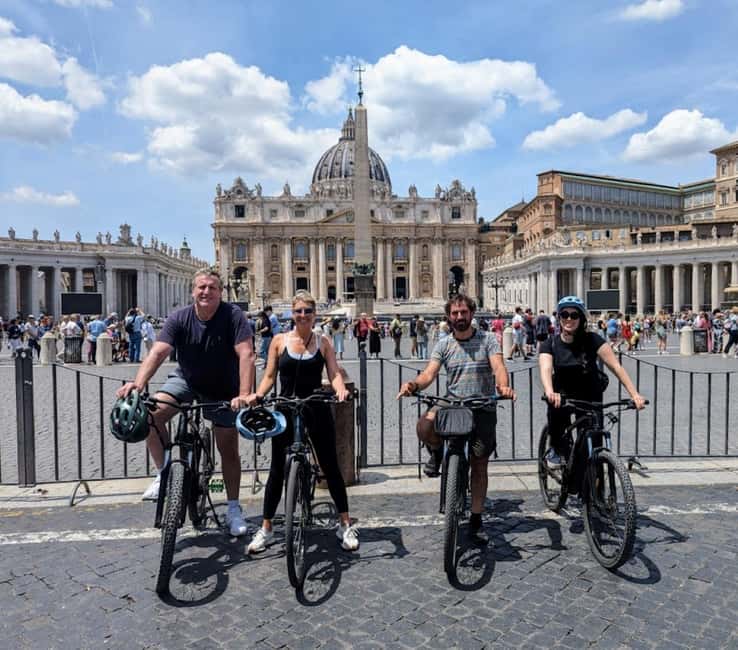
The tour includes St. Peter’s Basilica as a photo stop. This is a “presence” stop, not a slow ceremony. You’ll get the big moment and then keep riding rather than spending long minutes caught in crowd flow.
After that comes the Pantheon, another quick photo stop. The Pantheon works especially well on a bike tour because you arrive with momentum. You’re not planning your route from scratch—you’re getting a guided orientation that helps you later understand where it sits and how it connects with the rest of the historic center.
If you’re hoping for long stops at both Vatican-area viewpoints and the Pantheon interior, plan to return. This tour is about seeing, not settling.
Trevi Fountain, Piazza di Spagna, and Piazza del Popolo: The Photo Triangle You’ll Actually Finish
By the time you reach Trevi Fountain, you’ve already seen enough Rome that it doesn’t feel like the first-time shock. It feels like payoff. You’ll have a photo stop, then keep rolling.
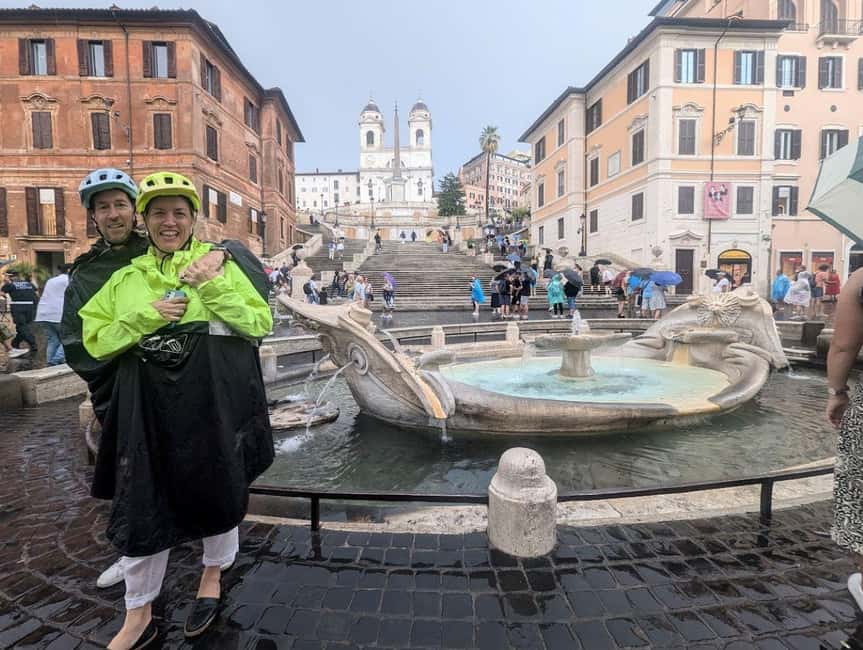
Piazza di Spagna and Piazza del Popolo close the loop with more iconic scenery and easy photo moments. These stops are great for travelers who want variety: fountains, grand stairways, and a view back into Rome’s grand central spaces.
The honest trade-off is crowd reality. Trevi and the Spanish Steps area are busy. The tour still keeps you efficient by positioning you where you can photograph and move, rather than trapping you in the thickest mess for an hour.
How Safe Does It Feel on Rome’s Streets?
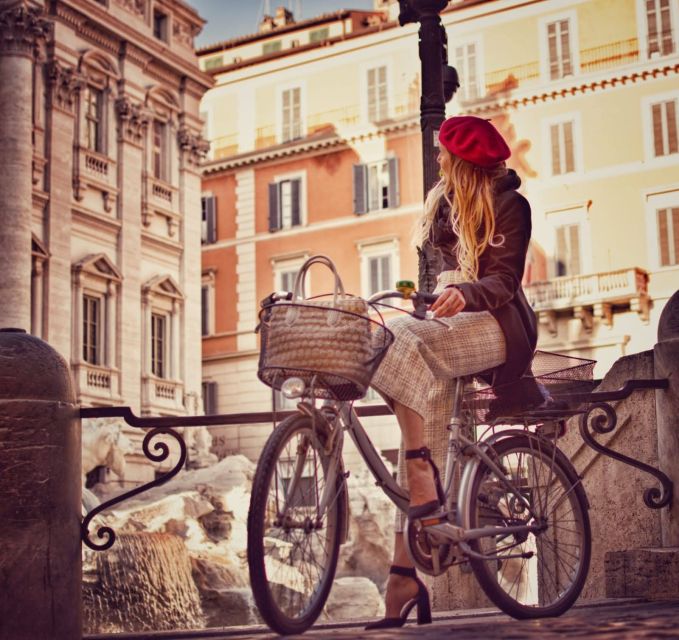
Safety is the big question people ask before they book any bike tour in Rome. The operator’s approach is to favor quiet roads with little traffic, while still acknowledging that light vehicular traffic is sometimes unavoidable. The guide travels with the group at all times, and there’s that pre-departure test to make sure everyone can handle the bike.
In the experience data I reviewed, guides like Ilenia, Marco, and Alessio are specifically praised for keeping people safe and choosing better lines through traffic when possible. One key point: the route is not designed around constant street cycling. It leans on the Tiber bike path and calmer side streets, which makes a huge difference.
Also, don’t assume an e-bike means zero pedaling. One person noted the bike still required pedaling, which matters if you’re expecting a fully hands-off ride. If you have a knee issue or any health concern, confirm fit and ask questions before you go.
The E-Bike Matters: Power, Fit, and Who Should Skip
The tour offers either an E-bike or a mountain bike depending on the option you choose. The e-bike minimum age to operate is 12 years old, and the tour includes a child seat for infants riding free (up to 20kg/44 lbs).
But there are hard “not suitable” rules that you should take seriously:
- pregnant women
- people with mobility impairments, wheelchair users, or vertigo
- anyone who can’t ride a bike
- people with heart problems or recent surgeries
- people over 220 lbs / 100 kg
- anyone with low level of fitness
Also, the guide may deny participation (without refund) if you’re unsuitable due to ability or health concerns. That’s not meant to scare you—it’s meant to protect you.
Bottom line: this is a cycling experience with an assist, not a sightseeing stroller. If you’re already comfortable biking in traffic-light situations and can follow instructions, you’ll likely enjoy it.
What’s Included (and What to Bring) for a Smooth Ride
Here’s what you’re getting:
- a local guide
- an E-bike or mountain bike (based on your selected option)
- helmet cover
- poncho if rain starts
- a child bike seat if needed
- live guide support in Spanish, English, French, and Italian
- private group option if you choose the private tour
What to bring:
- passport or ID card
- comfortable clothes
Pets aren’t allowed, and that’s pretty standard for a guided cycling tour.
A small practical tip: if you’re thinking of tipping cash, carry some euros. In one story, a guide recommended cash tips rather than credit-card tips, since tips were handled differently. Even if you don’t tip, having small cash on hand helps you deal with surprises.
Value Check: Is the $80 Price Tag Worth It?
For Rome, “value” means time saved and mental load reduced. This tour gives you:
- a guided overview of major landmarks
- multiple photo stops across the historic center
- calmer riding segments that reduce walking pain
- small groups (up to 8 guests per guide) for pacing and attention
- a private option if you want more control
If you’re only in Rome for a day (or you’ve already walked yourself into blisters), the e-bike is the main reason the price feels reasonable. You get movement plus context, without the grind of long distances on foot.
If you dislike cycling at all, hate unpredictability around crowds, or expect museum-level time at big sights, then the price won’t feel justified. You’re paying for an efficient highlights ride, not an all-day deep dive.
Should You Book This Rome City Highlights Electric Bike Tour?
I’d book it if you want a fast, organized way to see the classics—Colosseum, Pantheon, Trevi, and the Vatican-area sights—without wiping out your legs. It’s also a good match if you like local storytelling and want a route that mixes the headline sites with areas such as the Jewish Ghetto and Campo de’ Fiori.
I’d skip it if any of these apply:
- you can’t ride a bike confidently
- you have a health condition listed as not suitable
- you want long interior visits at major monuments
- you’re expecting a no-pedaling experience on an e-bike
If you’re a reasonably fit cyclist who wants an easy way to see Rome fast, this tour is a strong bet.
FAQ
How long is the Rome City Highlights Electric Bike Tour?
The duration is 4 hours.
What does the tour cost?
The price is $80 per person.
Where do we meet for the tour?
The meeting point may vary depending on the option booked, and the listed meeting location includes Lungotevere delle Armi, 44.
What landmarks are included?
The route includes stops for Tiber Island, Circus Maximus, the Colosseum, Piazza Venezia, the Jewish Ghetto, Campo de’ Fiori, Piazza Navona, Castel Sant’Angelo, St. Peter’s Basilica, the Pantheon, Trevi Fountain, Piazza di Spagna, and Piazza del Popolo.
What languages are the guides available in?
Guides are available in Spanish, English, French, and Italian.
Is there a private tour option?
Yes, a private group is available, including an option for a private tour with a local guide exclusively for you.
What’s included with the tour?
Included items are a local guide, an e-bike or mountain bike (depending on option), helmet cover, poncho (in case of rain), and a child bike seat if needed.
Do I need experience cycling?
Yes. A minimum cycling level is mandatory, and there is a pre-departure test by the guide.
What age can operate an E-bike?
The minimum age to operate an E-bike is 12 years old.
Is it free to cancel?
Free cancellation is offered up to 24 hours in advance for a full refund.