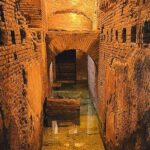
REVIEW · ROME
Rome: Colosseum, Roman Forum, and Palatine Hill Entry
Book on GetYourGuide →Operated by Sonitus in Rome SNC · Bookable on GetYourGuide
Rome is louder than you expect.
This experience gives you priority access to the Colosseum, Roman Forum, and Palatine Hill, and then lets you roam at your own tempo instead of being herded. I especially like that the ticket covers the trio that makes Ancient Rome feel real, not just impressive on paper, plus the option to add an audio guide on your phone if you want extra context.
One thing to plan around: it’s called skip-the-line, but you can not avoid the security check line, and that can still slow your entry a bit depending on the day.
In This Review
- Key things to know before you go
- Timed entry that actually changes your day
- Collecting your ticket and stepping into the Colosseum
- Inside the Colosseum: iconic, but best with a plan
- The Roman Forum: where Rome’s daily life shows up
- Palatine Hill: Rome’s starting point and viewpoint
- Audio guide option: worth it, but only if you prep
- Timing and pacing: how to avoid feeling rushed
- Who this fits best (and who should look elsewhere)
- Should you book this entry?
- FAQ
- What sites are included with this Rome entry ticket?
- Is the audioguide included, and what do I need to use it?
- Can I avoid the security check line?
- What time coverage do I get with the ticket?
- What items do I need to bring?
- Are arena floor or underground levels included?
Key things to know before you go
- Priority access with a booked time for the Colosseum means you’re not guessing when to arrive.
- Self-paced visiting keeps you in control, especially helpful at the Forum where you’ll want to stop and stare.
- Palatine Hill views and imperial ruins give you the big-picture story of Rome’s founding and power.
- No arena floor or underground access with this ticket, so keep expectations above the crowds.
- Optional audio guide needs your gear: charged smartphone, your own headphones, and sometimes internet.
- Bring ID and comfy shoes—you’ll be walking, and bags are restricted.
Timed entry that actually changes your day
The main value here is simple: you get timed, priority-access entry for the big three sites—Colosseum, Roman Forum, and Palatine Hill—so you can spend less time stuck and more time looking. The Colosseum is the only stop with a specific entrance time tied to your booking, which matters because that’s usually where the pressure is.
At $33.75 per person, the price is higher than the listed ticket value of about €18 included for these sites. I treat that difference as what you’re paying for: staff handling to collect your entry, timed entry at the Colosseum, and skipping the ticket line. If you want to experience Rome’s most famous ruins without playing queue lottery, that convenience is the whole point.
Just know what this ticket is not. It’s not a guided tour and it’s not access to the arena floor or underground level. So you’ll be your own storyteller: you look, you read a bit (or use the audio guide), and you build your own understanding as you go.
You can also read our reviews of more tours and experiences in Rome.


Collecting your ticket and stepping into the Colosseum
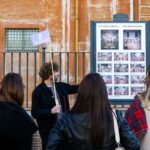
Your day starts when you meet the staff to collect your entry. The meeting point can vary based on the option you book, and the experience ends back at the meeting point. The key detail is that you’re not just walking up to buy something last-minute; you’re getting the correct entry for your selected time.
Here’s the practical rhythm I recommend:
- Arrive early enough to be calm, not rushed.
- Expect you’ll still go through security even with priority access.
- Use your Colosseum slot to get the hardest part out of the way first.
One note from real-world experience: one person found that they were met a few blocks away, then walked to the Colosseum and still waited in line like everyone else for entry. That doesn’t mean the ticket is useless—it suggests that on some days, the “skip the line” part may feel less dramatic once you factor in security and how lines are organized. Your best move is to treat priority access as “less waiting for the ticket check,” while keeping enough buffer time for security.
Inside the Colosseum: iconic, but best with a plan
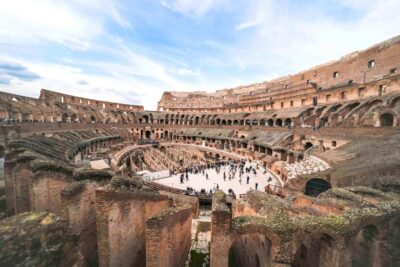
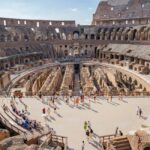
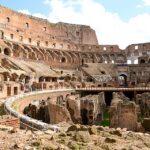
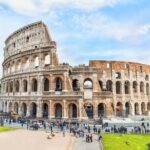
The Colosseum is the reason most people come to this area. It’s the symbol of Rome at its most theatrical—massive, geometric, and totally built to awe you from the start. With this ticket, you can walk in and explore on your own pace, and that’s a good fit for the Colosseum because it rewards lingering.
What you’ll notice when you’re not stuck moving with a group:
- You can pause to line up the scale with your own body, which makes the architecture feel less like a photo and more like a machine.
- You can pick your angles. The building reads differently as you move around it.
- You’ll likely gravitate to the main sections where the crowd energy is highest, but you can also step back and take in the bigger picture.
What you won’t have access to is the arena floor or underground level. That’s important because a lot of the most dramatic “inside the action” versions of the Colosseum you might see online are about areas that aren’t included here. Instead, think of this visit as a front-row look at the structure and setting, not a full theatrical reenactment.
The Roman Forum: where Rome’s daily life shows up
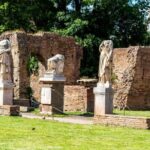
If the Colosseum is Rome’s stage, the Roman Forum is Rome’s workplace. This is the area that served as the political, religious, and social center—where speeches happened, elections were held, and celebrations took place. You can still see landmarks that help you connect the legends to the physical space.
As you walk the ruins, focus on how the Forum works as a “map of power.” Temples, government buildings, and arches aren’t just leftover stone—they’re signposts that tell you where decisions were made and how Romans organized public life.
Three things the Forum helps you understand:
- The Forum was crowded in a real way: it wasn’t a quiet museum. Even in ruins, it’s easy to imagine daily movement and debate.
- Religion and politics were braided together: temples and state buildings sit close, so the space feels like it had a purpose beyond entertainment.
- The scale is intimate: you’re walking through history at human walking pace, which makes the place feel personal even when it’s massive.
Landmarks you may encounter include the Temple of Saturn, the Arch of Titus, and the Curia (Senate House). Those names can sound like trivia until you’re standing in the area and realizing why they mattered.
Also, because you’re self-paced, you can slow down for the parts that grab you. If you love architecture, you’ll stop more. If you love storytelling, you’ll spend time reading signs and letting the audio guide fill in gaps.
Palatine Hill: Rome’s starting point and viewpoint
Then comes the shift from politics to beginnings. The Palatine Hill is one of the oldest areas of the city and is tied to the legendary founding of Rome. Standing on this elevated ground gives you something the Forum can’t: a sense of how the city arranged itself around power, viewlines, and proximity.
The hill is famous for being home to emperors and aristocrats, plus major residences and palaces like the Domus Augustana and the House of Livia. Even if you don’t memorize every detail, you’ll feel the difference between Palatine and the Forum. The Forum feels like the center of public action; Palatine feels like the landscape of authority.
One reason I like visiting Palatine as part of the same ticket: the viewpoint helps you connect the dots. The hill overlooks the Forum, so you can step from ruins into a “what would this have meant” perspective. On a good day, you also get some of the best Rome views in this immediate zone—enough to break up the stone-and-stairs intensity.


Audio guide option: worth it, but only if you prep
If you choose the audioguide option, you’ll use your smartphone. The fine print matters here: bring a fully charged phone, your own headset/earphones, and ideally an internet connection to access the content.
This is a practical choice, not a luxury. The ruins can feel like a lot of separate fragments—columns, walls, arches—unless someone helps you connect what you’re seeing to why it matters. The audio guide can do that, especially in the Forum where context changes your interpretation fast.
My advice: don’t rely on the audio guide to carry you if your phone battery is low or the content doesn’t load. Download what you can ahead of time and bring spare power if you have it. If you like wandering more than listening, you can use the audio guide selectively: turn it on for the stops you care about most, then go quiet.
Timing and pacing: how to avoid feeling rushed
This ticket is valid for 24 hours from the first use, which gives you flexibility. But don’t treat that as permission to dawdle all morning and then sprint the afternoon. The sites are close-ish, but they’re not instantly walk-to-everything fast.
My pacing plan for a smooth day:
- Use your Colosseum time slot first so you’re not negotiating around a delayed start.
- Move into the Roman Forum while the area is still working on your brain. The Forum is more meaningful when you’re mentally fresh.
- Finish on Palatine Hill so you get the payoff viewpoint at the end, when you’re ready to see the whole picture.
Wear comfortable clothes and shoes. This is not a sit-down day. Also remember the rules: large bags and oversize luggage are not allowed, and the list of restricted items includes drones, bikes, flash photography, alcohol and drugs, sprays or aerosols, and glass objects. Plan to travel light.
Who this fits best (and who should look elsewhere)
This experience is a great match if you:
- Want the classic Rome trio without signing up for a full guided tour.
- Like to spend time at your own pace, especially in the Forum.
- Are comfortable navigating ruins and reading interpretive signs (or using the optional audio guide).
- Prefer ticket convenience—priority access and staff collection—over queue management.
It may not be ideal if you:
- Want the arena floor or underground areas. This ticket doesn’t include them.
- Expect to fully bypass security. You can not avoid the security check line.
- Need a strictly guided narrative experience all the way through. There isn’t a guided tour included.
One more caution: the activity is marked wheelchair accessible, but it also notes it is not suitable for wheelchair users (and people with mobility impairments). If mobility is a concern, I’d treat this as a “confirm before you buy” situation rather than assume it’s straightforward.
Should you book this entry?
Yes, if your goal is a smart, self-paced “best-of” day through Rome’s most famous ancient spaces—and you want the convenience of priority access and timed entry at the Colosseum. The price makes sense when you value time saved and smoother entry, especially in a place where lines and logistics can drain your energy.
Skip it or look for a different option if your must-haves include arena floor or underground access, or if you’re counting on truly no security delay. This ticket can reduce waiting, but it can’t erase the reality that the Colosseum area includes security checks.
FAQ
What sites are included with this Rome entry ticket?
You get entry to the Colosseum, Roman Forum, and Palatine Hill.
Is the audioguide included, and what do I need to use it?
The audioguide is optional. If you choose it, you’ll need a fully charged smartphone, your own headset/earphones, and (if possible) internet access to access the content.
Can I avoid the security check line?
No. Even with priority access, you can not avoid the security check line.
What time coverage do I get with the ticket?
The ticket is valid for 24 hours from the first use, and the Colosseum entry is tied to your booked time.
What items do I need to bring?
Bring a passport or ID card (a copy is accepted), comfortable shoes and clothes, and (if using audio) headphones and a charged smartphone.
Are arena floor or underground levels included?
No. Access to the arena floor or underground level is not included with this entry.