REVIEW · ROME
Rome Cooking Class: Handmade Tonnarelli Pasta & Tiramisu
Book on GetYourGuide →Operated by Food Raphael Tours and Events · Bookable on GetYourGuide
Fresh pasta starts with your own hands. In this Rome class, you roll handmade tonnarelli from scratch and then whip up tiramisu, all with clear guidance and a satisfying sit-down meal at an osteria wine bar.
What I love most is the hands-on reps: you’re doing the dough, the rolling, and the cutting, not just watching. A small note to consider: you won’t enter the working kitchen where the pasta is cooked and seasoned, and the class isn’t set up for vegans, gluten intolerance, or lactose intolerance.
In This Review
- Key Takeaways Before You Go
- A Rome Osteria Where You Cook, Then Eat Like Locals
- The Tonnarelli Lesson: Dough, Rolling, Cutting
- What makes this pasta lesson valuable
- Cacio e Pepe and the Sauce Reality Check
- Tiramisu: Coffee-Soaked, Creamy, and Timing-Heavy
- Wine and the Best Part: Eating What You Made
- Where You’ll Feel the Biggest Difference: Instructor Style
- Price and Value: Why $64 Feels Fair for Skill, Food, and Wine
- Group Size, Comfort, and When It’s a Great Fit
- Safety and Dietary Limits: Plan Around the Off-Limits Kitchen
- Taking It Home: Recipes and the Real-World Skill
- Should You Book the Handmade Tonnarelli and Tiramisu Class?
- FAQ
- How long is the Rome cooking class?
- Where do I meet for the workshop?
- What’s included in the price?
- Is wine included?
- Are there vegan, gluten-free, or lactose-free options?
- Do I get hotel pickup or drop-off?
- Will I enter the actual kitchen?
Key Takeaways Before You Go

- Roman tonnarelli, made step-by-step so you can actually repeat it later
- Cacio e pepe flavor focus with a meal that lands in the right zone of Rome comfort food
- Tiramisu technique you can master without turning it into a coffee-soup experiment
- An osteria-style sit-down experience with a complimentary glass of wine
- English-speaking hosts with real personality (often funny, often patient)
A Rome Osteria Where You Cook, Then Eat Like Locals

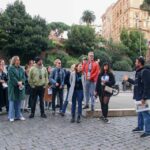
Rome has no shortage of food tours. This one is different because the main event is you making the food. The workshop runs out of an osteria wine bar setting, and you’ll meet right in front of Osteria San Giorgio, which keeps it easy to find once you’ve got your bearings.
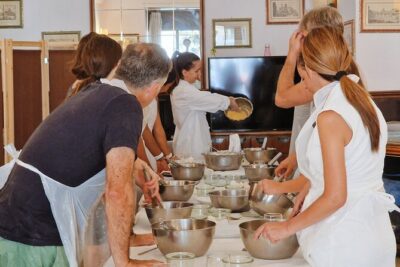
The best part is that the room doesn’t feel like a classroom. You’re working at a relaxed pace with an instructor who guides you through the hands-on steps, then you eat what you made while the atmosphere stays lively.
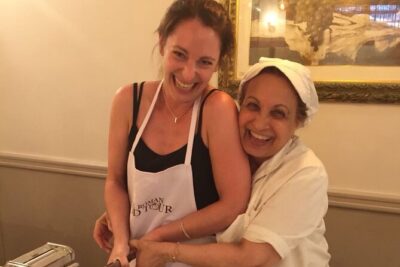
If you’re the type who likes food with a story (not just a photo opportunity), this fits. One guide named Kristian stood out for being kind and hilarious, and instructors like Jamila were praised for keeping even extreme beginners comfortable. That kind of vibe matters when you’re kneading dough and trying not to overthink every motion.
You can also read our reviews of more tours and experiences in Rome.


The Tonnarelli Lesson: Dough, Rolling, Cutting
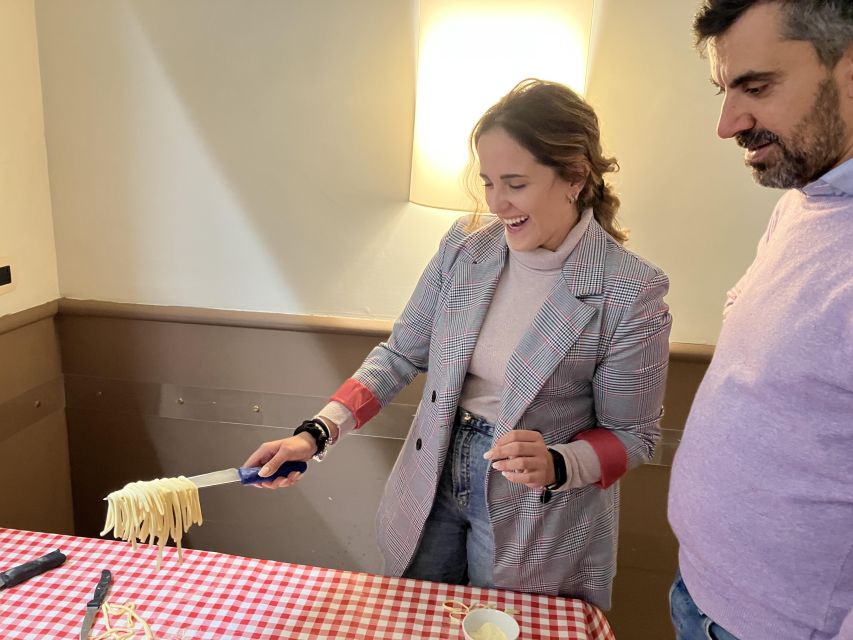
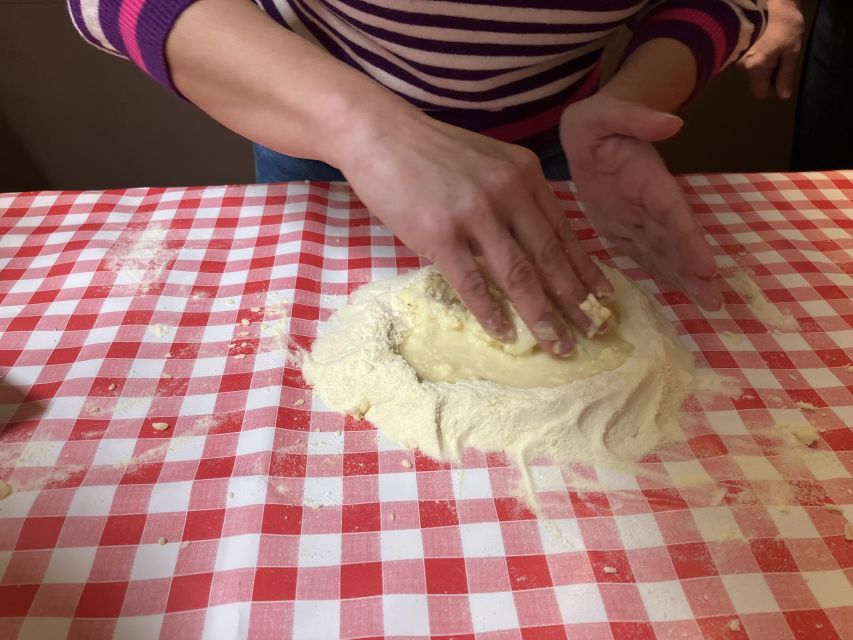
The pasta part of the class is the real anchor. You’ll learn to make tonnarelli, which is a classic Roman handmade spaghetti style. In other words: not dried pasta from a shelf, not instant “pasta night.” You start from fresh ingredients and you build the texture yourself.
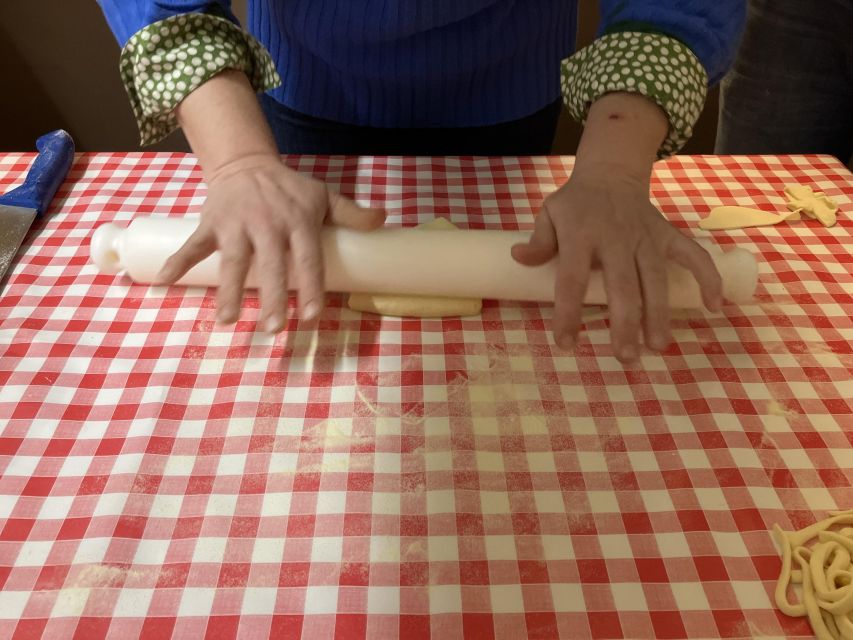
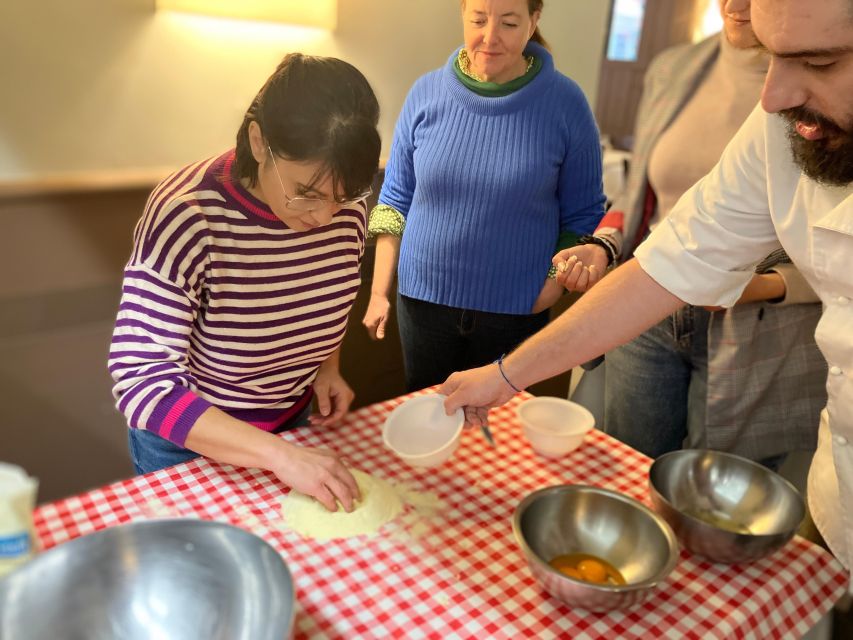
You begin with mixing and forming the dough, then move into shaping. Expect a lot of “do this, then do that” instruction as you roll the dough out and cut the tonnarelli to the right thickness. This is where the class becomes practical. The goal isn’t perfection on your first try—it’s understanding what the dough should feel like and how to adjust if it’s too sticky or too stiff.
A big theme is Roman simplicity: flavors that don’t need complicated steps to taste right. The class focuses on tonnarelli cacio e pepe, so you’re learning the pasta that pairs with that iconic Roman cheese-and-pepper profile. Even if you haven’t cooked Italian before, you’ll come away knowing how fresh pasta behaves differently than dried pasta.
What makes this pasta lesson valuable
Fresh pasta is a skill that changes how you eat. Once you understand dough consistency and how the cut affects bite, you stop treating pasta as a commodity. You can turn it into a repeatable homemade dish, not just a one-time vacation memory.
And because it’s 2.5 hours, it’s long enough to get past the “first-time jitters,” but not so long that it turns into kitchen marathon fatigue.
Cacio e Pepe and the Sauce Reality Check
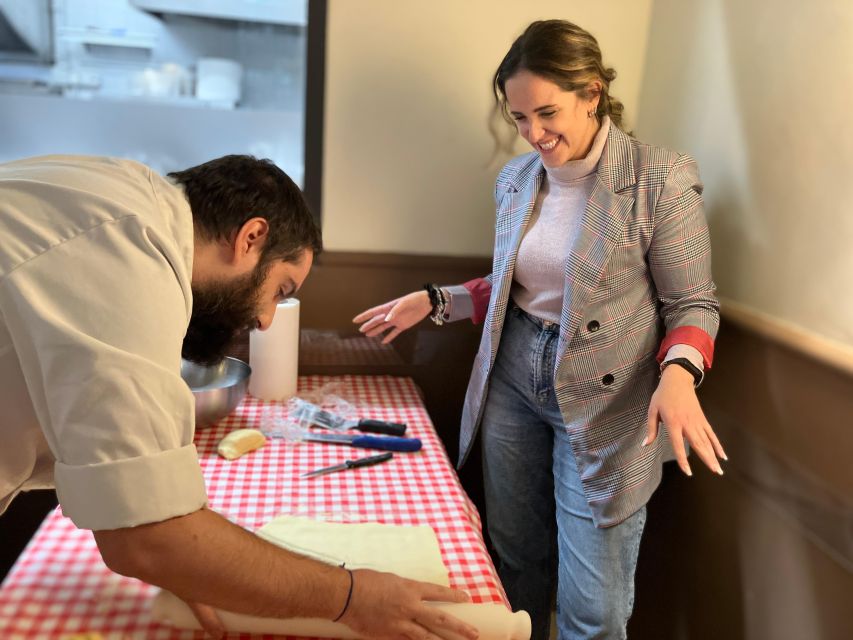
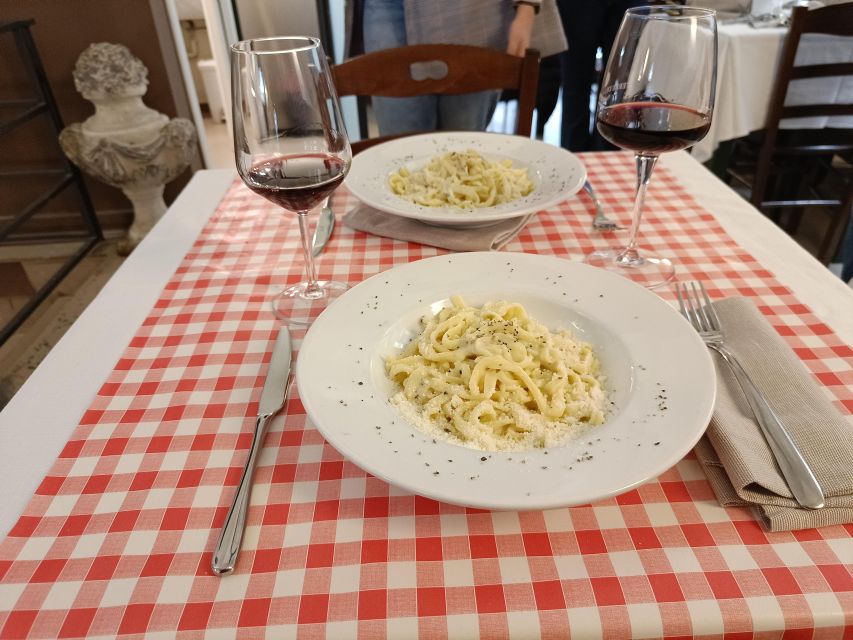
The class is hands-on with the pasta, but your final meal is a mix of what you made plus what the team finishes so you can actually relax and eat. You’ll get to enjoy your homemade pasta with a simple sauce prepared for you.
That detail matters for expectations. You shouldn’t think of this as a full-day cooking competition where everything is 100% on your shoulders. Instead, it’s structured like: you do the skill-building work, then the restaurant process keeps the meal smooth and on time.
You’ll also get a better sense of how Roman seasoning works. Cacio e pepe is famous because it’s not about fancy additions; it’s about getting the right balance of cheese and pepper with pasta texture. When you taste what your fresh tonnarelli can do in that context, the “why” clicks faster than reading recipes later.
Tiramisu: Coffee-Soaked, Creamy, and Timing-Heavy
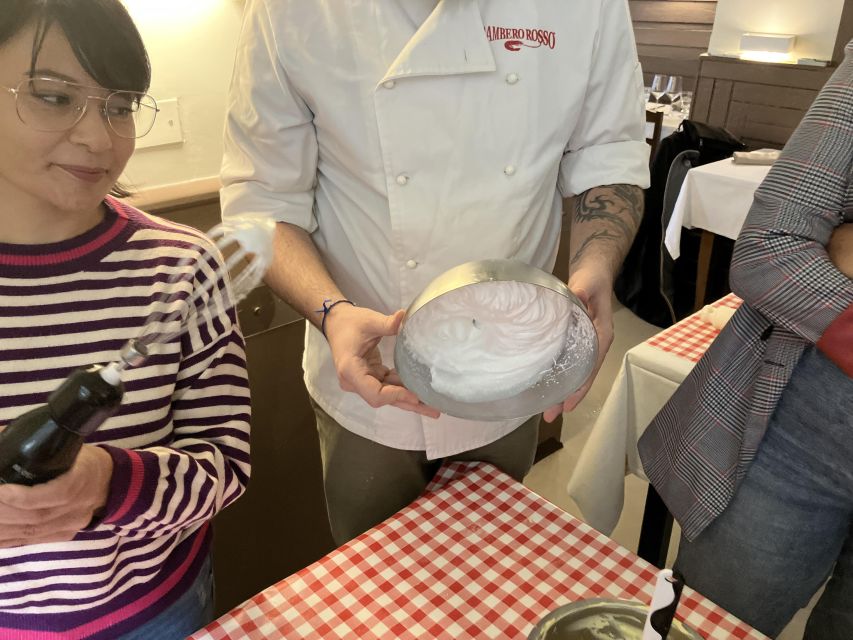
After pasta comes the dessert, and it’s a smart pairing. Pasta is hands-on and physical. Tiramisu is about technique and timing.
You’ll learn how to craft classic tiramisu from scratch, including working with coffee-soaked components and the creamy mixture. The class pushes you to focus on texture and assembly rather than just flavor. That’s the difference between a tiramisu that tastes right and one that looks right but collapses after the first bite.
If you’ve ever made tiramisu at home and had it turn out too watery or too dense, you know what I mean. Here, the instructor guidance helps you understand what the cream should feel like and how the coffee soak should come out of it.
A nice bonus: people repeatedly mention coming away able to make tiramisu “like a pro.” That’s not marketing fluff here. It’s exactly the kind of skill that feels small while you’re practicing it, then becomes satisfying later when friends are begging for the recipe.


Wine and the Best Part: Eating What You Made
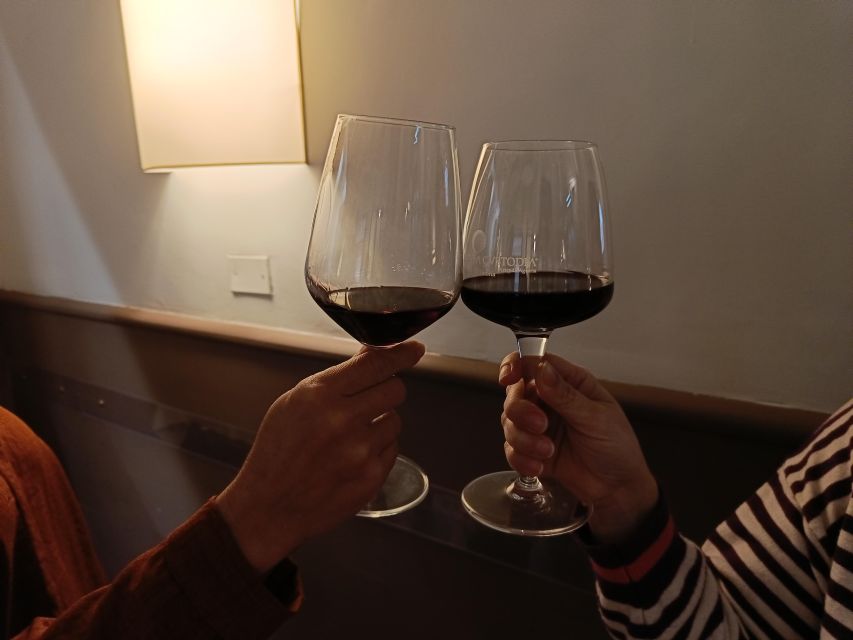
Cooking classes often end with a snack. This one builds to an actual meal with your pasta and dessert experience. You also get a complimentary glass of wine, which makes the whole thing feel more like an evening out than a rushed production.
And because it happens in an osteria setting, the dining part feels real. You sit down, you share the table with the group, and you get that Rome rhythm: eat, talk, and slow down for a bit.
Timing can be a big deal in a city with so much to do. Choosing a morning slot (like a 10:30am start) can help you eat your pasta by lunchtime, instead of losing half your day to later dinner plans. That’s the kind of scheduling detail you’ll appreciate once you’re juggling Colosseum lines and gelato stops.
Where You’ll Feel the Biggest Difference: Instructor Style
The most consistent praise across experiences like this isn’t just about food. It’s about how the instructor makes you feel while you’re learning.
Names that came up include Kristian, Jamila, Shula, Luca, Elisabetta, Elzibetha, and Marco—and they’re described as funny, patient, and organized. That matters because pasta-making can feel fiddly if your teacher rushes. Here, the vibe is more “work together” than “good luck.”
One participant even noted their guide helped with comfort for “extreme beginners.” That’s the sweet spot for this class. If you can boil water, you’re fine. The instruction is in English, and the pace is set up so you don’t feel left behind.
Also, a recurring theme is that hosts share extra Rome ideas. People reported getting insider activity recommendations from the same person teaching them. That’s practical value: you’re already in the food zone, and the guide can tell you what to prioritize next.
Price and Value: Why $64 Feels Fair for Skill, Food, and Wine
At $64 per person for about 2.5 hours, the price looks simple on paper. The value comes from what you get for that time.
You’re paying for more than ingredients. You’re paying for:
- instructor time while you learn hands-on pasta and tiramisu
- all necessary ingredients and equipment
- the meal built from what you create
- a glass of wine
If you tried to recreate this on your own in Rome, you’d still need a place to work, tools, ingredients, and guidance. Plus, fresh pasta isn’t expensive only in cost—it’s expensive in time and trial-and-error if you’re new.
So the $64 isn’t just “a class.” It’s a transfer of know-how. And that’s why people describe it as a highlight: not because it’s fancy, but because it teaches you something you can use again.
Group Size, Comfort, and When It’s a Great Fit
This class is a great choice if you want to meet people without forced small-talk pressure. Reviews describe it as friendly for couples and groups, and even when someone attended alone, the experience still felt welcoming.
You might find the class is sometimes small. One account described it becoming basically a 1–2–1 session after other people canceled. That’s a good sign for your experience: if the group is small, instruction tends to feel more personal and you’re more likely to get help before you go wrong.
This setup also works well for people who want a confidence boost. Beginners repeatedly mention feeling comfortable enough to actually try. If you’ve always been intimidated by pasta dough or “dessert precision,” this is the kind of class that lowers the stakes.
Safety and Dietary Limits: Plan Around the Off-Limits Kitchen
There’s one important rule: for safety reasons, you won’t enter the actual kitchen where the pasta gets cooked and seasoned. That doesn’t ruin the class, but it does shape expectations. You should think of it as a controlled teaching area, not a behind-the-pass kitchen tour.
On dietary needs, the limits are clear. This class is not suitable for vegans, and there are no vegan, gluten-free, or lactose-free options. It’s also not suitable for people with gluten intolerance or lactose intolerance.
There’s also a note that it’s not suitable for people who are visually impaired. If that’s you or someone in your group, it’s worth choosing a different Rome activity where accommodations are built in from the start.
If you have any dietary restrictions beyond what’s listed, you’ll want to confirm ahead of time with the provider. The information provided here doesn’t mention special swaps, and I wouldn’t assume they can adjust.
Taking It Home: Recipes and the Real-World Skill
This is the part I care about most. You don’t just leave with a full stomach—you leave with something you can repeat.
The class includes take-home recipes and techniques to recreate the dishes at home. That means you can translate what you did into your kitchen rather than relying on memory.
A smart way to use this right away: buy flour you trust, practice making dough once at home, then try again a week later. Fresh pasta responds to small differences—humidity, flour brand, even how long you rest the dough. The more you practice, the more “Roman pasta” becomes second nature.
Also, some participants talked about buying flour during the trip so they could make pasta again soon after returning home. That’s a practical move. It turns a vacation class into a lasting skill.
Should You Book the Handmade Tonnarelli and Tiramisu Class?
I’d book this if you want an actual cooking lesson in Rome: hands-on, structured, and tied to two classics you’ll genuinely want to eat again. The tonnarelli training is the skill, and tiramisu is the confidence builder. Add the osteria meal and the wine, and it’s a full “food afternoon” rather than a quick demo.
Skip it if you need vegan, gluten-free, or lactose-free adjustments, or if the off-limits kitchen rule creates a problem for your expectations. And if you’re relying on visual instruction only, the “not suitable for visually impaired people” note matters.
If your priority is learning something real (not just tasting), and you’ll enjoy a lively, English-speaking host, this class is one of the clearest value picks in Rome.
FAQ
How long is the Rome cooking class?
The class lasts 2.5 hours.
Where do I meet for the workshop?
Meet in front of Osteria San Giorgio.
What’s included in the price?
The experience includes the cooking class, instructor, all necessary ingredients and equipment, your meal, and a glass of wine.
Is wine included?
Yes, you get a complimentary glass of wine with your meal.
Are there vegan, gluten-free, or lactose-free options?
No. The experience is not suitable for vegans and does not offer vegan, gluten-free, or lactose-free options.
Do I get hotel pickup or drop-off?
No, hotel pickup or drop-off is not included.
Will I enter the actual kitchen?
No. For safety reasons, clients will not enter the actual kitchen where the pasta will be cooked and seasoned.