REVIEW · ROME
Rome: Doria Pamphilj Gallery Entry Ticket with App Audioguide
Book on Viator →Operated by TOURISTATION · Bookable on Viator
A royal art collection, behind a family door. The Doria Pamphilj Gallery lets you wander a private-style museum at your own pace, with a timed ticket and an audio app.
I like the mix of famous and lesser-known works, and the fact it’s designed for self-guided pacing instead of herding. The rooms also feel surprisingly calm when you pick the right time.
One thing to weigh: it’s audio-only with no full guided tour included, and there’s limited comfort if you come in peak heat (no air conditioning is a recurring complaint).
In This Review
- Key takeaways before you go
- Why the Doria Pamphilj Gallery Feels Different Than Typical Museums
- Reserved Admission + the Rome City Audioguide: What You’re Really Buying
- Finding the Ticket Office at Via del Corso 305 (and Starting Smooth)
- Inside the Gallery: What the Self-Guided Route Feels Like
- The Audio App in Real Life: Headphones, Controls, and Rhythm
- Comfort, Crowds, and the Best Time to Go
- Price and Value: Does $35 Make Sense?
- Who This Ticket Fits Best (and Who Should Skip)
- Should You Book This Doria Pamphilj Gallery Ticket?
- FAQ
- How long is the Doria Pamphilj Gallery entry experience?
- What’s included with the ticket?
- Do I get a guided tour with a person?
- Where do I go to check in?
- Is food included?
- Is transportation helpful for getting there?
- Is this audio guide easy to use?
- Do I receive confirmation after booking?
- Can I cancel for a refund?
Key takeaways before you go

- Timed entry helps you avoid the worst waiting while still giving you room to browse.
- Rome City app audioguide + digital map means you can follow the rooms without getting lost.
- Self-guided pacing lets you linger over big moments like Caravaggio and the Throne Room.
- There are seats (rare in many Roman sights), so plan to stop and actually listen.
- Bring your own headphones if you can; the audio setup isn’t Bluetooth.
- Go earlier in the day for a more peaceful visit and less crush.
Why the Doria Pamphilj Gallery Feels Different Than Typical Museums

This is one of Rome’s art collections that feels less like a warehouse and more like you’ve been granted access to a family home that happens to be museum-grade. The Doria Pamphilj family has long kept its collection in place, and you’ll move through rooms that still carry the feeling of lived-in grandeur—paintings, sculpture, ornate interiors, and period furnishings.
What I love here is the balance of scale and intimacy. You’re not just “seeing art,” you’re walking room to room with context—how the pieces relate to the space and to the family’s collecting over time. Another plus: you’ll find a lot of variety, from well-known names to works that may be new to you. It’s the kind of place that makes you look twice at artists you thought you already knew.
The possible downside is simple: if you want a live docent walking you through the story, this ticket is not built for that. It’s a self-guided audio experience, so the payoff depends on whether you enjoy reading/listening your way through galleries.
You can also read our reviews of more tours and experiences in Rome.



Reserved Admission + the Rome City Audioguide: What You’re Really Buying
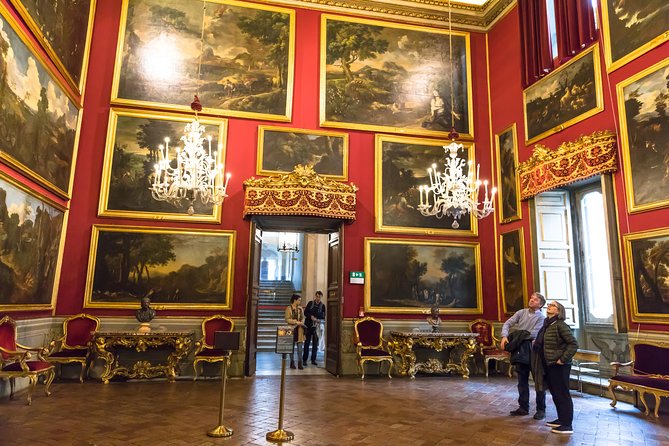
You’re paying for two practical things: reserved entry (so you get a set time slot) and an included Rome City app audioguide. The gallery ticket itself is only one slice of the value. The app is what turns the visit into something structured without a group pace.
The experience is listed at about 1 hour 10 minutes. That’s a good target for a thoughtful browse—especially if you stop for the big hits and a few audio stops—without feeling trapped. If you’re a slow, detail-minded art watcher, you might stretch it; if you’re on a tight schedule, you can still make it work.
Also note what’s not included: food and drinks, transfers, a guided tour, and access to private rooms. The gallery has a café/restaurant/bar option on site (some reviews mention lunch there), but it’s not part of the ticket price.
Finding the Ticket Office at Via del Corso 305 (and Starting Smooth)
Plan to report directly at the ticket office inside the Doria Pamphilj Gallery, address Via del Corso 305. It’s near public transportation, which helps because you don’t want to waste your timed slot on a long trek across Rome.
The key with timed entry is to treat your slot like a reservation at a popular restaurant. Get there a few minutes early so you’re not rushing at security or the desk. The entry process is described as straightforward—show your voucher/ticket and you’ll be directed from there.
One more practical tip: double-check the time shown on your voucher at booking. A wrong-time voucher is one of the few issues that can derail your day, especially if you arrived later or earlier than the selected slot.
Inside the Gallery: What the Self-Guided Route Feels Like
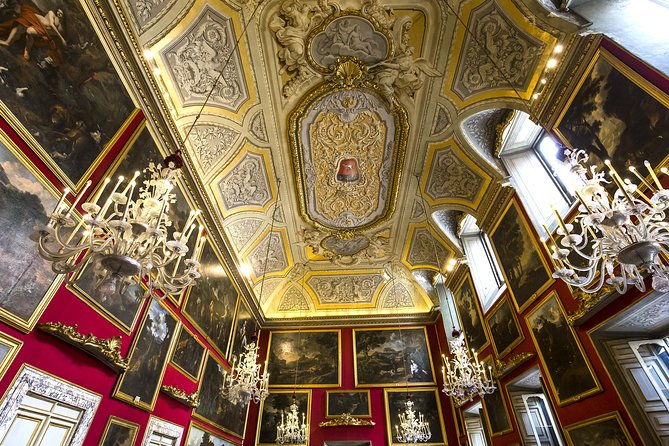
The big “stop” here is the Galleria Doria Pamphilj itself. Once inside, the experience is all about navigation through rooms at your pace, with the audio app mapped to the pieces and spaces.
Here’s what you’ll want to look for as you go:
- The Throne Room: a standout moment many visitors flag as a highlight.
- Caravaggio paintings: another recurring top highlight, especially for people who like drama and contrast.
- Portrait of Innocenzo X: often mentioned as a must-see masterpiece.
- Renaissance masters, known and unknown: the collection is broad enough that it doesn’t feel like a one-artist museum.
The audio helps connect the art to the setting. In a place like this, that context matters. You’ll better understand why certain works are placed where they are, and how the collection grew across generations.
And yes, you can slow down. Unlike group tours that keep moving, this one lets you stop, restart, and spend more time where your eyes land. That’s especially useful because the gallery is packed with visual “hooks,” and if you rush you’ll miss the best ones.
The Audio App in Real Life: Headphones, Controls, and Rhythm

The audioguide is part of the package via the Rome City app audioguide, and it comes with a digital map plus audio commentary tied to the rooms. The goal is simple: find your spot, press play, and let the story come to you.
A big practical note from reviews: you may want to bring your own headphones. Some people report the audio is designed for a headphone jack/pin-style connection—not Bluetooth and not USB-C. Others found they could hold the device to their ear and still work fine, but that’s less comfortable.
A few other helpful details you can plan around:
- You can usually take breaks and sit while listening. Reviews mention there are chairs in the galleries, which is rare in many Roman museums.
- You can pause and move at your own tempo, which makes it easier to match your interest level to the room.
- If you accidentally switch languages on the device, it’s fixable—you can return to English without too much trouble.
If you’re hardwired for “tell me what to do,” this setup still works, because the app gives structure. But if you hate listening while walking, you may want to pre-decide which rooms matter most to you and use the audio strategically rather than constantly.






Comfort, Crowds, and the Best Time to Go

The atmosphere inside is often described as peaceful, mainly because the collection is less famous than a few Rome giants. Still, crowds can build. The advice is consistent: if you want fewer people in your photos and a calmer browsing flow, go early.
Heat is another factor. One recurring point is that there’s no air conditioning, so a late afternoon visit can turn into a sweat-and-skip situation. If you’re coming in warm months, aim for morning or plan to keep your breaks frequent.
The comfort wins help. Since the gallery has seating, you can pause without turning it into a stand-and-stare museum experience. That’s a real quality-of-life upgrade when you’re spending serious time in rooms filled with details.
Price and Value: Does $35 Make Sense?

Let’s be honest about the money. The ticket price you’ll see here is listed at $35 per person. That sounds steep compared to one negative review claiming the museum ticket alone costs less (around €16). But the same package includes reserved entry plus the Rome City app audioguide.
So the value question becomes: do you want the audioguide and the smoother reserved slot experience? If yes, the price can feel fair. If you only want admission and you’re fine using free/cheap audio elsewhere, you might feel you paid extra.
Here’s how I’d decide:
- Pay for this if you want a self-guided visit that’s timed, mapped, and supported by the included app.
- Consider booking directly if you’re trying to keep costs down and you don’t care much about the audioguide package.
Also, watch your voucher details. A couple of negative cases mention problems tied to wrong times or confusion around names/barcodes. These aren’t guaranteed for everyone, but they’re a reminder to double-check your ticket before you leave your hotel.
Who This Ticket Fits Best (and Who Should Skip)
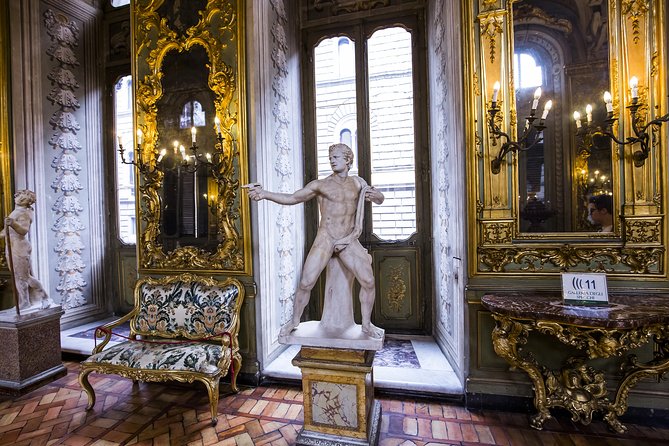
This is a great match for:
- Art lovers who like variety—famous pieces plus names that are less familiar.
- People who enjoy self-guided wandering with audio rather than being pushed along.
- Anyone who wants to see a major collection without doing the full Rome “giant crowds” circuit.
- First-time Rome visitors who want a standout cultural stop that feels more personal.
It’s a weaker fit if:
- You’re expecting a guided tour. This ticket does not include one.
- You want access to private rooms (not included).
- You prefer a fully guided storyline from a live person rather than an app.
Because the visit is about 1 hour 10 minutes, it also slots neatly into a day of museum stops. Just keep your energy for the heat factor and plan your route so you’re not forcing this right after a long walk in the sun.
Should You Book This Doria Pamphilj Gallery Ticket?
Book it if you want a calm, high-quality art visit with timed entry and an included self-guided audioguide that actually helps you make sense of what you’re seeing. The experience is especially worth it if you’re the type who stops, sits down, listens, and looks closely.
Skip or rethink it if cost is your top priority and you only want the entrance ticket. In that case, you may prefer booking straight from the museum to compare prices. Also skip it if you’re hoping for a live guide—this package is built around the app.
If you’re deciding today: I’d lean toward booking if you like art enough to spend time with it and you’re willing to bring (or accept using) headphones. This is the kind of Rome stop that can turn into one of your favorite memories precisely because it’s not trying to be the loudest museum in town.
FAQ
How long is the Doria Pamphilj Gallery entry experience?
The visit is listed at about 1 hour 10 minutes (approx.).
What’s included with the ticket?
You get a reserved entrance ticket and the Rome City app audioguide (including a digital map with audio commentary).
Do I get a guided tour with a person?
No. This is a self-guided experience. A guided tour is not included.
Where do I go to check in?
Report directly at the ticket office inside the Doria Pamphilj Gallery at Via del Corso 305.
Is food included?
No. Food and drinks are not included.
Is transportation helpful for getting there?
The location is described as near public transportation.
Is this audio guide easy to use?
It’s designed as an app audioguide with a digital map, and most people can participate. You should be prepared to use the audio device with the connection style it supports (headphones may be needed).
Do I receive confirmation after booking?
Yes. Confirmation is received at the time of booking.
Can I cancel for a refund?
Yes, free cancellation is available up to 24 hours in advance of the experience start time for a full refund.