REVIEW · ROME
Rome: Fresh Pasta and Tiramisu Making Class with Fine Wine
Book on GetYourGuide →Operated by The Roman Food Tour · Bookable on GetYourGuide
You can almost smell the plan the moment you walk in: pasta and tiramisù lesson plus wine. It’s held in a beloved restaurant near the Vatican, where you learn with a local chef and finish by eating what you made.
I especially love that you get hands-on instruction for two Roman pastas and traditional tiramisù, not just a quick demo. I also like the food-and-drink payoff: prosecco and fine wine during class, then limoncello and Italian coffee after.
One thing to consider is logistics: the location can be a little tricky to find on maps, and one review noted the room could use more air-conditioning. If you hate hunting for entrances, give yourself a few extra minutes.
In This Review
- Key highlights you’ll actually care about
- Why Roman Pasta and Tiramisu Works So Well Here
- Price and Time: What $77.03 Gets You in Real Life
- Finding the Right Spot Near the Vatican (Without Stress)
- The Kitchen Flow: Drinks, Stations, and How the Night Moves
- Tiramisu First: Coffee, Mascarpone, Eggs, and Technique
- Fettuccine and Ravioli Dough From Scratch
- The Meal Afterwards: Eating With the Group
- Take-Home Recipes That Actually Help
- Who Should Book This Class (And Who Might Think Twice)
- Should You Book This Rome Pasta and Tiramisu Class?
- FAQ
- How long is the cooking class?
- What will I learn to make?
- Are drinks included?
- Is the class taught in English?
- What is the price per person?
- Does the class include a meal?
- Where does the experience start and end?
- Can I cancel?
Key highlights you’ll actually care about
- Tiramisu + two Roman pasta styles: fettuccine and ravioli from scratch
- Vatican-area restaurant setting: class happens in a restaurant known and loved in that neighborhood
- Prosecco, fine wine, and limoncello included: the pacing stays fun, not lecture-heavy
- Small-group feel: reviews describe groups around 10 to 14, with stations during prep
- Take-home recipes: you’ll leave with a plan to cook this again at home
- Chefs that teach well: names that show up in feedback include Alessia, Claudio, Eddy, Anna, Sonia, Arna, and Alice
Why Roman Pasta and Tiramisu Works So Well Here
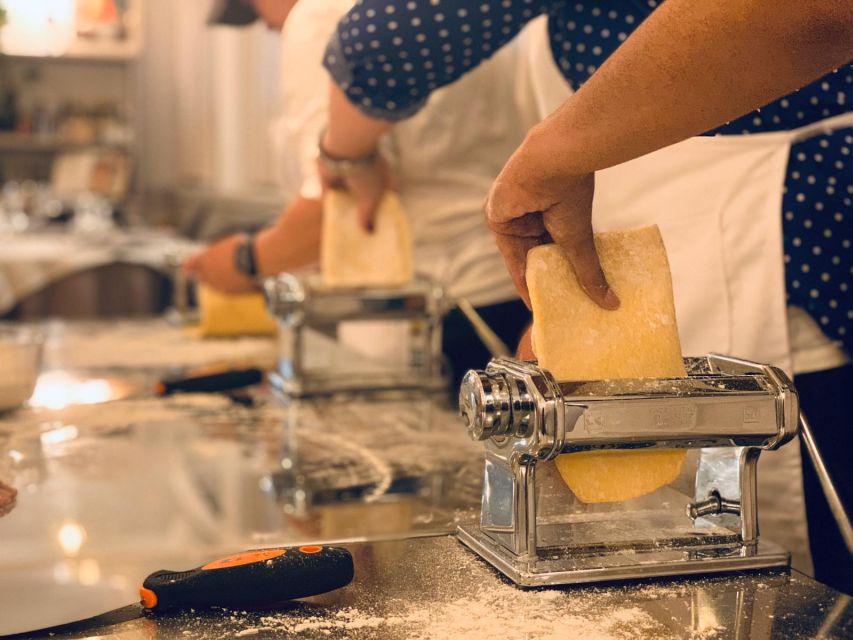
Rome cooking classes can be hit-or-miss. This one tends to land because it focuses on what Roman home cooks actually make: dough you roll, fillings you portion, and a tiramisù built the traditional way.
The class is also set in a restaurant near the Vatican, which matters more than it sounds. You’re not rushing across town after; you’re already in the zone where people eat well and keep things simple.
And yes, the mood helps. Prosecco and fine wine are part of the experience, so the evening has that easy, social rhythm that makes learning less stressful.
You can also read our reviews of more tours and experiences in Rome.


Price and Time: What $77.03 Gets You in Real Life
At $77.03 per person for 3 to 4 hours, you’re paying for more than a cooking lesson. You’re covering the chef-led instruction, ingredients, and the actual meal you sit down to eat afterward.
This is one of those values where you should compare against what you’d pay for dinner and drinks in central Rome. Here, the food is built into the program: you make the pasta and tiramisù, then you eat them with wine during the meal and limoncello at the end.
So if you’re choosing between a generic food tour and something more interactive, this tends to be the more hands-on spend. You leave with both the memory and the recipes.
Finding the Right Spot Near the Vatican (Without Stress)
The exact meeting point can vary based on the option you book, and the class ends back at the meeting point. That flexibility is convenient, but it does mean you should plan like a grown-up: confirm the directions in your booking details before you go.
A couple reviews mentioned that maps can route you to the back side of the venue. Translation: don’t wait until the last second to check where you’re turning. Give yourself extra time, especially if you’re combining this with Vatican-area sightseeing.
Once you’re inside, you’re set up for success. The session is led in English by a live guide, and the chef instruction is practical, not vague. You’ll know what to do and when to do it.
The Kitchen Flow: Drinks, Stations, and How the Night Moves
Most good cooking classes follow a pattern: relax first, then get to work, then reward yourself with what you made. This one does that well.
You start with drinks like prosecco and then continue with fine wine during the class. Reviews also mention music and a more lively, party-leaning atmosphere when the group gets going. That keeps energy up when you’re measuring, kneading, rolling, and stuffing.
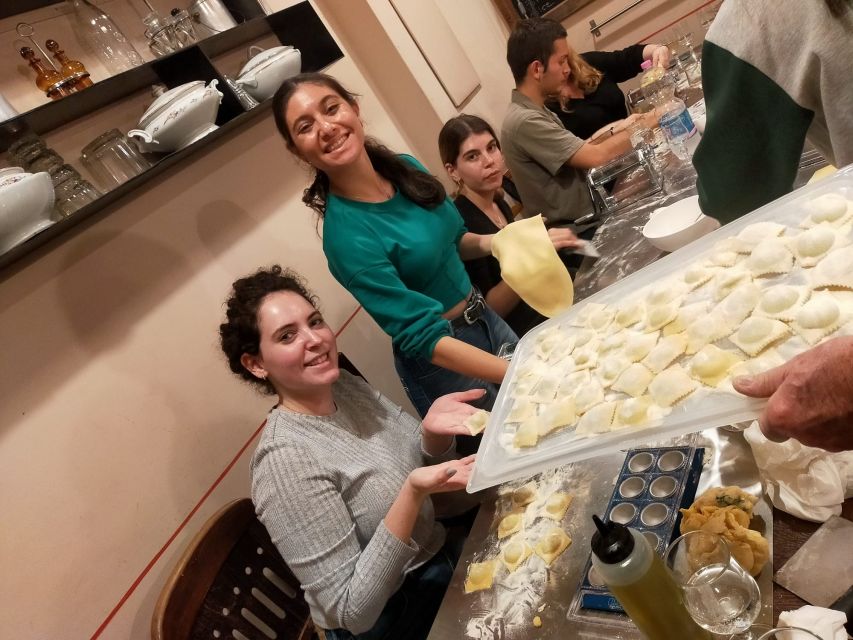
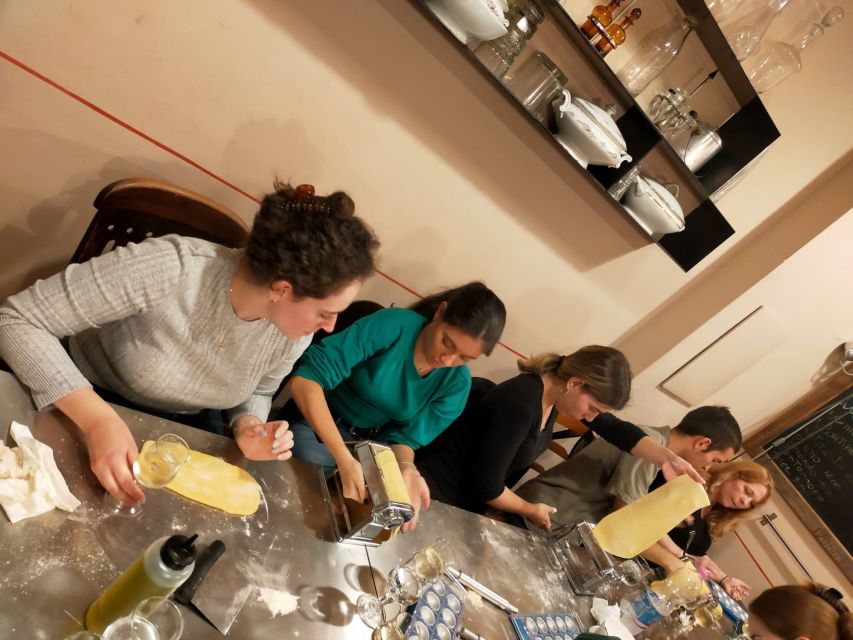
Many participants describe working at their own station, which is ideal if you want to actually practice instead of standing around watching. With groups often around 10 to 14, it’s usually small enough to get help when dough acts up.
If you’re sensitive to a little mess, keep that in mind. One review even called out getting dough all over while learning. Wear comfortable clothes you don’t mind being slightly flour-adjacent.
Tiramisu First: Coffee, Mascarpone, Eggs, and Technique
The class typically starts with tiramisù, and that order makes sense. You get a sweet win early, and you’re not rushing the cream while your arms are tired from pasta.
You follow a traditional-style tiramisù process with the core ingredients listed for the experience: mascarpone, eggs, coffee sugar, and cocoa powder. You’ll also use the right tools as needed, so you’re not improvising with kitchen utensils you don’t own at home.
What I like about doing tiramisù first is how clear the steps become in your head. You learn how to build the mixture and how the coffee element and cocoa finish work together. Even if you’ve made no-dessert-from-scratch before, you can usually follow because the steps are repeatable.
And the payoff is immediate. You don’t just learn a recipe in theory; you make one that ends up at your table. That matters because tiramisù quality is all about texture and balance.




Fettuccine and Ravioli Dough From Scratch
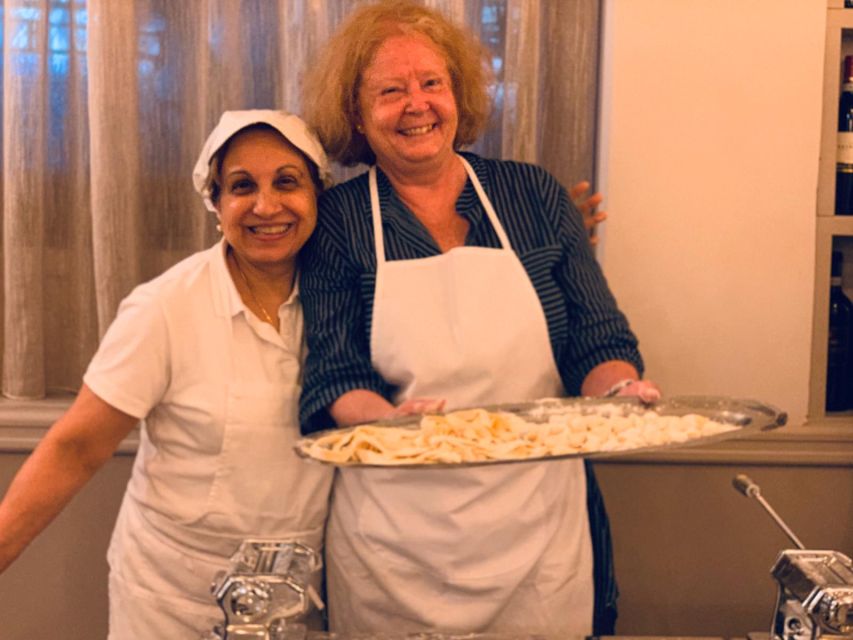
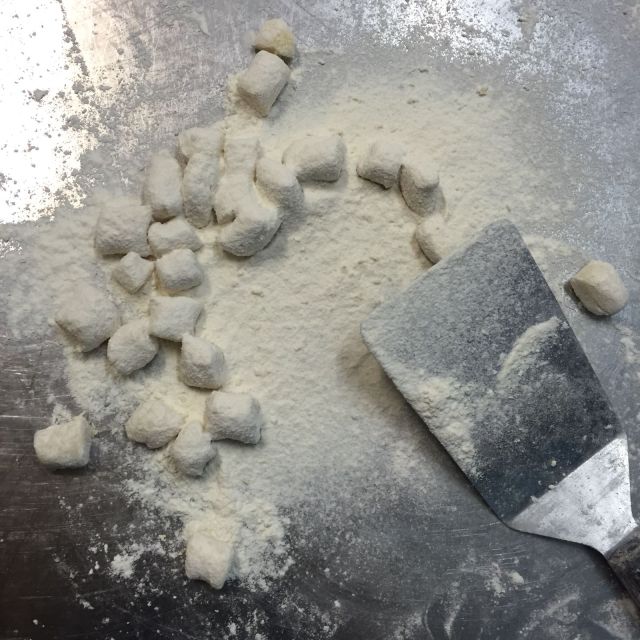
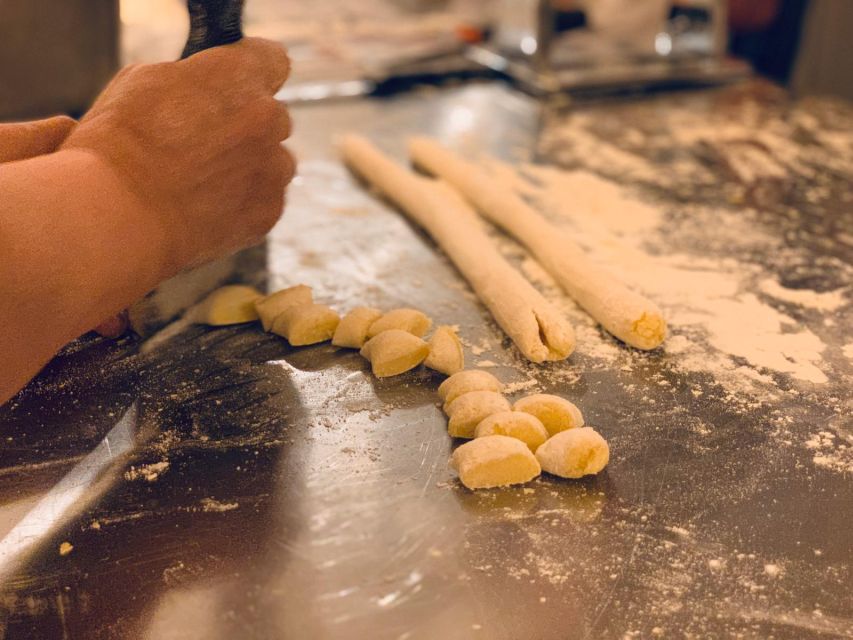
After tiramisù, the class shifts into Roman pasta mode. You learn two pasta types from dough you make yourself: fettuccine and ravioli.
This is where you get the real value. Pasta dough is simple on paper—flour, eggs, kneading, and patience—but it’s easy to get wrong if you’ve never felt the dough before. The chef instruction covers making the perfect dough and how to work with ingredients that support the right texture.
Here’s a key detail that helps set expectations: the pasta dough preparation happens as you split dough into two paths—one for fettuccine noodles and one for ravioli. Then the portioned pasta may end up mixed and served in a more “family style” way with sauce.
That means the program isn’t always about your individual plate looking like a museum display. It’s more about cooking and eating together, which is honestly how pasta works best in Italy anyway.
Ravioli also brings a hands-on element you can’t get from a casual class. Stuffing, sealing, and shaping are where you learn that Roman pasta isn’t just food—it’s a small craft.
The Meal Afterwards: Eating With the Group
A lot of classes teach and then send you off with a meal somewhere else. This one keeps you in the rhythm: you sit down and enjoy what you prepared, right there in the restaurant.
Expect wine with lunch/meal, plus coffee later. After the meal, the experience includes limoncello and Italian coffee. It’s a full-circle sequence: make it, eat it, finish it like a real Roman meal.
One more reason this works: it turns the learning into a shared event. Several people mentioned making friends at the table. That matters because pasta mistakes are way less intimidating when you’re laughing with the group.
If you’re the type who learns better by talking, the shared meal is a big win. You can ask questions about dough behavior, storage, and how to adjust at home while everything is still fresh.
Take-Home Recipes That Actually Help
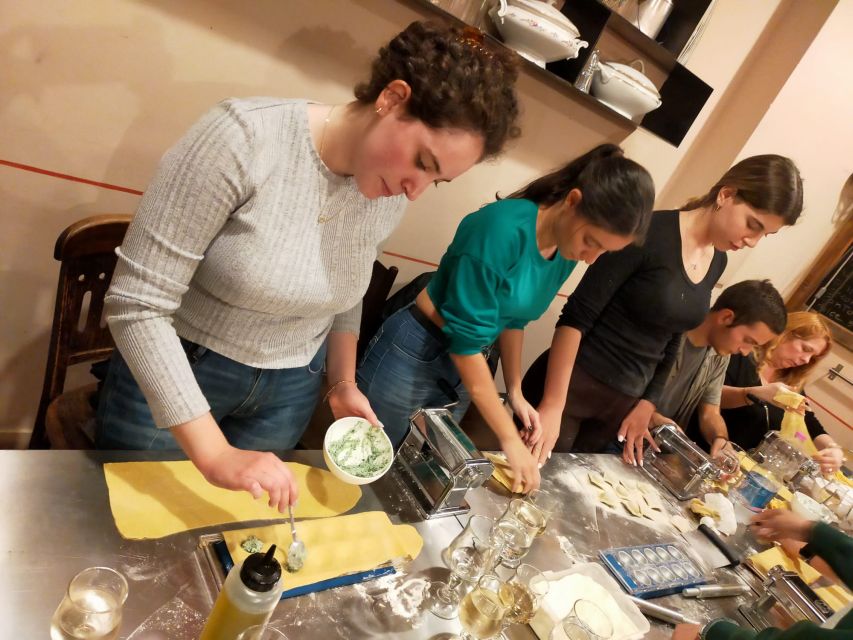
The best souvenir isn’t a postcard. It’s a recipe you can reproduce. This experience includes recipes to take home, designed so you can recreate the dishes for friends and family.
And you’re not just leaving with instructions. You’ve practiced the steps that usually make people quit halfway through at home: getting dough to the right feel, rolling/shaping pasta, and building tiramisù with the classic ingredients.
If you like cooking, this class tends to change what you do next. More than one review mentioned returning home and making homemade pasta afterward. That’s a strong sign the teaching is usable, not just entertaining.
To make the most of your take-home recipes, do one thing: write down a couple notes during the class. If the chef gives a tip about dough consistency or timing, jot it quickly. Future-you will thank you.
Who Should Book This Class (And Who Might Think Twice)
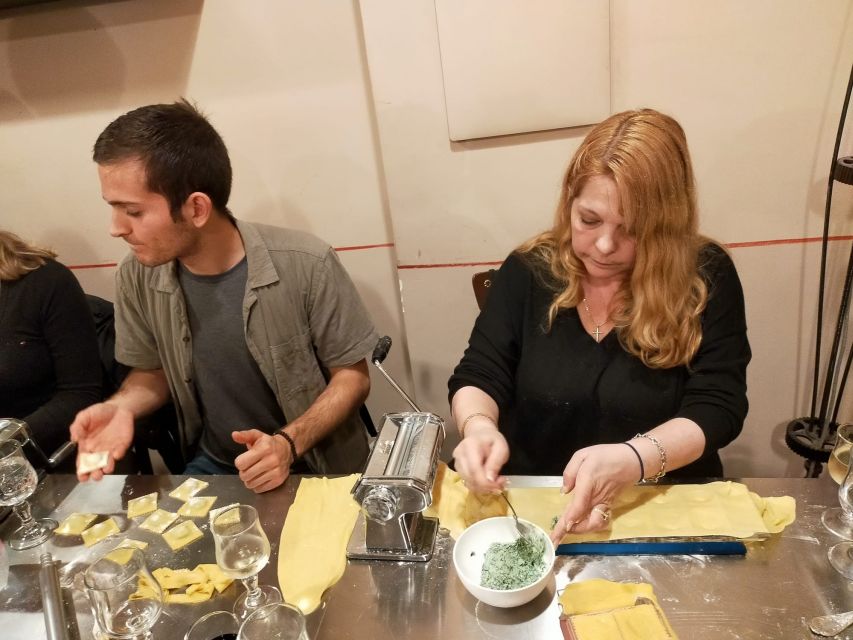
This is a great fit if you want:
- Hands-on cooking in Rome, not just a tasting
- A wine-friendly evening that stays social without turning into chaos
- A focused Rome food experience centered on Roman pasta and tiramisù
It’s also a good match for couples and solo travelers. Several reviews highlighted that solo travelers felt welcomed and that groups bond easily when everyone’s cooking at the same time.
You might think twice if:
- You prefer very quiet, sit-and-listen experiences
- You hate searching for a venue using imperfect map directions
- You’re very sensitive to room temperature, since one review mentioned the need for better air-conditioning
If you’re flexible and ready to get your hands involved, you’ll likely love the payoff.
Should You Book This Rome Pasta and Tiramisu Class?
I’d book it if your goal is a memorable, hands-on Rome food night with a real meal attached. The price makes sense because the class includes not only cooking instruction but also wine, limoncello, coffee, and the food you make.
The strongest reasons to choose it:
- You learn two pasta types plus tiramisù in one session
- The atmosphere is fun enough that learning doesn’t feel like homework
- The restaurant setting near the Vatican keeps the evening convenient and satisfying
If you want a calm, no-drinks class or you’re strict about finding venues instantly, plan for that map hiccup and check in advance where to go. Otherwise, this is one of the more practical ways to bring Rome home with you—literally, in the form of dough, cream, and recipes.
FAQ
How long is the cooking class?
The duration is listed as 3 to 4 hours, depending on the starting time you choose.
What will I learn to make?
You’ll learn to make tiramisu, plus two types of Roman pasta: fettuccine and ravioli.
Are drinks included?
Yes. The experience includes prosecco and fine wine, unlimited soft drinks, and later coffee, plus limoncello.
Is the class taught in English?
The tour guide and class instruction are in English.
What is the price per person?
The price is listed as $77.03 per person.
Does the class include a meal?
Yes. After you finish cooking, you sit down for your meal in the restaurant and enjoy what you prepared.
Where does the experience start and end?
The meeting point may vary depending on the option booked, and the activity ends back at the meeting point.
Can I cancel?
Yes. The experience offers free cancellation up to 24 hours in advance for a full refund.