REVIEW · ROME
Rome: Hands-On Pasta & Tiramisu Class with Unlimited Wine
Book on GetYourGuide →Operated by Crown Tours · Bookable on GetYourGuide
Rome tastes better with flour on your hands. This hands-on pasta and tiramisu class in Lazio is the kind of evening where you stop watching and start cooking, in an intimate setting with an English-speaking chef. I love the small-group, VIP-style format because you actually get guidance while you knead dough and shape pasta, not just stand back with a glass of wine.
I also love that the whole meal is built by you: fresh pasta from scratch, stuffed ravioli, and a classic tiramisu you assemble layer by layer. One consideration: this experience is not recommended for people with celiac disease, and there may be traces of gluten and nuts, so it’s a tough match if you have severe allergies or need gluten-free conditions.
In This Review
- Key points that make this class worth your time
- Why this Rome cooking class feels different than a typical dinner
- Walking into the kitchen: where the evening sets its pace
- From flour and eggs to fresh fettuccine
- Ravioli night: stuffing, sealing, and getting al dente right
- Building a classic tiramisu step by step
- Wine, coffee, and the table moment you’ll actually remember
- What you’re really getting for $112.15
- Logistics that matter: timing, group size, and how to plan your evening
- Who should book this class, and who should skip it
- Should you book this Rome pasta and tiramisu class?
- FAQ
- How long is the pasta and tiramisu class?
- What do I make during the class?
- Is wine included?
- Is an English-speaking instructor provided?
- What’s included in the price?
- Is it suitable for celiac or gluten-free needs?
Key points that make this class worth your time
- Fresh pasta, made from scratch so you learn the real texture, not just a recipe
- Stuffed ravioli shaping practice with guidance on fillings and sealing
- Classic tiramisu technique using espresso-soaked biscuits and mascarpone layers
- Bottomless Italian wine plus coffee and nonalcoholic drinks while you cook
- Recipe booklet to take home so the flavors don’t vanish the next day
- Chefs like Max, Marco, and Alessandro with a knack for keeping the pace friendly and fun
Why this Rome cooking class feels different than a typical dinner
If you’ve done the Roman highlights already, you know the truth: some nights are for sight. Other nights should be for taste—and for actually doing something.
This class is built around three hands-on wins: fresh fettuccine, stuffed ravioli, and tiramisu. You’ll go from mixing flour and eggs to rolling dough, shaping pasta, cooking it until al dente, then finishing with a dessert that’s both simple and very specific when done right.
The best part is the atmosphere. You’re cooking in a warm Roman kitchen with a small group, which means the chef can slow down when you need it. In reviews, instructors like Max, Marco, Alessandro, Jacopo, Rafi, and Zori get praised for being funny, patient, and attentive—so you’re not stuck feeling lost.
The other big win: you’re not just tasting. You’re eating what you made. That matters. In Rome, when the meal is built by your hands, it feels more real than a photo-op.
You can also read our reviews of more tours and experiences in Rome.


Walking into the kitchen: where the evening sets its pace
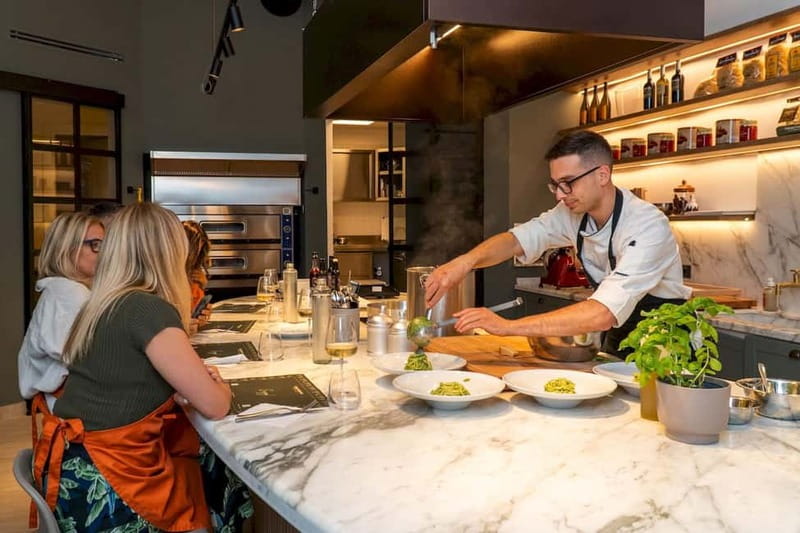
You’ll meet at a location that can vary by booking option, and the activity ends back at the meeting point. That means you can plan your day without a complicated transit puzzle.
Once you’re inside, you’ll be greeted by the smell of fresh ingredients. The chef starts with a straightforward intro to Italian cooking and what makes each step work. Then comes the part that makes this class better than most: you tie on your apron and start mixing dough right away.
This is where your “skill level” matters less than you think. The class is designed to be fun whether you’re a total beginner or you already cook. The key is that you’re not expected to magically know pasta technique. You’re coached through it step by step—mix, knead, roll.
Small-group setups are also a quiet advantage here. In a class that stays intimate (reviews mention groups around 5 to 8 people), it’s easier to get quick feedback before a dough issue turns into a “we’ll fix it later” problem.
From flour and eggs to fresh fettuccine
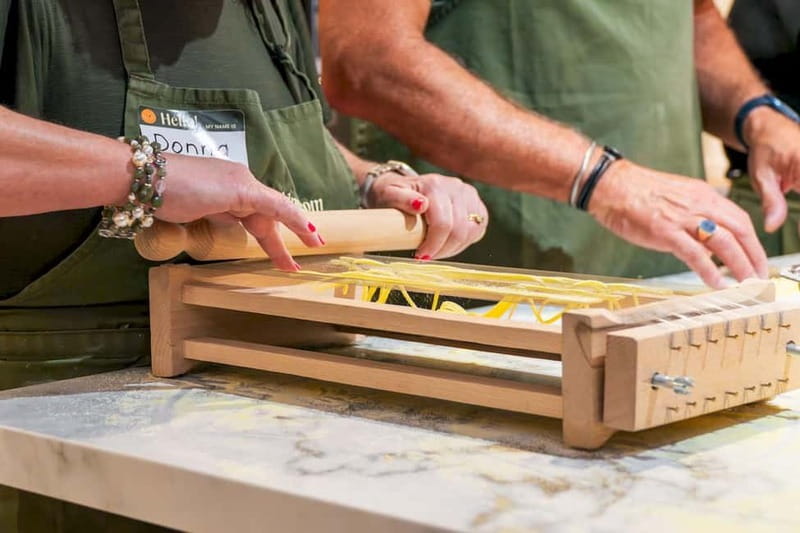
Fresh fettuccine sounds simple—until you try it. The class makes it practical by focusing on texture and feel.
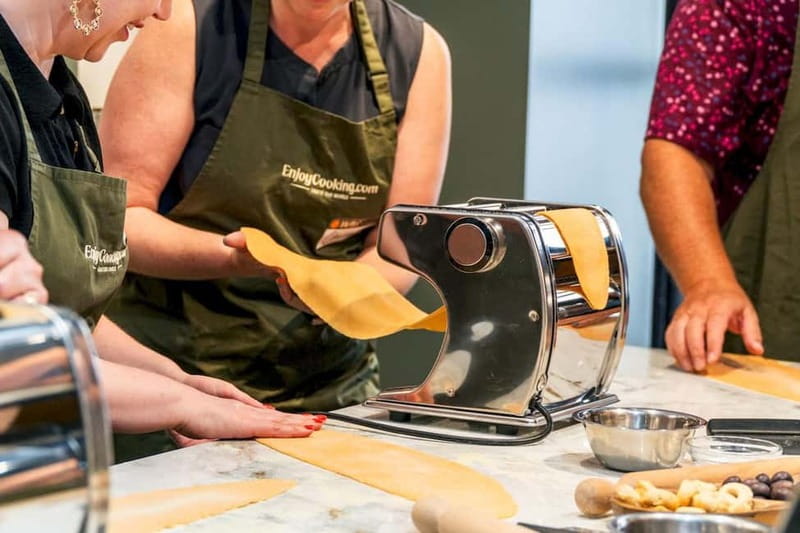
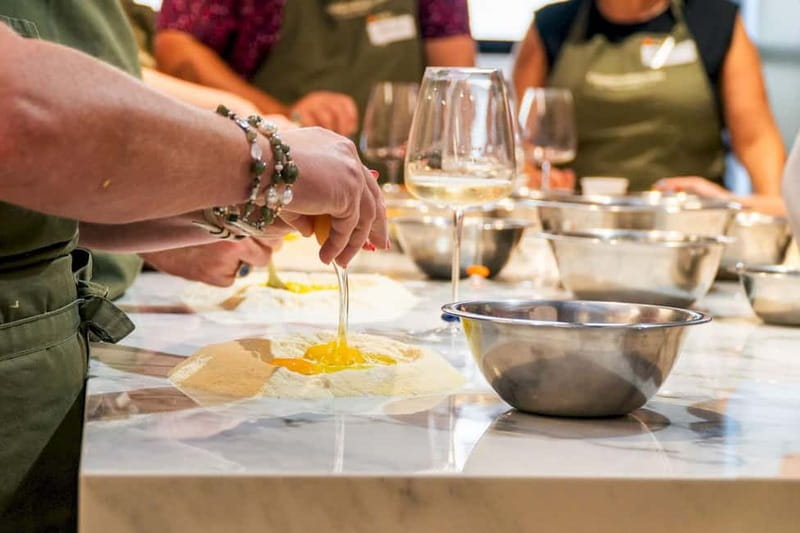
You start by mixing flour and eggs by hand. You’ll feel the dough come together, and your chef will guide you toward the right consistency. Then you knead and roll it out, learning how pasta should behave as you work it.
Why this matters: many cooking classes teach a list of ingredients. This one teaches the “what to notice” skills. When you learn how dough changes under your hands, you can repeat it at home without needing perfect conditions.
You also get to understand why fresh pasta cooks faster than dried pasta. The class then moves from rolling to cooking, where you’ll see the pasta go from raw to served. That’s when the texture lesson clicks.
At some point in your pasta segment, you’ll likely talk about classic Italian technique—simple, not flashy. Chefs like Max and Marco get noted for explaining things in an easy, no-stress way, so you leave with actual confidence, not just a plate full of food.
Ravioli night: stuffing, sealing, and getting al dente right
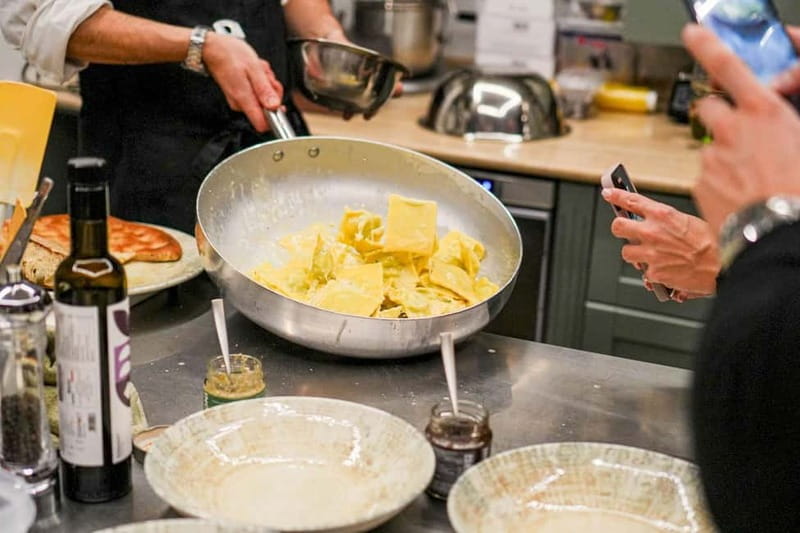
Next up is ravioli—stuffed pasta packets that can be either comforting or chaos, depending on technique. The class keeps it under control by teaching the process rather than rushing the steps.
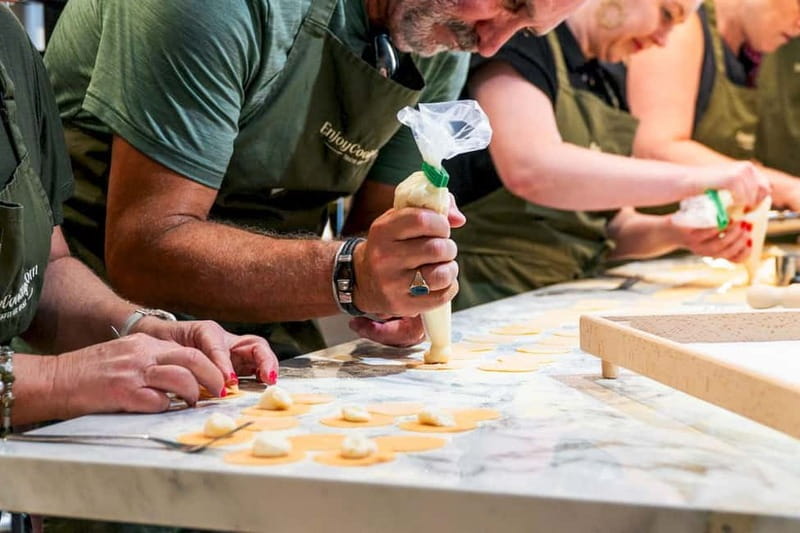
You’ll make pasta sheets and then stuff them with fresh, seasonal fillings. The chef guides you through portioning and shaping so the ravioli cook evenly and don’t burst. When they’re ready, you’ll watch them bubble away in boiling water until they hit the right point.
The phrase al dente gets used everywhere in Italy. Here, you’ll actually see it happen. Your chef shows you when the pasta is done, which helps you avoid the two common mistakes: undercooking that leaves the center raw, or overcooking that makes pasta taste heavy.
One detail that makes this part satisfying: ravioli are a “craft” food. You’re forming individual pockets, and you can feel the difference between a sloppy seal and a good one. You’ll probably spend a little time perfecting it, and that’s the point. Ravioli are where the class becomes memorable.
Building a classic tiramisu step by step
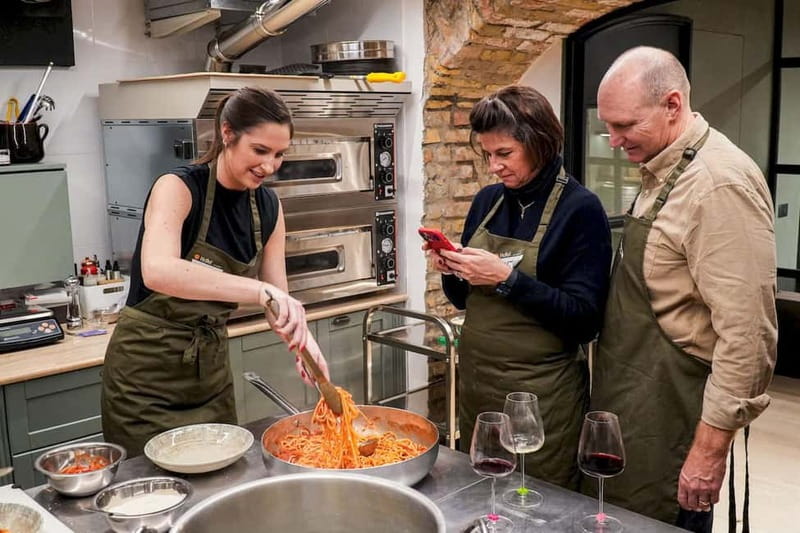
Every Rome trip has desserts. Most are eaten. This one is made.
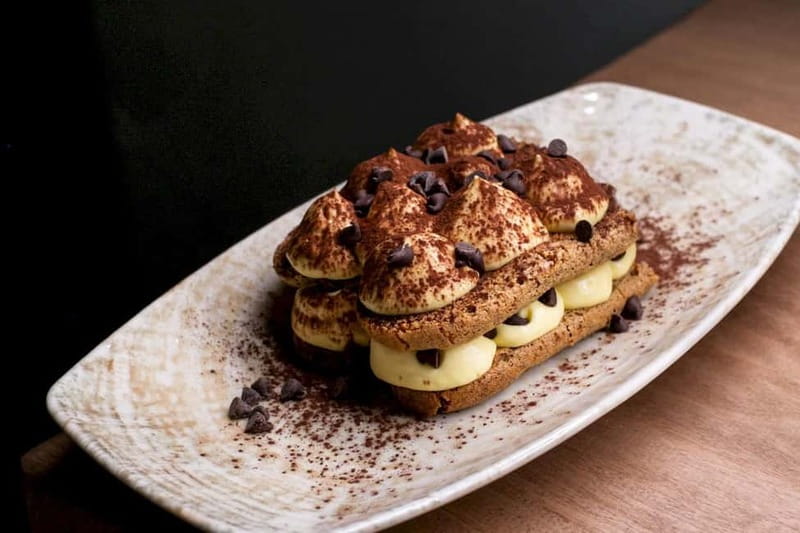
Tiramisu is where the class balances technique and ease. You’ll layer espresso-soaked biscuits with creamy mascarpone, then finish with cocoa. The instructions stay practical, so it feels doable even if you’ve never made dessert before.
The “secret” isn’t magic powder. It’s timing and assembly. Espresso needs to soak just enough to add flavor without turning the biscuits into mush. Cream needs to be handled so it stays smooth and spreadable. Cocoa goes on top so the final bite has that bittersweet snap.
Reviews praise the dessert portion as a standout because it’s both classic and interactive. You’ll build it, you’ll eat it, and you’ll take a booklet home to recreate it later. That booklet isn’t just a souvenir—it’s useful because it helps you remember the order and the feel of each step.
If you like coffee flavors, this class hits the right notes. If you don’t, it still works, because the tiramisu structure is simple and the cocoa balances the mascarpone.




Wine, coffee, and the table moment you’ll actually remember
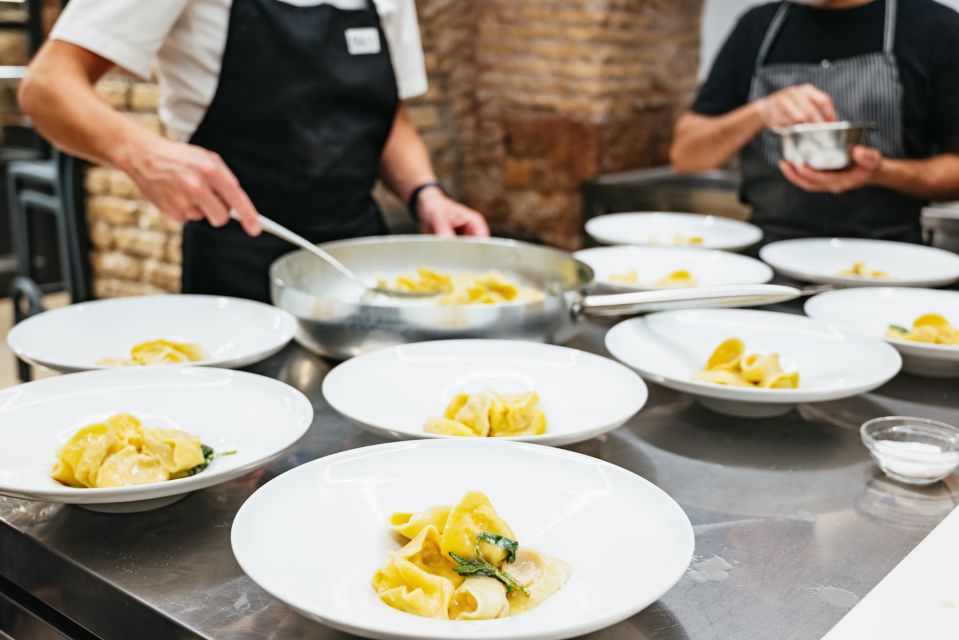
A lot of classes say they include wine. This one focuses on the vibe while you cook: bottomless Italian wine while you work and then sit down together.
You’ll also have coffee and nonalcoholic drinks, plus snacks while cooking. That keeps the energy up even if pasta takes longer than your first attempt.
Here’s the real value of pairing food and wine in this format: you’re not rushing to finish a meal you didn’t make. You’re working at a human pace, then enjoying the results with people who are also learning.
Because groups are small, the table time feels less like a cafeteria and more like an informal dinner with classmates. Reviews frequently mention laughter and good conversation, plus an overall relaxed evening even though you’re doing real cooking.
And yes, wine helps—but the class is still enjoyable even if you only sip. The core experience is the cooking. The wine just makes it a fun Roman night.
What you’re really getting for $112.15
At $112.15 per person, you’re paying for more than a “meal.” You’re paying for hands-on instruction, ingredients, and the equipment and kitchen space to make pasta and dessert properly.
Here’s where the value is strongest:
- You eat what you make. That’s not always true in cooking classes.
- You learn multiple skill sets: dough, rolling, stuffing/shaping, boiling, and layering dessert.
- You get a recipe booklet to take home. That turns the class into something you can repeat.
- Unlimited wine is included, which boosts the “you’ll likely enjoy this tonight” factor.
What reduces value (if you’re strict about budget): there’s no hotel pickup or drop-off. If you’re traveling without easy access to the meeting point, you’ll spend time getting there and back. Still, for most people, that’s offset by the fact you’re getting a full meal experience plus technique.
Also consider that this class isn’t positioned as a gluten-free solution. If dietary restrictions limit your options, you may find better value elsewhere—or you may need to skip this one entirely.
Logistics that matter: timing, group size, and how to plan your evening
Duration is listed as 3 to 3.5 hours, with starting times depending on availability. In practice, that’s enough time to learn the steps, cook the food, eat together, and still end while you’re not too tired for the rest of your night.
Small groups help the timeline. When there are fewer people, chefs can keep the pace moving without leaving you behind. Reviews mention intimate groups of around 5 to 8 people, and that size is a big part of why people call it a highlight.
If you’re thinking about timing with other Rome plans, try to treat this like dinner. You’ll be eating substantial food you cooked—pasta and tiramisu—so don’t schedule a heavy sit-down meal right after.
Meeting point details can vary based on the option you book. Some experiences are described as being very close to the Colosseum area, but since the exact meeting point can change, the safest approach is to confirm it once you book.
Who should book this class, and who should skip it
This class is a great fit if:
- You want a hands-on activity instead of another museum hour.
- You like practical teaching that sticks—how to make dough and how to judge cooking doneness.
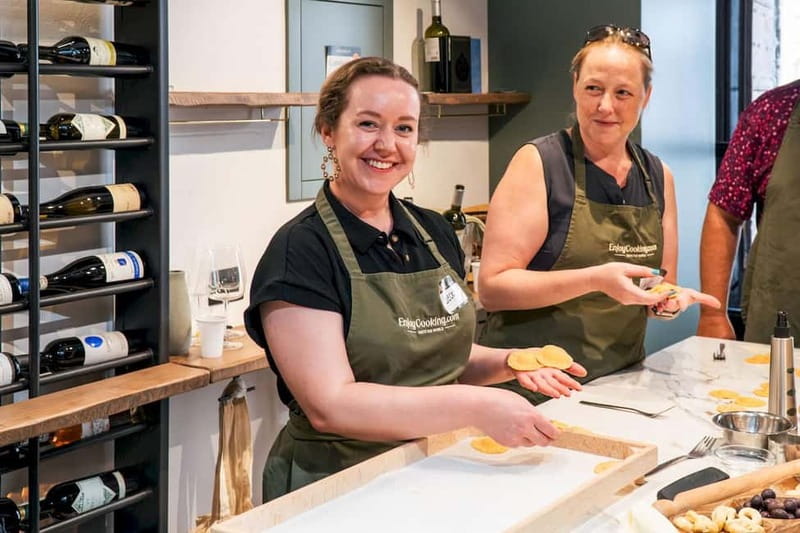
- You want an evening that combines food, wine, and conversation in a small group.
- You’re traveling with friends or as a couple and want a shared experience.
It’s especially good for people who enjoy cooking or want to build confidence quickly. Reviews repeatedly highlight attentive instructors and a relaxed but focused pace.
It may not be a good fit if:
- You need gluten-free food for celiac disease. It’s not recommended for celiac disease.
- You have severe allergies to gluten and nuts. The class notes there may be traces of gluten and nuts.
- You want a strictly silent, no-social-portion experience. This is social by design, because you cook together and eat together.
If you’re traveling with kids, you might find the team accommodating. One review mentions a very young child being welcomed, though you should still check with the provider if you have specific needs.
Should you book this Rome pasta and tiramisu class?
I’d book it if you want one of the most “Rome” nights that isn’t just walking and looking. This is hands-on Italian cooking in a small group, with a chef who guides you through technique and then you eat the results. The unlimited wine adds a fun edge, but the real reason it works is the skills: fresh pasta, stuffed ravioli, and proper tiramisu assembly.
I’d skip it if gluten safety is a deal-breaker for you. The class is clearly not built as a celiac-safe or severe-allergy-safe option, and there may be traces of gluten and nuts.
If you’re in the Colosseum area and you want a memorable dinner that doubles as a learnable hobby, this one is hard to beat.
FAQ
How long is the pasta and tiramisu class?
The class runs about 3 to 3.5 hours, depending on the starting time.
What do I make during the class?
You’ll learn to make fresh fettuccine, stuffed ravioli (including the filling), and a classic tiramisu from scratch.
Is wine included?
Yes. The class includes free-flowing Italian wine, described as bottomless.
Is an English-speaking instructor provided?
Yes. The instructor is listed as English-speaking.
What’s included in the price?
Included are personalized guidance, cooking masterclasses for pasta and ravioli filling plus tiramisu, free-flowing Italian wine, coffee and nonalcoholic drinks, snacks during cooking, and a booklet of recipes.
Is it suitable for celiac or gluten-free needs?
It’s not recommended for people with celiac disease. The experience also notes there may be traces of gluten and nuts, so it may not suit people with severe gluten or nut allergies.