REVIEW · ROME
Rome Imperial Past Colosseum, Forum and Palatine Tour
Book on Viator →Operated by Show Me Italy · Bookable on Viator
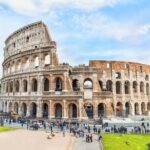
The Colosseum hits you fast. This guided loop strings together the Colosseum, Roman Forum, and Palatine Hill so the ruins feel connected instead of random piles of stone.
Two things I really like: the guide turns the sights into a story you can actually follow, and the headsets help you keep up even in Rome’s crowd layers. The main drawback to weigh is pace and walking. It’s a “see a lot” format, and the terrain is uneven with lots of steps.
In This Review
- Key things to know before you go
- A 2.5-hour route through Rome’s ancient power centers
- Entering the Colosseum: what the guide actually fixes
- Roman Forum stop: seeing temples, shrines, and markets as one system
- Palatine Hill walk: legends, residences, and big-city views
- Headsets, group size, and the pace you should expect
- Timing, meeting point, and why names matter in Rome
- Value at $54.19: what you’re really paying for
- Who should book this tour (and who might not)
- Should you book the Rome Imperial Past Colosseum, Forum and Palatine tour?
- FAQ
- How long is the tour?
- What does the ticket include?
- Are headsets provided during the tour?
- What time should I arrive at the meeting point?
- What ID do I need for entry?
- What if it rains?
Key things to know before you go
- Reserved entry for three sites: Colosseum plus Roman Forum and Palatine Hill tickets are part of the price.
- Headsets in heavy crowds: You get equipment so you can hear the guide’s commentary while you move.
- About 2.5 hours total: Plan for a compact tour that still hits the big highlights.
- Morning or afternoon start: Choose the slot that fits your day without juggling tickets at the last minute.
- Max group size 25: Smaller than the mega-groups, which helps you stay together.
- Good variety in stops: You don’t just look outward at the Colosseum; you also walk the Forum and Palatine Hill remains.
A 2.5-hour route through Rome’s ancient power centers
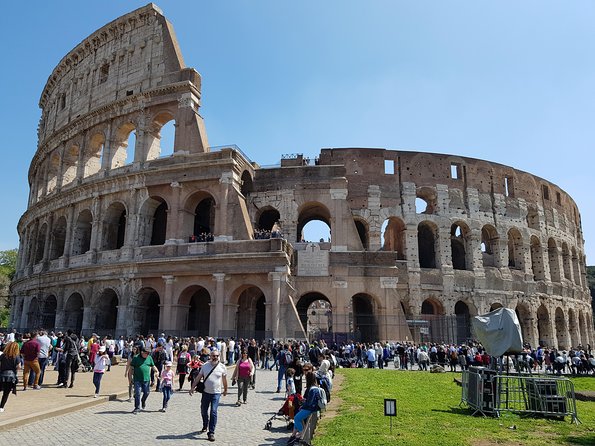
This tour is built for people with limited time who still want the main sites done the smart way. In about 2 hours 30 minutes, you move from the arena everyone pictures (the Colosseum) to the political and religious heart of the city (the Forum) and then up to the residential hill linked with early Roman legend.
What makes the format work is the order. You start with the Colosseum so you understand the scale and purpose of the spectacle. Then the Roman Forum helps you place the Colosseum in the bigger picture of Roman life: authority, religion, commerce, and daily public business. Finally, Palatine Hill rounds it out with a sense of who lived here and why the views mattered.
You can also read our reviews of more tours and experiences in Rome.

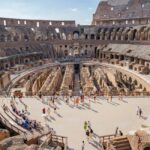
Entering the Colosseum: what the guide actually fixes
The Colosseum is one of those places where you can stare for hours and still feel like you only saw the outside. With a live guide, you get practical context fast—how to read what’s left, what different parts used to mean, and why the building looked the way it did.
You also get a smoother arrival. Your ticket is already covered, including the reservation fee for the Colosseum. That matters because the Colosseum is popular, and Rome is Rome: even when you have everything lined up, it can still feel like a managed stampede.
A detail I like from the way some guides run the show: if you get someone like Luca, the tour can feel organized even on hot days, with pacing and water breaks built into the flow. If your guide is Marta, the focus may be on moving as a group while still stopping at photo points that make sense.
Reality check: you won’t have unlimited time inside the Colosseum, so bring shoes you can walk in and be ready to prioritize. If your goal is a slow, level-by-level study, this is not that kind of visit.
Roman Forum stop: seeing temples, shrines, and markets as one system
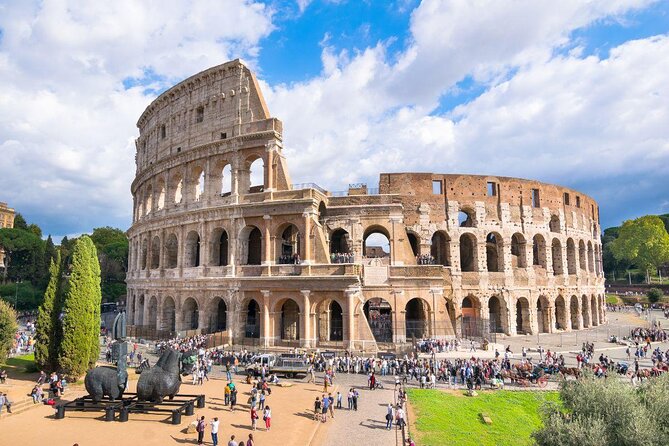
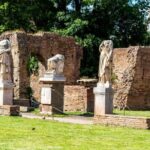
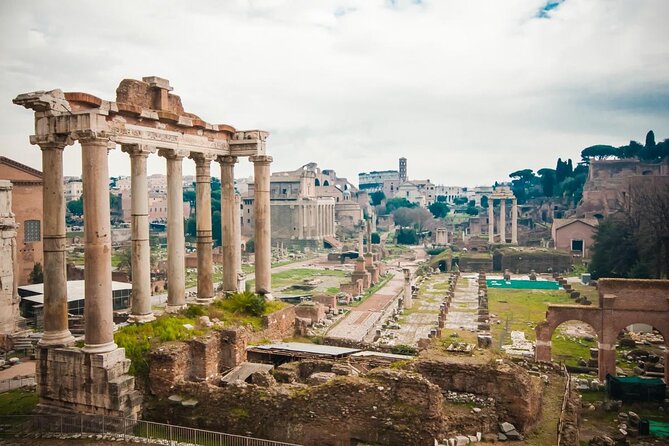
The Roman Forum is where the ruins stop being scenery and start acting like clues. Temples, shrines, marketplaces, and other public spaces helped define how Romans organized power and everyday life in one compact area.
With a guide, you learn to look for relationships. You start noticing how routes would have worked, where gatherings likely happened, and how the “important buildings” are often the ones that feel the least obvious at first glance. It’s also the best stop for people who want meaning, not just landmarks.
The Forum section runs about 45 minutes. That’s enough time to get oriented and see the major remains without feeling like you’re getting dragged through a checklist. It’s also short enough that you don’t get stuck in one spot while the group waits.
If you’re the type who likes to ask questions, this is a good place to do it. Forum ruins are confusing in the best way. One good answer can turn the whole area from confusing to clear.
Palatine Hill walk: legends, residences, and big-city views
After the Forum, Palatine Hill gives you a different vibe. It’s still ancient Rome, but now you’re walking through the remains of a residential hill tied to status, origin stories, and the idea of Rome’s elite living close to the heart of it all.
This part runs about 45 minutes, so it’s not meant to be a long hike. It’s more like a guided walk that helps you connect what you’re seeing to why it mattered. If you’ve ever looked at a map and thought, Where exactly were the important people, this stop helps answer it.
One practical note from real-world experience: parts of the Colosseum complex and the surrounding ruins can be step-heavy. If mobility is a concern, plan accordingly and take advantage of lift options when available. The tour doesn’t advertise specific ramps or alternative routes here, so your safest bet is to ask the guide on the spot how to handle levels.
Headsets, group size, and the pace you should expect
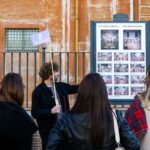
This is a guided tour with official live guide commentary and headsets so you can hear without craning your neck. In theory, that makes a huge difference in a place like Rome where tour groups overlap and the sound gets chaotic fast.
In practice, it still depends on how clearly equipment is working for you. If something feels off—volume too low, noise overwhelming, or you lose the guide when you move—flag it early. The headsets are included, so use that advantage.
Group size is capped at 25 travelers, which tends to keep things manageable. You won’t feel like you’re in a train of 100 people. You still will walk, though, and the pace can be quick. Some people love that because it keeps momentum. Others prefer more time to linger and read every detail slowly.
If you like “look, learn, and move” you’ll likely enjoy this. If you’re a “stand still and soak it up” traveler, you might find the schedule a little tight.

Timing, meeting point, and why names matter in Rome
Here’s the part that can turn a great plan into a stressful morning: matching your details to your ticket.
You need the full names of all travelers at booking, and the names cannot be changed later. At entry, you’ll need valid passport or ID that matches what’s on your reservation. If you arrive without the correct info, entry can be denied. Rome is strict about this.
Also arrive early. The tour asks you to be there 15 minutes before the start time. And yes, your meeting time can shift. If that happens, you’ll be contacted by email.
The meeting point is at Santi Cosma e Damiano, Via dei Fori Imperiali, 1, 00186 Roma RM, Italy. The tour ends at Largo della Salara Vecchia, L.go della Salara Vecchia, 00186 Roma RM.
If you hate chasing down meeting points, do yourself a favor: open your map app before you leave and know the closest landmark. Some people have trouble finding their guide at the start, and it can create a chain reaction of stress if you’re late.
Value at $54.19: what you’re really paying for
At $54.19 per person, this isn’t just a sightseeing walk. You’re paying for:
- the guide and live commentary
- headsets
- and entrance tickets to all three: Colosseum, Roman Forum, and Palatine Hill
It also includes the Colosseum reservation fee, and the ticket components are valued at €18 per person for admission plus €2 per person for the reservation fee (as listed). The remainder of what you pay covers the services around that entry: the guide, the headset system, and the coordinated visit.
That makes it good value if you want to avoid ticket stress and want the sites explained while you’re there. If you’re a total DIY traveler who loves figuring out ruins with your own reading time and prefers slow visits, you may decide you’d rather build your own day and pay separately.
But if you’re trying to fit Rome’s biggest ancient hits into one half-day without getting lost in ticket lines, this package usually makes sense.
Who should book this tour (and who might not)
This tour is a strong fit for:
- First-timers who want the Colosseum + Forum + Palatine Hill done in one run
- People who learn best with a guide pointing out what you’d otherwise miss
- Travelers who hate ticket logistics mid-trip
- Families and groups who benefit from someone keeping everyone together (some guides have been praised for handling kids in extreme heat)
Consider skipping or switching to a different style if:
- You need very slow pacing and lots of time at one spot
- You strongly prefer level-by-level, deep independent exploration
- Your mobility needs require extra planning and you aren’t comfortable with uneven surfaces and many steps in these complexes
If you do book and you’re mobility-limited, ask the guide how to handle lifts and steps once you arrive. A lift exists in the Colosseum complex (at least for some levels), so it’s worth using it when it’s available.
Should you book the Rome Imperial Past Colosseum, Forum and Palatine tour?
If you want Rome’s ancient headline sites in a single, guided pass, I’d book it. The big win is simple: you don’t just see the Colosseum. You learn what it meant, then you connect it to the Forum’s public life and Palatine Hill’s elite world.
My final advice is to set yourself up for success:
- Arrive early and bring documents with your reservation name matching your ID.
- Wear shoes built for uneven stone and steps.
- Bring patience for crowds. Even with reserved entry, the Colosseum area is still popular.
- If audio or pacing feels off, speak up right away while you still have time to fix it.
Do that, and this tour can turn a frantic day into a clear, memorable arc through ancient Rome.
FAQ
How long is the tour?
The tour runs about 2 hours 30 minutes.
What does the ticket include?
Entrance is included for the Colosseum, Roman Forum, and Palatine Hill. Headsets and an official live guide are also included.
Are headsets provided during the tour?
Yes. Headsets are included so you can follow the guide’s commentary in busy areas.
What time should I arrive at the meeting point?
Arrive about 15 minutes before the start time, since late arrivals can mean you cannot join the tour.
What ID do I need for entry?
You need a valid passport or ID document that matches the full name used at booking.
What if it rains?
Tours run rain or shine unless officials close a monument for safety reasons.