REVIEW · ROME
Rome: Jewish Ghetto and Trastevere Tour
Book on GetYourGuide →Operated by City Stories Tours · Bookable on GetYourGuide
Rome shifts when you walk with a storyteller. This 2.5-hour Jewish Ghetto and Trastevere stroll connects street-level scenes to the people and events that shaped Rome.
What I like most is how the guides turn history into a walk you can picture, with clear, easy-to-follow English and a steady sense of humor. You may hear named guides like Alethea, Guido, Ben, or Ariel in this tour’s guide lineup, and the consistent theme in their performances is making you feel oriented fast and informed without drowning in dates. One catch: the synagogue is only seen from the outside, so if you want an inside visit, plan something else.
In This Review
- Key things that make this tour worth your time
- Where the walk starts: Santa Rita da Cascia in Campitelli
- Theatre of Marcellus to Portico d’Ottavia: the Roman stage-set
- The Jewish Ghetto walk: resilience you can feel in the street layout
- Piazza Mattei and the Ghetto core: understanding why landmarks matter
- Tiber Island: a short crossing with outsized meaning
- Trastevere lanes and Santa Maria in Trastevere: the contrast that makes the story land
- Pace and group feel: why the 2.5 hours doesn’t feel rushed
- Price and value: $35 for two neighborhoods and real storytelling
- What to bring (and what to expect when the weather turns)
- Who should book this tour?
- Should you book the Rome Jewish Ghetto and Trastevere Tour?
- FAQ
- How long is the Jewish Ghetto and Trastevere tour?
- What does the tour cost?
- Where do I meet the guide?
- Is the tour in English?
- Is the synagogue included?
- Is food or drink included?
- Does the tour run in bad weather?
- What should I bring?
- Is the tour wheelchair accessible?
- Can I cancel for a refund?
Key things that make this tour worth your time
- Story-first guiding that uses anecdotes to connect Rome’s layers, not just a timeline
- Cobbled streets and visible landmarks, from Portico d’Ottavia to the lanes of Trastevere
- Tiber Island in the middle of the story, a short stop that ties neighborhoods together
- Pace that fits a 2.5-hour window, with a break built in
- Practical local tips, including help spotting good gelato/café stops along the way
Where the walk starts: Santa Rita da Cascia in Campitelli
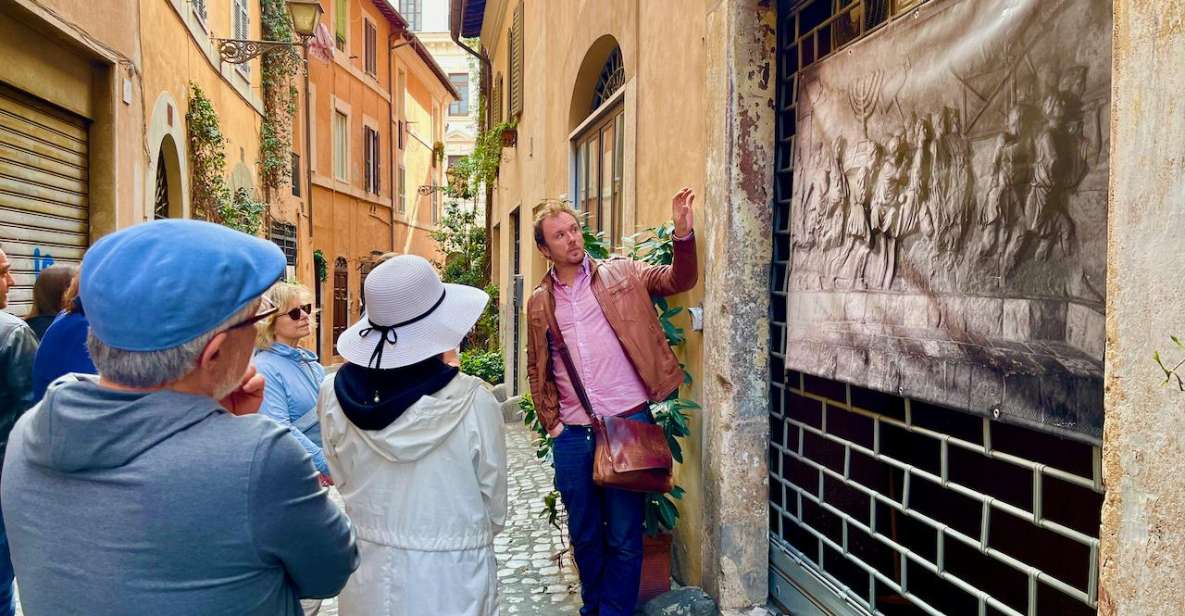
You meet outside Santa Rita da Cascia in Campitelli, on Via Montanara, right by Antico Caffè del Teatro Marcello. That location matters because you start right in the mood of old Rome: churches close together, streets that funnel you toward bigger sights, and fewer “big tour bus” vibes than some central hotspots.
Show up about 10 minutes early. If you’re late, the tour won’t pause, so build in a little buffer if you’re navigating on foot or juggling a phone map. A sign will be up, reading Jewish Ghetto & Trastevere Stroll, which makes it easier than guessing who’s with a group.
You can also read our reviews of more tours and experiences in Rome.



Theatre of Marcellus to Portico d’Ottavia: the Roman stage-set
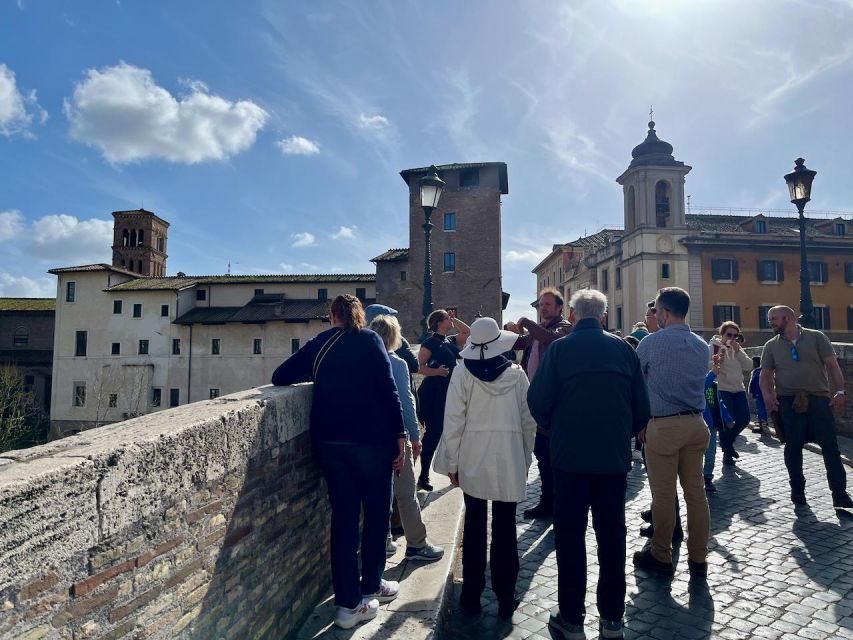
Before you hit the Jewish quarter, the tour gives you context with quick stops near major Roman remains. You’ll get a guided look at the Theatre of Marcellus area first, which is a smart move. It helps you remember you’re not walking through a separate “old Jewish Rome” bubble. You’re moving through a city where older Roman layers still frame modern life.
Then you’re guided through Portico d’Ottavia. This is the kind of place where a guide’s storytelling pays off: you’re not just seeing stone, you’re learning why that stone mattered—what it meant for public life and how later communities lived with and around the weight of earlier Rome.
One practical consideration: this portion is short, but you’ll want to keep your eyes up and your phone away. In these streets, the details are easy to miss if you’re trying to multitask.
The Jewish Ghetto walk: resilience you can feel in the street layout
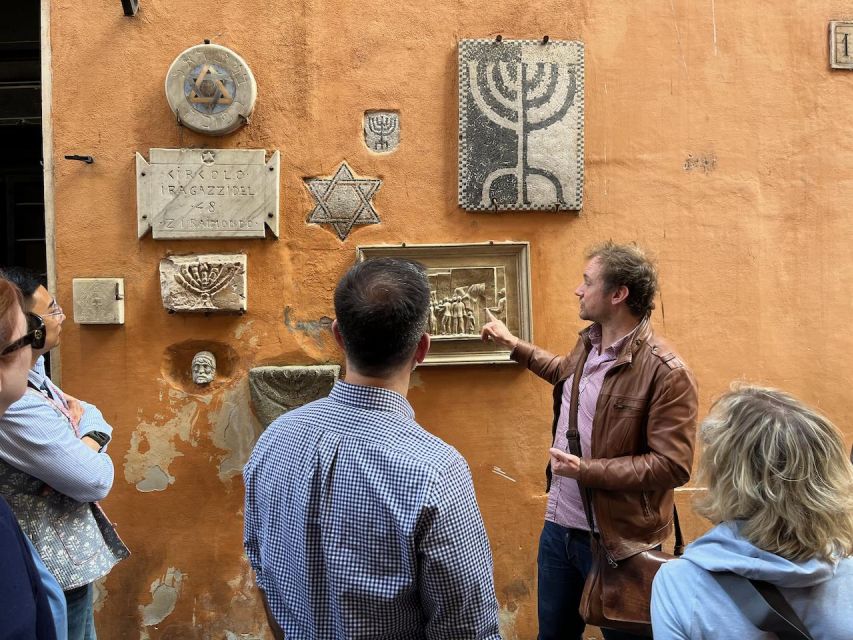
The main event is the Jewish Ghetto section of Rome, with multiple guided stops and walking segments that let the neighborhood “click” in your mind. You’ll spend a good chunk of time moving along winding, cobblestone streets, and the guide’s job is to connect those turns to the lived reality of the community across centuries.
The most powerful part isn’t just learning that history happened. It’s learning how Rome’s geography, laws, and shifting power shaped daily life—what people could do, where they could go, and what was forced on them. The best guides on this tour are storytellers first, and that shows in how they handle both tragedy and resilience without turning the walk into a lecture.
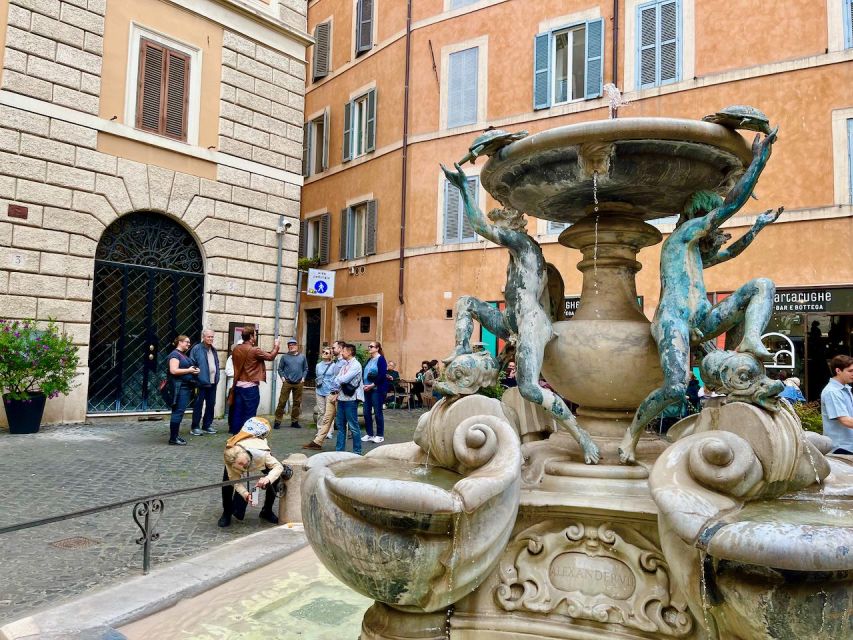
You also pause in a few key spots inside the Ghetto loop. Stops like Piazza Mattei are more than photo moments here. They’re used as anchors so you don’t feel like you’re just wandering. You leave with a mental map of how the neighborhood functions and why certain corners became significant.
Piazza Mattei and the Ghetto core: understanding why landmarks matter
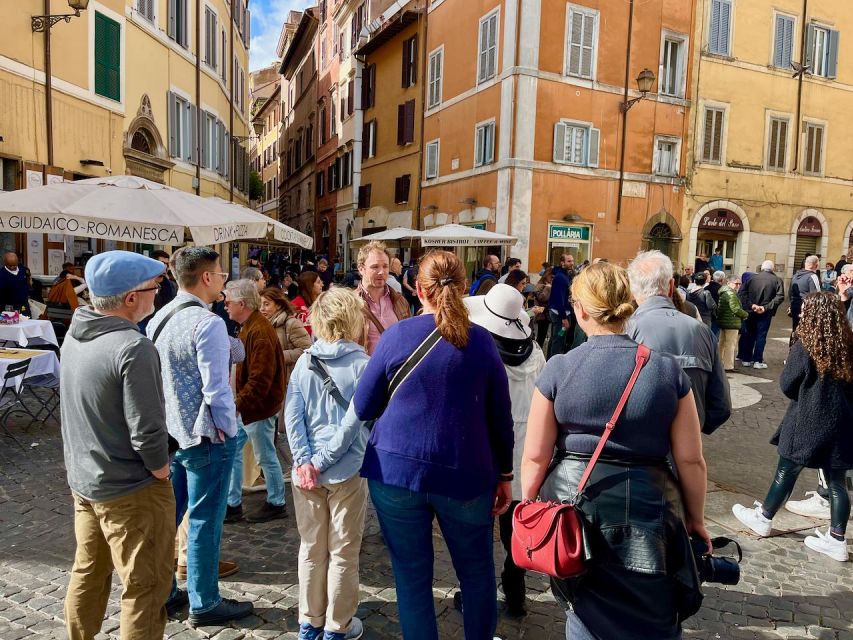
Piazza Mattei is small enough to feel intimate, but it’s a great place to understand Rome’s “micro-history.” A good guide will use it to explain connections between the neighborhood’s social center and the wider city. It’s also a helpful reset point if you’re the kind of person who likes to take a breath and absorb what you just learned.
You’ll also see how the tour balances architecture and human story. That mix matters because the Ghetto is not only about buildings. It’s about how people used those buildings and streets to survive, adapt, and keep identity alive through shifting regimes.
If you’re the kind of traveler who likes to leave tours with a few “I can explain this to friends” facts, this is where that happens. The details get repeated in a way that makes them stick.
Tiber Island: a short crossing with outsized meaning
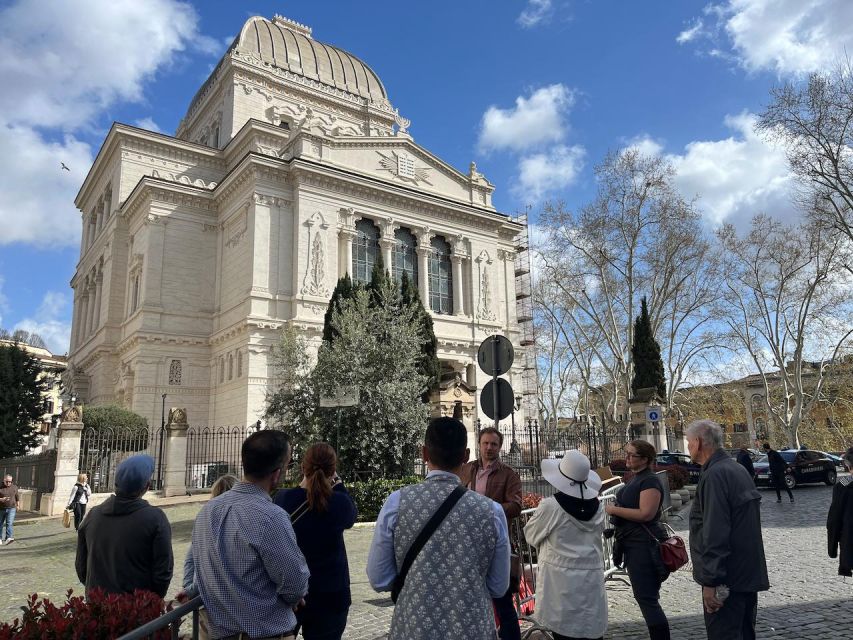
Next comes Tiber Island (Isola Tiberina). It’s tiny, but it’s placed strategically in the walk. That works for your brain: after the Ghetto’s emotional density, you get a breath of space while still staying in the same overall theme of how communities and institutions share the city.
You’ll get guided context here, and then there’s a planned break time. That’s not a throwaway detail. In Rome, the walking adds up, and a pause lets you refill water, check photos, and keep the rest of the tour enjoyable instead of trudging through the last hour.
Also, standing on or near the island gives you a good sense of Rome’s waterline. Even if you don’t consider yourself a “views” person, this helps you understand why the Tiber shaped trade, movement, and the way neighborhoods grew.






Trastevere lanes and Santa Maria in Trastevere: the contrast that makes the story land
After the Ghetto, Trastevere feels like a different world, and that contrast is part of the point. You stroll through the narrow alleys where time feels slower—ivy-clad house fronts, older churches, and a rhythm that reads as more local than tour-schedule.
The guide takes you to Santa Maria in Trastevere for a short, guided church stop. Even without spending a long stretch inside, the exterior setting and the way the guide frames it helps you understand why Trastevere developed its identity the way it did—and how it relates to the earlier neighborhood you just studied.
Piazza Trilussa rounds out the Trastevere part and acts like a natural finish. It’s a practical landing zone: you can orient yourself, head toward dinner, or linger for an evening drink without feeling like you’re trapped in a single “tour corridor.”
Pace and group feel: why the 2.5 hours doesn’t feel rushed
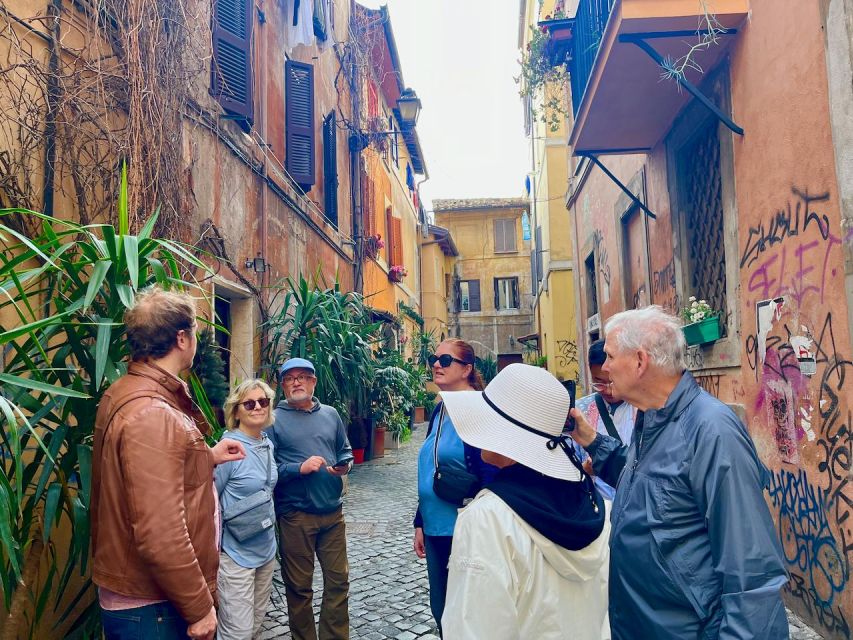
At 2.5 hours, this is a realistic commitment. You’re walking enough to truly see the neighborhoods, but you’re not stuck on pavement all afternoon. The guided segments are broken up—especially with a Tiber Island break—so you can follow the story without losing patience.
One theme that shows up strongly in the guide experience is English delivery that’s easy to follow. Many recent participants praised guides for confident, clear communication and an entertaining style. Guides like Alethea, Guido, Ben, and Ariel get named in the feedback, and the common thread is pacing: they don’t cram everything at once.
Another detail that’s worth your attention: the tour is described as wheelchair accessible. That’s helpful if you use a mobility aid. Still, Rome streets can be uneven, so if you have mobility constraints, wear shoes that are secure and consider bringing a small cushion or stick-to-your-own-comfort approach if the cobblestones feel tough.
Price and value: $35 for two neighborhoods and real storytelling
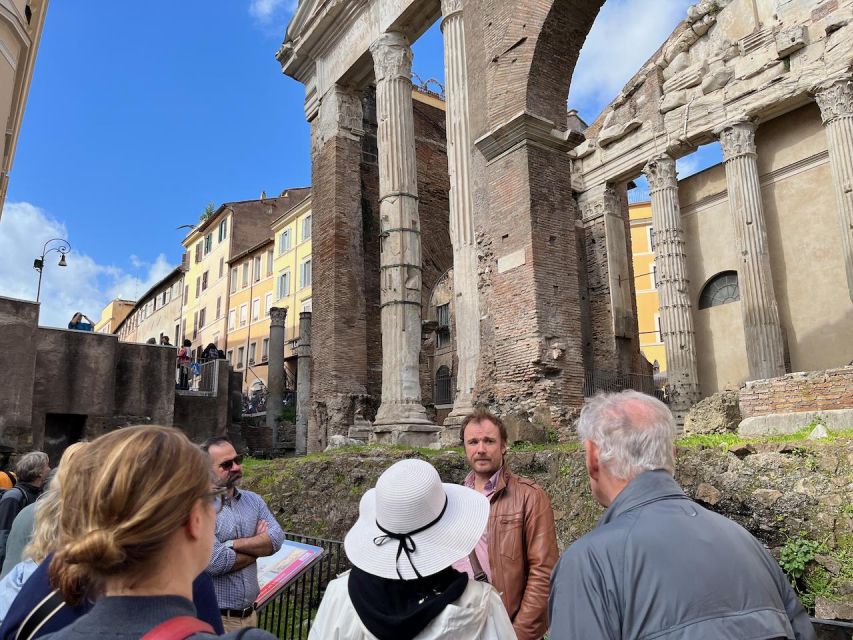
At $35 per person for about 2.5 hours, the value here comes from how the tour uses that time. You’re not paying just to see “pretty streets.” You’re paying for guided connections: how the Jewish Ghetto and Trastevere relate, what the Tiber Island stop adds, and why specific landmarks matter.
The reviews repeatedly highlight a few value-makers: expert storytelling, humor that keeps you engaged, and the guides’ ability to answer questions. That’s not just “nice.” It’s what turns a walking tour from passive sightseeing into something you can use later—like knowing what to notice on your next solo stroll.
Also, you’re not locked into a meal. Food isn’t included, but there’s an optional gelateria/café stop. That lets you match the tour to your style: grab a quick treat, follow the guide to a recommended spot, or keep moving toward dinner reservations you already planned.
What to bring (and what to expect when the weather turns)
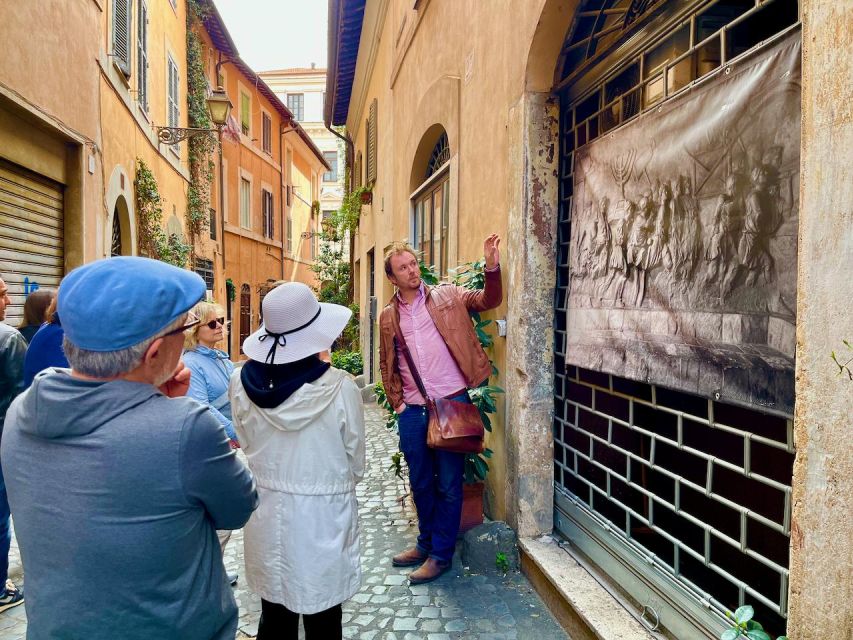
This tour runs rain or shine. Rome weather can change fast, so bring something that actually helps—an umbrella you can manage in wind, or a light rain jacket. Comfortable shoes are non-negotiable because cobblestones don’t forgive.
In summer it can run warm, and a water bottle is a good idea. The tour notes fountains are available for refills, so you don’t need to buy water repeatedly.
If you prefer to pack light, do it. You’ll appreciate having both hands free, especially when the guide points out small details around corners and façades.
Who should book this tour?
I’d point you toward this one if:
- you want a human, story-driven view of Rome’s Jewish history and how it intersects with other neighborhoods
- you like contrast—Ghetto first, then Trastevere—because the switch helps you understand the city’s complexity
- you enjoy asking questions and want a guide who can keep the flow engaging without turning it into a dry lecture
If you’re only interested in quick sightseeing photos or you’re hoping for a dedicated synagogue interior visit, you may feel this is missing something essential. Since the synagogue is outside-view only, you’ll need extra plans if that’s your priority.
Should you book the Rome Jewish Ghetto and Trastevere Tour?
Yes, if you want a focused afternoon that helps you understand what you’re seeing. At $35, the biggest bargain is the guide quality—clear English, strong storytelling, and a pace that respects your time while still covering meaningful ground.
I’d skip or pair it with another option if inside synagogue access is a must for you. Otherwise, this is exactly the kind of Rome walk that gives you more than memories—it gives you explanations you can carry into the rest of your trip.
FAQ
How long is the Jewish Ghetto and Trastevere tour?
It runs for about 2.5 hours.
What does the tour cost?
The price listed is $35 per person.
Where do I meet the guide?
Meet outside Santa Rita da Cascia in Campitelli, in Via Montanara, next to Antico Caffè del Teatro Marcello. The guide will be waiting with a sign that says Jewish Ghetto & Trastevere Stroll.
Is the tour in English?
Yes, the tour guide provides live guiding in English.
Is the synagogue included?
No. The synagogue is seen from the outside.
Is food or drink included?
No. Food and drink are not included, though there is an optional stop at a gelateria/café.
Does the tour run in bad weather?
Yes. It runs rain or shine.
What should I bring?
Wear comfortable shoes. In warm weather, bring a water bottle. The tour notes fountains are available for refills.
Is the tour wheelchair accessible?
Yes, the tour is wheelchair accessible.
Can I cancel for a refund?
Yes. Free cancellation is available up to 24 hours in advance for a full refund.