REVIEW · ROME
Rome: Nighttime Tour by Open-Top Bus with Tasting Stop
Book on GetYourGuide →Operated by Green Line Tours · Bookable on GetYourGuide
Rome glows after dark. This vintage open-top bus tour is a fast, fun way to see major monuments lit up, with wind in your face and great panoramic angles. I especially like the chance to get clear night views of the Colosseum without fighting daytime crowds, and I also think the included pizza tasting stop is a smart add-on. The main thing to consider: the stops are short, so this is best if you want photos and drive-by atmosphere, not deep time on foot.
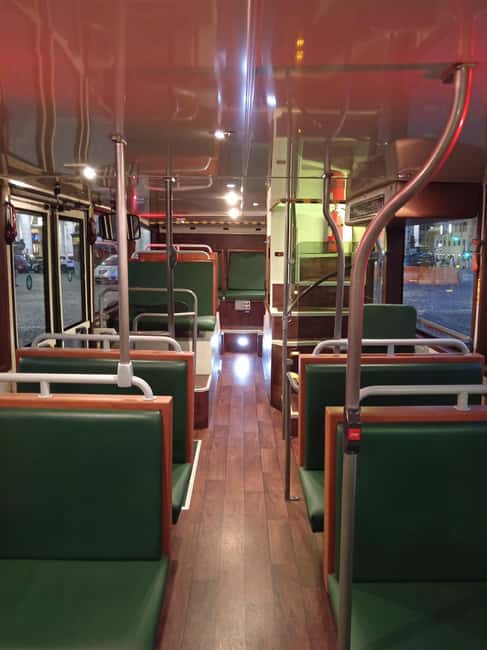
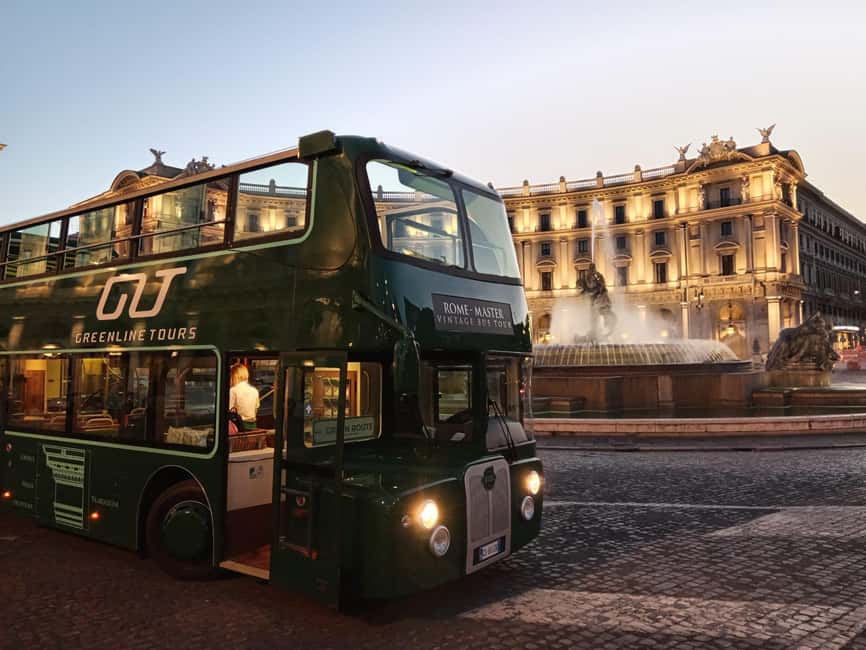
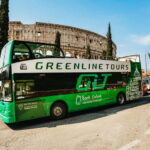
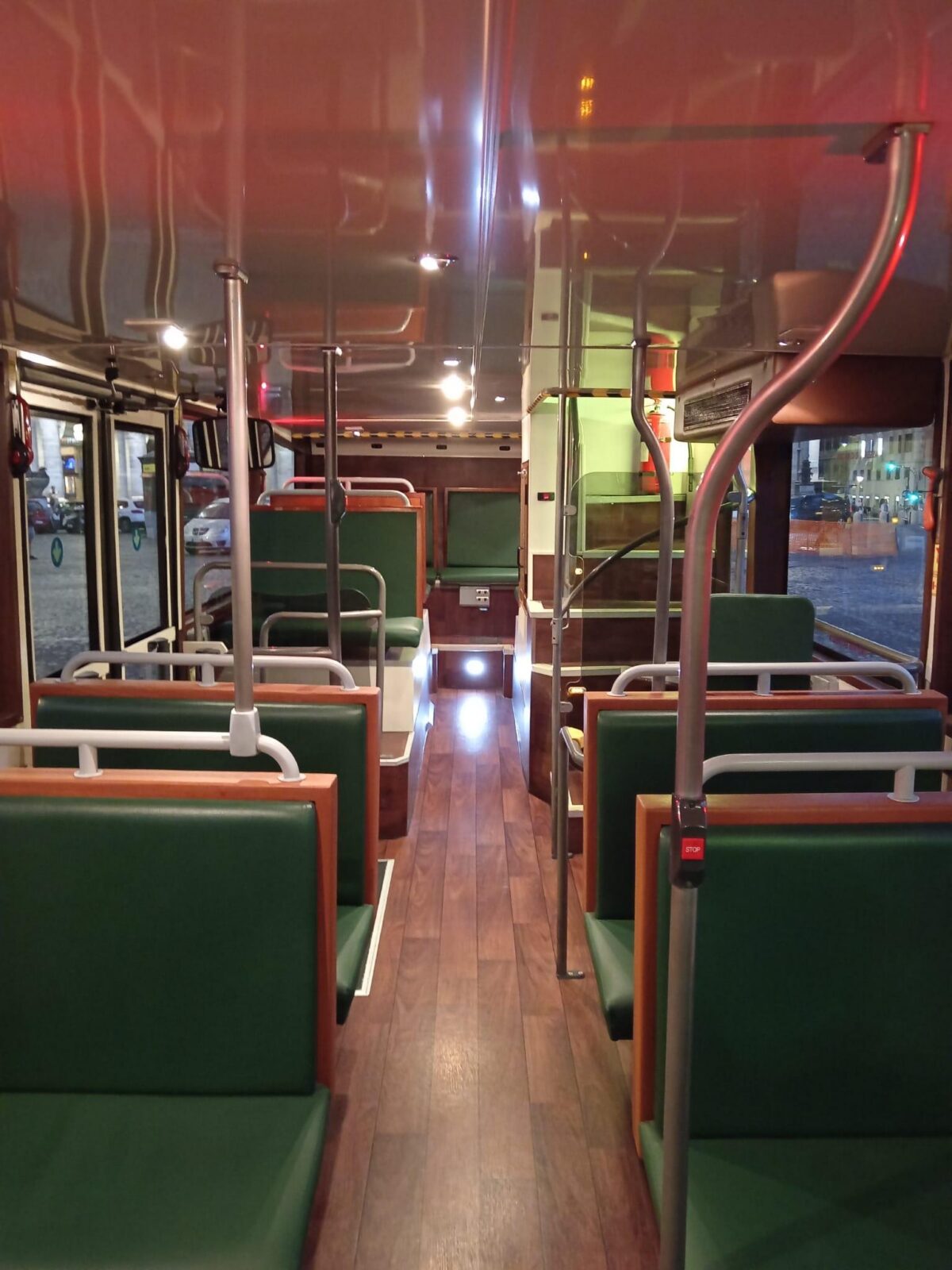
I like that the tour mixes comfort and classic Rome vibes. You ride on an open-air double-decker (so you’ll feel the night air), but the bus also has air conditioning, and the hostesses keep things running. The onboard audio guide covers what you’re passing in 16 languages, so the scenery doesn’t stay blurry and silent.
Plan on a simple evening rhythm: ride, pause briefly for photos, then refuel. The tasting break near Villa Borghese happens at Piazza Thorvaldsen, and it includes pizza with mortadella plus beer or a soft drink. For $32 for about two hours, it’s solid value if you want an easy overview that helps you plan what to do later in daylight.
In This Review
- Key highlights worth your attention
- How this Rome night bus tour actually feels
- Where you meet and how to time your evening
- The route: major squares and bridges from the upper deck
- Piazza Barberini and Castel Sant’Angelo: the best drive-by moments
- Colosseum at night: photos and quick context
- Pyramid of Cestius, Circus Maximus, and the “you’re moving” advantage
- The Piazza Thorvaldsen pizza stop near Villa Borghese
- Audio guide in 16 languages: what it does well
- Timing at each stop: what you can realistically do
- Price and value: is $32 reasonable for two hours?
- Who this tour suits best (and who might skip it)
- Quick planning checklist before you go
- Should you book this Rome night bus with pizza stop?
- FAQ
- How long is the Rome night tour?
- What does the tour cost?
- Where do I meet the tour?
- Where does the tour end?
- What is included with the tasting stop?
- Is there an audio guide?
- Is the bus wheelchair accessible?
- Does the price include hotel pickup and drop-off?
- What should I bring, and what is not allowed?
Key highlights worth your attention
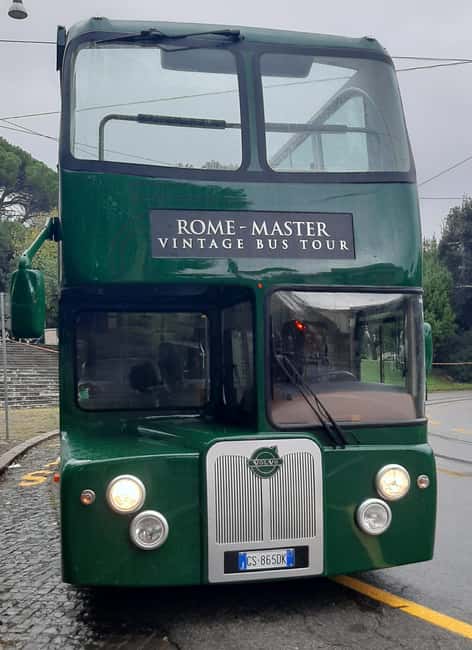
- Vintage double-decker, open-top views: You’ll get wide angles over rooftops, squares, and bridges.
- Colosseum at night for photos: The light-up look is the whole point of doing this after sunset.
- Audio guide in 16 languages: You’ll get context for what you see as the bus moves.
- Piazza Thorvaldsen tasting stop: Pizza with mortadella plus beer or soft drink.
- Iconic squares and bridges from the bus: Piazza Venezia, Castel Sant’Angelo, Piazza Barberini, and more.
How this Rome night bus tour actually feels
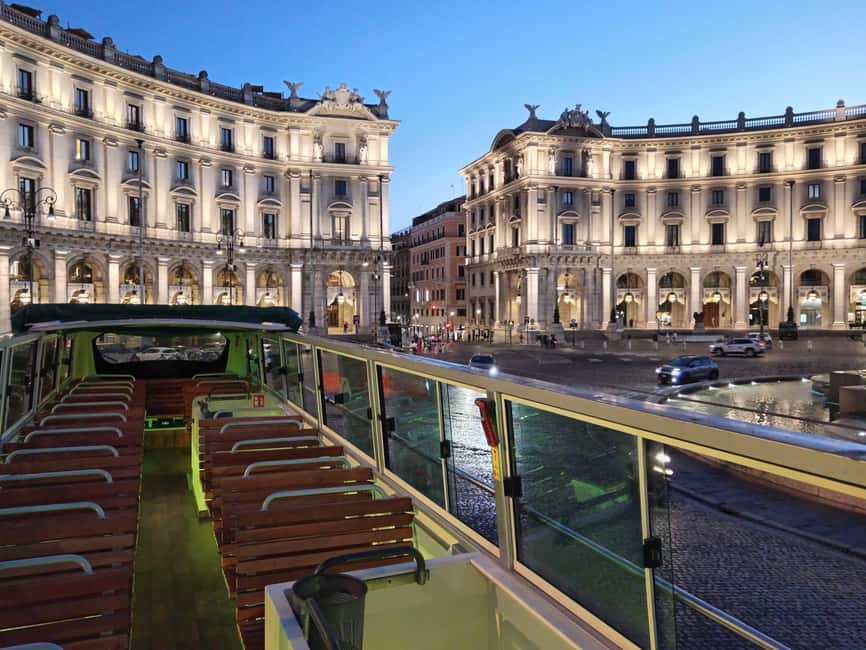
This tour is built for one thing: seeing Rome when it looks cinematic. Daytime sightseeing can feel like a checklist, but at night you get the soft glow of streetlights on stone. From the bus, you’re not stuck staring down at your feet or weaving through crowds. You’re elevated, moving, and getting a string of monuments in one smooth loop.
The open-top part matters. You’ll feel the breeze, and that changes the whole experience from a stuffy coach. It’s still comfortable thanks to cozy seating and air conditioning, but the vibe stays outdoor and lively. If you’re the type who loves atmosphere as much as photos, this format makes sense.
The one drawback is the pacing. Short photo stops are great for quick pictures, but they don’t replace a walking tour. If you want lots of time inside ruins or extended explanations on the ground, you’ll likely feel the clock moving too fast.
You can also read our reviews of more tours and experiences in Rome.
Where you meet and how to time your evening
You start at Piazza dei Cinquecento corner Via Cavour, Terminal 1/A, and the tour begins from Via Cavour, 1. Try to arrive with enough buffer to find the right bus and settle in before departure. Once you’re aboard, the schedule is tight, so late arrivals usually mean you miss the best “getting oriented” minutes.
The tour runs about two hours, and you’re out during the “sun is beginning to set” window. That’s ideal for Rome because you’ll watch lighting shift from sunset warmth to full nighttime illumination. You don’t have to stay out super late, which is a win if you still plan to do morning museum time.
A practical tip: bring a hat and scarf. The bus is open on top, so even if the afternoon was warm, the evening wind can surprise you. If you run cold easily, dress like you’re staying outside for longer than you think you will.
The route: major squares and bridges from the upper deck
Once you roll through the historic center, the bus becomes your moving viewpoint. You pass key areas such as Basilica of Santa Maria Maggiore and Fori Imperiali, plus places like Piazza della Repubblica, Via Nazionale, and Circo Massimo. Even when you’re just driving by, it helps you understand Rome’s geography—where monuments sit relative to each other.
Piazza della Repubblica is one of those squares that instantly signals you’re in the city’s real flow. You get a short scenic segment (about five minutes), which is enough to take a photo and catch the street-level energy before the bus moves on.
Piazza Venezia is next on the “big monument” list, with about ten minutes to pass by. This is where night viewing really does its job: you see the scale of the area and how the light changes the look of stone. The trade-off is that you won’t walk the space for long. You’re observing from the bus and grabbing quick images.
Piazza Barberini and Castel Sant’Angelo: the best drive-by moments
Some Rome monuments look best when you’re not standing right next to them. That’s true for both Piazza Barberini and Castel Sant’Angelo. On this route, you pass them with short scenic views, and you get those wide, postcard-like angles from higher up.
Castel Sant’Angelo is usually photogenic at any hour, but at night it becomes a strong silhouette. You’ll see it while the bus keeps rolling, so you don’t get stuck in a single spot. If you’re traveling with friends who want both photos and momentum, that’s a big plus.
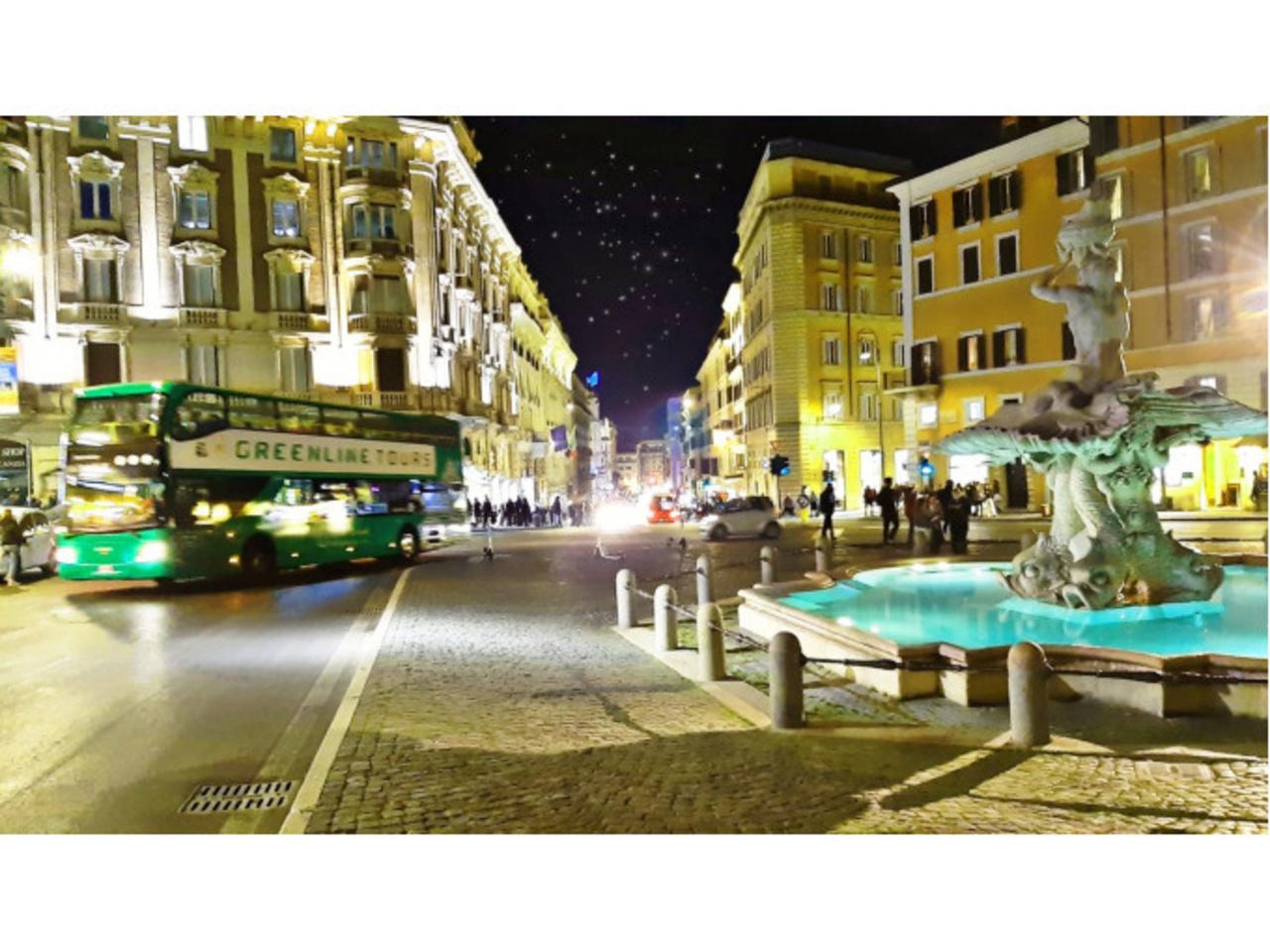
Piazza Barberini is also a great example of Rome at night doing its magic. The tour includes a pass-by (around five minutes), and you get to catch the square’s layout and lighting without spending an hour hunting parking or navigating streets on foot.
Drawback to plan for: the best views depend on where you sit. If the bus has open-top sightlines, you still want an unobstructed angle. Try to position yourself early so your camera doesn’t end up competing with poles or other passengers.
Colosseum at night: photos and quick context
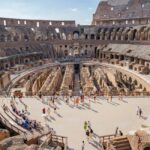
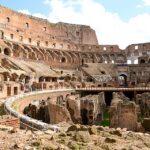
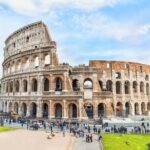
The Colosseum is the headline, and for a reason. Seeing it lit up from a panoramic bus is one of the easiest ways to get the “wow” factor without a full-day plan. This stop is a photo moment with a self-guided time window, plus pass-by views on the way.
What I like about doing the Colosseum this way is that it gives you instant scale. From above, you can read the monument’s massing and how the surrounding streets funnel your eye toward it. At night, the lighting softens the harshness and makes the whole structure feel more atmospheric.
What to watch out for: you’re not doing a long, slow visit here. You’re likely stepping off for a brief photo and then returning to the bus. If your goal is close-up detail or a long exploration of the area’s stories, you’ll need a separate plan for later.
If you’re a photographer, keep your expectations matched to the timing. Set your camera settings for low light before you arrive. Use the bus drive-by for establishing shots, then use your on-stop moment for the sharpest frame.
Pyramid of Cestius, Circus Maximus, and the “you’re moving” advantage
Part of the value of an evening loop is how it connects Rome’s landmarks into one mental map. Between the big hits, you also pass Roman icons that many first-time visitors rush past in daytime lines.
You get the Pyramid of Cestius area (including a photo stop and scenic views with a short drive segment). This is one of those surprising sights that feels different from the Colosseum-style monuments. It gives you variety, and it helps break up the evening so it doesn’t feel like only one type of architecture.
You also pass Circus Maximus with scenic drive time. Even though you’re not walking on the track, it’s a useful moment. You can see the long, open shape and grasp the scale of a venue that once hosted huge crowds.
Again, the trade-off is time. These are “see it, frame it, move on” moments. But that’s also what makes the overall tour efficient.
The Piazza Thorvaldsen pizza stop near Villa Borghese
This is the heart of the “comfort break” part of the tour. You arrive in Piazza Thorvaldsen near Villa Borghese for about a 25-minute break, and it’s more than just a quick snack. You get a tasting stop with pizza and mortadella, plus beer or a soft drink included.
I like that the food is part of the tour experience, not an optional detour. After watching Rome by bus, a sit-down-ish break helps reset everyone’s energy. It’s also a social moment—easy to share pizza with friends and talk through what you just saw.
A practical note: even though it’s an included tasting, don’t assume you’ll have a full meal experience. It’s a “refresh and refuel” stop, so if you’re very hungry, you may want to plan a lighter lunch earlier rather than relying on the tasting alone.
Keep it simple: drink responsibly if you choose beer, and stay close to your group when it’s time to board again. With a limited tour duration, the bus doesn’t wait forever.
Audio guide in 16 languages: what it does well
The onboard audio guide is where the tour earns its “value” beyond just driving past famous buildings. As you pass each location—Santa Maria Maggiore, Piazza della Repubblica, Piazza Venezia, the Colosseum area, and more—you get narration tied to what you’re seeing.
This matters because Rome is layered. Streets look like streets, but they sit on top of earlier eras. The audio guide gives you a way to label the visuals while you’re moving, so the night doesn’t turn into just lighting effects.
You’ll also notice how the tour includes a host or greeter in English, which can help if you need clarification before you head back out.
If you want to get the most out of it, put both the sound and the view together. When you hear about a stop or area, look up immediately and match the narration to the monument you can see above street level.
Timing at each stop: what you can realistically do
Here’s how to mentally plan the stops. Some are pass-by segments where you mostly view from the bus. Others include photo stops. The Colosseum and Piazza Thorvaldsen are the most meaningful time blocks, because you actually get a break from the rolling route.
- Short drive-by segments (like Circo Massimo and many squares) are about creating context and giving you skyline angles.
- Photo stops (like Pyramid of Cestius) are for quick framing and low-stress pictures.
- Colosseum and the tasting stop are the moments that slow down enough to matter.
If you’re the kind of traveler who needs time to wander, you may find the overall pace brisk. If you’re more about getting oriented fast, this pacing is exactly what you want.
Price and value: is $32 reasonable for two hours?
At $32 per person for about two hours, this isn’t a budget deal, but it also isn’t a luxury evening. The value comes from three things you’d otherwise pay for separately: transportation in a dedicated tour vehicle, a multilingual audio guide, and the included tasting stop with pizza and mortadella plus beer or a soft drink.
For many visitors, the audio guide plus transportation are the biggest “hidden costs” of self-planning. If you’re taking multiple taxis or trying to coordinate buses and safe viewing spots on your own, the convenience adds up quickly.
The main reason some people might feel let down is expectations. If you expect a long guided walk and lots of time at each monument, a two-hour loop can feel thin. If you want an efficient night highlight reel that helps you choose what to explore deeper later, it’s a fair spend.
Who this tour suits best (and who might skip it)
This night bus works best for:
- First-time visitors who want a quick overview of central Rome
- People who like photos with minimal hassle
- Travelers who want an easy meal break built into the sightseeing
- Groups who prefer a shared schedule instead of negotiating every turn
It might be less satisfying for:
- Anyone who expects lots of time per stop
- Travelers who want major monuments explored with long on-site guidance
- People who get cold quickly (because the open-top feel is part of the deal, even with AC)
If you’re doing only a short stay, this tour is a great “day one” or “arrival evening” option. It helps you understand where everything sits so your next visits feel more intentional.
Quick planning checklist before you go
A couple of small things make a big difference on a night open-top bus:
- Bring a hat and scarf for wind
- Bring your passport or ID card (a copy is accepted)
- Leave luggage/large bags behind since they’re not allowed
- Don’t plan on bringing food on board
- Pets are not allowed (assistance dogs are allowed)
These rules keep the vehicle space calm and the tasting stop organized. If you show up prepared, the evening runs smoother.
Should you book this Rome night bus with pizza stop?
If you want a low-stress way to see Rome’s big lights in a compact time window, I’d book it. The open-top viewpoint, the included audio guide, and the pizza with mortadella tasting near Villa Borghese make it more than just a generic sightseeing ride.
I’d skip it if you’re hunting for long museum-level exploration or extended walking time at each monument. This is for snapshots, orientation, and night atmosphere. Done with the right expectations, it’s an easy way to start loving Rome after dark.
FAQ
How long is the Rome night tour?
The tour lasts about 2 hours.
What does the tour cost?
It costs $32 per person.
Where do I meet the tour?
Meet at Piazza dei Cinquecento corner Via Cavour, Terminal 1/A. The tour starts from Via Cavour, 1.
Where does the tour end?
It ends back at the meeting point near Piazza dei Cinquecento corner Via Cavour, Terminal 1/A.
What is included with the tasting stop?
You’ll taste pizza with mortadella, with beer or a soft drink included.
Is there an audio guide?
Yes. There’s an onboard audio guide available in Arabic, Chinese, Dutch, English, French, German, Hindi, Italian, Korean, Portuguese, Russian, Spanish, Japanese, Greek, Hebrew, and Polish.
Is the bus wheelchair accessible?
Yes, the tour is wheelchair accessible.
Does the price include hotel pickup and drop-off?
No. Hotel pickup and drop-off are not included.
What should I bring, and what is not allowed?
Bring a hat and scarf, plus a passport or ID card (a copy is accepted). Pets are not allowed, and you can’t bring luggage or large bags. Alcoholic drinks in the vehicle, bikes, skateboards, and food in the vehicle are also not allowed.