REVIEW · ROME
Rome: Ostia Antica Archaeological Park Ticket & Audio App
Book on GetYourGuide →Operated by GetYourGuide Tours & Tickets GmbH · Bookable on GetYourGuide
Ostia Antica feels like a city paused in time. You’ll get well-preserved mosaics and frescoes, walk through two-story apartment blocks and coastal villas, and use a digital audioguide at your own speed. The one thing to plan around: this is a big, spread-out site with uneven ground and an easy way to lose your route.
For me, the best part is how clearly the ruins show everyday life—shops, homes, and the seaside setting just outside Rome. I also like the added value of the bundled admission to other park sites like the Castle of Julius II and the necropolis on Isola Sacra, so your day doesn’t feel limited to just one stop. Still, the self-guided format means you’ll want to stay organized, because finding the right spots can take focus.
In This Review
- Key Points You’ll Care About
- Price and Value: Is This Ticket Worth It?
- First Stop: Exchanging Your Voucher and Getting Oriented
- Ostia Antica: Walking the Streets of an Ancient Coastal City
- What You’ll Notice Immediately
- Apartment Blocks and Villas: Homes, Work, and Daily Life
- Procoio Baths and the Amphitheater of Masks
- Mosaics and Frescoes: Why the Silt Preservation Matters
- The Castle of Julius II and Other Included Sites
- Using the Digital Audioguide (and What Can Go Wrong)
- Photo-to-Postcard: A Fun Way to Remember It
- Timing the Walk: How to Plan a Day Without Burning Out
- Food and Breaks: The Cafe May Be Hard to Find
- Best for Who? Who This Ticket Fits
- Should You Book This Ostia Antica Ticket?
- FAQ
- Where do I exchange my voucher?
- How long is the ticket valid?
- What’s included with the ticket?
- Do I need a passport or ID?
- How long does it take to visit?
- Is there an audio guide?
- Is transportation included?
- What should I bring?
Key Points You’ll Care About
- Preservation you can actually see: silt helped keep mosaics, frescoes, and buildings in striking condition
- Real Roman neighborhoods: apartments, villas, and seaside life are laid out so you can piece it together
- Audio guide + photo postcard feature: your phone becomes your guide and your sending tool
- One ticket, several sites: you can fold in the Castle of Julius II, ships museum, imperial ports, and Isola Sacra’s necropolis
- Expect a lot of walking: routes aren’t always obvious, and paths are uneven
Price and Value: Is This Ticket Worth It?
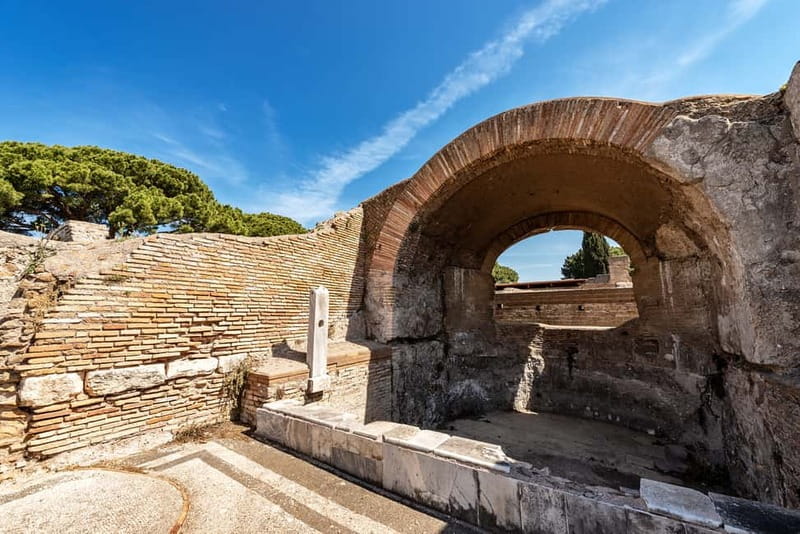
At about $27 per person, this ticket sits in the sweet spot for a high-impact ancient site that’s close enough to Rome to fit into a practical itinerary. The big value isn’t only Ostia Antica—it’s the integrated admission that covers multiple places in the Ostia Antica Archaeological Park ecosystem.
If you plan to see only Ostia Antica and skip everything else, you may feel like it’s a straightforward ticket for one park day. If you plan to add at least one of the other included sites—like the Museum of Ships in Fiumicino or the necropolis on Isola Sacra—you’ll feel the price start working harder for you. Also, the digital audioguide turns the admission into a guided experience without committing to a fixed tour pace.
One more value point: the pass is described as valid for about a week from your first activation. The details mention 8 days from first activation, and also 7 days from first admission in the fine print, so keep it flexible but don’t stretch it too far.
You can also read our reviews of more tours and experiences in Rome.


First Stop: Exchanging Your Voucher and Getting Oriented
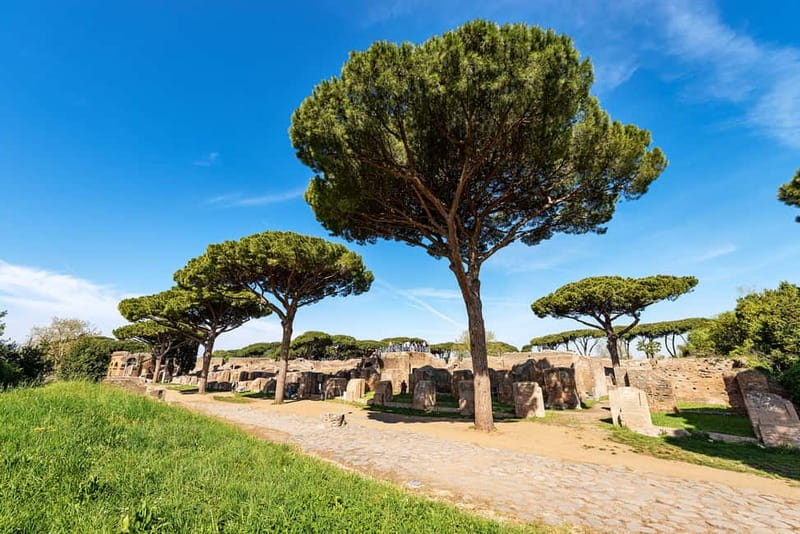
You’ll start by exchanging your voucher at the Ostia Antica ticket office. From there, the experience is mostly self-guided, which is great if you like setting your own rhythm. It’s also why I strongly recommend you do a quick orientation right away—before you get swept into the ruins.
Bring a charged smartphone and a government ID/passport, because you’ll need a valid ID for the ticket. Since the paths at the site are uneven, wear shoes with real grip. This is one of those places where comfort matters more than looks, because you’ll be on foot for hours.
Ostia Antica: Walking the Streets of an Ancient Coastal City
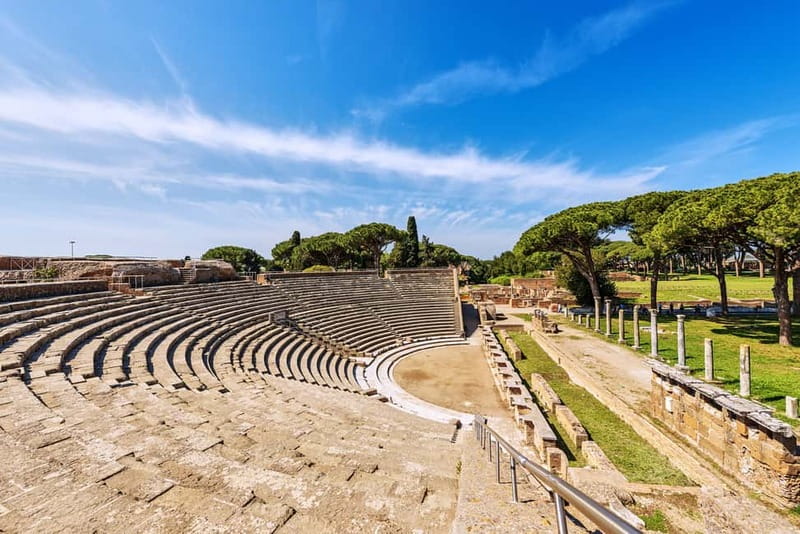
Ostia Antica sits just outside Rome, and it feels like it was built for walking. You’re stepping into the remains of a Roman port city—one that later got covered in silt from the river, which helped preserve buildings, frescoes, and mosaics far better than you’d expect.
The story people repeat is that King Ancus Marcius founded Ostia in 620 BC as a colony at the mouth of the Tiber. Even if you treat legend as legend, it’s a useful framing device: this wasn’t a random ruin field. It was a planned city tied to trade, shipping, and daily life by the water.
As you move through the ruins, pay attention to how the spaces connect. You’ll see a city that isn’t only impressive from one viewpoint—it’s layered. Residential areas relate to public-looking corridors and rooms, and you start to understand the idea of a port city as a place where people lived, worked, and moved goods.
What You’ll Notice Immediately
- Mosaic floors and frescoes that still read clearly instead of turning into vague patterns
- Street-level layouts that help you imagine how people navigated daily routines
- Building scale that makes the city feel lived-in, not just ceremonial
Apartment Blocks and Villas: Homes, Work, and Daily Life
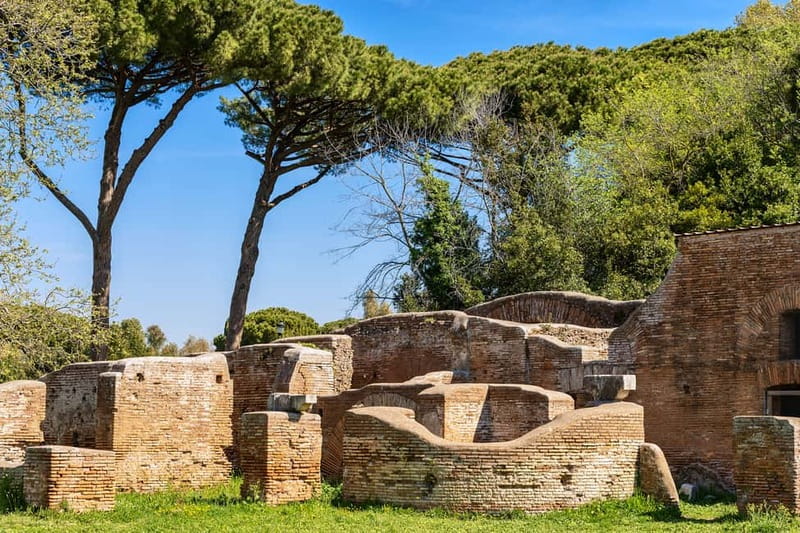
This is where Ostia Antica becomes more than pretty ruins. The site includes two-story Roman apartment blocks, and that matters because it shows how many people likely lived in more shared, structured housing than the fantasy of a single-family villa.
I love how the ruins make you slow down. In an apartment block, you’re not only seeing walls—you’re picturing stairs, doors, and how rooms might have been used. The layout helps you understand that ordinary Romans had a routine, not just a myth.
Then you shift toward the seaside villas of Procoio, which feel like a different world. Here, you can study the style of leisure living, including a large bath complex. Baths were a major social and physical feature in Roman life, so it’s one of those details that turns architecture into human context.




Procoio Baths and the Amphitheater of Masks
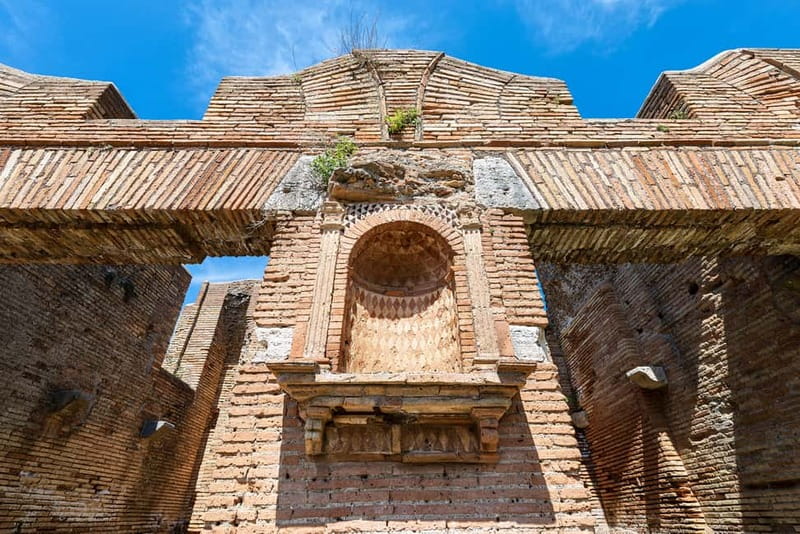
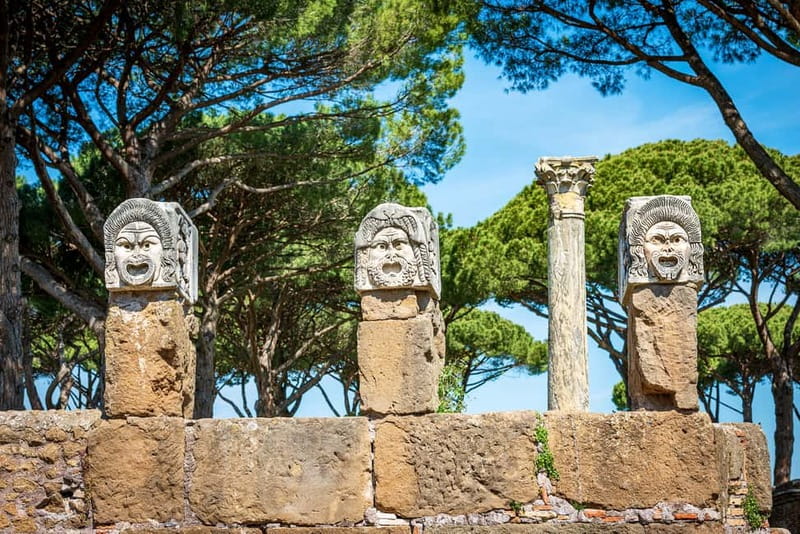
The Procoio area includes more than rooms and decorative floorwork. You can also see an amphitheater lined with striking theatrical masks made from stone. Even if you don’t know much Roman theater, the visual impact helps you grasp what entertainment looked like in a coastal villa setting.
This stop is also a good reminder that Roman culture wasn’t all politics and empire. People built places to relax and watch performances—sometimes in spaces that now feel startlingly intimate, given how open the ruins are.
If you’re hoping for a “highlight moment,” this is the kind of location that delivers. It gives you both a strong visual image and a story about social life.
Mosaics and Frescoes: Why the Silt Preservation Matters
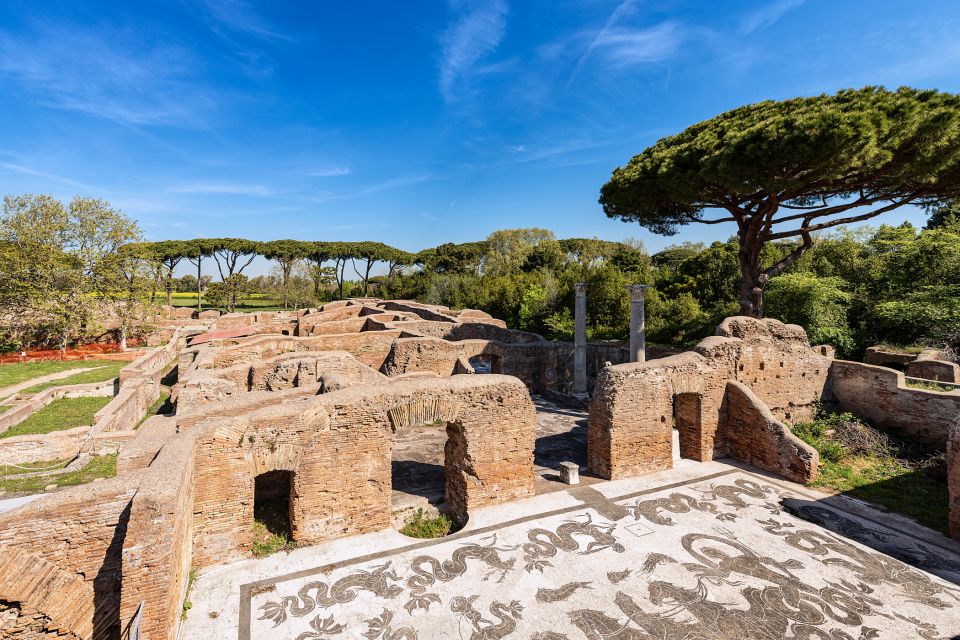
Many ancient sites are beautiful but frustratingly damaged. Here, the preservation quality changes the experience. The reason—buildings and surfaces being covered by silt—means you can still see decorative elements that would usually be lost.
You’ll find mosaic floors and frescoes throughout the city areas. Don’t rush through them like you’re checking boxes. Instead, slow down long enough to look at the patterns and the scenes. Even from a basic level, you can start to understand what Romans valued in their domestic spaces: beauty, status, and identity.
A practical note: take breaks. The site is extensive, and you’ll get more out of it if you mix walking with short pauses to actually view the work.
The Castle of Julius II and Other Included Sites
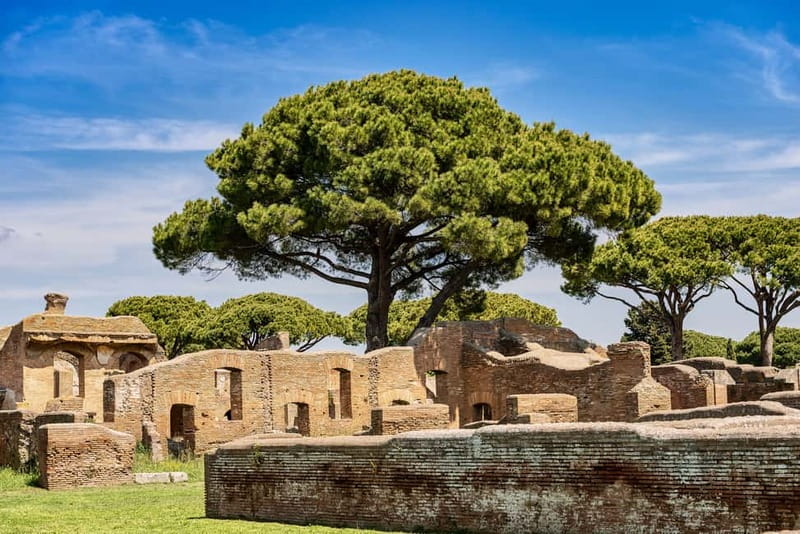
One of the reasons I like this ticket is that it avoids the all-or-nothing problem. If you want more than a single ruins day, you can add included sites from the same admission.
Your ticket covers:
- Castle of Julius II
- Museum of Ships in Fiumicino
- Imperial Ports of Claudius and Trajan
- Necropolis of Porto on Isola Sacra
That combination makes the trip feel like a whole system rather than scattered stops. Ostia Antica is the city; the ports connect to shipping and infrastructure; the ships museum ties into how goods moved; and Isola Sacra’s necropolis adds the human side of Roman life at the edges of the living world.
If you like structure to your day, you can pair Ostia Antica with one additional stop rather than trying to cram everything in at once. It’s better to see fewer things well than to sprint between included locations.
Using the Digital Audioguide (and What Can Go Wrong)
The ticket includes a digital audioguide, so you’re not stuck reading signage only. I like using audio here because Ostia Antica’s buildings are spread out, and an audio track helps you understand what you’re looking at instead of guessing.
That said, the self-guided nature has one predictable downside. Tracking can be tricky at times, especially when sites feel similar or when you’re standing between multiple walls and rooms. If you notice the audio isn’t lining up with your position, stop, check your phone, and get your bearings again before continuing.
Also, the route itself can be hard to follow. The site is huge, and the walking circuit isn’t always obvious. I recommend you save a photo of the map on your phone at the entrance so you can recover quickly if you drift off track.
Photo-to-Postcard: A Fun Way to Remember It
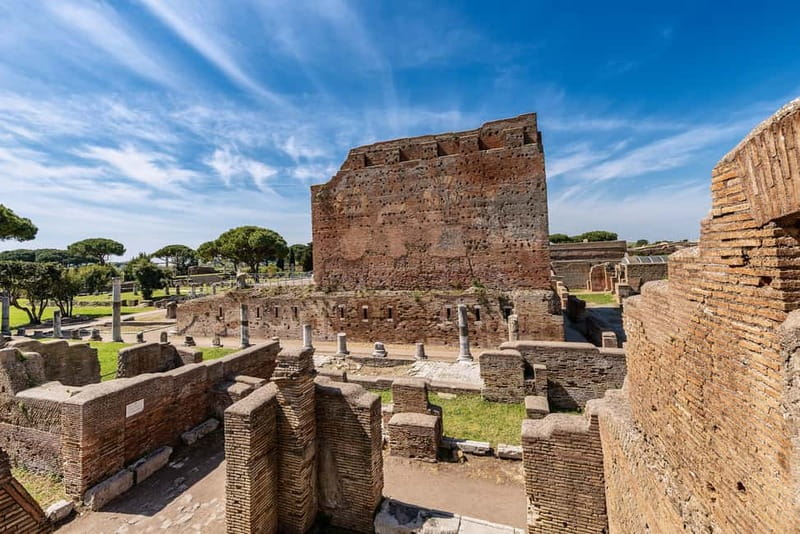
This ticket includes a creative feature: you can turn one of your own photos into a unique postcard to send to friends or family anywhere. It’s a nice twist because it encourages you to take photos that match the story you’re hearing, not just random snapshots.
It also gives you a built-in memory job. When you choose which photo to send, you naturally reflect on what you saw—like a mosaic corner, a doorway layout, or the look of a villa area.
Timing the Walk: How to Plan a Day Without Burning Out
Ostia Antica is extensive, and one full visit can easily stretch into an all-day effort. In warmer months, plan around heat and hydration. The practical advice is simple: bring water and wear sturdy shoes.
If you’re someone who likes to linger over details—mosaics, fresco scenes, and architectural layout—factor in extra time. If you’re more of a quick-scan person, you’ll still want at least a half-day to avoid missing the best preserved areas.
Here’s a balanced approach I’d suggest:
- Spend your first block of time at the core city zones where mosaics and frescoes are abundant
- Then move into apartments and villa areas once you understand the city layout
- Finish by picking one additional included site if you have energy
You can always return within the validity window rather than cramming it all into one day.
Food and Breaks: The Cafe May Be Hard to Find
There’s a practical heads-up: the cafe is particularly well hidden, so don’t treat it as your dependable mid-walk stop. I’d build in breaks where you are, then decide later if you can locate the cafe when you’re ready to sit down.
That sounds small, but it matters because the site walking can be long. A planned pause keeps you from rushing through the best areas just to find a place to rest.
Best for Who? Who This Ticket Fits
This is a great fit if you want a self-guided ancient experience that’s still supported by a digital audioguide. If you enjoy architecture, floors, and the way everyday life shows up in ruins, Ostia Antica is one of the strongest choices near Rome.
It also works well for people who like structure but don’t want to be tied to a group schedule. The integrated ticket makes it easier to expand your plan beyond one stop, especially if you’re curious about the ports, ships, and necropolis.
If you hate walking, hate uneven ground, or want an ultra-easy route with clear navigation all day, this might require more patience and planning than you expect.
Should You Book This Ostia Antica Ticket?
Yes—book it if you want high visual payoff and real context, not just a quick stop for photos. The preserved mosaics and frescoes, the mix of apartment blocks and seaside villas, and the audio support make the ticket feel worth the price.
Don’t book it if you’re looking for a simple, low-effort itinerary with perfectly obvious signage. You’ll need to manage your pacing, watch your footing, and be ready to use your phone map-like info to get back on track.
If you can handle a long walking day and want to see more than one “Roman theme” through the included sites, this ticket is an efficient way to get a lot of value from a short trip outside Rome.
FAQ
Where do I exchange my voucher?
You exchange your voucher at the Ostia Antica ticket office.
How long is the ticket valid?
It’s described as valid for 8 days from first activation. The fine print also mentions 7 days from first admission, so treat it as about a week starting from your first use.
What’s included with the ticket?
The integrated admission includes Ostia Antica Archaeological Park, Castle of Julius II, Museum of Ships in Fiumicino, Imperial Ports of Claudius and Trajan, and the Necropolis of Porto on Isola Sacra, plus a digital audioguide.
Do I need a passport or ID?
Yes. You need to present a valid ID (passport or ID card).
How long does it take to visit?
The site is extensive, and many people plan for an all-day visit so they don’t feel rushed.
Is there an audio guide?
Yes. A digital audioguide is included with the experience.
Is transportation included?
No. Transportation is not included.
What should I bring?
Bring comfortable shoes, a charged smartphone, and your passport or ID card. The paths at the site are uneven, so good footwear helps.