REVIEW · ROME
Taste of Testaccio: Special 15 Year Anniversary Edition
Book on Viator →Operated by Eating Europe Food Tours Rome · Bookable on Viator
Testaccio turns Rome into a food walk. This 15-year anniversary tour takes you off the main streets and into a working neighborhood, with tastings, local history, and a stop at Rome’s oddball Egyptian-style pyramid.
What I like most is the hands-on food time: you make bruschetta with tomatoes from vendors at the Testaccio Market. I also love how the gelato finale (at Giolitti) comes with practical tips so you can spot what’s real and what’s not. One consideration: if you have severe or life-threatening food allergies, this experience isn’t suited for you.
In This Review
- Key things that make this tour worth your time
- A Food Walk Through Rome’s Working Neighborhood
- Meeting in Piazza Testaccio: Easy Start, Real Neighborhood Vibes
- Salumeria Volpetti: The Cured-Meat and Cheese Welcome
- Piramide Cestia: Rome’s Egyptian Pyramid in Plain Sight
- Testaccio Market: Bruschetta You Build With Your Own Hands
- The Testaccio Food Engine: Slaughterhouse, Quinto Quarto, and Monte Testaccio
- Pastas at Flavio al Velavevodetto: The Three-Roman-Classics Moment
- Giolitti Gelato: How to Spot Real Gelato Before You Eat It
- Price and Value: What $131.81 Really Buys in Taste
- Who This Tour Suits Best (and Who Should Rethink It)
- Should You Book Taste of Testaccio 15-Year Anniversary Edition?
- FAQ
- FAQ
- How long is the Taste of Testaccio tour?
- Where does the tour start and end?
- Is the tour offered in English?
- What food do you actually eat during the tour?
- Do you make bruschetta, or is it just tasting?
- Do you visit the gelateria, and is it included?
- Is wine or alcohol included?
- Can children join the tour?
- How big are the groups?
- Is it suitable for severe food allergies?
Key things that make this tour worth your time
- Testaccio food that feels local, not touristy: cured meats, buffalo mozzarella, suppli, and Roman classics
- Hands-on bruschetta at the market with ingredients sourced from vendors
- The city’s only pyramid (Piramide Cestia) inside the neighborhood
- Monte Testaccio and the slaughterhouse story: how “quinto quarto” shaped what Romans ate
- Gelato know-how at Giolitti after a 100+ year stop
- Small groups (up to 12) keep the pace friendly and not chaotic
A Food Walk Through Rome’s Working Neighborhood
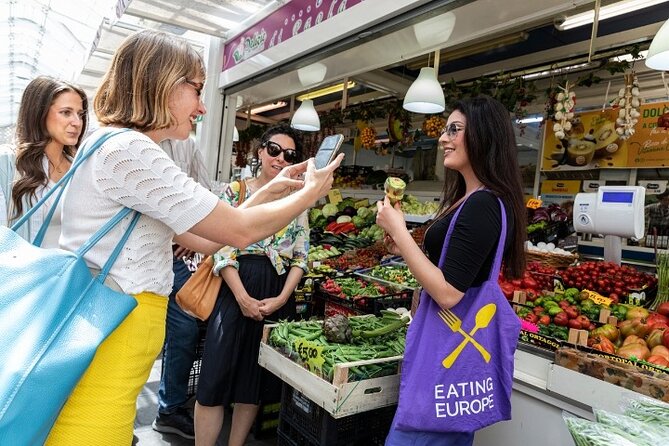
Taste of Testaccio is the kind of tour that makes you rethink what you thought you knew about Rome food. You’re not just chasing famous landmarks. You’re walking through Testaccio, a historic area that still feels like it’s used by locals every day—shops, markets, and small restaurants mixed with old archaeological surprises.
The tour moves at a human pace for about 3 hours 30 minutes. It’s designed for eating in several small waves: cheeses and cured meats, market bites, Roman street food, then a proper sit-down moment with three iconic pastas, finishing with gelato. If you like your Rome with flavor and context attached, this works.
At $131.81 per person, the value comes from the mix of guided access plus multiple tastings that aren’t just snacks. You’re also paying for the fact that a guide can get you into the right rhythm: what to order, what to pay attention to, and how to understand what you’re eating in Roman terms.
You can also read our reviews of more tours and experiences in Rome.

Meeting in Piazza Testaccio: Easy Start, Real Neighborhood Vibes
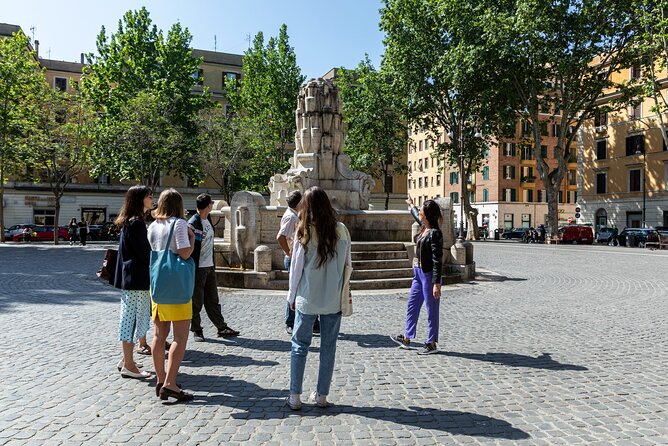
Your tour starts at Piazza Testaccio, 39 and ends a couple blocks away near Via Amerigo Vespucci, 35. That end-close-to-start detail matters more than it sounds. It means you can tack this onto the rest of your day without a complicated transit plan or a long walk back into the center.
Testaccio itself is built for wandering. You’ll get that off-the-radar feeling right away, and you’ll see the kinds of storefronts tourists often walk past without stopping. Guides also help you connect the dots: why this area mattered, how its food culture formed, and why some places are still top choices for locals.
Small group size (maximum 12 travelers) also makes a difference. In the experience itself, it tends to feel like conversation time between stops, not a rushed conveyor belt. You’ll hear guide notes tied to the places you’re standing in front of, including names you might hear repeatedly from past groups—guides like Valentina, Katherine, and Luca are among the people leading this tour.
Salumeria Volpetti: The Cured-Meat and Cheese Welcome
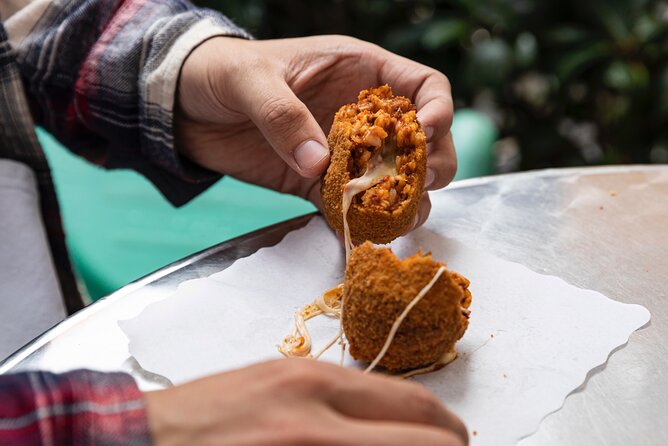
The tour’s first stop is Salumeria Volpetti, with a welcome of fine cured meats and artisanal cheeses. You’ll also do an oil-and-vinegar tasting—olive oil and balsamic vinegar—and there’s a celebratory toast with a glass of crisp Prosecco.
This is a smart way to start. You’re setting your taste buds for everything that follows. Cured meats and cheese also give you a quick education in Roman flavor style: salty, punchy, and built to be eaten alongside bread and simple touches rather than complicated sauces.
Volpetti is known for its sheer cheese variety—around 150 cheeses. Even if you don’t try all of them, the point is that this isn’t a tiny, one-shelf shop. It’s a real specialty place, and that context helps you understand why some Romans treat salumerie like destinations.
Practical tip for you: arrive ready for salty flavors. If you’ve had a big late breakfast, you might want to scale it back. The tour doesn’t pretend you’re only tasting; it’s built for actual eating.
Piramide Cestia: Rome’s Egyptian Pyramid in Plain Sight
Next you’ll visit Piramide Cestia, a 2,000-year-old Egyptian-style pyramid located in the middle of the city. Yes, it looks strange at first. That’s exactly why it’s worth including. Rome loves to throw curveballs like this, and Testaccio is where you see one without having to travel far.
This stop also works as a breather between food moments. After the salumeria tasting, you’ll stretch your legs and absorb the weirdness of a landmark that doesn’t fit the typical postcard Rome mold.
You’ll also learn how this area ties into broader city history and local landmarks during the walk. The tour points out sites including the Protestant Cemetery, where John Keats is buried—one of those details that makes Rome feel more layered than just ruins and fountains.
Testaccio Market: Bruschetta You Build With Your Own Hands
The center of the experience is the Testaccio Market portion. This is where the tour earns its keep for food lovers who want more than just guided sampling.
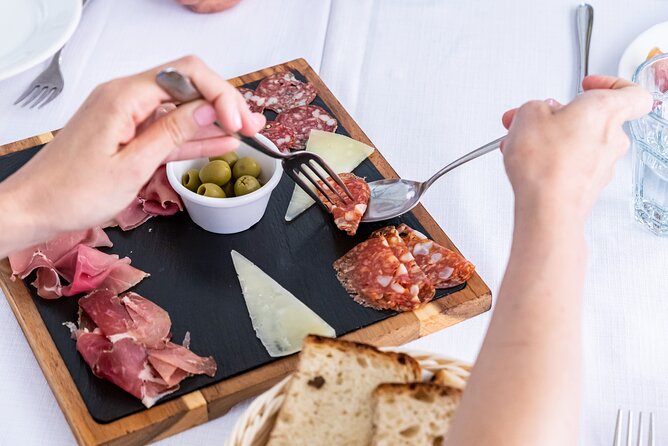
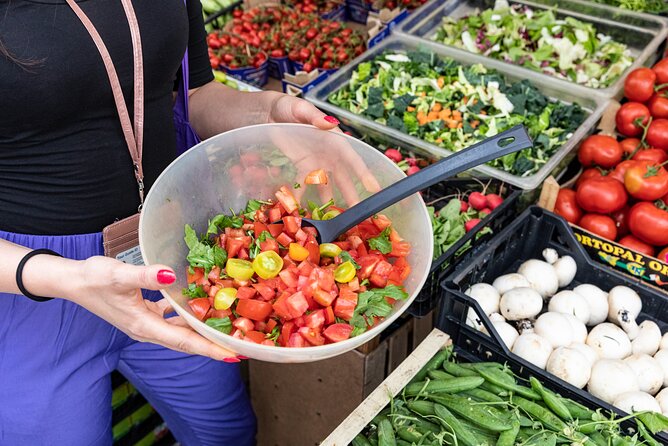
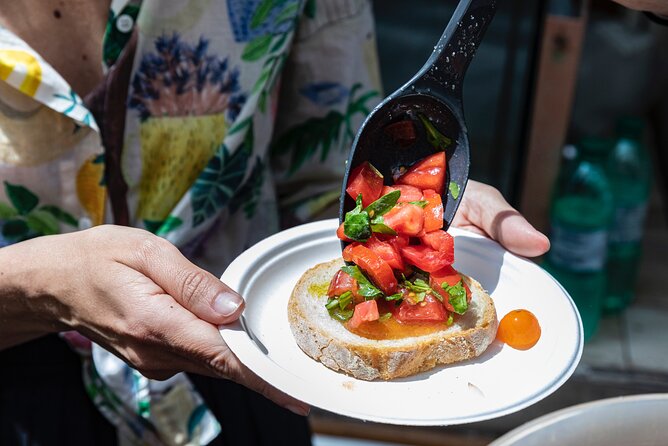
You’ll get hands-on by making your own bruschetta with fresh tomatoes sourced from market vendors. The tour also includes classic market tastings that pair well with that bruschetta moment: fried street food like suppli (a fried rice ball) and a caprese salad with buffalo mozzarella.
What makes this special for you is the order of operations. You’re not just eating randomly; you’re learning how the ingredients connect:
- tomatoes, bread, and simple toppings
- dairy and what “good” mozzarella tastes like
- street food textures, like crispy exteriors and hot centers
If you’ve ever tried bruschetta that was basically tomato on toast, you’ll feel the difference here. The guide’s instruction and the market’s ingredient quality turn it into a real skill-based food moment.

The Testaccio Food Engine: Slaughterhouse, Quinto Quarto, and Monte Testaccio
After the market, you’ll continue through Testaccio with a mix of tastings and neighborhood history. You’ll also hear about the area’s signature culinary concept tied to the former city slaughterhouse complex.
In plain terms, this part teaches you why this neighborhood became a food center. The tour includes time at the historic slaughterhouse complex—described as the culinary heart of Testaccio—and explains the famous quinto quarto tradition. That phrase refers to the Roman practice of using the full animal, including the cuts that weren’t always treated as the main event elsewhere.
Then the walking history shifts again when you visit Monte Testaccio—a man-made hill made from fragments of millions of ancient Roman olive oil jars (amphorae). You’re looking at the physical evidence of Rome’s huge appetite. It’s archaeology you can actually walk through, not just stare at behind a fence.
If you care about how food culture is shaped by daily life and industry, this is one of the tour’s strongest sections. It turns tastings into stories that make sense.
Pastas at Flavio al Velavevodetto: The Three-Roman-Classics Moment
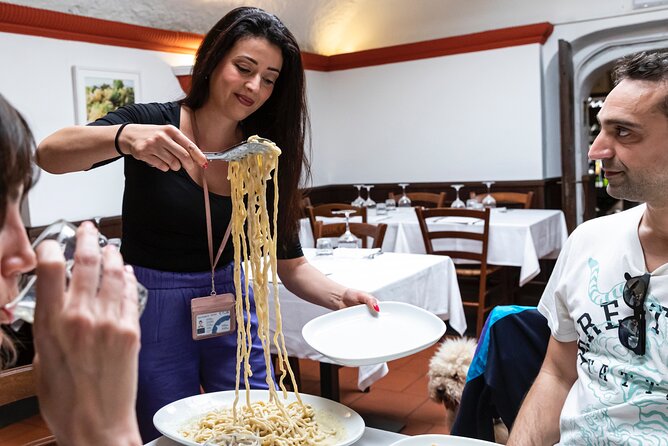
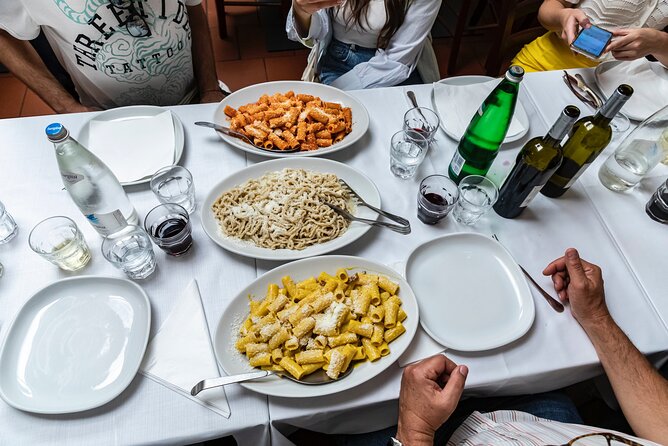
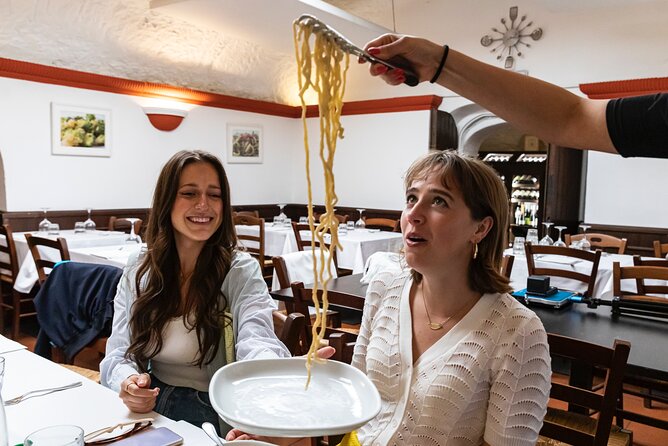
By the time you reach Flavio al Velavevodetto, you’re ready for something heavier—and the tour delivers. You’ll eat three iconic Roman pastas:
- carbonara
- amatriciana
- cacio e pepe
Each one comes paired with local wine. For many people, this is the meal that makes the tour feel complete. A walking tour can sometimes stay in snack territory, but here you get that more substantial restaurant-style portion.
This stop also matters because Roman pasta styles are tied to technique and ingredient choices. You’ll often taste the logic of the cuisine when a guide gives you context while you eat: what stands out, why the flavors work, and what makes these dishes distinct from pasta you might expect from other regions.
Practical tip: pace yourself the way you would on a great night out. You don’t want to feel stuffed before gelato, but you do want to arrive at the pasta stop with enough hunger left to taste differences clearly.
Giolitti Gelato: How to Spot Real Gelato Before You Eat It
The finale is at Giolitti—a historic gelateria that’s been making gelato for more than 100 years. This isn’t just a dessert landing pad. The guide also shares insider tips on how to spot authentic gelato, so you’re not leaving with only one flavor in your head. You’ll leave with a checklist for what to look for next time.
Then you get to taste it, which is the part your brain will remember later when you’re back home searching for the closest substitute. The tour wraps up with gelato right after the last food story, which is exactly the right timing.
If you’re traveling in warmer months, you’ll appreciate finishing indoors or in a comfortable stop. And if it’s hot, trust me: you’ll still want gelato at the end. One of the small surprises of doing a food tour like this in summer is that ice cream becomes both comfort and reset.
Price and Value: What $131.81 Really Buys in Taste
Here’s the honest way to think about the price. You’re paying for:
- multiple named food stops inside Testaccio
- market time with an actual cooking step (making bruschetta)
- tastings across different categories: cured meats, mozzarella, street food, pasta, and gelato
- guided context for the weird stuff you’d otherwise miss, like Piramide Cestia and the slaughterhouse story
- small group pacing (up to 12 people) and an English-speaking guide
If you were to try copying this day on your own, you’d struggle with two parts: finding the right places and understanding what you’re tasting. The tour solves both.
Is it expensive for a casual afternoon? Yes, compared to a simple pizza lunch. But compared to what you get—bread-and-tomato work at a market, three Roman pastas, and gelato from a long-running shop—it’s easier to see why people keep recommending it.
Who This Tour Suits Best (and Who Should Rethink It)
This tour is a great fit if you:
- love Roman street food and market-style eating
- want history that relates directly to food choices
- enjoy small-group walking tours more than big-bus sightseeing
- care about learning how to identify quality, especially with gelato
It’s not the best fit if:
- you have severe or life-threatening food allergies (the tour notes this isn’t suitable)
- you don’t like walking for a couple hours through a neighborhood
- you want a strict vegetarian experience without any uncertainty—dietary needs can be requested, but the tour also notes that offerings may vary by day or season
If you’re with friends, this style works well because you can compare tastes and discuss the differences in dishes and gelato texture.
Should You Book Taste of Testaccio 15-Year Anniversary Edition?
I’d book it if you want Rome that tastes like a real neighborhood, not a highlights reel. The strongest reasons are the combination: market bruschetta you make yourself, a full pasta trio lunch/dinner moment, and gelato tips that teach you how to judge what you’re buying.
Before you click confirm, do two quick checks:
- Are you comfortable with a food-forward plan that includes meat-based items at some stops? (Vegetarian accommodations may be possible, but you should request them.)
- Do you have any allergy concerns that rise to the severe or life-threatening level? If yes, skip this one.
If those boxes are good, this is the kind of tour that makes Testaccio feel like part of your Rome story, not just a stop on a map.
FAQ
FAQ
How long is the Taste of Testaccio tour?
It lasts about 3 hours 30 minutes.
Where does the tour start and end?
It starts at Piazza Testaccio, 39, 00153 Roma RM, Italy and ends at Via Amerigo Vespucci, 35, 00153 Roma RM, Italy.
Is the tour offered in English?
Yes, the tour is offered in English.
What food do you actually eat during the tour?
The tour includes tastings such as cured meats and cheeses, bruschetta, caprese with buffalo mozzarella, suppli (fried rice ball), Roman pastas (carbonara, amatriciana, cacio e pepe), and gelato. It also includes espresso and typical Italian pastry as part of the dessert.
Do you make bruschetta, or is it just tasting?
You make your own bruschetta at Testaccio Market using fresh tomatoes from local vendors.
Do you visit the gelateria, and is it included?
Yes. The tour finishes at Giolitti gelateria, and gelato is included.
Is wine or alcohol included?
The tour includes a Prosecco toast at Volpetti and includes local wine paired with the pasta stop. Extra drinks are not included.
Can children join the tour?
Children under 4 do not need a ticket and can join for free, but food is not included for children aged 3 and under. Paid tickets with food included are available for ages 4 and up.
How big are the groups?
The tour has a maximum of 12 travelers.
Is it suitable for severe food allergies?
No. The experience isn’t suitable for those with severe or life-threatening food allergies to ingredients found on the tour. You can request accommodations for other dietary needs where possible.