REVIEW · ROME
Rome: Pasta Cooking Class in a Professional Pasta Laboratory
Book on GetYourGuide →Operated by Professional Lab Pasta Experience · Bookable on GetYourGuide
Fresh pasta can still feel scary—until this class. You’ll learn inside a real Italian pastificio at Pastificio Faini, with Chef Angelo and the team guiding you step by step while you actually make the dough. It’s the kind of hands-on Rome experience that turns pasta from an idea into something you can do with confidence.
I love that the class stays small (max 9), so you’re not stuck waiting for help when the dough gets sticky or stubborn. I also like the smart variety: you’ll work with gluten-free buckwheat (grano saraceno) and even make one egg-free vegan pasta, so the table feels inclusive—not like an afterthought.
One consideration: with only 3 hours, you’ll move quickly through several pastas and sauces, so you’ll want to pay close attention during the dough and cutting steps rather than trying to multitask.
In This Review
- Key takeaways
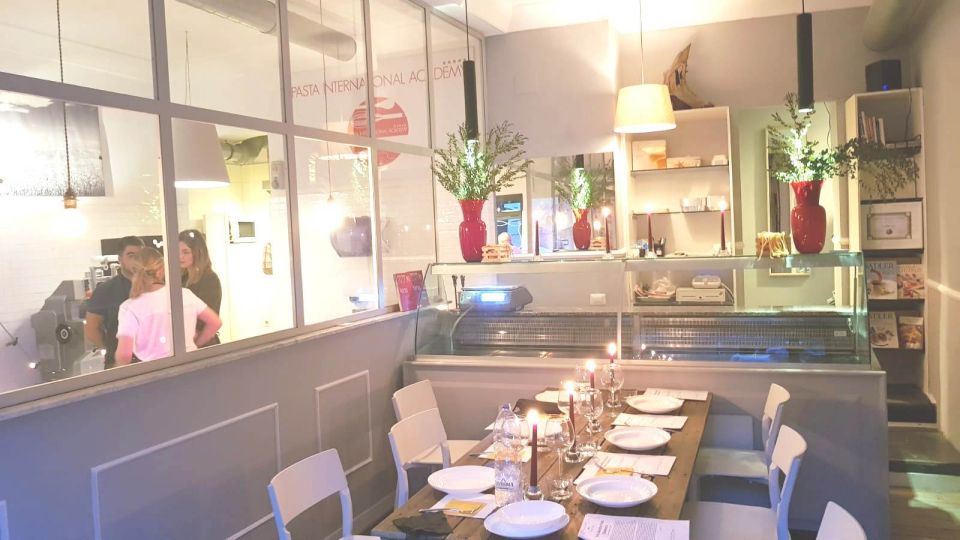
- Arriving at Pastificio Faini: what a real Roman pasta lab feels like
- Gluten-free and vegan-friendly prep: safety, flavors, and three grain stories
- Hand-rolling thin sheets: getting the dough right without a pasta machine
- Ravioli, fillings, and Roman classics like carbonara, cacio e pepe, and gricia
- The sit-down meal with wine: tasting what you made
- What you take home: recipes, a chef-signed hat, and the confidence to cook again
- Price and value for $66.84: why this is more than a tasting
- Who should book this Rome pasta cooking class (and who might not)
- Should you book Rome Pasta Cooking Class in a Professional Pasta Laboratory?
- FAQ
- How many people are in each class?
- How long is the pasta cooking class?
- Where is the meeting point?
- What languages is the instruction offered in?
- Does the class offer gluten-free options?
- Is there a vegan option?
- What pastas and sauces will we make?
- Is a pasta machine used?
- What’s included in the price, besides the class?
Key takeaways
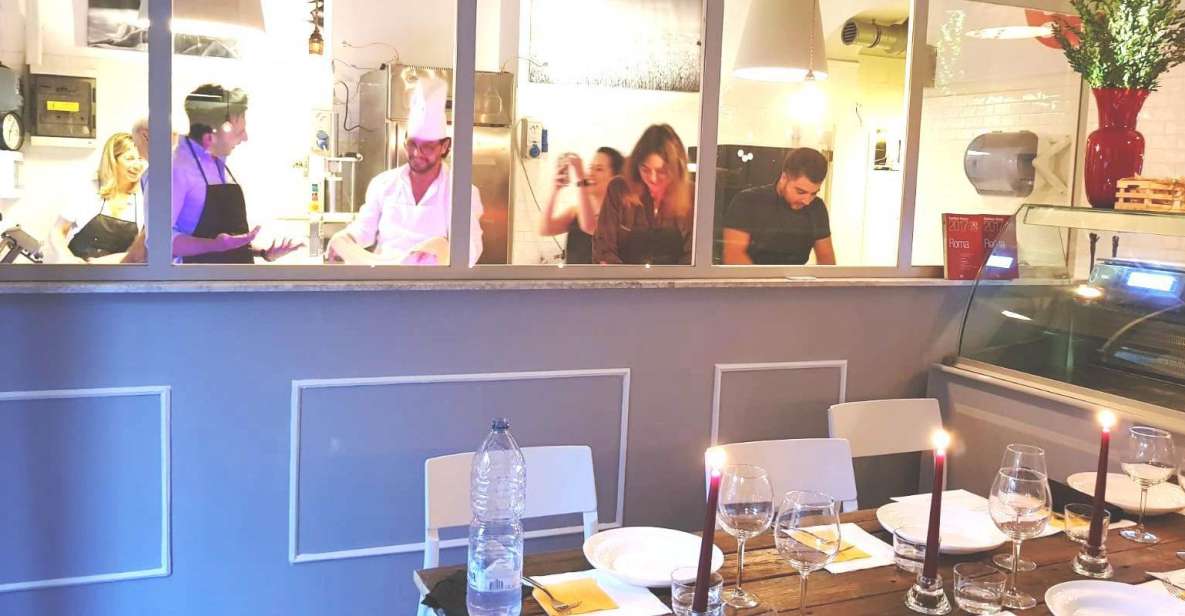
- You cook in a working Roman pastificio, not a demo kitchen.
- Three flour types show up in the dough: triticum monococcum, Senatore Cappelli, and gluten-free grano saraceno (buckwheat).
- Hands-on rolling and shaping, with instruction focused on doing it yourself (not just watching a machine run).
- You’ll taste everything you make, paired with wine and water at the end.
- Gluten-free and vegan options are built into the class, not tacked on last-minute.
Arriving at Pastificio Faini: what a real Roman pasta lab feels like
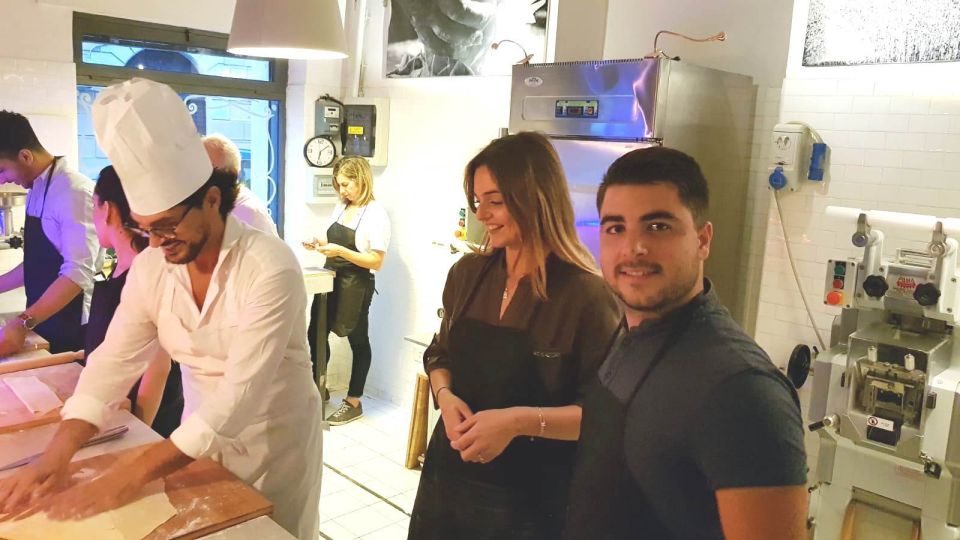
Your class starts at Pastificio Faini, 13 Via dei Latini, Roma 00185. When you step into the pastificio environment, the difference is instant. This is not a rented studio that happens to sell pasta workshops. It’s a real pasta laboratory setting, so you get that practical, production-floor energy where rules matter and food prep is taken seriously.
You’ll begin with a welcome drink, then get an explanation of safe food cutting procedures. This matters more than you’d think. Good pasta is a timing game—if your hands are rushing or you’re unsure how to cut dough and fillings cleanly, everything gets harder. They set you up with a clear safety rhythm so you can focus on technique.
Another thing I liked is how the team structure shows up in the experience. Chef Angelo is the lead name connected to the class, and in practice you may be taught and coached by Emanuele and Angelo together. Either way, the vibe stays consistent: upbeat, patient, and very hands-on. You’ll be working at a pace that feels guided, not forced.
And yes, the room comfort can be real. One past participant specifically called out air conditioning, which is a nice detail in Rome when the day is hot and your dough needs steadier conditions.
You can also read our reviews of more tours and experiences in Rome.
Gluten-free and vegan-friendly prep: safety, flavors, and three grain stories
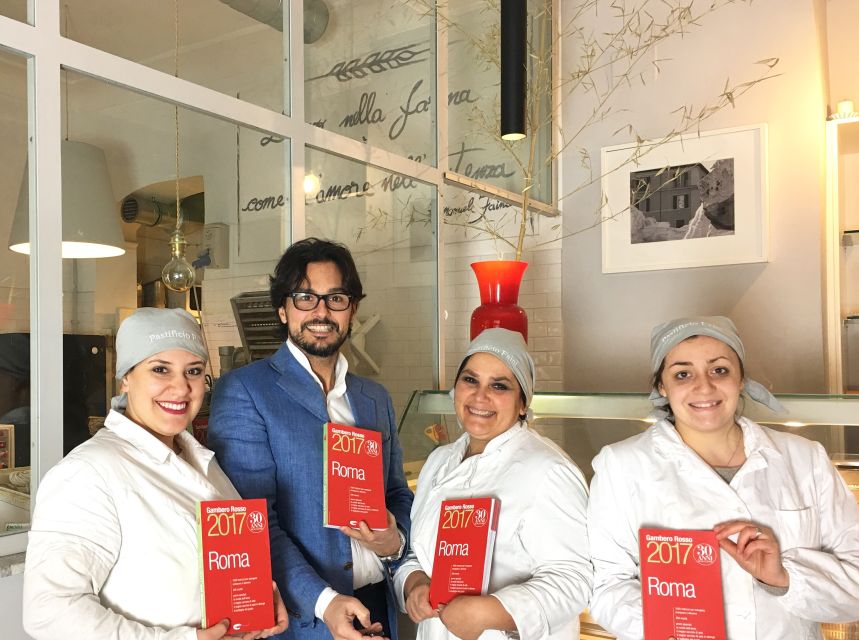
This class stands out because it treats dietary needs as part of the curriculum. You’ll be advised ahead of time to share your dietary requirements, and the workshop includes gluten-free participants from the start. That means you won’t be sitting on the sidelines while everyone else rolls wheat dough and eats your portion later. You’ll make gluten-free pasta too.
The flour lineup is where the lesson turns interesting. You’ll work with three different grains:
- Triticum Monococcum, described as one of the earliest cereals cultivated by humans (around 7500 BC).
- Senatore Cappelli, a variety selected in 1915 that disappeared in the 1960s and was later rediscovered by a small farmer.
- Grano Saraceno (buckwheat) for gluten-free pasta.
Even if you don’t care about grain genealogy, this is useful for cooking. Different flours behave differently. They absorb water differently. They stretch differently. They need slightly different handling. Learning that in a real class beats trying to guess later from a recipe on the internet.
You’ll also make one pasta type without egg, so it’s suitable for vegan needs. That’s valuable because it forces you to understand dough structure beyond just the idea of egg helping everything bind. You’re learning technique you can actually reuse.
Hand-rolling thin sheets: getting the dough right without a pasta machine
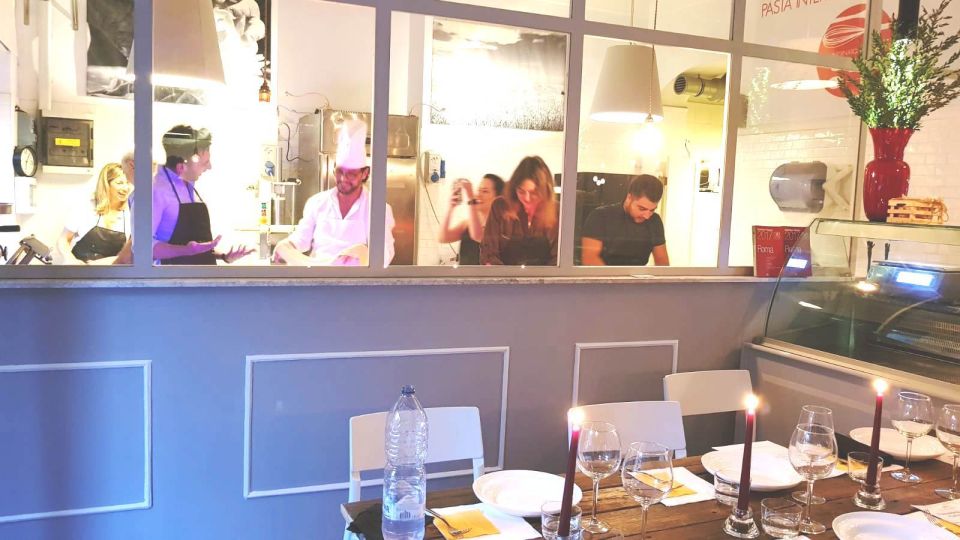
A lot of Rome pasta classes turn into a mix of watching, pushing buttons, and taking selfies. This one is more old-school and more practical. You’ll create thin sheets of pasta dough using hand skills and a rolling approach taught for real outcomes.
One reason past students emphasized this class is that it doesn’t rely on a pasta machine experience. Instead, you’re taught to roll out the sheet yourself. That can sound minor, but it changes what you learn. You’re practicing the feel of the dough—thickness, elasticity, and how to keep edges from drying out or tearing. When you can do that by hand, you’re less dependent on having the exact tools at home.
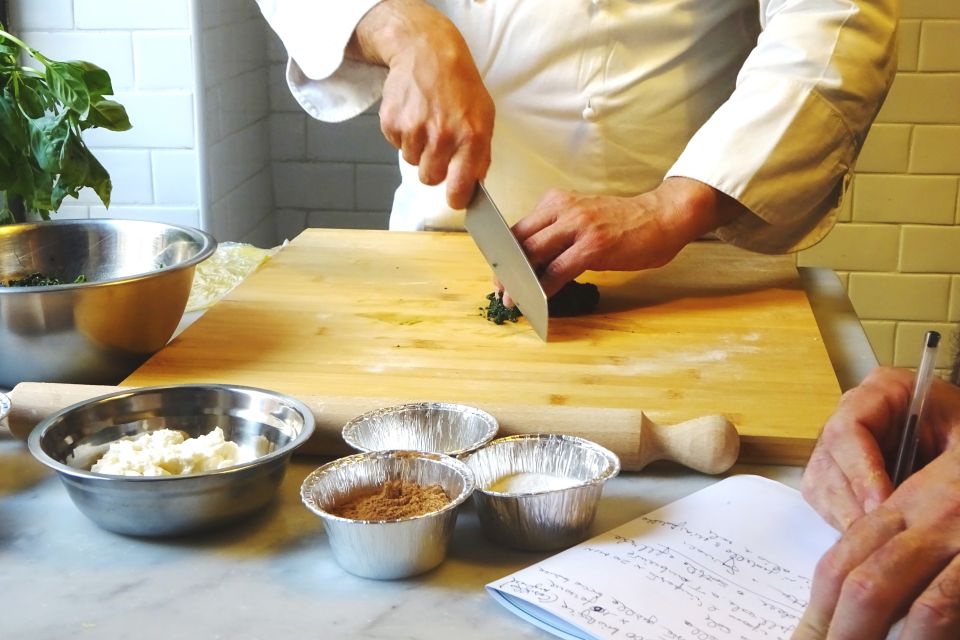
During the rolling process, the instruction style is what makes the difference between frustrating and fun. The chefs demonstrate steps first, then guide you while you do them. If your sheet is too thick, they’ll help you correct it. If it sticks, they’ll steer you toward the right adjustment.
And because the class uses a lab-like setup, you also get a more efficient workflow. Safety prep comes early. Ingredients and equipment are ready. Transitions are smooth, so you spend less time wandering and more time cooking.
On Thursdays, there’s a special variation: you make homemade gnocchi with fresh potatoes. If you’re visiting during Thursday, that’s a great reason to align your day with the class schedule.
Ravioli, fillings, and Roman classics like carbonara, cacio e pepe, and gricia
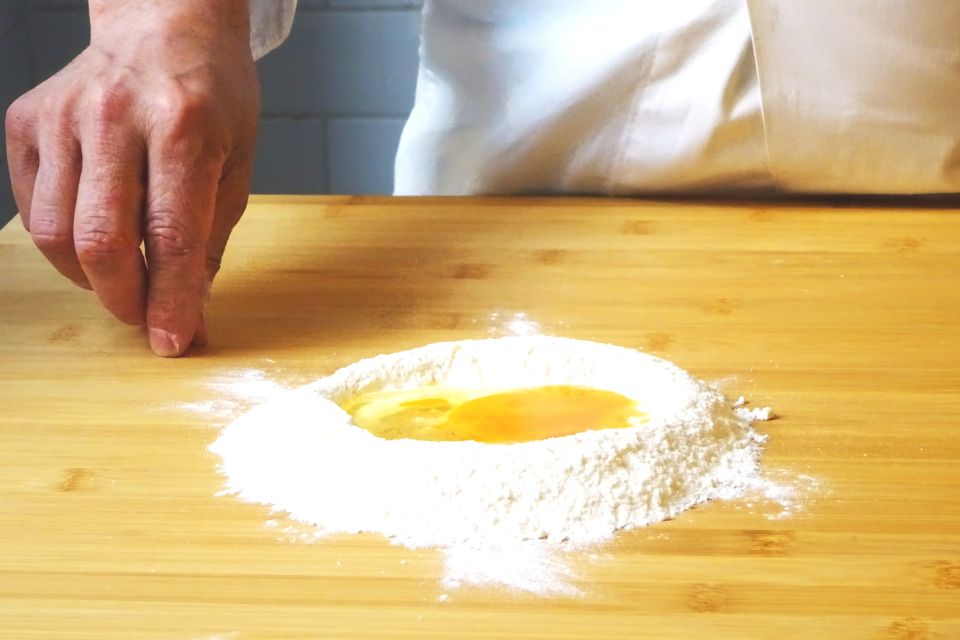
Here’s where your work starts becoming meal-ready. Once you have thin pasta sheets, you’ll move into shaping and filling. The class focuses on three types of ravioli, and you’ll learn both the pasta handling and the filling approach.
Ravioli training is more than just folding. You’re learning how to portion filling, seal properly, and keep the shape consistent. In a small group, you get feedback during this part, which is the moment most beginners need help. If your seal isn’t right, you’ll know quickly. If it’s perfect, you’ll feel it when you cut and cook.
Sauce is also part of the Rome lesson. You’ll create and taste a typical Roman sauce such as:
- Carbonara
- Cacio e pepe
- Gricia
Even though those names can sound like a lot, the value for you is that the class ties them to what you made. You’re not just learning recipes in isolation—you’re pairing sauces with the pasta shapes and flavors you shaped with your own hands. That makes it easier to repeat at home because the logic is clear: dough + filling + sauce = a specific result.
And the structure matters. You’re making multiple items, but the class stays organized so each step has a purpose. That’s why many people call this a must in Rome for pasta lovers. You finish with a meal, not just a pile of partially cooked dough.
The sit-down meal with wine: tasting what you made
After the cooking steps, you sit down and eat what you produced. This is one of those details that sounds standard for a cooking class, but here it’s especially satisfying because you recognize the work behind each bite.
You’ll taste the pastas and sauces you made while sipping Italian wine and also have water included. The point isn’t fancy presentation. The point is feedback: does your dough texture hold up, does the sauce balance land, and does your ravioli actually taste like something you’d order in Rome?
One participant even mentioned that wine and champagne were served after knife exercises were completed—so if that happens in your session, take it as a bonus. The broader, consistent takeaway is that your meal is part of the training day, not a random add-on.
You’ll likely share the table with people from different places, which adds to the fun without turning the class into a party. It stays focused on food and technique, with time for friendly conversation.


What you take home: recipes, a chef-signed hat, and the confidence to cook again
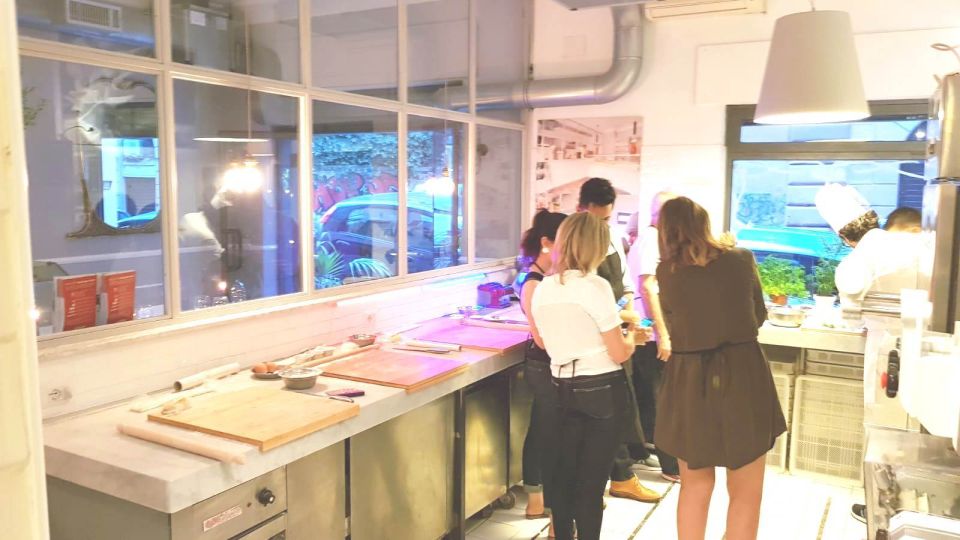
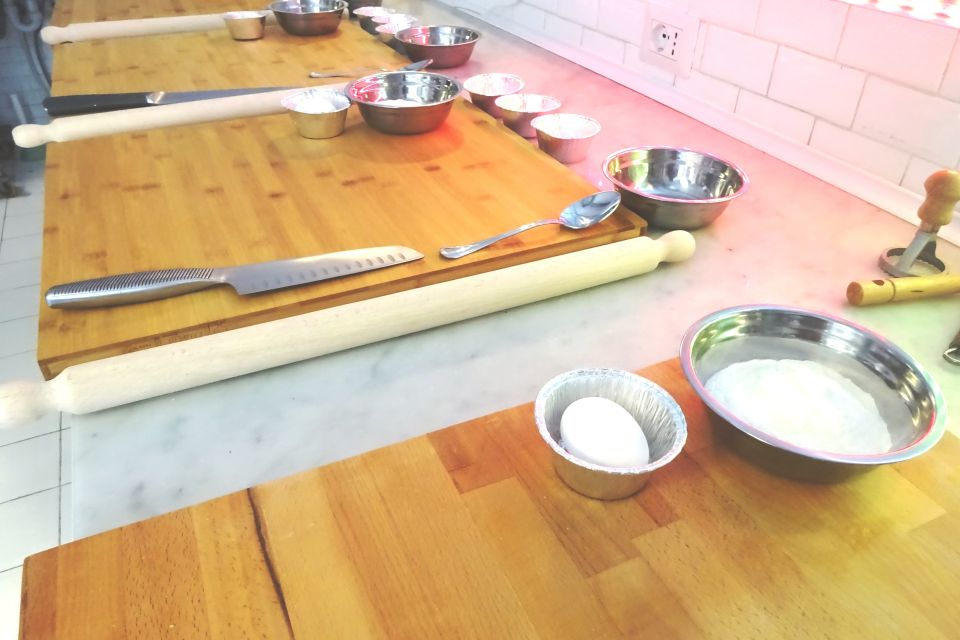
Included with the class are recipes and the ingredients and equipment you need for making the pasta and sauces. That combination is what helps you go home and actually recreate the dishes.
The class also gives you a professional branded chef hat and apron signed by the chef. That’s mostly a keepsake, but it also signals what kind of experience this is. They’re not just teaching cooking theory. They’re treating you like part of the small workshop for the day.
The recipes matter most for practical cooking. You’re leaving with more than names like carbonara or cacio e pepe—you’re leaving with process you practiced. When you’ve rolled thin sheets and sealed ravioli, you can understand why a recipe works. That’s the difference between following instructions and cooking from know-how.
If you’re the type who loves Rome souvenirs, this is the good kind. It’s edible memory.
Price and value for $66.84: why this is more than a tasting
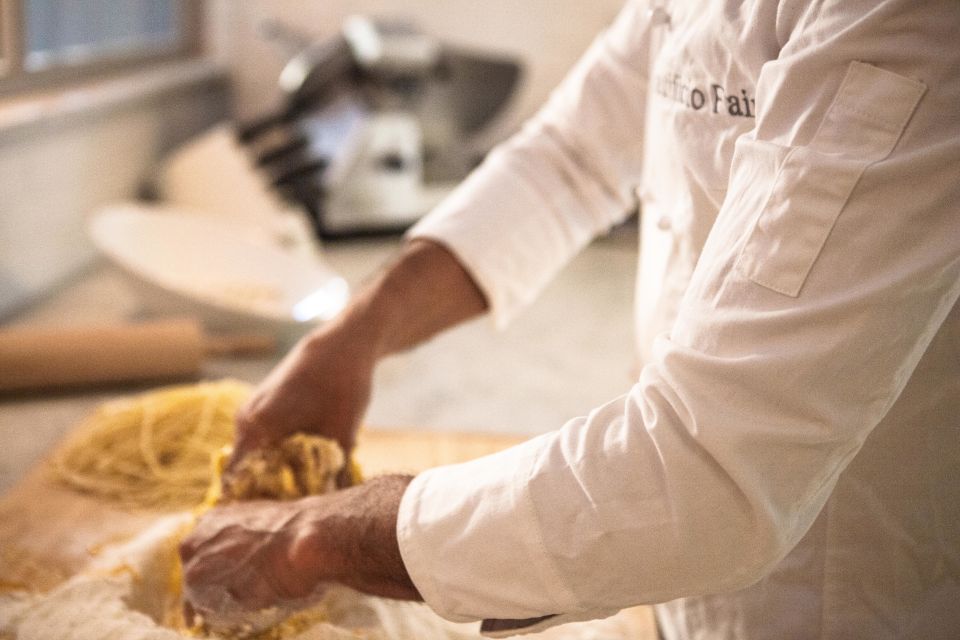
At $66.84 per person, this isn’t the cheapest pasta class in Rome. But the value is tied to what you get:
- You’re cooking in a professional pasta laboratory inside a working pastificio.
- The group stays small (max 9), which means you actually get coaching while you’re making dough and shaping ravioli.
- You work with three flour types, including gluten-free buckwheat and a vegan egg-free option.
- You eat your creations, paired with Italian wine and water.
- You get recipes and take-home chef gear.
So you’re paying for more than food. You’re paying for technique, feedback, and access to a real pasta-making setting. If you’ve been to workshops where you barely touch the dough, this class feels like the opposite. It’s hands-on in a way that makes the money feel justified.
The biggest cost-saving perk is what happens after you return home. If you’ll actually use the recipes, the per-meal value drops fast because you can recreate it for friends.
Who should book this Rome pasta cooking class (and who might not)
You’ll love this class if:
- You care about fresh pasta technique and want a guided way to learn it.
- You want a class that includes gluten-free needs without splitting people off.
- You’re open to working with different flours and learning what changes in the dough.
- You want to come home with recipes and a true sense of what to do.
You might think twice if:
- You’re expecting a casual, entertainment-heavy class where the main goal is sampling. This is hands-on and technique-led.
- You want lots of extra free time to freestyle new fillings or make additional shapes beyond what fits the 3-hour window.
Should you book Rome Pasta Cooking Class in a Professional Pasta Laboratory?
Yes—if you’re in Rome and you want a pasta class that feels like the real deal, book it. The setting in a working pastificio, the small group size, and the fact that gluten-free and vegan needs are built into the day make this a strong choice for many diets and skill levels.
You’ll get the most out of it if you show up ready to cook, pay attention during rolling and cutting, and treat the sauces as part of the learning, not just the reward. If your travel dates include a Thursday, check availability for the gnocchi option too.
If you want the quick safety-net answer: for serious pasta lovers and anyone who wants a repeatable skill, this is one of the more practical cooking classes in Rome.
FAQ
How many people are in each class?
The class is limited to a small group of up to 9 participants.
How long is the pasta cooking class?
The duration is 3 hours.
Where is the meeting point?
You meet at Pastificio Faini, 13 Via dei Latini, Roma 00185. The activity ends back at the meeting point.
What languages is the instruction offered in?
Instruction is offered in English and Italian.
Does the class offer gluten-free options?
Yes. The class caters for gluten-free participants, and you will make gluten-free pasta.
Is there a vegan option?
Yes. You make one type of pasta without egg, which is vegan.
What pastas and sauces will we make?
You’ll make handmade pasta with three types of grains, create thin sheets of dough, and make three types of ravioli. You’ll also make and taste typical Roman sauces such as carbonara, cacio e pepe, or gricia. On Thursdays, you make homemade Italian gnocchi with fresh potatoes.
Is a pasta machine used?
The class focuses on rolling out and shaping pasta by hand (with rolling out by hand discussed as a point of distinction in the experience).
What’s included in the price, besides the class?
You’ll receive recipes, ingredients and equipment to make the pasta and sauces, plus wine and water. You also get a chef hat and apron signed by the chef.