Rome changes when you see it with a local. This private Rome tour is built for how you actually explore: a smart mix of big landmarks for orientation and lesser-known corners for atmosphere. I especially like that you can go your own pace with a private guide, and that the route includes a real neighborhood drink or snack instead of rushing from photo to photo.
Two options keep this flexible: walk the streets on a private walking tour, or cover more ground on a Vespa with a helmet. The main drawback to plan for is simple: since you’re mostly viewing famous places from the outside, if you’re craving inside access, you’ll need to pair this with other timed-entry plans.
In This Review
- Key points before you go
- Walking vs Vespa: choosing Rome’s pace in 3 hours
- Where you meet: Piazza Sant’Apollinare vs Via in Selci
- Trastevere first: the local-life start that sets the tone
- Piazza Navona: showpiece square, plus real eating energy
- The Pantheon from the outside: orientation you’ll use all week
- Campo de’ Fiori and the river-island feeling at Isola Tiberina
- Spanish Steps: a photo stop with a purpose
- Colosseum orientation without ticket lines
- The drink or snack stop: where tours start feeling personal
- How much is $318.19 worth for a private 3-hour tour?
- What’s not included: the key limitation to plan around
- Who this tour suits best (and who might feel underfed)
- Tips to get the best version of this tour
- Should you book this Rome private tour?
- FAQ
- What are the two tour options, walking and Vespa?
- Where do I meet the guide for the walking tour?
- Where do I meet the guide for the Vespa tour?
- What sights does the tour cover?
- Are entrance tickets included for the landmarks?
- What’s included in the price besides the guide?
- Can I cancel if my plans change?
Key points before you go
- Private means you set the pace. You’re not stuck with a bus-group timetable or a headset rhythm.
- Trastevere is the warm-up. Bohemian streets first, then the classics.
- You get orientation fast. Big-name landmarks like the Pantheon and Colosseum help everything else click.
- A drink or snack is part of the tour. It breaks the sightseeing spell and gives you local-food momentum.
- Guides tailor on the fly. People highlighted guides like Simone, Stefan, and Nico for customizing routes and stops.
Walking vs Vespa: choosing Rome’s pace in 3 hours
This tour comes in two modes, and your choice affects the whole feel.
If you pick the Private Walking Tour, you meet your guide and start exploring on foot. Walking tours tend to linger a bit more at points where you want to look closely, read the street-life, and catch good views. You’ll also get built-in pauses—especially the drink or snack stop—so the day doesn’t feel like a sprint.
If you choose the Vespa Tour, you meet near the Cavour Metro area and hop on a scooter with a helmet. The advantage is obvious: you can cover more ground with less fatigue. In the typical rhythm of Rome, that matters. You’ll still slow down for key spots, but the Vespa makes it easier to hit a wider mix of neighborhoods and sights in just about three hours.
A practical tip: if you’re visiting in hot weather, have mobility limits, or just don’t want to grind out cobblestones, the Vespa option can feel like the smarter fit. If you love wandering and stopping for photos, walking is usually the better match.
You can also read our reviews of more tours and experiences in Rome.


Where you meet: Piazza Sant’Apollinare vs Via in Selci
Meeting point matters in Rome. You’re in the right zone, but street corners can look identical when you’re tired.
For the walking version, the start point is Piazza Sant’Apollinare, 46, 00186 Roma. For the Vespa version, the start is Via in Selci, near the Cavour Metro Station.
You’ll finish back in the city center of Rome. The exact end point can shift based on the route and whether you’re walking or scootering, but the goal is the same: you don’t get stranded on the edge of town after 3 hours.
Trastevere first: the local-life start that sets the tone
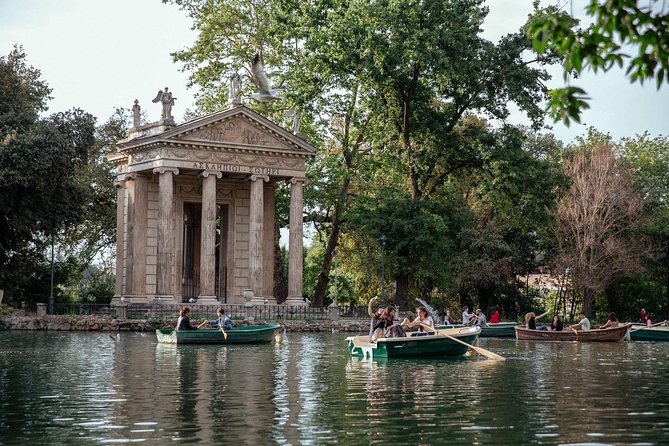
A typical route begins in Trastevere, the Roman neighborhood known for its bohemian energy and long-standing working-class roots. This is a smart way to start. Before you see the postcard sights, you get grounded in how Rome actually sounds and moves—busy streets, small shops, and the kind of trattoria culture that doesn’t feel like performance.
From there, the tour generally works toward big highlights to help you map the city in your head. That matters more than you’d think. Rome can feel like a puzzle with missing pieces, especially around the historic core. Starting with a lively neighborhood gives you reference points you’ll carry all week.
Guides also use Trastevere as a storytelling launchpad. People have specifically mentioned guides like Simone and Stefan for pointing out neighborhood hangouts and explaining what you’re seeing in plain language—no lecture voice, just useful context.
Piazza Navona: showpiece square, plus real eating energy
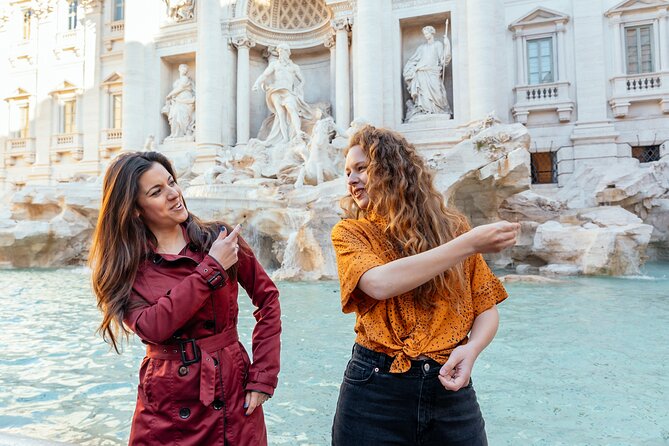
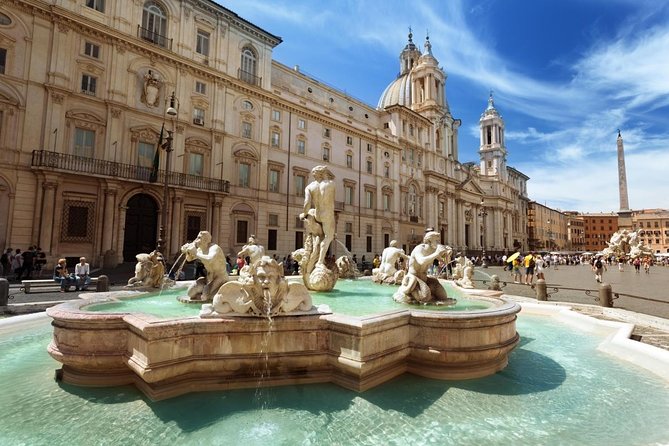
Next up is often Piazza Navona, one of Rome’s most striking squares—crowds, fountains, churches, and a constant flow of people. The Bernini river fountains are the headline, but what makes this stop work on a guided tour is the extra texture: you learn what to notice, what to ignore, and where the energy is coming from.
This is also where the tour’s pacing usually improves your whole trip. Instead of racing through sights, you can slow down in one of the city’s liveliest outdoor rooms. You’ll typically have plenty of opportunities for photos, and it’s an easy place to snack or grab a coffee before you continue.
For many visitors, Piazza Navona is one of those moments where Rome stops feeling like a list of attractions and starts feeling like a living place.
The Pantheon from the outside: orientation you’ll use all week
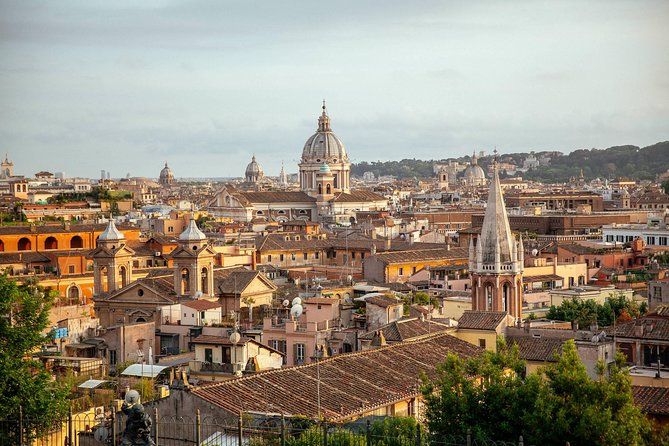
Yes, the Pantheon is famous. But it’s famous for a reason: it’s also one of the best places to learn how Roman architecture thinks.
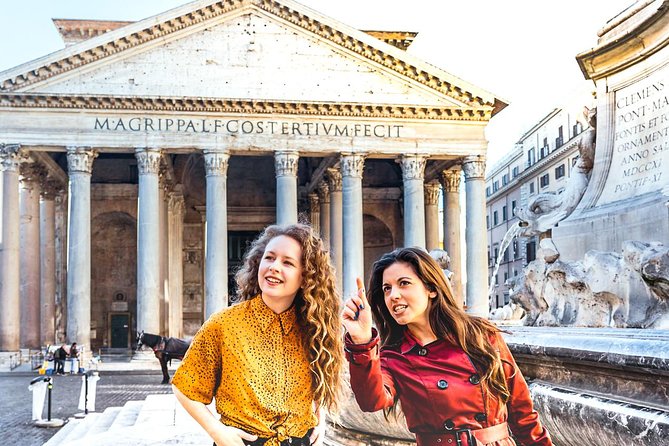
Even without going inside (this tour focuses on sightseeing from the outside), you can still get a lot out of it. From the street, your guide points out what makes the Pantheon stand out—its proportions, the dome shape, and the design details that helped it survive the centuries. When you understand what you’re looking at outside, it’s easier to appreciate the building if you later return for an interior visit.
This is one of the key “get your bearings” stops. The Pantheon acts like a landmark anchor. Once you’ve stood near it with context, the rest of the day’s walking makes more sense.

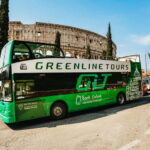
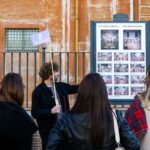
Campo de’ Fiori and the river-island feeling at Isola Tiberina
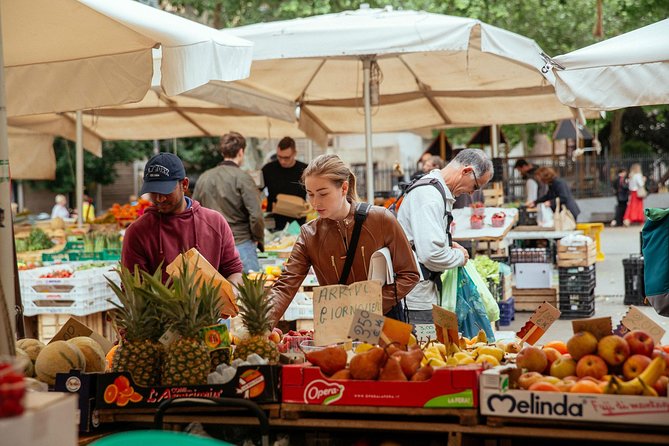
From the classic squares, the tour often shifts into everyday Rome territory.
Campo de’ Fiori is a rectangular square in the center-south area near Navona. The tour uses it as a break from the most relentlessly scenic zones. You get street views, market-like energy (even when it’s not market time), and the sense of where locals spend their time.
Then there may be a stop related to Isola Tiberina—the island in the Tiber River. This area is a nice contrast: you’re still in Rome’s historic core, but you’re getting a different kind of scenery, with river angles and a calmer rhythm than the biggest squares.
These stops are where a private guide really pays off. Instead of just saying what the place is, the guide helps you connect it to the broader city story: how Rome layers daily life with big monuments.
Spanish Steps: a photo stop with a purpose
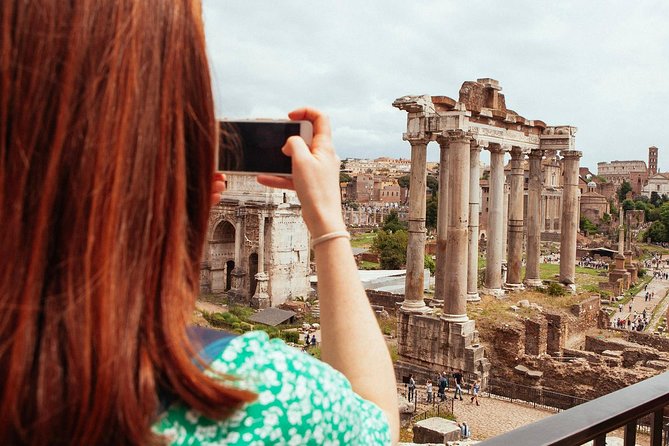
The Spanish Steps are an obvious stop, but they work better when you’re not treating them like a single snapshot. The steps climb between Piazza di Spagna at the base and Piazza Trinità dei Monti at the top, with the church area marking the upper end.
With a guide, you’re more likely to get the right viewpoint angles and an explanation for why the area became such a meeting point. Expect the tour to include this stop as a quick, photogenic reset—especially valuable in a 3-hour window.
If you’re traveling with teens or groups who want to feel like the tour includes something fun, this is one of those moments that usually lands.
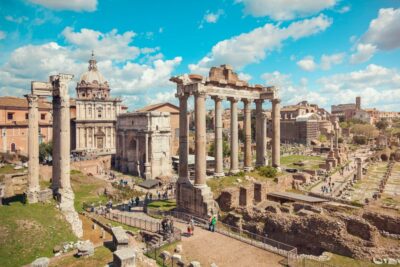
Colosseum orientation without ticket lines
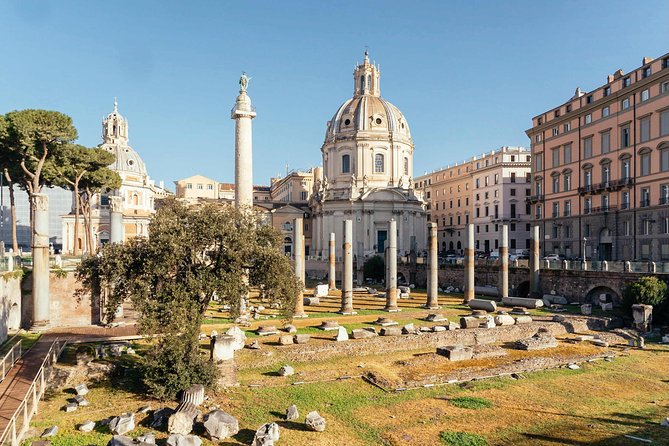
The Colosseum is part of the mix for a reason: it’s the most useful orientation landmark in central Rome.
This tour generally doesn’t include entrance tickets to the Colosseum or other sites, and that’s a major tradeoff to know. You’ll be seeing the Colosseum from the outside, which can still be hugely meaningful. From street level, with context, you can understand how it fits into the city. It also helps you plan the rest of your sightseeing later—where to go next, how the Roman Forum area connects, and how to structure your time.
If you want an interior visit, do that separately. But if you want your Rome week to feel less chaotic, the outside orientation is a smart and time-efficient choice.
The drink or snack stop: where tours start feeling personal
One of the best parts of this experience is that it isn’t only about monuments.
You’ll pause for one local drink or snack, and that break is built into the route—often with walking tours it’s timed to give you recovery and conversation. On Vespa tours, the snack/drink stop still exists, but you’ll arrive with less fatigue.
This is the kind of detail that changes how a tour feels. After you’ve walked (or bounced gently on a scooter) for a while, having a local pause lets you talk with your guide like a person, not like a group with a deadline.
A few guides were praised for recommendations too—people mentioned Nico pointing out taxi-app use and recommending restaurants, while others highlighted guides like Eleonora and John for steering them toward food spots they wouldn’t have found on their own.
Even if you don’t follow every suggestion, you’ll leave with a better sense of where locals actually eat.
How much is $318.19 worth for a private 3-hour tour?
Let’s talk value honestly.
At about $318.19 per person for roughly 3 hours, this is not a bargain-basement sightseeing deal. But it is a private experience: you’re paying for time + customization + local guidance.
Here’s where the value tends to show up:
- Private pacing. You can slow down at the places you care about and speed through the rest.
- Route flexibility. People praised guides for adjusting on the spot to match interests.
- A built-in local break. The drink or snack isn’t an afterthought.
- Orientation in one shot. Pantheon and Colosseum outside views help you build a mental map without spending half your day queuing.
Where you might feel the cost more is if you’re the type who wants lots of indoor-ticket time. Since the tour focuses on outside viewing, you’ll likely need to add at least one or two ticketed attractions later.
If this is your first couple days in Rome, it often becomes a shortcut to better decisions. You’ll know where things are, and your remaining itinerary gets easier.
What’s not included: the key limitation to plan around
This matters for expectations.
Entrance tickets are not included. The tour visits landmarks from the outside, so you won’t count on it to replace a ticketed Colosseum or Pantheon interior visit. You can still learn a lot from the street, but it won’t fulfill every “I want to go inside” goal.
Also, there’s no hotel pickup or drop-off. You’ll handle getting to the meeting point near Piazza Sant’Apollinare (walking) or Via in Selci/Cavour (Vespa), and the tour ends in the central area.
Who this tour suits best (and who might feel underfed)
This is a strong fit if you want:
- A first-time Rome orientation with less stress
- A private guide who can answer your questions as you walk
- A mix of major sights and less obvious street-level Rome
- A guided day that includes at least one comfort stop with a drink or snack
It may feel less ideal if you:
- Are determined to see lots of interiors in 3 hours
- Hate walking on uneven pavement and aren’t interested in the Vespa option
- Need very detailed step-by-step navigation for meeting points (you’ll want to arrive early and use maps)
Tips to get the best version of this tour
A few small moves can make a big difference:
- Wear comfortable shoes. Rome’s surfaces are part of the story, but you don’t need to punish your feet.
- Come with a short wish list. Even one or two must-sees helps the guide tailor the route.
- Don’t treat the outside views as “less.” With the right guide, outside landmark time becomes how you learn the city’s shape.
- If it’s hot, the Vespa option can be a smart way to keep the experience fun instead of miserable. People have specifically mentioned guides being attentive about shade and comfort in extreme heat.
Should you book this Rome private tour?
I’d book it if you want a high-impact intro day without the big-group grind. The mix of Trastevere, Piazza Navona, and major landmarks like the Pantheon and Colosseum (even from the outside) is a practical way to get oriented and start exploring on your own with more confidence.
Skip it only if your priority is strictly inside access to the headline monuments, or if you already know the city map and you just want a deep ticketed-activity day.
If you’re planning a week in Rome and you want your time to feel organized—without killing the local vibe—this private 3-hour tour is a smart anchor.
FAQ
What are the two tour options, walking and Vespa?
You can book either a private walking tour or a Vespa tour. The walking tour meets at Piazza Sant’Apollinare, and the Vespa tour meets at Via in Selci near the Cavour Metro Station, where you put on a helmet and ride the scooter.
Where do I meet the guide for the walking tour?
The meeting point for the Private Walking Tour is Piazza di Sant’Apollinare, 46, 00186 Roma RM, Italy.
Where do I meet the guide for the Vespa tour?
The Vespa option meets at Via in Selci near the Cavour Metro Station.
What sights does the tour cover?
The route can change depending on the mode of transport, but it typically includes major orientation stops like the Pantheon and the Colosseum, plus neighborhood and square highlights such as Trastevere, Piazza Navona, Campo de’ Fiori, and the Spanish Steps.
Are entrance tickets included for the landmarks?
No. The tour description states that entrance tickets are not included, and the landmarks are visited from the outside.
What’s included in the price besides the guide?
Included features are the private local multilingual guide, a local drink or snack, and a carbon neutral experience (B-Corp). It’s also a private tour for only you and your guide.
Can I cancel if my plans change?
Yes. You can cancel for a full refund if you cancel at least 24 hours in advance. If you cancel less than 24 hours before the start time, the amount paid is not refunded.