REVIEW · ROME
Rome: Rooftop Cooking Class with Wine Tasting near Vatican
Book on GetYourGuide →Operated by Cook and Eat Rome · Bookable on GetYourGuide
Fresh pasta tastes different when you make it.
This Rome rooftop cooking class near the Vatican turns an ordinary afternoon into a hands-on session with Chef Alfons guiding you step by step. You’ll love learning real technique for fresh fettuccine and traditional tiramisù, then eating what you make with a proper wine tasting. One thing to think about: it’s not suitable for wheelchair users, and the space is set up for working at station-level.
For me, the best part is the small-group feel. Limited to 8 participants, you get real attention instead of standing on the sidelines. The wine pairing, the limoncello toast, and the fact you leave with recipes also make this feel like more than just a fun food stop.
In This Review
- Key Highlights You’ll Care About
- Rome Rooftop Cooking Near the Vatican: The Setting and Vibe
- The First Course: Bruschetta and Olive Oil Basics
- Making Fresh Fettuccine: Where Real Skills Take Over
- Roman Sauces and Your Pasta Plate: Choosing, Cooking, Eating
- Tiramisù From Scratch: Technique, Timing, and Texture
- Wine Tasting and Limoncello Toast: Food Pairing Without Pretense
- Small-Group Format With Chef Alfons: How the Class Stays Personal
- What You Actually Get for $78.73 in 2.5 Hours
- Logistics Near Vatican: When to Arrive and What to Bring
- Who Should Book This Cooking Class (and Who Might Skip It)
- Should You Book This Rome Rooftop Cooking Class?
- FAQ
- How long is the Rome rooftop cooking class?
- What do I make during the class?
- Is wine tasting included?
- How many people are in the group?
- Is the class taught in English?
- Are children allowed?
- What if I have dietary restrictions or allergies?
- Where do I meet the staff?
- Is the class suitable for wheelchair users?
- What happens if weather is bad?
- Is there free cancellation?
Key Highlights You’ll Care About
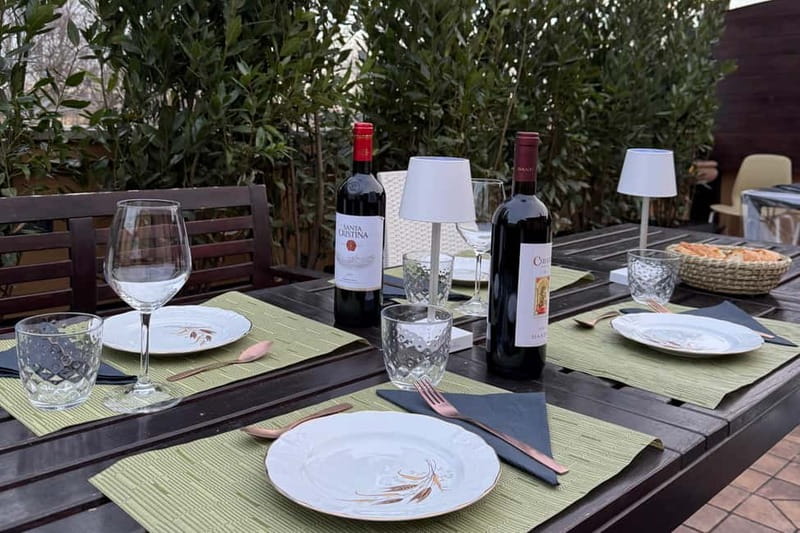
- Rooftop apartment near the Vatican: you cook and eat on an elevated, calmer setting rather than in a loud tourist room.
- Small group size (max 8): more hands-on time and more chances to ask Chef Alfons questions.
- You make two icons of Rome: fresh fettuccine with classic sauces, plus Roman-style tiramisù.
- Wine tasting during the meal: multiple pours (two whites, two reds, a rosé) with pairing as you cook and eat.
- Limoncello toast at the end: a classic digestif finish to cap the afternoon.
- Take-home recipes and a participation certificate: you don’t just eat. You get tools to recreate it.
Rome Rooftop Cooking Near the Vatican: The Setting and Vibe
Rome has a way of making you think you already know food. But then you step into a small rooftop apartment near the Vatican and suddenly it feels personal. This is a cooking class built around real work at a real workstation, not a performance you watch from afar.
The rooftop setting matters. You get a break from the busy street-level pace, and the class feels like something locals might actually do: cook, taste, adjust, and then sit down together. It’s also part of why the experience feels special for a short trip. Two and a half hours is just enough time to learn meaningful skills without exhausting your legs or your patience.
Chef Alfons shows up as the glue. From the way people describe his teaching, he’s organized, clear, and patient with all levels of cooking comfort. If you’ve never made pasta dough before, that’s not a deal-breaker. The format is step by step, with guidance while you’re working, not after you fail and feel bad.
One more practical note: this is not a “bring your big suitcase” experience. Oversize luggage, baby strollers, and large bags aren’t allowed. Come light—think small day bag—so you can move easily between prep and cooking.
You can also read our reviews of more tours and experiences in Rome.


The First Course: Bruschetta and Olive Oil Basics
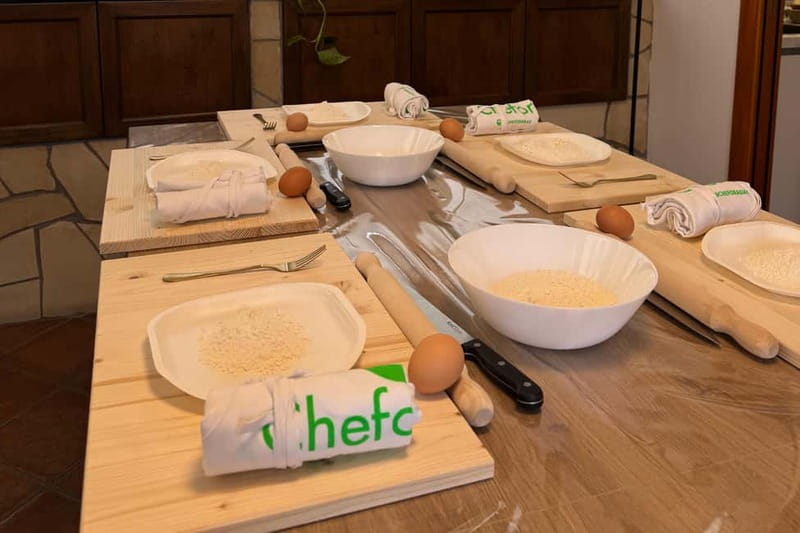
The class begins with an antipasto-style bite: bruschetta drizzled with extra virgin olive oil from a local farm. That opening sounds simple, but it sets the theme for the whole day. Italian cooking often starts with restraint. Good ingredients plus the right technique beats fancy extras.
What you’ll likely get here is more than just eating bread and oil. You’ll taste a flavor baseline before things get serious. It’s the kind of start that helps you understand why later recipes work. When you make pasta and sauce from scratch, you notice the role of olive oil and seasoning more clearly.
It also helps with pacing. You’re fresh, you’re not rushing, and you’re settling into the rhythm of the class. If you arrive hungry, this first course gives you a foothold while Chef Alfons explains what comes next.
Making Fresh Fettuccine: Where Real Skills Take Over
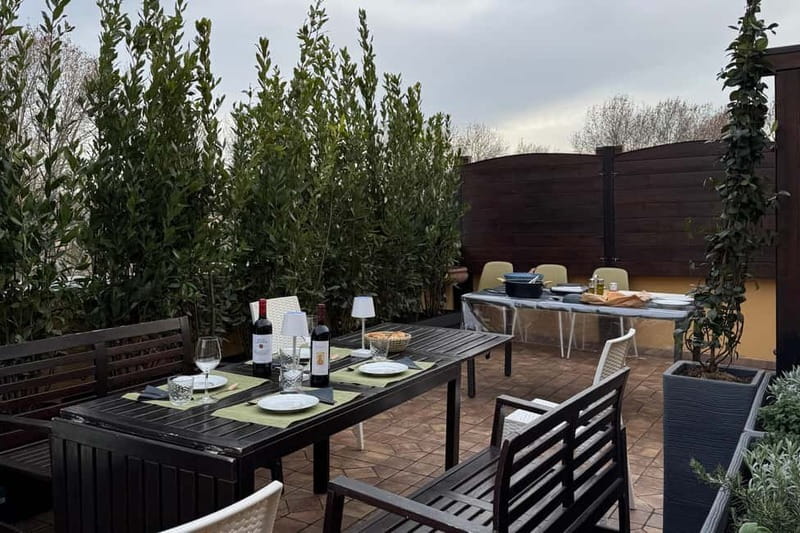
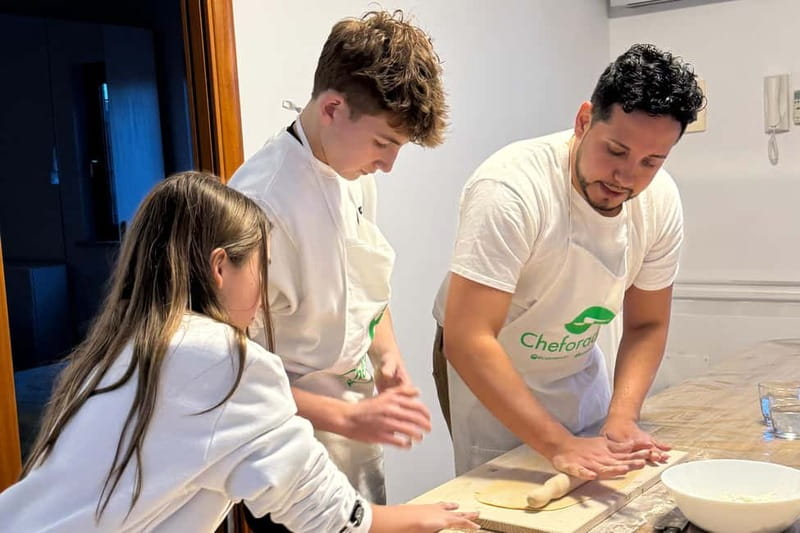
Then comes the main event: fresh fettuccine, made by you. This is not about buying pasta and dressing it up. You’ll work dough from scratch, then shape it into fettuccine and understand what the texture should feel like.
Fresh pasta has a few key moments. First, dough consistency. Second, gentle handling. Third, timing. The hands-on part is the reason this class gets such strong reactions. People leave feeling like they learned something they can repeat.
Chef Alfons is known for clear instruction and for answering questions in the moment. He also teaches with a “do this, then notice that” approach. That’s huge for beginners. Instead of memorizing steps like a robot, you learn what success looks like as you go.
Once the pasta is ready, you’ll move into classic Italian sauces. The class approach is simple: choose a sauce (you’ll have options), then learn how to pair it with the pasta you just made. This is where the experience stops being cooking theater and turns into practical restaurant-level thinking.
You’ll also taste during the process. And that’s not just for fun. Tasting helps you understand balance—salt, fat, and acidity—before you serve the final plate.
Roman Sauces and Your Pasta Plate: Choosing, Cooking, Eating
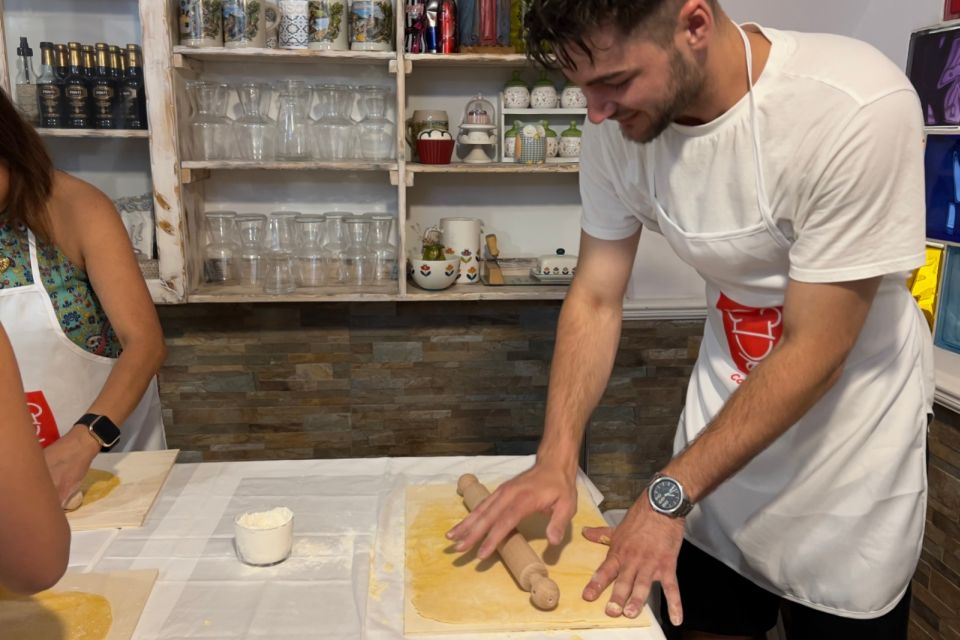
After you form the pasta, the sauce part makes the whole thing feel like Rome. The recipes are described as classic Roman-style sauces, and the class keeps the focus on technique and flavor, not complicated steps.
This is also where the class structure shines. You’re not stuck waiting while someone else does everything. You’re cooking alongside the instructor, and you’re getting support while decisions happen—like which sauce to make for your own meal.
What you’ll walk away with is a better sense of how Italian cooking works in real life. It’s not just ingredients. It’s timing, heat, and knowing when to adjust rather than guessing.
And then you eat what you made. This matters more than most people expect. There’s a big difference between learning a recipe and learning it for your own mouth. Your feedback loop is instant: taste, compare, learn.
Tiramisù From Scratch: Technique, Timing, and Texture
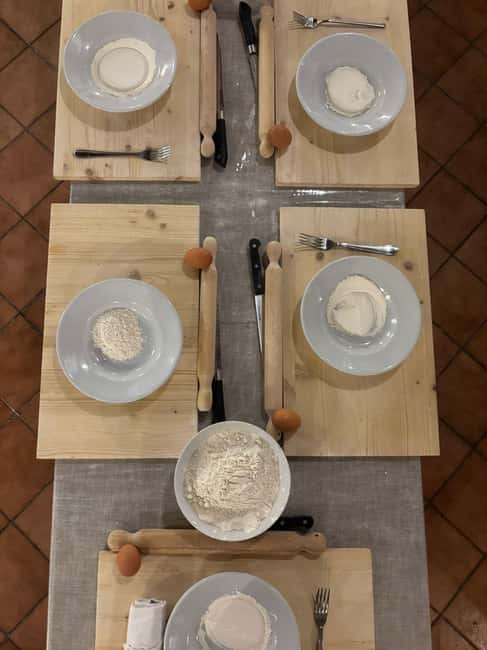
Next up: tiramisù. In many classes, tiramisù is either treated as an afterthought or assembled with shortcuts. Here, you’re taught the traditional technique for a classic Roman tiramisù—built from basic ingredients but handled correctly.
Tiramisu is all about timing and texture. If the cream sets right and the flavors rest, it turns from a dessert into a memory. That’s why the class emphasizes doing it properly rather than rushing through a tutorial.
In the cooking flow, you’ll likely prepare the tiramisù components and then follow the steps needed so it comes together as intended. People consistently praise the clarity and patience during the dessert section, especially for families and first-timers.
You also get to see how ingredients behave. Coffee balance matters. Cream texture matters. Even the way you work the components affects the final result. And because this is hands-on, you learn where the common mistakes happen—so you can avoid them at home.
Then you finally get to eat it. The best classes make the dessert feel earned, not like a random sweet at the end.


Wine Tasting and Limoncello Toast: Food Pairing Without Pretense
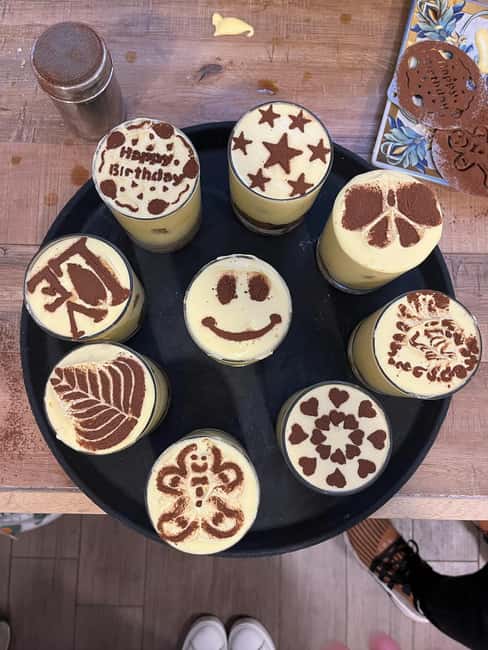
Food and wine is part of the package. During the class and meal, you’ll enjoy a selection of wines: two whites, two reds, one rosé, and a traditional Roman wine as part of the tasting experience.
This isn’t presented like a wine seminar where you have to know terms. The point is pairing and savoring. You cook, you taste, you match flavors. The wine is there to deepen the meal, not to complicate it.
After dessert, you finish with a limoncello toast. It’s a classic Italian digestif move: bright, refreshing, and a little bit celebratory. It also helps the whole experience feel complete. You leave with pasta skills in your head and a dessert-and-drinks ending that feels like a real night out—just in afternoon form.
One practical note: the class includes water throughout. If you’re sensitive to wine, pace yourself and drink water between tastings.
Small-Group Format With Chef Alfons: How the Class Stays Personal
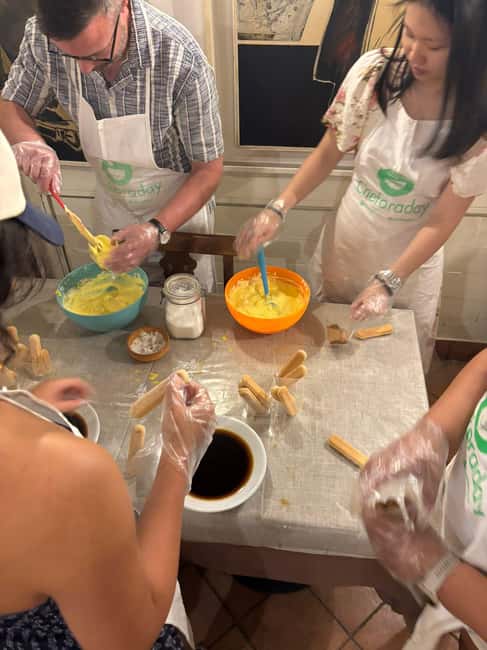
The class is limited to 8 participants, which changes everything. In larger groups, you might get instructions from across a room. Here, you get practical attention and faster help when your dough is sticking or your sauce needs adjustment.
Chef Alfons is highlighted in the experience descriptions as enthusiastic and organized. That shows up in small ways: demos that are easy to follow, clear explanations during hands-on moments, and time for questions. It also shows up in how people describe interaction with children. The chef’s style seems to work for mixed ages, as long as everyone can work at a shared workstation.
There’s also a nice extra layer: Chef Alfons often gives Rome tips. Not every class does. The ones that do tend to feel more grounded in real local living, since the instructor isn’t just teaching a recipe—he’s also sharing how to enjoy your remaining days in the city.
So if you want a class that feels like a conversation plus cooking, this one fits.
What You Actually Get for $78.73 in 2.5 Hours
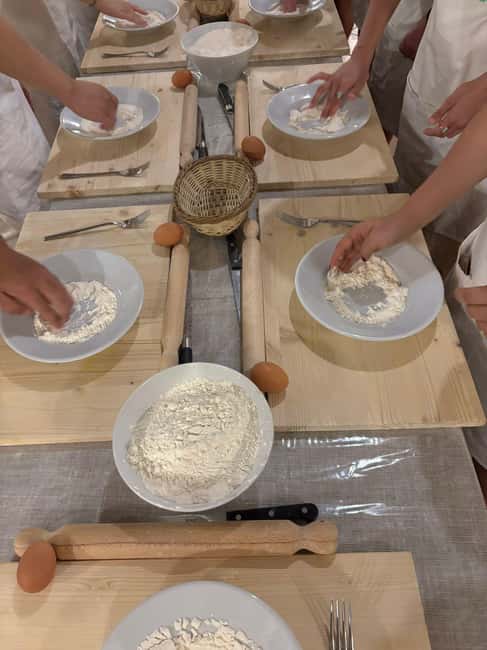
This price point isn’t low. But you’re paying for a lot that’s hard to replicate solo in Rome: the ingredients, equipment, instructor time, and the fact you eat a full meal you made yourself.
For $78.73, you get:
- A small-group cooking class (limited to 8)
- Bruschetta with olive oil from a local farm
- Fresh fettuccine with sauce
- Roman tiramisù
- Wine tasting (two whites, two reds, one rosé, plus a traditional Roman wine)
- Limoncello toast
- Water during the class
- Recipes you can use at home
- A certificate of participation
That “recipes included” part is underrated. Cooking classes often end with photos and vague memories. Here you get the blueprint to recreate the dishes.
And in a city like Rome, 2.5 hours is an efficient use of time. You’re not committing to half a day plus travel plus waiting. You’re in and out with useful skills, food you helped make, and wine that makes the meal feel special.
Logistics Near Vatican: When to Arrive and What to Bring
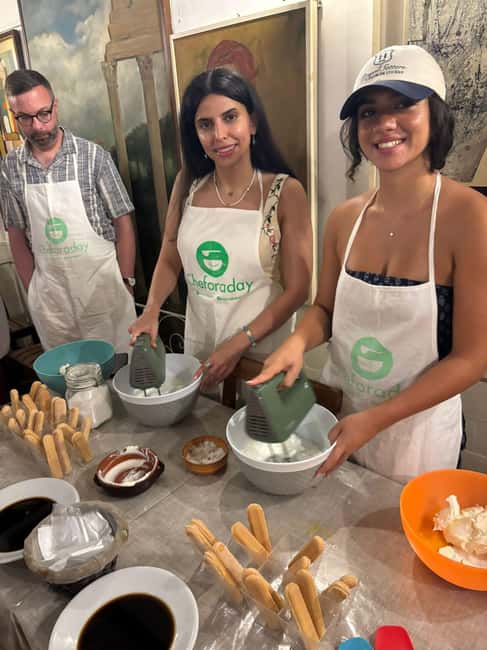
You’ll need to arrive at least 15 minutes early. If you’re late, the class may not accept you and you might need to move to a later session. That early arrival time is practical too. It gives you a moment to get oriented before the cooking starts.
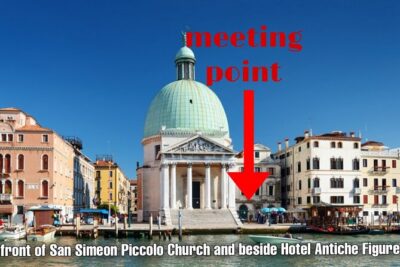
At the meeting point, you wait outside first. Staff will meet you and bring you inside. After the class, the experience ends back at the meeting point.
For packing, keep it simple. Oversize luggage and large bags aren’t allowed. If you’re touring Vatican-area streets with a lot of shopping, plan to carry less, or leave extra bags at your accommodation.
The class language is English, so you won’t be guessing what to do. That matters for hands-on cooking, where clarity beats gestures.
Who Should Book This Cooking Class (and Who Might Skip It)
This class is a strong fit if you:
- Want a hands-on food experience, not a lecture
- Like learning technique you can repeat at home
- Enjoy wine with dinner-style pacing
- Travel with kids (especially since children under 7 can join for free and share a workstation with an accompanying adult)
You might skip it if you:
- Need wheelchair accessibility, since it’s not suitable for wheelchair users
- Prefer to eat, not cook. This is not a tasting-only format
- Are traveling very carry-heavy, since big bags and strollers aren’t allowed
Should You Book This Rome Rooftop Cooking Class?
If you want one activity in Rome that pays off twice—once in the room and again at home—this is a smart choice. You cook the two big hits: fresh fettuccine and Roman tiramisù. You also get wine tasting that feels integrated, plus a limoncello finish that makes it feel like a proper meal, not a snack break.
The biggest decision is your comfort with hands-on work. If you’re willing to roll up your sleeves, you’ll leave with real technique and recipes you can actually use. For most visitors near the Vatican, this class is one of the more satisfying ways to spend a short afternoon.
FAQ
How long is the Rome rooftop cooking class?
The class lasts about 2.5 hours. Check available starting times when you book.
What do I make during the class?
You’ll make fresh fettuccine with classic Italian sauce options and prepare a traditional Roman tiramisù.
Is wine tasting included?
Yes. The experience includes a wine tasting with multiple pours, plus a limoncello toast.
How many people are in the group?
It’s a small group with a maximum of 8 participants.
Is the class taught in English?
Yes. The instructor works in English.
Are children allowed?
Children under 7 can join for free, but they must share a workstation with an accompanying adult.
What if I have dietary restrictions or allergies?
You should inform the team in advance about dietary needs or allergies so they can plan appropriately.
Where do I meet the staff?
You meet at the designated meeting point, arrive at least 15 minutes early, wait outside, and staff will escort you inside.
Is the class suitable for wheelchair users?
No. It is not suitable for wheelchair users.
What happens if weather is bad?
If the weather is bad, the class is rescheduled to the next available date. If rescheduling isn’t possible, you receive a full refund.
Is there free cancellation?
Yes. You can cancel up to 24 hours in advance for a full refund.