REVIEW · ROME
Rome: San Clemente Underground and Basilica Guided Tour
Book on GetYourGuide →Operated by EcoArt Travel · Bookable on GetYourGuide
Rome goes underground, and it keeps going. You’ll see gold mosaics in the 12th-century basilica and then walk through three underground levels that show Rome changing for over 2,000 years. The experience works because it’s guided, paced, and story-driven instead of just a walk through dark tunnels.
One thing to plan for: you’ll climb and descend lots of stairs on your own, and photography is not allowed inside.
In This Review
- Key takeaways before you go
- San Clemente Underground Tour: what makes it different from the usual Rome stops
- Where the tour starts: finding Basilica di San Clemente al Laterano fast
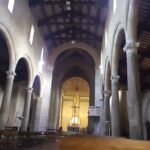
- Basilica di San Clemente al Laterano: the 12th-century church and its gold mosaics
- Photo stop time: using the short window without getting stressed
- Three underground levels: your walking timeline of Rome
- Level by level, what you’ll be looking at
- Why three levels is the right number
- The Mithraic temple and altar: one reason this tour earns repeat bookings
- How the site was discovered in 1860 (and what the flood explains)
- The role of the guide: clear stories beat facts alone
- A small group feel can help
- Price and value: is $70 for 1.5 hours worth it?
- Practical tips: stairs, dress code, and camera rules you must plan for
- Wear the right gear
- Dress code: shoulders and knees covered
- No cameras and no video inside
- Expect stamina for stairs
- Who should book this tour (and who should skip it)
- Should you book the Rome: San Clemente Underground and Basilica Guided Tour?
- FAQ
- How long is the San Clemente Underground and Basilica guided tour?
- Where do I meet for the tour?
- Is the tour offered in English?
- Can I take photos or video inside the underground areas?
- What should I wear for the tour?
- Is this tour suitable for wheelchair users or limited mobility?
- How much does it cost?
Key takeaways before you go
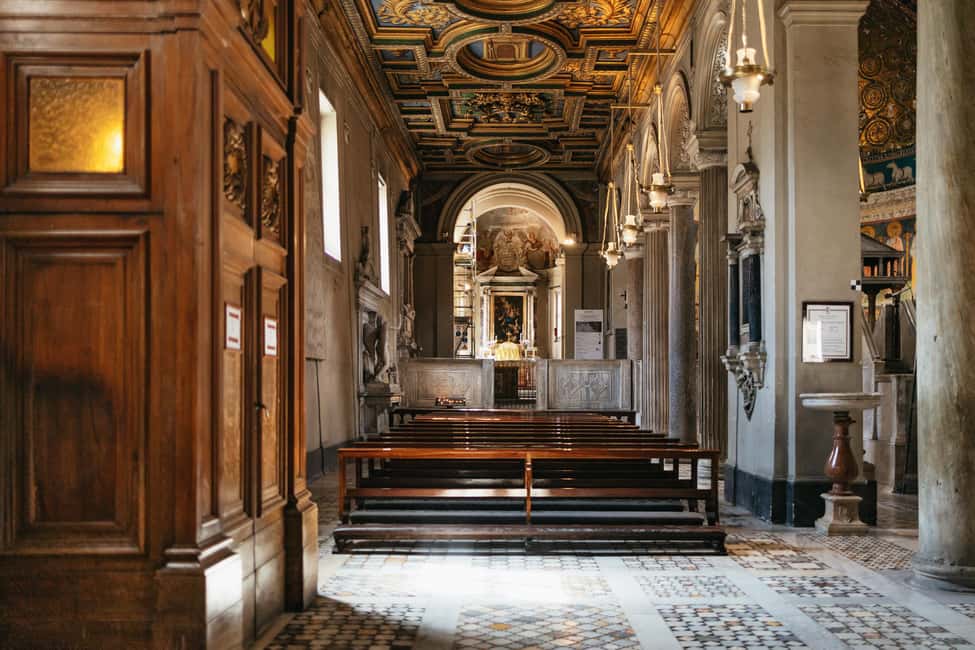
2,000 years in one building: A 12th-century basilica sits over older churches, Roman homes, and deeper religious spaces.
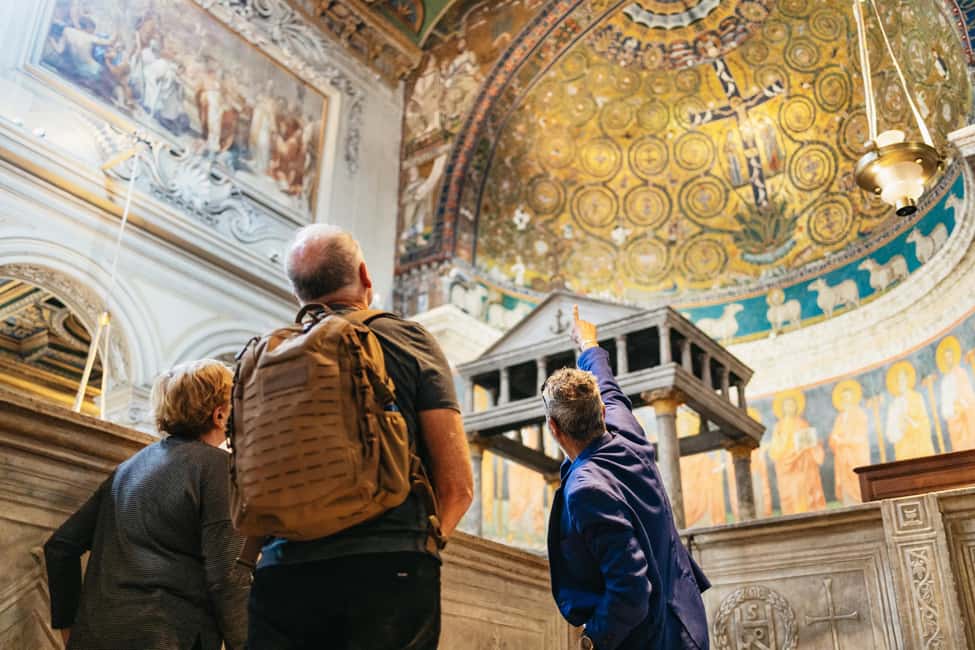
Golden mosaic wow-factor: The basilica’s interior includes dazzling gold mosaic work you’ll actually have time to look at.
Mithraic temple at the deepest level: You’ll get to see remains of an ancient Mithraic temple and its altar.
How the ruins were found: A flood and an underground spring explain why levels beneath were uncovered in 1860.
Guides make it click: People repeatedly praise guides (like Luca, Gina, and Ricardo) for clear explanations and good pacing.
San Clemente Underground Tour: what makes it different from the usual Rome stops
If you’ve done the big-name Rome circuit, this tour hits your brain in a different way. You’re not just looking at one era. You’re walking through layers of the city that were built, abandoned, repurposed, and rediscovered.
The star visual is the contrast: the bright gold mosaics up top, then the darker, cooler underground levels below. And the big payoff is having a guide connect the dots, especially when the site shifts from medieval Christian space to older pagan structures.
Also, this is a good pick if you want a calmer experience than the city’s most famous crowd magnets. The site is important, but it doesn’t feel like a stampede.
You can also read our reviews of more tours and experiences in Rome.


Where the tour starts: finding Basilica di San Clemente al Laterano fast
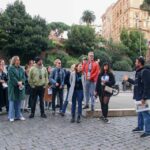
Meet near Basilica di San Clemente al Laterano at the corner by Via di S. Giovanni in Laterano, 126. It’s an outdoor meeting point, not an office, so look for the group gathering close to the church entrance area.
For getting there, the nearest metro stop is Line B: Colosseo. From there, it’s a straightforward walk through streets around the Lateran area.
This matters because you’re heading into a timed experience. Being a few minutes early helps you get your bearings and settle in before the guide starts walking.
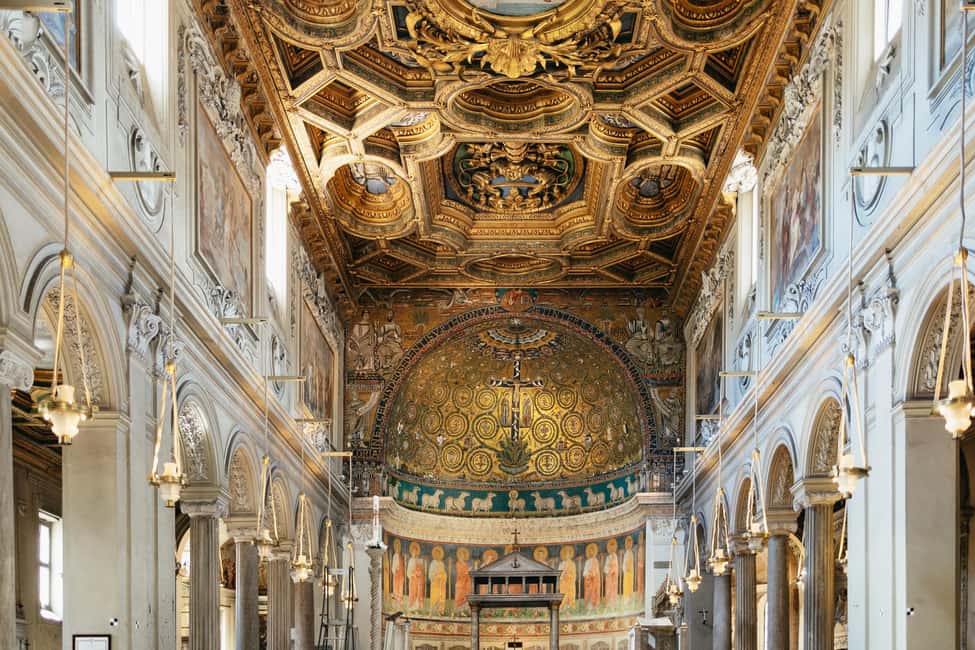
Basilica di San Clemente al Laterano: the 12th-century church and its gold mosaics
You’ll spend time at the basilica level first, around one hour of guided viewing. This is the part that makes the whole underground experience feel meaningful.
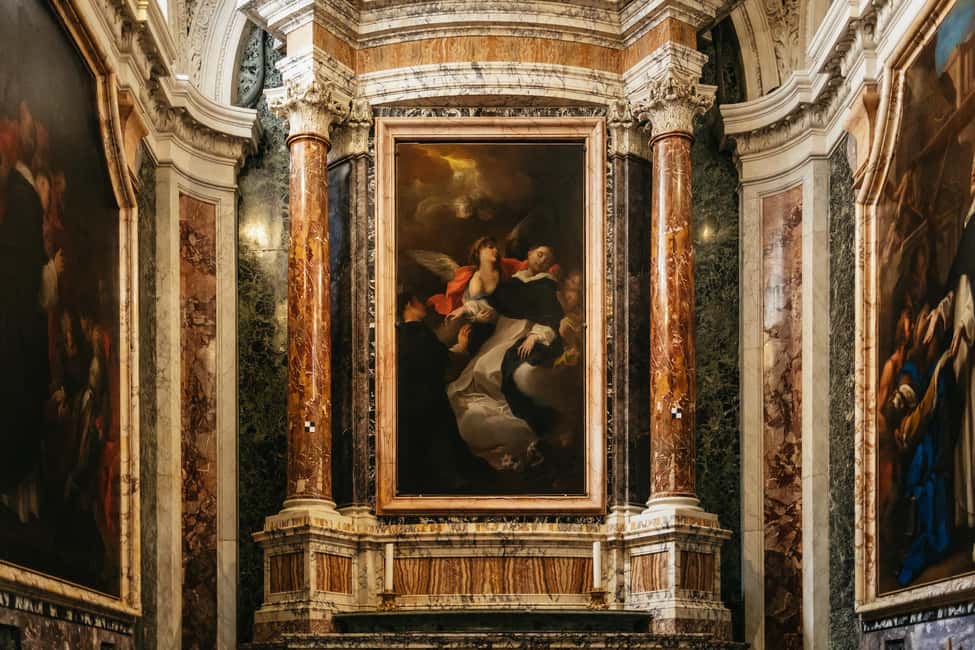
Inside, the highlight is the gold mosaic work. It’s the kind of detail that can be hard to appreciate if you rush. With a guide, you’re more likely to know what you’re looking at—how the church’s design and decoration fit into the medieval world sitting right above much older ruins.
This stop also sets your expectations. You’ll be thinking: How did this medieval church end up here? The answer becomes clearer as you go downward.
Photo stop time: using the short window without getting stressed
After the main guided visit, there’s a photo stop and additional visiting time. You’ll get a chance to take pictures in areas where photography is allowed, so plan your shots quickly but thoughtfully.
A practical tip: bring your phone with storage freed up. Inside the underground spaces, photography is banned, so treat this section as your best moment for outside-and-above photos.
Three underground levels: your walking timeline of Rome
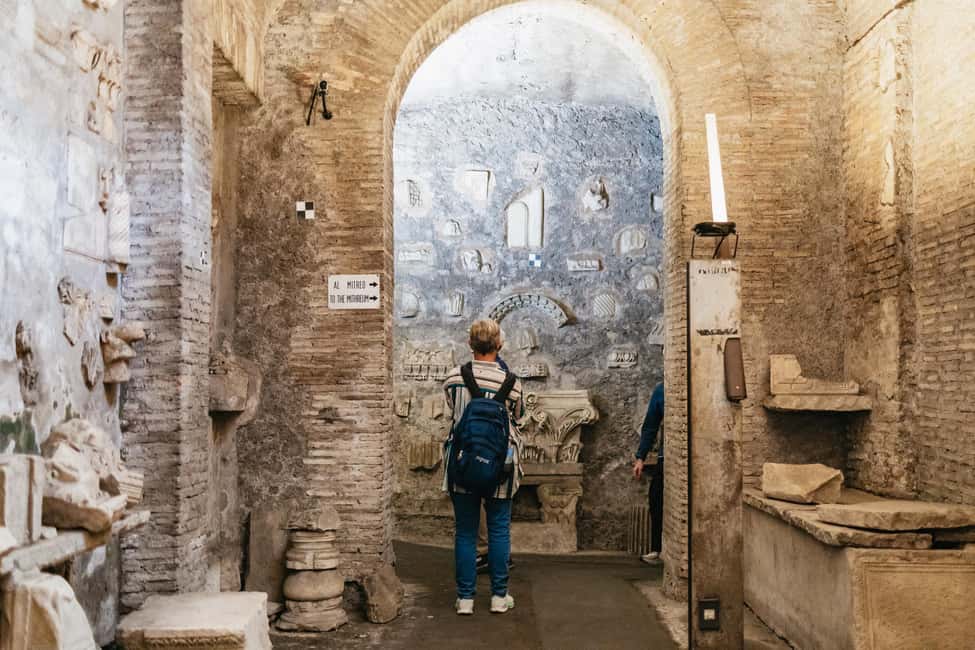
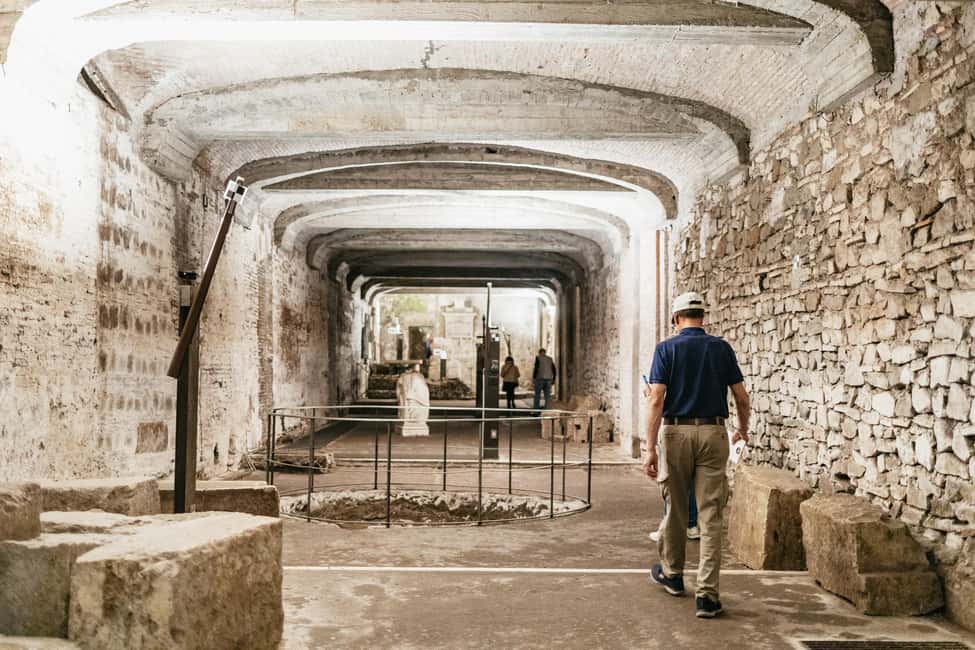
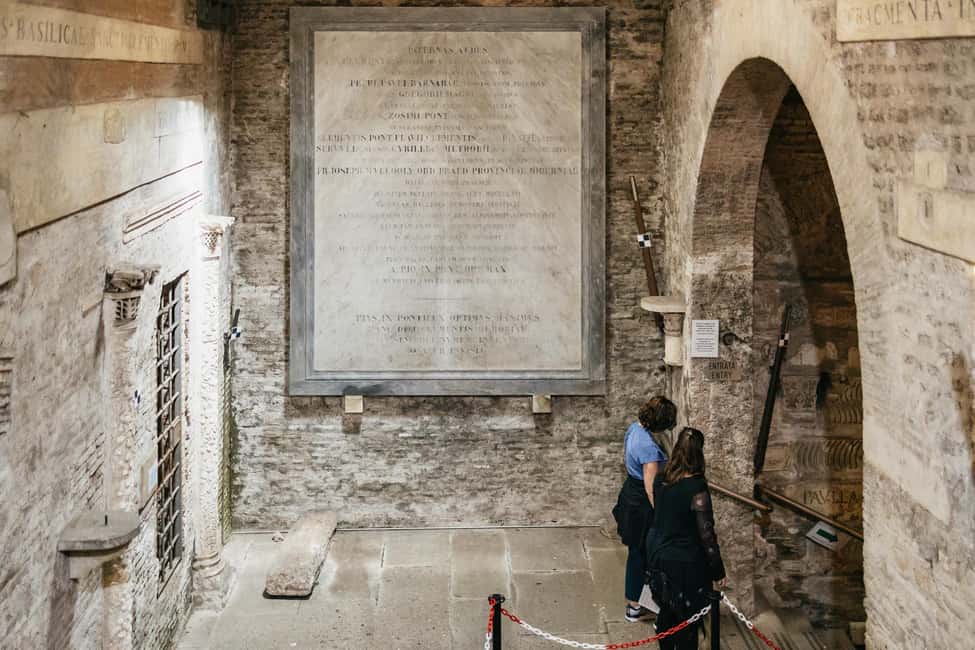
The heart of the tour is the descent through multiple underground levels, where you can physically understand Rome’s layered “build on top of what came before” pattern.



Level by level, what you’ll be looking at
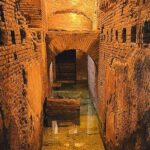
You start with the 4th-century basilica remains, which were long forgotten after the 12th-century basilica was built above. Then you go further down to see remains of an ancient Mithraic temple, including an altar. At the lowest level, you’ll encounter the underground spring area that contributed to the chaos behind the site’s discovery.
You’ll also see ancient Roman homes, with remnants that were excavated and preserved—not just rubble piles. The preservation is part of the magic here. It helps you picture ordinary life and religious life happening in the same urban footprint across centuries.
Why three levels is the right number
Some Rome “underground” experiences feel like one long corridor. Here, the changes are clear. Each level helps you switch mental gears: early Christian space, then pagan religious space, then domestic Roman life and the engineering story of water below.
That structure is exactly why the tour feels more like learning and less like wandering.
The Mithraic temple and altar: one reason this tour earns repeat bookings
At the deepest levels, you’ll see remains of a Mithraic temple, including the altar. Mithraism isn’t what most first-time visitors expect to find inside a medieval church complex, and that contrast is the point.
This is often the moment people remember most, because it makes Rome feel genuinely strange—in a good way. One building, multiple faiths and time periods, all stacked together like a timeline you can walk through.
If you like the Roman world beyond the obvious monuments, this piece delivers. It’s a reminder that Rome wasn’t monolithic. It was a place where beliefs, neighborhoods, and power structures shifted constantly.
How the site was discovered in 1860 (and what the flood explains)
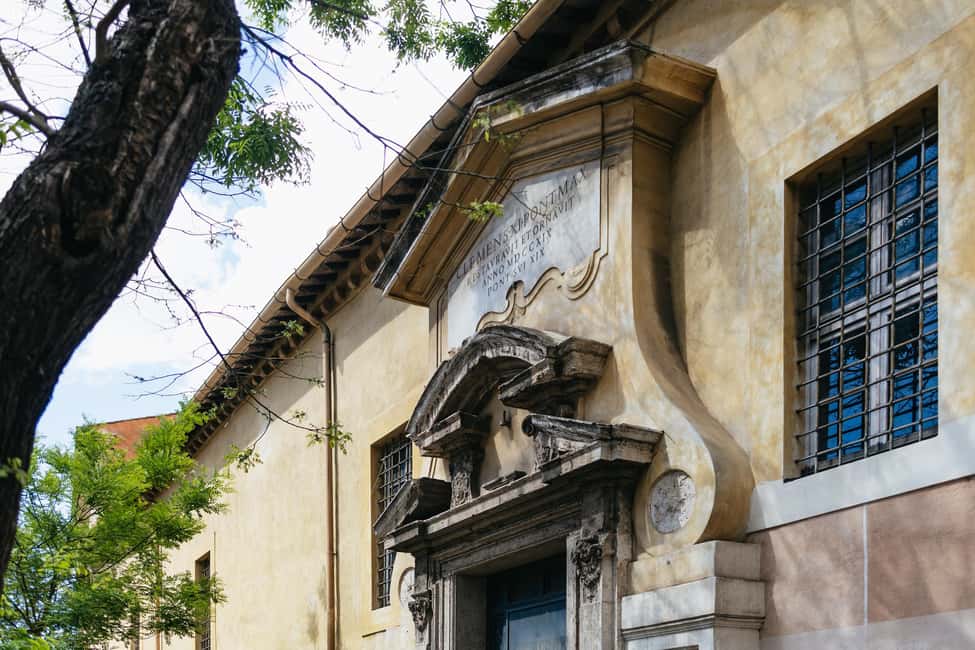
The story behind the discovery makes the underground feel less like a random archaeological basement. The ruins were uncovered in 1860, triggered by a flood.
A key figure in the discovery story is an Irish Dominican Roman Catholic priest and archaeologist. The flood led to uncovering the levels beneath, and the tour explains that the underground spring caused the disruption that made the buried spaces visible.
This part matters because it gives you a reason for the physical layering you’re seeing. Water and the city’s gradual growth weren’t just background. They shaped what got buried, forgotten, and later recovered.
The role of the guide: clear stories beat facts alone
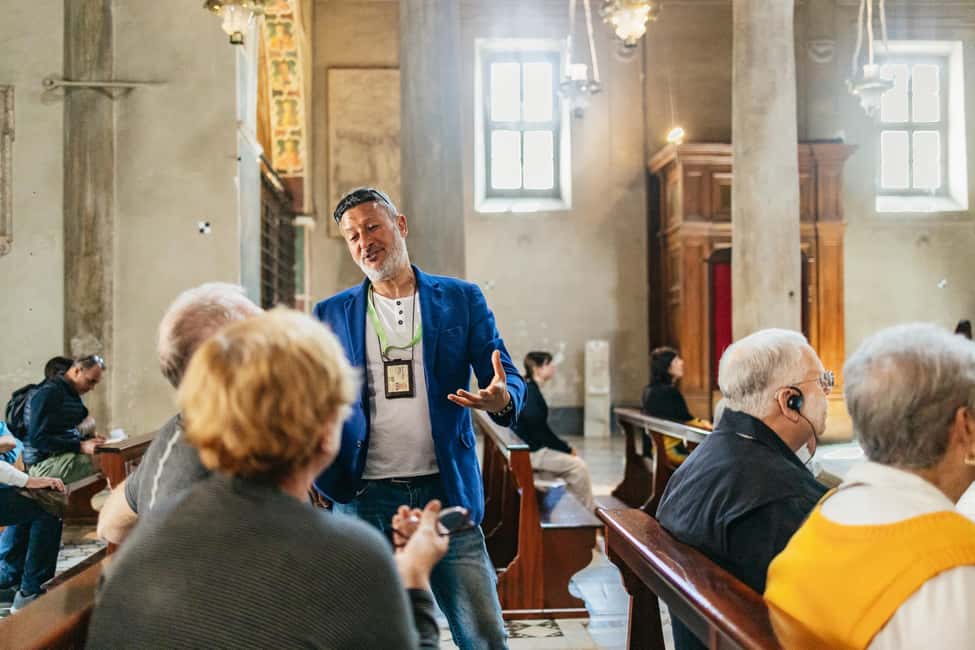
A big reason this tour rates extremely high is the guide experience. Multiple guide names show up again and again in the feedback, including Luca, Alberto, Gina, Ricardo, Eddy, Ursus, Anna, Sara, and Priscilla.
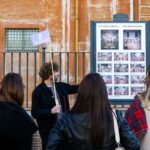
What people consistently value: explanations that are easy to follow, answers to questions, and pacing that works even when other groups are moving nearby. One practical detail you should keep in mind is sound. If a guide is operating in an area with overlapping tours, having clear audio support matters. So if you’re sensitive to hearing, arrive early and position yourself where you can hear comfortably.
A small group feel can help
The tour experience benefits from a group size that lets you ask questions. In underground spaces, you can’t speed past everything. A guide who adjusts to your pace helps you actually see what you came for.
Price and value: is $70 for 1.5 hours worth it?
At $70 per person for about 1.5 hours, this isn’t a “cheap add-on.” It’s priced like a focused guided experience with access and time constraints.
Here’s why the value still makes sense:
- You’re paying for more than entry. You’re paying for someone to interpret the layers—especially the jump from medieval mosaics down to Mithraic remains.
- You’re getting a structured route through multiple levels in a way that’s hard to replicate on your own without understanding what you’re seeing.
- The experience is time-efficient. In 90 minutes, you walk a timeline that otherwise would take multiple separate visits and a lot of self-study.
If you’re traveling fast and want one strong “history-under-your-feet” experience, this price can feel fair. If you hate stairs and guided narratives, you’ll get less out of it.
Practical tips: stairs, dress code, and camera rules you must plan for
This tour has a few rules that affect comfort and expectations.
Wear the right gear
Bring comfortable shoes with good grip. The underground surfaces and stair steps can be uneven, and you’ll want stable footing more than stylish footwear.
Since underground levels can be cooler, it’s smart to wear layers.
Dress code: shoulders and knees covered
Inside the church, there’s a dress code: shoulders and knees must be covered. That’s simple, but it can catch you off guard if you show up in summer gear.
No cameras and no video inside
You can’t take photos or record video in the interior underground spaces. This is a genuine limitation, so don’t rely on your camera to remember the details. Instead, treat the guided explanations as part of your “capture”—you’ll remember much better if you listen closely during the moments you can’t photograph.
Expect stamina for stairs
You must be able to climb and descend stairs on your own. This tour is not suitable for people with mobility impairments or wheelchair users.
If stairs are a concern, this is one of those tours where choosing not to go isn’t a defeat. It’s smart planning.
Who should book this tour (and who should skip it)
This tour is a strong fit if you:
- want Roman history you can physically walk through, not just stand and look at
- enjoy religious history changes over time (Christian and pagan connections here are real)
- like guided storytelling that connects architecture to archaeology
It may not be the right fit if you:
- can’t do stairs independently
- need to take photos inside (photography is banned in key areas)
- get frustrated when sound is muddled in crowded areas
Also, it’s a particularly good option early in a Rome trip. Understanding the idea of Rome as layered rebuilding makes later monuments easier to interpret.
Should you book the Rome: San Clemente Underground and Basilica Guided Tour?
I’d book it if you want one experience that turns Rome’s biggest “wow” into something you can walk and understand. The gold mosaics at the basilica level are great, but the deeper draw is the structured route: forgotten 4th-century space, Roman homes, the Mithraic temple and altar, and the discovery story tied to a flood and an underground spring.
If you’re comfortable with stairs and you’re okay with no photos inside, this is the kind of tour that makes Rome feel alive in a way that a typical sight-seeing checklist can’t.
FAQ
How long is the San Clemente Underground and Basilica guided tour?
The tour lasts about 1.5 hours.
Where do I meet for the tour?
Meet near San Clemente Basilica at the corner at Via di S. Giovanni in Laterano, 126. It’s an outdoor location, not an office.
Is the tour offered in English?
Yes, the live tour guide speaks English.
Can I take photos or video inside the underground areas?
No. Cameras are not allowed inside, and video recording is also not allowed.
What should I wear for the tour?
Wear comfortable shoes and dress in a way that covers your shoulders and knees inside the church. Layers help because the underground levels may be cooler.
Is this tour suitable for wheelchair users or limited mobility?
No. It is not suitable for people with mobility impairments or wheelchair users.
How much does it cost?
The price is $70 per person. Entrance fee to San Clemente Basilica and a tour guide are included.