REVIEW · ROME
Rome: Traditional Pasta Making Class with Wine & Gelato
Book on GetYourGuide →Operated by Walks of Italy · Bookable on GetYourGuide
Fresh pasta in Rome is serious fun. You’ll learn it hands-on in Trastevere while eating and drinking like a local.
I love the setup: you start with a prosecco aperitivo (cured meats and cheese) and then jump straight into rolling dough and shaping pasta. I also love how the chef teaches the “why” behind classic Roman flavors, using ingredients from the market to build sauces like amatriciana, cacio e pepe, gricia, and more.
One thing to think about: the class isn’t suitable for wheelchair users or strollers, and it can’t accommodate celiacs. If you need special dietary support, you’ll want to line it up in advance.
In This Review
- Quick hits: what makes this Rome pasta class work
- Trastevere starts with prosecco and an aperitivo
- The hands-on pasta lesson: turning dough into fettuccine
- Ravioli in Rome: shaping it right (without the stress)
- Roman sauces and market choices: your menu becomes local
- Eating what you made: wine, pasta, and gelato
- What you actually get for $66.84 (and why it’s usually good value)
- Tips that make your class smoother in real life
- Who this Rome pasta class fits best
- Should you book it? My straight answer
- FAQ
- How long is the Rome pasta making class?
- What pasta dishes will I make?
- Is prosecco, wine, and gelato included?
- Is the class private or shared?
- What language is the instruction?
- Can the class accommodate dietary needs?
- Is it suitable for wheelchair users or strollers?
Quick hits: what makes this Rome pasta class work
- Prosecco and an aperitivo kick things off before you touch flour
- Two pastas from scratch: fettuccine and ravioli
- Roman sauces chosen by the market (so you’ll taste what’s best that day)
- Wine + homemade gelato after the meal
- English instruction with a professional chef who keeps the pace moving
- Trastevere venue reserved for your group, with a clean, comfortable cooking space
Trastevere starts with prosecco and an aperitivo
Meeting in the morning would be a different vibe. Here, the timing feels like Rome does best: you show up a bit early, then settle in before the work starts. Arrive about 15 minutes early at Piazza di San Giovanni della Malva, in front of the San Giovanni della Malva church. Your host will be holding a red bag or a Devour Tours sign.
Then comes the easy part that makes the whole class feel friendly. You’ll get prosecco first, plus an aperitivo plate of cured meats and cheese. It’s not just a snack. It’s a palate cue for what’s coming next: Roman flavors love salt, cured meats, cheese, pepper, and sharp acidity.
If you book a shared option, you’ll also get quick introductions so you’re not staring at strangers while you wait for dough instructions. If you choose private, you skip the social shuffle and focus on cooking.
I like this kind of start because it lowers the pressure. Pasta-making can look intimidating on videos. With prosecco in hand and a chef guiding you, it turns into a short lesson you actually remember.
You can also read our reviews of more tours and experiences in Rome.


The hands-on pasta lesson: turning dough into fettuccine
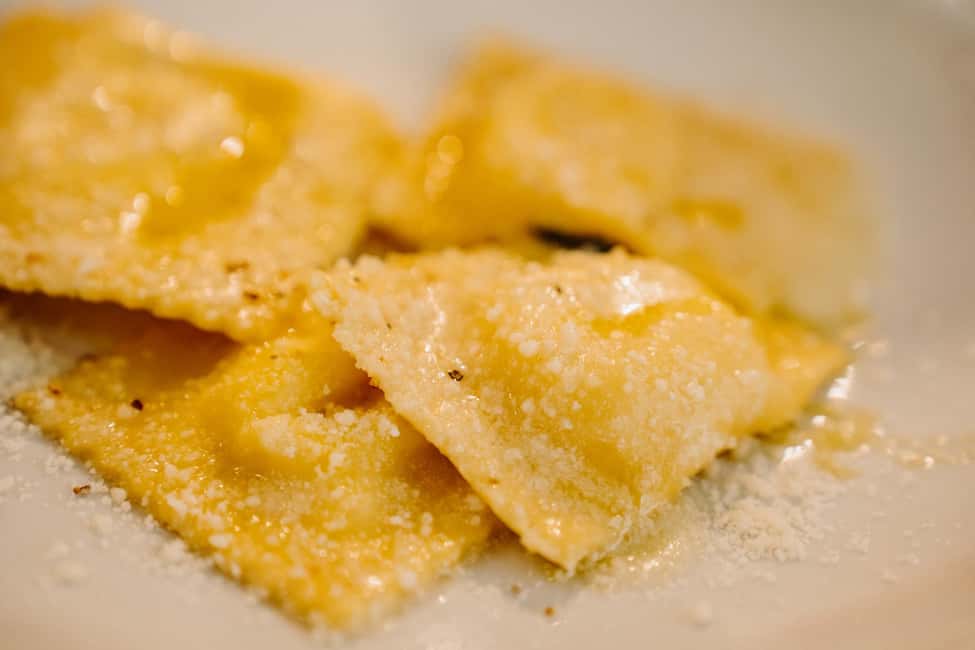
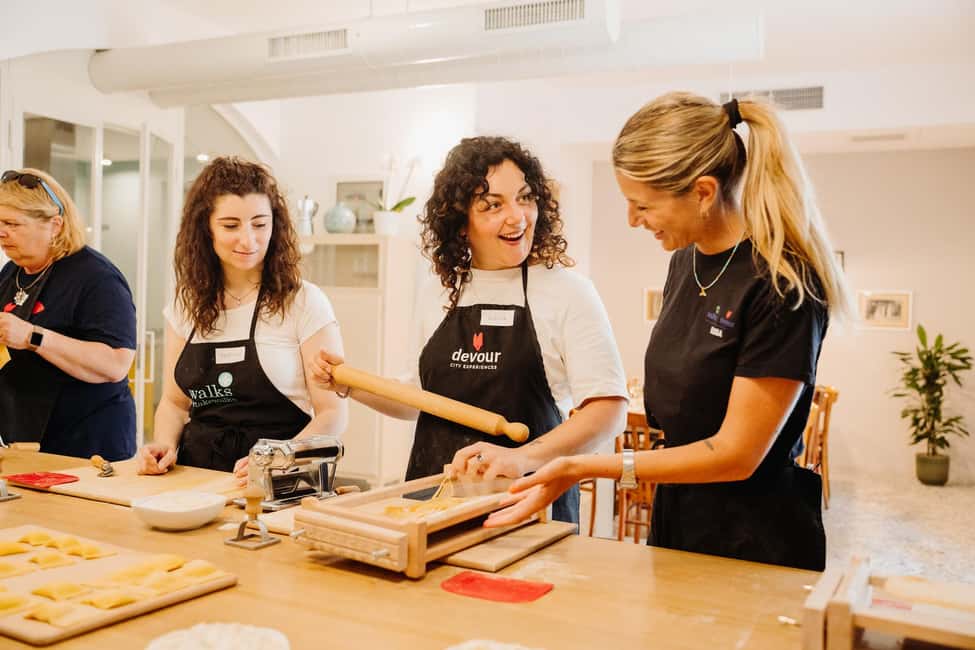
Once you’re settled, you move into the main event: making pasta from scratch. You’ll learn to make fettuccine and ravioli, both with the same core skills—mixing, kneading, rolling, and cutting or shaping.
You don’t need prior kitchen experience. The chef walks you through the steps and keeps checking that everyone’s dough and technique are on track. In classes like this, the biggest challenge for beginners is usually consistency: dough that’s too dry, too sticky, or rolled unevenly. The better hosts focus on small adjustments fast, so you feel like you’re progressing, not stuck.
One detail I really appreciate: you’re not just copying a recipe. You’re learning how pasta should feel and behave. That matters if you want to repeat it back home. You can buy pasta in any city, but you can’t fake the texture of fresh dough if you don’t know what it should be like when it’s ready.
Some of the instructors who have led classes here—like Luca and Federica, or Stefano and Gianmaria—are praised for being upbeat and clear while still answering questions beyond the exact dish. Chef Fredrica is specifically noted for explaining the reasoning behind techniques, not just reading off steps. That style helps if you’re the type who likes to understand what you’re doing.
Ravioli in Rome: shaping it right (without the stress)
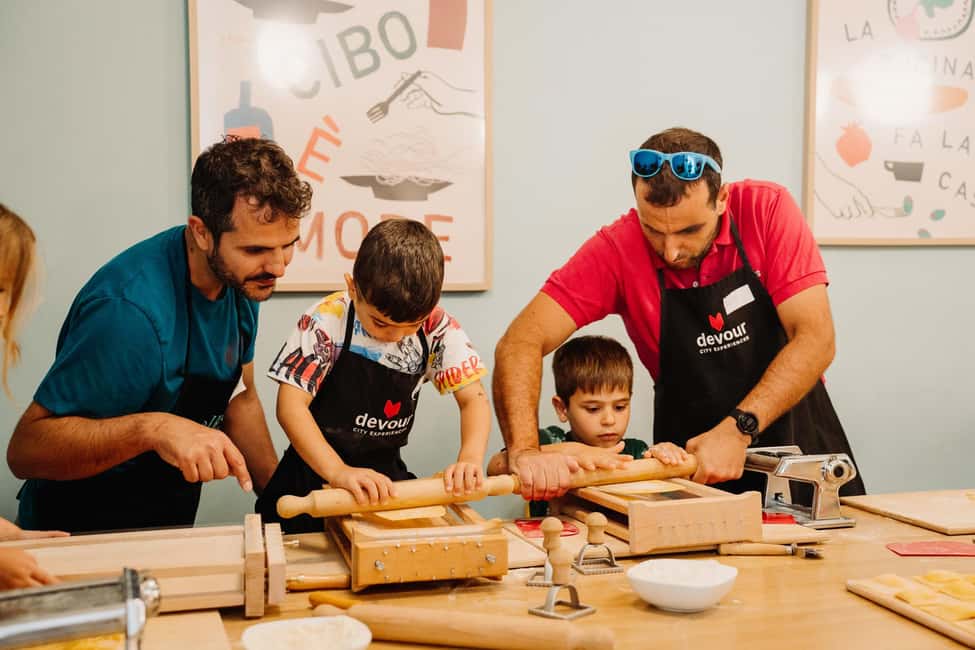
After you’ve got a handle on the dough, you shift to ravioli. Ravioli sounds fancy, but the skill is straightforward: you portion, fill, and seal so the pasta stays intact when it cooks.
In a class like this, the goal isn’t to produce museum-perfect ravioli. It’s to learn a method you can repeat. Good ravioli come from two things:
1) controlled filling so it doesn’t burst or spill
2) sealing pressure that holds through boiling
The chefs here tend to keep pace steady, which helps. One review notes that the activity felt quick, even for kids around 9 and 11. Another mentions how hosts kept instruction clear so first-timers felt comfortable. That’s a sign the class is built for real people with real attention spans.
Also, the venue is described as clean and spacious. You’re not squeezed shoulder-to-shoulder at a cramped counter. That matters when you’re kneading and rolling dough. More space means fewer accidents and less frustration.
Roman sauces and market choices: your menu becomes local
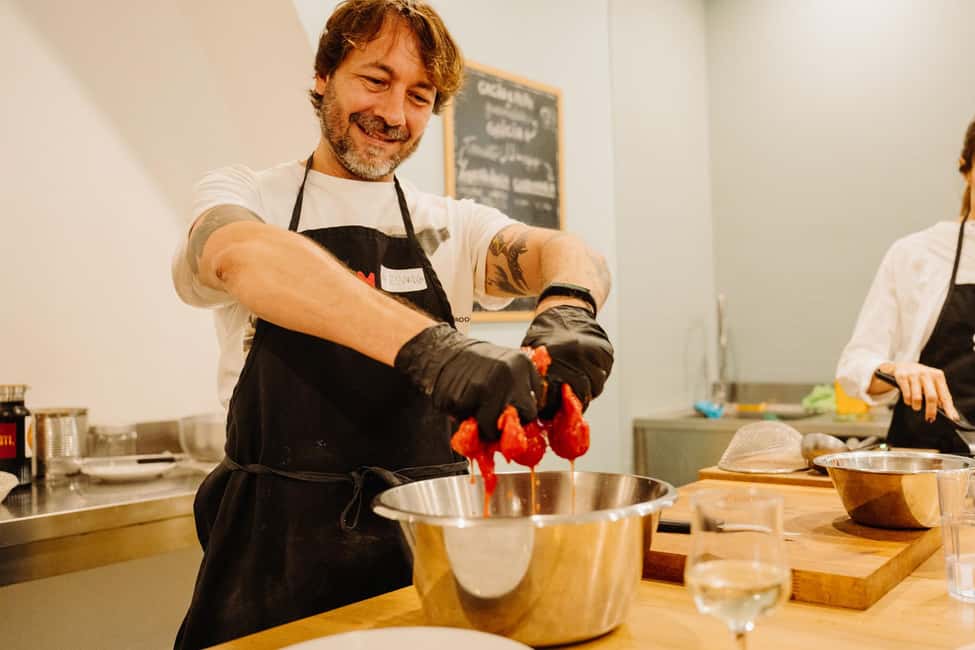
Here’s a smart touch: the sauce you make is tied to what’s available at the local markets. That means your class might include traditional Roman favorites, such as:
- amatriciana
- puttanesca
- gricia
- cacio e pepe
These sauces share something important: they’re not built on heavy cream or long lists of ingredients. They’re built on technique and timing. If you’ve ever wondered why restaurant pasta tastes better, it’s often because they’ve mastered those two things: control the sauce so it clings, and cook it so flavors stay sharp, not dull.
This is also where the chef’s culture talk becomes useful. Some instructors are noted for breaking down Roman cuisine and the thinking behind each sauce. When you understand what ingredient is doing the work—cheese for saltiness and texture, cured meat for depth, pepper for heat—you stop treating the recipe like a mystery.
There’s a trade-off, though. Because sauces can change based on seasonal ingredients, you might not get your exact first choice every time. If you’re a die-hard fan of one sauce, consider it a chance to expand your Roman repertoire rather than a guarantee.
Eating what you made: wine, pasta, and gelato
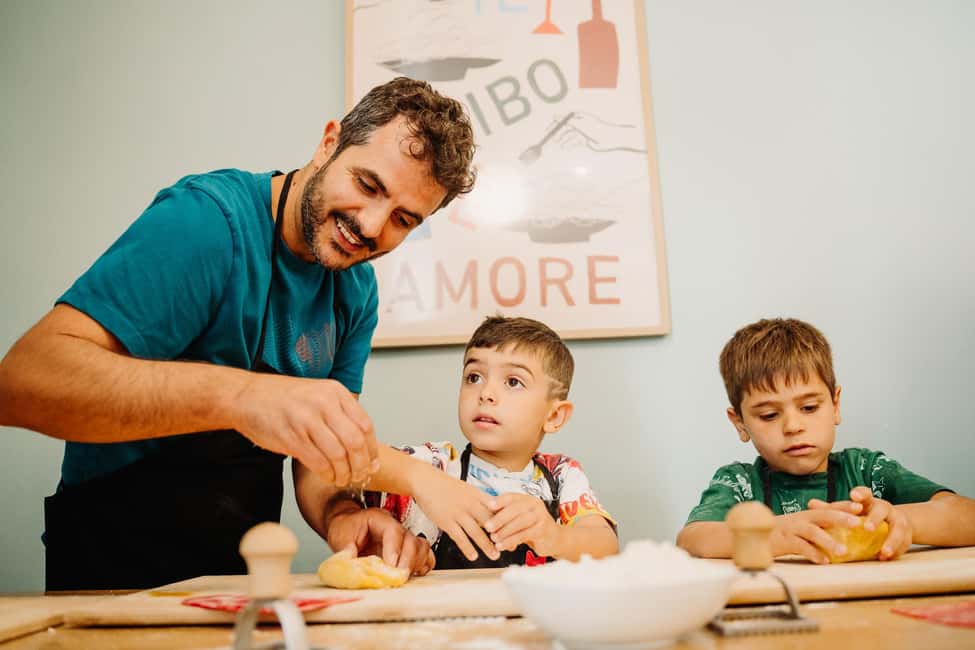
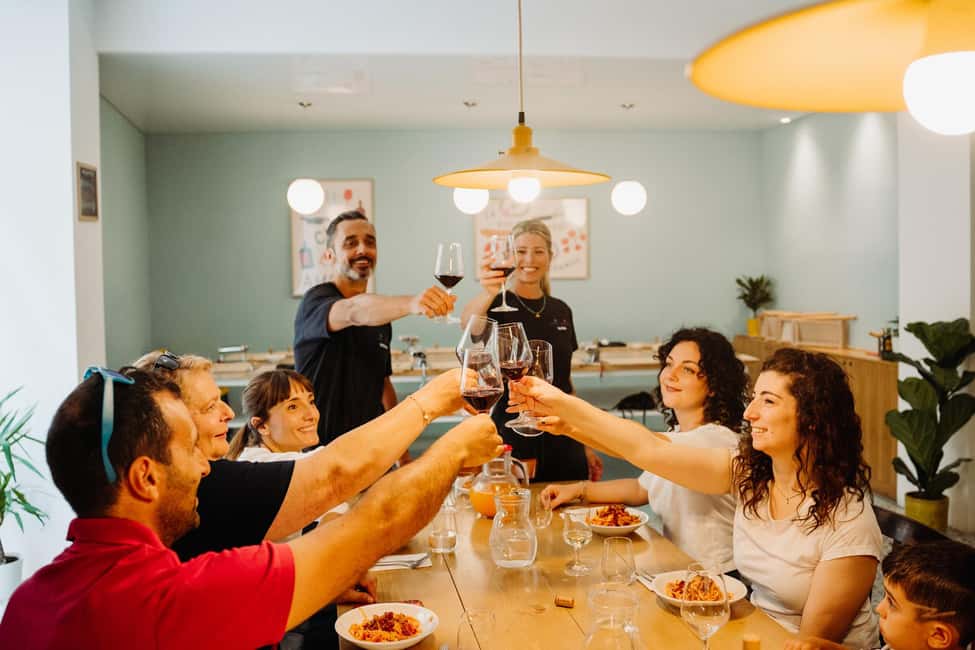
Now comes the payoff. You sit down and eat the pasta you made, along with wine and gelato. That sequence is ideal because you taste your work while the process is still fresh in your brain.
Wine is included, and prosecco kicks off the class—so you’ll want to plan on a relaxed, social pace after cooking. It’s not a “grab a bite then rush out” tour. It’s closer to a meal with a lesson baked in.
And yes, the gelato is homemade by the chef. Finishing with dessert after a savory, hands-on meal makes the whole experience feel complete. It’s also a practical memory trick: you’ll remember the flavors of your sauce while you’re tasting the sweetness that comes after.
One small drawback that pops up in feedback: expectations. A few people thought their ravioli would include a specific filling based on assumptions, and one person found theirs less flavorful. That’s usually a mismatch between what you assume you’ll get and what the kitchen actually prepares for that specific class. If you have a strong preference, ask questions during the class so there are no surprises.



What you actually get for $66.84 (and why it’s usually good value)
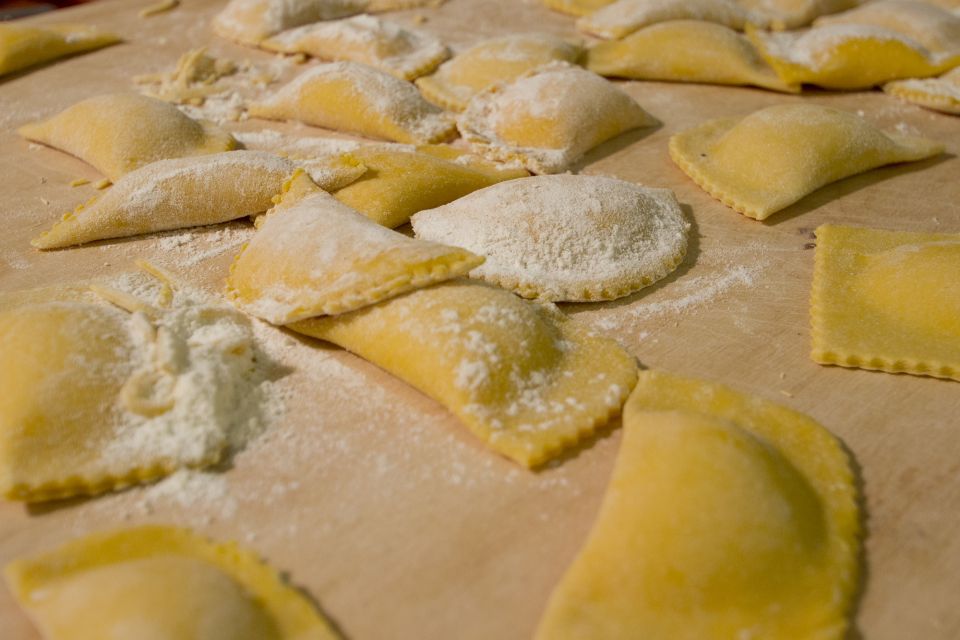
At $66.84 per person, you’re paying for more than a plate of pasta. You’re paying for:
- a professional chef
- ingredients
- two homemade pastas and their sauces
- aperitivo (cured meats and cheese)
- prosecco and wine
- homemade gelato
- a private or shared class setup, depending on your choice
If you tried to recreate this at home from scratch, you’d be buying ingredients, tools, and time. And if you only went to a restaurant, you’d get good pasta, sure—but you wouldn’t leave with the skill to make fettuccine and ravioli that taste like Rome.
So the price feels reasonable when you treat it like a cooking workshop meal, not a ticket to eat. The best value comes when you’re genuinely interested in learning. If you’re purely hungry and not into cooking, it may feel pricier than a standard dinner. But if you want one memorable “I can do this” experience, it lands well.
Tips that make your class smoother in real life
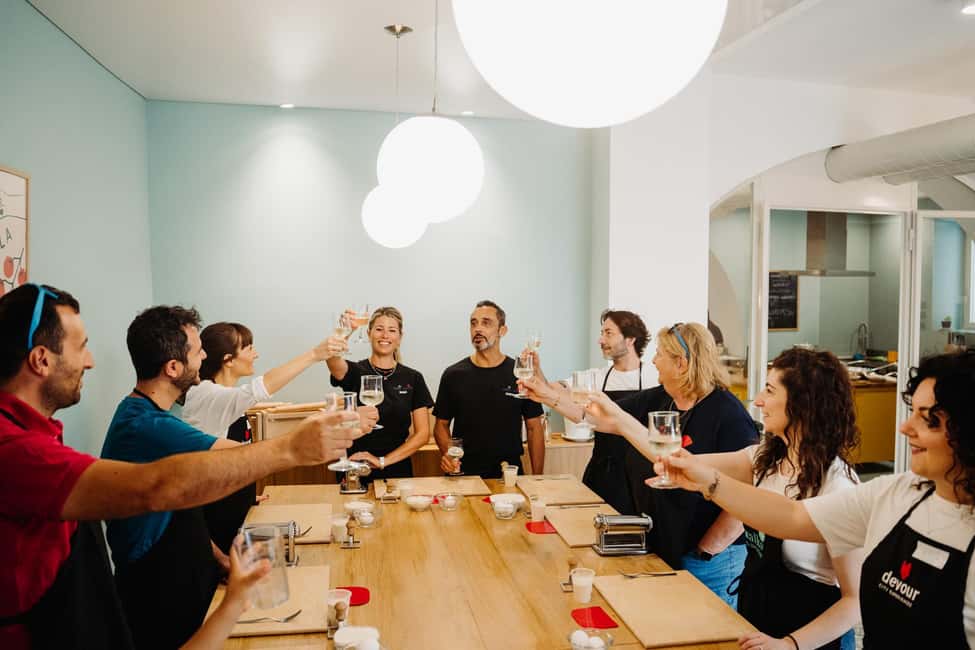
A few things can help you get the most out of a 3-hour format like this.
- Show up on time (seriously). Arrive 15 minutes early so you start relaxed, not sprinting to the kitchen.
- Be ready to get hands-on. Some of the fun comes from the mess and the learning curve. If you’re anxious about doing it wrong, focus on following the chef’s feedback.
- Ask about sauce technique, not just pasta shape. Several guides are praised for going beyond the recipe, and that’s where your home-cooking payoff lives.
- Plan for the pace. The class runs about three hours total, so everything stays moving. That’s part of why it works for families and solo travelers alike.
- Take mental notes while you taste. You’re building a flavor map in your head: salt level, pepper heat, cheese texture, sauce thickness.
If you’re the type who loves practical add-ons, some hosts also provide Rome restaurant recommendations by area and tips for finding good gelato. You won’t need those to enjoy the meal, but they’re a nice bonus.
Who this Rome pasta class fits best
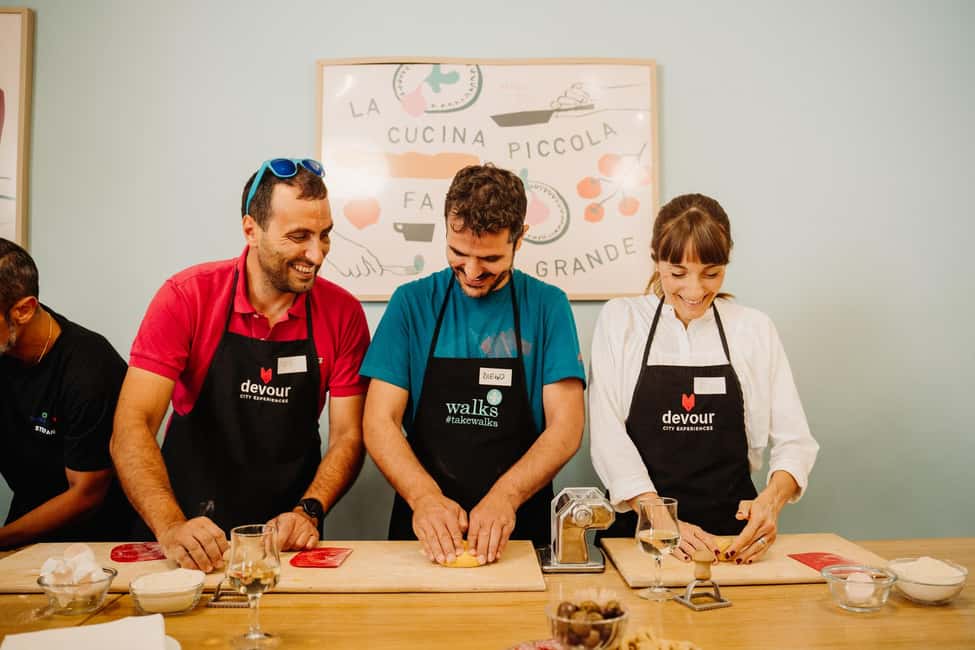
This experience works for a lot of people because it’s social without being exhausting.
It’s a great fit if you:
- want hands-on cooking in Trastevere, not just a food tasting
- have at least a mild interest in Roman sauces and ingredient choices
- travel with kids who can handle guided activity for a few hours
- want something you can repeat at home
It also works for solo travelers. Several people note they felt comfortable cooking in the group, especially with energetic, patient chefs.
If you’re traveling with mobility limitations, the answer is harder: the class is not suitable for guests with mobility impairments, wheelchair users, or strollers. If that applies to you, look for a different Rome food experience with more accessibility support.
Should you book it? My straight answer
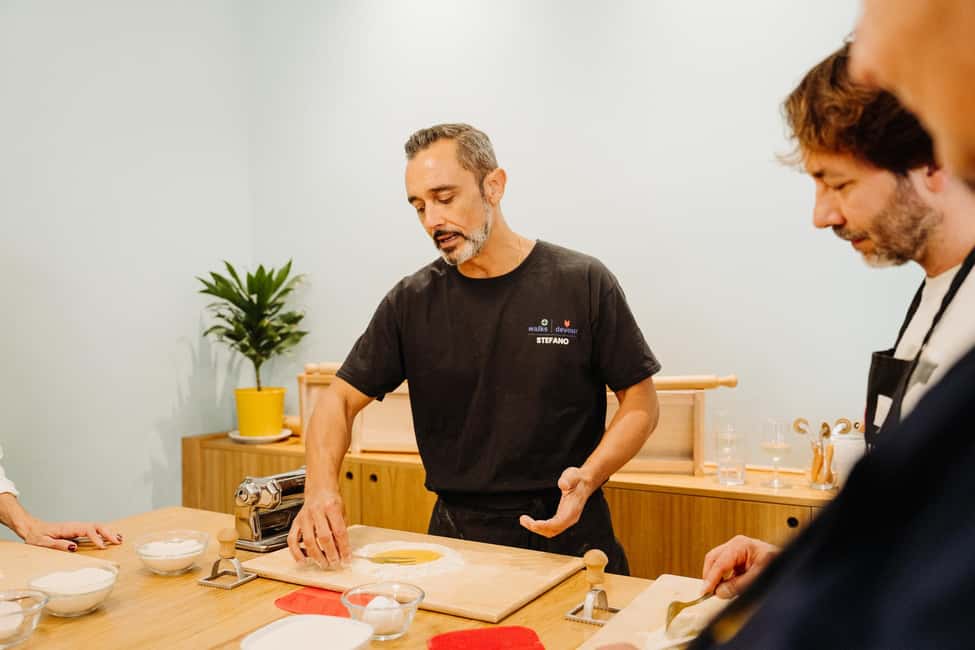
Yes, I’d book it if you want one of the most practical food memories you can take home. You’ll eat a full homemade meal, learn to make fettuccine and ravioli, and taste classic Roman sauces that are chosen to match what’s fresh at the market.
Skip it only if one of these is true:
- You don’t want to cook at all and just want passive sightseeing.
- You need a celiac-safe menu (this class isn’t able to accommodate it).
- Mobility needs or stroller access are part of your plans.
If you’re in the sweet spot, this is the kind of Rome activity that turns into a story for years. And you’ll have actual technique, not just a photo of pasta.
FAQ
How long is the Rome pasta making class?
The class lasts 3 hours.
What pasta dishes will I make?
You’ll make two fresh pasta dishes: fettuccine and ravioli.
Is prosecco, wine, and gelato included?
Yes. You’ll have prosecco and wine during the experience, and homemade gelato is included at the end.
Is the class private or shared?
Both options are available. You can choose a private cooking class or a shared/small group class depending on availability.
What language is the instruction?
The class is taught in English.
Can the class accommodate dietary needs?
The experience is adaptable to dietary needs with the exception of celiacs. If you have restrictions, you need to contact in advance so they can arrange your food.
Is it suitable for wheelchair users or strollers?
No. It is not suitable for guests with mobility impairments, wheelchair users, or strollers.