REVIEW · ROME
Rome: Traditional Pizza and Gelato Making Class
Book on GetYourGuide →Operated by Walks Inside Rome · Bookable on GetYourGuide
Pizza dough. Gelato. In the same class.
I like how hands-on it is: you knead and shape pizza dough with an English-speaking Italian chef, then you learn gelato technique too. The other thing I really like is the payoff: once your work is done, you sit down to eat your pizza and gelato with drinks, no cleanup stress. One drawback to keep in mind: it’s not for people with mobility impairments or wheelchair users, since the class involves standing and active prep.
Roman pizza has a different personality than Neapolitan.
In this class you learn why: a smaller crust, a crunchy Roman-style finish, and two topping directions to guide your choices—Bianca (no sauce) or Rosso (tomato sauce). You’ll also meet the kind of instructors who make families grin, from chefs like Fabio, Marco, David, Julio, Alessandro, Francesca, and Max—each described as funny, patient, and step-by-step. Still, this is a 3-hour session, so if you want lots of lounging time, plan for a busy hands-on format instead.
In This Review
- Key reasons this Rome pizza and gelato class is worth your time
- Getting set up at Corso del Rinascimento 65 (and finding the door)
- The welcome: prosecco, snacks, and your first taste of Rome
- Kneading Roman pizza dough like an Italian chef
- Shape, top, and choose Bianca or Rosso
- Gelato-making secrets: how to get it right in your home freezer
- Pro tip: eat your pizza and gelato there, not later
- What you’ll take home: recipes by QR code
- Family-friendly energy with real chef teaching
- Price and value: what $117.82 actually buys you
- Who this class suits best (and who should consider something else)
- Small logistics that make your experience smoother
- Should you book the Rome pizza and gelato class?
Key reasons this Rome pizza and gelato class is worth your time
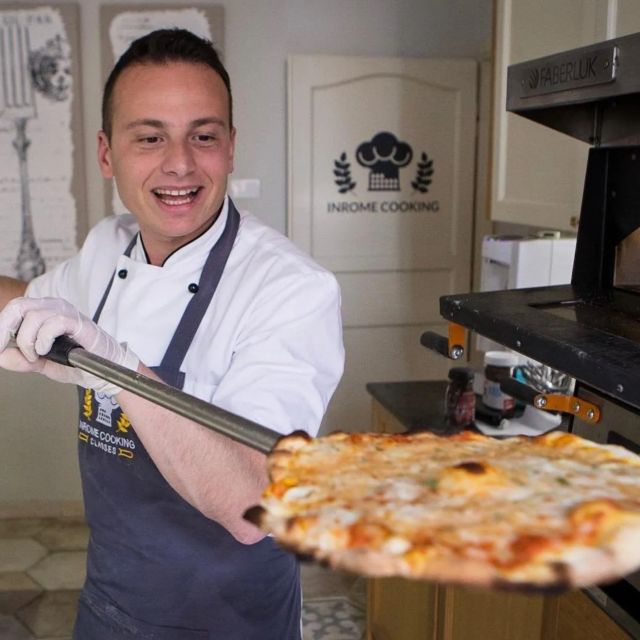
- Roman pizza focus: smaller-crust style, designed for crunch and taught with kneading technique
- Two skills in one: pizza-making and gelato-making in a single 3-hour session
- Chef-led, English-friendly teaching: you get step-by-step guidance and can ask questions
- Bianca vs Rosso choices: you build your own pizza style with or without tomato sauce
- Prosecco and snacks on arrival: a friendly start, not just a lecture
- Recipes via QR code: you can take the methods home, not only the meal
Getting set up at Corso del Rinascimento 65 (and finding the door)
This class starts at Corso del Rinascimento 65. You ring the doorbell for InRome Cooking. Plan to arrive a few minutes early, because the street numbering can feel a little confusing at first. If you do, you’ll have time to settle in before the class gets moving.
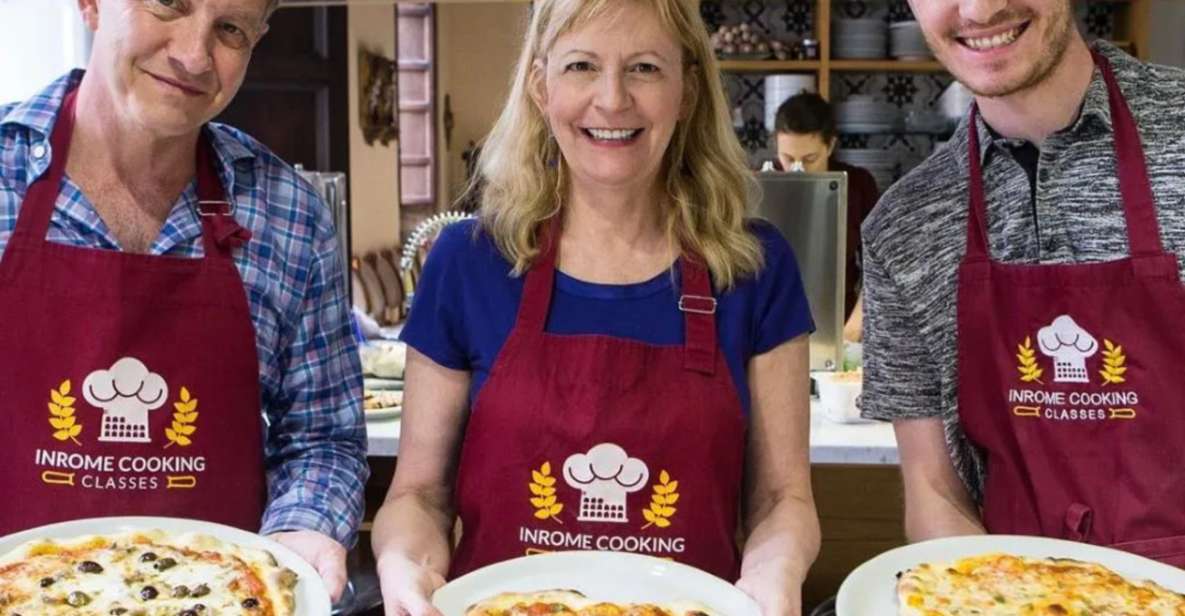
What matters here is the vibe: you’re not walking into a big, impersonal room. You’re joining a small group cooking session with a chef who explains what you’re doing and why. One review even described a group size of around ten people, which helps you feel seen instead of rushed.
Also bring your passport or ID card (a copy is accepted). It’s a small requirement, but it can save you from last-minute stress.
You can also read our reviews of more tours and experiences in Rome.


The welcome: prosecco, snacks, and your first taste of Rome
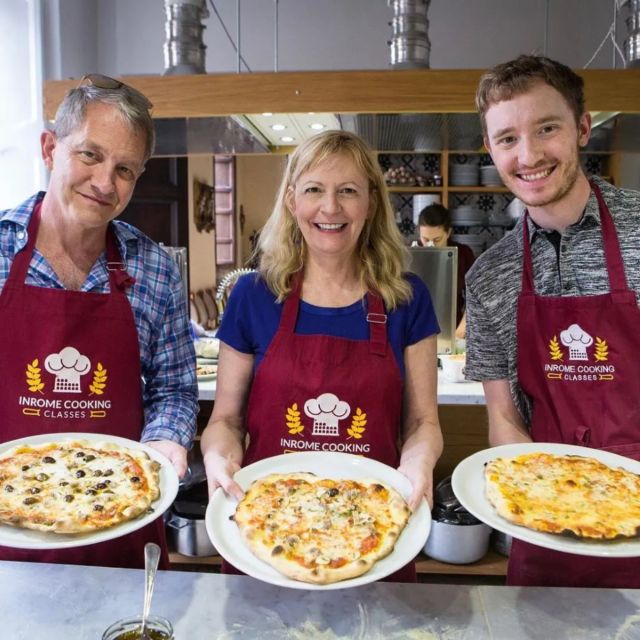
Before the kneading really starts, there’s a prosecco and snacks reception. It’s not just a perk. It sets the tone for a class that’s meant to be fun and social, even though you’re learning real technique.
A few people noted champagne at the start, and that lines up with the idea of an opening reception plus drinks with the meal later. Either way, you’ll likely start the evening already in a good mood. And since the class ends back at the meeting point, you don’t have to juggle transport right after you’ve eaten.
Practical note: if you want to use the QR recipes at the end, have your phone charged. The class provides recipes through QR code, not printed handouts.
Kneading Roman pizza dough like an Italian chef
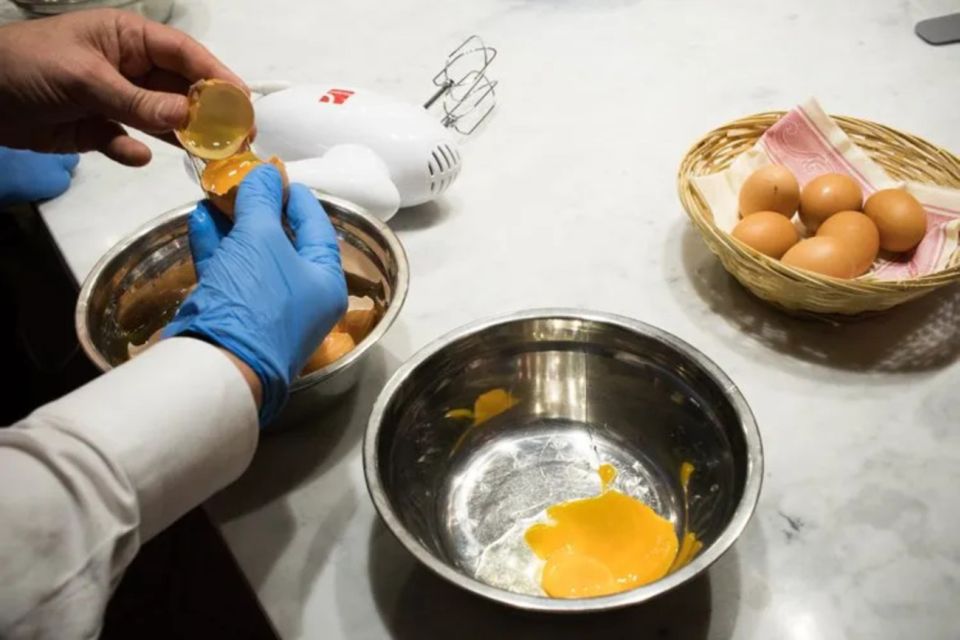
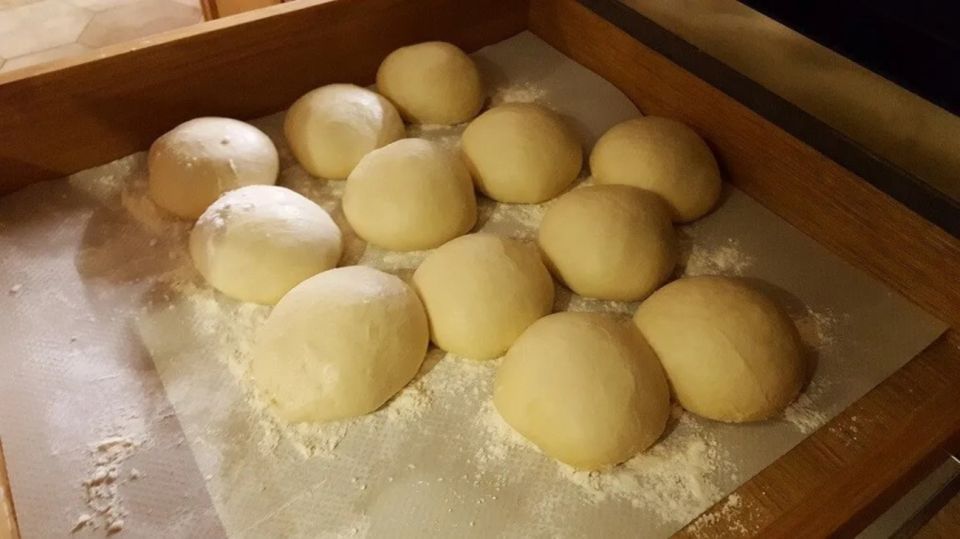
This is the core skill. You’ll learn how to knead pizza dough together with the chef, and you’ll get the “why” behind the technique. You’re working with something that Italians have been doing for generations, but the chef’s job is to translate it into steps you can actually follow in a bowl at home later.
Roman pizza is part of the lesson. You’ll hear that it’s different from Naples, and the class leans into Roman style: smaller crust and crunchy results. You’ll also learn how dough preparation takes time. The dough needs to rest and be ready before you shape and top it.
What I like about this approach is that it teaches you beyond toppings. If you’ve ever made pizza at home and wondered why it never gets that right texture, a good kneading and resting routine is usually the missing piece.
Shape, top, and choose Bianca or Rosso
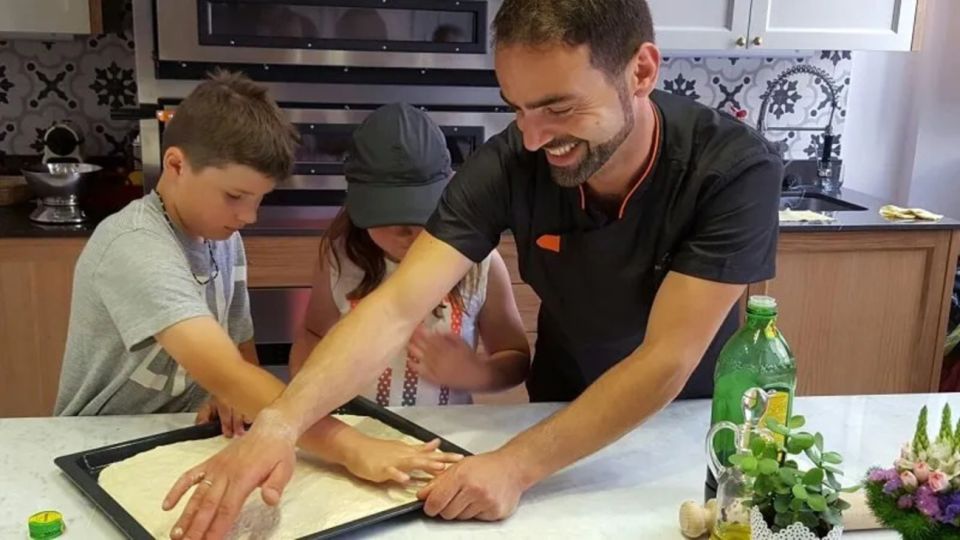
Once the dough is ready, you shift from hands-on dough work to pizza-building.
You’ll roll out your dough and then pick toppings from fresh options. Some of the favorites mentioned include prosciutto and black olives. You also get to choose your pizza direction:
- Bianca: a simpler style without tomato sauce
- Rosso: a richer pizza with tomato sauce
This isn’t just about flavor. It’s a quick way to learn style. You see how sauce choices change the character of the finished pizza. And since you’re building your own, you’re more likely to remember the “rules” the chef explains.
If you’re cooking with kids, this is where the energy usually spikes. Many families mentioned that the chef was patient and engaging, and that even kids who didn’t think they could cook ended up loving it.
Gelato-making secrets: how to get it right in your home freezer
Then comes the dessert side, and yes, it’s taught as technique—not as a shortcut.
You’ll learn how to make gelato, and the class stresses the idea that gelato shops in Rome are famous for a reason. The important practical takeaway is that gelato is treated differently from ice cream. The class explicitly reminds you not to mix them up, since they’re not the same thing.
That matters because gelato vs ice cream isn’t just branding. The texture and method differ, and using the right approach helps you get that smooth, creamy result instead of a frozen block.
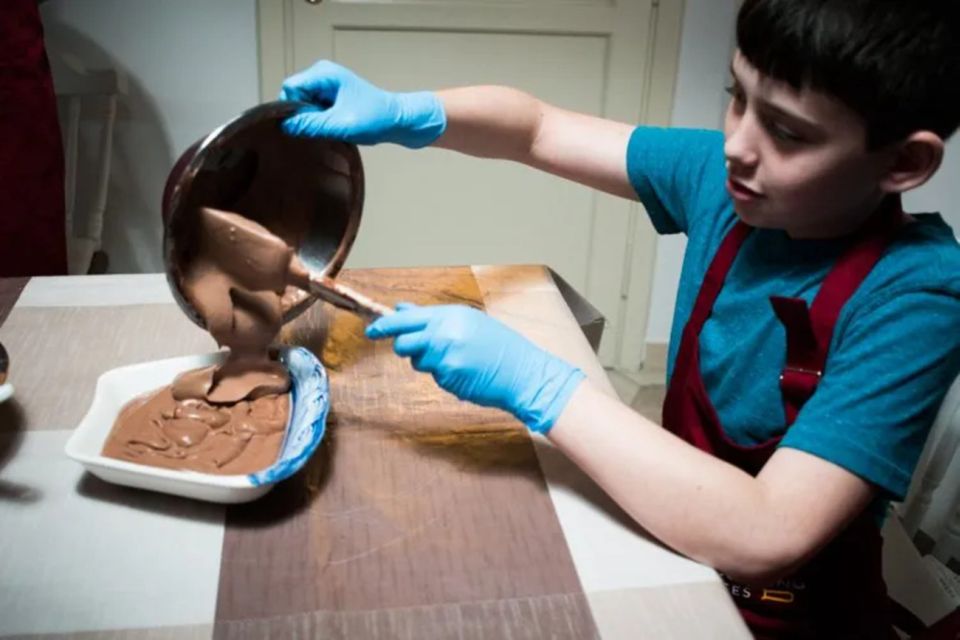
You’ll work through the process as the chef explains it, then you’ll get to enjoy what you made. One reason this class feels like good value is that you’re not only learning; you’re also eating your results while everything is at its best.


Pro tip: eat your pizza and gelato there, not later
The class includes a homemade meal with drinks after cooking. You sit down and enjoy your pizza and gelato, rather than rushing home and eating something lukewarm.
A few people specifically called out that it was great not having to clean up afterward. That’s more than convenience. When you don’t do the cleanup, the whole experience feels lighter, and you can focus on enjoying the food and learning without the end-of-night mess.
Also, this is a good time to ask questions while the chef is still around. If you want to know what you should tweak for your own kitchen, this is when it’s easiest to get a clear answer.
What you’ll take home: recipes by QR code
You get recipes provided via QR code. That’s the catch and the payoff.
The payoff: you can take the instructions with you. One detailed note mentioned a digital recipe book with 75 recipes, which suggests the QR content isn’t just a tiny cheat sheet.
The catch: it’s not printed, so you’ll want a phone you can use at the end. If you’re the kind of person who likes paper, you might miss printed recipes, since one person said they wished they had that option.
Still, QR recipes make sense for modern travel. Save them, screenshot what you need, and you’ll be able to recreate your pizza and gelato back home.
Family-friendly energy with real chef teaching
One of the most consistent themes is how many families had a great time. People mentioned taking the class with children around 6 to teenage years, and chefs repeatedly described as humorous, friendly, and patient.
This is where I think the “value” really shows. A pizza class can be fun, but a great class also teaches you fundamentals in a way that doesn’t leave you overwhelmed. Many people highlighted that chefs took care not to take over the process. They demonstrated step by step, then let you do the work.
If you’re traveling with kids, that balance is huge: they get to participate, and you still feel like you learned something useful.
Price and value: what $117.82 actually buys you
At $117.82 per person for a 3-hour class, the price isn’t low. But the value is more than just the food.
You’re paying for:
- An English-speaking Italian chef
- All ingredients and equipment
- A reception with prosecco and snacks
- A homemade meal with drinks after cooking
- Recipes via QR code so you can repeat the methods at home
And most importantly, you’re getting technique teaching. Making pizza isn’t hard, but getting the texture and result right is hard without guidance. This class targets kneading, dough readiness, shaping, and gelato technique—areas where a short cooking demo doesn’t help much.
If you compare it to paying for pizza and gelato separately around central Rome, you’re also getting a structured learning experience plus drinks and recipes. For many people, that’s the difference between a meal and a memory.
Who this class suits best (and who should consider something else)
This works best if you:
- Want a hands-on food experience rather than a tasting tour only
- Like cooking enough to want methods you can repeat later
- Are traveling as a couple or family and want a shared activity
- Prefer a class with an English-speaking teacher and plenty of instruction
It may be less ideal if you:
- Need a wheelchair-friendly format (it’s not suitable for wheelchair users)
- Want a totally passive activity with no standing or mixing involved
- Prefer long sightseeing breaks during your booked time
Small logistics that make your experience smoother
A few practical notes that help you enjoy the class more:
- Bring your ID or passport
- Arrive early enough to find the meeting point without rushing
- Have your phone handy for QR recipes
- Wear comfortable clothes for dough work and kitchen prep
One more little detail: if you’re very focused on making gelato yourself, keep in mind that at least one person noted there was one mixing bowl for two people. It didn’t ruin the experience for them, but it’s worth knowing so your expectations match what’s practical in a shared class kitchen.
Should you book the Rome pizza and gelato class?
If you want an experience where you learn real technique, eat what you make, and leave with recipes you can actually use again, this is a strong yes.
Book it if you’re excited by traditional Roman pizza (including the Bianca vs Rosso style choice) and you’re also serious about gelato technique. The best part for many people is that it’s not just talk. You knead, shape, top, and churn—and then you enjoy it right away, with drinks and no cleanup.
Skip it only if mobility issues limit standing and active prep, or if you’d rather spend your time doing sightseeing instead of cooking.
If you’re trying to pick one food class in Rome, this is a smart bet: two iconic Italian skills in one afternoon, taught in a friendly way by chefs like Fabio, Marco, David, Julio, Alessandro, Francesca, and Max.