REVIEW · VERONA
The Highlights of Verona Small Group Walking Tour
Book on GetYourGuide →Operated by Ways Tours | B Corp certified · Bookable on GetYourGuide
Verona clicks into place on foot. On this small-group walk, I love how the pink-marble Arena frames 2,000 years of Roman power, and I love the fun stop at Juliet’s Balcony, where you can pin a note. One caveat: you see the big sights mostly from the outside, so if you want ticketed interiors, you’ll need a separate plan.
You’ll move at an easy pace for 2 hours, with photo stops and guided walking between Verona’s central squares. I also like that the tour runs with a live licensed guide in English or Italian, so the story stays clear even when the streets get crowded.
At $41 per person, this is strong value for a tight hit of top landmarks. Guides ranging from Maria and Giuliana to Franc and Francesco are repeatedly praised for mixing facts with an engaging, relaxed style, which matters when you’re trying to absorb Verona without turning it into a homework assignment.
In This Review
- Key things you’ll love about this Verona walking tour
- How the 2-hour loop covers Verona’s most famous sights fast
- Starting points and how to arrive without stress
- Castelvecchio Bridge and Arco dei Gavi: the walk gets its “Verona map” here
- Piazza delle Erbe and Piazza dei Signori: where the city’s public life meets opera
- Juliet’s Balcony and Casa di Giulietta: what you should expect in that tiny alley
- Piazza Bra and the Arena approach: the city’s scale hits you here
- Verona Arena: pink marble, Roman engineering, and why it still thrives
- Price and value: is $41 worth your time in Verona?
- What the group experience feels like in practice
- Who this tour is best for (and who might skip it)
- Should you book this Verona small-group walking tour?
- FAQ
- How long is the Verona small-group walking tour?
- What is the price per person?
- Where does the tour start?
- Is hotel pickup included?
- Does the tour include visits inside the landmarks?
- What languages is the live guide available in?
- Is the tour suitable for children?
- Is the tour affected by bad weather?
- Experience provider
Key things you’ll love about this Verona walking tour
- UNESCO-listed highlights, connected on foot: Verona’s historic core, linked in a logical route you can repeat later.
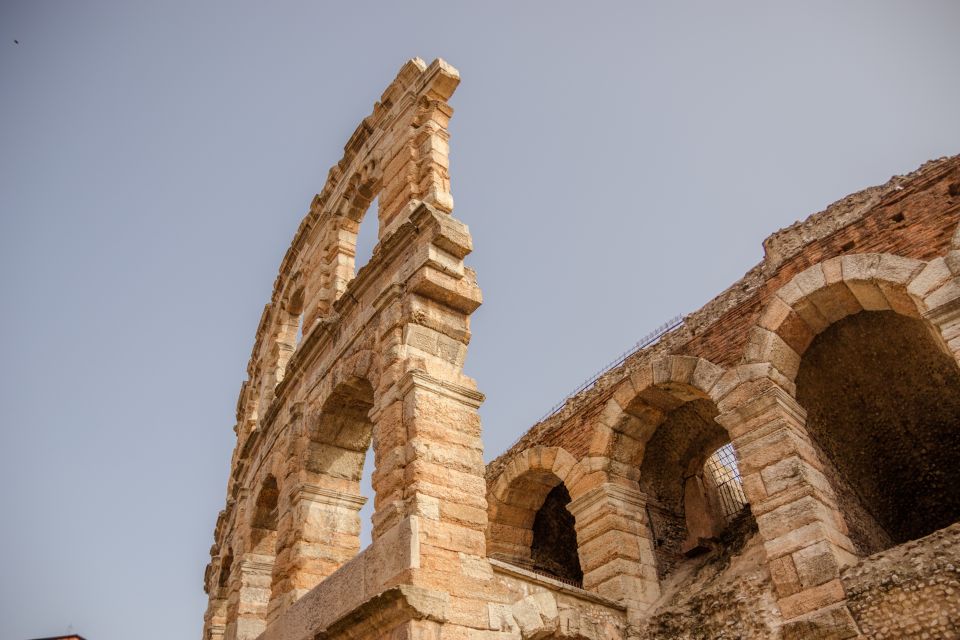
- Verona Arena as the centerpiece: You get the Roman context and why it still matters today.
- Juliet’s Balcony experience built into the walk: You don’t just pass by; you get a specific moment there.
- Opera-festival background, tied to real locations: The guide connects the squares to what happens in Verona during summer.
- Short, timed stops that keep energy up: Photo moments plus brief guided segments instead of one long lecture.
- Small-group feel is realistic: With a minimum of 2 participants, you’re rarely stuck in a giant crowd.
How the 2-hour loop covers Verona’s most famous sights fast
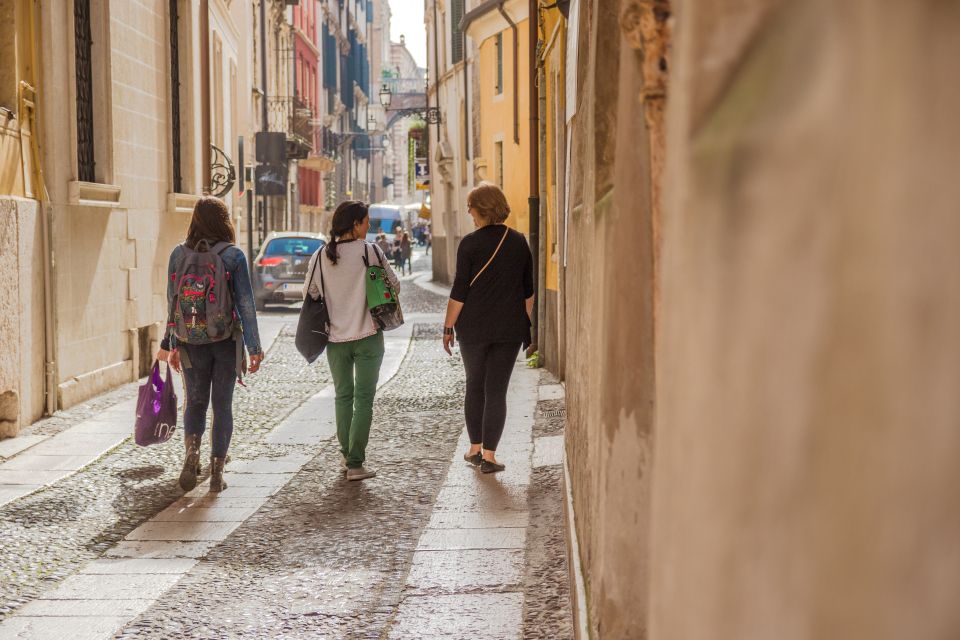
Verona is one of those cities where you can waste time just trying to figure out where things are. This tour is built to prevent that. In about 2 hours, you get a compact route that brings you through the historic center’s most recognizable landmarks, with a guide who helps you read what you’re looking at.
I like the rhythm: you stop, you look, you listen, you take a few photos, then you walk again. That matters in Verona because the city has a mix of eras right next to each other—Roman remains, medieval streets, and the squares where modern life still happens. When it’s laid out for you like this, it clicks.
The tour also sets expectations correctly: you’ll see monuments from the outside. That’s not a problem if your goal is orientation and big-picture understanding. It can be a drawback if you’re chasing ticketed access or want to go inside specific buildings. Still, for getting your bearings fast and understanding why Verona feels like a stage set for drama, it’s ideal.
You can also read our reviews of more tours and experiences in Verona.

Starting points and how to arrive without stress
You’ll start at one of two options: Teatro Ristori or Arena di Verona. The choice can affect your exact first minutes, but the main story arc stays the same: the walk threads through the old center and finishes around the Arena area.
What I’d plan: don’t count on hotel pickup. There’s no hotel pickup or drop-off, so you’re responsible for getting yourself to the meeting point. In practice, that’s usually easier than it sounds in Verona’s center, but you do want to allow a little extra time to find the correct spot.
Also, the meeting point may vary depending on the option booked, so read your confirmation carefully. If you’re doing this at the start of a Verona visit, this is the kind of tour where showing up on time pays off—you’re on foot for the whole experience, with timed stops that keep the flow moving.
Castelvecchio Bridge and Arco dei Gavi: the walk gets its “Verona map” here
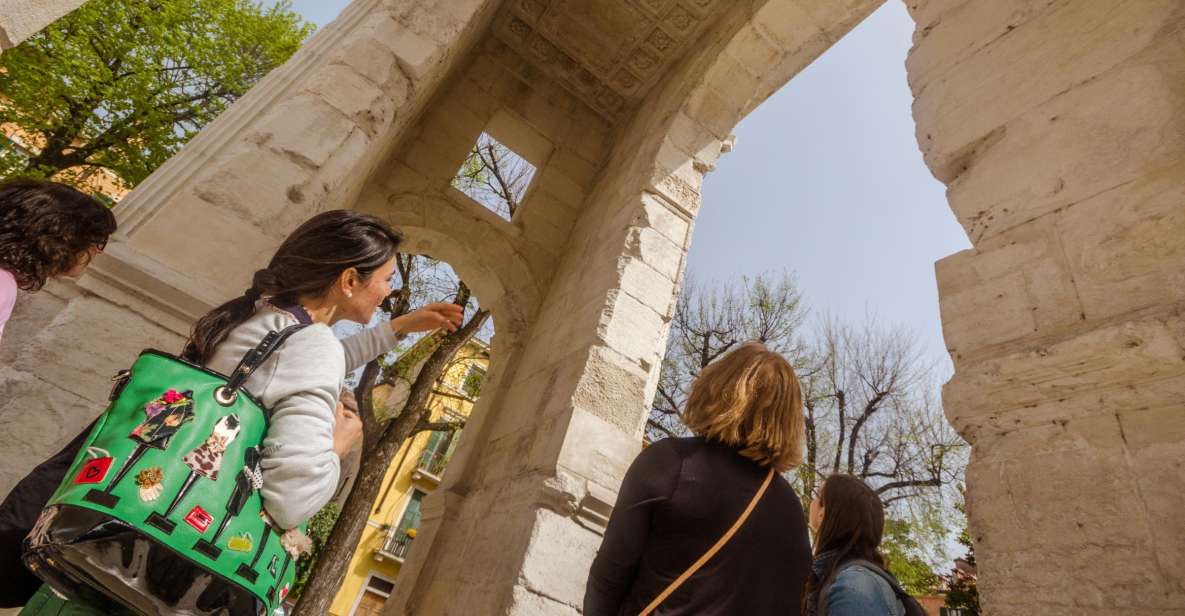
Before you hit the big open squares, the route begins with views that help you understand the city’s layout.
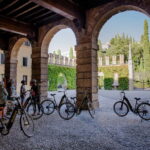
First comes Castelvecchio Bridge, where you get a photo stop and a guided introduction to what’s around you. This is one of those places where seeing the river and the connections to the old town makes later landmarks easier to picture. If Verona feels like a maze when you first arrive, this is the early dose of orientation you want.
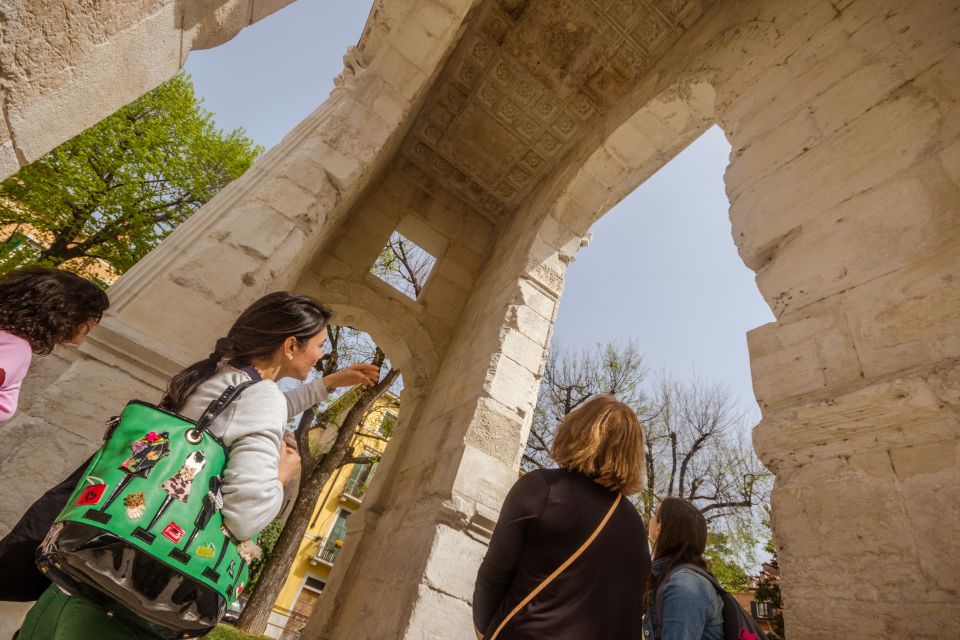
Then you move to Arco dei Gavi, another quick stop with guidance. It’s not just a pretty arch—you’re learning how Verona’s older infrastructure shaped pedestrian routes and created the “corridors” you still walk today. These shorter moments matter because they set context. By the time you reach the busier public spaces, you’re not just following the group—you’re understanding why you’re going there.
Piazza delle Erbe and Piazza dei Signori: where the city’s public life meets opera
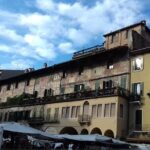
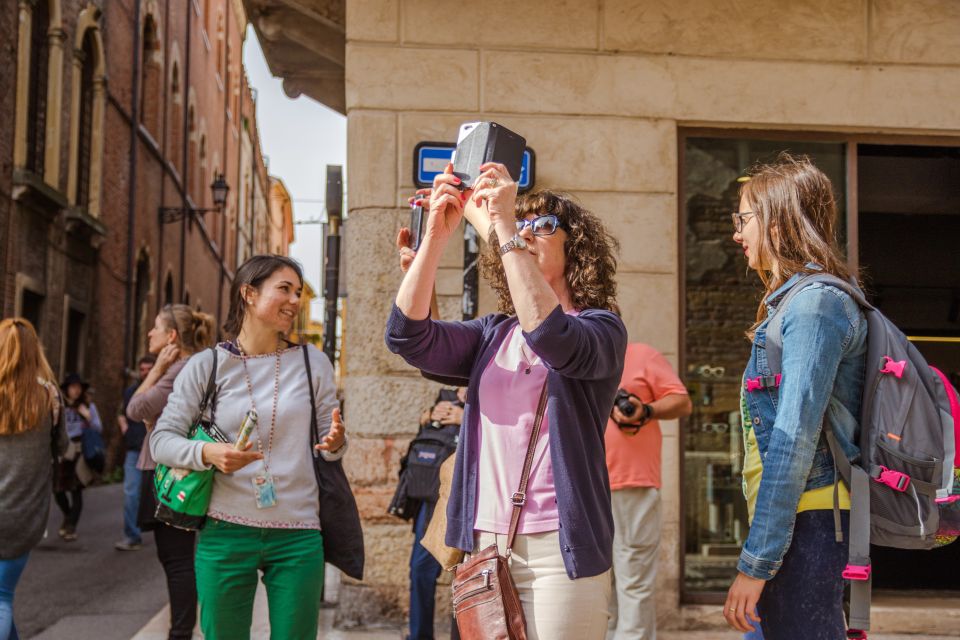
Now the tour shifts into the heart of Verona’s everyday world: Piazza delle Erbe and Piazza dei Signori. These squares are exactly where you want to be during daylight, because they’re made for people-watching, quick photos, and catching the city’s rhythm.
In Piazza delle Erbe, you get a photo stop and scenic views while the guide explains what you’re seeing in the context of Verona’s development. Even if you don’t remember every date, you’ll walk away with a sense of how this area operated as a focal point for the city.
Piazza dei Signori is where the story grows more theatrical. You’ll hear about major venues connected to Verona’s Opera Festival, and the guide ties the role of these spaces to why Verona stages culture in the first place. This is a smart move. If you only know Verona for romance, opera will feel like an extra bonus. If you already love opera, it turns your visit into something more meaningful.
Juliet’s Balcony and Casa di Giulietta: what you should expect in that tiny alley
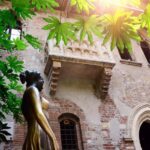
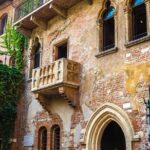
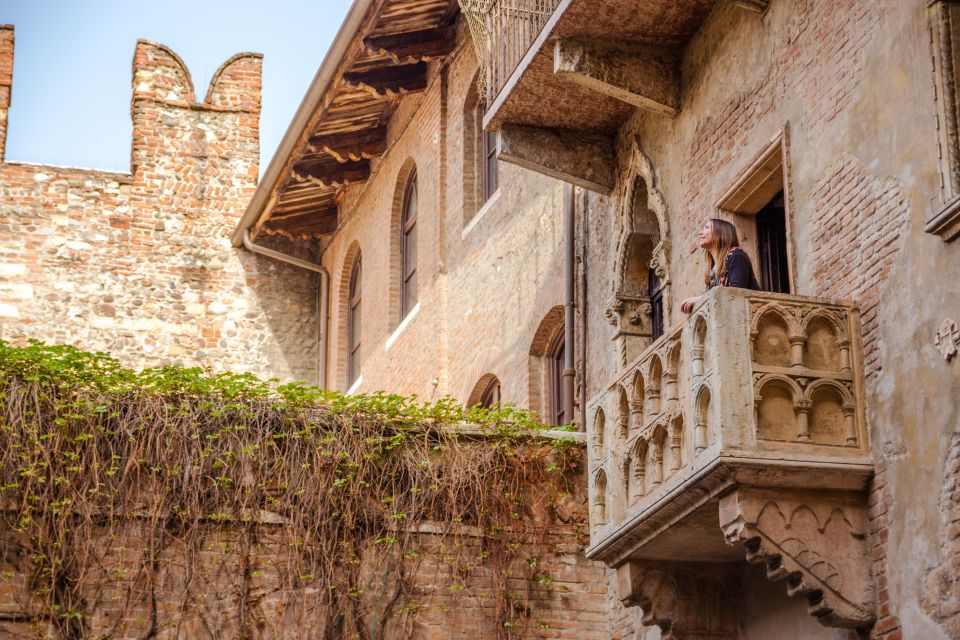
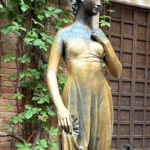
Then comes the moment most people come for: Juliet’s House (Casa di Giulietta) and Juliet’s Balcony. The tour doesn’t treat it like a drive-by photo. You get time at the location, with guidance on what it represents.
One of the fun things here is allowed and encouraged: you can pin a love letter to the wall. It’s a simple act, but it changes the tone of the stop. Instead of watching from the outside, you participate in the tradition that made the place famous.
This is also where Verona’s “two lives at once” becomes obvious. The setting is a narrow, intimate alley, but it’s connected to global pop-culture expectations. A good guide helps you balance both: acknowledging the romantic legend while pointing out the real urban setting around it.
Keep your expectations realistic: this is still a public area and you’ll be standing and walking with other visitors. If you want quiet contemplation, arrive with patience and accept that this stop is part spectacle, part charm.

Piazza Bra and the Arena approach: the city’s scale hits you here
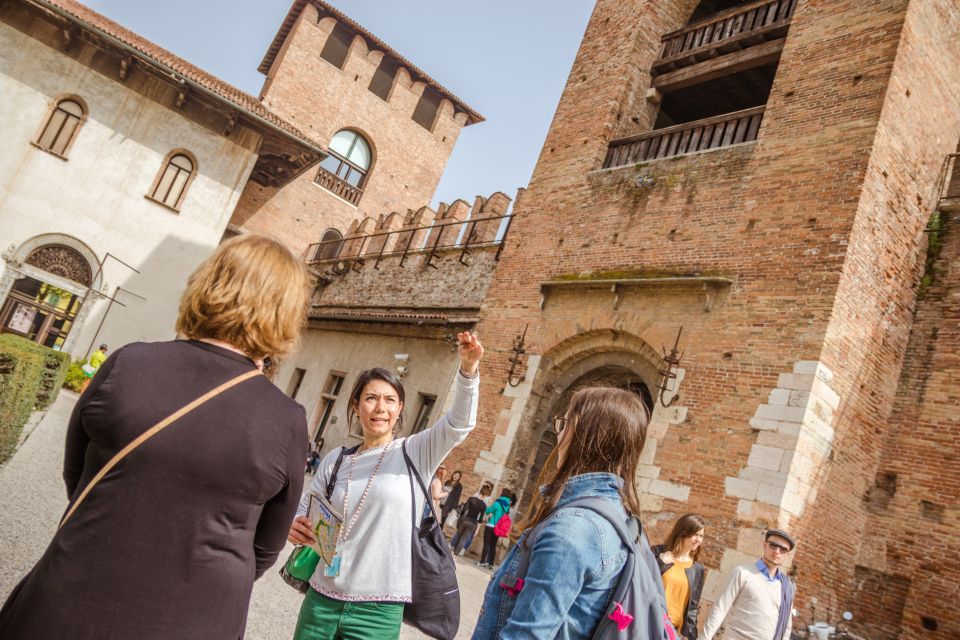
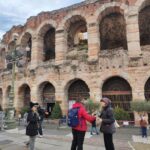
After the Juliet section, you head toward Piazza Bra. This part of the walk includes a photo stop and scenic views on the way, then time around the square itself. Piazza Bra is wide and open, and that openness makes the next stop feel bigger in a good way.
Why this pause matters: it gives you a transition from the tight lanes of Verona to a huge visual statement. You’re not just moving location—you’re moving in scale. That’s one reason Verona Arena feels so powerful when you finally face it.
If you’re a photo person, this is one of the better segments to slow down. Take a moment to frame the Arena from the square before you reach the closest viewpoint. It helps you capture the way the building dominates the space.
Verona Arena: pink marble, Roman engineering, and why it still thrives
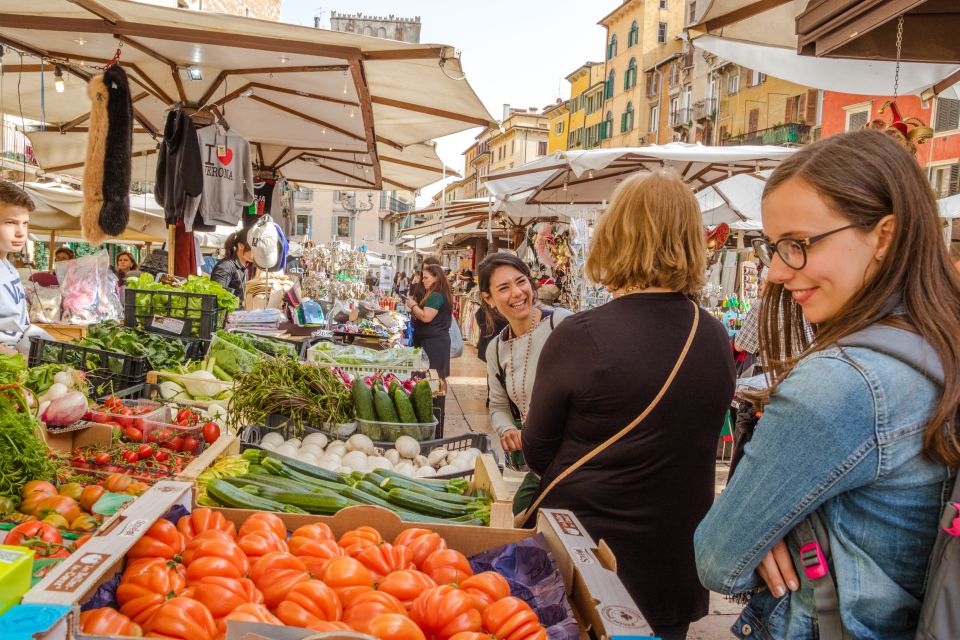
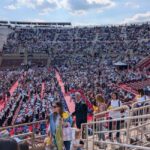
At the center of the tour is Verona Arena, with the longest dedicated time on the walk. You’ll get photo time and guided context, and you’ll learn why the Arena is so famous.
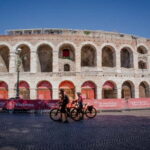
Here’s what the guide makes clear: the Arena is a Roman amphitheater built in 30 AD, and it’s known as one of the best-preserved structures of its kind. That preservation is the whole point. You’re looking at engineering that has lasted for centuries, and the tour helps you connect that survival to what you see today.
The practical part is what you’ll remember when you look at it later. The pink marble façade isn’t just pretty—it’s part of how the structure visually communicates Roman presence in modern Verona. And the fact that it’s still used as the main venue for the summer opera festival changes how you interpret the building. It’s not a dead monument. It’s a living stage.
One more expectation to keep in mind: this is an outside-focused tour. So you’ll observe the Arena’s exterior and surrounding views, not go inside. That said, for many people, that’s exactly what they want: a strong introduction to the landmark before deciding whether they want to buy tickets for a show.
Price and value: is $41 worth your time in Verona?
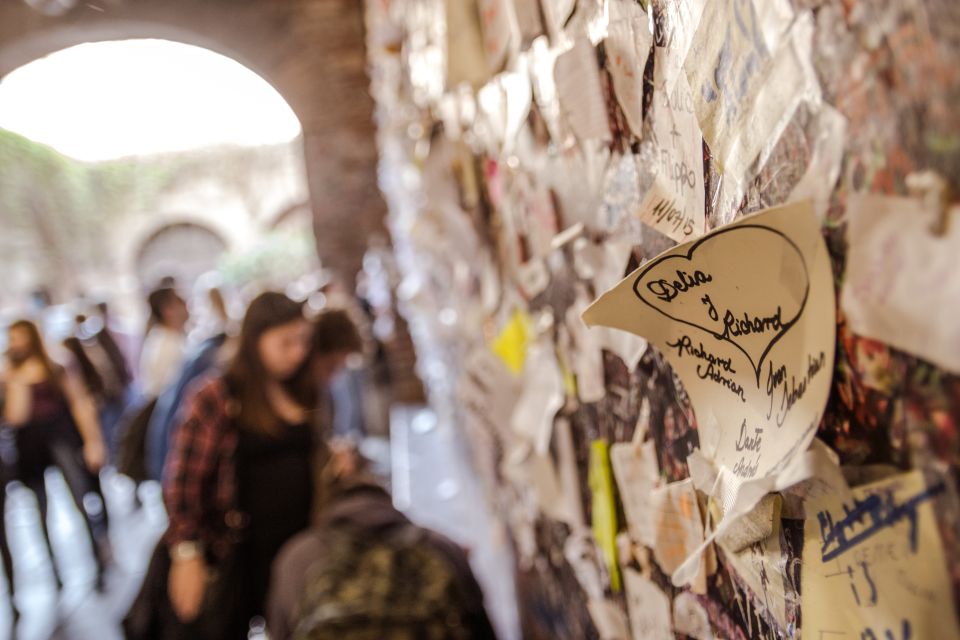
For $41 per person, you’re paying for three things: a licensed local guide, a 2-hour route design, and the kind of context that helps you enjoy the sights more once you’re left on your own.
If you try to do this solo, you might see the same major landmarks, but you’ll likely miss the “why.” Verona has layers, and the guide’s job is to connect those layers in a way you can actually remember. The best guides also add practical local pointers—like where to eat nearby or what to look for as you wander afterward—so you feel the tour benefits you beyond those two hours.
What’s not included matters too. There’s no hotel pickup, and you’re not getting admissions to interiors. If your top goal is inside-the-building access, the value math changes and you’ll need additional bookings.
But if your goal is a clean orientation plus stories that bring Verona’s monuments alive, this is priced like a useful investment rather than a splurge.
What the group experience feels like in practice
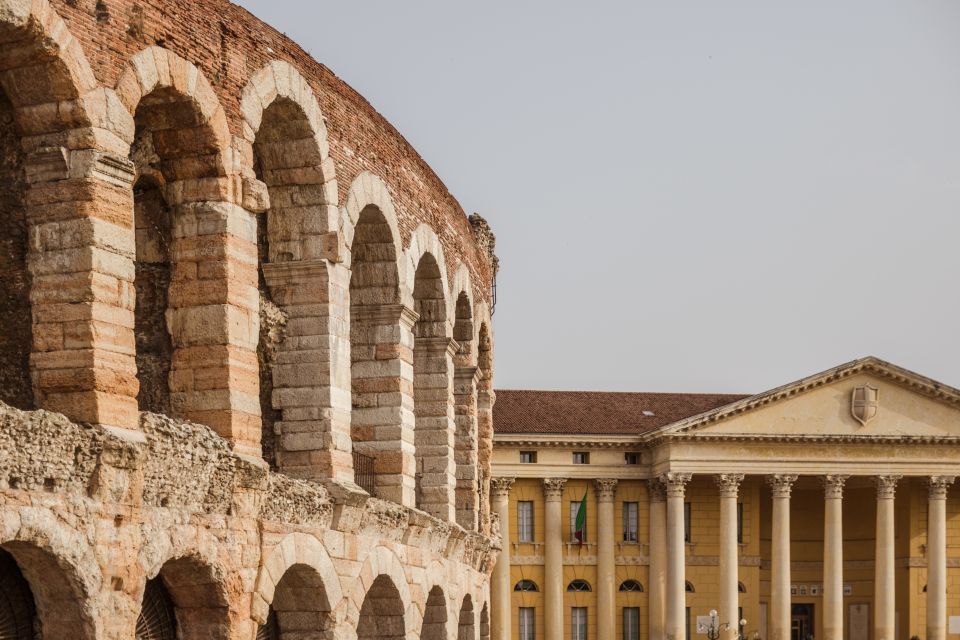
This is designed as a small-group walking tour, and it’s guaranteed with a minimum of 2 participants. In real terms, that usually means less crowd pressure than the giant bus-and-bag tours you see around major sights.
The pace is also shaped by short segments: photo stops, brief walking sections, and guided stops around each key landmark. That matters if you’re traveling with kids or if walking isn’t your main hobby. The tour is suitable for children and families, but underage guests must be accompanied by an adult.
One operational note: the tour runs rain or shine. That’s good because Verona can change fast, but you’ll want a light rain layer just in case. And since some parts may not be easy for people with reduced mobility, it’s worth thinking about whether uneven paving or tight lanes could be a challenge for your group.
Who this tour is best for (and who might skip it)
I’d recommend this tour if you’re:
- Visiting Verona for the first time and want orientation fast
- Interested in Roman history but also want the Romeo-and-Juliet story
- Planning to see opera during your trip and want the festival context tied to real locations
- Traveling in a group that wants a guide to manage the “where next” question
I’d consider skipping it if you:
- Only care about interiors and ticketed sites (since this focuses on the outside)
- Want long, quiet photo sessions without movement
- Need fully accessible routes everywhere, since not all sections are easily accessible
Should you book this Verona small-group walking tour?
If you want a smart first taste of Verona’s top landmarks, I’d book it. The route hits the UNESCO-listed center with the Arena, the Juliet stop, and the squares that connect to the opera world, all in a tight 2-hour format with a licensed guide in English or Italian.
The decision comes down to your priorities. Choose it if you want big sights plus context. Skip it if you’re only interested in going inside buildings or you’re hunting for a slow, no-stops wander. For most first-time visitors, this tour is a solid way to start your trip with your bearings set and your history brain already awake.
FAQ
How long is the Verona small-group walking tour?
It lasts 2 hours.
What is the price per person?
The price is $41 per person.
Where does the tour start?
You’ll meet at one of two starting locations depending on your booking: Teatro Ristori or Arena di Verona. The exact meeting point may vary by option.
Is hotel pickup included?
No. Hotel pickup and drop-off are not included.
Does the tour include visits inside the landmarks?
No. The tour allows you to discover the main monuments from the outside.
What languages is the live guide available in?
The live guide is available in English and Italian.
Is the tour suitable for children?
Yes, it’s suitable for children and families, but underage guests must be accompanied by an adult.
Is the tour affected by bad weather?
No. The tour runs rain or shine.
Experience provider
Ways Tours (B Corp certified)