REVIEW · ROME
Rome: Trevi Fountain District and Underground Domus Guided Tour
Book on Viator →Operated by TOURISTATION · Bookable on Viator
Trevi Fountain is cool, but the real wow is underground. This short Vicus Caprarius tour lets you peek into Rome’s Roman water engineering from steps from Trevi, and it’s guided in a small group. The main downside: the underground portion is compact, so this isn’t a marathon of tunnels.
You meet at Vicolo del Puttarello 25 to redeem your ticket, head about 30 feet (nine meters) down, then end at the Trevi Fountain area. For $53.10 and ~55 minutes, you’re paying for access plus a guide to connect the dots between aqueducts, cisterns, and the fountains you see above.
In This Review
- Key Highlights You Should Care About
- Vicus Caprarius and Trevi: why this water tour feels different
- Meeting at Vicolo del Puttarello: quick, easy, and close to the action
- Heading 30 feet underground: how Romans handled water
- The artifacts: what you’re actually seeing and why it matters
- Trevi Fountain after the underground: short stop, big atmosphere
- Gelato and pacing: included comfort without extra shopping
- Value check: what you’re really paying for at $53.10
- Guide energy can change the whole experience: Erika and Neomi stand out
- Who should book this Trevi Fountain underground tour
- Should you book it?
- FAQ
- FAQ
- How long is the Rome Trevi Fountain District and Underground Domus Guided Tour?
- Where do I meet the guide for this tour?
- How deep do you go underground?
- What language is the tour offered in?
- How big is the group?
- Is Vicus Caprarius admission included?
- Is Trevi Fountain access included too?
- What’s included in addition to the guided parts?
- Is hotel pickup included?
- Can I cancel for a full refund?
- Is the tour suitable if I have mobility issues?
Key Highlights You Should Care About

- Vicus Caprarius starts just steps from Trevi so you’re not wasting time crossing town
- 30 feet (nine meters) underground to see the water infrastructure up close
- Vergine aqueduct connection visible in the site’s water tank
- Standout finds like the head of Alessandro Helios, polychrome marble coverings, and 800 coins
- Small group size (max 15) keeps the pacing calmer than a big walking crowd
Vicus Caprarius and Trevi: why this water tour feels different
Rome does fountains well. The problem is that Trevi often turns into a photo sprint: people squeeze, phones rise, and the story gets lost. This tour changes that by starting with the source problem—water—and showing you the infrastructure that feeds the area.
The star is Vicus Caprarius, an archaeological complex tied to Rome’s water management. You descend roughly 30 feet (nine meters) below street level to reach remains of a Roman villa and an ancient cistern. It’s the kind of place you’d never stumble into on your own, even if you know Trevi well, because the site was discovered relatively recently.
One detail that makes it feel extra real: the underground area was found in 1999 in the basement of a cinema. That means you’re not just walking through old stone. You’re seeing how modern Rome accidentally uncovered older systems still tied to the city’s everyday life—water flowing, routing, storing.
You also get a guide at the key moment. That matters here because the site isn’t huge, and the meaning is in the layers: aqueduct connections, storage, materials used, and what the finds tell you about daily Roman life.
And then—since Rome doesn’t do “just one thing”—you pop back up for Trevi. You’ll have time for the classic coin toss legend and a quick fountain reset.
You can also read our reviews of more tours and experiences in Rome.



Meeting at Vicolo del Puttarello: quick, easy, and close to the action
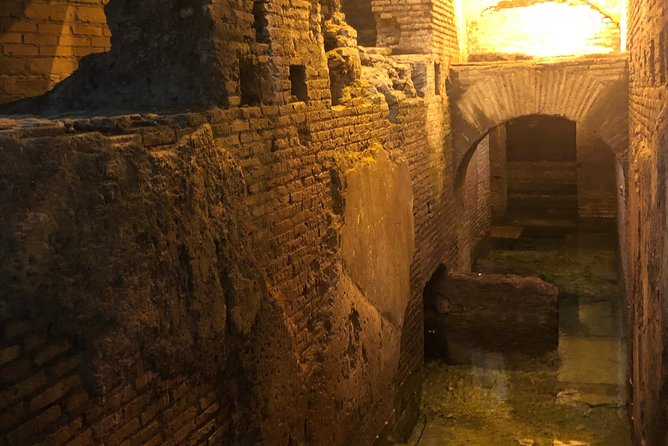
The meeting point is Vicolo del Puttarello, 25 (00187 Roma RM). You redeem your ticket at Vicus Caprarius – The Water City, which is just steps from Trevi Fountain. That proximity is a real value point, because you cut down on travel friction. In a city where every minute counts, “start near Trevi” is not a small perk.
The tour is offered in English and runs about 55 minutes. The timing is short on purpose: you go underground, see what’s there, and then return to the fountain area. You’re not stuck doing a long street march in the heat.
Group size is capped at 15 travelers, which typically means less jostling and more room to listen. If you’ve ever been in a large group at major sights, you know how easy it is to miss details. This is built to keep you with the guide instead of drifting at the back.
There’s also a practical note: this tour is not suitable for people with mobility impairments. Since it involves going underground, plan on uneven footing and stairs/steps. If walking is an issue for you, it’s worth skipping and choosing a different Trevi-area experience that doesn’t include descending.
Heading 30 feet underground: how Romans handled water
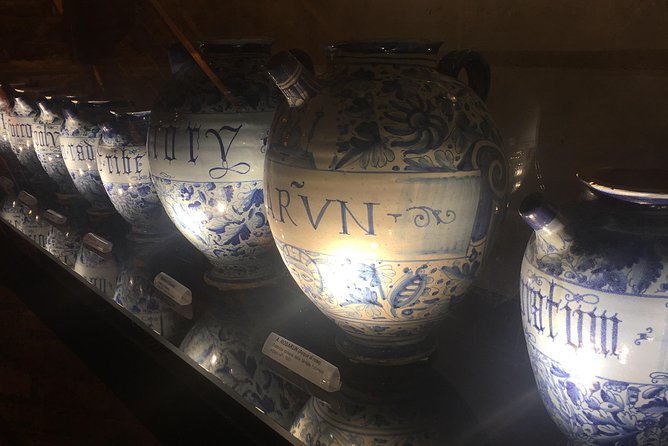
The big moment is the descent—about 30 feet (nine meters) down. Once you’re in, the guide explains how the underground structures relate to Rome’s water system. This isn’t just “look at ruins.” It’s built around the logic of water: bringing it in, storing it, and distributing it.
Inside the site, you can see a water tank connected to the Vergine aqueduct. That’s the kind of specific connection that makes the whole thing click. You stop thinking of aqueducts as trivia and start seeing them as engineering networks—where one system feeds another until water reaches homes, baths, and fountains.
The tour also frames what you’re seeing as part of a broader “water city” idea. The area is known as the City of Water because of the density of water-related remains and connections. The guide connects that to why this part of Rome mattered, even before Trevi became the postcard stop.
You’re also looking at remnants of a Roman villa and an ancient cistern. A villa ties the story to people and daily routine. A cistern ties it to storage and reliability—important when water needed to be steady, not just available in ideal conditions.
This stop is timed at about 45 minutes, which gives enough space for the guide to explain the site’s purpose and the “why” behind the structures. At the same time, it stays focused. You’ll likely wish you could see more—but that’s where Trevi’s short finish comes in. It keeps the day from turning into hours of standing underground.
The artifacts: what you’re actually seeing and why it matters
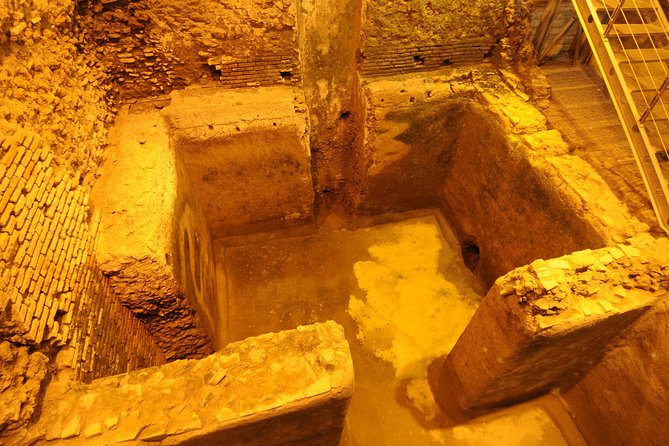
Down underground, it’s easy for people to fixate on walls and tunnels. Here, you get pulled toward objects too—finds that help interpret what life looked like when this was in use.
The tour highlights a collection of ancient Roman artifacts unearthed when the site was discovered. Some of the standouts:
- Polychrome marble coverings, which signal decorative taste and status
- The head of Alessandro Helios, a famous sculptural find the guide connects to Roman culture and art
- A treasure trove of 800 coins, which raises questions about storage, timing, and what happened when the area stopped being used
- Spatheia, described as special African amphorae used for transporting oil
That last item is especially interesting for understanding trade and supply. Amphorae weren’t just “containers.” They were part of a supply chain that stretched across regions. Oil was valuable, and the presence of these types of containers points to how connected Rome was to faraway production.
The coin count—800—also changes the feel of the site. Coins make history tangible. They suggest specific moments and human decisions. You’re not only seeing what a system was built to do. You’re seeing evidence of how people used, handled, and valued things inside it.
One more thing: because the guide ties artifacts back to the water story, you don’t end up with a random museum-style walk. The objects become clues in the aqueduct-and-cistern narrative.
Just manage expectations on size. Even with the artifacts and explanations, the underground area is still limited. Some people love it precisely because it’s tight and well explained; others wanted more room for wandering.
Trevi Fountain after the underground: short stop, big atmosphere
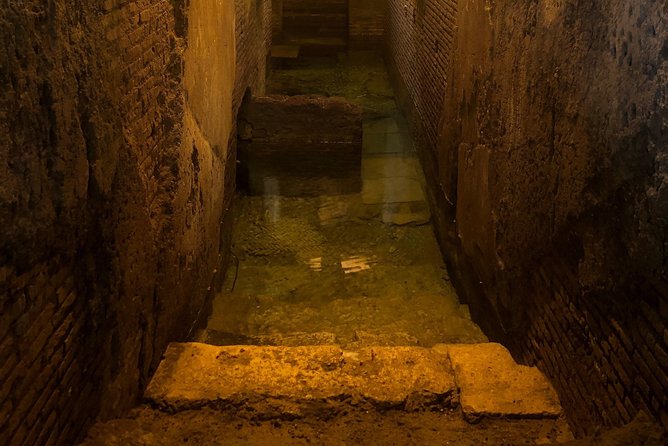
After you exit the underground site, the tour transitions to the Trevi Fountain experience. You’ll end around the fountain area and wrap up near the original area again.
Trevi’s stop is about 10 minutes, and you’ll have admission ticket access included. You also get the legend detail: toss a coin if you want to ensure you return to Rome someday.
Ten minutes sounds short, and it is—so this is best for people who want a taste of the fountain rather than a long, slow hangout. If you’re the type who likes to linger for the perfect angle and the perfect moment, you’ll probably want to extend your Trevi time on your own after the tour ends.
Still, the payoff is that your visit to Trevi has context now. Instead of seeing the fountain as a sculpture, you’re seeing it as part of a water system—water that had to be engineered, transported, and stored before it ever reached the basin in front of you.
If the heat or crowds are already making Trevi feel like chaos, the structure of this tour helps. You get a calmer, indoor (or underground) “reset” first, then a short, focused look at the most famous fountain.






Gelato and pacing: included comfort without extra shopping
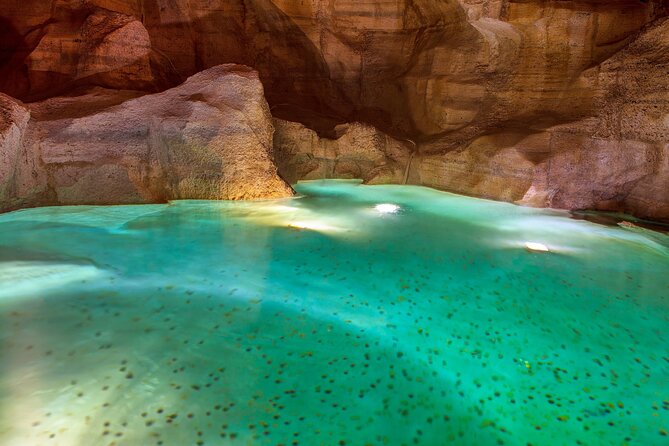
One of the included perks is Italian gelato. That’s not just a nice-to-have. When you’re doing a short tour in Rome, food breaks help you stay pleasant. You’re moving from underground damp stone to hot street air, and gelato is a simple way to cool down.
Pacing matters here. The tour is about 55 minutes total, with 45 minutes underground and the rest centered on Trevi. That timing fits well if you want an anchor activity in this neighborhood but don’t want to surrender your whole day to one site.
Also, small group size helps pacing. You’re more likely to stay with the guide instead of being separated by a knot of people near entrances and narrow paths.
Value check: what you’re really paying for at $53.10
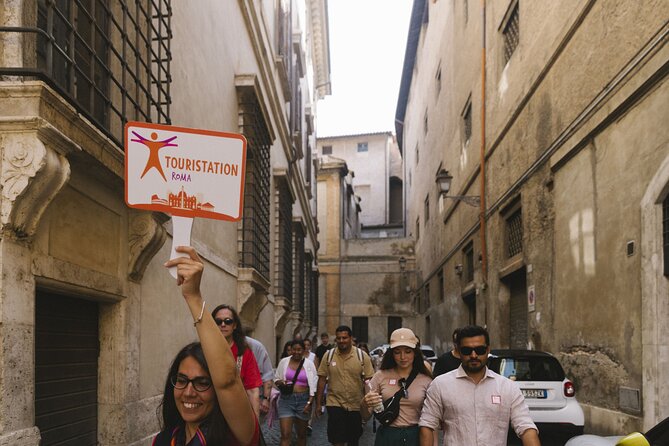
Price is $53.10 per person, and the deal includes reserved entry to Vicus Caprarius, a guided tour of the underground site, a Trevi Fountain access ticket, plus Italian gelato.
If you’re deciding whether the guided format is worth it, think about what you’d otherwise need to do:
1) Find the underground site entrance and get in.
2) Understand what you’re looking at—aqueduct connections, cistern function, artifact meaning.
3) Navigate from underground back to Trevi without losing time.
This tour wraps those pieces together. The guide’s job is to provide the context that turns “small underground rooms” into “a functioning story about water in Rome.” That’s where the value tends to land for most people.
It’s also a time-saver. You’re paying for a structured, ticketed visit that keeps the day easy. In practice, time has a cost in Rome, especially around the Trevi area.
That said, there’s a fairness note: if you expect a big underground complex, you may feel the price squeeze. The strongest feedback points toward this being more about meaning than size. If what you want most is massive tunnel exploration, you might feel under-satisfied.
If what you want most is a smart, guided shortcut to understanding Rome’s water engineering while still getting to Trevi quickly, this fits well.
Guide energy can change the whole experience: Erika and Neomi stand out
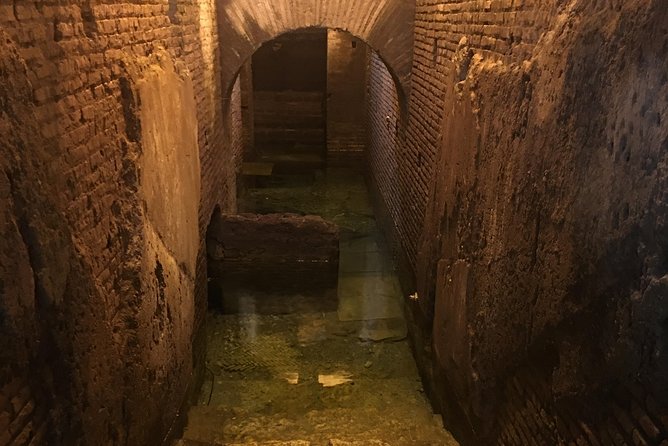
Several guide names show up in feedback with consistently high praise: Erica, Erika, Michelle, and Neomi. The shared theme is that the best versions of this tour are fast, story-driven, and clear—especially underground, where it’s easy to lose context.
If you have any flexibility when choosing within your booking process, Erika is specifically called out as a great pick. Still, the key for you is to arrive ready to listen. This tour works best when you’re engaged with the water story, not when you’re multitasking through your phone.
This also matters for families and mixed groups. Some guides handle the group energy well, and the small-group format helps them steer the tour without chaos.
Who should book this Trevi Fountain underground tour
This experience is a strong match if you:
- Like Rome beyond the obvious postcards
- Want a short tour that combines underground + Trevi
- Enjoy systems and stories—how water fed the city
- Prefer small-group experiences over big crowds
It may be a mismatch if you:
- Want a huge underground maze to wander for a long time
- Need mobility-friendly access (the tour is not suitable for people with mobility impairments)
- Expect the Trevi stop to be long and detailed
If you’ve already seen the main Roman sights and want one “this is different” activity, this checks that box. It’s also ideal for hot days, since a large chunk happens underground.
Should you book it?
I’d book this tour if you want Trevi with context, not just Trevi with crowds. The value is in the Vicus Caprarius guided access, the Roman water engineering connections, and the artifacts that make the site feel real—not oversized, just meaningful.
If you’re the type who needs lots of time at Trevi itself, plan to add extra fountain time after the tour. If you’re mainly chasing a massive underground attraction, you might feel let down by the compactness. But if you want a smart, time-efficient “water story” in the heart of Rome, this one is a solid pick.
FAQ
FAQ
How long is the Rome Trevi Fountain District and Underground Domus Guided Tour?
It runs for about 55 minutes (approx.). The underground part is about 45 minutes, and the Trevi Fountain stop is about 10 minutes.
Where do I meet the guide for this tour?
Meet at Vicolo del Puttarello, 25, 00187 Roma RM, Italy. You also redeem your ticket at the Vicus Caprarius site there.
How deep do you go underground?
You enter the underground area and go about 30 feet (nine meters) below the streets of Rome.
What language is the tour offered in?
The tour is offered in English.
How big is the group?
This tour has a maximum group size of 15 travelers.
Is Vicus Caprarius admission included?
Yes. Your entry ticket to Vicus Caprarius is included, along with the guided tour.
Is Trevi Fountain access included too?
Yes. The tour includes Trevi Fountain access, and the admission ticket for Trevi Fountain is included.
What’s included in addition to the guided parts?
The tour includes Italian gelato. It also includes assistance by Touristation staff.
Is hotel pickup included?
No. Pick up from and to the hotel is not included.
Can I cancel for a full refund?
Free cancellation is available. For a full refund, you must cancel at least 24 hours in advance of the experience start time.
Is the tour suitable if I have mobility issues?
No. The tour is not suitable for people with mobility impairments.