REVIEW · ROME
Rome: Vatican Museums & Sistine Chapel Skip-the-Line Tour
Book on GetYourGuide →Operated by Litiberi SRLS · Bookable on GetYourGuide
Art hits fast at the Vatican. This 2.5-hour English tour is built for momentum: you get skip-the-line entry, then use included headsets so your guide’s story stays clear even when the rooms get loud and packed. It’s a smart pick if you want the biggest visual moments without spending half a day wrestling a queue.
One thing to keep in mind is that the Vatican is still the Vatican—this route is intense, and you’ll do a lot of walking through crowds. If you’re heat-sensitive or expecting a slow, spacious pace, you may find the experience a bit demanding.
In This Review
- Key things I’d watch for
- Skip-the-Line Entry That Actually Changes Your Day
- 2.5 Hours, Headsets, and a Route Built for Your Feet
- Pio-Clementino Museum: Ancient Drama in Stone
- Gallery of the Candelabra: Roman Art, Big Atmosphere
- Gallery of Tapestries: Stories Woven in Color
- Gallery of Maps: Renaissance Geography as Art
- Raphael Rooms: Theology, Philosophy, and Politics in Paint
- Sistine Chapel: What to Watch First
- The Meeting Point, Dress Code, and What You Must Carry
- Price and Value: What $28 Buys You (and What It Doesn’t)
- Guide Quality: How Much You’ll Rely on Their Storytelling
- Should You Book This Vatican Museums & Sistine Chapel Tour?
- FAQ
- How long is the Vatican Museums and Sistine Chapel skip-the-line tour?
- Is this tour actually skip-the-line?
- What’s included in the ticket price?
- What do I need to bring for entry?
- Is the tour wheelchair accessible?
- Is the tour refundable if plans change?
Key things I’d watch for
- Skip-the-line access to start quickly, not hours later
- Headsets so you can hear the guide in busy rooms
- A highlight-focused 2.5-hour route that prioritizes the most famous stops
- Pio-Clementino Museum for major classical sculpture moments like Laocoön and His Sons
- Raphael Rooms + Sistine Chapel as the emotional peak of the visit
Skip-the-Line Entry That Actually Changes Your Day
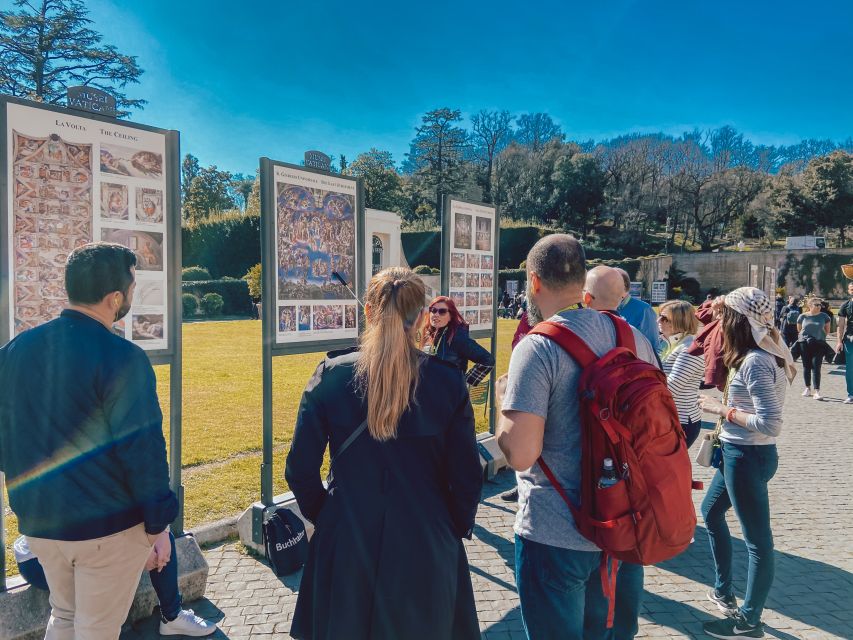
The Vatican Museums can be a test of patience. The biggest practical win here is the priority entrance, because it lets you step in and begin seeing things right away instead of watching time disappear in a line.
And since the tour includes headsets, you’re not stuck guessing what your guide is saying when you’re squeezed into narrow corridors. In these rooms, sound matters. Headsets help you catch key details even when other groups are talking and the museum is loud.
You can also read our reviews of more tours and experiences in Rome.

2.5 Hours, Headsets, and a Route Built for Your Feet
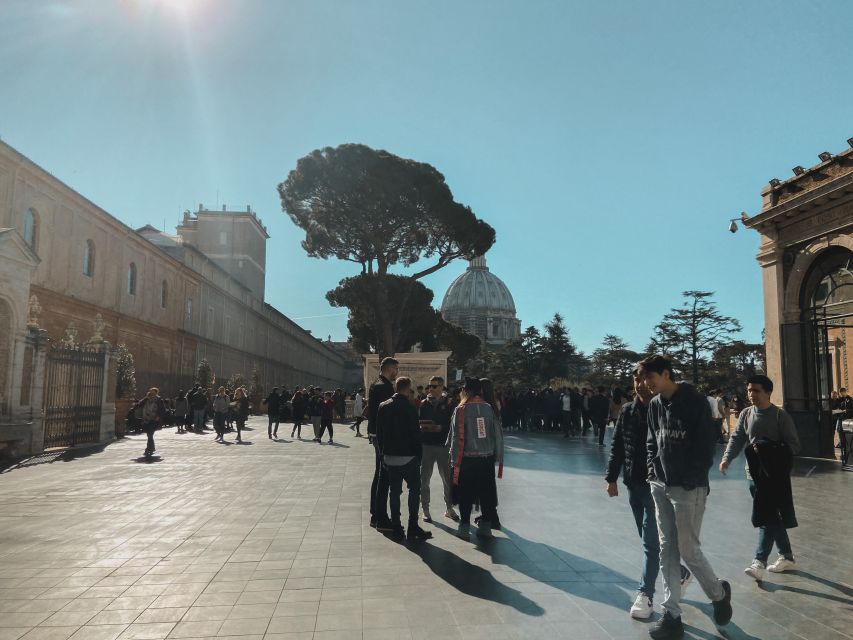
This tour is about 2.5 hours, which sounds short until you realize how much the Vatican compresses into a small area. The route focuses on the top “highlights,” not the full museum labyrinth.
That means you’ll move steadily. Reviews also hint at the reality: the pace is efficient, the museum can be very hot, and your feet will notice. If you want to linger over every room, you’ll probably feel shortchanged. If you want the best hits with a guide explaining what you’re seeing, the time window works well.
Pio-Clementino Museum: Ancient Drama in Stone
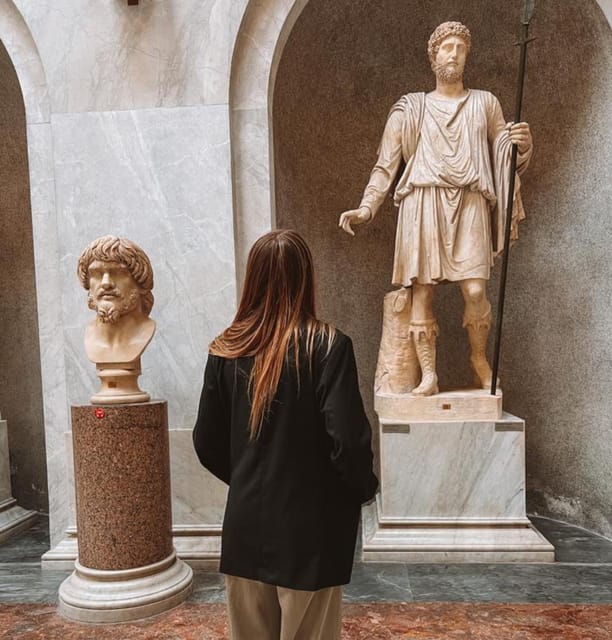
Your tour starts by steering you toward some of the Vatican Museums’ most famous classical sculpture. One named standout is Laocoön and His Sons. Seeing it in person lands differently than in photos—the tension, musculature, and frantic emotion are hard to describe until you’re close enough to notice the carving details.
This stop is valuable because it gives you a foundation. Once you’ve seen the museum’s classical masterpieces, the later Renaissance and Baroque art feels less random. You start noticing how artists borrowed styles, themes, and techniques across centuries.
If you get stuck in the “look at the famous thing” mode, though, don’t. A good guide will nudge you to look for smaller cues: posture, expression, and how the sculpture is framed to draw your eye.
Gallery of the Candelabra: Roman Art, Big Atmosphere
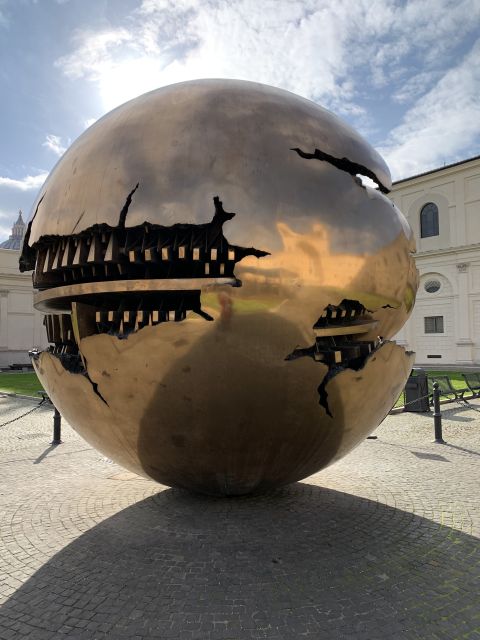
Next comes the Gallery of the Candelabra, where you’ll see Roman artifacts displayed in lavish settings. The “candelabra” name points to the distinctive sculptural forms and decorative elements that make this gallery feel grand, not like a warehouse of objects.
This is a great stop for non-archaeology folks too. Even if you’re not a sculpture nerd, you can still enjoy how the Vatican stages these pieces—lighting, placement, and the way the gallery design directs your movement.
A small practical consideration: this is another room where crowds can bunch up. Give yourself permission to stop, then start again. If you pause in the wrong spot, you can get trapped between other groups.
Gallery of Tapestries: Stories Woven in Color
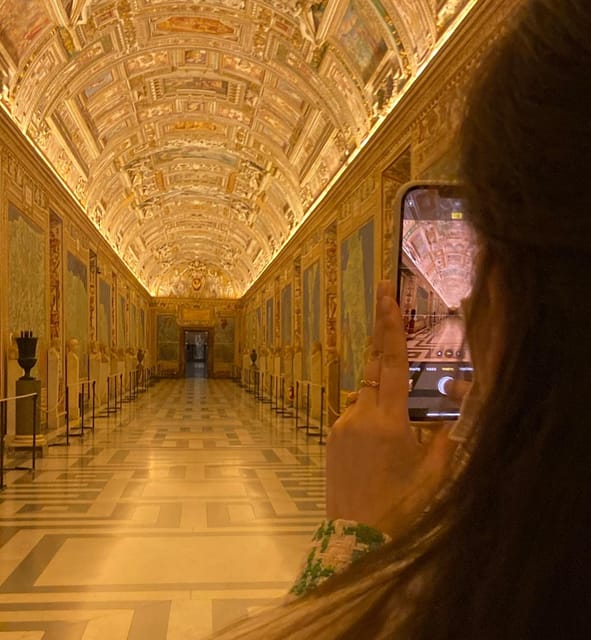
The tour includes the Gallery of Tapestries, featuring intricately woven works that narrate powerful biblical and historical tales. Even though they’re “textile,” these aren’t quiet decorative items. They’re built to tell stories at a distance, using bold visual structure.
I like this stop because it breaks the usual museum rhythm. Instead of marble sculpture or fresco paintings, you get something tactile and narrative-driven. You also start to appreciate how art functioned as storytelling for people who couldn’t read the same way we do today.
One caution: tapestries can be visually busy. Look for the main figures and scene structure before you try to spot every detail. Your guide will typically help you know what to prioritize.


Gallery of Maps: Renaissance Geography as Art
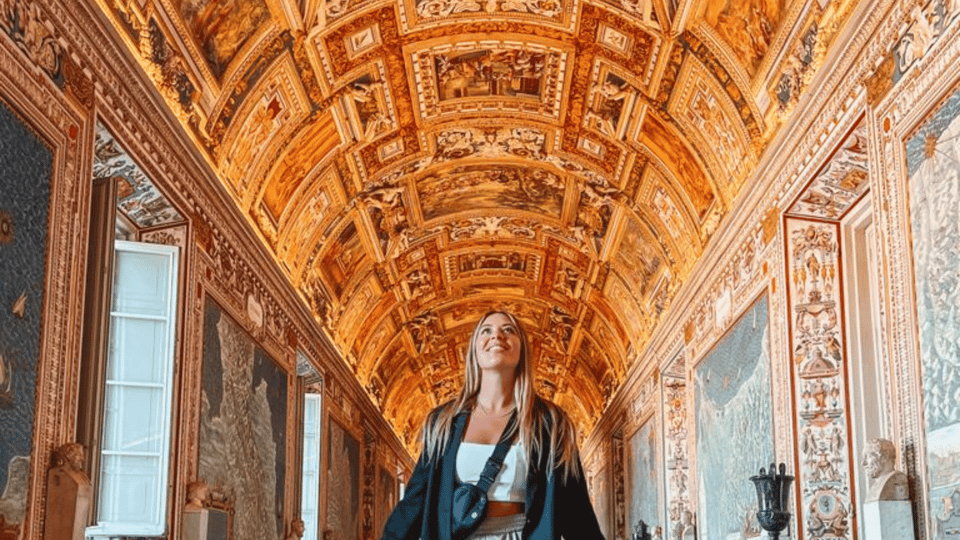
Then you’ll hit the Gallery of Maps, known for Renaissance frescoes that depict Italy’s geography. This is the stop that surprises many people. It’s not just “pretty wall art.” It’s art that was meant to teach, persuade, and frame how viewers understood the world around them.
You’ll likely notice how the maps are painted with artistic precision and period charm. It’s also a helpful mental reset: after sculpture, textiles, and religious imagery, this gallery offers something different to “read.”
If you’re visiting on a tight schedule, this is one of those rooms where a guide pays off fast. Without explanation, you might just register it as detailed artwork. With guidance, it becomes part of a broader story about knowledge and power during the Renaissance.
Raphael Rooms: Theology, Philosophy, and Politics in Paint
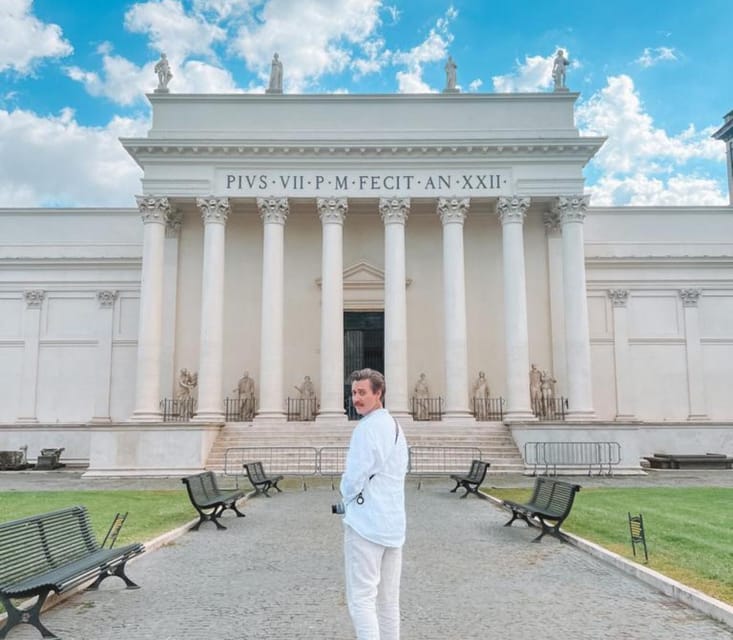
The Raphael Rooms are where the tour starts to feel like a cultural turning point. These rooms bring you face-to-face with Raphael’s grand frescoes, where theology, history, and philosophy show up together in vivid, human-scale scenes.
This part is often where guided storytelling earns its keep. Raphael’s images are packed with symbols and references. A good guide helps you see composition and meaning—not just subject matter.
One practical perk: the Raphael Rooms give you variety. You’re not only watching for the next famous icon; you’re tracking themes. That makes the later Sistine Chapel ceiling feel more like the climax of a conversation, not a disconnected masterpiece.
Sistine Chapel: What to Watch First
You’ll finish at the Sistine Chapel, including the ceiling frescoes featuring The Creation of Adam and The Last Judgment. This is the obvious highlight, yes—but you’ll get more from it if you know what to look for before you go quiet and stare upward.
Here’s how I’d approach it:
- Start with the ceiling scenes that everyone names, so you anchor the experience fast.
- Then look for how the figures are organized—motion, grouping, and symmetry.
- If you’re short on time, focus on what your guide points out and don’t try to “read everything” at once.
The Sistine Chapel is also where crowds can feel at their most intense. Headsets help earlier on, but inside the chapel experience itself is its own environment. Keep expectations realistic: you’ll see a lot, but it won’t be slow.
The Meeting Point, Dress Code, and What You Must Carry
This tour meets near the Vatican Museums entrance, and you should arrive early. A key instruction is to be at the meeting point at least 30 minutes before your scheduled time to allow check-in and preparation.
Plan around two non-negotiables:
- Dress code: shoulders and knees must be covered for entry.
- Documents: bring a passport or ID card that matches the names used during booking.
There’s also a rule about name accuracy—use the exact first and last names from your passport or official ID. This matters because Vatican entry processes can be strict.
Comfort counts too. You’ll want comfortable shoes and clothes that cope with museum temperatures. Reviews also point out heat can be a factor, so dress for that reality, not for fashion photos.
Price and Value: What $28 Buys You (and What It Doesn’t)
At about $28 per person, the price is competitive for a guided Vatican Museums and Sistine Chapel experience with skip-the-line entry and headsets. Where the value shows up is in saved time and interpretation.
Think of it like this:
- Skip-the-line is a direct time saver.
- Headsets reduce stress and help you actually hear your guide.
- A professional English guide turns famous artworks into understandable stories.
What this tour doesn’t try to do is offer a slow museum marathon. At 2.5 hours, you’re getting key areas and major highlights, not every room. Also, there’s no hotel pickup and no food or drinks included, so you’ll need to plan your day around that.
Guide Quality: How Much You’ll Rely on Their Storytelling
In the feedback I gathered from guide names that come up—Erik, Maria Theresa, Valeria, Rose, Rafaela—the common thread is enthusiasm and clarity. Guides are especially important at the Vatican because the museum can feel like an overwhelming stack of masterpieces.
If your guide is strong (and the history here looks promising), you’ll leave with a cleaner mental map. You’ll understand why Laocoön looks the way it does, what Raphael is doing with meaning, and how the ceiling ceiling imagery ties together.
If your guide is harder to understand, that becomes a problem fast—crowds and noise already make museum audio tricky. That’s why headsets really matter for this specific tour format.
Should You Book This Vatican Museums & Sistine Chapel Tour?
Book it if you want the big Vatican hits in a tight window, and you’d rather spend your energy looking at art than managing lines. The skip-the-line entry plus guided explanation is the main reason this works at all for many schedules.
Skip it (or add more time on your own) if you want a slow pace, lots of detours, or you’re sensitive to heat and crowds. Also, note it isn’t suitable for wheelchair users based on the tour info provided.
If your goal is a high-impact overview with solid guidance—this is a good-value way to make the Vatican Museum day manageable.
FAQ
How long is the Vatican Museums and Sistine Chapel skip-the-line tour?
The tour duration is approximately 2.5 hours.
Is this tour actually skip-the-line?
Yes. It includes skip-the-line access with priority entrance to the Vatican Museums and Sistine Chapel.
What’s included in the ticket price?
It includes skip-the-line entrance tickets, an expert English guide, and headsets to hear the guide clearly.
What do I need to bring for entry?
Bring a passport or ID card, and also bring it in the exact name match used for booking. Wear comfortable shoes and dress so that shoulders and knees are covered.
Is the tour wheelchair accessible?
No. The tour is listed as not suitable for wheelchair users.
Is the tour refundable if plans change?
No. The activity is non-refundable.