REVIEW · POMPEII
Skip the Line Guided Tour of Pompeii led by an Archaeologist
Book on Viator →Operated by Tours of Pompeii with Lello & Co. · Bookable on Viator
Pompeii is big, hot, and easy to feel lost in. This guided, skip-the-line walk turns the ruins into a clear story of Roman daily life, with an archaeologist leading the way and keeping the group moving. I especially love the small-group setup (max 15) and the focus on Pompeii’s major highlights instead of aimless wandering. You’ll cover the essentials—Via dell’Abbondanza, the Forum, Stabian Baths, and the Lupanar—without spending your whole day stuck in queues.
The only real drawback is timing: you’re walking on the original ancient streets, and the tour is short. If you arrive late or you can’t handle a moderate amount of walking in the sun, you’ll feel it fast.
In This Review
- Key Highlights You Should Know
- Skip-the-Line Access at Pompeii: The Real Value of 2 Hours
- Your Archaeologist Guide and the Small-Group Pace
- Via dell’Abbondanza: The Main Street You’ll Actually Understand
- The Forum: Markets, Squares, and How Romans Spent Time
- Stabian Baths (Terme Stabiane): A Roman Routine in Stone
- Lupanar Frescoes: What You’ll See and How to Prepare
- Where the Tour Ends: How to Keep Exploring Without Getting Lost
- Practical Stuff: Meeting Point, Footwear, and Real Timing
- Who Should Book This Pompeii Archaeologist Tour
- Should You Book This Tour or Go It Alone?
- FAQ
- How long is the Pompeii skip-the-line guided tour?
- Is the tour in English?
- How big is the group?
- What’s included in the price?
- Does it include admission to Pompeii ruins?
- Where does the tour start?
- What should I wear and bring for the walk?
- Do I need ID for entry?
- Should You Book This Tour or Not? (Quick Decision)
Key Highlights You Should Know
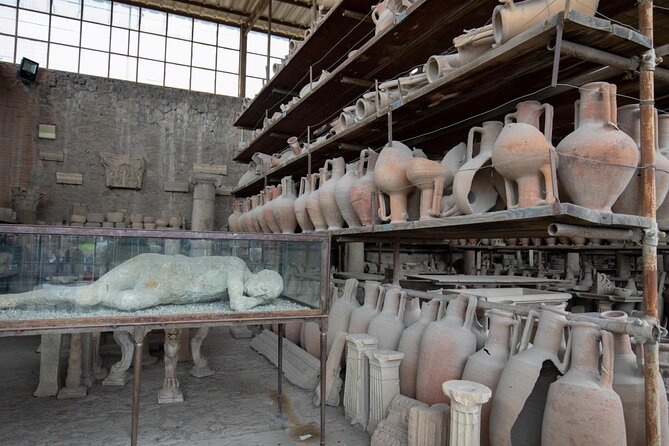
- Skip-the-line entry that’s guaranteed so you don’t burn your limited time waiting.
- Archaeologist-led explanations that connect the streets and buildings to how people actually lived.
- Max 15 travelers for a calmer pace and better chances to hear your guide.
- Tight, high-impact route through Via dell’Abbondanza, the Forum, the Baths, and the Lupanar.
- Comfort-first tour planning: comfortable shoes matter because you’ll walk real, uneven ruins paths.
- Your guide can help you keep exploring afterward by showing you how to navigate the park layout.
Skip-the-Line Access at Pompeii: The Real Value of 2 Hours
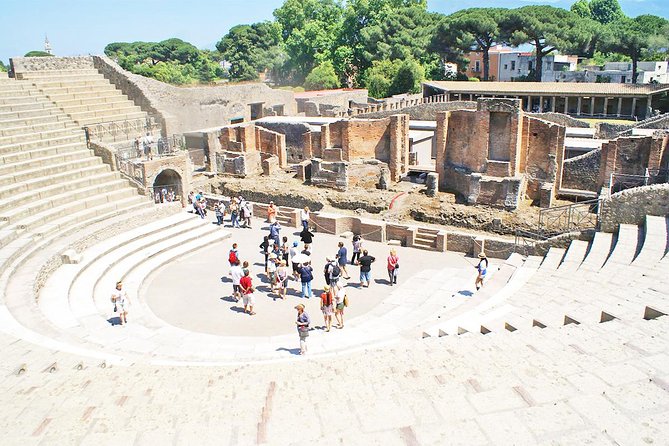
At Pompeii, time is your biggest currency. The site is huge, the entrance lines can be brutal, and even one wasted hour can ruin your plan. This tour is priced at $95.53 per person, and the math works best if you treat it as time-saver money. You’re not just paying for a guide—you’re paying to start seeing the ruins quickly and spend your energy where it matters.
You’ll also get skip-the-line tickets included. The operator frames this as guaranteed no long waits. I love that approach because Pompeii is one of those places where conditions change—crowds swell, lines stretch, and the afternoon can get painfully hot. If you’re visiting only once, getting in fast means you can actually enjoy the place instead of battling logistics.
One more practical note: this is a guided tour confirmation, not a standalone ruins entry ticket. In other words, your ticket only works with the guide. If you like to wander and then join later, this format may not match your style.
You can also read our reviews of more tours and experiences in Pompeii.



Your Archaeologist Guide and the Small-Group Pace
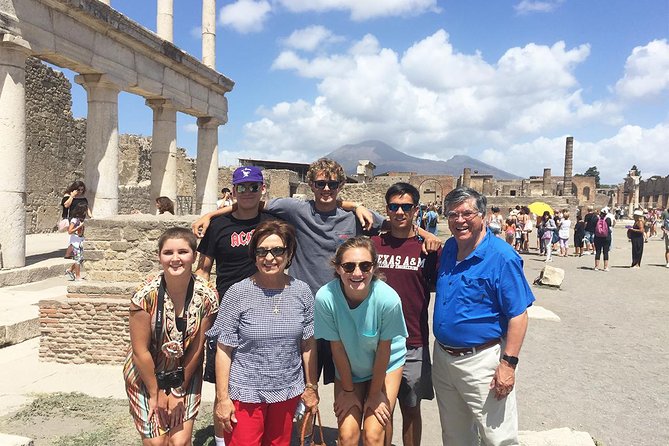
The best Pompeii tours have two things: expert context and an efficient route. This one is built around both. You get a professional guide who’s an archaeologist, and you’ll stay within a maximum group size of 15. That smaller number matters more than people expect.
Large groups can feel like a moving conveyor belt. A small group is different. Your guide can slow down when something is worth explaining, and they can keep you from getting swallowed by crowds at the pinch points. In the feedback, guides such as Lello and Italo come up again and again for doing exactly that—making the city feel alive without rushing.
I also like that your guide’s job isn’t just reciting facts. The route is timed so you hear the why behind what you’re looking at. One of the recurring themes is that Roman scenes stop feeling like textbook pages and start feeling like daily routines—shops, baths, and neighborhoods that make sense on foot.
Finally, pace is key for a short tour. The entire experience runs about 2 hours, which is ideal if you want Pompeii highlights without turning the day into a full marathon.
Via dell’Abbondanza: The Main Street You’ll Actually Understand
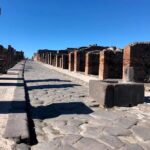
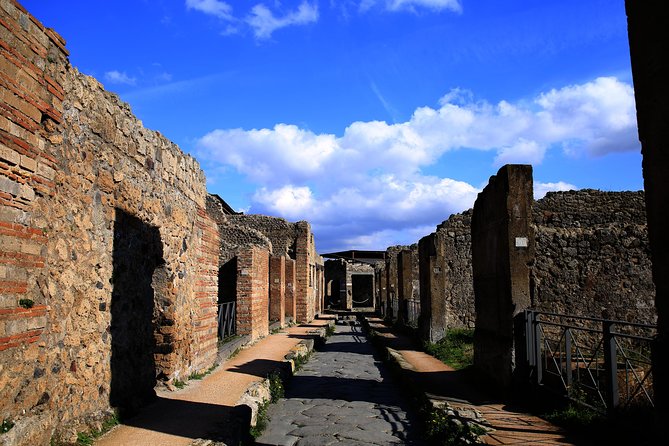
One of the stops is Via dell’Abbondanza, Pompeii’s famous main street. Seeing it without guidance can be a blur—columns here, shop space there, streets everywhere. With an archaeologist leading you, the street becomes a framework. You learn what a “main road” meant in a Roman city: movement, trade, noise, and everyday visibility.
This stop is quick—about 20 minutes—so you won’t be standing around. You’ll get just enough to understand what you’re walking through. The payoff is that later, when you see other streets or entrances, you’ll know what you’re looking at instead of guessing.
A small-group tour also tends to help with the human side of Pompeii. You’re not trying to fight for a view or crane your neck while 50 people press in front of you. You can actually look.
The Forum: Markets, Squares, and How Romans Spent Time
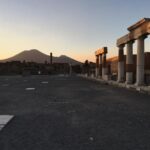
Next comes the Forum, Pompeii’s main square. This is where the city’s public life concentrated, and it’s also where the ruins feel most “urban” instead of just archaeological.
The tour frames this walk as learning how life worked in Roman times, and it ends at the Forum area with markets like the ancient Romans had. For most people, that’s the turning point: suddenly Pompeii stops feeling like ruins and starts feeling like a working city.
Because the stop is timed (about 20 minutes), don’t expect a slow, deep linger. Instead, think of this part as a map in your head. Once you understand the logic of where commerce and civic life sat, the rest of Pompeii reads better.
If you plan to explore afterward on your own, this is also a smart spot to anchor your orientation. One guide approach highlighted in feedback is helping visitors understand Pompeii’s layout so you can use the map more effectively once the tour ends.
Stabian Baths (Terme Stabiane): A Roman Routine in Stone
Then you’ll head to Stabian Baths (Terme Stabiane), one of the bath complexes that made Roman life feel social and routine. Baths are a great subject for a guided tour because they’re functional. You can look at rooms and passageways and still miss what the flow was—what happened first, what people did in each area, and why it was set up the way it was.
This stop is another short one (about 20 minutes), but it’s worth it. Baths help you picture Pompeii beyond homes and street scenes. They’re where you’d meet people, talk, relax, and keep up with daily habits.
One practical reality: bath areas can feel physically tricky to navigate since you’re on uneven surfaces. Wear shoes with grip, and keep your pace steady. The tour runs on a schedule, so you’ll be walking again soon.




Lupanar Frescoes: What You’ll See and How to Prepare
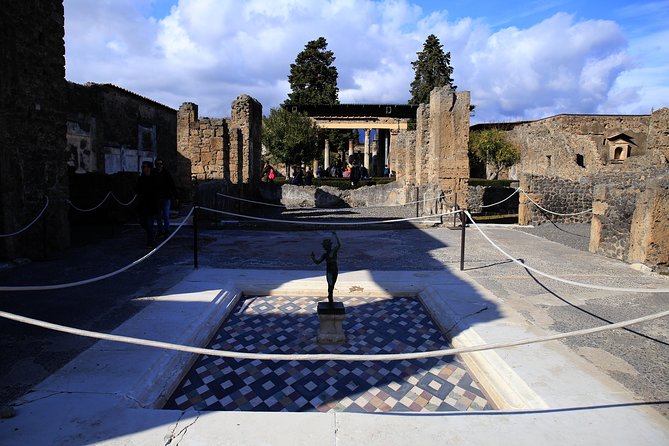
The Lupanar stop is famous for its erotic frescoes. This is one of those Pompeii moments where the past doesn’t feel distant or polite—it feels frank.
On this tour, you’ll be directed to see the site connected with those frescoes, typically with context that keeps it grounded in how Pompeii worked as a city. Even if you’ve heard stories before, it helps to have a guide who can steer you toward the right details without turning it into gossip.
If you’re bringing kids, this tour isn’t automatically off-limits, but you do need to think it through. The tour requires children to be accompanied by an adult, and since the content includes the Lupanar area, parents should judge whether that’s appropriate.
Emotionally, I’d treat this stop like an art-and-history moment, not a shock-and-awe stop. A good guide will help you focus on what the frescoes reveal about the culture and street life—where entertainment, commerce, and city realities overlapped.
Where the Tour Ends: How to Keep Exploring Without Getting Lost
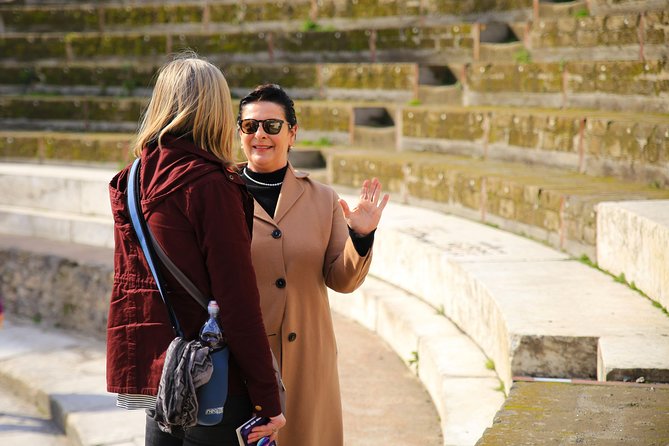
The tour finishes back at the meeting point, and you’ll also spend time in the Archaeological Park of Pompeii with the archaeologist guide. The route is designed to hit the big headlines without covering every corner—because Pompeii is too large for that.
So the best strategy is to use this tour as your foundation. If you come with questions—Where do I start? What’s worth returning to? Why does this street connect to that square?—the guide walk gives you a starting framework.
In feedback, one helpful approach described is having the guide show visitors how the grid system works and pointing out how to use the provided map to explore additional parts after the tour. That’s the ideal way to do Pompeii: let the guide set your bearings fast, then branch out confidently.
If you only have a small window that day, the tour is also a smart way to get high value even if you don’t plan any extra self-walking.
Practical Stuff: Meeting Point, Footwear, and Real Timing
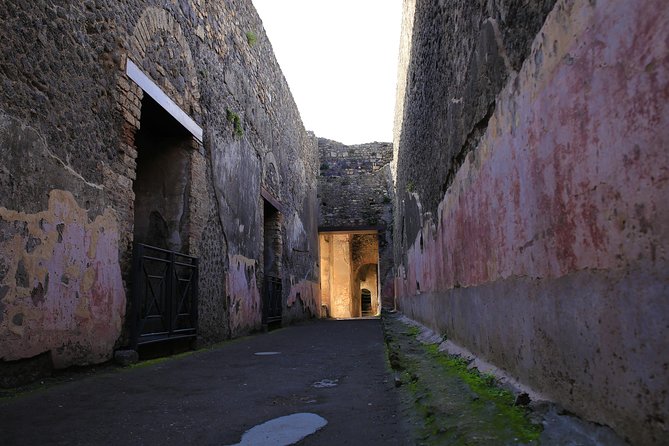
Start point: Piazza Esedra, 80045 Pompei NA, Italy. The tour ends back at the meeting point, so you’re not left scrambling to find your way across the park.
The operator says the meeting point is near public transportation, which is good. Still, give yourself buffer time. There are reports that local roads can get messy, even with small delays, so build in extra travel time so you don’t risk missing the tour.
And about walking: you’ll be on comfortable shoes only territory. The tour specifically calls out walking on original ancient streets. That means uneven ground, stone edges, and a bit of dust and grit. Sneakers are better than flats, and supportive soles beat stylish shoes.
Dress code is smart casual, but in Pompeii the sun is the boss. Bring a hat if you have one, and consider water. The tour is short, yet you’re still outdoors for a good chunk of it.
Who Should Book This Pompeii Archaeologist Tour
This is a strong match if you want Pompeii highlights with context and you don’t want to waste time figuring things out alone. It’s also a good choice if you prefer a small group and like your history connected to real spaces.
It can work for families, too, including reports of kids being kept engaged. Still, treat it as a walking tour. If you or your group has limited mobility or struggles with warm conditions, you might find the pace and route more challenging than a slower, more flexible visit.
Also, if you enjoy learning from a guide who can point out details you’d miss, this format pays off quickly. Pompeii rewards attention, and the guide’s explanations are the difference between seeing ruins and understanding a city.
Should You Book This Tour or Go It Alone?
Book it if:
- You want skip-the-line entry and a plan that fits into a short visit.
- You care about how Pompeii functioned as a real Roman city, not just the shock of the ruins.
- You prefer a max 15 group and a guided pace that avoids the worst crowding.
Skip it (or consider another style) if:
- You hate guided tours and want total freedom to linger where you choose.
- You’re visiting with very limited walking ability and need a gentler pace.
- You only want a broad overview and don’t care about archaeology-level context.
My take: this is good value when you treat it as a time-efficient way to “learn the language” of Pompeii. Once you get that foundation—street logic, civic layout, and daily life—you can explore more confidently on your own after.
FAQ
How long is the Pompeii skip-the-line guided tour?
The tour lasts about 2 hours.
Is the tour in English?
Yes, it is offered in English.
How big is the group?
The tour has a maximum of 15 travelers.
What’s included in the price?
The price includes a professional guide and skip-the-line tickets included with guaranteed no long waits.
Does it include admission to Pompeii ruins?
Admission tickets are included as part of the tour experience, but this is not an independent ruins ticket. You use your guided tour confirmation with the guide.
Where does the tour start?
It starts at Piazza Esedra, 80045 Pompei NA, Italy, and ends back at the meeting point.
What should I wear and bring for the walk?
Wear smart casual and plan on walking. Comfortable shoes are a must because you’ll walk on original ancient streets.
Do I need ID for entry?
Yes. IDs are mandatory, and the names used during reservation need to match your IDs.
Should You Book This Tour or Not? (Quick Decision)
If your goal is to see Pompeii’s key highlights in a short window and you want an archaeologist to connect what you’re seeing to how people lived, I’d book it. The skip-the-line part protects your time, the small group keeps it human, and the route focuses on the places that make Pompeii click fast. Just arrive early, wear good shoes, and you’ll get a lot out of every minute.