REVIEW · POMPEII
Pompeii Skip-the-line Tour with Archaeologist Guide
Book on Viator →Operated by Raphael Tours & Events · Bookable on Viator
Pompeii starts making sense fast when you have a real guide. This skip-the-line, small-group walk helps you connect the big scenes—forum, theater, baths, and the brothel—with the human story of Pompeii’s sudden end. I love how the guide’s background turns scattered walls into daily life, and you’ll also appreciate the 2-hour pacing that keeps you moving without feeling rushed.
One consideration: this is still a walking tour on original stone (including lava rock), so if you want a slow, stop-everywhere wander, you may feel the time pressure.
In This Review
- Key highlights to know before you go
- Skip-the-line entry and where to meet at Hotel Vittoria
- Two hours in Pompeii: what the walking tour feels like
- The AD 79 Vesuvius story: turning ruins into a timeline
- Forum, civic life, and the heart of a Roman city
- Theater and baths: Roman entertainment and the gossip network
- Shops, streets, and the “what would I buy here?” effect
- Gladiator training areas and the Lupanare brothel stop
- What you’ll miss after 2 hours—and how to plan your extra time
- Price and value: what $71.35 gets you in Pompeii time
- Who this tour suits best (and who might want a different pace)
- The bottom line: should you book this Pompeii skip-the-line tour?
- FAQ
- Is this tour a ticket you can use on its own?
- How long is the Pompeii tour?
- Is admission to Pompeii included?
- What sites does the tour focus on?
- Is it truly skip-the-line?
- What’s the group size limit?
- What should I wear or bring?
- Where do I meet for the tour?
- Is food included?
- Can I cancel and get a full refund?
Key highlights to know before you go
- Skip-the-line access with a guided confirmation so you don’t just buy a ticket and wander
- Max 16 people, which makes it easier to ask questions and hear the story
- Ancient streets under your feet, including lava rock and wagon-wheel ruts
- AD 79 Mt. Vesuvius context tied to what you’re seeing right in front of you
- Big Pompeii highlights in 2 hours: forum, theater, baths, gladiator areas, and the brothel
Skip-the-line entry and where to meet at Hotel Vittoria
You’ll meet at Hotel Vittoria, Piazza Esedra, 80045 Pompei NA, Italy. This matters more than it sounds, because the “skip-the-line” part only works smoothly if you’re at the correct spot and on time. The tour ends back at the meeting point, so you don’t have to solve a logistics puzzle at the end.
Also, this is a guided-tour confirmation, not a stand-alone ruins ticket. In plain terms: you use it with the guide, not as a solo pass to roam the site afterward. If you’re hoping for a ticket-only entry so you can freelance right away, this setup may not match your style.
You can also read our reviews of more tours and experiences in Pompeii.



Two hours in Pompeii: what the walking tour feels like
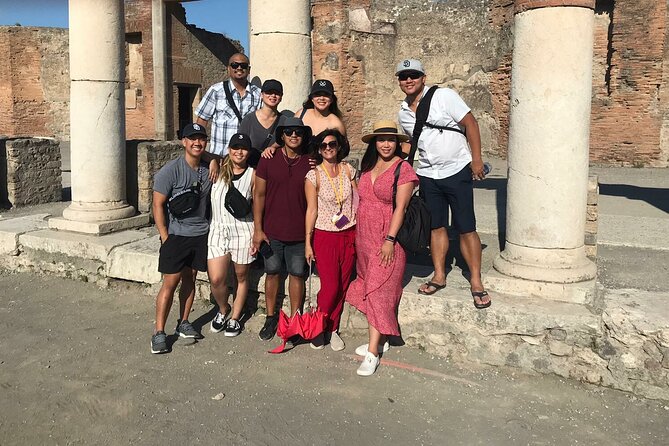
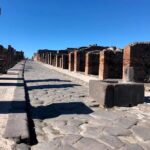
Plan for real walking. You’ll move through Pompeii on original ancient streets, and you’ll be stepping on lava rock—totally doable, but it’s not a casual stroll. Comfortable shoes are the key item, and I’d bring a hat for the sun if you’re visiting in warmer months.
One of the best advantages here is the group size: it caps at 16 travelers. Smaller groups make a difference at a place like Pompeii, where the site is huge and easy to misread. With fewer people, your guide can point out small details without constantly yelling over the crowd.
And based on what I’ve seen others report, the experience often includes ear sets/headsets, which helps you catch every explanation while you’re walking and turning corners.
The AD 79 Vesuvius story: turning ruins into a timeline
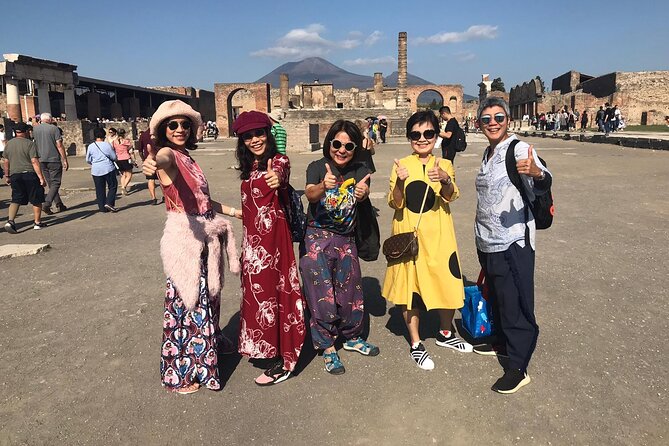
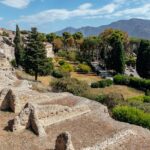
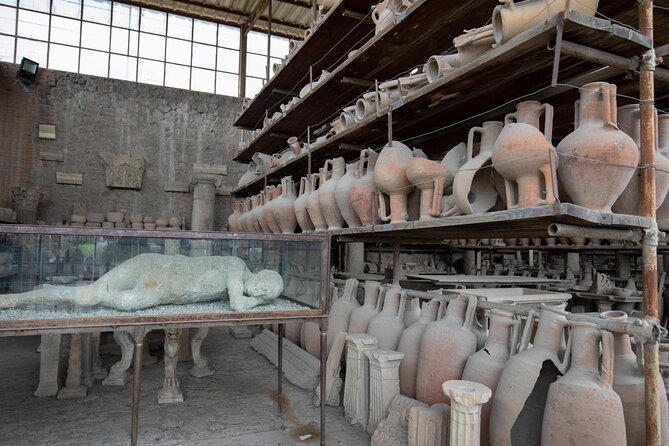
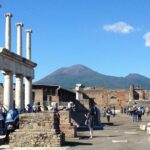
Pompeii isn’t just old buildings. The eruption of Mt. Vesuvius in AD 79 is what “locks in” the city the way you see it today. The guide ties that event to the scenes you’re about to walk through, so the ruins feel less like random stops and more like a timeline of a real place.
When the guide brings up the eruption context, it helps you understand why Pompeii can feel so intimate. You’re seeing architecture, street layouts, and everyday spaces preserved in a way that makes the Roman city readable in a single afternoon—especially when someone can translate what you’re looking at.
A detail worth paying attention to is how Pompeii’s streets show practical wear, like wagon-wheel ruts. It’s the sort of thing you might walk past without thinking—until the guide points out what it likely indicates about traffic and daily movement.
Forum, civic life, and the heart of a Roman city
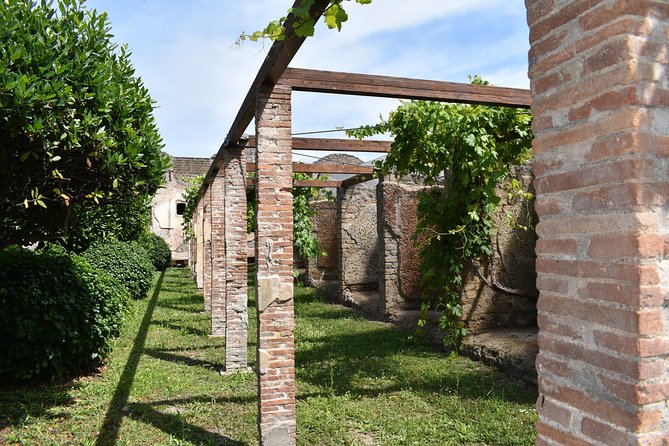
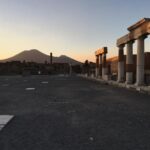
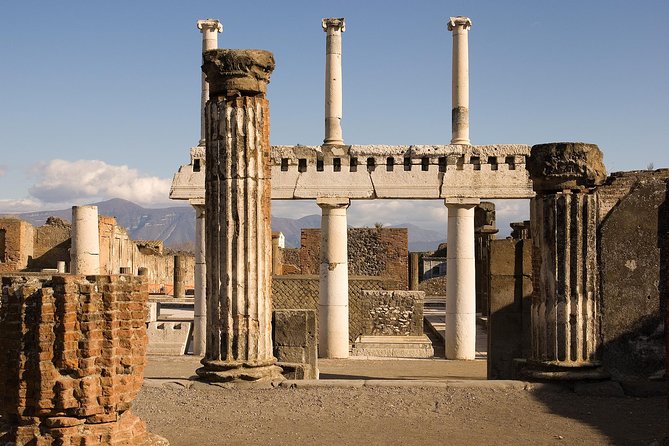
You’ll get to the forum, which is the “city center” where Roman life mixed religion and politics. This is where temples and civic buildings meet, and your guide helps you see how that mattered day to day.
What I like about the forum stop is that it doesn’t stay abstract. You’re looking at the physical spaces where priests and politicians carried on their roles, and the guide helps you connect the architecture to the social structure. It’s one of those moments where the scale suddenly feels purposeful rather than overwhelming.
You’ll also cover other key civic and practical areas nearby, including the ruins of places connected to entertainment and public routines. And if you’re the kind of person who likes seeing how power worked, this section is a strong anchor for the whole tour.
Theater and baths: Roman entertainment and the gossip network
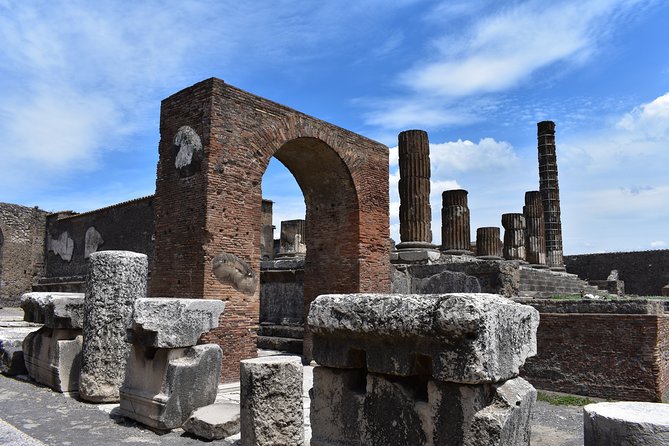
Next up is the theater, a place that once hosted performances with real drama—tragedy and comedy. In Pompeii, a theater stop can go two ways: either it’s just “here’s where they sat,” or it becomes a window into how people spent their leisure time. With the right archaeologist-style guide, it becomes the second.
Then comes the thermal bathhouse. Baths weren’t only about washing. This is where Romans went to bathe, exercise, and—very importantly—gossip and socialize. When your guide frames the baths this way, you start noticing how the design supports routine and conversation, not just hygiene.
This is also where you tend to appreciate what a guided tour does best: it trains your eye. You don’t have to already know Roman urban life, because the guide gives you a mental map so each space has a job.




Shops, streets, and the “what would I buy here?” effect
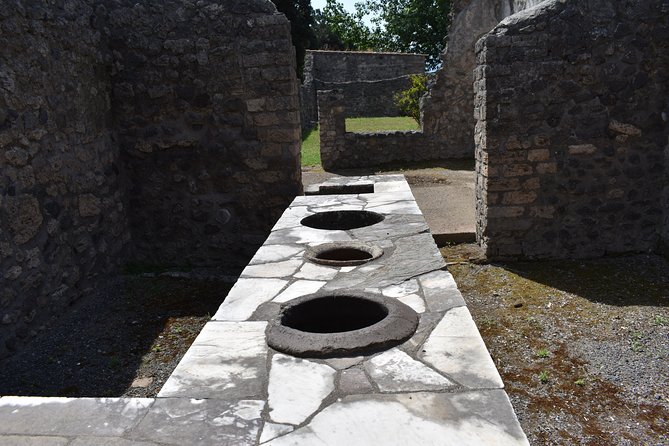
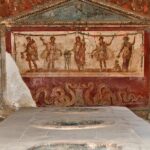
Pompeii has plenty of ruins that look like “just walls” until someone tells you what kind of business used to operate there. You’ll get opportunities to peek into remains of everyday commerce—places that would have functioned like restaurants, bars, and shops selling food and clothing.
This is a fun part of the walk because it’s easy to imagine walking through the same streets for a quick snack or a wardrobe update. You also start seeing why the street layout matters: it’s not random. It supports movement between public life, entertainment, and local errands.
If you like travel that connects past to present habits—shopping, eating, meeting friends—this section will click fast.
Gladiator training areas and the Lupanare brothel stop
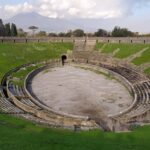
Pompeii is known for its entertainment culture, and you’ll likely pass through areas connected to gladiators, including barracks where gladiators once trained and lived.
Then there’s the brothel, called the Lupanare. This is one of Pompeii’s most talked-about attractions for a reason: it’s distinctive, and it pulls you into the uncomfortable-but-real everyday side of Roman city life. Your guide helps you see it as part of the larger urban system, not just an oddity.
I’ll be honest: this stop can be jarring if you’re coming with a sanitized idea of ancient life. But it’s also exactly where Pompeii becomes more honest. A guided explanation helps you keep context while you look.
What you’ll miss after 2 hours—and how to plan your extra time
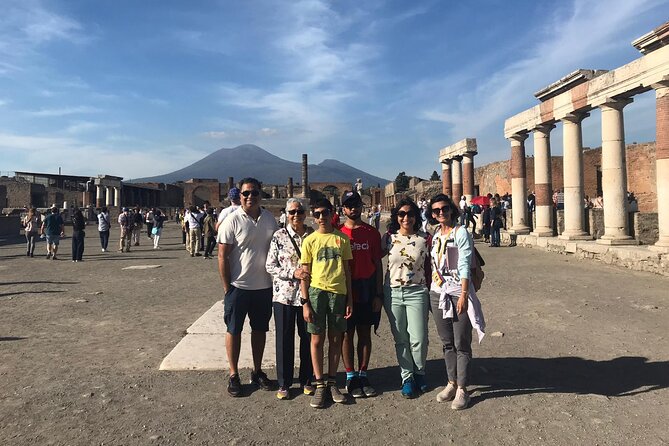
Two hours goes by fast in Pompeii. That’s not a flaw; it’s a reality of the site size and the number of highlights you want to cover. After the tour, you’ll probably feel the urge to linger—especially if you see a building and think, I want to read this one more carefully.
This is the part to take seriously when you’re deciding whether you want the tour or a longer independent visit. If you only have a morning or afternoon, the guided format is a smart choice because you’ll leave with a framework for what matters.
If you have more time, use the tour as your starting point. Afterward, pick 2–3 areas that grabbed you most—maybe the forum again from a different angle, or a bathhouse area—and slow down.
Price and value: what $71.35 gets you in Pompeii time
At $71.35 per person, this is not the cheapest way into Pompeii. But it’s also not overpriced for what you’re buying: a local guide, admission tickets, and skip-the-line entry for a focused 2-hour experience.
The value comes from the translation layer. Pompeii is big and visually chaotic if you don’t know what you’re seeing. A strong guide acts like a personal interpretive map, pointing out things you’d likely miss on your own—like wagon-wheel ruts, how spaces were used, and the way the Vesuvius story connects to the city layout.
You’re also getting a smaller group (max 16), and plenty of folks mention that their guides—often archaeologists or site experts, including names like Lello/Lelo, Italo, and Cela—keep the tour lively and easy to follow.
Who this tour suits best (and who might want a different pace)
This tour fits best if you want a high-impact introduction. It’s ideal for couples, friends, and families who want major highlights without spending the whole day trying to figure out directions and significance.
It also works well for people who enjoy questions. In the group format, your guide can answer and keep things moving. Some families even include teens, and the tone tends to support curiosity rather than lectures.
The main “not ideal” match is someone who wants to wander for hours with zero structure. With lava rock underfoot and a set route, you’ll be following a plan for 2 hours. You can always extend your time afterward, but the guided session itself is meant to cover key sites efficiently.
The bottom line: should you book this Pompeii skip-the-line tour?
If you’re spending limited time in Pompeii, I’d book it. The combination of skip-the-line entry, admission included, and an archaeologist-led walk through forum, theater, baths, gladiator areas, and the Lupanare gives you real payoff for your time.
If you’re the type who loves slow independent exploration and already knows Pompeii well, you might feel the 2 hours is just a snapshot. But for most people—especially first-timers—this format helps you understand what you’re looking at, not just see it.
FAQ
Is this tour a ticket you can use on its own?
No. You get a guided-tour confirmation that you can use only with the guide.
How long is the Pompeii tour?
It’s about 2 hours.
Is admission to Pompeii included?
Yes. Admission tickets are included.
What sites does the tour focus on?
You’ll see major highlights including the forum, the theater, thermal bathhouse, gladiator barracks/training areas, and the brothel (Lupanare).
Is it truly skip-the-line?
The tour is described as skip-the-line, and it’s designed so you enter with the guide rather than just as a standalone visitor.
What’s the group size limit?
The tour has a maximum of 16 travelers.
What should I wear or bring?
Wear comfortable shoes since you walk on the original streets, including lava rock. Bringing a hat is a good idea in summer sun.
Where do I meet for the tour?
Meet at Hotel Vittoria, Piazza Esedra, 80045 Pompei NA, Italy.
Is food included?
No. Food is not included.
Can I cancel and get a full refund?
Yes. You can cancel up to 24 hours in advance for a full refund.