REVIEW · ROME
Skip the Line Vatican Museums and Sistine Chapel Guided Tour
Book on Viator →Operated by 7 HILLS TOURS · Bookable on Viator
The Vatican queue can eat your whole day. This skip-the-line guided tour is interesting because it gets you into the Vatican Museums faster with small-group access to questions, then aims at the big artistic hits without wasting hours. I love how your guide connects works like Laocoön and His Sons and Raphael’s Transfiguration to the church’s story. I also love that you’re not just staring at walls; you’re getting clear explanations as you move. One drawback: the whole route is time-tight, so the experience can feel a bit brisk once you reach the Sistine area.
You’ll meet at Via Santamaura 21 (close to the Vatican Museums entrance) and follow your guide inside using your prebooking entry. Headsets are included, which helps when the galleries get loud or crowded. The tour ends near the Sistine Chapel, so you can keep your bearings and head toward St. Peter’s Basilica afterward.
The best part is the way it threads together ancient sculpture, Renaissance painting, and the Sistine Chapel’s scale into one focused arc. You’ll also see the Raphael Rooms (Stanze di Raffaello) for a concentrated hit of frescoes. If your guide is someone like Valentina or Veronica (names I’ve seen associated with this tour), you’ll likely get the kind of on-the-spot context that turns famous scenes into something you can actually describe later.
In This Review
- Key takeaways before you go
- What this $150.85 skip-the-line tour really buys you
- Meeting at Via Santamaura 21 and using that fast-entry ticket
- Vatican Museums highlights: ancient sculpture to Renaissance painting
- Sistine Chapel and the Last Judgement moment
- Raphael Rooms (Stanze di Raffaello): why this stop matters
- St. Peter’s Basilica, La Pietà, and the papal crypt: what to expect
- Pace, audio, and small-group reality inside the Vatican
- Dress code and practical tips that keep you out of trouble
- Who should book this Vatican Museums and Sistine Chapel tour
- Should you book the Skip-the-Line Vatican Museums and Sistine Chapel tour?
- FAQ
- How long is the Skip-the-Line Vatican Museums and Sistine Chapel Guided Tour?
- What language is the tour offered in?
- Where do we meet, and where does the tour end?
- What time does the tour start?
- Is admission included for the Vatican Museums and Sistine Chapel?
- Does this tour include entry to St. Peter’s Basilica?
- What dress code do I need for the Vatican?
- What’s included for hearing and audio?
- Can I cancel for a full refund?
Key takeaways before you go
- Skip-the-line entry means less time standing around and more time looking closely
- Small-group format (stated up to 20, with 12 typical) gives you a better shot at questions
- Big-name art in one flow: Laocoön, Raphael’s rooms, and the Sistine Chapel’s Last Judgement
- Guided storytelling ties sculptures and paintings to who commissioned them and why
- Practical setup: headsets included, strict Vatican dress rules apply
What this $150.85 skip-the-line tour really buys you
For the price, you’re not mainly paying for “access” in the abstract. You’re paying for time. The Vatican can swallow half a day with lines, security, and the general chaos of thousands of people moving at once. A guided skip-the-line experience helps you start earlier, enter smoother, and keep moving while your guide steers the route.
You’re also buying a guided “greatest hits” approach. This tour emphasizes major stops you can’t easily prioritize on your own if you’re short on hours, including the Vatican Museums and the Sistine Chapel focus. In a place where it’s easy to feel overwhelmed, that structure matters.
Still, understand the trade-off: this isn’t a slow museum amble. If you want to linger for 30 minutes in front of each painting, you’ll probably feel rushed at least some of the way. The win is efficiency and context; the cost is pace.
You can also read our reviews of more tours and experiences in Rome.
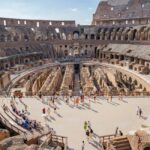
Meeting at Via Santamaura 21 and using that fast-entry ticket
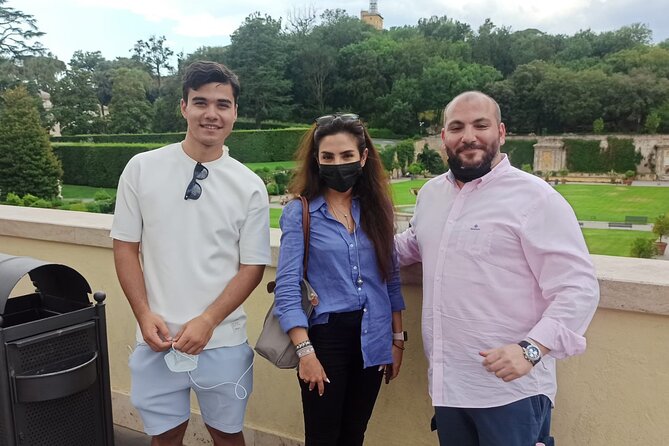
The meeting point is Via Santamaura 21, near the Vatican Museums entrance area. Show up at least 15 minutes early so you don’t get stuck trying to match names to faces in a crowded corridor.
Once you meet your guide, you use your skip-the-line ticket to bypass the main entrance line. That’s the practical advantage: you spend less time in queue purgatory and more time inside where the art actually is.
One small detail that can save stress: the Vatican has strict entry rules, and your visit can start feeling like a sprint the moment you arrive. Dress correctly (more on that below) and bring a bit of patience for the flow of people, especially on popular entry times like the 11:15 am start.
Vatican Museums highlights: ancient sculpture to Renaissance painting
The route through the Vatican Museums is built around the idea of variety: Greek Classical works, Renaissance masterpieces, and major “you can’t miss this” rooms. Your guide sets the scene with context dating back to the 16th century under Pope Giulio II, then points out how later popes added collections over time.
A standout highlight is the ancient statue of Laocoön and His Sons. It’s famous for a reason, but the best part of seeing it on a guided tour is learning what to notice: the drama in the composition and the way the work reads as sculpture, not just a textbook image.
You’ll also hit Raphael-related masterpieces and other Italian masters mentioned for this tour route, including Leonardo da Vinci, Perugino, and Fra Angelico. One useful benefit of a guided approach here is that it helps you connect artists and themes without needing to stop every few feet to look things up.
Two more specific works that are part of this tour’s “must-see” list: the Transfiguration by Raphael, described as his last painting, and the Raphael Rooms (Stanze di Raffaello) later in the experience. Even if you’ve seen photos, the scale inside these rooms hits differently in person.
Practical note: this route is highlights-heavy. If you’re hoping for long stretches on every genre (for example, Egyptian collection time), you might find you don’t get as much of that as you imagined. This tour is built to prioritize major, recognizable moments.
Sistine Chapel and the Last Judgement moment
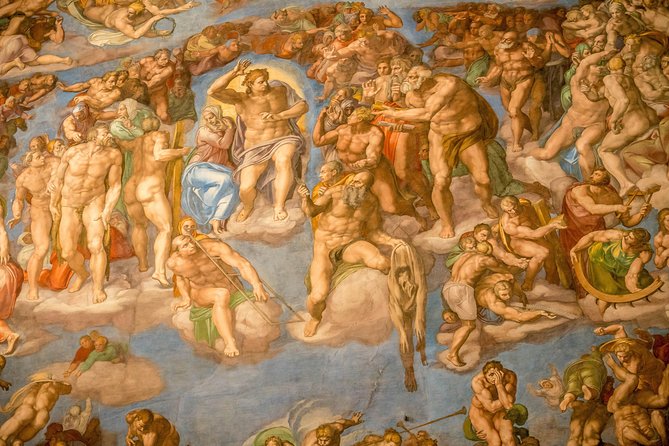
The Sistine Chapel is the emotional finish line for many visitors, and this tour focuses on it. You’ll spend time in the chapel area around Michelangelo’s The Last Judgement, then you’ll circle back through a guided focus on the Giudizio Universale (the Last Judgement) theme.
This is where pacing becomes the biggest factor. The Sistine Chapel is tightly managed by guards, and you may be moved along quickly. You should be ready for a “see, take it in fast, then go” rhythm rather than a long sit-down portrait session.
Audio helps here because the chapel experience is not quiet in the way you might expect. Headsets are included, but crowded rooms and constant movement can make hearing tricky even with equipment. If you care about the details your guide is pointing out, position yourself so you can listen without craning or getting blocked by people in front of you.
Also, plan your photos and phones according to the rules in the moment. On at least one visit associated with this experience, the guide’s instructions were tightly limited there, and the group was rushed through by staff. So even if the rest of Rome feels relaxed, the Sistine area runs like a controlled corridor.
Raphael Rooms (Stanze di Raffaello): why this stop matters
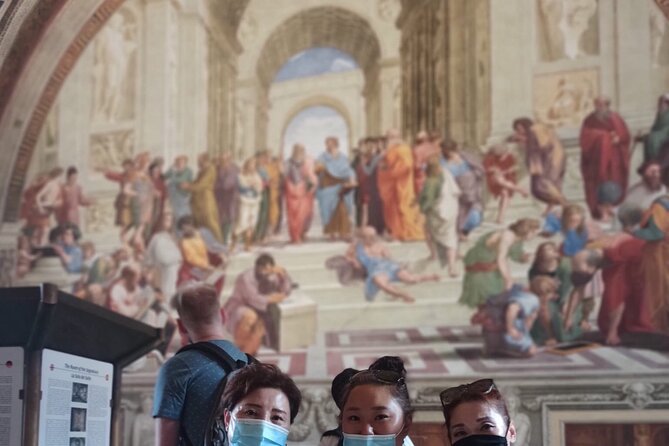
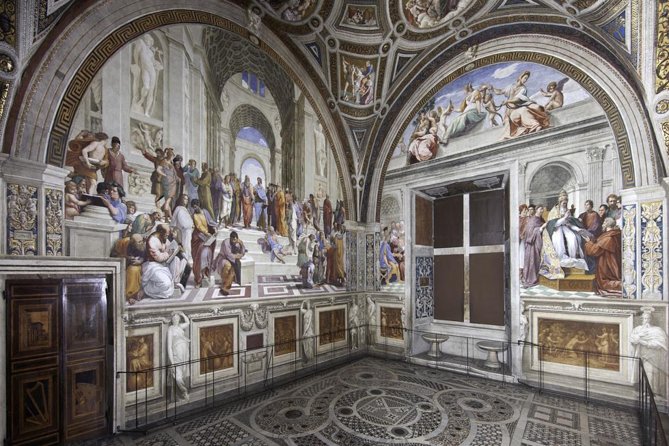
The Raphael Rooms are one of the most rewarding ways to understand Raphael beyond “famous artist” status. Seeing the frescoes together is the point: the rooms are like chapters. You walk from one visual idea to the next, and the overall theme becomes clearer than any single painting viewed alone.
This tour gives you a focused pass through the Raphael rooms (Stanze di Raffaello). Even with the short time window described for that stop, I like this as a payoff because it follows naturally after the Vatican Museums sweep. You go from ancient and Renaissance masterpieces broadly, then narrow in on Raphael’s world at the place where his influence is concentrated.
If you only do one “extra” room beyond the Sistine focus, the Raphael Rooms are a smart choice. They’re the kind of space where you can actually remember what you saw afterward because each fresco has a distinct mood and subject.


St. Peter’s Basilica, La Pietà, and the papal crypt: what to expect

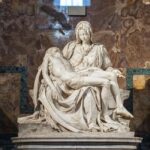
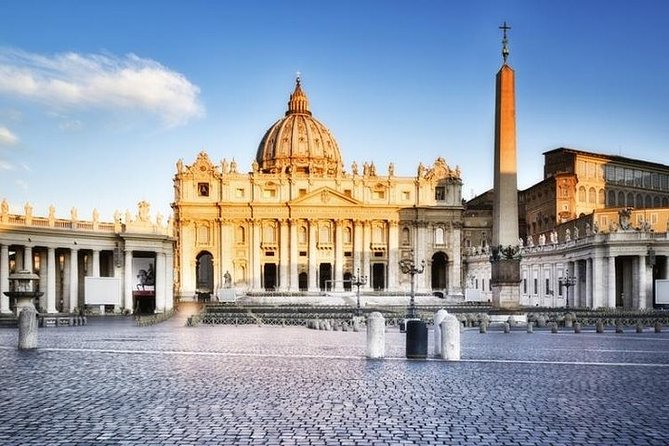
You’ll finish the tour with a step toward St. Peter’s Basilica area, and the tour materials specifically mention seeing La Pietà and the papal crypt (including Pope John Paul II and others). That’s a strong ending because it shifts you from museum rooms into a living, sacred landmark.
But here’s the key caution: access to the Basilica is listed as not included. In plain terms, you might be directed toward the area, but you should verify what you can enter on your actual day. Add to that the fact that the Basilica can be closed at times (I’ve seen that happen on at least one instance tied to this kind of tour), and you should treat St. Peter’s as a possible bonus, not a guaranteed “walk-in and linger” moment.
If you want the best odds of enjoying St. Peter’s fully, plan to keep your eyes up for La Pietà if it’s open, then ask your guide what’s accessible once you arrive. And if your tour ends near the Sistine Chapel, use that positioning to walk over when things are fresh in your mind.
Pace, audio, and small-group reality inside the Vatican
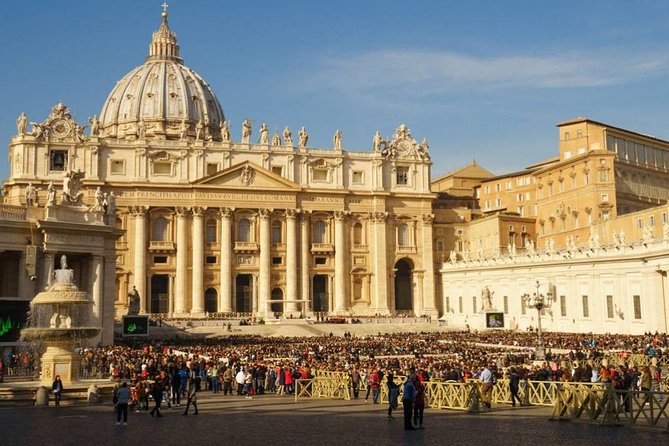
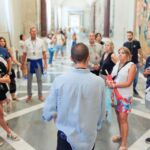
The tour is described as a small group—12 people excluding free children—with a maximum of 20 travelers. That’s the sweet spot for the Vatican. In theory, fewer people means your guide can redirect you faster, answer more questions, and keep you from getting lost in the shuffle.
In practice, the Vatican itself is still the Vatican. Even with small groups, you’ll move through corridors filled with other tour groups. That can make the pace feel bigger than you expected, especially if you like time to breathe between highlights.
Audio is included (headsets), which helps a lot in rooms with echo and noise. Still, if you use hearing aids or need clearer audio than a standard headset, think ahead: you may want to bring your own backup plan or ask your guide how they manage sound in the chapel area.
One more pace tip that matters: in hot months, the heat indoors plus standing in long lines outside the museums can be draining. A simple strategy is to bring water if you can (the tour doesn’t include food or drinks). Wear breathable layers under your Vatican dress-code outfit.
Dress code and practical tips that keep you out of trouble
The Vatican’s dress code is strict: knees and shoulders must be covered for both men and women. The easiest workaround is a light scarf or wrap you can throw over your shoulders. This tour doesn’t include a quick fix if you arrive underdressed, so it’s worth planning.
Also plan for long standing and slow-walk “crowd physics.” Even if the experience feels fast, your body is still doing a lot of waiting and shuffling. Comfortable shoes are not optional if you want to enjoy it.
Finally, be ready for language and explanation style differences. In a small group, you might hear more, but if the guide’s accent or phrasing is different from what you’re used to, it can affect how much you catch. Stand where you can hear and follow along visually; that’s how you get value out of every minute.
Who should book this Vatican Museums and Sistine Chapel tour
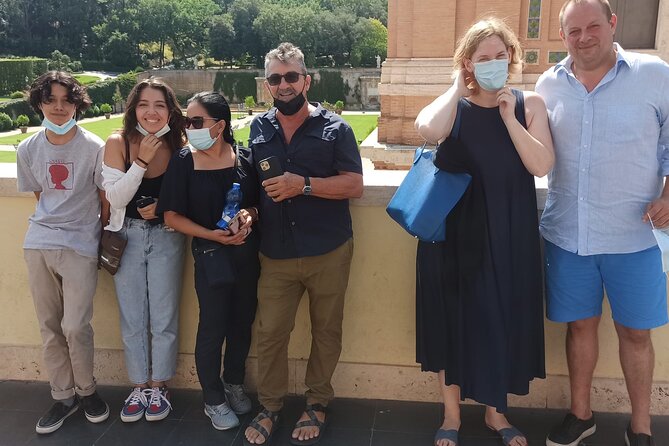
This is a great fit if you want:
- a guided path through major Vatican Museums highlights without spending your whole day planning
- a structured visit that includes Sistine Chapel focus and Raphael Rooms
- a small-group feel where questions are possible, not just a lecture from the front
It may not be ideal if you:
- want a slow, self-paced museum experience with lots of time to wander
- care deeply about seeing niche categories for hours (this route prioritizes famous highlights over everything)
- need a very specific accessibility plan for getting around with a wheelchair (confirm details ahead, because tour logistics can affect how a group stays together)
If your goal is maximum art impact per hour, this tour matches that mission.
Should you book the Skip-the-Line Vatican Museums and Sistine Chapel tour?
I’d book it if you’re short on time and you want the Vatican’s top works paired with a guide who helps you look smarter. The skip-the-line part is the main value engine, and the guided focus on the Sistine Chapel and Raphael Rooms makes it easier to feel like you actually saw something meaningful, not just walked through crowds.
I’d hesitate if you’re the type who gets irritated by tight timing, because the Sistine experience especially can feel like a fast-moving corridor. If you’re sensitive to that, consider whether you’d rather do a self-paced plan with more time for your own pace—or pick a day/time when crowds feel more manageable.
FAQ
How long is the Skip-the-Line Vatican Museums and Sistine Chapel Guided Tour?
It’s listed as approximately 2 hours 15 minutes.
What language is the tour offered in?
The tour is offered in English.
Where do we meet, and where does the tour end?
You meet at Via Santamaura, 21, 00192 Roma RM, Italy. The tour ends at the Sistine Chapel area in Vatican City.
What time does the tour start?
The start time shown is 11:15 am. The tour also notes that there are several start times you can choose from.
Is admission included for the Vatican Museums and Sistine Chapel?
Yes. Admission tickets are included.
Does this tour include entry to St. Peter’s Basilica?
Access to St. Peter’s Basilica is listed as not included, even though the experience notes time near that area.
What dress code do I need for the Vatican?
You must cover your knees and shoulders (for both men and women).
What’s included for hearing and audio?
Headsets are included so you can hear the guide clearly.
Can I cancel for a full refund?
Yes, free cancellation is available up to 24 hours before the experience’s start time for a full refund.