REVIEW · ROME
Trastevere Like a Local Food Tour with 7+ Food Tastings & Wines
Book on Viator →Operated by Secret Food Tours · Bookable on Viator
If you like food tours with stories, this one delivers. In 3.5 hours around Trastevere, you’ll taste classic Roman favorites and hear how the neighborhood works—day to night. I love the small-group pace (tours cap at 12) and the way the menu leans into real, order-at-a-counter Rome, not tourist mashups. One thing to consider: the drink approach is aperitivo-style pairing, so you won’t feel like you’re doing a heavy, pour-everything wine seminar.
You start with a scenic walk tied to Roman engineering and legend, then shift into neighborhood squares and tight lanes where the tastings actually make sense. I also like that the tour is built for a practical outcome: you leave full, with a better sense of where to eat after the tour. If you’re hoping for a fully gluten-free menu, you’ll want to know up front that this tour can’t accommodate gluten-free allergies or intolerances.
In This Review
- Key highlights
- Value and what $130.66 gets you in real Rome terms
- The walking loop: how the route helps you eat and understand Trastevere
- Stop 1: Ponte Fabricio and the myth-flavored start
- Stops 2 and 3: Piazza in Piscinula and the Mattei Houses view
- Stop 4: Vicolo del Moro and the bread-and-night street switch
- Stop 5: Piazza di Santa Maria in Trastevere and the square that frames the finale
- The food menu: what you’ll actually taste and why it works
- About “Secret Dish” and how to read that on the day
- Wine and drinks: aperitivo style, not wine tasting class
- Guide impact: why names like Claudia and Rocio keep coming up
- Portion size reality check: you may not leave hungry, but plan like it
- Price-fit by traveler type: who gets the best match
- Timing and finding the meeting point without stress
- Should you book the Trastevere like a Local Food Tour?
- FAQ
- How long is the Trastevere Like a Local Food Tour?
- How much does the tour cost?
- How many tastings and drinks are included?
- Is this tour for adults only?
- Does the tour accommodate gluten-free diets?
- Are pets allowed on the tour?
- Where do we meet, and where does the tour end?
- How big is the group?
- What happens if the menu or itinerary changes due to weather?
- Can I cancel and get a full refund?
Key highlights
- Small group cap (12 max) so the guide can keep an eye on the flow and your questions
- Aperitivo-focused drinks paired with tastings, including DOP Prosecco and local Roman wine
- Classic Roman bites like supplí (fried rice), stuffed zucchini flowers, and porchetta
- Two Roman pasta tastings plus dessert, so you’re not just grazing
- Trastevere landmarks on foot, from Ponte Fabricio to Piazza di Santa Maria in Trastevere
- Guide energy you’ll feel immediately, with standout guides reported by name like Claudia and Rocio
Value and what $130.66 gets you in real Rome terms
At about $130.66 per person for roughly 3 hours 30 minutes, you’re paying for three things at once: guided wandering, multiple food stops, and included drinks. In Rome, a single serious meal can easily climb past what this tour charges—so the value comes from stacking lots of small, iconic items with history you can’t easily pick up from a map.
This isn’t a “sit down for one big course” tour. It’s more like an intentional walk that helps you sample the kind of dishes Romans actually order: fried street food, Roman-style veg, porchetta, pasta in familiar forms, and gelato at the end. The price makes sense if you want variety and guidance, not just calories.
You can also read our reviews of more tours and experiences in Rome.


The walking loop: how the route helps you eat and understand Trastevere
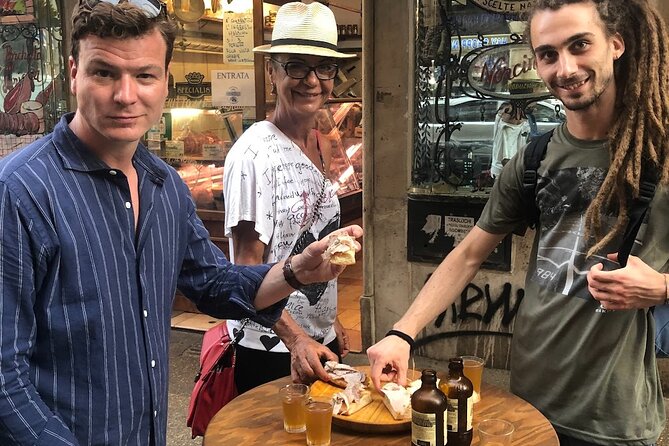
Trastevere is famous for being photogenic, but that’s not why this tour works. The route is designed to move you through the neighborhood’s rhythm. You’ll go from landmark views to squares, then into narrow streets where bread smells and shopfronts do the talking. That flow matters because the tastings are tied to place, not randomly assigned.
Expect a “fair amount of walking,” and bring comfortable shoes. The good news: the pacing is broken into multiple stops, and the tour keeps you moving without feeling like you’re sprinting across Rome.
Stop 1: Ponte Fabricio and the myth-flavored start
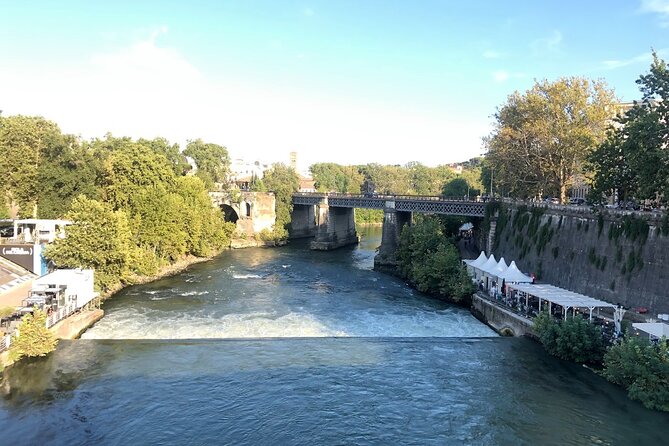
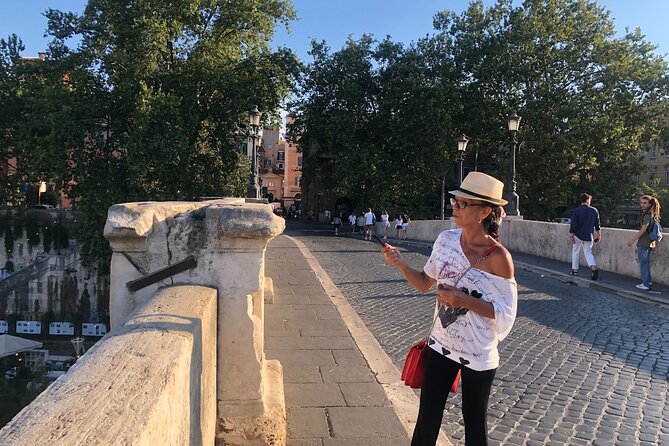
You begin at Via di Monte Savello, 26, then move toward Ponte Fabricio—the Bridge of the Four Heads. It’s one of Rome’s oldest bridges still standing in its original form, built in 62 BC. Even if you’ve seen plenty of bridges, this one sets the tone because you’re starting with something functional and ancient, not just scenic.
From there, the story shifts to the Temple of Aesculapius that once stood on Tiber Island. The legend says a plague outbreak led the Senate to build a temple dedicated to the god of medicine, Asclepius (Aesculapius), around 293 BC. It’s the kind of starting point that makes the neighborhood feel older than you expected—especially when you realize Rome’s food culture developed over centuries of movement, recovery, trade, and routine.
Practical tip: bring your “photo posture” because Ponte Fabricio gives you a great vantage for looking across the river before the tour turns into smaller streets.
Stops 2 and 3: Piazza in Piscinula and the Mattei Houses view
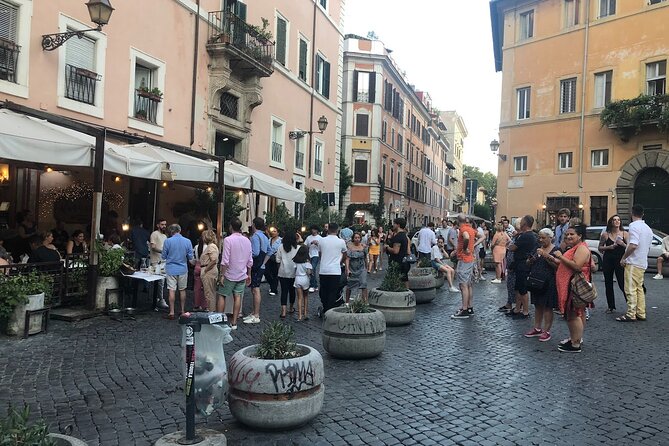
Next you head into Piazza in Piscinula, and the name alone is a clue that this area used to be different. “Piscinula” comes from the presence of smaller Roman thermal baths and pools, with the neighborhood carrying that identity long after the baths themselves faded. It’s one of those small Rome details that make a square feel like a text you can read.
Nearby are the Mattei Houses, medieval-to-early Renaissance in feel, built in the 15th century using older 14th-century structures from the Mattei family. This is a good stop for understanding how Trastevere layers time: you’re standing in a modern hangout space built on top of earlier buildings that already mattered.
From Piazza in Piscinula, you also get connected to the nearby House of Dante, described as an active research center for Dante studies. You don’t need to be a Dante scholar to appreciate this part. It gives the tour a “Rome isn’t only food” balance—literature and scholarship sit right next to kitchens and bakeries.
What to watch: if the weather turns messy, your time outdoors may feel longer because squares are open. Comfortable layering helps.
Stop 4: Vicolo del Moro and the bread-and-night street switch
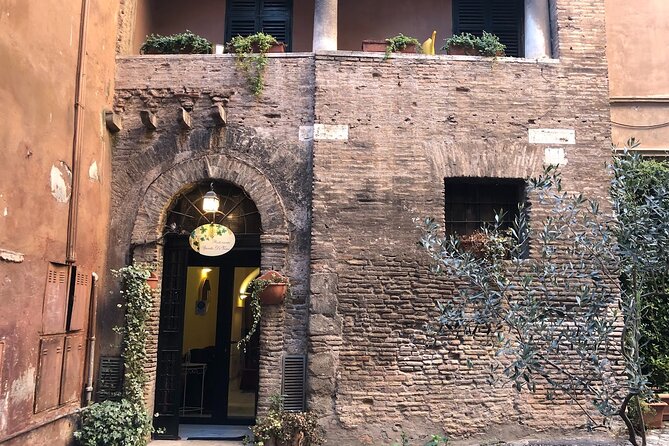
Then comes Vicolo del Moro, a street with a reputation for changing mood. Day and night feel like two different places. During the walk you’ll pass local shops and artisans, and the route is built to put you near the smell of fresh bread—specifically from La Renella Bakery, one of Rome’s oldest.
This stop is where the tour starts to feel like dinner before dinner. The street atmosphere gives your tastings context: Trastevere is less about big sights and more about daily habits—snack stops, quick bites, and people lingering because the food is worth it.
If you’re traveling early in the evening, this is a strong moment to pay attention to how the neighborhood shifts. It helps when you later decide where to go on your own.



Stop 5: Piazza di Santa Maria in Trastevere and the square that frames the finale
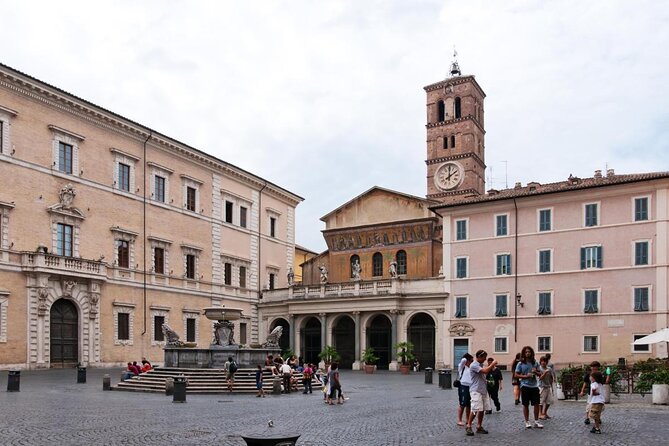
Your route lands at Piazza di Santa Maria in Trastevere, the old heart of Trastevere. The square is dominated by Basilica of Santa Maria in Trastevere, founded in 217 AD by Pope Callixtus. The facade has 13th-century mosaics, and even if you only catch part of them in passing, they give the church an intensity you don’t get from plain brick walls.
There’s also a fountain claim here: the fountain in the square is considered the oldest in Rome, built in the same place where a fountain existed back in Emperor Augustus’ time. That little continuity—one spot, multiple eras—makes the neighborhood feel stubborn in a good way.
Around the basilica you’ll see the House of the Canons of Santa Maria and several palaces that reflect the area’s long architectural story, including Palazzo San Callisto, Palazzo Cavalieri (16th century), and Palazzo Pizzirani (17th century). You’re not stuck in lecture mode, though. The space helps anchor the final course(s) so the tour ends with meaning, not just sugar.
The food menu: what you’ll actually taste and why it works
This is a tasting tour built around Rome’s most recognizable flavors. The included items are:
- Fiori di Zucca (stuffed zucchini flowers)
- Roman-style artichoke
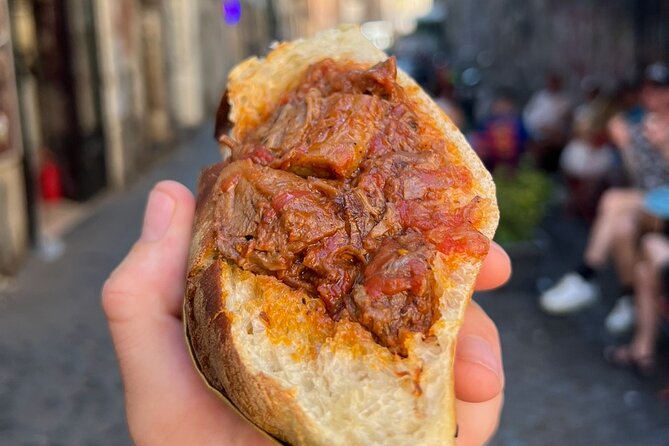
- Porchetta
- Supplí (iconic fried street food)
- 2 Roman pastas
- Gelato
- Our Secret Dish
- DOP Prosecco
- Local Roman wine
Here’s what I think makes this menu smart for real eating:
- You get texture variety. Fried items (like supplí and the zucchini flower) contrast with tender and sauced dishes like pasta and porchetta.
- It’s Roman, not generic Italian. The choices lean toward what you’d see in Roman trattorias and snack counters, not “everyone-order-everything” plates.
- The sweets aren’t an afterthought. Gelato at the end feels like a natural wrap-up, especially after salty and fried bites.
About “Secret Dish” and how to read that on the day
Because Our Secret Dish can change based on availability and weather, don’t go in expecting the same exact item every time. Instead, expect a Roman-style surprise that fits the rest of the menu—typically another classic that rounds out the tasting journey.
Wine and drinks: aperitivo style, not wine tasting class
The drink component includes DOP Prosecco and local Roman wine. Several reviews also describe added drink options like beer, and some mention liqueur or limoncello-style endings. The key idea is pairing: the drinks are served alongside bites so you taste how flavors connect.
One honest note from feedback: some people felt the wine portion was small. My practical take is this—if you want a heavy, long wine immersion, look for a more wine-forward tour type. If you want to learn aperitivo-style balance (small sips paired with lots of food), this tour fits the bill.
Guide impact: why names like Claudia and Rocio keep coming up
The biggest difference between a so-so tour and a great one is the person leading it. On this one, the guides have stood out by name in feedback—people talk about Claudia and Rocio/Rosie/Rocci for being funny, friendly, and able to keep everyone engaged.
What matters for you:
- You’ll get explanations that tie food to place (why you’re eating it here, not just what it is).
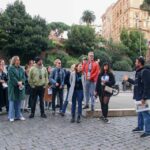
- You’ll get a group vibe that feels relaxed, not rushed.
- If you need non-alcohol help, guides have shown flexibility in practice—at least one review mentions accommodating someone who doesn’t drink.
If you’re the type who asks questions while eating, you’ll likely enjoy yourself here.
Portion size reality check: you may not leave hungry, but plan like it
This tour is designed so you won’t end up starved. Many people say they leave comfortably full, with enough food that it feels like dinner was included. Still, a few reviews call out that portions can be small at each stop and that similar pastas or bites can blur together if you’re very food-hungry.
So here’s the smart planning move: if you’re arriving to Rome with a big appetite, eat a light lunch before the tour or plan for a meal afterward. The tour’s goal is variety and local learning, not a “two-course restaurant dinner” replacement.
Price-fit by traveler type: who gets the best match
This is a great fit if:
- You’re in Rome for a first trip and want an efficient way to learn neighborhoods through food.
- You love walking, but you don’t want it to be only sightseeing.
- You want included tastings across multiple stops, with gelato at the end.
- You enjoy aperitivo culture and don’t need unlimited pours.
It might be a poor fit if:
- You need gluten-free accommodations (not available for gluten-free allergies/intolerances).
- You’re very picky about drink amounts and want a wine-heavy focus.
- You hate walking or want minimal time outdoors.
Also: this experience is strictly for adults over 18.
Timing and finding the meeting point without stress
The tour starts at Via di Monte Savello, 26 and ends at Piazza Giuseppe Gioachino Belli. One practical lesson from feedback: the start location can be annoying to find if you only search by a vague landmark. Be exact. Use the address and drop a pin in advance.
If you’re late or wandering, you risk breaking the flow. Trastevere has lots of little streets that look similar from inside Google Maps hell. Give yourself extra time.
Should you book the Trastevere like a Local Food Tour?
I’d book it if you want a guided, food-centered walk that feels very Rome: Roman fried snacks, porchetta, artichokes, zucchini flowers, pasta, and gelato, tied to meaningful neighborhood landmarks. The small group cap and the energy of guides like Claudia and Rocio show up repeatedly for a reason: you get both food and context.
I would not book it if your top priority is a large, long-form wine tasting or if you need gluten-free service. Also, if you get grumpy about finding a meeting point, plan ahead with the exact address.
If you’re flexible, hungry for variety, and you like your history folded into what you eat, this tour is a strong value for a first evening in Trastevere.
FAQ
How long is the Trastevere Like a Local Food Tour?
It’s about 3 hours 30 minutes.
How much does the tour cost?
The price is $130.66 per person.
How many tastings and drinks are included?
The tour includes 7+ food tastings & wines, plus DOP Prosecco and local Roman wine, along with the specific food items listed as included.
Is this tour for adults only?
Yes. This experience is strictly for adults over 18 years old.
Does the tour accommodate gluten-free diets?
No. It cannot accommodate gluten-free allergies or intolerances.
Are pets allowed on the tour?
No. The tour can’t accommodate pets.
Where do we meet, and where does the tour end?
Meeting point: Via di Monte Savello, 26, 00186 Roma RM.
End point: Piazza Giuseppe Gioachino Belli, 00153 Roma RM.
How big is the group?
Tours are capped at only 12 participants to keep the experience more personal.
What happens if the menu or itinerary changes due to weather?
The itinerary and menu are subject to changes based on location availability, weather, and other circumstances.
Can I cancel and get a full refund?
Yes. Free cancellation is available if you cancel at least 24 hours in advance for a full refund.