REVIEW · ROME
Colosseum Palatine Hill and Roman Forum Guided Tour
Book on Viator →Operated by Gladiator Tours · Bookable on Viator
Rome’s ancient roar starts here. This guided walk links three must-sees—the Colosseum, Roman Forum, and Palatine Hill—into one smooth, story-driven loop. You get timed entry plus an English-speaking guide, and the stops are paced so you don’t spend your whole trip staring at the ground trying to find the next landmark.
What I like most: you’re not just looking at ruins, you’re given a clear story as you go—gladiators, public life, and what power looked like in ancient Rome. Also, the small group size (up to 15) and headsets help you actually hear the guide instead of playing guess-the-fact in a crowd.
One thing to consider: this is a booked, timed-entry experience, so if you arrive late or day-of access is affected, you may lose time (or, rarely, your start could change). Plan with buffer and keep your expectations flexible on busy dates.
In This Review
- Key highlights at a glance
- Entering the Colosseum: timed access and what you get (and don’t)
- Stop 1: Inside the Colosseum, gladiators, and an extra training-ground angle
- The Roman Forum: 60 minutes of power, commerce, and everyday life
- Palatine Hill: where the myths meet the views
- The small-group feel: headsets, pace, and staying with the story
- Value and price: does $82.90 make sense?
- When crowds hit: how to manage expectations on real Rome days
- Where this tour fits best (and who should skip it)
- Should you book the Colosseum, Roman Forum, and Palatine Hill guided tour?
- FAQ
- How long is the Colosseum, Palatine Hill, and Roman Forum guided tour?
- What’s the price per person?
- What’s included in the tour price?
- Where does the tour start and end?
- Is underground or arena floor access included?
- Do I need to provide my passport or ID details?
- Can I cancel and get a refund?
Key highlights at a glance
- Small group (max 15) keeps the tour from turning into a stampede
- Headsets included so you can hear your guide clearly through the noise
- Timed entry across three sites: Colosseum, Roman Forum, and Palatine Hill in about 3 hours
- Gladiator focus beyond the usual talking points, including a training-ground visit
- Panoramic viewpoints from Palatine Hill for photos and context
- Included entry tickets for all three sites, plus the Colosseum reservation fee
Entering the Colosseum: timed access and what you get (and don’t)
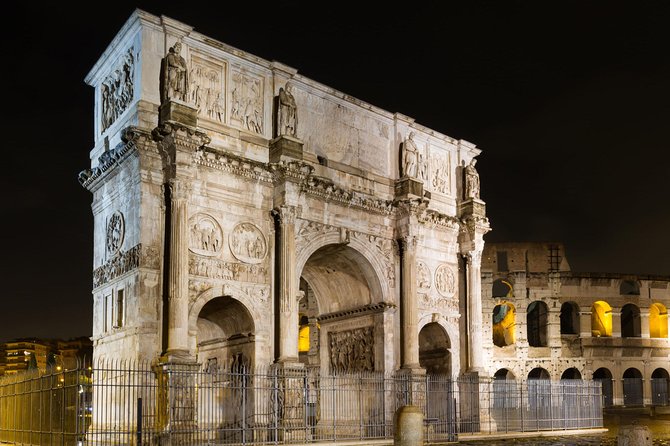
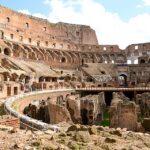
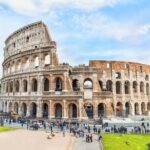
The Colosseum is one of those places where your brain gets overwhelmed fast. Too many arches. Too many levels. Too many photos you want to take and too many details you’ll miss if you go unguided. This tour helps because it gives you a route and a running explanation as you move through the crowd.
You’ll enter with admission tickets included, and the booking includes the Colosseum reservation fee. That matters because the Colosseum can be brutally unpredictable: even if you’re booked, lines and security flow can change with the day. Having a guide managing the sequence helps you spend your time on the site instead of circling like a confused tourist.
There’s also a very practical limit to know: the tour does not include access to the underground or arena floor. You’ll still get the main experience—structure, scale, and the stories that make it make sense—but if you were hoping to go below or step onto the floor where events took place, you’ll need a different kind of ticket or tour.
Finally, there’s a small gift built into the plan: after you finish the guided portion inside, you have up to 75 minutes from entry to keep exploring on your own. That’s enough time to slow down, take extra photos, and find a view you might have missed in the rush.
You can also read our reviews of more tours and experiences in Rome.


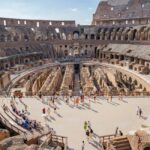
Stop 1: Inside the Colosseum, gladiators, and an extra training-ground angle
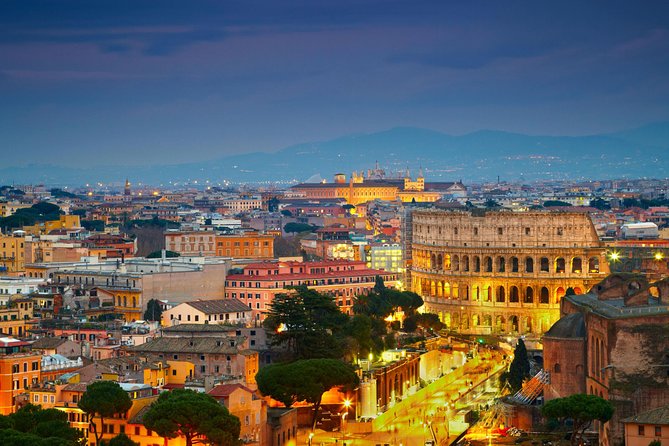
The first stop is all about the Colosseum’s role as a stage for spectacle—politics with a soundtrack. Your guide explains gladiator battles and ancient public entertainment in plain terms, so you don’t need a classics degree to understand why the building was shaped the way it was.
What makes this stop feel different from a “look-and-photos” visit is the added emphasis on gladiators. The tour highlights an exclusive visit connected to a gladiator training ground, which many visitors don’t see. Even when you’re surrounded by crowds, that extra angle gives you something more than the standard Colosseum script.
Timing is built into the experience: you’ll spend about 1 hour 15 minutes at the Colosseum with your guide. In real life, that’s just about right. Any shorter and you’d feel rushed; any longer and the group energy can start to sag (especially in summer heat). Guides also vary day to day, and on some departures you may get a particularly story-forward style—people have praised guides like Ester, Sandra, Sonia, and Maurice for clear, engaging explanations and good pacing.
A small but meaningful detail: guides have also been able to keep things moving while helping participants who needed extra support (for example, guests with difficulty walking). If mobility is a concern, this kind of group management can make a difference—just keep your own pace realistic and let the guide know early if you need to pause.
The Roman Forum: 60 minutes of power, commerce, and everyday life
Then you head to the Roman Forum, often the part that surprises people most. From the outside, it looks like scattered ruins. Up close, it’s one of the best places in Rome to understand how the city functioned—where decisions were made, where people worked, traded, argued, and performed civic life.
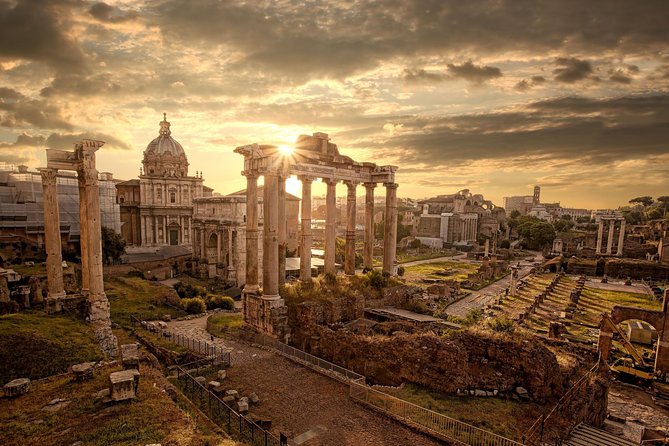
Your Forum stop runs about 1 hour, and your guide walks you through the “heart” of Ancient Rome: the ruins of temples, basilicas, and arches that shaped Roman civilization. The guide’s job here is to connect what you’re seeing to what it meant—who used these spaces, what power looked like, and why the Forum mattered beyond being old stone.
One practical thing: the Forum can be slower than you think. The ground is uneven, there are many photo angles, and the crowd density can spike. If you’re traveling on a tight schedule, this is where having a guide route helps you avoid wasting time backtracking. You also get a sense of orientation—without that, the Forum can feel like a “ruins field” rather than a coherent place.
In at least some departures, there have been day-of moments where waiting happened even with reserved planning. During high-demand periods, the Forum entry flow can delay the start and shift the whole rhythm. So if you have a later flight or appointment, I’d rather you build in buffer than rely on perfect timing.
Palatine Hill: where the myths meet the views
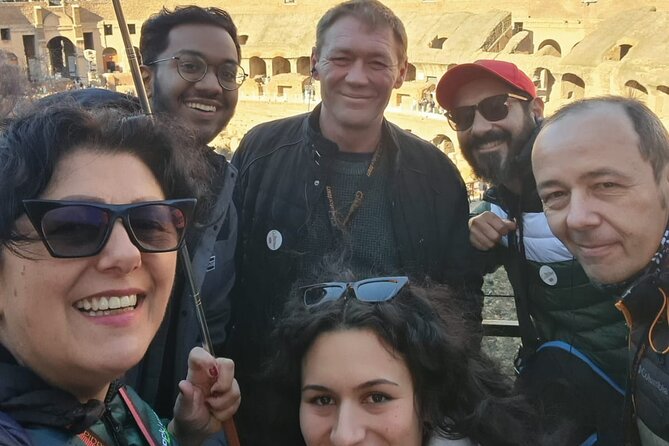
Palatine Hill is the “legend + perspective” stop. You’re looking for two things at once: stories about Rome’s beginnings and the big panoramic payoff that makes it click why emperors loved being here.
You’ll spend about 45 minutes at Palatine Hill with your guide. They explain the birthplace legends tied to Romulus and Remus, and they also point out the palaces of emperors—turning the hill from a scenic detour into a clue about how rulers wanted to be seen.
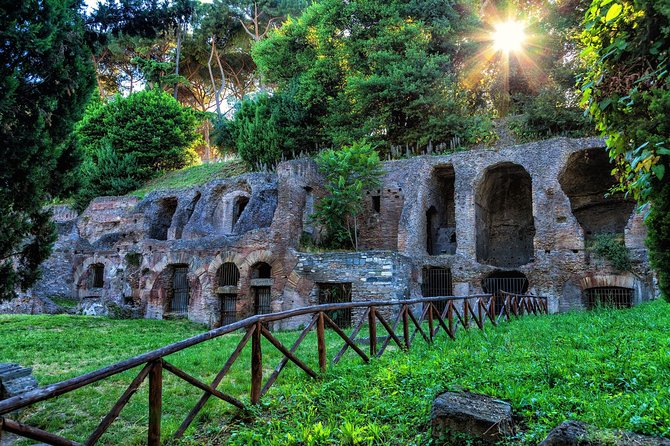
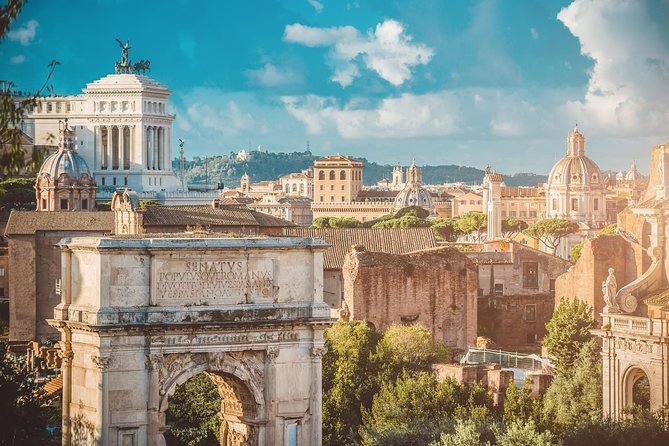
The views are a major reason to include this stop. From Palatine, you get a clearer sense of the layout of the Colosseum and Forum below. That visual context helps you understand scale and layout, even if you don’t know every architectural term.
This is also the part where photos tend to be easiest to get right. You can capture the “Rome at a glance” view and still follow along with the guide’s explanation. People have specifically praised guides for helping the group stay together and for providing extra time for photos and restrooms when needed, which can make the whole day feel less stressful.
The small-group feel: headsets, pace, and staying with the story
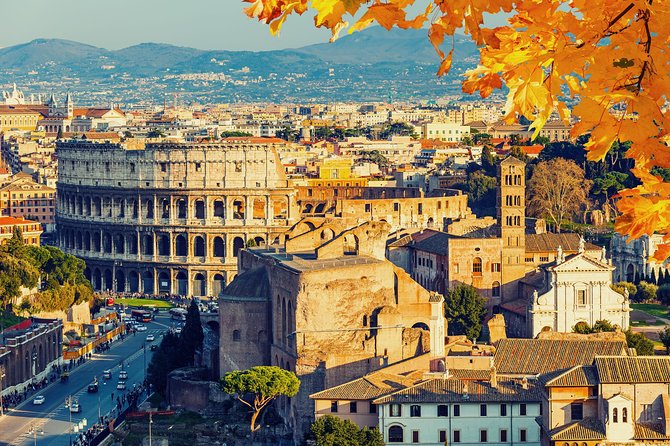
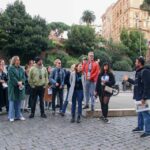
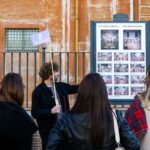
A lot of Rome tours fall apart at the simplest moment: the guide is great, but you can’t hear them and you lose the thread. This tour includes headsets and caps the group at 15 travelers, which changes the experience immediately.
With headsets, you can listen while you move, and you don’t have to stop every 20 seconds just to figure out what your guide is saying. In a place like the Colosseum, where sound carries weirdly and crowds surge, that matters.
Pacing is another big factor. Some departures get praised for a good tempo, frequent little stops for pictures, and a pace that doesn’t leave everyone gasping at the back. On the flip side, any group tour has a risk: if the pace is set for the fast walkers, you’ll need to speak up early if you’re slower. The best guides actively manage the group—one standout example people mentioned is Corina, described as attentive and careful with the group.
Also note: the tour is about 3 hours total. That’s short enough to feel doable, but long enough to cover three sites properly when entry lines and crowd flow cooperate. Expect warm days to slow you down a bit, because you’ll want water and breaks.


Value and price: does $82.90 make sense?
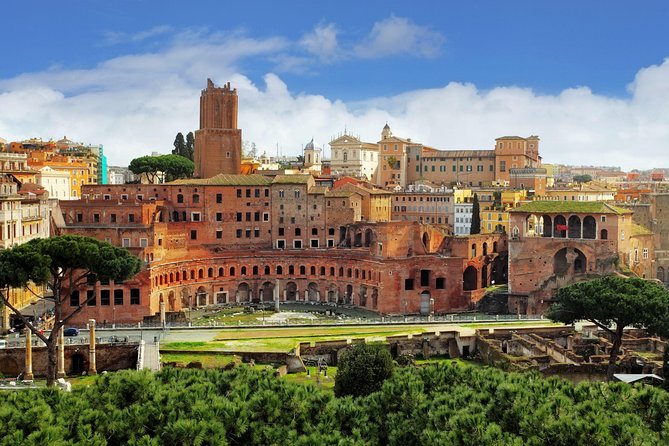
At $82.90 per person, you’re paying for a tight bundle: a licensed guide, headsets, and entry tickets to all three sites. The Colosseum ticket is listed as valued at €18 plus a €2 reservation fee—so a chunk of your cost is simply getting you into the buildings without you booking separate tickets.
Where the value really shows is the time efficiency. Three major sites in a few hours is hard to replicate casually if you’re also dealing with ticket lines, queues, and trying to figure out routes between the Colosseum, Forum, and Palatine Hill. With a guide, you spend that time learning what matters, not negotiating logistics.
Is it perfect value for every traveler? Not always. If you love to wander on your own and you already know the basics, you might prefer a DIY route with a guidebook. But if you want Rome’s ancient core to make sense fast, a group tour with timed entry is often the best way to get more out of the day without turning it into a research project.
When crowds hit: how to manage expectations on real Rome days
Even with reservations, ancient Rome is ancient Rome. Crowds happen. Security checks happen. Entry flow can change. That’s why this tour works best when you come in with flexibility.
One review theme was schedule hiccups—show-up times shifting by about an hour in some cases or waiting at the Forum when skip-line plans didn’t fully play out. Another theme was outright cancellations due to closures tied to a dignitary visit. When that happens, you can’t magic away the reason, but you can protect your own plan.
My advice: book this tour earlier in your Rome stay if you can. That way, if a day changes, you have room to swap. And if you have a flight later, don’t gamble. Ancient Rome day plans should include buffer.
Where this tour fits best (and who should skip it)
This tour is a strong fit if you want:
- A structured route through the Colosseum, Forum, and Palatine Hill
- English narration with headsets
- A gladiator-focused angle plus myth and empire stories
- A time window that’s realistic for a first Rome visit
You might want a different format if:
- You hate group pacing and prefer totally free wandering
- You specifically want the underground/arena floor access (this tour doesn’t include it)
- You’re very sensitive to delays and can’t tolerate any schedule change
If you’re traveling with kids (some groups included ages from young children up to older adults), the guided approach can be a big help because you’re not left guessing at what you’re looking at. Just bring water and plan for summer heat.
Should you book the Colosseum, Roman Forum, and Palatine Hill guided tour?
If you want an efficient, guided way to see Rome’s heavy hitters—and you’d like the stories explained clearly while you walk—this is a book-worthy option. The combination of timed entry, headsets, and a tight route through the Colosseum + Forum + Palatine Hill gives you more value than many “see everything” tours that don’t actually explain what you’re seeing.
My “book it” checklist is simple:
- You want a guided experience, not just photos.
- You’re okay with group pacing and possible crowd delays.
- You don’t need underground/arena floor access.
If your travel days are crowded and you’re on a tight schedule, pick a day with buffer and keep your pickup plan simple. Rome rewards good planning—and this tour is one of the more practical ways to experience the city’s ancient center without turning your day into logistics.
FAQ
How long is the Colosseum, Palatine Hill, and Roman Forum guided tour?
It’s about 3 hours total.
What’s the price per person?
The price is $82.90 per person.
What’s included in the tour price?
A professional licensed guide, headsets, entry tickets to the Colosseum, Roman Forum, and Palatine Hill, and guided time at all three sites (about 3 hours). Colosseum reservation fees are included too.
Where does the tour start and end?
It starts at Via di S. Giovanni in Laterano, 14, 00184 Roma RM, Italy and ends at Piazza del Colosseo, Roma RM. The tour finishes inside the Colosseum.
Is underground or arena floor access included?
No. Access to the Colosseum underground or arena floor is not included.
Do I need to provide my passport or ID details?
Yes. You must present a valid passport or ID document that matches the full name provided at booking. Providing all traveler names is mandatory, and missing names on the voucher can lead to denied entry.
Can I cancel and get a refund?
You can cancel up to 3 days in advance for a full refund. If you cancel less than 3 days before, the amount paid is not refunded.