REVIEW · ROME
Rome: 3 Hours Private/Group Tour Golf cart with Gelato
Book on Viator →Operated by Rome in golf cart · Bookable on Viator
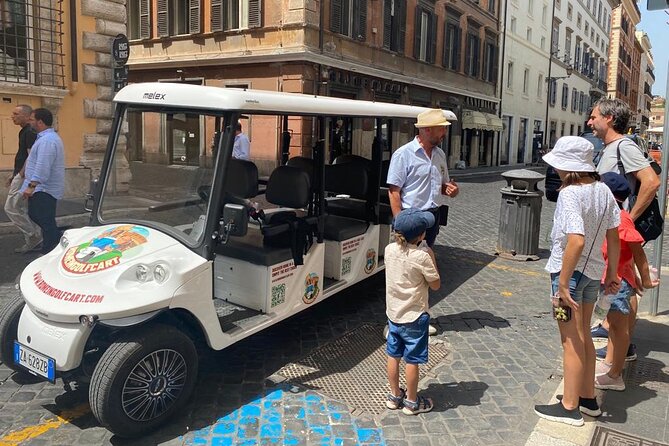
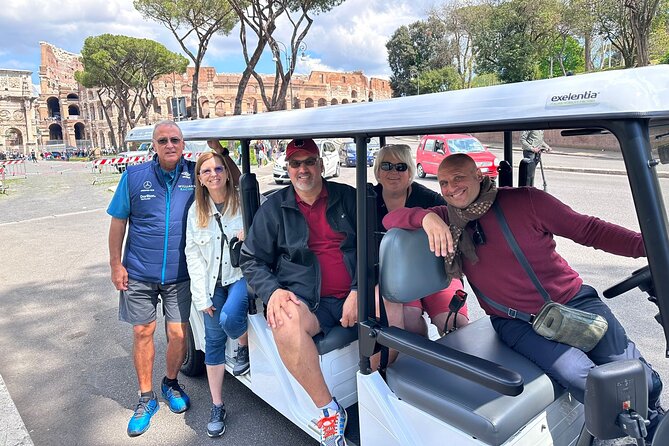
Rome in three hours sounds impossible—until it isn’t. This private or group golf-cart tour is built for speed with comfort, then slows down for the places where views and photos matter most, plus a classic gelato stop. I really like two things right away: the hotel pickup/drop-off that keeps you from doing the usual Roman logistics shuffle, and the guaranteed viewpoint time at Terrazza del Pincio.
You’ll ride with an English-speaking driver guide and hit the core sights without the constant walking between them. That matters because Rome’s best photo spots are also often the ones with the worst traffic flow. One consideration: admission tickets aren’t included, and the Colosseum stop is described as panoramic viewing from the cart, not an entry ticket.
The timing is also surprisingly well-managed. You can choose departure times online, and the timing is said to be exact within 30 minutes—helpful when you’re on a tight schedule or trying to dodge the hottest part of the day.
In This Review
- Key takeaways before you book
- A golf cart is the smart way to start Rome
- Piazza del Popolo: starting at the north gate
- Terrazza del Pincio: the photo stop with real payoff
- Sant’Ignazio di Loyola: Jesuit Baroque without the museum vibe
- Piazza Navona and the quieter streets behind the main sights
- Piazza Farnese: Michelangelo’s influence in a Renaissance palace setting
- Campo de’ Fiori: color, sound, and a reminder of Rome’s edge
- Trevi Fountain: the icon you can actually enjoy for 20 minutes
- Teatro di Marcello drive-by: a useful comparison to the Colosseum
- Colosseum panoramic views: big arena feeling, no entry pressure
- Piazza di Spagna: the staircase area with built-in charm
- Gelato stop: the break that makes the route feel human
- What $254.43 pays for in a 3-hour Rome intro
- Who this tour is best for (and who should consider alternatives)
- Quick advice to make your 3-hour loop feel effortless
- Should you book this Rome golf-cart and gelato tour?
- FAQ
- How long is the Rome golf cart tour with gelato?
- Are hotel pickup and drop-off included?
- Is the tour private?
- Is gelato included in the experience?
- Are admission tickets included for major sights?
- What should I know about timing and possible changes during the Jubilee?
Key takeaways before you book
- Hotel pickup and return from select central hotels saves time and energy.
- Terrazza del Pincio is a serious viewpoint stop, with time for photos and a breather.
- Jesuit Baroque stop at Sant’Ignazio di Loyola adds depth beyond the usual quick exterior-only sights.
- Baroque Rome at Piazza Navona, plus a wander through quieter backstreets close to the main route.
- Gelato stop is part of the experience flow, not an afterthought.
- Colosseum views without tickets means you’ll see the big picture fast, but you won’t enter unless you plan that separately.
A golf cart is the smart way to start Rome
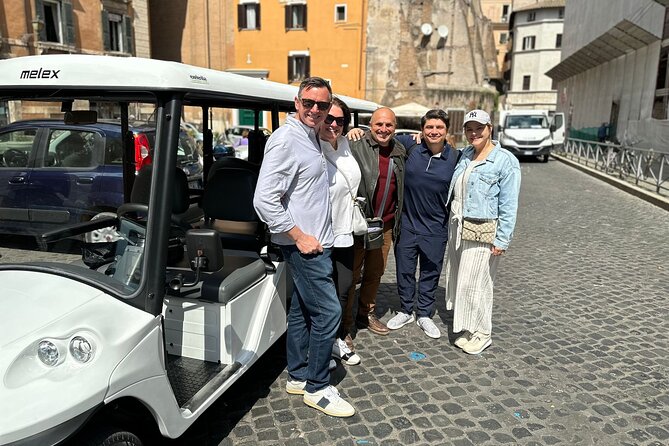
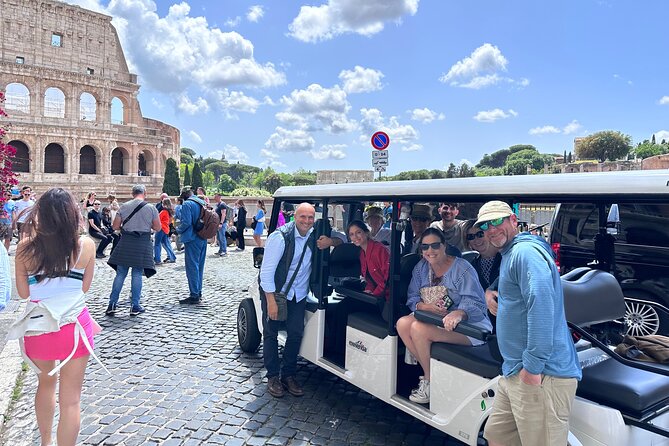
If it’s your first day in Rome, this is a practical way to get your bearings. The golf cart helps you cover ground quickly, which means you can spend your energy where it counts: viewpoints, squares, and photo stops. And because it’s positioned as private (your group only), you’re not stuck in a slow-moving crowd while you’re still trying to figure out which direction everything is in.
I also like that the tour is designed as a “highlight loop.” That can feel obvious, but in Rome, “highlight loop” is code for: you’ll see the places that show up again and again in your guidebook, then you’ll get just enough context to make the rest of your trip easier.
You can also read our reviews of more tours and experiences in Rome.
Piazza del Popolo: starting at the north gate
You begin at the city’s north side at Piazza del Popolo, a square tied to the old Porta Flaminia. That’s not just trivia. Starting here gives you a sense of Rome’s structure—this is where the city’s built form meets its historical entrances. It’s also an easy, free stop for a quick arrival moment, which is helpful when you’re still adjusting to jet lag.
With about 10 minutes here, you’re not meant to linger forever. Instead, you’re meant to orient your eyes: what the main approach looks like, where open spaces sit in the city fabric, and how fast the scenery changes when you move only a few blocks.
Terrazza del Pincio: the photo stop with real payoff
Terrazza del Pincio is one of the best “return value” stops on the route. You get about 15 minutes, and that’s enough time to do what most Rome tours rush: stand, look, frame the shot, then look again from a second angle.
This viewpoint is famous for broad views across central Rome—and on a clear day, it’s the kind of spot where you can spot the Vatican area from a distance. The experience here isn’t about entering a building. It’s about seeing Rome laid out like a map. If you’ve been scrolling photos for months, this is where your brain finally matches the picture to the real place.
Practical tip: wear shoes you’re comfortable standing in. You’ll want to move a bit to find the best line of sight, and 15 minutes disappears fast if you’re only set on one spot.
Sant’Ignazio di Loyola: Jesuit Baroque without the museum vibe
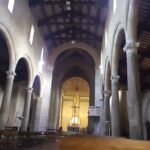
Next comes the Chiesa di Sant’Ignazio di Loyola. This is a church stop with real architectural brain power behind it. Built on a design associated with the Jesuit mathematician Orazio Grassi, and connected to plans attributed to Carlo Maderno and others, it’s also funded through the influence of Cardinal Ludovico Ludovisi. The facade design echoes the nearby Church of the Gesù, using two orders of pilasters and Corinthian columns, plus large windows and niches.
Here’s why I think this stop is worth your time even if you’re not a hardcore church person: it gives you a break from the big outdoor squares while still keeping the same theme of Rome as art + power + symbolism. You get to step inside a structure that’s trying to impress you without whispering.
You’ll have about 15 minutes. That’s enough for a quick interior look and a careful facade scan. If you want to read every detail on the walls, you’ll need more time—so this stop works best as a “see it, appreciate it, then move on” moment.
Piazza Navona and the quieter streets behind the main sights
Then the tour goes to Piazza Navona, built on the remains of the Stadium of Domitian. That’s a powerful reminder that Rome often sits on top of itself. Even if you only have a short time here, it helps explain why the square looks so grand and why it feels like a stage.
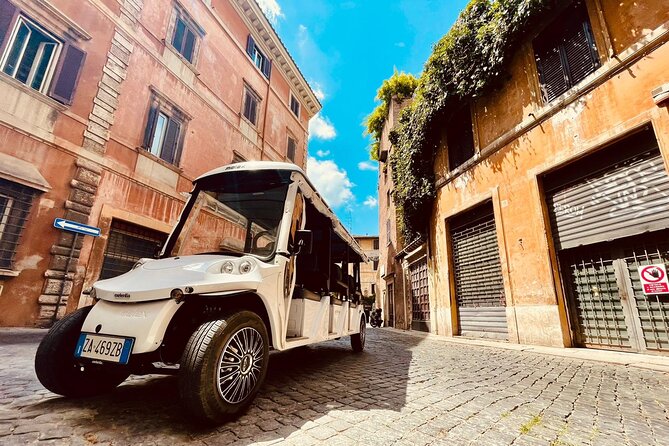
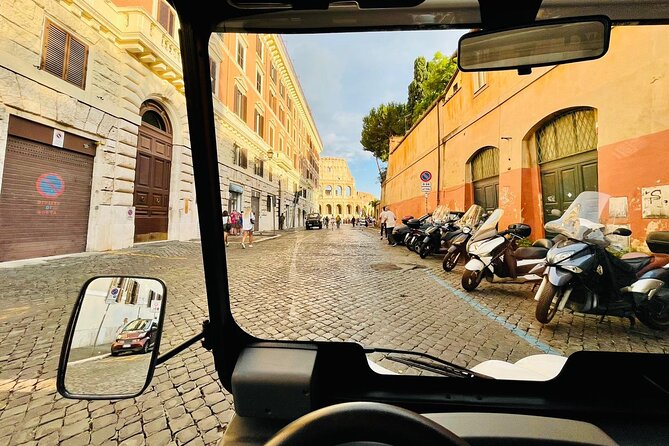
After Navona, you’ll also pass through intact 15th-century backstreets that sit just behind the main attractions. This is a smart choice. Rome’s best atmosphere often lives a few steps off the headline route—cobblestones, small bakery storefront energy, rooftops that look like they’re part of the architecture, and courtyards you wouldn’t notice if you were walking only from one big stop to the next.
The duration feels built for variety: you’ll get the big square moment, then a more human-feeling walk where you can actually breathe and slow your eye down. If you’re traveling with kids, or you’re not trying to spend your whole day reading labels, this section is a good balance.

Piazza Farnese: Michelangelo’s influence in a Renaissance palace setting
Piazza Farnese is short, about 10 minutes, but it’s chosen for a reason. The square is anchored by the building facing it, which is considered among Rome’s most beautiful Renaissance palaces. This is one of those stops where you might not have time to absorb everything, but you’ll definitely feel it.
I like this moment because it changes the visual rhythm. After Navona’s baroque energy and the side-street charm, Farnese brings a calmer, more palace-like scale. Even a quick look helps you “see” the city’s different design eras as you move.
Campo de’ Fiori: color, sound, and a reminder of Rome’s edge
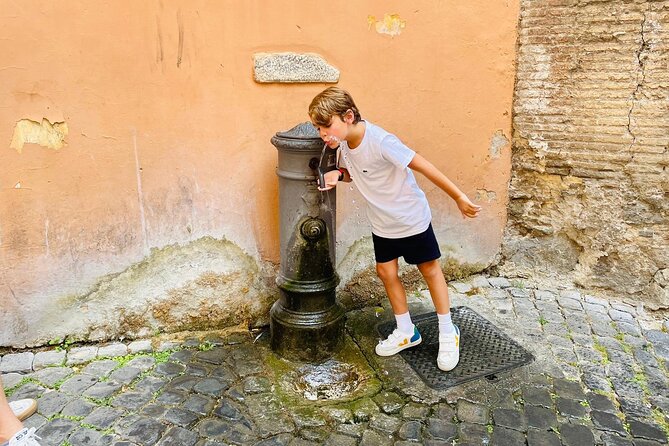
Campo de’ Fiori follows, again about 10 minutes. This square has that working-city feel—colors, noise, and daily movement as part of the scene. In the center is a statue of philosopher Giordano Bruno, burned alive at the stake, which adds a darker historical note right in the middle of the lively atmosphere.
If you’re the type who wants Rome to feel like more than postcards, this is where your trip gets more real. You can stand in the plaza, take in the everyday rhythm, and still remember that Rome’s story isn’t all pretty domes.
Trevi Fountain: the icon you can actually enjoy for 20 minutes
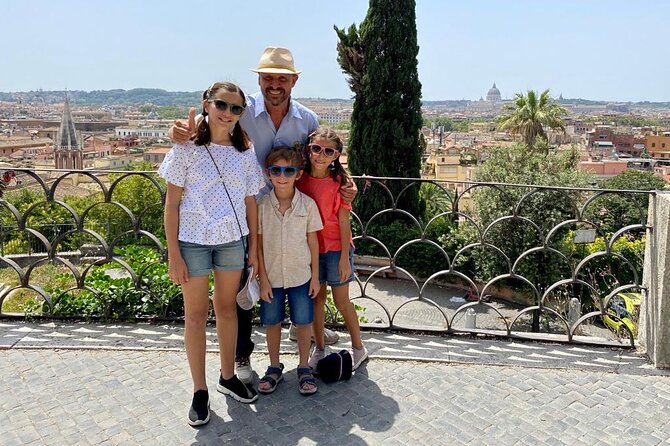
Then you roll into Fontana di Trevi for about 20 minutes. Trevi is one of the most recognizable places on earth, and it’s also one of the most exhausting when you’re stuck in it for too long. The value of this stop is the time budget: you get enough minutes to enjoy the fountain and take photos without making it your whole day.
The fountain is an 18th-century work designed by Nicola Salvi and completed with help from Giuseppe Pannini and others. Knowing that while you’re there helps you see it as a completed design, not just a sculptural crowd magnet.
Quick practical thought: bring a little patience mindset. Even on the best days, you’ll be sharing Trevi with other people trying to do the same thing. The cart stop helps you avoid losing time elsewhere, though.
Teatro di Marcello drive-by: a useful comparison to the Colosseum
On the way toward the Colosseum area, you’ll drive past Teatro di Marcello and learn how it differs from the Colosseum. That’s a small add-on that can actually help you understand Roman architecture better.
The Colosseum is the headline. Teatro di Marcello is one of those supporting acts that shows you how Rome reused and adapted its grand forms. Even without stopping long, hearing the comparison tends to make your brain lock onto structural differences while you’re seeing them from the cart.
Colosseum panoramic views: big arena feeling, no entry pressure
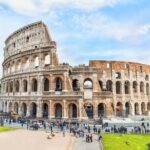
Next is the Colosseum stop with panoramic enjoyment of the arena. You’ll have about 15 minutes, and admission here is explicitly not included. That means you’ll be getting the big, recognizable presence and photo views rather than the full ticketed experience.
This can be perfect if:
- you want the emotional hit of the Colosseum from a close-by angle,
- you’re trying to keep your day compact,
- or you’re planning to visit again later when you have time to queue and tour inside.
It’s less ideal if you were hoping this stop would replace your Colosseum ticket day. In that case, you’ll want to plan a separate visit to enter.
Piazza di Spagna: the staircase area with built-in charm
Finally, you reach Piazza di Spagna, also about 15 minutes. This is the area around the famous steps, with that classic Rome look that photographers love for good reason. The meeting point of streets, views, and the 17th-century feel makes it a relaxing end to the loop.
By the time you reach this stop, you’ve already seen big architecture, big squares, and big water. Piazza di Spagna lets Rome shift back toward charm—more “walkable romance” and less monumental intensity.
Gelato stop: the break that makes the route feel human
Because the experience is built around a golf cart with gelato, you’re not just racing from one attraction to the next. The gelato stop functions like a reset button: you cool down, take a breath, and talk about what you just saw.
Even if you’re not obsessed with gelato, this break matters. Rome heat, crowds, and stone surfaces stack up fast. Having a planned pause keeps the 3-hour pace from feeling like a sprint.
What $254.43 pays for in a 3-hour Rome intro
At $254.43 per person for about 3 hours, this isn’t the cheapest way to see Rome. The value comes from what you’re avoiding: the long walks, the constant navigating, and the stress of trying to make multiple far-apart stops line up.
A private tour also means you’re not forced into someone else’s timing. If you have kids, mobility limits, or you simply want to control pace, the cart format helps. It also can be a strong deal for small groups, because the cost of a guide plus vehicle can be easier to justify than stacking multiple separate tickets and transport on your own.
One more value point: departure times are flexible, online booking is available with timing accurate within 30 minutes, and the average booking lead time is about 77 days. That’s a clue this tour can sell up, especially when people are planning first-day itineraries.
If you like structure and you want your first Rome day to feel organized, this price can make sense fast.
Who this tour is best for (and who should consider alternatives)
This works especially well for:
- First-time visitors who want a fast, readable Rome introduction.
- Families who want a fun format and enough stops to keep everyone interested.
- People who want big sight photos without committing to a full ticketed day at every monument.
- Anyone staying near central Rome who can use the pickup and drop-off.
It may not fit perfectly if you:
- want to enter major sites like the Colosseum during this exact tour window,
- prefer a deep, slow walking tour where you spend long minutes in museums and churches,
- or want a more offbeat, hours-late-eating kind of itinerary.
Think of it as a smart starter kit, not your entire Rome syllabus.
Quick advice to make your 3-hour loop feel effortless
- Choose a departure time that matches your energy. The online options make it easy to pick a slot that avoids your worst fatigue window.
- Plan for photos. Terrazza del Pincio and Trevi are the places where time should go first if you care about images.
- If you want to enter the Colosseum, treat this tour as the prelude. You’ll get the sight and the orientation, then handle tickets on a separate day.
- Bring a light layer. Churches and shaded backstreets can cool off quickly compared to sunlit plazas.
Should you book this Rome golf-cart and gelato tour?
I’d book it if you want a 3-hour Rome hit that’s comfortable, efficient, and built around the sights you’ll keep seeing in your photos later. The hotel pickup/drop-off idea is a big deal, and the Terrazza del Pincio time plus the mix of squares and one serious church stop makes it more than a drive-by.
If you’re hoping for ticketed monument entry at every stop, adjust expectations. The Colosseum portion is panoramic and admission isn’t included, so you’ll want a separate plan for inside access.
Overall, this is a strong choice for your first days in Rome when you want to get oriented, see the icons, and still have a bit of local texture in the route.
FAQ
How long is the Rome golf cart tour with gelato?
It runs about 3 hours.
Are hotel pickup and drop-off included?
Yes, pickup and drop-off are offered if you’re located in downtown or near central Rome. If you’re farther away, you’ll be arranged a convenient meeting point.
Is the tour private?
Yes. It’s described as a private tour/activity, so only your group participates.
Is gelato included in the experience?
The tour is specifically listed as a golf-cart tour with gelato, and the route includes a gelato stop as part of the experience.
Are admission tickets included for major sights?
No. Entry/admission to Rome sights is not included, and the Colosseum stop is described as panoramic viewing from the cart.
What should I know about timing and possible changes during the Jubilee?
You’ll receive confirmation at booking, and departure times are available online with timing accurate within 30 minutes. Also note that during the Jubilee, some monuments may be under restoration, so changes could be communicated to you.