REVIEW · ROME
Rome: Appian Way, Aqueducts, and Catacombs Tour
Book on GetYourGuide →Operated by Walks of Italy · Bookable on GetYourGuide
Rome’s oldest road has a quiet drama. This tour takes you along the Appian Way and adds the bonus of catacombs access at closing time, so the underground feels calmer than most big-city sightseeing. You’re looking at real ancient scale aboveground, then dropping into the early Christian world below.
What I love most is the mix of “wow” sites with actual walking time. You get towering aqueducts at Parco degli Acquedotti and a stop at the imposing Mausoleo di Cecilia Metella—not as quick photo stops, but as guided moments where the details make sense.
One consideration: the catacombs are tight and underground, and this tour isn’t for people with claustrophobia. Add the rules about covering shoulders and knees, and you’ll want to plan your outfit before you go.
In This Review
- Key highlights to look for
- Why this Rome mix beats a standard “big monuments” day
- Meeting at Piramide and settling into the ride
- Walking the Appian Way: the feeling of Roman “infrastructure”
- Mausoleum of Cecilia Metella: power in stone
- Parco degli Acquedotti: seeing Roman water like an engineer
- Catacombs at closing time: San Sebastiano or Domitilla underground
- How the guides shape the experience (and why names keep coming up)
- Pacing, walking effort, and what to bring
- Price and value: why $64 can feel fair (or not)
- Who should book this Appian Way, aqueducts, and catacombs tour?
- Should you book it?
- FAQ
- Where is the meeting point for the tour?
- What sites are included on this Rome tour?
- How long is the tour?
- What is the price per person?
- Is hotel pickup included?
- Is transportation included, and what’s it like?
- Is the catacombs entry included?
- Can I take photos inside the catacombs?
- What should I wear or bring?
- Is this tour suitable for wheelchair users or mobility impairments?
Key highlights to look for
- Appian Way walking time on ancient paving stones, with a guided stop that’s more than a quick glance
- Cecilia Metella mausoleum photo-worthy views (and a 1st-century BCE story to match)
- Parco degli Acquedotti aqueduct park setting that feels miles away from the city crowds
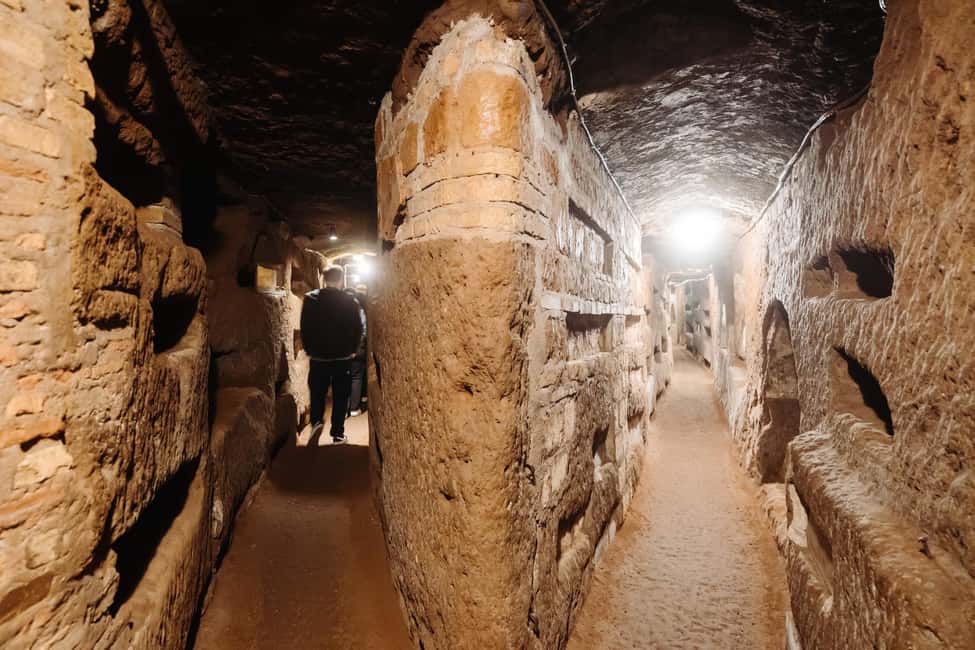
- San Sebastiano or Domitilla catacombs at closing time, for a quieter visit
- Private, air-conditioned transport between stops, so you’re not stuck heat-stuffed on public transit
Why this Rome mix beats a standard “big monuments” day
Rome can feel like constant lines, constant noise. This itinerary swaps that rhythm for something you can actually breathe inside. You’ll start in the city area, then step out toward the Appian Way and the aqueduct park, where the space changes the mood fast.
The order also matters. Walking the Appian Way in daylight gives you scale—what “Roman infrastructure” looked like when it was new. Then the aqueducts show the engineering in context, and the catacombs finally give you the emotional contrast: a quiet, underground Rome built for remembrance rather than monuments.
If you like your sightseeing with a little variety—architecture above, water systems in the middle, early Christian spaces below—this tour fits that bill.
You can also read our reviews of more tours and experiences in Rome.


Meeting at Piramide and settling into the ride
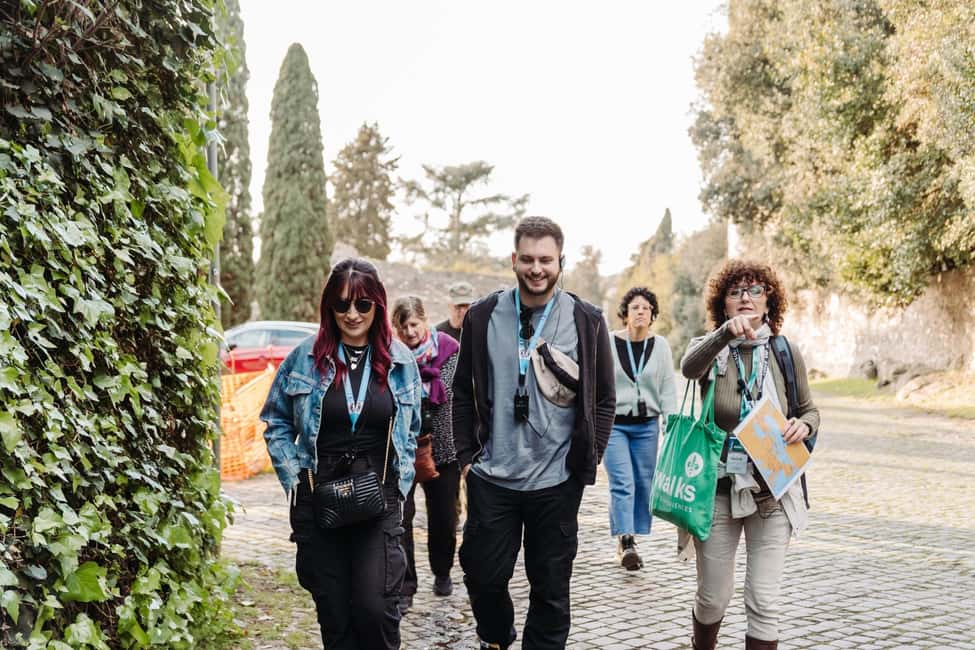
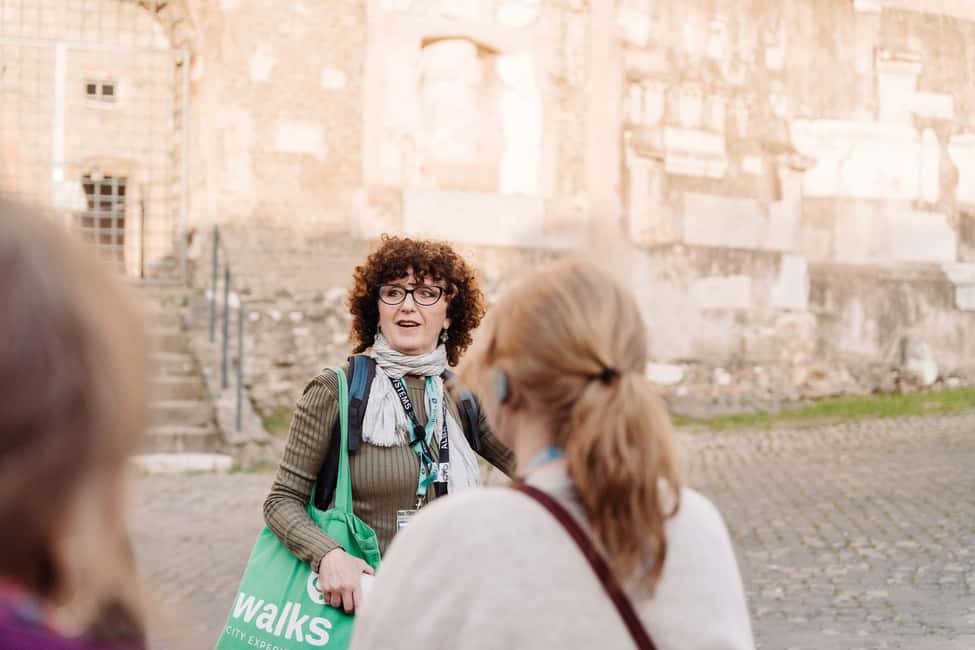
You meet at Piramide metro station, across from Piazzale Ostiense. Aim to arrive 15 minutes early, and look for your guide holding a green Walks sign.
The transport is a big part of the comfort here. You’ll travel by private air-conditioned vehicle between stops, which helps a lot in Rome heat. A few reviews also mention the roads can be bumpy, so if you’re sensitive to rough rides, that’s worth keeping in mind.
Group size is typically private or small-group, and that intimacy shows up in how questions get handled. In past tours, guides like Federico and Antonella were praised for handling the group pace without turning everything into a lecture you can’t escape.
Walking the Appian Way: the feeling of Roman “infrastructure”
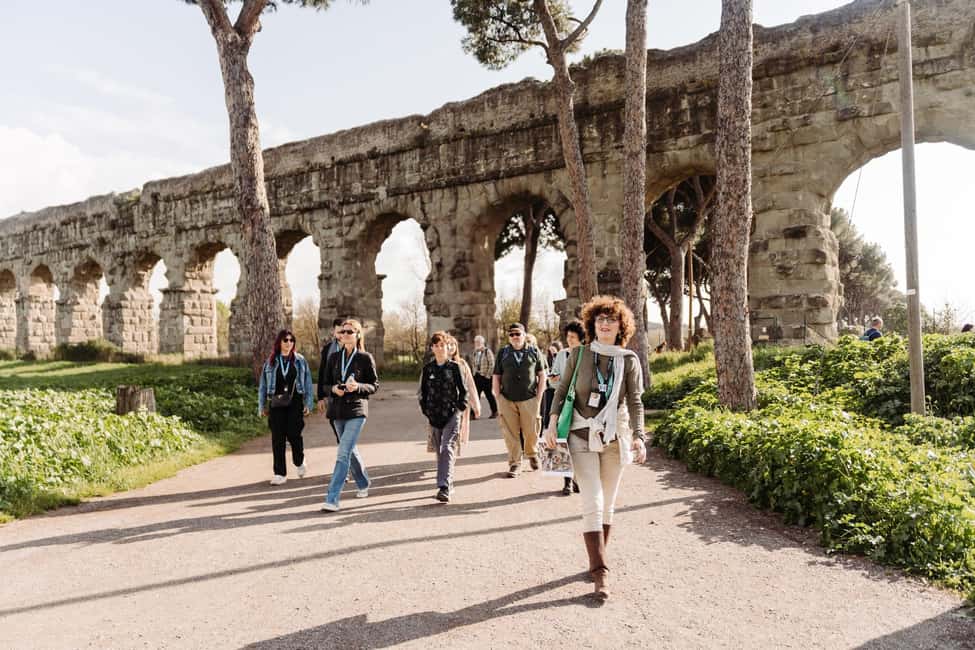
The Appian Way stop is about 25 minutes of guided time and walking. You’ll be on one of Rome’s oldest roads, with paving stones under your feet that make the whole thing feel more physical than the photos online.
This is one of those places where you notice small things: how the road runs, how the space narrows, and how it once connected legions, merchants, and travelers. The tour framing helps you see it as a working route, not just a “cool street.”
A couple practical tips for the walk:
- Wear long pants and plan for uneven surfaces.
- Keep an eye on your footing—this is an old road, not a smooth museum path.
One review mentioned the Appian Way felt surprising because it’s still an active road. That’s actually a benefit: it reminds you this isn’t a staged set. It’s a living route with history layered in.
Mausoleum of Cecilia Metella: power in stone
Next you head to the Mausoleo di Cecilia Metella, with another about 25 minutes including viewing and guided context. It’s circular, imposing, and tied to the late Roman Republic era—dating back to the 1st century BCE.
What makes this stop click is the why, not just the what. You’ll learn about the powerful family behind the monument and how this kind of tomb functioned in Rome’s visual landscape—built to be seen, built to last.
This is a great moment for photos too, but don’t treat it like a single “pose and move on” stop. The guide’s explanation helps you understand why the structure’s scale feels so confident. Even if you’re not a hardcore history person, the story gives the stone some personality.
Parco degli Acquedotti: seeing Roman water like an engineer
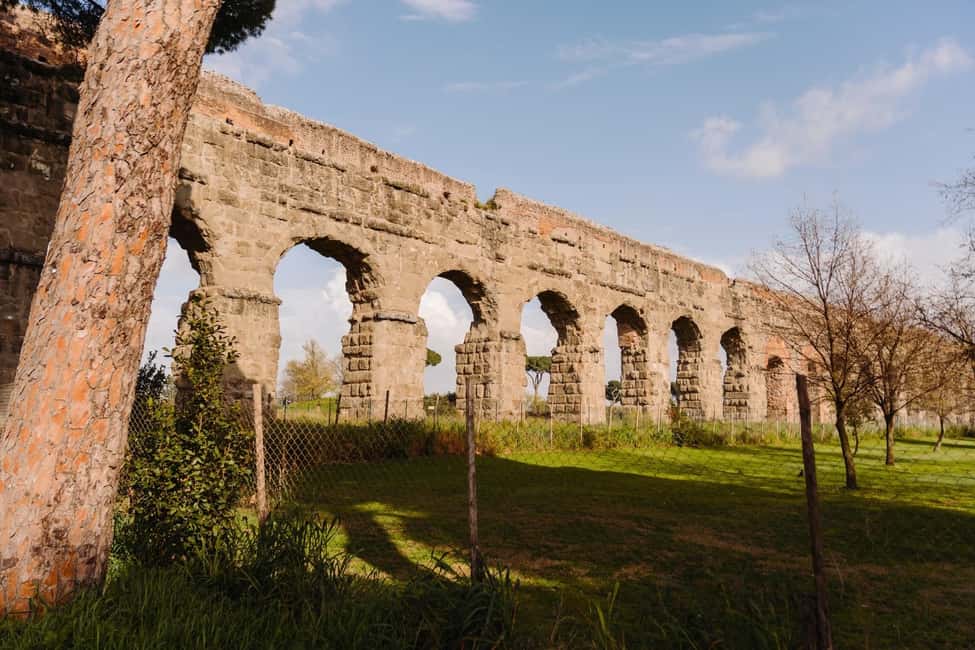
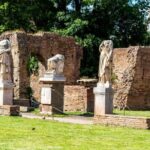
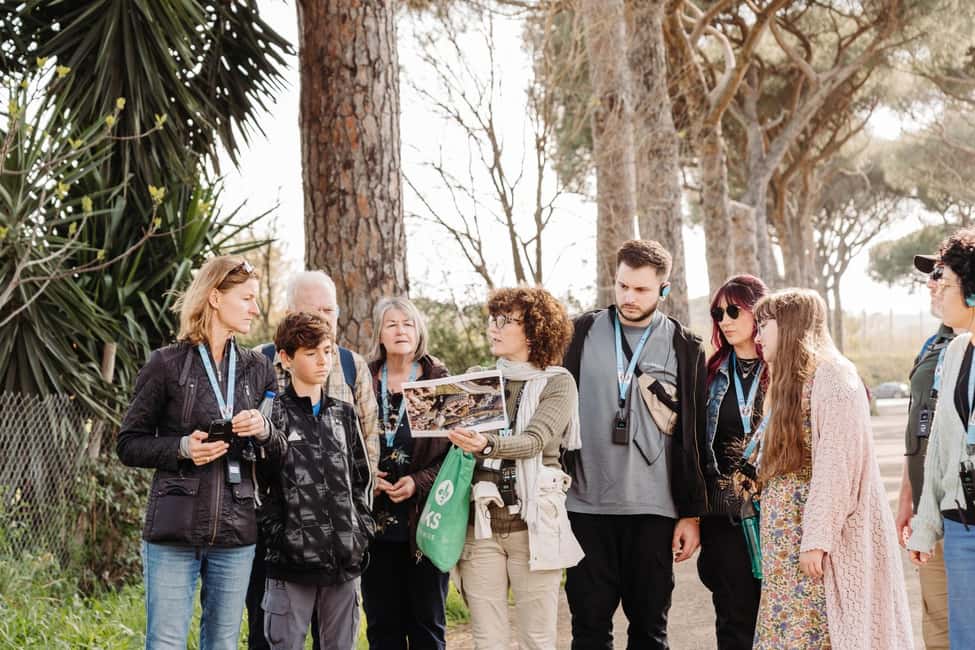
The aqueduct section is the longest walking stretch at about 45 minutes. You’ll step into Parco degli Acquedotti and get time under the remains of Rome’s iconic aqueduct system.
This is where the Roman Empire stops being an abstract “they built stuff” idea. Aqueducts were the difference between a city that could function and a city that depended on luck. Seeing them standing there—massive, still dominant—makes the engineering real.
What I particularly like about this part of the tour is the pacing. It’s not frantic. You’re in a park setting, so the experience feels less like you’re trapped in a crowd funnel. Reviews repeatedly singled out the aqueduct park as a highlight, and it’s easy to see why.
A small practical note: plan water and sun protection for the aqueduct walk. The guided time is worth it, but Rome’s summer can be relentless.



Catacombs at closing time: San Sebastiano or Domitilla underground
Here’s the heart of the “different Rome” feeling. You visit the Catacombs of San Sebastiano or Domitilla depending on the day, with about 80 minutes on site.
The big advantage is the closing-time access. You’re not walking into the busiest window of the day. That usually means a quieter rhythm, more room to hear your guide, and less time competing for space in narrow corridors.
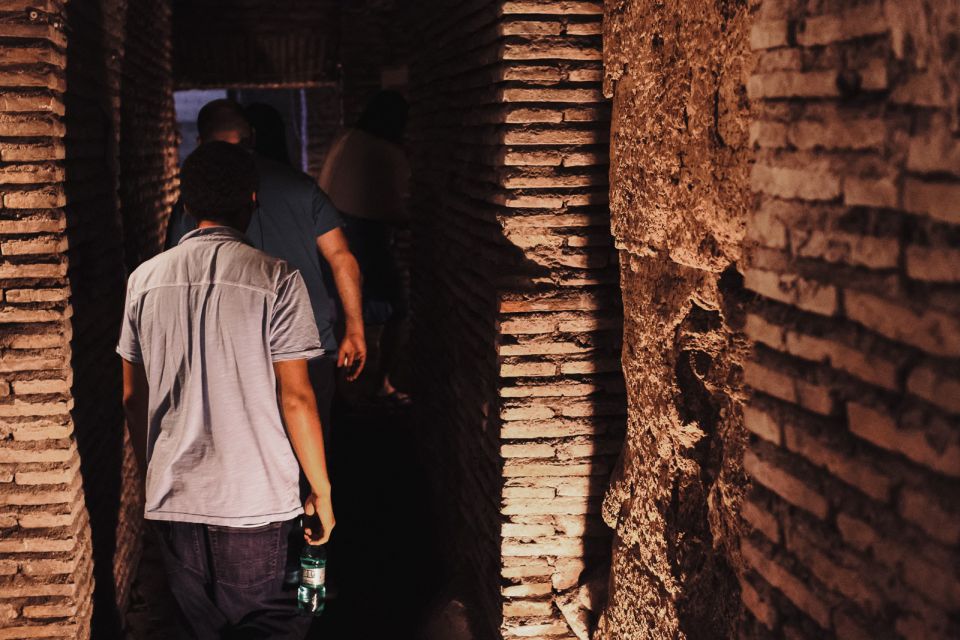
Inside, expect underground tunnels with early Christian burial spaces and ancient frescoes. The tour framing helps you connect the art and architecture to the people using them. Some people find it creepy in a good way—more atmospheric than gross.
A few rules to know upfront so you’re not surprised:
- No photography inside (bring your curiosity instead of your camera)
- You need to cover shoulders and knees due to the religious nature of the site. If you’re traveling in warm weather, bring a light scarf or similar cover to adjust quickly before entry.
- The catacombs are tight. If you get claustrophobic, this is not the right fit.
Also, one review mentioned the gift shop was closed when they exited, so if you like buying a small book for later, don’t count on it being open right after your visit.
How the guides shape the experience (and why names keep coming up)
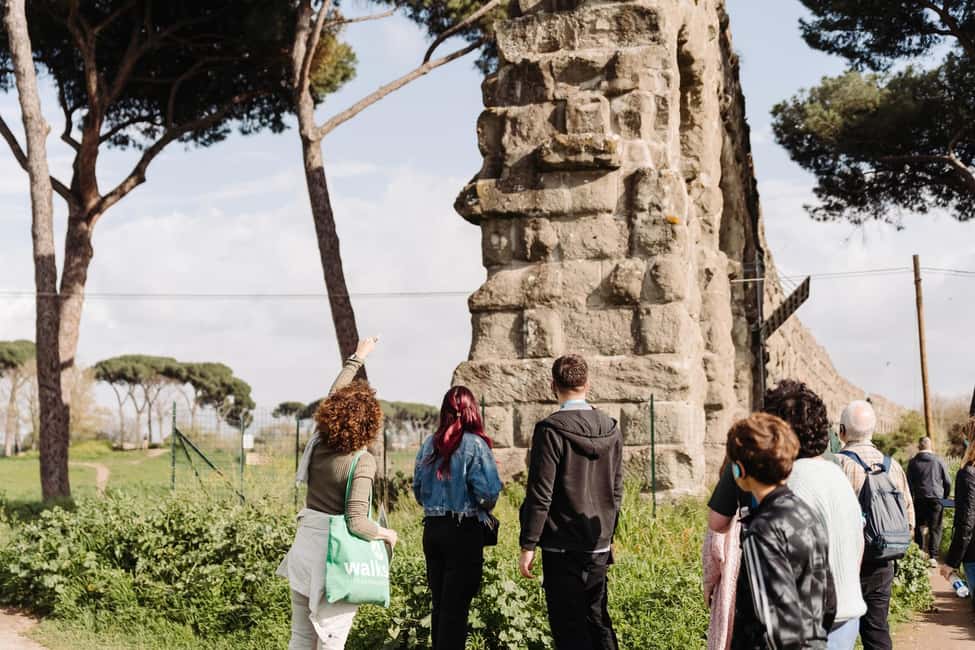
On tours like this, the guide controls the tone. The best versions don’t just list facts; they help you think like the people who built, used, and preserved these spaces.
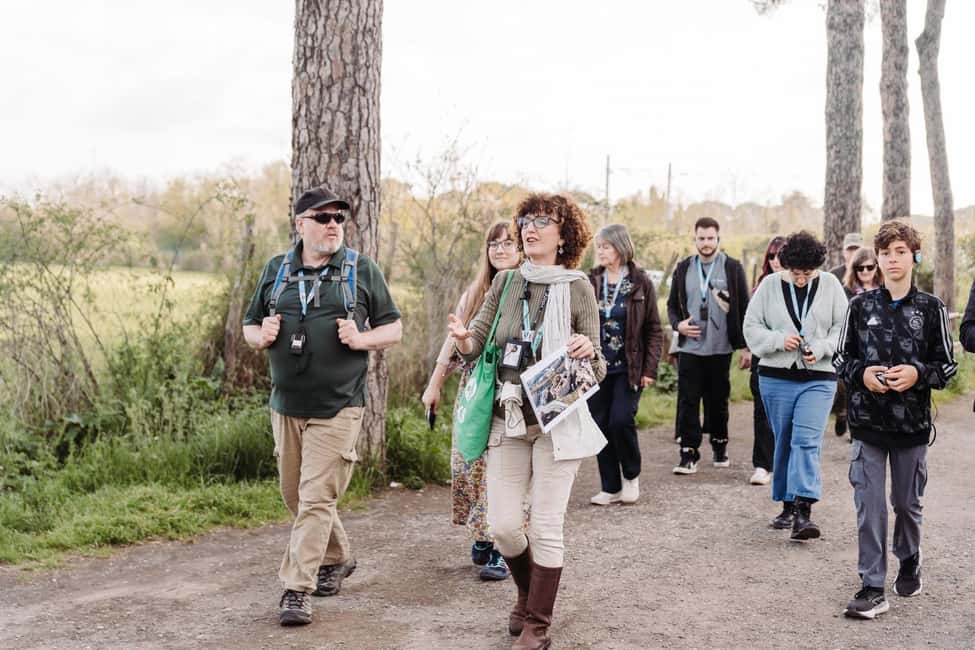
In the reviews you’ll see names like Federico, Antonella, Sylvie, and Aurelio praised for strong storytelling and for answering questions in a way that makes details stick. Guides such as Chiara B and Annalise were also praised for keeping energy up and handling hot weather thoughtfully—important when you’re moving between outdoor sun and underground cool.
If you care about “how Romans thought,” this is a tour where that shows. You’ll get explanations that connect monuments to everyday purpose: roads that moved people, aqueducts that moved water, and catacombs that created a lasting memory.
Pacing, walking effort, and what to bring
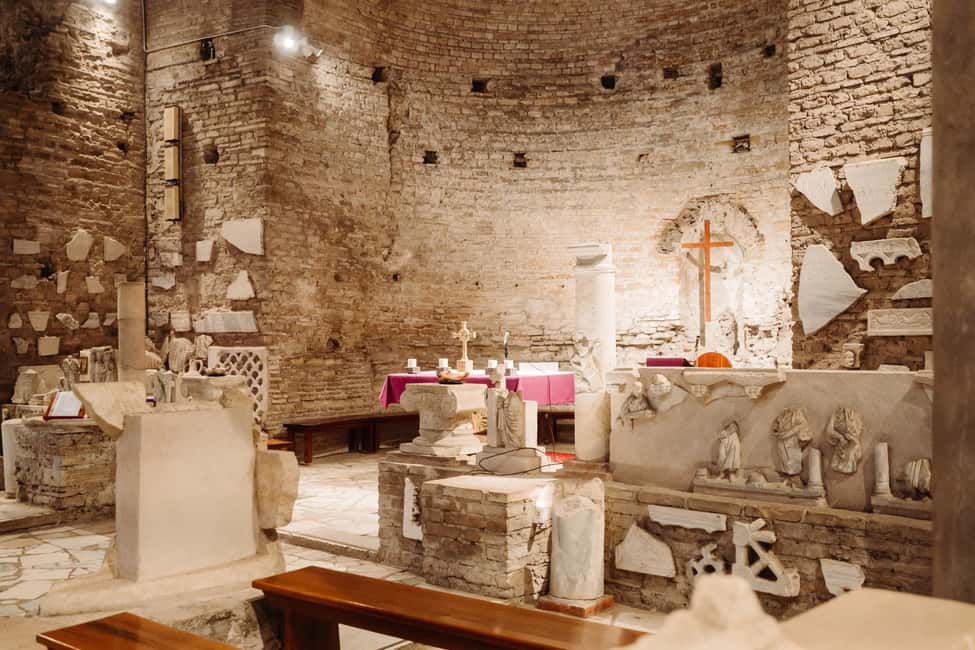
This is a walking tour. Total duration is 195 minutes, and the largest walking blocks are the Appian Way and Parco degli Acquedotti. The catacombs part is also walking, but it’s the confined kind—slow, turning, stopping, and listening closely.
Dress and rules matter here:
- Bring long pants and a long-sleeved shirt
- Avoid shorts, short skirts, sleeveless shirts
- Bring an extra covering like a scarf so you can meet the shoulders-and-knees requirement easily before entering
Some things you should plan around:
- No cameras inside the catacombs
- The tour is not suitable for mobility impairments, wheelchairs, or strollers
- If you have claustrophobia, skip this one and look for a more open underground option
In hot weather, you’ll be grateful for air-conditioned transport, but you still need to handle outdoor sun during the walking portions.
Price and value: why $64 can feel fair (or not)
At $64 per person, the value depends on what you want out of your Rome day.
This price includes:
- Private, air-conditioned transport between sites
- An expert catacombs tour guide
- Entry to the catacombs of San Sebastiano or Domitilla (depending on the day)
The part that often justifies the cost is the pairing. You’re paying for three different experiences in one flow: ancient road walking, aqueduct park viewing, and a guided underground visit at closing time. Doing those separately on your own can turn into extra planning headaches and scattered timing, especially with catacomb entry constraints.
Where it might not feel perfect is if you mainly want one iconic interior site and minimal walking. This tour asks you to walk at a moderate pace and to follow dress rules. If you’re hoping for a mostly seated sightseeing day, you’ll want a different format.
Who should book this Appian Way, aqueducts, and catacombs tour?
This works best for you if:
- You want a Roman day that’s not centered on the Colosseum/Vatican crowd machine
- You like outdoor walking with real historical context
- You want an underground experience at a calmer time of day
- You appreciate a guide who can connect architecture to daily life, not just recite dates
I’d skip it if you:
- Need wheelchair access or have mobility limitations
- Have claustrophobia
- Hate walking on uneven ground
- Want to take photos inside the catacombs (you can’t)
Should you book it?
Book it if you want Rome beyond the postcard routes. The Appian Way and aqueduct park are a smart way to see Rome’s scale and systems, and the catacombs at closing time add a quiet edge most daytime tours can’t match.
If you’re comfortable walking, can follow the covering rules, and you don’t mind a tight underground environment, this is one of the cleaner ways to get a full-spectrum Rome day for the money.
If that underground part makes you nervous, don’t force it. That’s the one place where the experience can stop being fun fast.
FAQ
Where is the meeting point for the tour?
The tour meets in front of Piramide metro station, located across from Piazzale Ostiense. Arrive about 15 minutes early and look for your guide holding a green Walks sign.
What sites are included on this Rome tour?
You visit the Appian Way, the Mausoleum of Cecilia Metella, Parco degli Acquedotti (aqueducts), and the Catacombs of San Sebastiano or Domitilla depending on the day.
How long is the tour?
The duration is 195 minutes.
What is the price per person?
The price is $64 per person.
Is hotel pickup included?
No. Hotel pickup and drop-off are not included.
Is transportation included, and what’s it like?
Yes. You get private, air-conditioned transport between the stops.
Is the catacombs entry included?
Yes. Entry to the catacombs of San Sebastiano or Domitilla is included, depending on the day.
Can I take photos inside the catacombs?
No. Photography inside is not allowed.
What should I wear or bring?
Bring long pants and a long-sleeved shirt. You also need to cover shoulders and knees due to the religious nature of the catacombs, so a scarf or extra covering can help.
Is this tour suitable for wheelchair users or mobility impairments?
No. It is not suitable for guests with mobility impairments, wheelchairs, or strollers.