REVIEW · ROME
Rome: Appian Way Golf Cart Tour with Roman Catacombs Entry
Book on GetYourGuide →Operated by Biga Tours · Bookable on GetYourGuide
Escape Rome’s traffic and see the Appian Way. I love the eco-friendly electric golf cart for getting out past the city streets without cooking in the heat, and I love that the best part is the official Catacombs walking visit rather than a quick drive-by. You get expert storytelling as you hop between major ancient sites, so the half-day feels full even though you are not doing a long day on your feet.
On the cart, I like the smart setup: up to two vehicles run together, and everyone listens through earpieces. That means you can actually hear your guide while snapping photos at stops like the viewpoints for Circus Maximus and the remains of the Baths of Caracalla. Guides such as Francesco, Marco, Amber, Leo, and Gaia come up again and again in the experience because their style tends to be funny, fast, and grounded in what you are seeing.
The one drawback to plan around is the catacombs themselves: expect uneven ground and steep stairs, plus cool, humid air around 16°C / 61°F underground. If you know stairs are a dealbreaker for you, this is the moment that can change how much you enjoy the day.
In This Review
- Key points worth knowing
- Meeting by the Pantheon and rolling out on the Appian Way
- How long you’ll be out there
- Circus Maximus and the Baths of Caracalla stops
- A note on photos
- Appian Way time and stepping into ancient road logic
- Why the walking feels worth it
- Roman Catacombs: the stairs, the cold air, and the site guide
- What makes the catacombs section work
- Dress like you mean it
- Tomb of Cecilia Metella and the Appian Way story continuation
- Aurelian Walls and Pyramid of Cestius on the return loop
- Comfort and logistics: how this tour saves energy without skipping the meaning
- Heat management is a hidden win
- The only big physical constraint is the catacombs stairs
- Who should book this Appian Way golf cart and catacombs tour
- You might want to skip or reconsider if
- Final call: should you book it?
- FAQ
- How long is the Rome Appian Way golf cart tour with catacombs?
- Where does the tour start and end?
- Is the golf cart electric?
- How long is the catacombs portion?
- What should I wear for the catacombs?
- Are children allowed on this tour?
Key points worth knowing
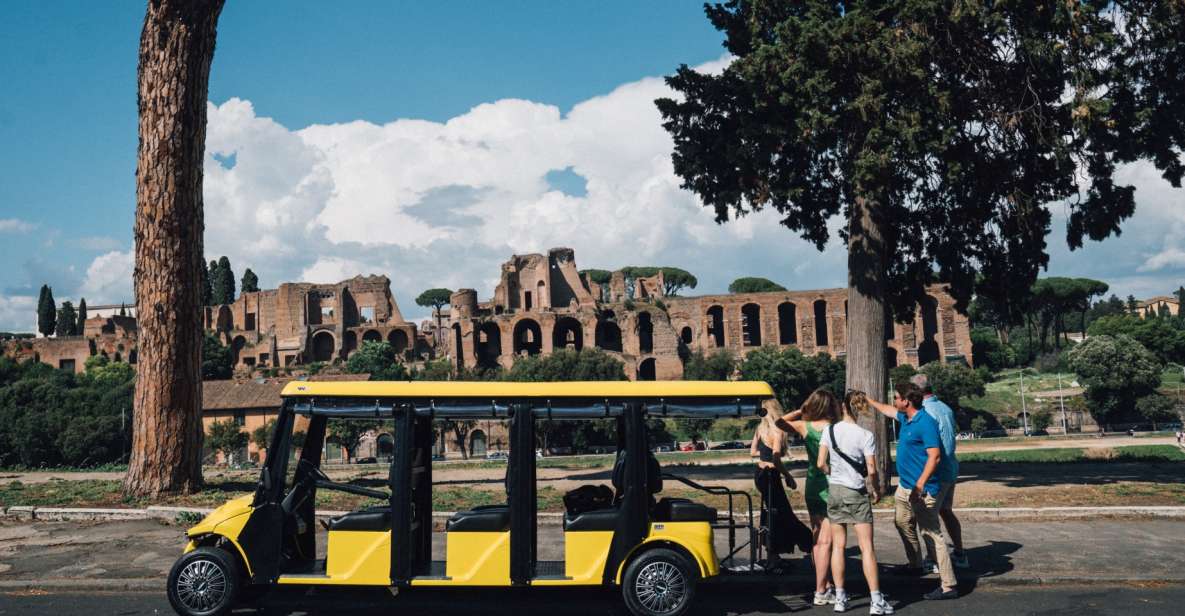
- Electric golf cart transport keeps you moving between sites without spending hours walking.
- Ear-piece audio helps you hear the guide clearly even on the drive and at photo stops.
- Official Catacombs resident guide leads the underground section for about 30–35 minutes.
- Major Appian Way landmarks show up in one loop: Circus Maximus view, Baths of Caracalla remains, Aurelian Walls, and Pyramid of Cestius.
- Small groups (up to 14 people) and connected vehicles keep the experience manageable and organized.
- Catacombs are cold and stair-heavy, so bring a layer and plan for steps.
Meeting by the Pantheon and rolling out on the Appian Way
You start at Via Monterone, 19, in the office near the Pantheon area. The road has an L-shape, and you are looking for glass doors on the side near Via di Torre Argentina. It is a straightforward meeting point that works well if you are already spending time in central Rome.
Once you find the carts (often you will spot them lined up outside), you settle into a 7-seat vehicle. Tours can run with up to two vehicles, and they travel together like linked carriages while you all hear the same guide through earpieces. If you booked as a group, there is a chance you might be seated across the two carts on some occasions.
This setup matters because it changes how Rome feels on the inside. Central Rome traffic can be stressful, and walking between sites can be tiring. Here, the cart gives you a breather, and the guide narration gives you the context you would otherwise miss.
You can also read our reviews of more tours and experiences in Rome.



How long you’ll be out there
The total time is about 2.5 hours, and the tour structure is paced so you see multiple sites without feeling like you are rushing. That is a big deal on a first or last day in Rome when your energy is limited.
Circus Maximus and the Baths of Caracalla stops
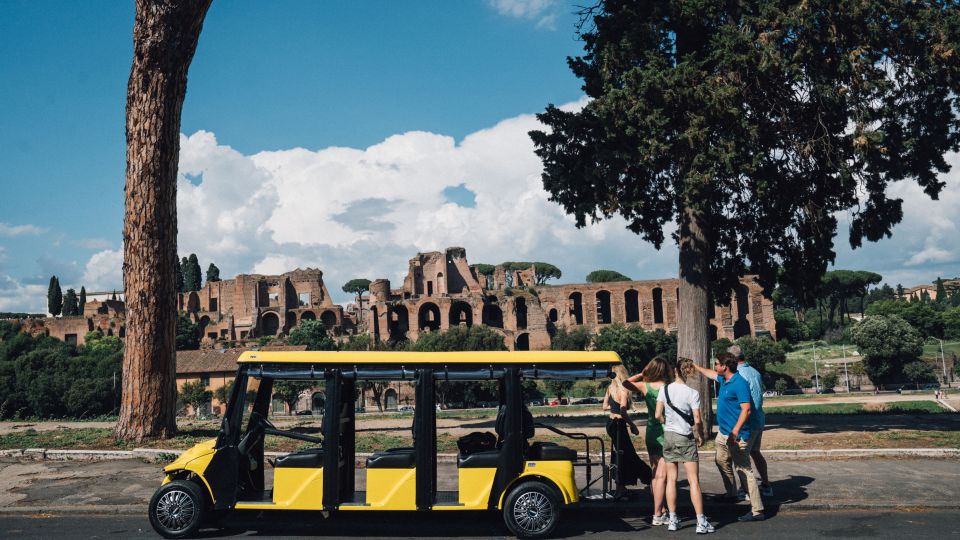
After meeting, you get your first taste of imperial Rome at the Circus Maximus area. You typically get a photo stop plus a guided moment, aimed at helping you understand what you are looking at: the remnants and the scale of a place built for huge crowds. Even from a viewpoint, Circus Maximus reads differently once someone explains how it functioned.
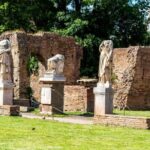
Next comes the Baths of Caracalla. You will see what remains, including foundations, and the guide ties those stones to how Romans lived. Roman baths were not just places to wash; they were social centers, political stages, and daily routines rolled into one.
These two stops do something practical for you. They give you two angles on the same theme: Rome as entertainment and Rome as everyday infrastructure. If your Rome plan is heavy on museums and big-ticket ruins, this gives you a human sense of how the city worked.
A note on photos
Photo stops are built into the rhythm of the cart tour, so you are not standing around waiting. You still may want to have your camera ready during the drive moments because the best angles can appear quickly when the cart pulls to a safe spot.
Appian Way time and stepping into ancient road logic
The Appian Way portion is the heart of the experience, and it is more than a pretty drive. This road was one of Rome’s most important thoroughfares, and the guide helps you connect the line you are seeing to why it mattered.
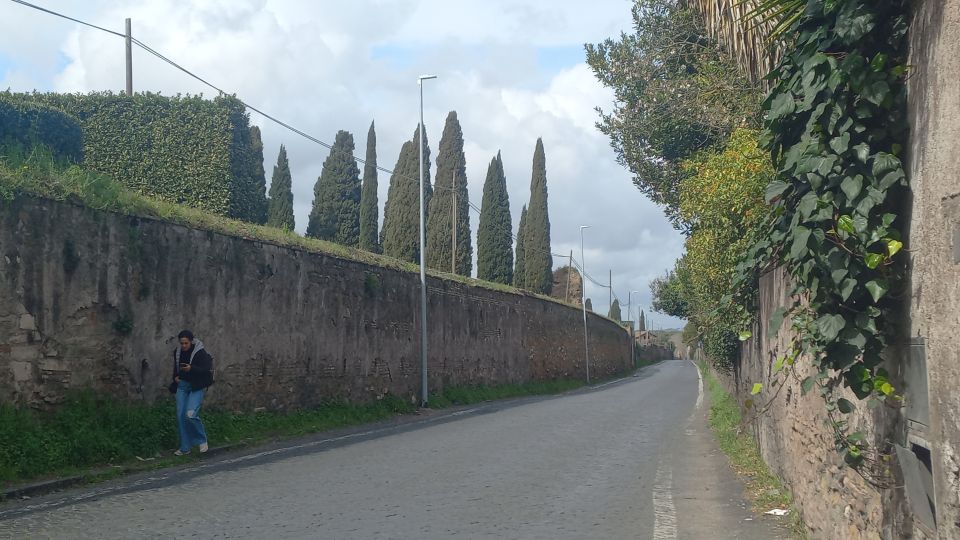
You get an Appian Way photo stop plus guided storytelling, and the pace is set so you can appreciate both the road itself and the bigger environment around it. The Appian Way outside the city tends to feel calmer than central Rome, and that shift is part of the point.
One of the most satisfying moments on this tour is when you stop at a grand Roman tomb and walk along the stones that people once used daily. That short walking segment is never long, but it changes your mental map fast. It is one thing to read about Rome in a book; it is another to stand where feet once moved with a purpose.






Why the walking feels worth it
This is not a long hike, so you do not lose the time advantage of the cart tour. Instead, it gives you a quick reset: walk, look, listen, snap a few photos, and then roll on.
Roman Catacombs: the stairs, the cold air, and the site guide

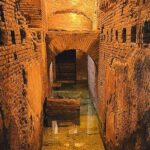
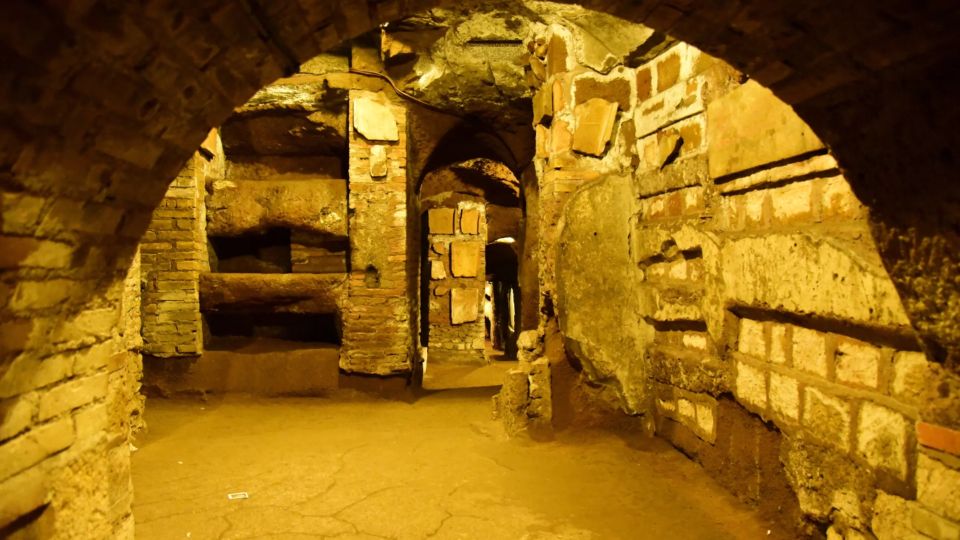
The underground portion is the big headline, and it is handled by an official site guide. Your catacombs time is reserved and structured for a guided walking visit of about 30–35 minutes, so you are not stuck wandering on your own.
Plan for conditions underground. The temperature is around 16°C / 61°F with high humidity, and the walk includes uneven ground plus steep stair climbs down and up. Even if you handle stairs fine, wear shoes with solid grip.
You might also notice the catacombs feel narrower once you are inside. One of the things that makes this visit feel real is how the passageways reduce your space and force the route into single file. It adds tension and quiet, the kind you do not get in outdoor ruins.
What makes the catacombs section work
Two things tend to drive the experience quality here: the official resident guide, and the pacing. In the underground portion, the cart guide hands off, and you stay with the catacombs specialist. In several experiences, the crypt guide’s storytelling is where people feel the visit click.
If there is a downside, it is that the catacombs guide is sometimes harder to understand than the cart guide. One account notes the guide was difficult to hear in that environment. If you know you struggle with accents or quiet audio, arrive ready to listen carefully, and try not to talk during the guide’s explanations.
Dress like you mean it
A light jacket is not optional, in my opinion. The air feels cooler once you are underground, and humid cold is a different sensation than just “cool weather.”
Tomb of Cecilia Metella and the Appian Way story continuation
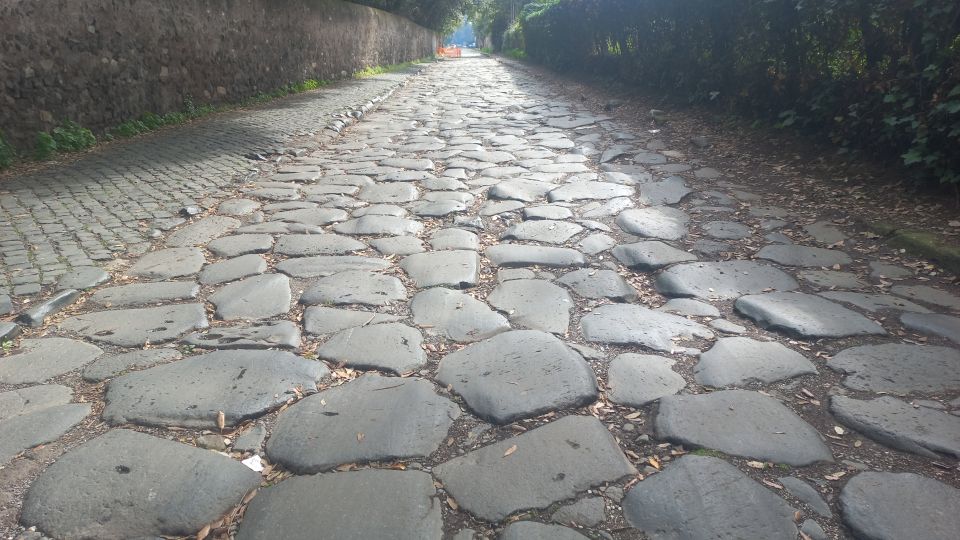
After the underground visit, you keep moving along the ancient route and return to the surface with a different kind of perspective. The Tomb of Cecilia Metella stop is one of those locations where your brain finally stitches together what you just learned.
You get a photo stop plus guided tour elements here, and the guide uses the tomb as a way to talk about status, memory, and how Romans marked presence along major roads. The Appian Way was not just about travel; it was also a corridor for monuments and messages to the future.
This stop works well after the catacombs because it shifts the theme from private burial spaces to visible, enduring power. You go from underground anonymity to a landmark meant to be seen.
Aurelian Walls and Pyramid of Cestius on the return loop
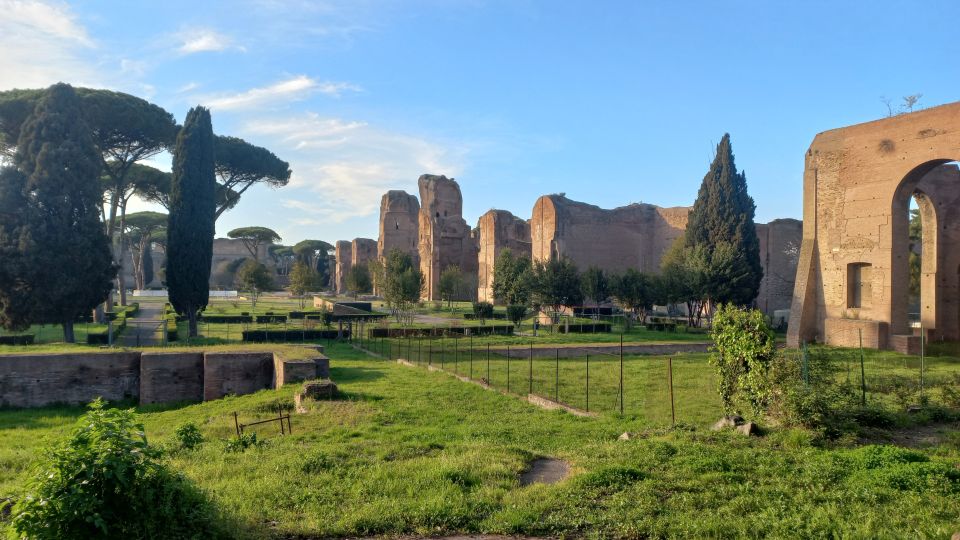
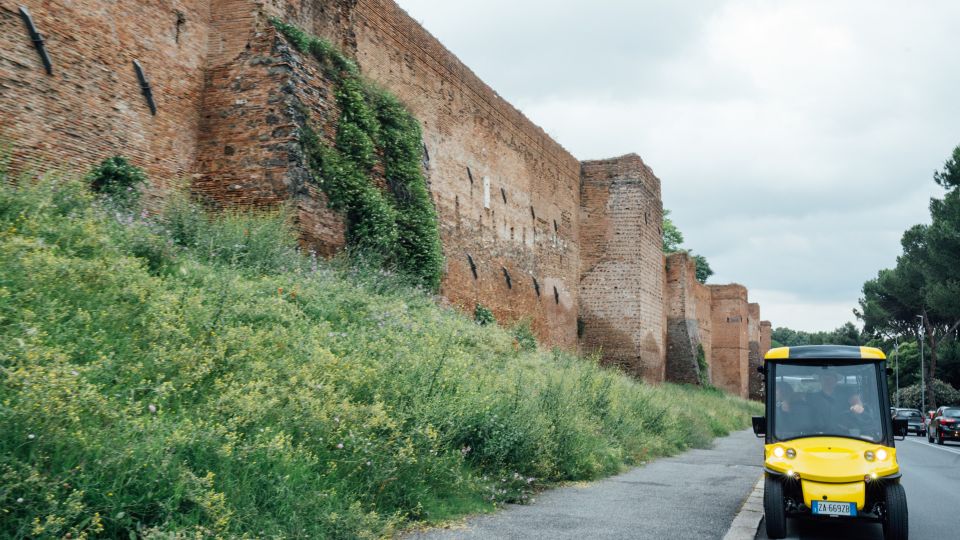
On the way back, you drive past the Aurelian Walls. This is a photo stop with guided context, and the value is in understanding what these fortifications meant: a city boundary built to protect and control. When you know that the walls were part of the defense system, even partial views make more sense.
You also stop at the Pyramid of Cestius. It is a striking sight because it feels both ancient and oddly preserved, and it is a memorable capstone to the tour. The guide usually frames it as part of Rome’s story of monuments and status, not just as a strange tall shape.
Returning toward the Pantheon area, the tour completes the loop so you end where you started. You are not dealing with a long second leg across town, and that matters when Rome days pile up.
Comfort and logistics: how this tour saves energy without skipping the meaning
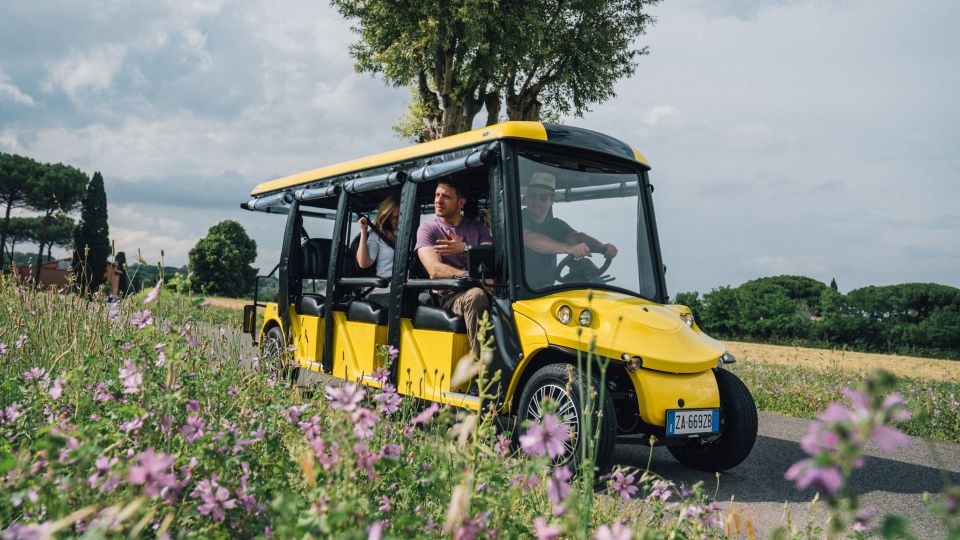
The big “value” of a golf cart tour is obvious: less walking. What is less obvious is how the design supports your attention. With earpieces, you can concentrate on the guide instead of competing with traffic noise. That is a real quality-of-life upgrade in Rome.
Group size also plays a role. With up to 14 participants, you are not in a huge crowd where the guide can only throw out basic facts. You still get the shared rhythm of a group tour, but it feels tight and organized.
The cart itself is electric and eco-friendly, and it helps keep the whole day calmer. You do not have the same vibration and exhaust concerns you might associate with older vehicles, and it makes the driving feel more relaxed.
Heat management is a hidden win
Rome heat can make even short walks feel punishing. This tour does not pretend that it is a museum day; it is built around movement by cart with limited walking. That is why people often rate it highly for comfort, especially when their schedule is packed.
The only big physical constraint is the catacombs stairs
If you are steady on your feet, the stairs may be manageable. If you are not, this is the point to think carefully. Uneven ground and steep steps underground are the main challenge, not the cart ride.
Who should book this Appian Way golf cart and catacombs tour
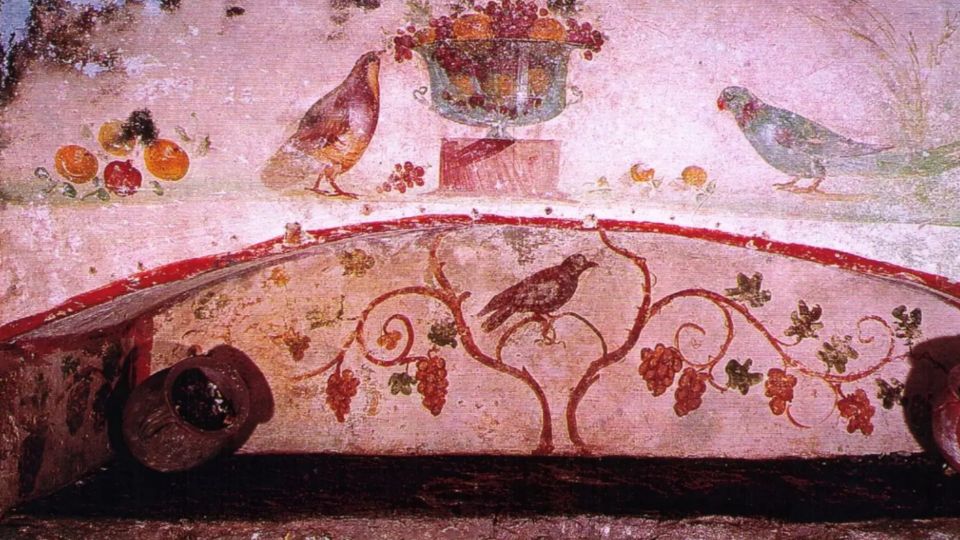
I think this is a great fit if you want three things at once: big ancient highlights, an easy way to get outside the center, and a real underground experience. It works especially well for first-time visitors who want a strong overview without doing a full marathon day.
It is also a good choice for people who have done Rome before but want something different. The Appian Way is often overlooked compared to the Colosseum and Vatican area, and the catacombs add a “Rome under your feet” angle.
You might want to skip or reconsider if
- You cannot handle steep stairs or uneven ground.
- You hate cold, humid environments (the catacombs air is cool).
- You want to spend hours at a single monument rather than a paced loop with multiple stops.
If you fall into those categories, you might still enjoy the cart portion, but the catacombs will set the emotional tone for the whole day.
Final call: should you book it?
I would book this tour if you want an efficient Rome outing that feels like more than a sightseeing drive. The structure is smart: cart time for orientation, multiple key ancient stops for context, and an official catacombs visit that gives you the underground story in a guided, time-limited way.
If you are sensitive to stairs and rough footing underground, treat the catacombs section as the decision point. Bring a layer, wear grippy shoes, and go in with realistic expectations about steps. Done that way, it is the kind of half-day you can remember for the exact mixture of above-ground monuments and the hush underground.
FAQ
How long is the Rome Appian Way golf cart tour with catacombs?
The tour lasts about 2.5 hours.
Where does the tour start and end?
It starts and ends at the company office on Via Monterone, 19, near the Pantheon area.
Is the golf cart electric?
Yes. The tour uses an eco-friendly, electric-powered golf cart.
How long is the catacombs portion?
The catacombs visit is a guided walking tour of about 30–35 minutes underground.
What should I wear for the catacombs?
Wear weather-appropriate clothing, and bring a layer for the underground visit. The catacombs are cool and humid, around 16°C / 61°F, and the walk involves steep stairs and uneven ground.
Are children allowed on this tour?
Children age 2 to 12 are welcome. Infants under 2 years old are not accepted due to safety regulations.