REVIEW · ROME
Rome: Vatican Museums, Sistine Chapel and St. Peter’s Tour
Book on GetYourGuide →Operated by Tours and the City · Bookable on GetYourGuide
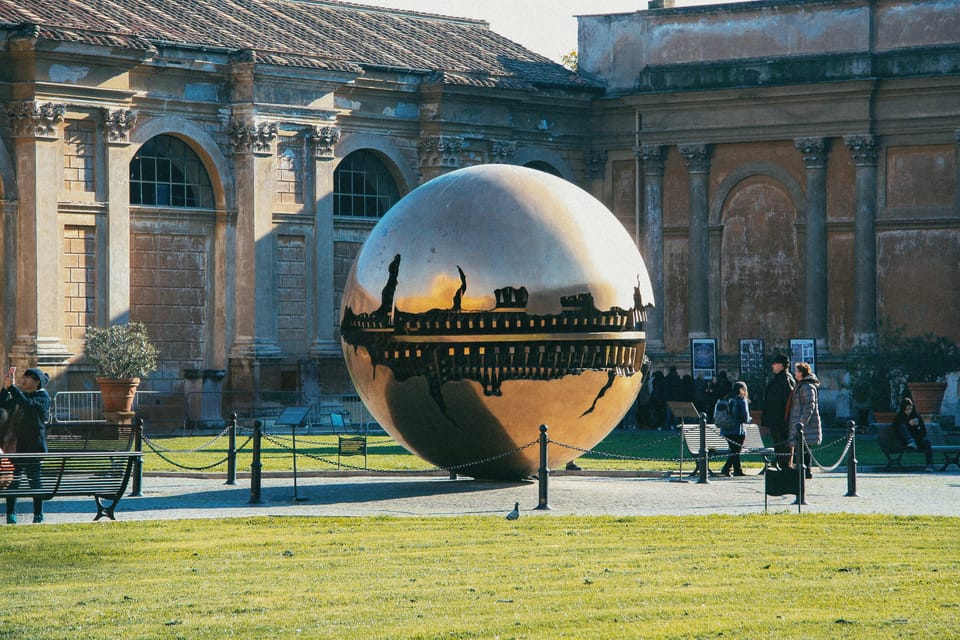
The Vatican feels endless, so you need a plan. I like that this tour starts with skip-the-line entry and pairs it with an art historian-style guide who talks you through what you’re actually seeing, not just where to stand. You also get a “slow enough” structure inside the museums and then a focused run at the Sistine Chapel, Raphael Rooms, and key courtyard highlights like the Pigna in the Pinecone Courtyard.
One thing to keep in mind: you’ll do a fair amount of walking with limited chances to rest, and the provided headset can be a mixed bag in crowded conditions. So bring your patience, wear good shoes, and set expectations that this is a fast-moving highlight tour, not a sit-down museum day.
In This Review
- Key things to know before you go
- Why this Vatican Museums and Sistine Chapel tour feels like smart Rome planning
- Price, time, and what skip-the-line really buys you
- Meeting at Caffè Vaticano and starting on time
- Vatican Museums route: Popes collections, Belvedere Courtyard, and the Pigna
- Raphael Rooms: how technique and rivalry turn art into a story
- Sistine Chapel: what the silence rules are really for
- St Peter’s Square finish: getting the big-picture view even without guided basilica entry
- Jubilee 2025 and closures: how to keep your day flexible
- Tips to make the 2.5 hours actually feel worth it
- Guides, group energy, and what makes the experience click
- Should you book this Vatican Museums and Sistine Chapel tour?
- FAQ
- What are the main stops on this Rome Vatican Museums and Sistine Chapel tour?
- How long is the tour?
- What does the price include?
- What is not included?
- Where do I meet the guide?
- Is St. Peter’s Basilica guided on this tour?
- What should I wear or bring for entry?
- Is the tour suitable for wheelchair users or strollers?
Key things to know before you go
- Skip-the-line, timed entry helps you avoid the worst queues, but being late can still cost you entry
- 70,000 works of art are part of the bigger Vatican collection, and this tour helps you see the ones you’ll remember
- Pinecone Courtyard and the Pigna statue give you a “wow” courtyard moment early in the route
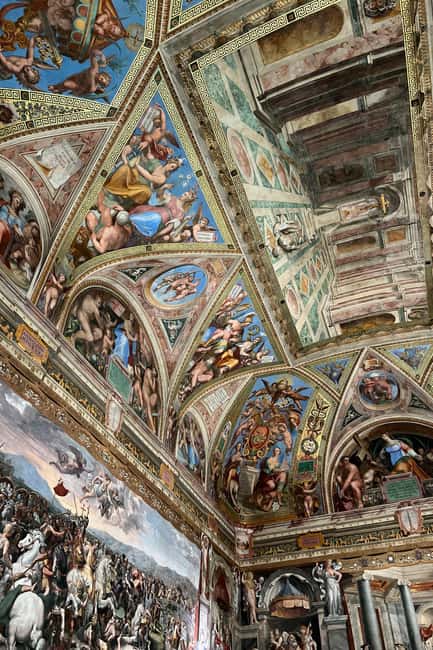
- Raphael Rooms are brief but high-impact, especially when a guide explains the techniques and rivalries
- Sistine Chapel rules matter: silence is expected, and your guide’s context helps the paintings land
- Jubilee 2025 may cause closures and St. Peter’s access rules can change
Why this Vatican Museums and Sistine Chapel tour feels like smart Rome planning

The Vatican Museums can swallow a whole day. This tour is built to stop that from happening by giving you a guided route that hits the big emotional payoffs: grand collections, standout rooms, and the Sistine Chapel itself. You’re not left staring at ceiling-size masterpieces trying to figure out what you’re looking at.
I also like the balance here. You get the museum framework through the Vatican’s Papal collections, but you’re still given time to move at a pace that doesn’t feel like a sprint every minute. The guide’s storytelling is what turns “lots of art” into moments with meaning.
Finally, the finish at St. Peter’s Square is a nice way to connect the inside experience to the outside atmosphere. Even if St. Peter’s Basilica entry isn’t part of your tour time, you still get that final, iconic end-point in the same visit.
You can also read our reviews of more tours and experiences in Rome.

Price, time, and what skip-the-line really buys you
This costs $82.47 per person and runs about 2.5 hours, with timed entry. On paper, that’s short for the Vatican. In practice, it’s a strong value because it reduces the biggest real-world risk: wasting hours in lines while your ticket clock ticks.
Here’s what skip-the-line is doing for you:
- You enter through a separate entrance for the Vatican Museums
- You also have skip-the-line entrance to the Sistine Chapel
- You get a local live guide plus headset support
The guide part matters because the Vatican is crowded and confusing. Without context, you can see plenty and still feel like you didn’t “get” much. With context, you can remember why specific works, courtyards, and rooms matter.
Just remember: the Vatican still has airport-style security, and the museum entry is strictly timed. Skip-the-line helps with queue time, not with being late or missing check-in windows.
Meeting at Caffè Vaticano and starting on time
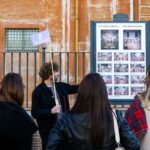
You’ll meet your guide at the corner between the top of the stairs of Via Tunisi and Caffè Vaticano, with your guide holding an orange umbrella. From there, you head straight into the timed rhythm of the day.
This is one of those tours where timing affects everything. The Vatican Museums entry is strictly timed, and late arrivals may not be granted access. So if you’re trying to squeeze breakfast, transit, and photos on the way over, you’re rolling the dice.
Also: you’ll get a Yellow Entry Ticket via WhatsApp or email. Keep it ready on your phone for scanning, one ticket per person. It’s an easy step to overlook when you’re excited to start.
Vatican Museums route: Popes collections, Belvedere Courtyard, and the Pigna
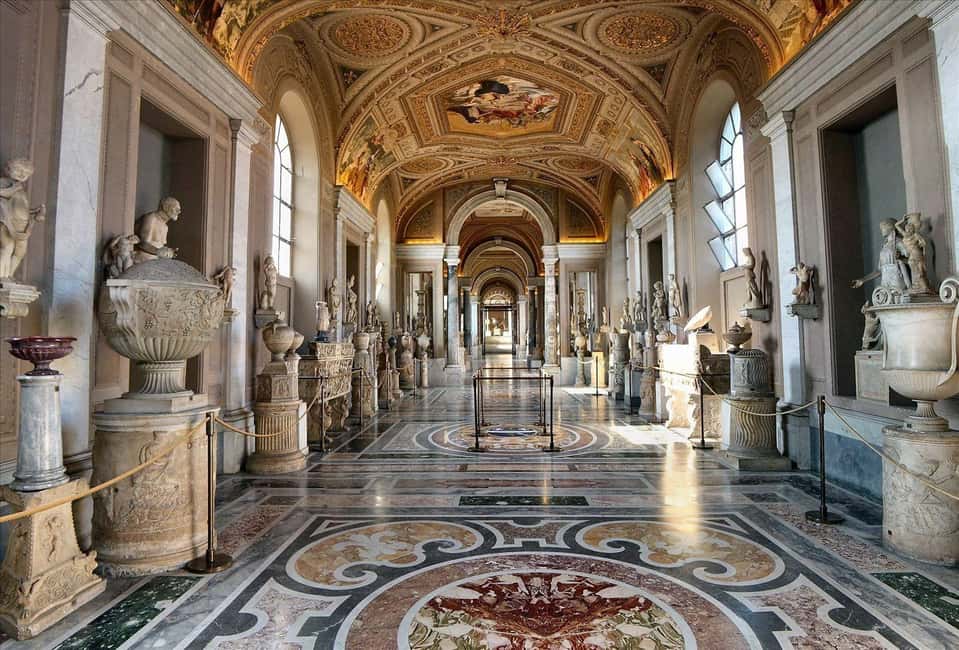
The heart of your tour begins in the Vatican Museums with a guided segment of about 2 hours. This is where the “Vatican City and the Popes collections” story comes together, and it’s more than a history lecture. Your guide helps you connect the art to the people and power structures that collected, commissioned, and preserved it.
Expect to move through a sequence that includes:
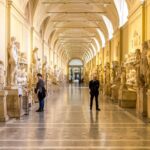
- antique galleries and museum highlights
- the Belvedere Courtyard
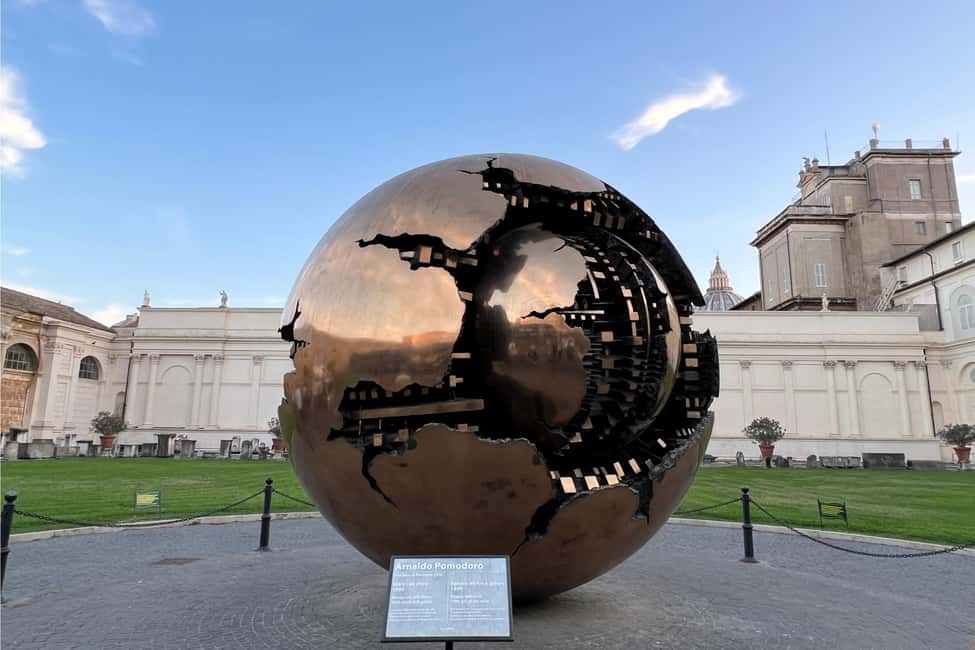
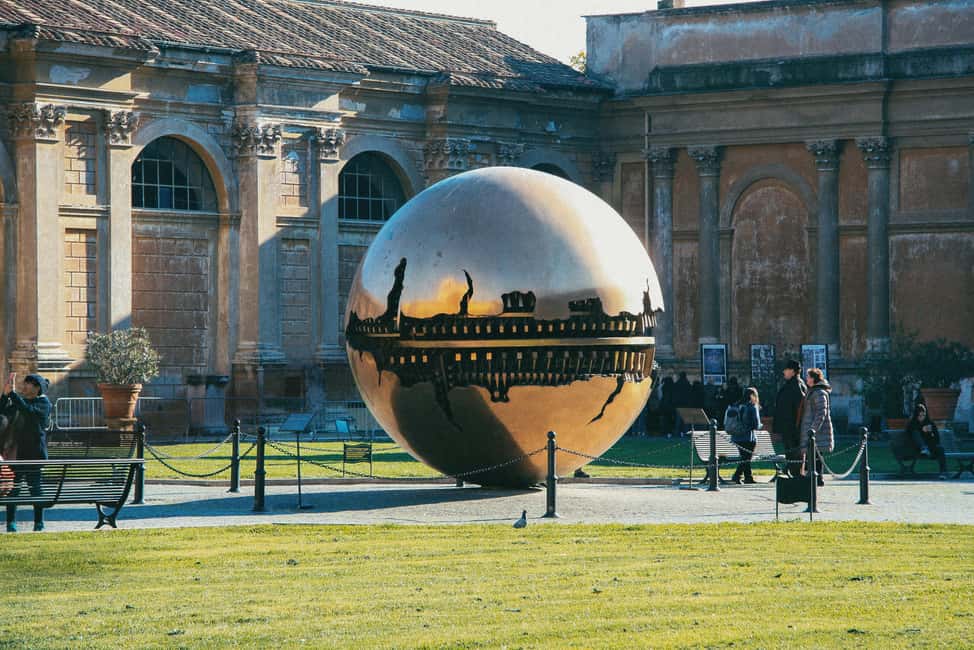
- the Pinecone Courtyard, where you’ll spot the Pigna statue
That Pinecone Courtyard moment is a big deal because it changes the vibe. You’re not stuck inside a long hallway of paintings; you get open space and a dramatic sculptural centerpiece. It’s a good mental reset before the tour shifts into the more famous rooms.
The other big value here is focus. The Vatican Museums have a massive total number of works, often summarized as tens of thousands. A guided route gives you a realistic way to see enough to feel satisfied, instead of wandering until you’re too tired to care.
Raphael Rooms: how technique and rivalry turn art into a story
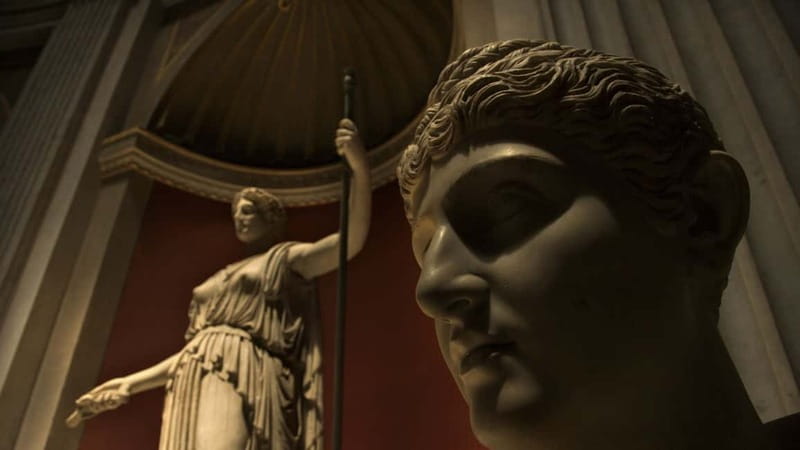
After the museums, you head to the Raphael Rooms for a shorter guided stop (about 30 minutes). These rooms hit like a “concentration camp” for your attention span, in a good way. When you’re inside, it’s easy to stare upward and forget that paintings are made by techniques, decisions, and timelines.
Your guide’s job in this section is to help you see:
- how different artistic techniques show up in the scenes
- the competition and rivalry between major artists, especially the relationship viewers often connect to Raphael and Michelangelo
That rivalry detail isn’t just trivia. It changes how you look at what’s on the walls because you start noticing choices: composition, emphasis, and how certain scenes feel designed to impress specific audiences.
If you tend to rush in museums, this is where you’ll appreciate the structure. A 30-minute guided block forces you to pick up the right cues instead of getting lost in the urge to photograph everything.


Sistine Chapel: what the silence rules are really for
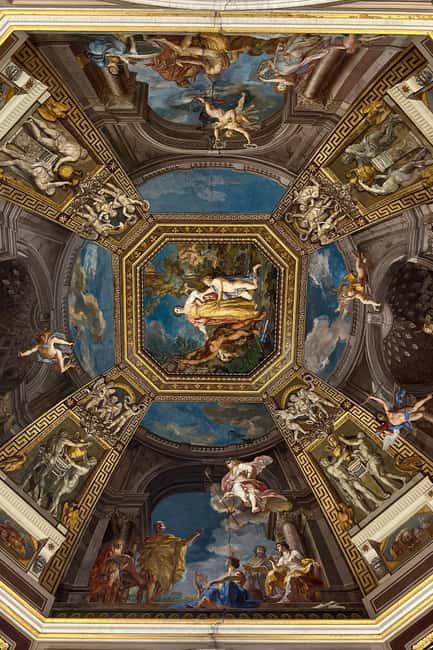
Next comes the Sistine Chapel guided segment (about 30 minutes). This is the emotional peak of the visit for most people, and your guide’s lead-in helps the chapel feel more than famous ceiling art.
Your tour includes a focused explanation of what you’re seeing and why it matters. You’ll learn about the chapel’s profound spiritual and artistic significance, including the fact that it is where the Pope worships.
Also, plan for the silence expectation. You’ll hear that in your tour guidance once you arrive, and it’s not just a rule for order. It’s there so everyone can experience the space with minimal disruption.
If crowds make it hard to concentrate, this is exactly why you want a guide here. The chapel can feel like sensory overload, and a clear frame makes it easier to pick out what’s going on rather than only feeling awed and overwhelmed at once.
St Peter’s Square finish: getting the big-picture view even without guided basilica entry
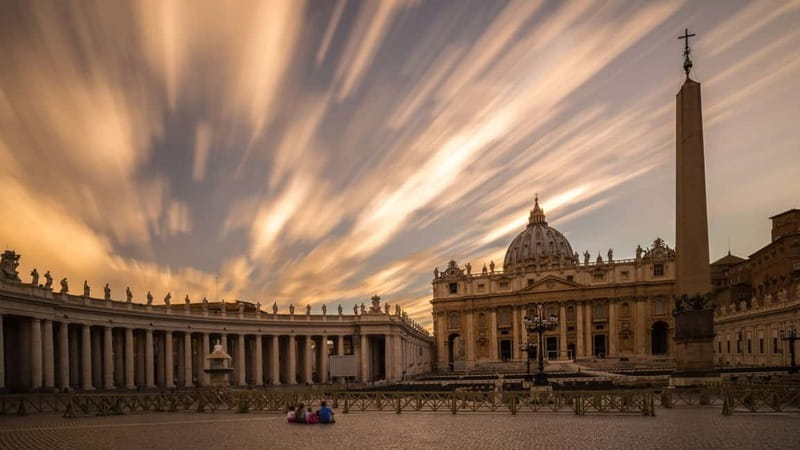
Your tour ends in Saint Peter’s Square. That’s the payoff moment where the Vatican’s scale becomes real, and where your brain stops treating everything like “museum rooms” and starts treating it like a living center of place and ritual.
Here’s the important catch: entry to St. Peter’s Basilica is not included, and the tour does not include a guided walkthrough inside the basilica. Starting March 1, new regulations also limit Basilica entry in a way that stops direct access from the Sistine Chapel for guided tours. Your guide can still provide a detailed explanation of the basilica during the visit, but you shouldn’t plan on doing an inside visit as part of this specific tour.
Basilica entry itself can also be affected by accessibility restrictions and high-season events. So, think of this tour as a guided Vatican Museums and Sistine Chapel experience, finished with a strong St. Peter’s Square moment.
Jubilee 2025 and closures: how to keep your day flexible
2025 is a Jubilee Holy Year, which means occasional closures can happen, including the Sistine Chapel and/or St. Peter’s Basilica, sometimes due to private ceremonies or institutional visits. That’s not a “maybe” in your control. It’s a real chance in the calendar.
The practical move is to hold your expectations loosely for the chapel/basilica portions. Your guide will still make sure you get the planned storytelling and route value, but if you find a closure situation, it helps not to feel personally unlucky.
If your travel dates are near major religious events, assume you’ll face extra crowd management and possible schedule changes in the sacred areas. Your best strategy is to focus on what the tour is guaranteed to provide: the guided museum experience and the Sistine Chapel visit when operations allow.
Tips to make the 2.5 hours actually feel worth it
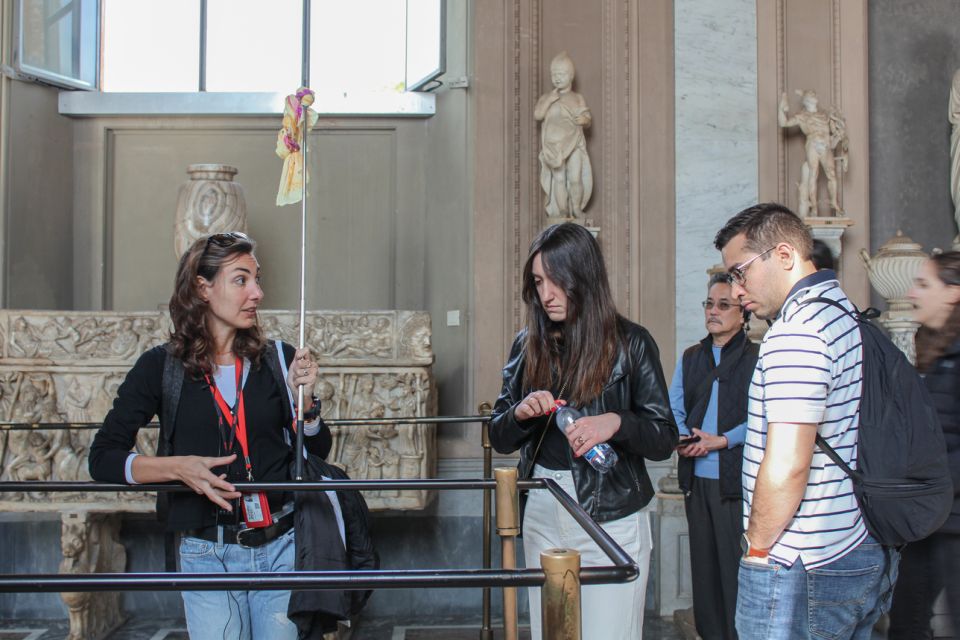
This tour is short enough that smart prep makes a noticeable difference.
Wear comfortable shoes and use a water plan. The walk is steady, and once you’re inside, you don’t get a lot of “stop and reset” time. This isn’t a tour where you can easily pivot to slow sightseeing in between guided stops.
Bring your ID. A photo ID is required for security, and if you’re traveling with kids you’ll need passport or ID (a copy is accepted). You’ll go through security checks that resemble an airport process, so plan calm, not rushed.
Use the dress code as a checklist:
- shoulders and knees must be covered
- tattoos need to be concealed in sacred areas
Also, travel light for Vatican security and entry rules. Oversize luggage and large bags aren’t allowed, and strollers and mobility scooters aren’t possible. Wheelchair and stroller access are not available for this tour format, so it’s better to pick a different option if you need mobility accommodations.
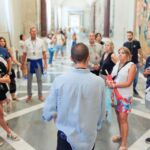
Finally, manage your headset expectations. Headsets are included, which is a big help in crowds, but the system can be annoying if the audio cuts out or the ear pieces feel uncomfortable. If you know you’re sensitive to audio gear, plan accordingly so it doesn’t ruin your concentration.
Guides, group energy, and what makes the experience click
A huge part of this tour’s success is the guide. The pattern in strong feedback is clear: guides who keep the story organized, point out what to look for at the right moments, and manage the crowd flow make the whole visit feel smooth.
You’ll also hear lots of “how did they do that” and “why does this matter” moments. It’s not just dates and names. The kinds of stories that land best here are the practical ones that connect art to daily life and institutions, like details about the papal conclave smoke and why that chimney exists, or the artistic rivalry threads that explain choices across different rooms.
If you want art history but don’t want to feel tested by a textbook, this kind of guiding is a good match. It turns the Vatican into a sequence you can follow instead of a blur of stops.
Should you book this Vatican Museums and Sistine Chapel tour?
I’d book it if you want the Vatican’s top highlights in one efficient package and you don’t want to spend your day figuring out what’s worth your attention. At $82.47 for about 2.5 hours, the value comes from guided focus plus skip-the-line access, not from trying to “complete the Vatican.”
I’d think twice if you’re hoping for a long, unhurried self-guided museum day, or if you specifically need a guided visit inside St. Peter’s Basilica. This tour intentionally avoids that inside basilica guided segment, and Jubilee-related closures can affect access too.
Best fit: first-time visitors, couples, families who can manage a timed museum entry and a walking route, and anyone who wants the Sistine Chapel experience to feel understandable, not just famous.
FAQ
What are the main stops on this Rome Vatican Museums and Sistine Chapel tour?
You start at Caffè Vaticano, tour the Vatican Museums, visit the Raphael Rooms, see the Sistine Chapel with guided explanation, and finish at Saint Peter’s Square.
How long is the tour?
The duration is about 2.5 hours, with timed entry. Starting times vary, so you’ll want to check availability.
What does the price include?
It includes skip-the-line entrance to the Vatican Museums and skip-the-line entrance to the Sistine Chapel, a live English tour guide, and headsets.
What is not included?
Entry to St. Peter’s Basilica is not included, and the tour does not include a guided tour inside the basilica or access to the dome.
Where do I meet the guide?
Meet your guide at the corner between the top of the stairs of Via Tunisi and Caffè Vaticano. The guide holds an orange umbrella.
Is St. Peter’s Basilica guided on this tour?
No. The guide provides an explanation of St. Peter’s Basilica, but entry inside and any basilica walking are not part of the guided portion and may be subject to restrictions.
What should I wear or bring for entry?
Wear clothes that cover shoulders and knees. Bring comfortable shoes and water. Bring your passport or ID card (and a copy is accepted for children’s ID), and have your Yellow Entry Ticket ready on your device.
Is the tour suitable for wheelchair users or strollers?
No. Wheelchair and stroller access is not possible for this activity.