REVIEW · ROME
Rome: Catacombs of Priscilla Entry Ticket & Guided Tour
Book on GetYourGuide →Operated by OPERA ROMANA PELLEGRINAGGI · Bookable on GetYourGuide
Rome literally goes underground. The Catacombs of Priscilla give you a guided walk into an early Christian burial world tucked along Via Salaria, spread over two floors and shaped by centuries of use. It’s a short, focused visit—about 45 minutes—that swaps Rome’s bright streets for cool stone corridors, niches, and wall paintings tied to the faith and funerary habits of Rome’s first Christians.
I love how this tour connects the archaeology to the people. You’ll hear why the site began as an arenarium (an abandoned quarry area) and only later became Christian burial space in the early third century, with hundreds of wall niches added as the community grew. And the guides bring it to life in a way that feels human—people mention guides such as Sister Lydia/Lidia for humor and warmth, and others like Alexandra and Clara for clear explanations in tight spaces.
One practical consideration: it’s underground and close quarters. The visit isn’t suitable for people with mobility impairments, strollers aren’t allowed, and you’re moving through narrow areas where everyone needs to fit. Also, 45 minutes passes fast; if you want a slow, lingering museum-style pace, this one may feel a bit short.
In This Review
- Key things to know before you go
- Catacombs of Priscilla on Via Salaria: what makes this site special
- A guided walk through the two floors: what you’ll actually encounter
- Cryptoporticus, Greek Chapel, and the underground spaces people forget are there
- Martyrs and popes you can name: Felice, Filippo, and more
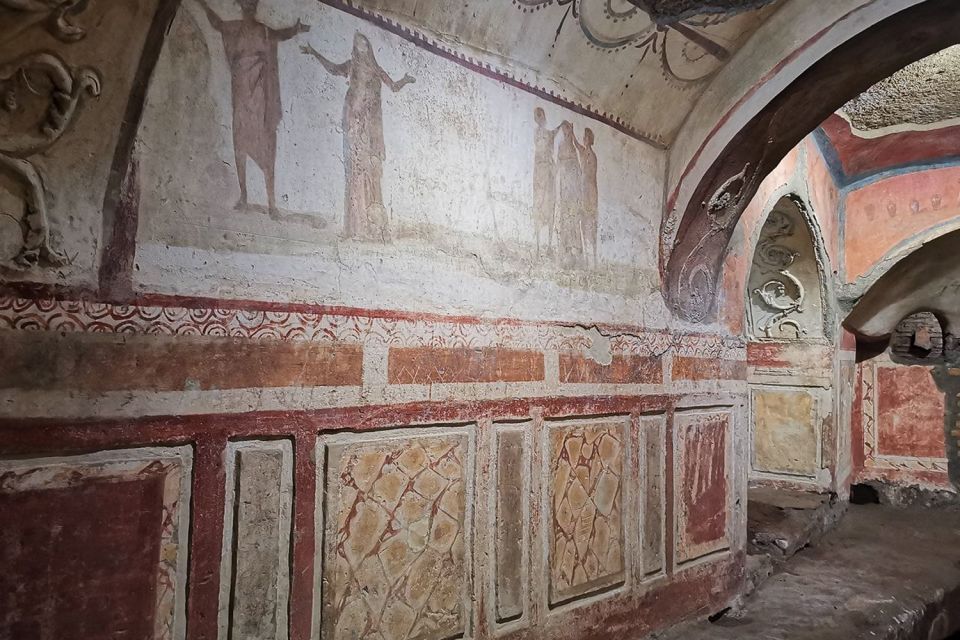
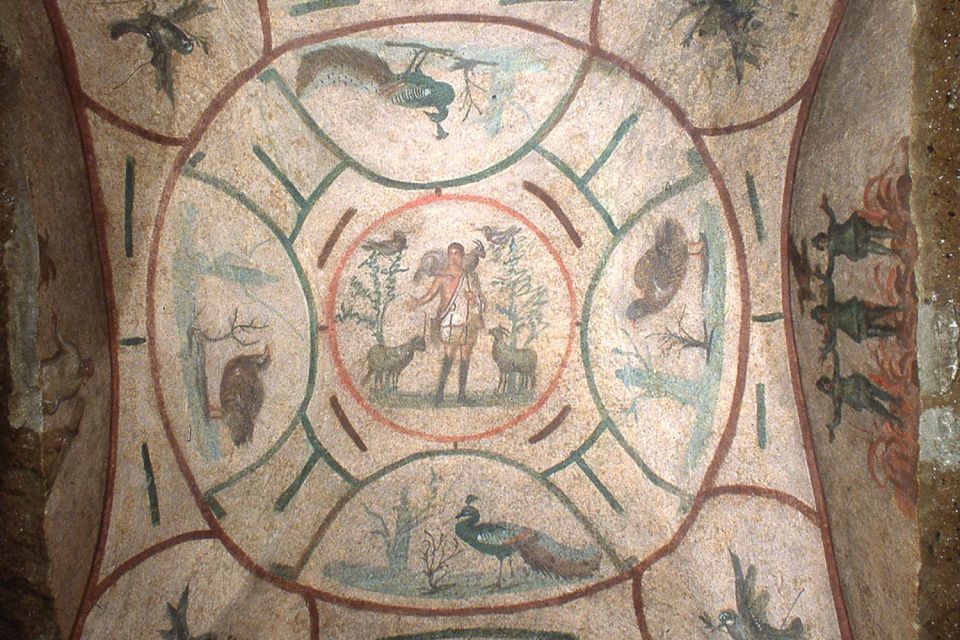
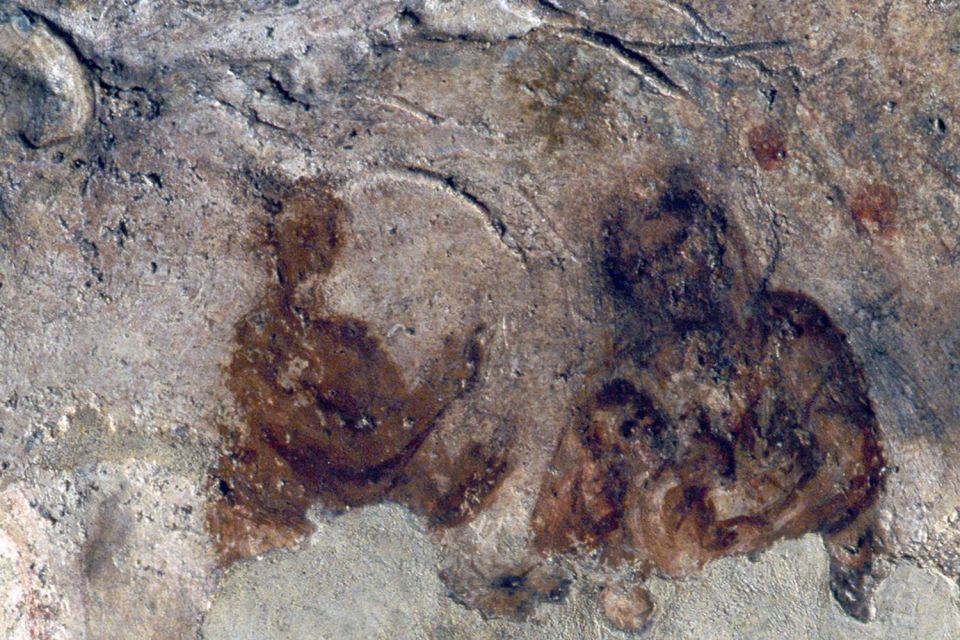
- Early Christian art and the frescos: why the walls feel personal
- Price and logistics: is $16 worth it in Rome?
- Who should book the Priscilla catacombs tour, and who should skip it
- Should you book the Catacombs of Priscilla guided tour?
- FAQ
- How long is the Catacombs of Priscilla guided tour?
- Where do I meet for the tour?
- What’s included in the ticket price?
- Are photos allowed inside the catacombs?
- Is the tour stroller-friendly?
- Is the tour suitable for people with mobility impairments?
- What languages are the guides?
- Is the group size small?
Key things to know before you go
- Two floors on Via Salaria: galleries and burial niches in a site with a layered origin story
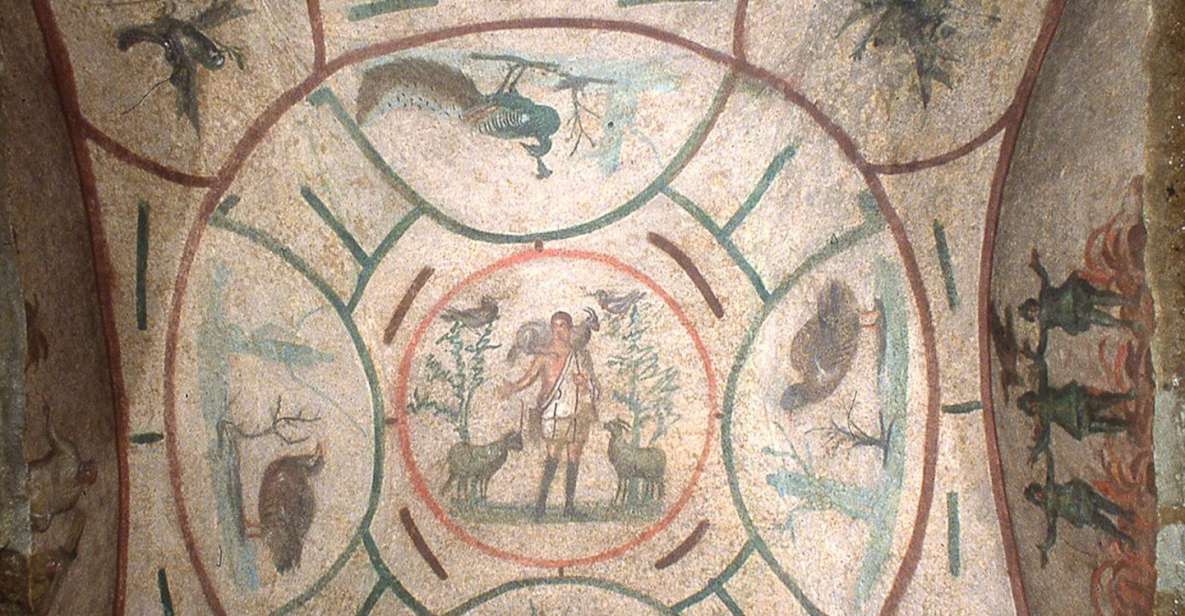
- Well-preserved early Christian frescoes: some of the most ancient wall art in the catacomb complex
- A small group (up to 10): easier questions and better flow through tight passages
- Cryptoporticus and Greek Chapel area: a major underground space linked to the noble burial ground
- Martyrs and popes in one stop: names like Felice and Filippo, plus multiple pontiffs interred here
- No photos inside: plan your memories for notes and sketching, not your camera
Catacombs of Priscilla on Via Salaria: what makes this site special
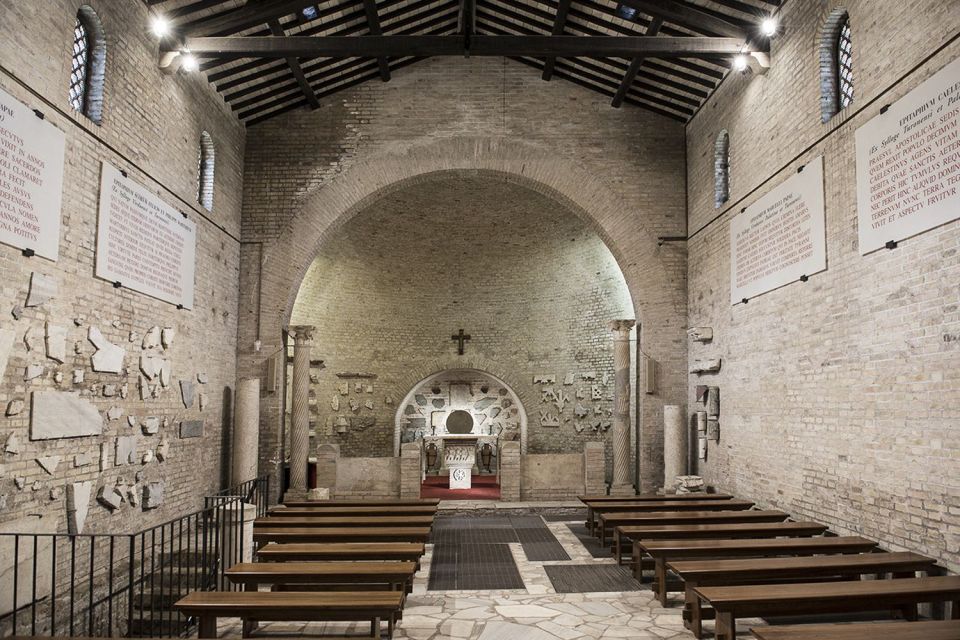
The Catacombs of Priscilla aren’t just another set of spooky tunnels. The story starts in a way that’s more practical than dramatic: the area likely began as an arenarium, an open stone working area that later got abandoned. Then, when the early Christian community needed burial space, they used the big, irregular galleries already there—starting around the beginning of the third century.
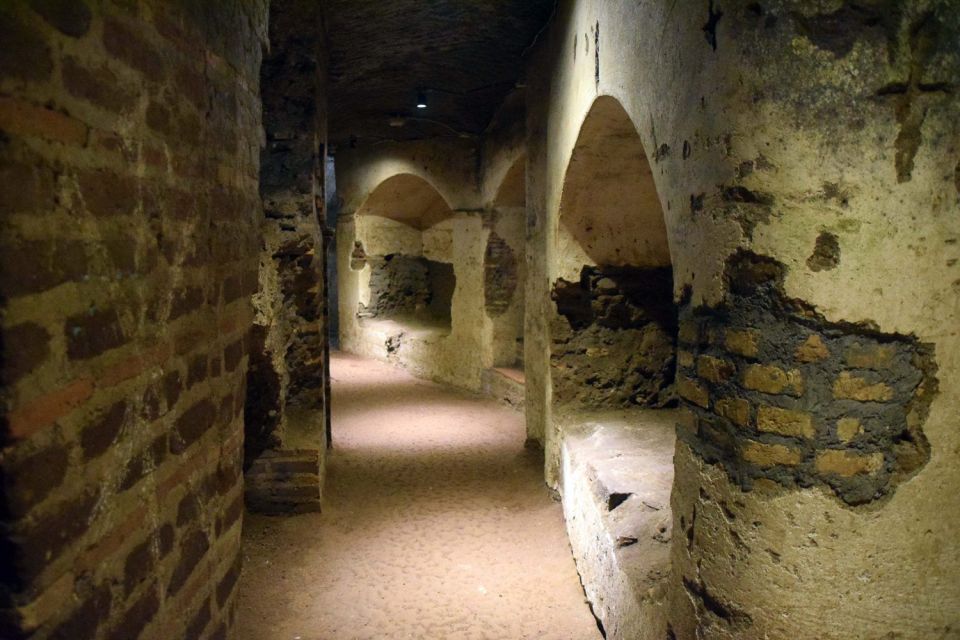
That origin matters for what you’ll see. Because the structure wasn’t built at the start as a purpose-designed “catacomb,” the space feels different from the more uniform catacomb layouts people sometimes expect. Instead, you’re walking through irregular corridors and areas where niches were built and expanded over time. It’s a reminder that burial practices evolved as communities grew, moving from necessity to tradition.
Another standout is how the complex ties together different phases of elite and Christian use. There’s an adjacent cryptoporticus and areas connected to a noble family burial ground, then later linked to the catacombs. You’re not only looking at Christian commemoration—you’re also seeing how Rome’s underground landscape shifted as the city’s religious life changed.
You can also read our reviews of more tours and experiences in Rome.


A guided walk through the two floors: what you’ll actually encounter
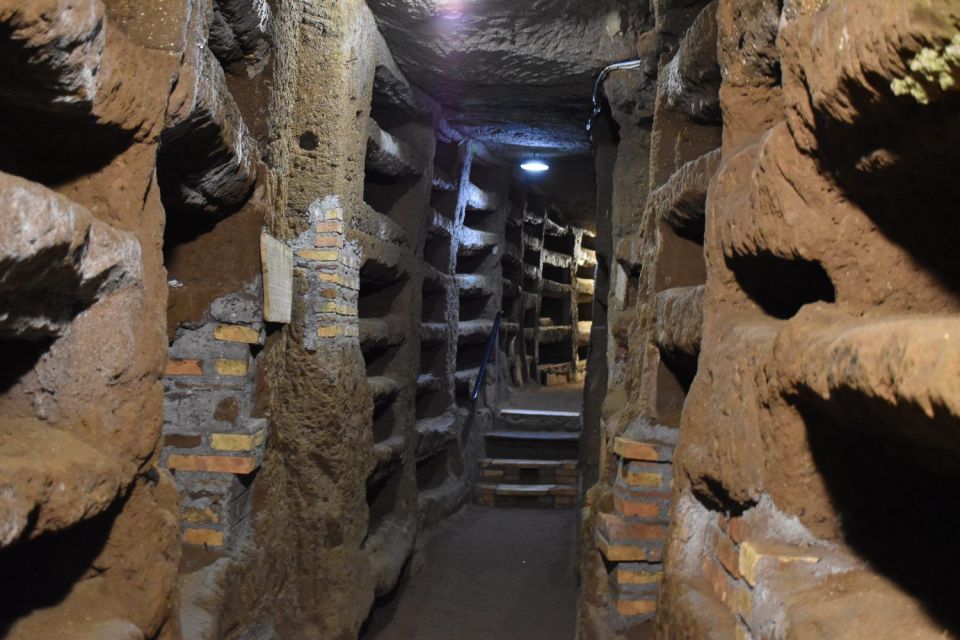
This is a 45-minute guided tour, and that length is part of the design. You get enough time to understand what you’re looking at without turning the visit into an all-day slog underground.
On the first floor, you’ll spend time among the large, irregular galleries and the niche tombs. This is where the Christian burial use really takes shape: Christians built around niche tombs and then dug hundreds more into the walls as the site became a place for funerary commemoration.
The second floor is where the visit adds layers of meaning. You’ll also encounter spaces connected to the complex’s broader underground footprint, including the cryptoporticus area. In that zone, you’re not just seeing graves—you’re getting a sense of how underground spaces could function like interconnected rooms, passageways, and memory sites.
Practical tip: the tour route is tight. Even in a small group, there will be moments where you’re close to other people while the guide talks. That’s normal here. I’d plan to wear shoes you can stand in comfortably and keep your bag tucked in close so you don’t bump walls or others in narrow stretches.
Cryptoporticus, Greek Chapel, and the underground spaces people forget are there
One reason people love this tour is that you don’t stay focused on graves only. The complex includes a large adjacent underground environment known as the cryptoporticus, and within that larger setting there are references to a Greek Chapel.
So instead of thinking of the catacombs as a single corridor system, the tour nudges you to see a whole underground neighborhood. You’re learning how different spaces were repurposed over time, and how elite burials and Christian commemoration could become connected in the same overall underground network.
If you’re the type of traveler who wants context—why a space exists, what came first, what changed—this is where the “why” lands. You also get a cooler break from Rome’s heat. The underground temperature shift is real, and it’s one of those small travel wins: you come down tired and warm, and you come back up feeling refreshed.
Martyrs and popes you can name: Felice, Filippo, and more
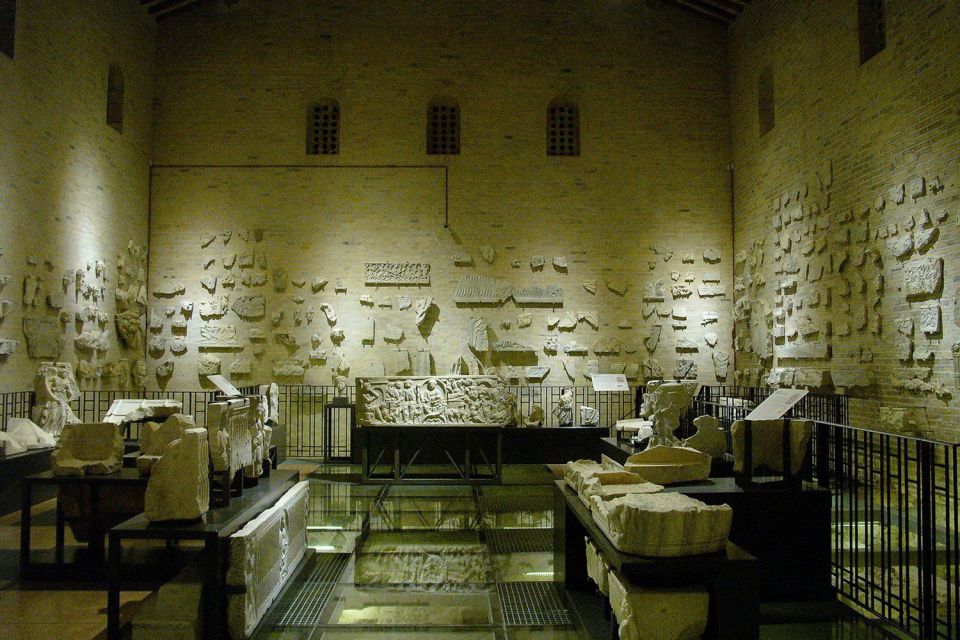
This tour isn’t just about stones and dates. It puts names on the underground so you can picture real people tied to the space.
One group that gets special attention is the martyrs Felice and Filippo, described as having been martyred—along with their mother St. Felicita—and additional brothers named Alessandro, Marziale, Vitale, Silano, and Gennaro. Hearing the cluster of family names changes the tone. The catacomb stops being an anonymous underground site and starts feeling like a place where loss was recorded and remembered.
Then there are the popes buried here: Marcellino (296–304), Marcello (308–309), Silvestro (314–335), Liberius (352–366), Siricius (384–399), Celestino (422–432), and Vigilius (537–555). That list is striking because it anchors the catacombs in the story of early church leadership, not just early Christianity as a general idea.
You may also hear about a basilica built by Pope St. Silvestro, associated with the tomb of Felice and Filippo inside nearby Villa Ada. The name connection helps you understand how the underground didn’t stay sealed off from the surface forever; it influenced later devotional spaces.
Early Christian art and the frescos: why the walls feel personal
The standout visual element is the wall art—especially the frescoes. This is one of the reasons the tour has such strong pull for people who like early Christian art.
Even if you don’t know religious iconography, you can still feel the message. The paintings and imagery weren’t made for crowd entertainment. They were part of burial memory—proof that people wanted to communicate hope, identity, and belonging in the most private parts of life.
Some guides also point out famous themes, including an image of Mary with the Child described as among the earliest depictions of the Virgin Mary found up to now. Whether you’re religious or not, that kind of detail hits because it connects art to lived faith and makes the underground feel less like a prop and more like an archive.
Also, keep in mind what you’ll encounter in practical terms: the tour focuses on the spaces and the commemorative setting, and you may find that many tombs are empty and bodies were moved over time. That’s not a problem with your expectations—it’s part of how these sites have been preserved and managed.
And a big heads-up: photography isn’t allowed inside. So come ready to watch closely, take quick notes, or buy a print option afterward if you want a souvenir of the artwork.



Price and logistics: is $16 worth it in Rome?
At about $16 per person, this tour is strong value for what you get: a guided walkthrough, a small group, and access to an underground site that most visitors simply can’t experience on their own without understanding what they’re looking at.
The biggest “value” isn’t the ticket price—it’s the time. A 45-minute guided format is ideal when you’re spending days bouncing between major Rome sights. Instead of adding another half-day commitment, you get a focused underground experience that also helps you escape the heat.
Logistics are pretty straightforward, too:
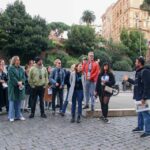
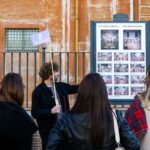
- Go directly to the catacomb ticket office and show your reservation at least 10 minutes before the scheduled tour.
- The group size is capped at 10, so you won’t be stuck in a huge crowd squeezing through passages.
- Tours run with guides in Italian, English, and Spanish, so you can pick your language without losing much context.
One more real-world tip: Priscilla is a bit outside the most central tourist core. Plan a short bus ride if you’re staying near the center. Give yourself buffer time, because arriving right at the start time underground can feel stressful when doors close to keep the group on schedule.
Who should book the Priscilla catacombs tour, and who should skip it
This tour is a great match if you like:
- early Christian art and want to see frescoes in context
- archaeology that explains how a site changed from quarry/arenarium to burial space
- short, guided experiences that don’t swallow your whole day
It’s also good for couples and small groups who want a calmer visit. The small-group format matters in underground corridors where space gets tight quickly.
Skip it—or at least think carefully—if:
- you need step-free access or mobility-friendly routing, because it’s not suitable for people with mobility impairments
- you’re traveling with a stroller, because baby strollers aren’t allowed
- you want lots of time to wander independently, since this is a guided route with a set duration
Should you book the Catacombs of Priscilla guided tour?
Book it if you want something genuinely different from the big outdoor Rome highlights. For the price, you get a guided, small-group underground experience with famous names attached to the walls and art you can actually see clearly (even though you can’t photograph inside).
Don’t book it if your priority is a long, slow self-guided museum style, or if mobility limits your ability to move through tight underground spaces. And if you’re hoping for a “wow” monumental moment like you’d get at Rome’s headline sites, keep your expectations realistic: this is powerful in a quieter way.
If you’re here for history, faith-in-art details, and a cool break from the sun, the Catacombs of Priscilla is a smart buy.
FAQ
How long is the Catacombs of Priscilla guided tour?
The tour lasts about 45 minutes. It’s designed to be long enough for context and key stops, but short enough to keep things manageable in underground spaces.
Where do I meet for the tour?
You should go directly to the catacomb ticket office. Show your reservation at least 10 minutes before the scheduled tour time.
What’s included in the ticket price?
Your purchase includes an entrance ticket to the Catacombs of Priscilla plus a guided tour of the catacombs.
Are photos allowed inside the catacombs?
No. Photography inside is not allowed during the tour.
Is the tour stroller-friendly?
No. Baby strollers aren’t allowed for this visit.
Is the tour suitable for people with mobility impairments?
No. It’s not suitable for people with mobility impairments.
What languages are the guides?
The tour guides operate in Italian, English, and Spanish, depending on the departure.
Is the group size small?
Yes. The tour is a small group limited to 10 participants, which helps with moving through narrow areas and hearing the guide clearly.