REVIEW · ROME
Rome: Colosseum and Ancient Rome Guided Walking Tour
Book on GetYourGuide →Operated by Tours About · Bookable on GetYourGuide
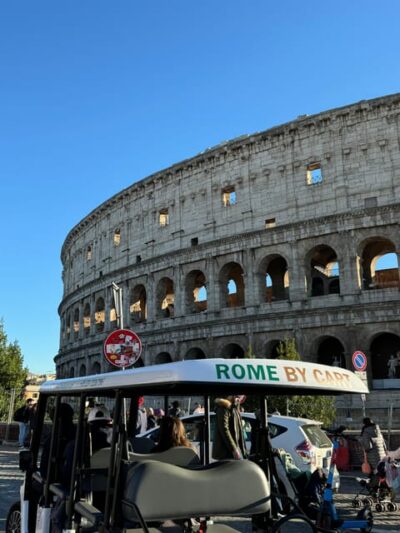
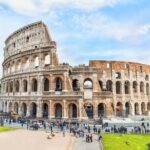
The Colosseum stops you cold. This 2.5-hour guided walk turns the Colosseum from a photo spot into a story you can follow, helped by guides like Maria and Joseph who keep things clear and fun. I also like that headsets are included, so you don’t have to strain over the crowd.
You’ll get a second win when you move from arena to city center. The Roman Forum and Palatine Hill make the empire feel close, especially when your guide connects ruins to daily power and daily life. One guide even kept a 10-year-old engaged without dumbing anything down, which says a lot about how the tour is paced.
One thing to plan for: you can hit security checks and a queue, and the walk keeps moving with limited downtime. If you’re sensitive to crowds or need lots of breaks, this might feel like a sprint.
In This Review
- Key things I’d highlight before you go
- Why this Colosseum, Roman Forum, and Palatine Hill walk feels different
- Entering the Colosseum: tickets, security, and what you’ll notice first
- Roman Forum and Via Sacra: the city’s power center in walkable form
- Palatine Hill climb: views that make the imperial story click
- How the guides shape the experience (and why pace matters)
- Meeting at Via delle Terme di Tito 93: avoiding the common GPS mismatch
- Value check: is $41 a smart buy for 2.5 hours in Rome?
- Who should book this tour (and who should choose differently)
- Should you book the Rome Colosseum and Ancient Rome guided walking tour?
- FAQ
- Where is the meeting point for the Colosseum and Ancient Rome walking tour?
- How long is the tour?
- What’s included in the price?
- Is transportation included?
- What languages are available for the live guide?
- What do I need to bring?
- Are there any restrictions on what I can bring?
- Will there be a queue at the Colosseum?
- Is the tour canceled if the weather is bad?
- Is this tour suitable for wheelchair users or people with mobility impairments?
Key things I’d highlight before you go
- A tight 2.5-hour route focused on the Colosseum, Roman Forum, and Palatine Hill
- Entry fees included, so you spend less time juggling tickets and more time looking
- Headsets included, which helps a lot once you’re inside noisy areas
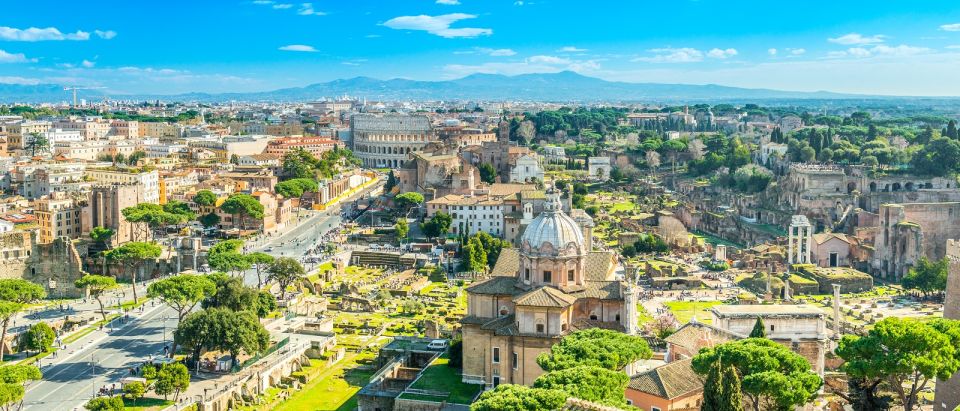
- Palatine Hill viewpoints give you the “Rome-from-above” perspective the ruins don’t show at ground level
- Guides matter here, with real character and humor, not just dates
Why this Colosseum, Roman Forum, and Palatine Hill walk feels different
Rome’s ancient sites can blur together fast. This tour works because it sticks to the core landmarks that explain how the Roman world operated, then connects them in a logical path.
At the Colosseum, you’re not just looking at stone. You’re shown where the drama happened and what that spectacle meant in Roman society. Then the route naturally shifts to the Roman Forum and the Via Sacra area, where politics, religion, commerce, and public life once collided. Finally, the Palatine Hill climb helps you understand why emperors cared about this spot so much—because the city stretches out below you, and you can feel the “center of power” idea without needing a lecture.
If you like your sightseeing with explanations you can actually follow, this style hits the sweet spot. And if you’re traveling with kids, it’s also built for attention spans; guides in the past have handled teens and younger kids with a pace that keeps people listening rather than just waiting.
You can also read our reviews of more tours and experiences in Rome.


Entering the Colosseum: tickets, security, and what you’ll notice first
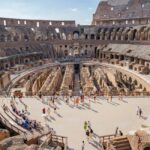
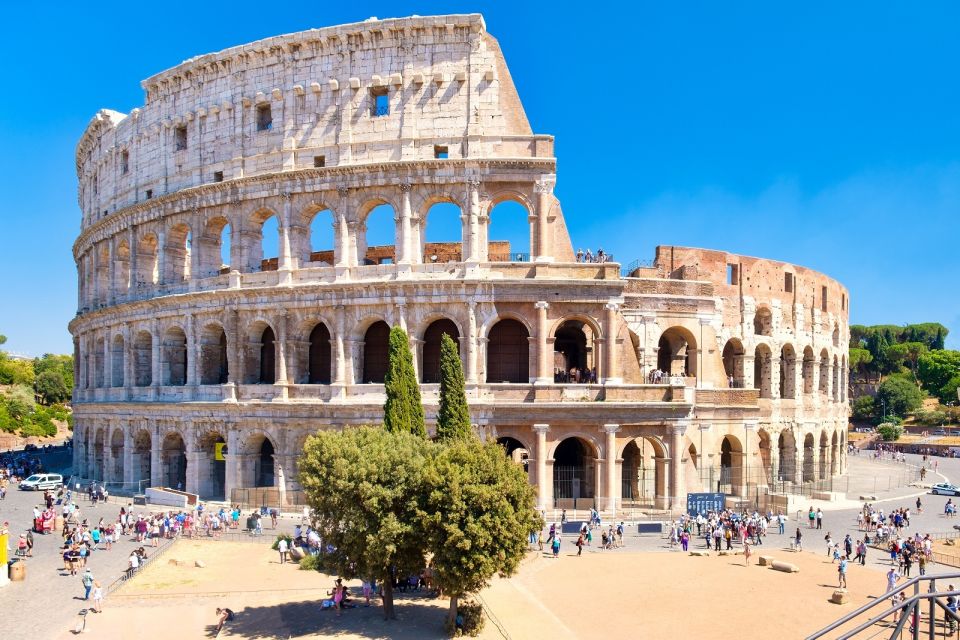
You’ll start at Via delle Terme di Tito 93 and then head to the Colosseum, where the big variable is not the tour—it’s the entry process. The Colosseum can have a queue due to security checks. That doesn’t mean the tour will fall apart, but it does mean you should arrive with a little buffer and keep your patience switched on.
Once you’re in, the guided part really matters. A good guide helps you see the building’s structure instead of treating it like one giant wall of rock. Expect context about gladiatorial spectacle and the kind of crowd that gathered here. The goal is to make the Colosseum feel like a working arena, not a static ruin.
Also, you’ll have headsets during the tour. That’s not a small detail in Rome’s busiest places. Without them, you end up turning your head and guessing what the guide said. With them, you can keep your eyes on the monument while still getting the story.
One practical note: the tour includes entry fees, so you’re not sorting out ticket types mid-day. It also means the guide can keep your flow moving rather than stopping every few minutes for paperwork.
Roman Forum and Via Sacra: the city’s power center in walkable form
After the Colosseum, you’ll transition into the Roman Forum area. This is where the tour becomes more than “big sights.” The Forum was the political and social heart of the empire, and walking through it helps you understand how public space shaped power.
Your guide should point out remains of temples and market areas along the kinds of routes Romans used day to day. The Via Sacra is especially important because it sat at the center of the city’s ceremony and processions. Even though you’re looking at broken columns and ground-level ruins, your guide’s job is to help you mentally rebuild what used to happen there.
This is also where the myths and historical facts blend in a way that makes sense. You’ll hear how Romans explained their world and how stories turned into legitimacy. When it’s done well, you start noticing patterns—where people gathered, where officials spoke, and why this area mattered more than a typical plaza.
One downside some people noted is that the tour can spend less time on the Forum than you might want if you’re hoping for a slow, photo-heavy wander. The tour is designed to cover the main beats in 2.5 hours, so if you want maximum forum time at ground level, you might need additional self-guided time after.
Palatine Hill climb: views that make the imperial story click
Then comes the Palatine Hill ascent. This is a highlight for a reason: it shifts your perspective. The ruins alone can be impressive, but getting higher gives you scale. You see how the city expands and where the “this is where the rulers would want to be” idea comes from.
On Palatine, your guide connects the vantage point to imperial presence. You’ll learn why this hill carried such prestige and how the imperial story wasn’t just about buildings—it was about proximity to control, attention, and authority.
Your payoff here is twofold:
- You get a physical break in the walking rhythm when the viewpoints open up.
- You get that skyline-like sense of how huge ancient Rome was, even if you’re looking at modern streets from the same general area.
Because the tour keeps moving, you won’t have hours up here. But you will have enough time to enjoy the views and understand why the hill mattered.
Also, the tour operates in all weather conditions, so if it rains or the sun is brutal, your guide should still keep the program going. That matters in Rome, where “plan for it” is not a slogan—it’s survival.
How the guides shape the experience (and why pace matters)
This kind of tour rises or falls on the guide. When it’s great, the Colosseum stops being a checklist item and becomes a place where you can picture people—emperors, citizens, and the crowds drawn to spectacle.
Guides you might hear about from past departures include Maria, Joseph, and Stefania De Majo. People have praised guides for humor and clarity, and Stefania specifically has been described as having a strong archaeological focus, which helps when you want more than basic facts.
A repeated theme in feedback is pacing. The best tours keep breaks short so you’re always learning and seeing something. In one case, a guide managed to keep 15 and 16-year-olds engaged, with the added bonus of stopping for shaded moments and letting kids take photos.
There’s a catch, though. A few people felt the pace could feel like you’re moving to catch up at times. That’s not unusual for a 2.5-hour circuit that hits three major zones. If you like a slow stroll and lots of time to linger, you’ll likely want to plan a longer independent visit afterward.
One more practical detail: the itinerary segments could change if Colosseum ticket availability changes. That’s worth knowing so you don’t expect a perfectly identical timing pattern every day. Your guide should still keep the focus on the major sites.

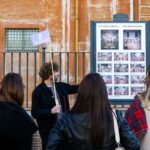
Meeting at Via delle Terme di Tito 93: avoiding the common GPS mismatch
Your meeting point is Via delle Terme di Tito 93.
If you arrive by Metro, you’ll use the Colosseo station. From there, reach the terrace above the station, then walk on Via Nicola Salvi about 100 meters and turn left.
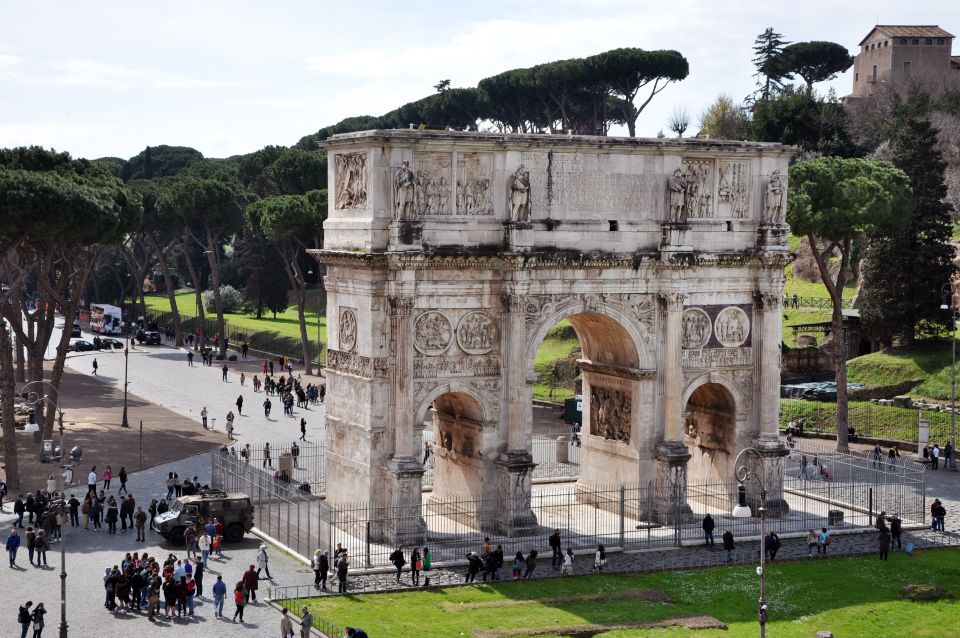
Here’s the real-world tip that can save stress: GPS directions can sometimes drop you near the wrong landmark. In past experiences, people have ended up near Constantine’s Arch instead of the correct meetup area, and a helper was needed to locate the group. The fix is simple:
- Arrive a bit early.
- Use the address, not just your phone’s suggested spot.
- If you’re late, keep in mind the tour doesn’t issue refunds for late arrivals.
Also expect that meeting times can shift, and the operator may contact you by phone or text. That’s normal for site-entry tours, where timing depends on security and ticket flow.
Value check: is $41 a smart buy for 2.5 hours in Rome?
At around $41 per person for about 2.5 hours, the value comes from what’s included. You’re not paying extra for entry fees, and you’re getting headsets plus a live guide. For central Rome, those inclusions help justify the price, because the time and logistics alone can eat up your energy.
You’re not getting transportation in the price. That’s okay because the meeting point is walkable from the Colosseo Metro area. But you should budget your own time to get there and back.
Where this tour tends to feel worth it:
- You want guided interpretation, not just standing near monuments.
- You want your time structured across the Colosseum, Forum, and Palatine Hill.
- You like a “see, learn, move” format rather than a long free-roam day.
Where it might feel less worth it:
- You already know a lot about Roman history and want maximum time for details without a schedule.
- You dislike queues and timed site entry moments.
- You need long breaks for mobility or comfort.
Who should book this tour (and who should choose differently)
This is a good fit if you want a guided arc that connects the Colosseum to the Roman Forum and then explains why Palatine Hill mattered. It’s also a solid choice if you’re traveling as a family and want a guide who can keep kids from zoning out.
It’s not a fit for everyone. The tour is not suitable for people with mobility impairments and wheelchair users. The route includes walking and a hill climb, and the tour format doesn’t list accessible alternatives.
If you’re sensitive to crowds, plan your mindset around security checks and busy entry periods. Going in with patience beats trying to fight the flow.
And if you’re the type who likes to linger at every viewpoint, you may want to pair this with extra self-guided time later. The tour’s strength is coverage and context, not endless hours at one ruin.
Should you book the Rome Colosseum and Ancient Rome guided walking tour?
I’d book it if you want your first big Colosseum experience to make sense. The included entry fees, headsets, and a guide who can connect the Colosseum to the Forum and Palatine Hill are the big wins. This is the kind of tour that helps you stop seeing ancient Rome as separate postcard locations and start understanding it as one connected city.
Skip it or adjust expectations if:
- You need lots of breaks or have mobility limitations.
- You’re hoping for a very slow pace with extended photo time.
- You’re arriving late or you’re likely to miss meeting time changes.
If you do book, show up early, bring your ID, and dress for the weather. Then let the guide do what they’re hired to do: translate ruins into people, decisions, and spectacle.
FAQ
Where is the meeting point for the Colosseum and Ancient Rome walking tour?
Meet at Via delle Terme di Tito 93. If you arrive by Metro at Colosseo station, get to the terrace above the station, walk on Via Nicola Salvi about 100m, then turn left.
How long is the tour?
The tour duration is 2.5 hours.
What’s included in the price?
The price includes entry fees, headsets, and a live guide.
Is transportation included?
No. Transportation is not included.
What languages are available for the live guide?
The tour offers guides in German, Spanish, English, Italian, and French.
What do I need to bring?
Bring a passport or ID card. Children also need their passport or ID card.
Are there any restrictions on what I can bring?
Yes. Pets are not allowed, and you also can’t bring weapons or sharp objects. Luggage or large bags aren’t allowed. Alcohol and drugs are not allowed, and glass objects are not allowed.
Will there be a queue at the Colosseum?
There may be a queue due to security checks.
Is the tour canceled if the weather is bad?
The tour operates in all weather conditions.
Is this tour suitable for wheelchair users or people with mobility impairments?
No. It is not suitable for people with mobility impairments or wheelchair users.