REVIEW · ROME
Rome: Colosseum & Forum Small Group Tour with Palatine Hill
Book on GetYourGuide →Operated by Rome Your Way · Bookable on GetYourGuide
Rome rewards curiosity fast, and this Colosseum and Forum small-group tour is a smart way to see the legends without getting buried in crowds. I like that you get skip-the-line entrance so your time goes to the ruins, not the queue. I also love the chance to look over the Forum from Palatine Hill, where the whole ancient layout suddenly makes sense.
The main thing to plan for is effort. This is a walking-focused visit with uneven pavements and heat exposure, and Rome’s rules mean you’ll need to dress within the limits.
In This Review
- Key takeaways before you go
- Skip the Ticket Chaos at the Colosseum
- Inside the Colosseum: Gladiator History on the First Two Tiers
- Palatine Hill Views: The Forum Makes Sense From Above
- Roman Forum Walk: Temples, Columns, and Power
- Capitoline Hill, Pantheon, and Piazza Navona: How the Day Lands
- How the 3–3.5 Hours Usually Feels
- Price and Value: What $63.54 Buys You
- What to Wear and Bring (Rome’s rules are strict)
- Guide Quality Makes a Difference (and you can plan around it)
- Should You Book This Colosseum & Forum Tour?
Key takeaways before you go
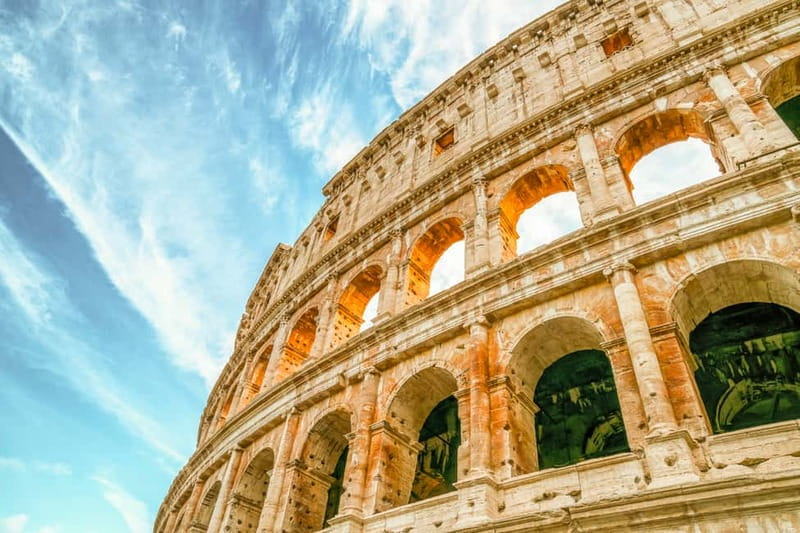
- Skip-the-line access keeps your day moving, starting at the Colosseum
- Guided tiers inside the Colosseum make gladiator history feel specific, not vague
- Palatine Hill photo stop and climb gives you a clear view over the Forum area
- Roman Forum ruins explained step-by-step so temples, columns, and streets connect
- Headsets when needed help you hear the guide in busy, echoing spaces
- Multiple guide languages (English, Spanish, Portuguese) for easier listening on-site
Skip the Ticket Chaos at the Colosseum
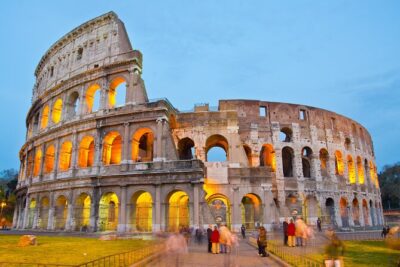
The Colosseum is famous for a reason, but it’s also famous for long lines. The value here is simple: you start with skip-the-line entrance, so you can trade waiting for actually going in and getting your bearings on the spot.
Your guide’s job is to keep the story going while you walk. With the Colosseum, that matters because it’s not just a big oval of stone. The building changes as you move upward, and when you understand what you’re looking at, the place stops being generic and starts feeling like a working arena.
One practical note: the start point can vary depending on the option you booked, so double-check your exact meeting location. Your tour ends back at the meeting point, but along the way you’ll end at nearby sights too, including the Piazza Navona area.
You can also read our reviews of more tours and experiences in Rome.


Inside the Colosseum: Gladiator History on the First Two Tiers
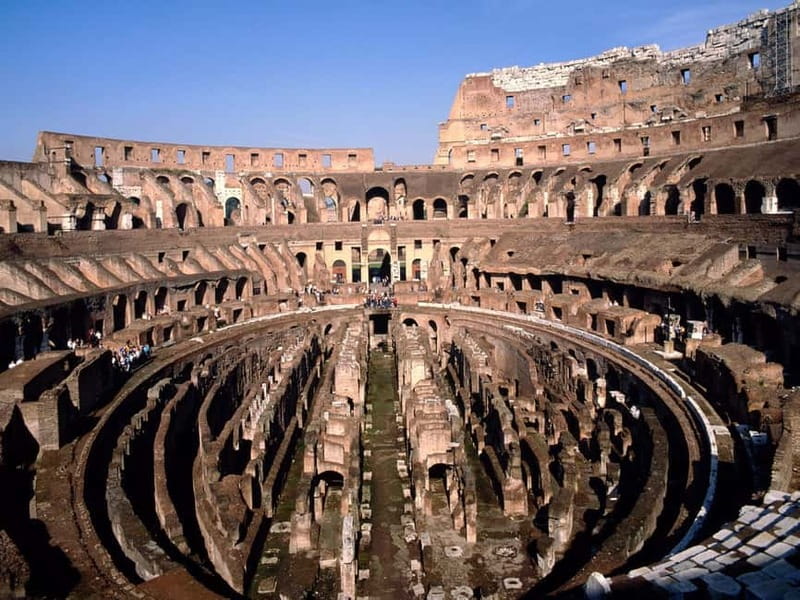
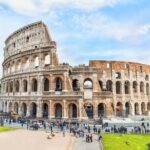
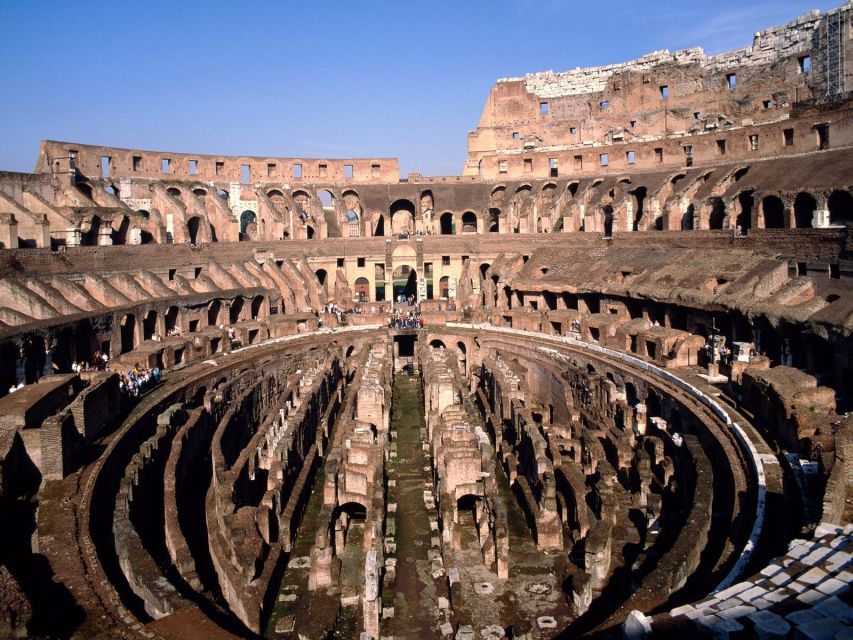
This tour takes you inside the Colosseum for a guided walk of about an hour. What you’ll focus on is the gladiator story—how the games worked, why people cared, and what the architecture tells you about the show.
You’ll hear stories tied to what you can actually see, including the first and second tiers. That’s important because those lower levels are where you can picture the crowd’s energy and the basic flow of performances. With a good guide pacing you through the key viewpoints, you don’t just stare at walls—you learn how the building functioned during the spectacle.
And yes, you’ll be walking and looking upward. Wear shoes with real grip. Even if it’s not raining, the stone can be slippery, and the crowds can slow your steps.
Palatine Hill Views: The Forum Makes Sense From Above
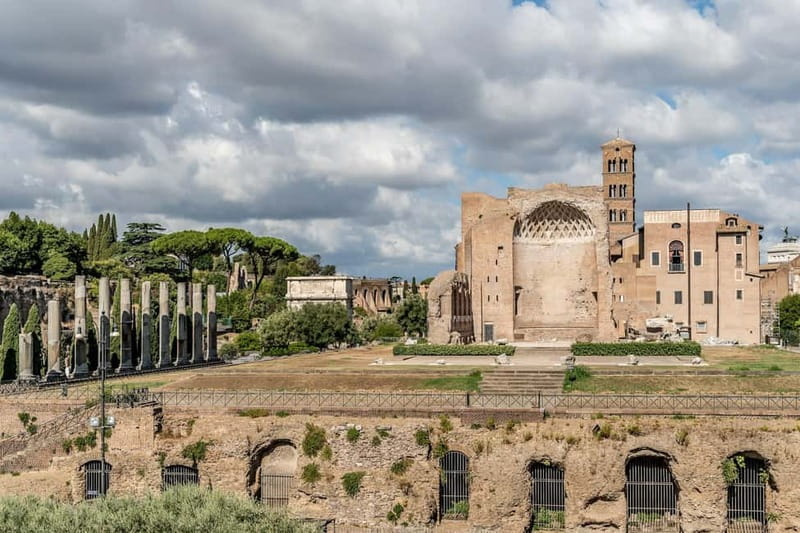
After the Colosseum, you move to Palatine Hill. This part is often the turning point in the day because you finally see how the Forum fits into the bigger picture of ancient Rome.
The stop includes a guided visit plus a photo stop. Then you’ll enjoy one of the tour’s best moments: a view over the Forum area. From up here, the ruins stop being random fragments. Streets, temple sites, and key buildings start lining up in your mind.
If you’re a first-timer, this is the kind of pause that makes the rest of the walk easier to understand. It’s also the kind of spot where you’ll want your phone or camera ready, because the angles feel classic for a reason.
Roman Forum Walk: Temples, Columns, and Power
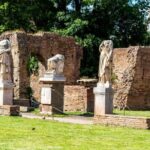
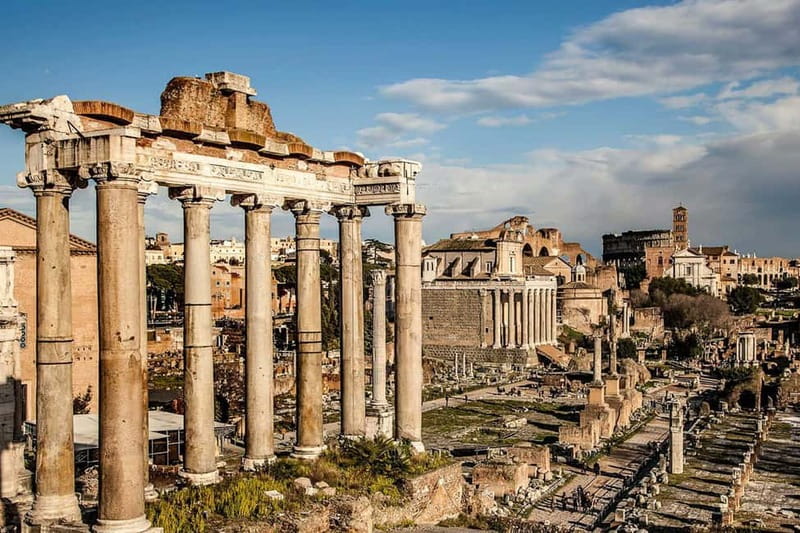
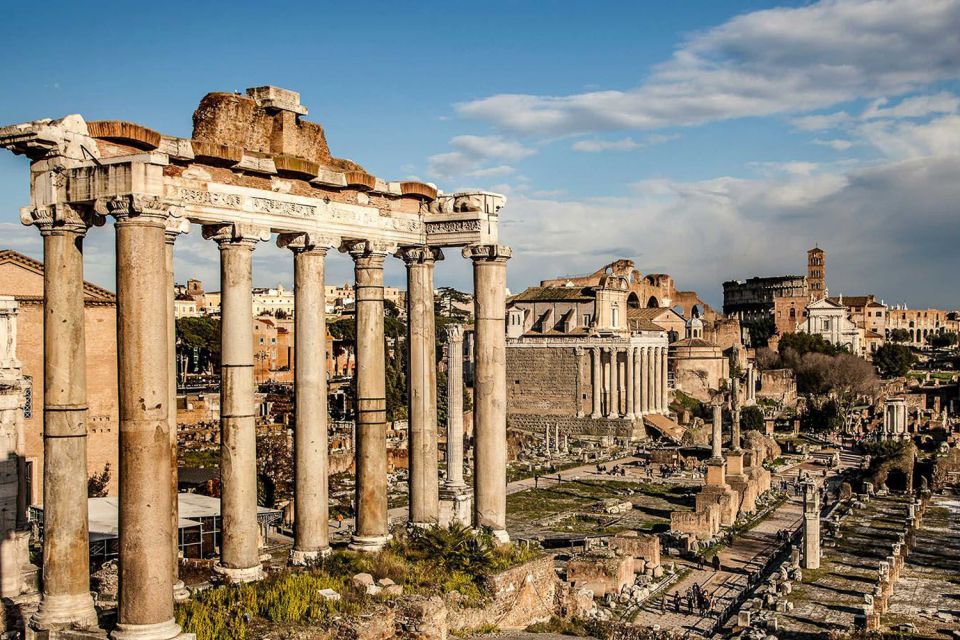
Next comes the Roman Forum, the political and social center of ancient Rome. Expect another guided segment with a photo stop and time to wander through the ruins.
The Forum is where many people feel overwhelmed. You see columns, steps, and stone bases—but without context, it can feel like a museum without labels. This tour helps by explaining what you’re looking at as you move through the space, including temples and how Rome’s power structure evolved.
You’ll cover enough ground to connect the dots without trying to do everything at full speed on your own. The best part is that you’re not just reading history in your head—you’re watching it play out in the layout. When the guide points out what each ruin was for, the Forum becomes a real place, not a list of sites.
A downside to consider: this is a lot of “stand, look, walk, repeat.” If you hate crowding and you need frequent breaks, plan to pause when the group stops for photos or toilet breaks.
Capitoline Hill, Pantheon, and Piazza Navona: How the Day Lands
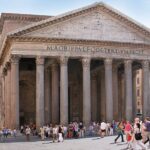
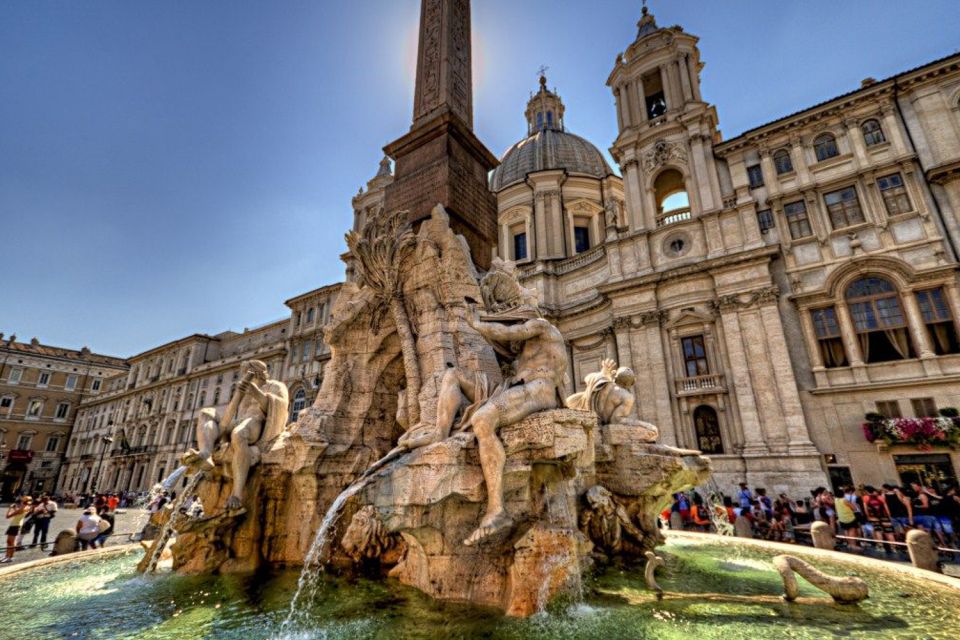
This tour is designed to be more than just two famous ruins. You’ll climb up to Capitoline Hill, with the day’s story widening beyond the Colosseum and Forum. You’ll also see the Pantheon, plus a finish near Piazza Navona (with drop-off options that include Piazza Navona and Via dei Fori Imperiali).
Why this matters: when you only do the Colosseum and Forum, Rome can feel like one big block of ruins. Adding the Pantheon and the Piazza Navona area gives your brain a contrast—ancient engineering meets a livelier, more pedestrian Rome.
Also, Piazza Navona is a practical finish. After the guided portion, you’ll be in a place where you can easily find a snack, gelato, or a quiet corner to decompress.


How the 3–3.5 Hours Usually Feels
The tour clocks in at about 3 to 3.5 hours, depending on the departure time. In real terms, that means you’ll get a focused route with guided stops and photo windows, not a long leisurely stroll.
It’s small-group friendly, which typically helps with crowd control and keeping everyone together. Some guides are especially skilled at managing the flow in tight spaces, which matters most around entrances and narrow viewpoints.
If you’re sensitive to heat, pick your departure wisely. Early morning is often kinder. If you’re going later in the day, treat it like a workout: water matters, and so do your shoes.
Price and Value: What $63.54 Buys You
At $63.54 per person, this isn’t a “cheap and cheerful” add-on. You’re paying for three things that usually cost time and stress on your own:
- Skip-the-line entrance to the Colosseum (the biggest time-saver)
- Admission fees included, so you’re not juggling tickets and confusion
- A professional live guide, plus headsets when needed to hear clearly
For first-time visitors, this can be excellent value. You’re not paying to see stones; you’re paying to understand them quickly while you’re standing there. If your main goal is learning how Rome’s major sites connect, a guided format saves you from the frustrating “I saw it, but I don’t know what I saw” feeling.
If your goal is maximum freedom and zero structure, this might feel less appealing. But if you want a clear route and a guide to keep you moving intelligently, the price starts to make sense fast.
What to Wear and Bring (Rome’s rules are strict)
Rome can be picky about what you wear and carry in historic sites, and this tour follows those limits.
Bring a passport or ID card for all participants. That’s not optional—having ID with you keeps things smooth.
Not allowed:
- Shorts
- Baby strollers
- Luggage or large bags
- Sleeveless shirts
- Backpacks
There’s also no luggage storage available. So if you’re traveling with a bigger bag, plan how you’ll store it before the tour.
My practical advice: wear light layers that still meet the restrictions, and bring a small water bottle. Use a crossbody bag only if it fits within the rules you’re given, and keep your essentials easy to access for the stops.
Guide Quality Makes a Difference (and you can plan around it)
One of the strongest themes from the guides’ performance is how well they handle the human side of touring: pacing, crowd management, and making sure everyone can hear.
Different guides have different styles, but several names are tied to strong experiences—Marketa, Fluvia, Priscilla, Titiana, Adela, Frederico, and Marielena. The consistent win: people praise guides for keeping the group engaged with clear explanations and good energy, while also building in moments to take photos and handle basic needs like toilets.
What you can do as a smart booking move: choose a time that matches your energy. If you like asking questions, go earlier when you have more patience and daylight. If you’re prone to getting tired, sit close to the front of the group so you can hear the guide and see key points without craning.
Also, headsets help. When they work well (and they usually do on tours like this), you’ll spend less time fighting for hearing and more time actually absorbing what’s being pointed out.
Should You Book This Colosseum & Forum Tour?
Book it if:
- You want a guided introduction to the Colosseum and Roman Forum without wasting time in lines
- You like learning while you walk, with stops that help you understand the big picture
- You’re interested in gladiator history and how the sites connect to Roman politics and daily life
- You want a finish near Pantheon and Piazza Navona instead of ending in a random corner
Skip it (or think twice) if:
- You dislike walking on uneven stone for a few hours
- You’re looking for a fully flexible plan with no structure
- You plan to travel with restricted luggage or expect to store large items on-site (there’s no luggage storage)
If you want your first Rome history day to feel organized and meaningful, this is the kind of tour that saves you from the hardest part: figuring out what matters while you’re standing in the middle of it.