REVIEW · ROME
Rome: Colosseum Guided Tour with Entry Tickets
Book on GetYourGuide →Operated by Rutas Romanas · Bookable on GetYourGuide
One hour is all it takes here. You’ll get entry tickets plus a guided walk through the Colosseum’s key areas, and you’ll also reach the Roman Forum and Palatine Hill. Biggest consideration: even with special entry, you still have to clear Rome’s security checks, and that can add delays on busy days.
I like that this tour is built for clarity and flow. You meet at Via del Colosseo 41 (above Colosseum Metro Station, in front of Caffe Roma) and staff from Rutas Romanas are holding a Rutas Romanas sign, so you don’t waste time guessing. It runs in Spanish, French, and English, and it’s rain or shine, so your pacing depends on what parts of the Forum and Palatine Hill are accessible that day.
In This Review
- Key highlights you’ll feel right away
- Entering the Colosseum: what the first moments set up
- Tickets and lines: why the “skip-the-line” part still needs realism
- The tour inside: corridors, capacity, and the Colosseum’s hidden logic
- First floor education corridor: models and panels that make ruins readable
- Views from above: seeing the reconstructed arena portion
- The emperor’s box: where the tour lands its final point
- Roman Forum and Palatine Hill access: why pairing these three works
- Meeting point at Via del Colosseo 41: how to avoid wasting time
- Guide quality and the headset advantage (English, French, Spanish)
- What to bring (and what to skip)
- Price and value: is $65 a smart spend?
- Best time to go and how to protect your day
- Who this Colosseum tour suits best
- Should you book this Colosseum guided tour with Forum and Palatine Hill entry?
- FAQ
- How long is the Colosseum guided tour?
- Where do I meet for the tour?
- What’s included in the price?
- What languages is the live guide available in?
- Does the tour run rain or shine?
- What should I bring, and do I need an ID?
Key highlights you’ll feel right away
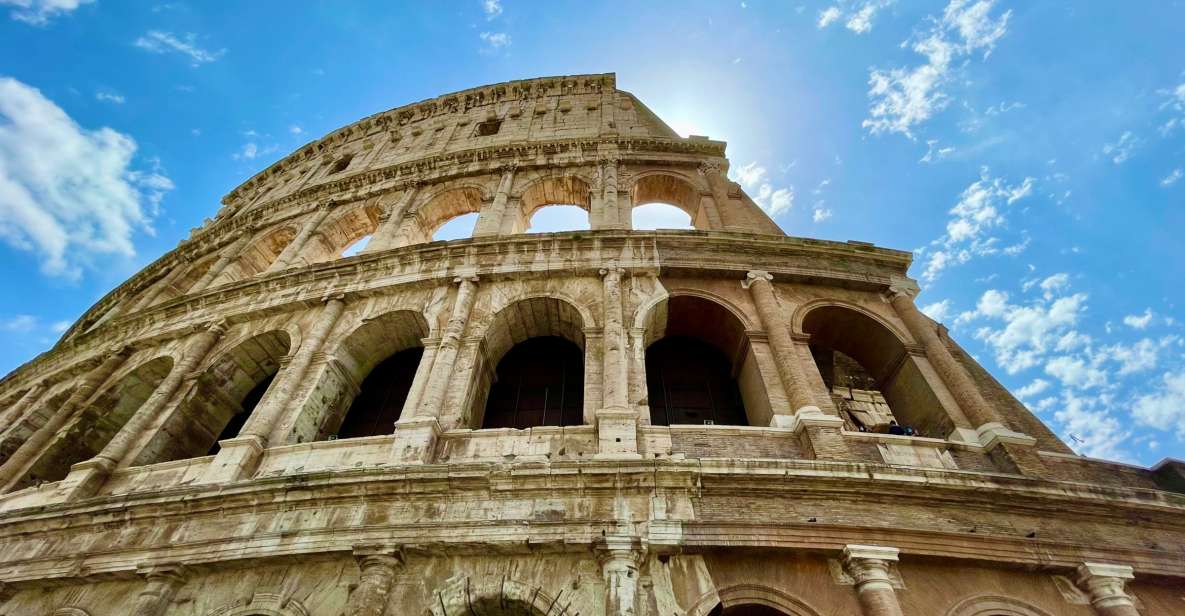
- Skip-the-line entry tickets help you avoid the worst ticket-office delays, so your hour stays focused.
- Headsets mean you can actually hear the guide, even when the crowd noise kicks in.
- Colosseum stories in context: you learn how the building worked, not just what it looks like.
- Access to Palatine Hill and the Roman Forum adds the political and everyday-life backdrop to the gladiator myth.
- Emperor’s-box finale: you end at the place reserved for the emperor and honored guests.
- Weather-aware route: the itinerary can shift start and finish points depending on conditions.
Entering the Colosseum: what the first moments set up
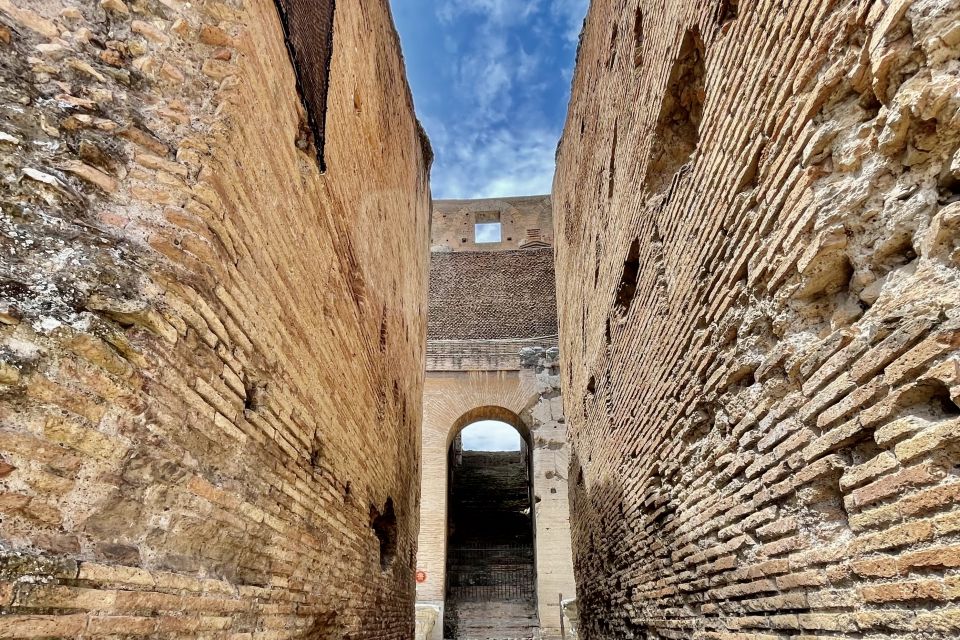
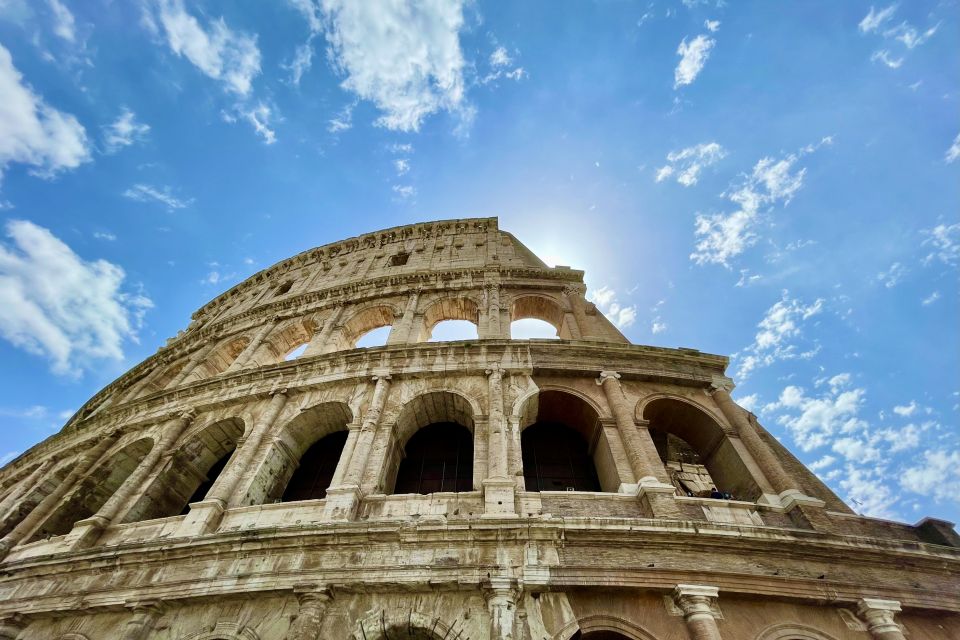
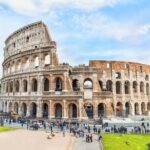
If the Colosseum is on your Rome must-do list, this is the most practical way to start: begin outside, take in that enormous façade, then walk in with a guide who connects what you see to how it functioned.
You’ll start with an exterior look—enough time to notice the scale and the layout before you’re swallowed by the interior corridors. Then you head inside to stroll through passageways that, in ancient times, were used by massive crowds. The point isn’t just nostalgia. The guide frames the building as a machine built for spectacle: movement, control, and timing.
What I love most is that you’re not left staring at walls. You’re shown architectural details as you go—where the building’s structure reveals its purpose. It also helps to have a headsets setup, because once you’re inside, the sound bounces and crowd noise gets loud fast.
The inside walk is also where the social story starts. You learn about how spectators were divided by social class. That detail matters. It turns the Colosseum from a single iconic photo into a real system of hierarchy and power.
You can also read our reviews of more tours and experiences in Rome.
Tickets and lines: why the “skip-the-line” part still needs realism
Let’s be honest: Rome crowds don’t magically disappear. Even when you have special entry tickets, everyone has to pass through security checks. The tour information is clear about it—on busy days, there might be a queue, and it can’t be completely avoided.
So here’s the smart way to think about this tour: the tickets can reduce long waits at the ticket office, but the building’s security process is still part of your day. I’d plan your schedule like this:
- You gain time by skipping the ticket office line.
- You still allow flexibility for security and crowd flow inside the complex.
That’s also why this tour’s one-hour length works. It’s compact on purpose. You’re not paying to wander slowly; you’re paying for a structured “best of” route that gets you into the main sights without turning your whole morning into a queue marathon.
The tour inside: corridors, capacity, and the Colosseum’s hidden logic
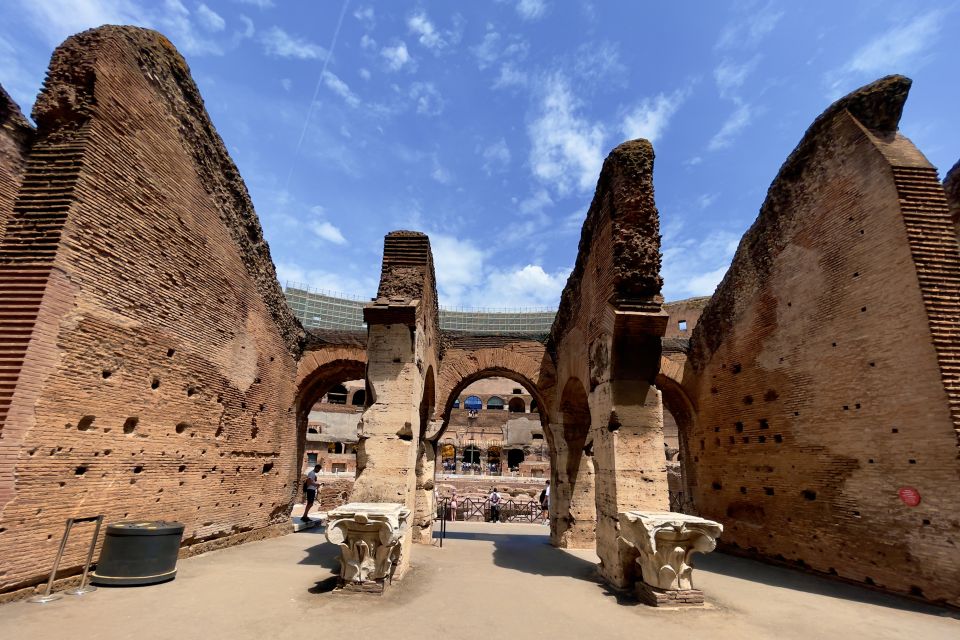
Once you’re inside, the guide shifts gears from “this is impressive” to “this is how it operated.” Expect coverage of how the Colosseum was built and the building’s capacity, plus the systems created to handle huge numbers of spectators.
This is a place where small details add up. A guide can point out how circulation and organization helped manage entry and exit. The tour also covers the complex services that supported mass attendance—because if you only think about gladiators, you’ll miss how the venue made it possible.
You’ll walk corridors that connect the building’s public areas, and you’ll hear explanations that make those corridors feel purposeful instead of random. You’re essentially building a mental map as you go: where people would have moved, where attention would have focused, and why certain architectural features matter.
If you enjoy history that feels practical—how people lived, how crowds were managed, how power showed itself—this style of commentary is a strong match.
First floor education corridor: models and panels that make ruins readable
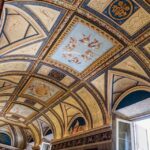
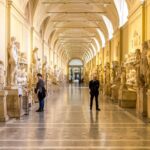
One of the best moments on this tour is the stop on the first floor in the educational area. You walk along a corridor with explanatory panels and reconstructive models.
Here’s why that matters for your experience: the Colosseum can look confusing when you’re just trying to match your photo to what you’re actually standing in front of. These reconstructions help you visualize how spaces may have looked when the arena was fully functioning.
Even if you’re not the type who reads museum placards for sport, this part can change the entire visit. It gives your brain a reference point for what you’re seeing in three-dimensional ruins.
Views from above: seeing the reconstructed arena portion
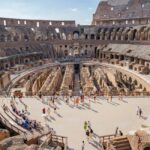
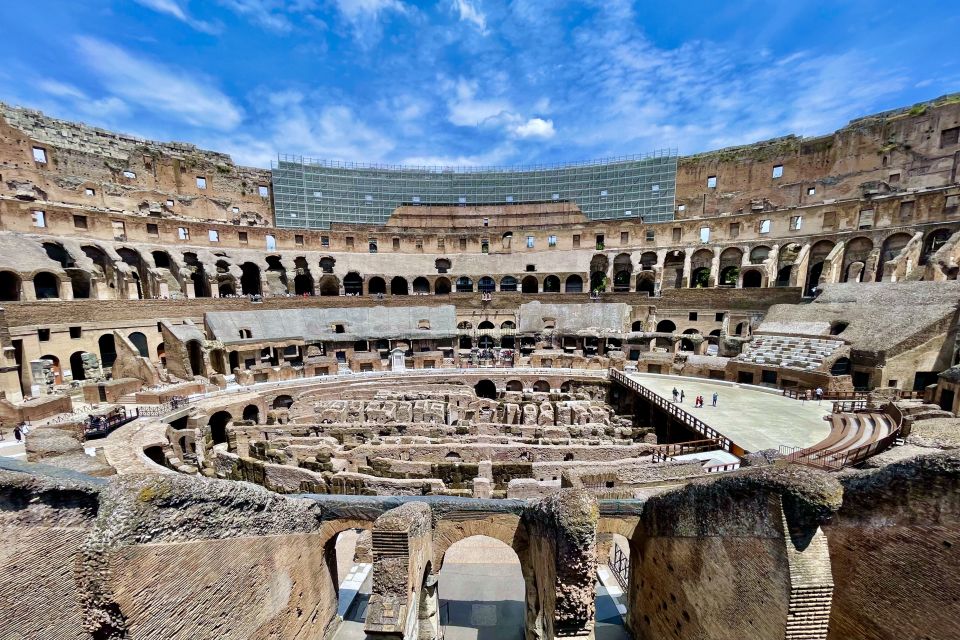
You also get a chance to admire a reconstructed portion of the arena from above. Again, this is about perspective. From the main floor, it’s easy to focus on the space you’re standing in. From higher viewpoints, the guide’s explanations help you understand how the arena related to audience areas and movement routes.
This is the moment that tends to land well with almost everyone in the group—especially first-timers—because you get the “oh, that’s how it fits together” feeling without needing to be an architecture nerd.

The emperor’s box: where the tour lands its final point
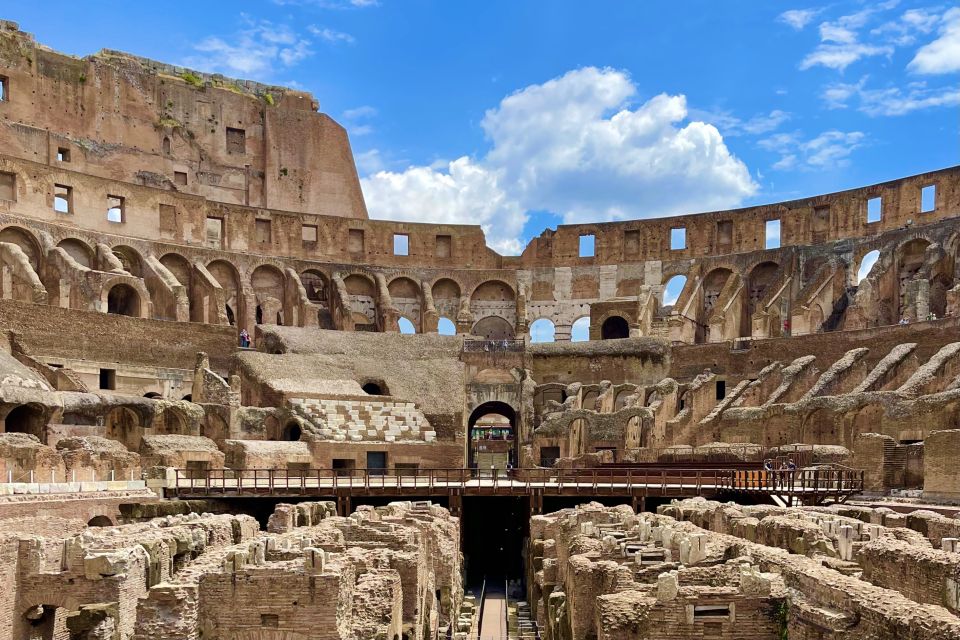
The tour ends at a powerful focal spot: the emperor’s box area. This is described as the place where the emperor’s family and guests of honor would have been seated.
Even if you don’t care about political history, this ending hits because it reframes what you’ve just walked through. The Colosseum isn’t only entertainment. It’s a stage for status and control.
To me, that’s one of the smartest ways to structure a short tour: start broad, build understanding, then close with the most symbolic location. It leaves you with a clear takeaway instead of a blur of impressive details.
Roman Forum and Palatine Hill access: why pairing these three works
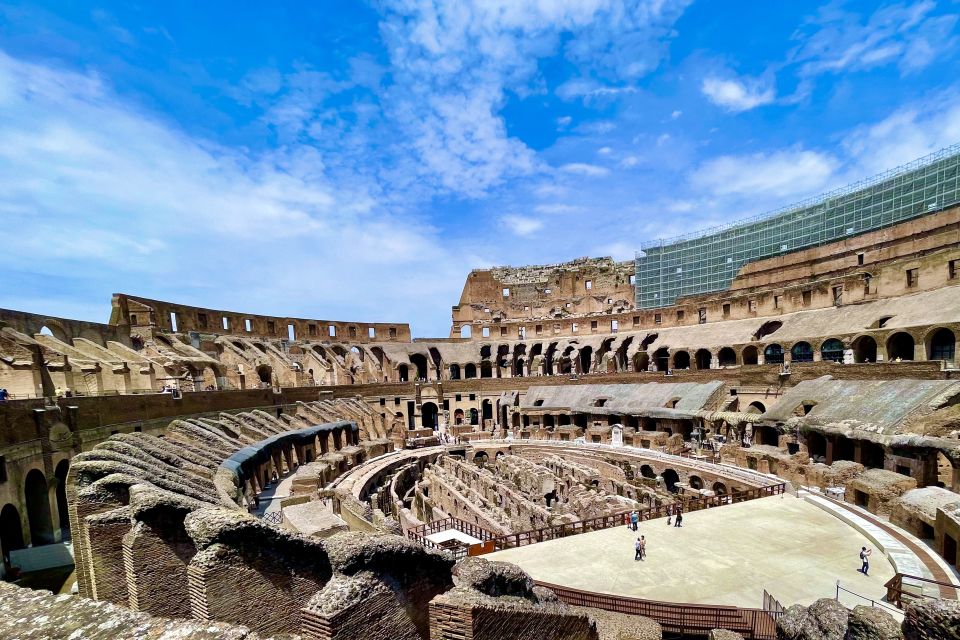
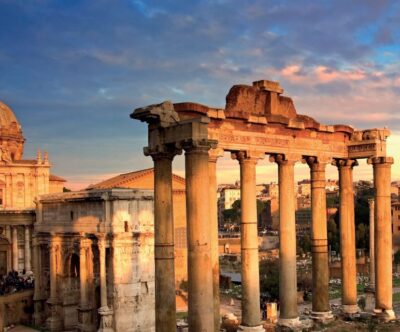
The included access to the Roman Forum and Palatine Hill is a major value add. The Colosseum is the spectacle machine. The Forum and Palatine Hill are where the politics and elite life played out.
Here’s the key detail: the tour itinerary can vary. Sometimes it may begin from Palatine Hill and the Roman Forum area and finish inside the Colosseum. Other times, it starts at the Colosseum and ends at Palatine Hill and the Roman Forum.
That flexibility is good news because it lets the operator adapt to flow and conditions. But you should plan around the possibility that the exact start and end points may shift. If you’re timing a meal, a second attraction, or a transfer later the same day, don’t set it to the minute.
Also note the weather reality. The tour happens rain or shine, but some areas of the Forum and Palatine Hill might not be accessible during bad weather. If you’re visiting in winter storms or heavy rain, keep a backup mindset.
Meeting point at Via del Colosseo 41: how to avoid wasting time
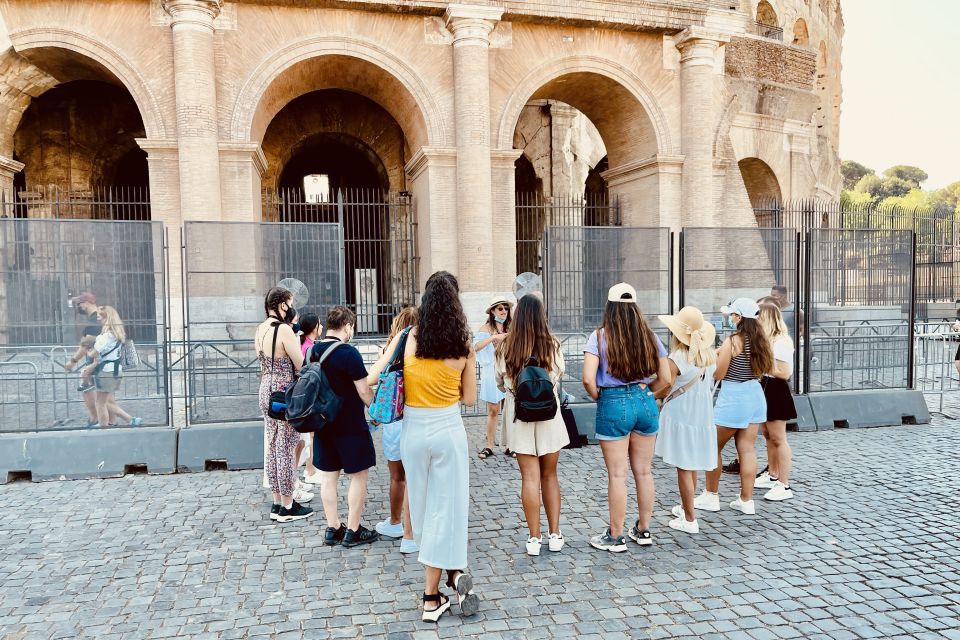
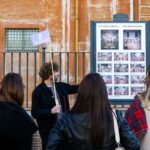
In Rome, the meeting point can make or break your start. This one is specific: meet at Via del Colosseo 41, above Colosseum Metro Station, in front of Caffe Roma. Staff will be holding a “Rutas Romanas” sign.
My practical advice is simple: arrive a bit early and use the sign. The surrounding area is busy, and the “Metro Station above the entrance” detail is the kind of thing that can confuse you if you show up rushed.
Once you’re lined up correctly, the flow tends to be smooth. Headsets are provided, and you move as a group through the main experience without having to negotiate your own route across multiple sites.
Guide quality and the headset advantage (English, French, Spanish)
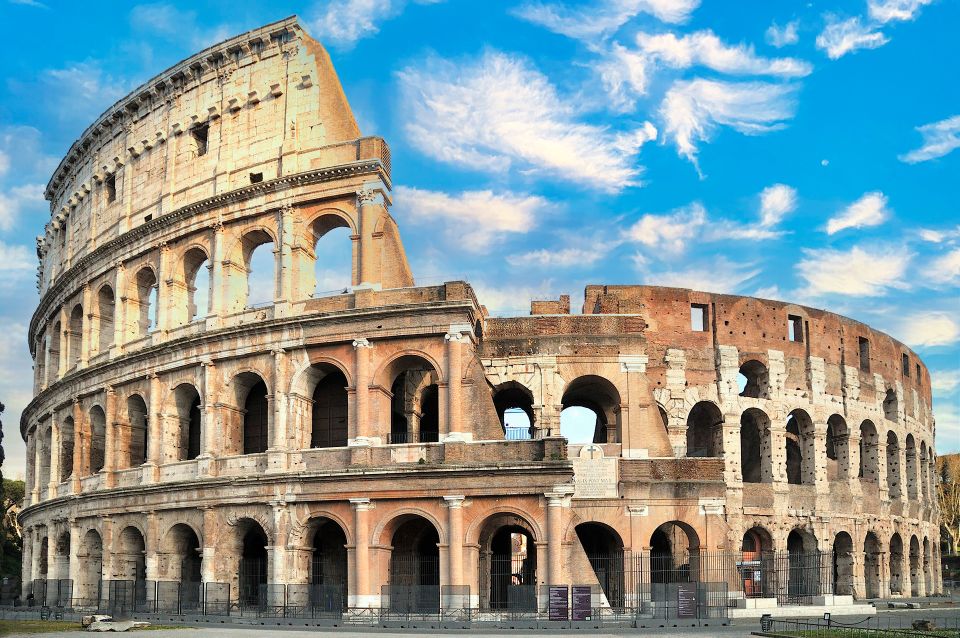
This tour runs with a live guide in Spanish, French, or English. A big reason people rate tours like this highly is communication. The tour includes headsets, and that’s a big deal at the Colosseum, where sound carries and crowds constantly interrupt.
From the variety of guide names tied to strong experiences—people have referenced guides like Henry, Agostino, Alessandra/Alessia, Alessia, Louanna, and others—you can expect a style that mixes storytelling with clear facts. Even if the exact guide assignment changes, the structure stays: you’ll learn key points about construction, capacity, social seating divisions, and the emperor’s place.
One thing to watch: a few comments emphasize that the tour length can feel tight. That doesn’t mean the content is lacking. It means you should come prepared to absorb fast and accept that you’re not doing an all-day archaeological marathon.
What to bring (and what to skip)
You’ll want to show up ready to move. The essentials listed are:
- Passport or ID card
- Comfortable shoes
From a practical standpoint, I’d also treat this like a warm-weather and sun-wear situation. The Colosseum area can cook you, and you’ll be outside before you’re fully inside the complex.
Also note the restrictions:
- No pets
- No weapons or sharp objects
- No luggage or large bags
- No alcohol and drugs
- No sprays or aerosols
- No glass objects
If you’re traveling with kids or you’re carrying camera gear, keep it simple. You don’t want a last-minute hassle at security because of a bag issue.
Price and value: is $65 a smart spend?
At $65 per person for a 1-hour guided experience, the value depends on what you want from Rome.
If you want an iconic site, you can do the Colosseum on your own. But if you want your time to count, you’re paying for three things:
- Guided interpretation (the story of how it worked, not just what it is)
- Entry access that includes the Colosseum plus Roman Forum and Palatine Hill
- Headsets, so you don’t lose half the tour to noise
The biggest “value” win is the pairing of sites in a short time. The Colosseum alone is famous. The Forum and Palatine Hill add context quickly—without requiring you to figure out transportation, routing, and timing across separate tickets and entrances.
So for most first-timers, this is a strong use of limited time. If you have mobility issues, though, you should think twice; this tour is listed as not suitable for people with mobility impairments or wheelchair users.
Best time to go and how to protect your day
The tour runs rain or shine. That helps, but it also means your comfort level depends on the weather and crowd conditions. On hot days, you’ll appreciate any chance to pause in shaded areas during the route, and you’ll want to keep water and sun protection in mind.
Timing-wise, you’ll still have to clear security. If your schedule is tight—like you have a museum the same afternoon—pick a tour time that leaves buffer. Even when the ticket line is reduced, crowd flow is still the real variable.
One more tip: this is a one-hour tour through major highlights. It’s ideal if you plan to explore the sites on your own after, or if you’re stacking multiple Rome classics in a day.
Who this Colosseum tour suits best
This tour is a smart match if:
- You’re seeing the Colosseum for the first time and want a guide to “decode” it.
- You want the Roman Forum and Palatine Hill without building a complicated itinerary.
- You prefer a focused route over a slow, self-guided crawl.
- You like history explained through how things worked—seating, services, and power.
It’s not the best pick if:
- You need wheelchair-accessible routes. This tour is listed as not suitable for wheelchair users and people with mobility impairments.
- You want lots of free time to roam. The Colosseum complex is enormous, and this is intentionally short.
Should you book this Colosseum guided tour with Forum and Palatine Hill entry?
Yes, consider booking if you want maximum payoff from limited time. The combination of entry tickets to three major sites, a professional guide, and headsets makes it a practical choice for first-timers who don’t want to guess their way through crowd logistics.
I’d book it especially if you’re the type who likes clear explanations and you want the emperor’s box moment to land with context. Skip this one only if mobility needs rule it out, or if you’re expecting an easy, unhurried walk with zero crowds. Rome won’t offer that at the Colosseum. This tour just helps you beat the worst parts and get the meaning fast.
FAQ
How long is the Colosseum guided tour?
The duration is 1 hour.
Where do I meet for the tour?
Meet at Via del Colosseo 41, above Colosseum Metro Station in front of Caffe Roma. Staff will be holding a Rutas Romanas sign.
What’s included in the price?
Entrance to the Colosseum, Roman Forum, and Palatine Hill, plus a professional tour guide and headsets.
What languages is the live guide available in?
The live tour guide is available in Spanish, French, and English.
Does the tour run rain or shine?
Yes, it takes place rain or shine, but some areas of the Roman Forum and Palatine Hill might not be accessible during bad weather.
What should I bring, and do I need an ID?
Bring a passport or ID card and comfortable shoes. You must also pass through security check on site.