REVIEW · ROME
Rome: Colosseum, Roman Forum, and Palatine Hill Experience
Book on GetYourGuide →Operated by Find Rome Tours · Bookable on GetYourGuide
Three stops, one ticket, and real payoff. This Rome experience strings together the Colosseum, the Roman Forum, and Palatine Hill with priority entry plus an electronic guidebook, so you spend less time stuck and more time seeing. I like that it keeps things moving while still letting you look at the big moments—emperors, senators, citizens—through a practical walking route.
Two things I really appreciate: first, the priority access setup that helps you get in without the usual ticket line crush. Second, the Palatine Hill climb for city views over the Circus Maximus area, plus time among imperial palaces and gardens. One consideration: the electronic guidebook experience can be inconsistent—there are reports of audio kits that don’t work or crackle—so it helps to download any app or have a backup way to read info on your phone.
In This Review
- Key things to know before you go
- Finding Your Way In: the Colosseo Metro Meeting Point
- Entering The Colosseum Fast (and Knowing What You’ll Get)
- What to focus on inside
- Roman Forum: Where Rome Ran on Politics and Commerce
- The Forum is big—so think “themes”
- Palatine Hill: Panoramas, Legends, and Elite Living
- What makes Palatine Hill worth your legs
- The Guidebook Experience: Helpful When It Works
- How to protect your experience
- Where the Logistics Matter Most: Time, Entry Lines, and Security
- Timing: don’t over-plan
- Price and Value: Is $20.50 a Good Deal?
- So when does this make sense?
- When it might not
- Who This Works For (and Who Should Choose Another Plan)
- Quick Practical Checklist Before You Book
- Should You Book This Colosseum–Forum–Palatine Ticket?
- FAQ
- How long is the Rome Colosseum, Roman Forum, and Palatine Hill experience?
- Where do I meet for the experience?
- Does this ticket include a guide or just a guidebook?
- Does this skip the security line?
- What should I bring and what’s not allowed?
- Is it suitable for wheelchair users or people with mobility impairments?
Key things to know before you go
- Priority access to the Colosseum, Roman Forum, and Palatine Hill so you’re not hunting for the right entry line.
- Digital or printed guidebook included, which is great if you like reading as you walk.
- Palatine Hill panoramas aimed at giving you that big-picture view of ancient Rome.
- A timed 75–80 minute visit window, best for a focused highlights circuit.
- Security is still part of the process, since skip security control isn’t included.
- Comfort matters: this isn’t wheelchair-friendly and you’ll want solid shoes.
Finding Your Way In: the Colosseo Metro Meeting Point
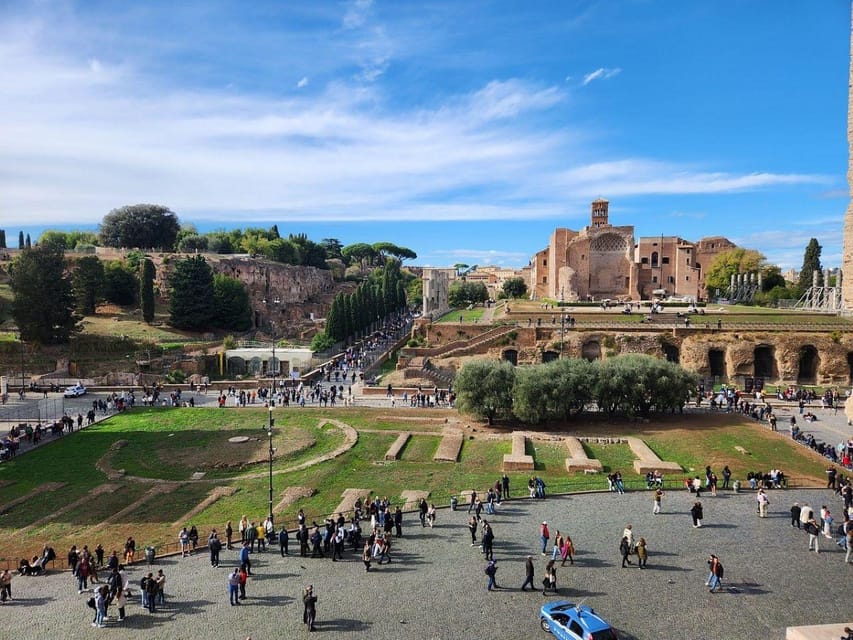
This ticket is built around a straightforward meet-up, and that matters in Rome, where signs can look similar and lines can sprawl.
You start on the upper level of the Colosseo metro station, near the M metro symbol and the SOS sign, close to Caffe Roma. Look for the Find Rome Tours staff—this is the key way to avoid wandering in the wrong direction. The good news: the meeting instructions are generally clear, and people report it’s easy to spot the representative on site.
Plan to arrive a few minutes early, not because you’ll necessarily lose time, but because security and crowd flow at the Colosseum area can change hour to hour. Also, keep in mind what’s not allowed: no large bags or luggage, no backpacks. You’ll want a small day bag only (or nothing, if you can manage).
You can also read our reviews of more tours and experiences in Rome.
Entering The Colosseum Fast (and Knowing What You’ll Get)
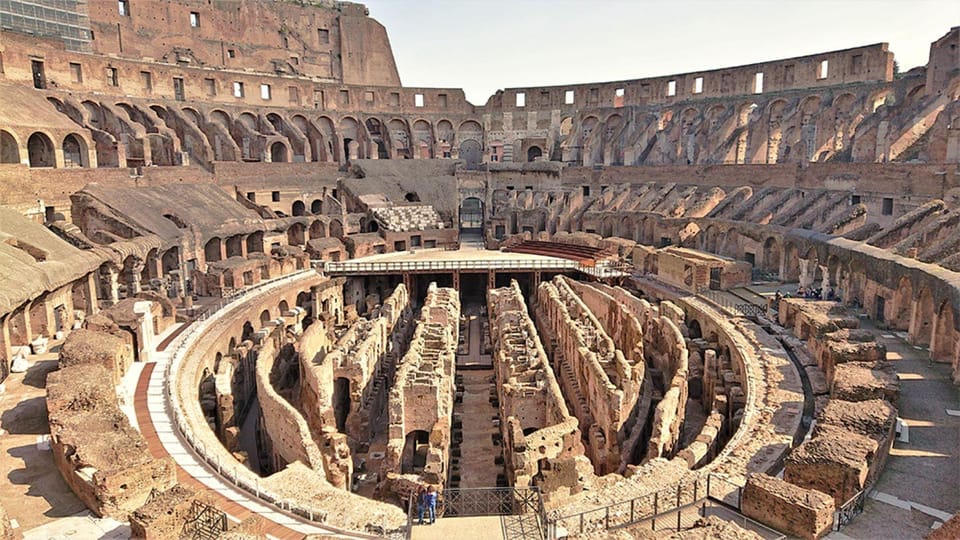
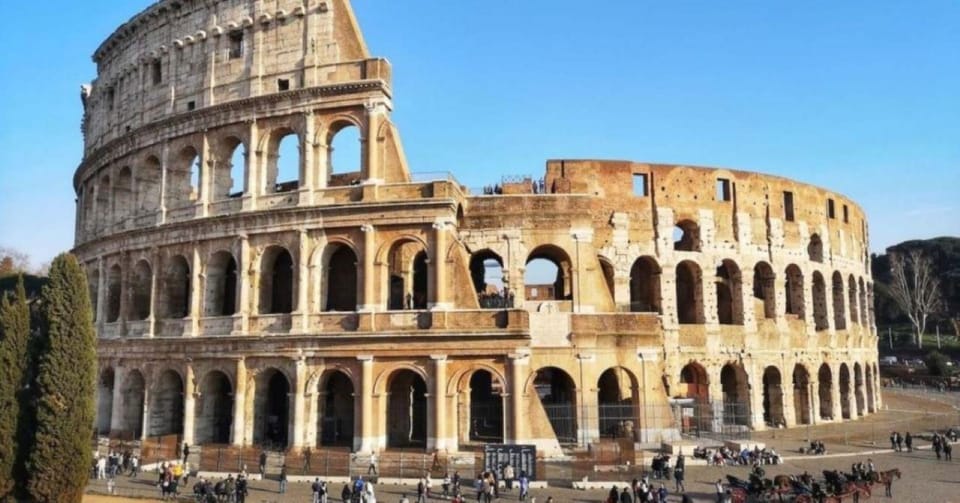
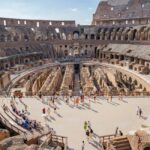
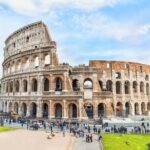
The headline here is simple: you get priority access to the Colosseum plus Roman Forum and Palatine Hill. That’s the “value engine” of this product, because the Colosseum is famous for long queues, and shaving off that time makes the rest of the day feel easier.
Once inside, expect a highlights-style visit built for speed and big understanding. The ticket doesn’t frame the Colosseum as a super-deep, spend-all-day project. Instead, it aims to show you the parts that connect to the story: Rome’s power, its public life, and why the arena mattered.
What to focus on inside
To make your 75–80 minutes count, don’t spend all your time staring at the tallest wall. I’d aim for three things:
- Spatial awareness: look at how the Colosseum’s scale relates to the surrounding city streets.
- Use of the arena space: even if you’re not going everywhere, you can still understand how the structure shaped events.
- Photo angles with intention: crowds often move in waves, so try to shoot when you have a clear line rather than when everyone else stops at once.
Some people report that not everything is open (or that views are the main draw). That’s not surprising at a major historical site where sections can close. Go in expecting incredible views even if certain areas aren’t accessible.
Roman Forum: Where Rome Ran on Politics and Commerce
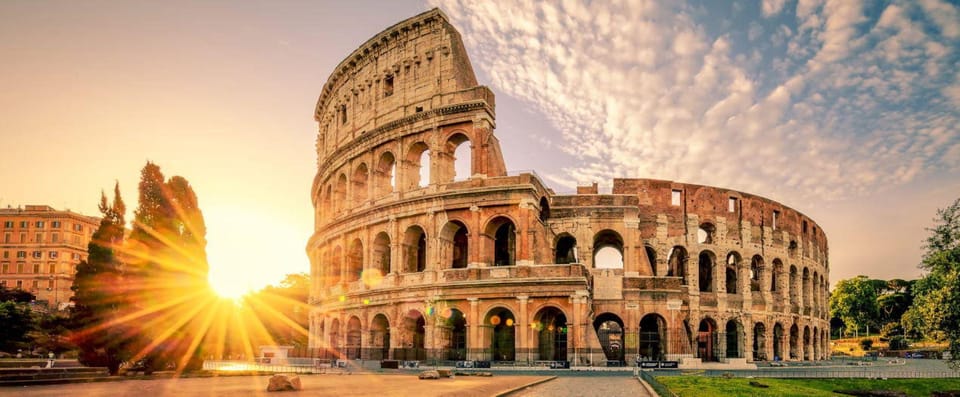
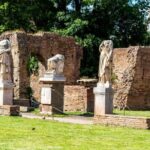
After the Colosseum, the experience shifts to the Roman Forum, described here as the political and commercial hub of ancient Rome. This is where the ruins stop being just impressive stone and start feeling like a working city.
The Forum stop is designed around walking through areas of temples and basilicas—places that once hosted decisions, speeches, business, and public life. The guidebook (electronic or printed) is meant to connect what you’re seeing to people like emperors, senators, and citizens.
The Forum is big—so think “themes”
A common frustration at the Forum is that it can feel like you’re moving through separate piles of ruins unless you have a mental theme. This is where the included guidebook helps.
If your guide or guidebook gives you names and functions (not just dates), you’ll get more out of it. I’d also keep a practical mindset: choose a few key spots and let the guidebook fill in the “why.” If you don’t, you can walk a lot and remember less.
One practical tip from the vibe of real-world experiences: ask how to prioritize. If you know which parts matter most, you won’t spend your limited time wandering. Some visitors have specifically wanted a clearer sense of which Forum sections are most significant.

Palatine Hill: Panoramas, Legends, and Elite Living
Then comes the climb: Palatine Hill, often linked to the legendary birthplace of Rome. You’re not just going up for views (though the views are a big reason to come). You’re also stepping into a neighborhood of imperial palaces and gardens—where the “power” side of Rome becomes literal.
The highlights promise panoramic city views, including sightlines toward the Circus Maximus area. Even in heavy crowds, this section tends to feel like your reward for walking: you can finally see the city layout as it relates to ancient Rome’s core.
What makes Palatine Hill worth your legs
Palatine Hill gives you three kinds of payoff:
- A sense of scale: it’s easier to understand Rome when you can look out and connect the ruins to the streets.
- The “elite Rome” picture: imperial palaces and gardens turn the Forum’s politics into something more personal—who lived well, who ruled, and how.
- That postcard view energy: not because it’s just pretty, but because it frames the story.
Accessibility note: this part is not for everyone. The activity is explicitly listed as not suitable for people with mobility impairments or wheelchair users. If you’re unsure, it’s smart to consider an alternative Rome route with flatter walking.
The Guidebook Experience: Helpful When It Works
This ticket includes a digital or printed guidebook. That’s a nice idea for travelers who like control—stop, read, move on.
That said, there’s a real caution from the field: some people report the audio kit was a hit and miss, with cases where devices didn’t work at all or crackled. If your experience depends on audio, don’t assume it will be perfect.
How to protect your experience
- Bring a phone and make sure it’s charged enough to use text if the audio fails.
- If you receive instructions on timing, follow them—timing matters because the visit window is 75–80 minutes.
- Don’t wait until you’re too tired to start reading. Use short bursts: read for 2–3 minutes, then look around, then repeat.
Even with the occasional audio hiccup, many visitors still describe the entry and exploring as smooth, and the priority access as a big win.
Where the Logistics Matter Most: Time, Entry Lines, and Security
Let’s talk reality: Rome’s major sites run on crowds and timing. This product tries to reduce pain with priority access, but you should still expect a security checkpoint because skip security control is not included.
Timing: don’t over-plan
The duration is listed as 75–80 minutes, with starting times based on availability. That means you’re buying a focused circuit, not an all-day roam.
One thing I’d watch for: if you’re relying on a guide to tell you what to do right at the end, pay attention while you’re there. A couple of experiences mention the visit wrapping up without enough closing context, which can affect whether you catch every last “look at this” moment. Your best defense is to keep an eye on the clock and stay aware near the end of the time window.
Price and Value: Is $20.50 a Good Deal?
The price is listed at $20.50 per person. At first glance, that might sound like a “tour add-on” fee for what you could buy as regular tickets. Here’s the key transparency detail that helps you judge the value:
The info provided states the Colosseum admission price is €18 for adults and free for under 18. The remaining amount covers the advertising electronic information booklet, plus other services and booking fees.
So when does this make sense?
This feels like good value if:
- You want priority access that saves you time at the gate.
- You’ll actually use the electronic/printed guidebook while walking.
- You prefer a simple, structured entry flow rather than building your own plan from scratch.
When it might not
If you’re perfectly happy to self-navigate with info you already have (and you don’t care about priority entry), you may feel the added fee is less necessary. Still, for many people, priority access is the difference between a pleasant visit and a frustrating one.
Who This Works For (and Who Should Choose Another Plan)
This experience is a strong match for most first-time Colosseum visitors who want the “big three” in a single, efficient outing.
It also fits well if you like:
- a high-impact route (Colosseum → Forum → Palatine Hill)
- using a guidebook on your own pace
- the option for private or small groups, which can make the story feel easier to follow
It’s not a match if you:
- need wheelchair access (it’s listed as not suitable)
- have limited ability for uphill walking and uneven ruins
Group size and pace can vary. Some people enjoy the ability to explore at their own speed once inside, while others prefer a more guided rhythm. If you hate being rushed, I’d choose the time slot that matches your energy level.
Quick Practical Checklist Before You Book
Do this and the visit feels smoother:
- Comfortable shoes (seriously—this is more walking than it looks)
- Hat, sunscreen, and water for outdoor time
- Passport or ID card (a copy is accepted)
- Avoid flash photography
- Skip large bags/luggage/backpacks
Also check the weather forecast. This route is outdoors for long stretches, and the Colosseum/Forum area can get hot even in months that feel mild elsewhere.
Should You Book This Colosseum–Forum–Palatine Ticket?
Yes, if you want the high-demand sights handled with less friction, and you’ll use the included guidebook while you walk. The biggest reason to book is the priority access angle plus the way the visit is structured around understanding the story, not just taking photos.
I’d think twice if you:
- rely heavily on audio and hate surprises (since the electronic kit can be inconsistent)
- need full accessibility accommodations
- want a slow, in-depth museum-style experience that lasts longer than 75–80 minutes
If you’re flexible, this ticket is a practical way to get Rome’s core power center in one outing—Colosseum for spectacle, Forum for government and commerce, Palatine for legends and elite life, with views that make it all click.
FAQ
How long is the Rome Colosseum, Roman Forum, and Palatine Hill experience?
The duration is listed as 75–80 minutes. Starting times vary, so you’ll need to check availability for the slot you want.
Where do I meet for the experience?
Meet on the upper level of the Colosseo metro station, near the M metro symbol and the SOS sign, close to Caffe Roma. Look for the Find Rome Tours staff.
Does this ticket include a guide or just a guidebook?
It includes an electronic or printed guidebook. A guided tour option may be selected, but guided tour is not included by default if that option isn’t chosen.
Does this skip the security line?
No. The listing specifies that skip the security control is not included, even though you get priority access to the sites.
What should I bring and what’s not allowed?
Bring comfortable shoes, a hat, sunscreen, water, and passport or ID card (a copy is accepted). Flash photography is not allowed, and luggage/large bags and backpacks are not allowed.
Is it suitable for wheelchair users or people with mobility impairments?
No. The experience is listed as not suitable for people with mobility impairments and not suitable for wheelchair users.