REVIEW · ROME
Rome: Colosseum Underground and Arena Tour
Book on GetYourGuide →Operated by ROME WITH SILVIA · Bookable on GetYourGuide
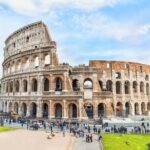
Seeing the Colosseum from below changes everything. This VIP-style tour takes you into the Hypogeum and then up to the arena floor, where you can picture the show in a way normal upper-level visits never do. I like that it includes the restricted, less-frequented spaces plus a guided run through the Roman Forum and Palatine Hill at a pace you can actually follow.
What really makes it work is the small group (max 8) and the headsets, which keep the experience smooth even when you’re moving through busy stone corridors. One thing to keep in mind: the Colosseum can shift access times or close unexpectedly, so your exact timing can feel a bit time-pressured in the tight 2.5-hour window.
In This Review
- Key Things That Make This Tour Worth Your Time
- VIP Colosseum Underground: What the Hypogeum Really Shows
- Narrow Corridors, Hidden Cells, and the Feel of Waiting
- Arena Floor Access: Sand, Power, and Photos From the Best Angle
- Roman Forum and Palatine Hill: The Stops That Turn the Colosseum Into Context
- Meeting Point and Timing: How to Start Smoothly
- Small Group Energy, Headsets, and Guide Styles You’ll Notice
- Price and Value: Does $94 Buy Real Access?
- Who This Tour Suits Best (and Who Might Prefer Another Plan)
- The Real-World Tips That Make This Tour Easier
- Should You Book This VIP Colosseum Underground and Arena Tour?
- FAQ
- How long is the Colosseum Underground and Arena tour?
- Where do I meet the guide?
- What’s included with the VIP access?
- How many people are in the group?
- What language is the live tour guide?
- Do I need to bring anything for security?
- Is the tour wheelchair accessible?
- Can the tour time or entry details change?
Key Things That Make This Tour Worth Your Time
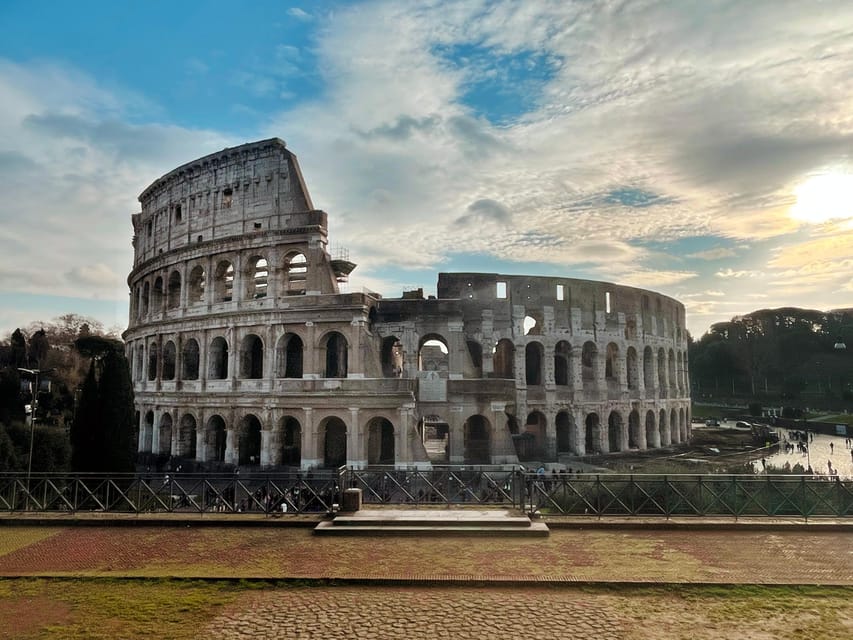
- Hypogeum access to gladiator waiting areas, animal holding spaces, and the ancient drainage system
- Arena floor entry plus a sand-covered fight-platform viewpoint (the Latin “arena” refers to sand)
- First and second tiers photo terraces for privileged angles you usually can’t reach
- Roman Forum + Palatine Hill guided stops that tie the Colosseum to the broader story of Rome
- Max 8 guests with headsets so you hear your guide clearly while passing through security areas
- Real-world guide talent often highlighted by guests, including names like Paola, Italo, and Sylvia
VIP Colosseum Underground: What the Hypogeum Really Shows
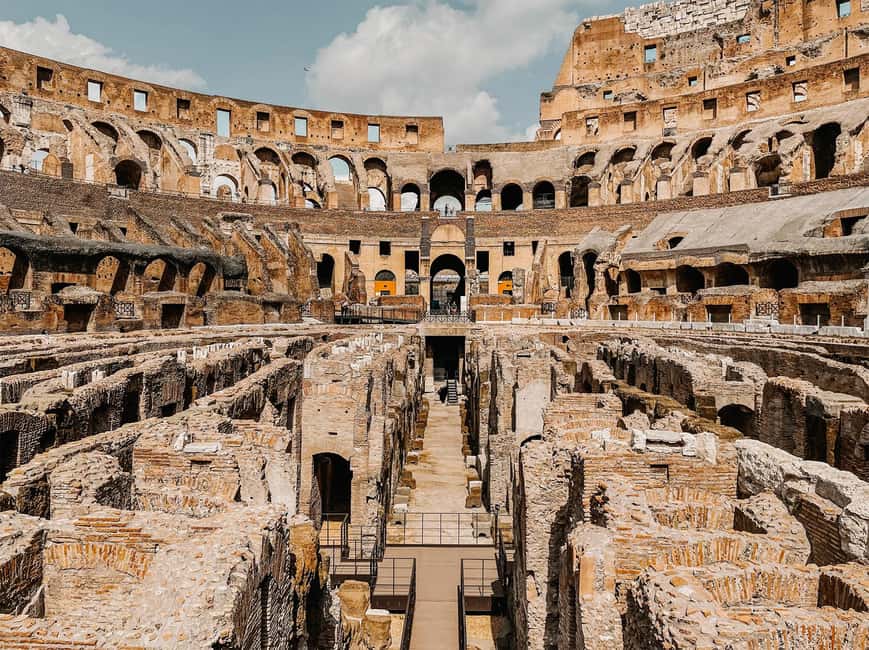
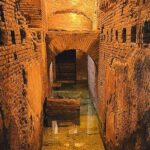
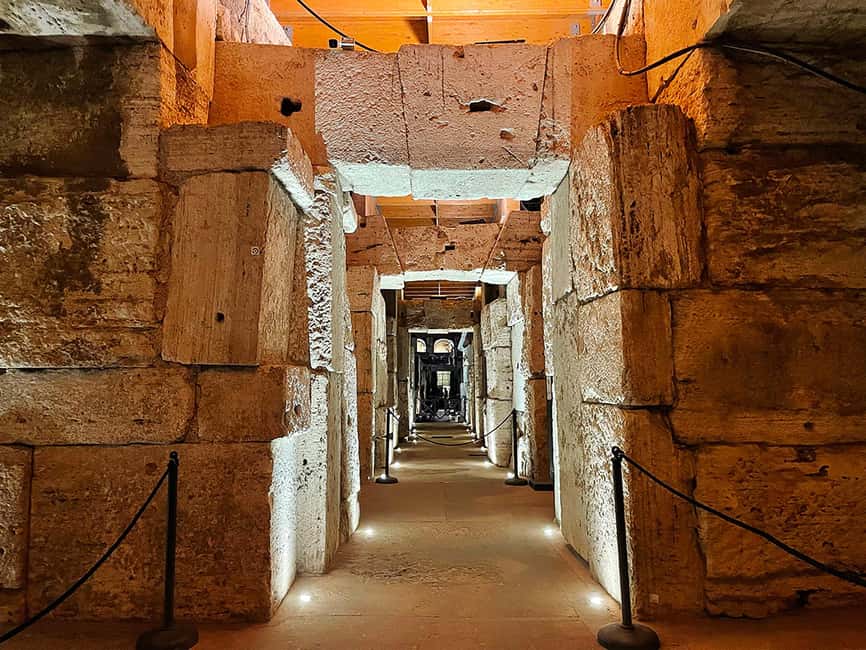
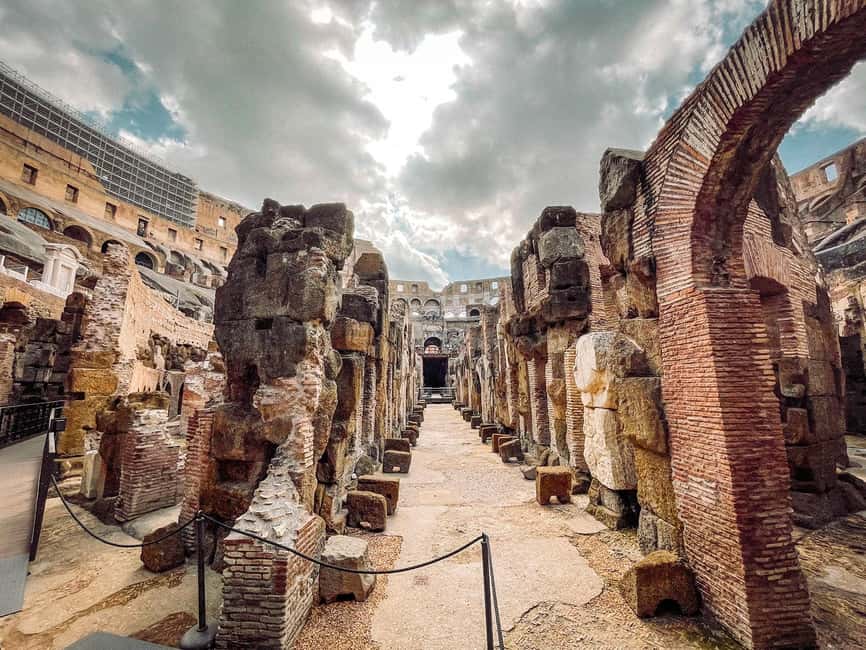
The star of this tour is the Hypogeum, the underground level where the spectacle was staged before it spilled out into view. The space is narrow and enclosed, with large travertine blocks and dim light that makes the scale of the “backstage world” feel very real. Instead of just seeing the Colosseum, you’re also seeing how the machine behind the games worked.
I love the sense of drama here, but it’s not only about mood. You’ll get a guided look at the rooms gladiators used while waiting, plus animal cages and a visible drainage system—the practical parts of the system that helped the arena run. That combination matters because it turns the Colosseum from a big monument into a functioning stage.
The experience also has a design detail that sticks in your mind: there’s a reconstruction of an ancient elevator system that connected the underground and the arena floor using trapdoors above. Even without technical museum equipment, you can picture how quickly things had to move—and why timing and logistics were everything.
You can also read our reviews of more tours and experiences in Rome.


Narrow Corridors, Hidden Cells, and the Feel of Waiting
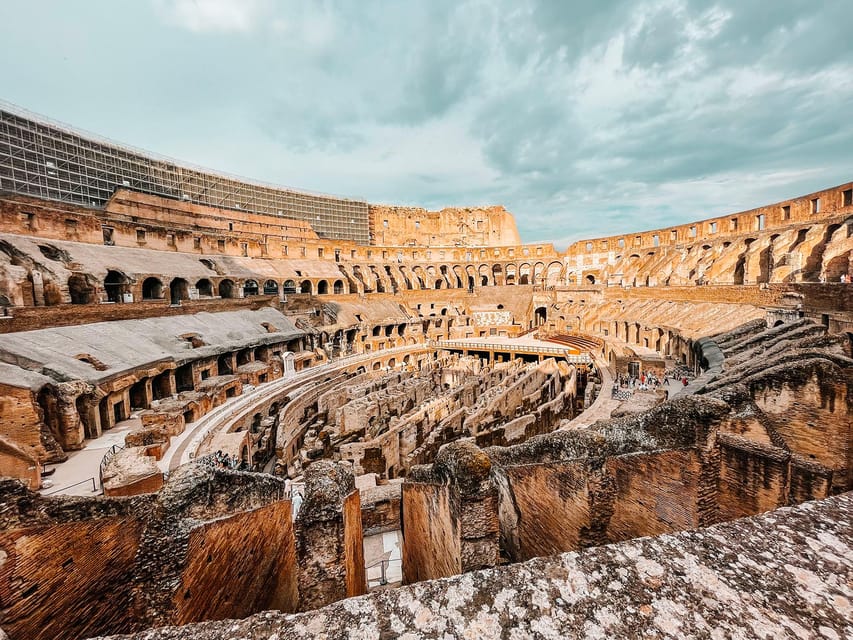
Once you start moving through the Hypogeum, you’ll notice how the route is set up to build a story. You’re not just walking past artifacts; you’re guided through the “sequence” of the games.
Here’s what you can expect to see during the underground part:
- Gladiator waiting areas and cell-like corridors that suggest the tension before the fights
- Fragments of the original floor, which help the underground feel less hypothetical
- Animal holding areas, reinforcing how brutal the whole operation was
- The drainage system, a detail that connects the show to engineering reality
- A reconstructed elevator mechanism tied to the trapdoor concept
This is also where headsets pay off. Underground spaces can swallow sound, and the tour is paced so you can keep following the guide even when you’re looking at the floor-level details.
One practical consideration: the Hypogeum is made of corridors and chambers, and that physical layout is part of the point. The tour notes it is not suitable for wheelchair users, which makes sense given the narrow pathways and stone stairs/geometry involved.
Arena Floor Access: Sand, Power, and Photos From the Best Angle
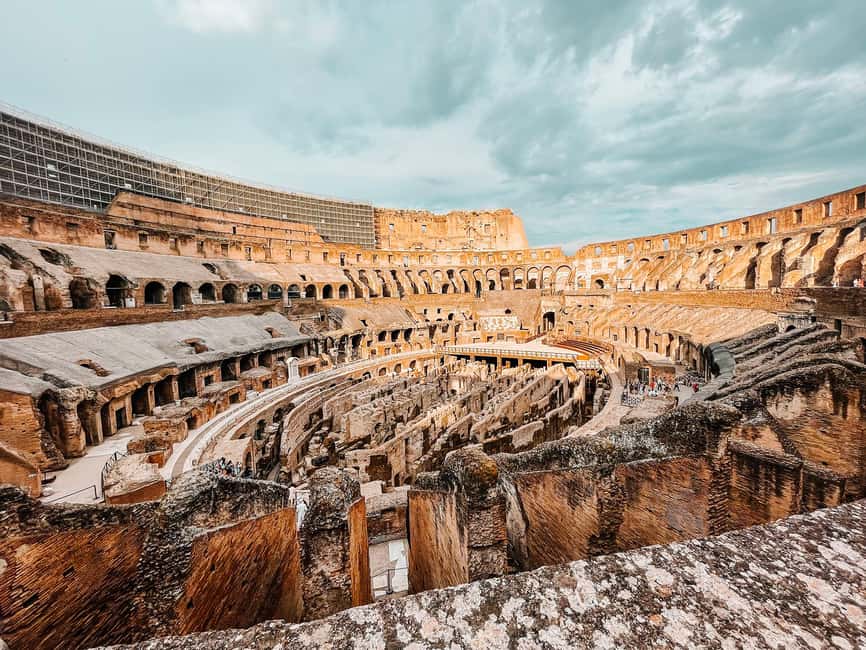
After the underground chambers, the tour moves up to the arena floor, one of the most striking viewpoints in all of the Colosseum. You’re standing where the action happened—not just behind the story, but at the level where you can imagine the crowd’s roar and the pressure of being “in the show.”
The guide helps you connect what you saw below with what you’re seeing now. That matters because the arena floor viewpoint is more than a “wow” moment; it’s where the entire operation becomes coherent. You can better understand why the Hypogeum existed and how quickly participants and props needed to appear.
A standout detail is the central sand-covered wooden platform where fights took place. The tour framing includes that note that the term “arena” comes from Latin for sand, which is a small linguistic breadcrumb—but it makes the scene feel specific rather than generic.
If you care about photos, this is where you’ll want to slow down. You’ll also reach the first and second tiers afterward, where panoramic terraces give you privileged angles for pictures. Most people take their Colosseum photos from the ground around it; here you’re positioned closer to the structure’s geometry.
Roman Forum and Palatine Hill: The Stops That Turn the Colosseum Into Context
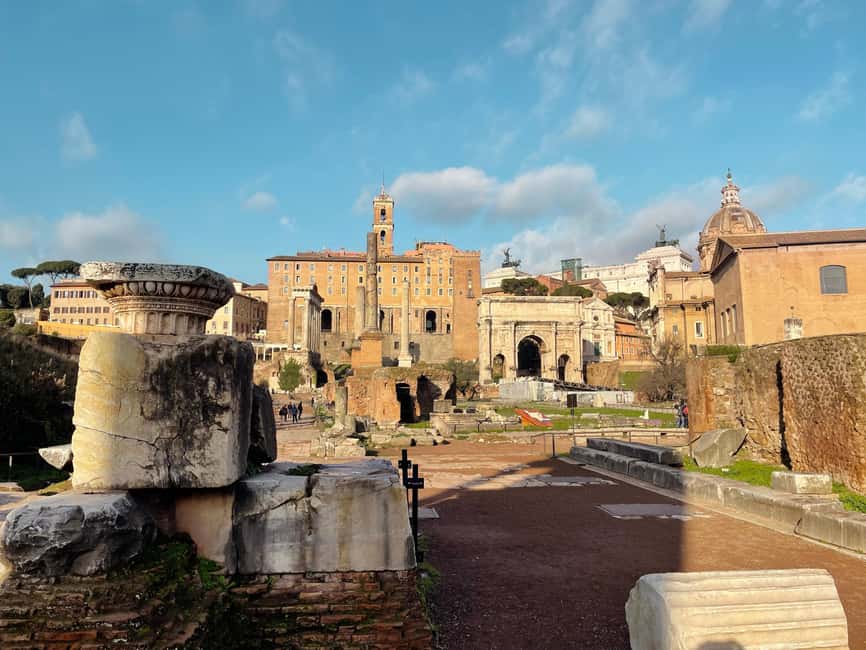
A smart bonus of this tour is that it doesn’t treat the Colosseum like a standalone hit-and-run. You start at Largo della Salara Vecchia, then you get guided time in the Roman Forum and Palatine Hill.
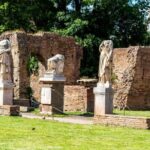
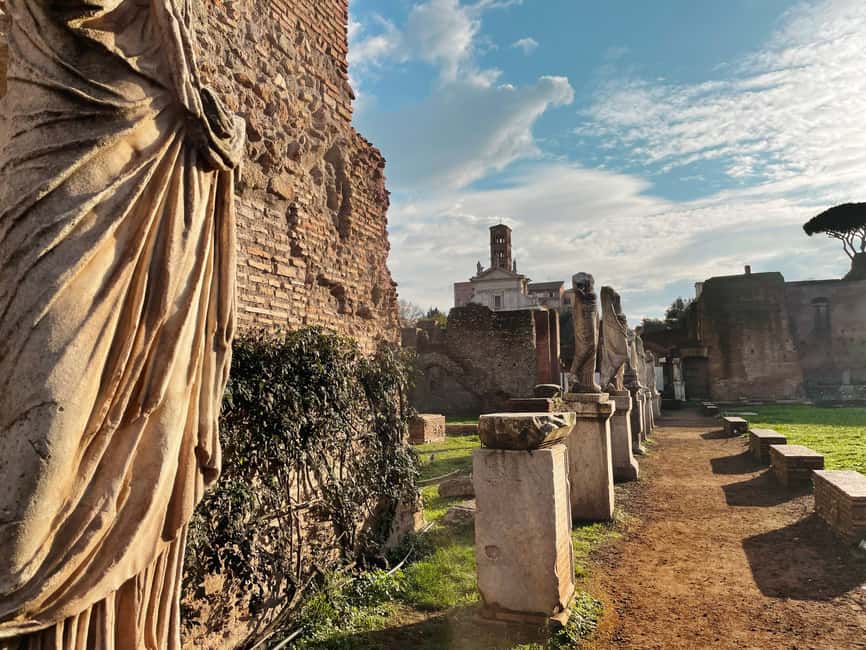
What I like about adding these two sites is that they help you stop thinking of the Colosseum as an isolated ruin. The Forum is where political life and public power played out; Palatine Hill is tied to elite origins and Rome’s myth-and-history layer. Even with limited time, those stops give the Colosseum a “why,” not just a “what.”
What to expect:
- Roman Forum (guided ~30 minutes): you’ll get a guided walk that frames the area so you can read the space.
- Palatine Hill (guided ~30 minutes): you’ll get the vantage and stories that explain why people associated status and power with this hill.
- Photo stop (~15 minutes on Palatine Hill): a useful break so you’re not rushed through the best viewpoints.
The only drawback here is how the clock works. With a total duration of 2.5 hours, you’re getting a focused “greatest hits” approach, not an hours-long wander. If your top goal is lingering over details in the Forum or taking slow time on Palatine, you may feel you want more minutes once you’re done.
Meeting Point and Timing: How to Start Smoothly
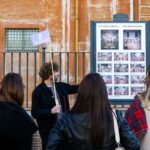
This tour is built around timed entry, so your first step is getting to the meeting point correctly. The meeting point is near the ticket counters on the left side, under the tree, and the guide carries the GET YOUR GUIDE logo. The location is Largo della Salara Vecchia, which is also listed as an entrance of the Roman Forum area.
Arriving early helps, because you’re not just finding a group—you’re also feeding a timed visitor flow toward Colosseum security. One more timing note you should take seriously: the Colosseum can change access times or close unexpectedly due to public or political events. If that happens, your tour start time or meeting point instructions may shift.
In other words: don’t stack “must-be-on-time” plans right after this tour. Build in buffer time.


Small Group Energy, Headsets, and Guide Styles You’ll Notice
This tour keeps the group limited to 8 participants, which changes the feel. You’re not stuck behind a line of strangers, and the guide can slow down for your questions. That matters in places like the Hypogeum where people naturally stop to look around, especially at drainage details and chamber layouts.
You’ll also get headsets so you can hear the guide clearly. This is a small inclusion that makes a big difference in Roman stone spaces where voices can bounce or disappear.
And guide quality shows up in the details. Names that come up repeatedly with praise include Paola, Italo, Sylvia, and Sara—often for clear English, strong explanations, and answering questions without rushing people along. If you’re the kind of traveler who likes to understand how a system worked (not just where it was), you’ll likely appreciate how guides connect underground spaces to arena performance mechanics.
Price and Value: Does $94 Buy Real Access?
At $94 per person for a 2.5-hour experience, this isn’t a budget add-on. But it’s also not paying just for general entry. You’re paying for:
- VIP underground entry to restricted access areas
- VIP arena floor entry
- A guided package that also includes Roman Forum guided time and Palatine Hill guided time
- Practical tools like headsets and a small group format
So the value question isn’t only, Is it cheaper than doing it separately? It’s more: can you realistically recreate this exact combination of access levels and guided sequencing on your own? The Hypogeum and arena-floor portions are the “main ticket” value, and they’re the part most visitors never see.
A useful way to judge value for yourself: if you’ve already visited the Colosseum upper levels and just want the “real” difference—this is the difference-maker. If you’re new to Rome and still want a big-picture feel, the Forum and Palatine stops add context that many Colosseum-focused tours skip.
Who This Tour Suits Best (and Who Might Prefer Another Plan)
This tour fits best if you like your sightseeing in three layers:
- Stage setting (Hypogeum and how the games were managed)
- On-the-ground perspective (arena floor viewpoint)
- City context (Roman Forum + Palatine Hill)
It’s also a good pick if you’re traveling with kids, because one consistent theme in praise is that guides can keep attention by explaining what you’re seeing in a way that lands. With a maximum of 8, it’s easier for a family group to stay together rather than getting lost in a crowd.
You may want a different approach if:
- You need wheelchair accessibility (the tour is not suitable for wheelchair users)
- You hate time pressure and want long, slow wandering in the Forum
- You prefer a purely self-paced visit where you can linger for 45 minutes at one spot
The Real-World Tips That Make This Tour Easier
A few practical things will help you get the best experience out of your limited time:
- Bring your passport or ID card, since names must match the booking and documents are required for security checks.
- Use the meeting point instructions as written: left side under the tree near the ticket counters, with the guide showing the GET YOUR GUIDE logo.
- Don’t plan tightly afterward. If access is delayed or the Colosseum closes earlier, you’ll feel it more on a 2.5-hour schedule.
- If you care about photos, plan mentally to switch from listening to looking quickly—especially from the arena floor up to the first and second tiers terraces.
Should You Book This VIP Colosseum Underground and Arena Tour?
If your goal is the Colosseum’s “other half”—the part under your feet and the arena where the fights unfolded—then yes, you should book. This is one of the few ways to see the Colosseum as a working arena rather than a monument.
Book it confidently if you want:
- Restricted underground access and arena floor entry
- A guided story that connects what you see below with what you stand on above
- A small group experience with headsets so you don’t lose details
Skip it or look for an alternative if you:
- Need wheelchair access
- Want extra time in the Forum and Palatine Hill beyond guided highlights
- Have very strict timing for the rest of the day (because the Colosseum can change access plans)
FAQ
How long is the Colosseum Underground and Arena tour?
The tour lasts about 2.5 hours.
Where do I meet the guide?
You meet near the ticket counters on the left side, under the tree at Largo della Salara Vecchia. The guide has the GET YOUR GUIDE logo.
What’s included with the VIP access?
You get VIP underground entry to the Hypogeum area and VIP arena floor entry, plus guided time that also covers the Roman Forum and Palatine Hill.
How many people are in the group?
The group is limited to 8 participants.
What language is the live tour guide?
The live guide operates in English.
Do I need to bring anything for security?
Yes. Bring your passport or ID card, because names on the booking must match those on your document.
Is the tour wheelchair accessible?
No. It is not suitable for wheelchair users.
Can the tour time or entry details change?
Yes. The Colosseum can change access time or close unexpectedly. If that happens, the starting time or meeting point may be adjusted.