REVIEW · ROME
Rome: Guided Colosseum Underground Tour
Book on GetYourGuide →Operated by Trajan Tours · Bookable on GetYourGuide
The Colosseum has another level. This guided tour takes you underground beneath the amphitheater to see the hypogeum where animals and performers were moved into position, then continues with the Roman Forum and Palatine Hill. I love how the story isn’t just spectacle. It’s discipline, punishment, and sudden mercy, told with names and details, like when our guide Renata helped pieces of the building make sense in your head.
Two things I particularly like: you get inside faster with skip-the-ticket-line entry, and the guide work is hands-on and practical, including crowd control and pacing that actually helps you see what matters. One consideration: this route is built around stairs and uneven stone, so it is not suitable for wheelchair users or many mobility impairments.
In This Review
- Underground Colosseum, Forum, and Palatine Hill: Key Things to Know
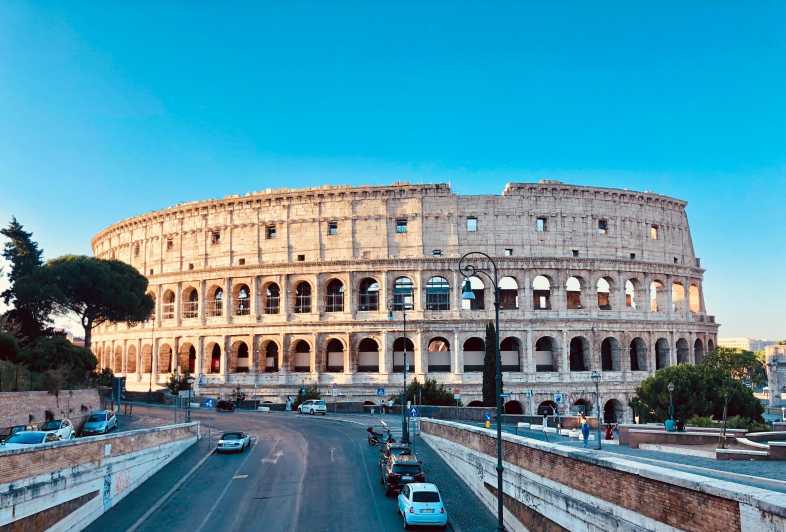
- Entering the Colosseum Fast: Meeting at the Arch of Constantine
- The Underground Hypogeum: Where the Show Really Started
- Arena Floor Moments: Walking Where Spectators Stood
- The Roman Forum: Power, Politics, and Daily Life in Ruins
- Palatine Hill and the Palace of Domitian: Views Plus Context
- Timing, Pace, and What to Wear on Uneven Stone
- Price and Value: Is This Colosseum Underground Tour Worth $163?
- The Guides: Why Renata and Amanda Keep Coming Up
- Should You Book This Underground + Forum + Palatine Tour?
- FAQ
- Where is the meeting point for the tour?
- How long does the tour take?
- What parts of the Colosseum are included?
- Does this tour skip the ticket line?
- Is the tour offered in English?
- What will I see at the underground portion?
- What should I bring?
- What items are not allowed?
Underground Colosseum, Forum, and Palatine Hill: Key Things to Know
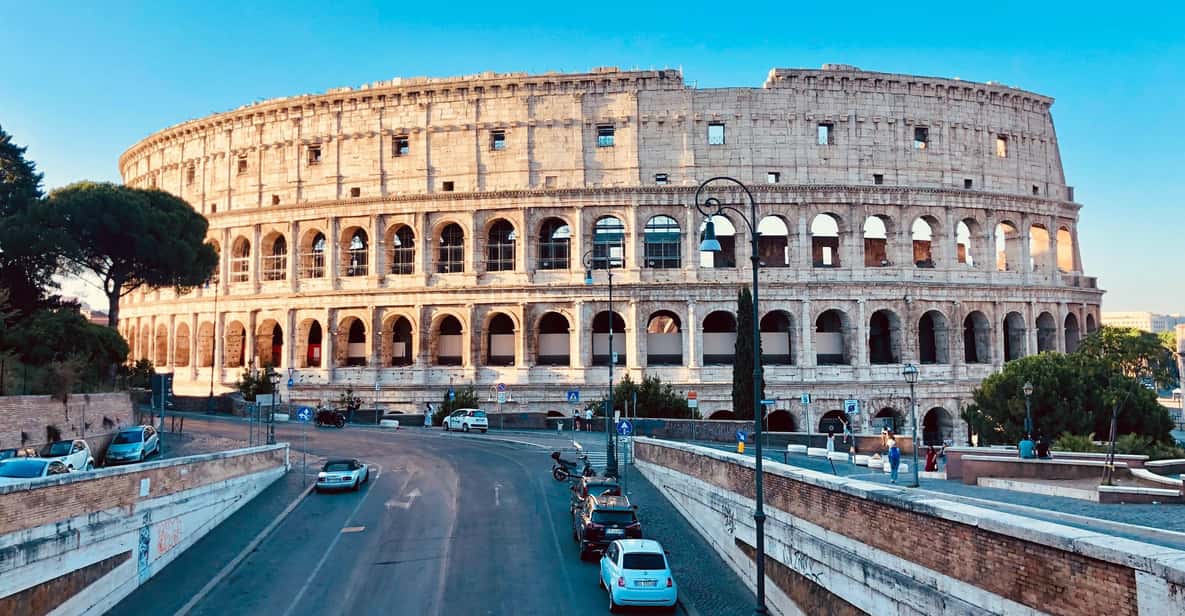
- Hypogeum access: you visit the staging area beneath the arena floor and learn how the machinery worked
- Arena-level walking: you step onto the main floor area after the underground section
- Roman Forum focus: you move through the heart of ancient Rome, including major landmarks like the Arch of Titus and Temple of Saturn
- Palatine Hill viewpoint time: you visit the Palace of Domitian and take in elevated views over the ruins
- Guides with personality: several guides (Renata, Amanda, Lorenzo, Sabrina) are praised for humor, energy, and clear, vivid explanations
- Better audio for big crowds: you’re issued radios/earphones for hearing the guide in busy sections
Entering the Colosseum Fast: Meeting at the Arch of Constantine
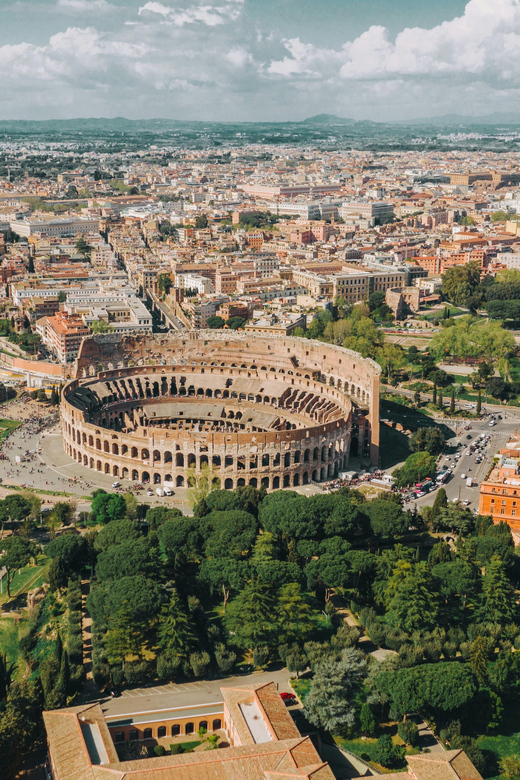
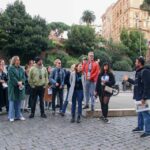
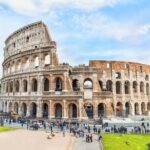
Your tour starts at the Colosseum area, meeting right next to the Arch of Constantine. You’ll be looking for a red Trajan Tours sign. The practical win here is timing: this experience includes entry that skips the ticket line, which matters in Rome, where delays can eat up your whole morning or afternoon.
From the start, you’ll also want to treat the visit like it’s partly about orientation. Even if you know Rome, the Colosseum feels chaotic at first. A good guide gets you past the most confusing parts quickly and sets expectations for what you’re about to see underground and then back upstairs.
You can also read our reviews of more tours and experiences in Rome.


The Underground Hypogeum: Where the Show Really Started
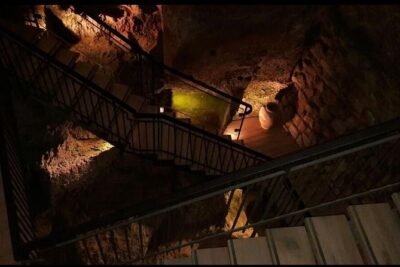
The main reason to book this tour is that it goes below the arena, into the Colosseum’s tunnels and chambers. You descend into the hypogeum, the backstage space that most people never see. Think of it as the engine room. It’s where animals and performers were prepared and then lifted into view above the arena floor.
What makes this section work is how the guide turns stone into function. The hypogeum isn’t just “cool to look at.” You learn how the systems helped move creatures and people into position, so the arena becomes more than a picture post-card. You start to understand the logistics behind the performance, including how tight timing had to be when crowds expected spectacle.
You also stand in spots tied to the human side of ancient Roman entertainment: bravery, sacrifice, and the harsh reality of punishment and control. The stories are grim at times, but that’s the point. This is what the Colosseum actually was: an instrument of power and public discipline.
Arena Floor Moments: Walking Where Spectators Stood
After the underground portion, you climb back to the arena level. Now the scale hits differently. You’re no longer thinking about machinery and tunnels. You’re seeing the playing field from the same general floor level where the action would have taken place.
This is where I like the tour structure most. Underground first gives you context. Then arena level makes that context click. The result is that you don’t just look at architecture. You imagine timing and movement: what the crowd saw, what performers experienced, and why the space had to be engineered to work fast.
If you’re short on time in Rome, this is also a smart “ROI” stop. In under a few hours, you see the part of the Colosseum experience most visitors miss, plus you get the foundation for understanding the Forum and Palatine Hill right after.
The Roman Forum: Power, Politics, and Daily Life in Ruins
Next comes the Roman Forum, and this is a big shift in mood. The Colosseum is theatrical. The Forum is civic. You walk among temples, basilicas, and the traces of government buildings, and the guide helps you connect the dots between emperors, authority, and city life.
You’ll also hit recognizable highlights, including the Arch of Titus and the remains of the Temple of Saturn. Even if you’ve seen photos online, it’s hard to grasp how all these buildings relate without someone explaining what they were for and why they mattered. That’s where a strong guide makes the ruins feel organized instead of random.
I especially like the way this segment encourages you to slow down for a few key views and then move on. The Forum can feel like an open-air museum of fragments. With a tour guide, it turns into a timeline of power—who built what, why it was important, and how the Roman state used public space to project control.
Palatine Hill and the Palace of Domitian: Views Plus Context
After the Forum, you head to Palatine Hill. This is the neighborhood of emperors, and you feel it the moment you start looking outward over the ruins. Palatine Hill is where you understand that Rome wasn’t just a city. It was a stage for status.
Your tour includes the Palace of Domitian, and the guide uses that stop to explain how imperial living and imperial propaganda blended together. You’re not just walking through stones. You’re learning how rulers represented themselves and how those choices shaped public perception.
And then there’s the payoff: views. From the hill, you get a clearer sense of layout and distance. The ruins stop being isolated and start looking like a connected urban system. It makes your photos better, yes—but more importantly, it makes the history easier to remember.



Timing, Pace, and What to Wear on Uneven Stone
The published duration is about 3 hours, and the structure is tight: Colosseum underground and arena level, then the Forum, then Palatine Hill. In practice, it can run longer depending on your group and timing. Plan for it to feel like a half-day commitment, especially in warmer months when you’ll be doing a lot of walking outside.
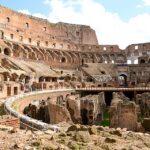
Also: wear shoes you can trust. The tour information specifically warns that the surfaces are uneven and that it is not suitable for wheelchair users. Even if you’re generally mobile, you’ll be navigating steps and uneven ground while listening to the guide. Bring water, take pauses when you can, and don’t count on “museum sandals” doing you favors.
Finally, bring your ID/passport. A copy is accepted. That’s the kind of detail that keeps your day smooth when security checks are involved.
Price and Value: Is This Colosseum Underground Tour Worth $163?
At $163.11 per person, this isn’t a budget outing. But you’re paying for two things that matter in Rome: access and interpretation.
Access is the big one. Getting into the Colosseum’s underground areas is not easy to replicate on your own. The Colosseum ticket market is confusing, and the underground portion often sells differently than standard visits. Here, you’re buying a guided route that includes the Colosseum Underground and Arena Floor, plus Palatine Hill and the Forum, all in one package.
Interpretation is the second piece. The hypogeum changes your understanding of the Colosseum. The Forum and Palatine Hill make more sense when you’re guided through them in sequence, rather than trying to DIY your way through scattered ruins and monumental fragments. Based on how guides like Amanda and Sabrina described the stories, you’re not just seeing places. You’re getting an explanation that helps you connect events and architecture.
Is it expensive? Yes. Is it a “do it once” experience that saves you time and confusion? For most visitors, it is. If your schedule is tight and you want the Colosseum to mean something beyond an exterior photo, this is a strong value choice.
The Guides: Why Renata and Amanda Keep Coming Up
A pattern shows up in the guide praise. People love guides who bring energy without turning the visit into a comedy show, and who can handle crowds while still keeping your attention on the details.
Renata is repeatedly called out for clarity and for linking one piece of history to another. Amanda gets high marks for humor and for adjusting how she presents things so you can see well, including taking people’s height into account. Lorenzo and Sabrina are praised for added details that other guides didn’t seem to cover, and for passion that makes the Roman world feel present rather than distant.
That doesn’t mean every guide will feel the same on every day. But it does suggest you’re getting serious effort on narration and crowd management—two things that matter a lot in Rome’s busiest sites.
Should You Book This Underground + Forum + Palatine Tour?
Book it if you want the Colosseum to be more than a big landmark. This route gives you the hypogeum, plus the Roman Forum and Palatine Hill, in one guided flow. If you care about architecture and the human story behind ancient Rome’s public spectacle, the underground-to-arena sequence is exactly the right order.
Skip it or rethink it if you’re dealing with mobility limitations. The tour explicitly notes it isn’t suitable for wheelchair users due to uneven surfaces, and that’s the kind of condition that can turn “once-in-a-lifetime access” into an exhausting day.
Also consider your tolerance for crowds and standing. Even with skip-the-line entry, this is a popular circuit. Good footwear and water help a lot.
If you’re aiming for maximum meaning per hour, this one makes sense.
FAQ
Where is the meeting point for the tour?
You meet your guide right next to the Arch of Constantine, and they will be holding a red Trajan Tours sign.
How long does the tour take?
The tour is listed as about 3 hours (you’ll see exact starting times based on availability).
What parts of the Colosseum are included?
The ticket includes the Colosseum Underground and Arena Floor, plus access on to Palatine Hill and the Roman Forum.
Does this tour skip the ticket line?
Yes, skip the ticket line is included.
Is the tour offered in English?
Yes, the tour guide speaks English.
What will I see at the underground portion?
You’ll explore the Colosseum’s hypogeum (staging area beneath the arena) and learn about the mechanisms used to lift animals and performers up to the arena.
What should I bring?
Bring water and your passport or ID card (a copy is accepted).
What items are not allowed?
The tour information says no weapons or sharp objects, no luggage or large bags, no pets (assistance dogs allowed), and no sprays or aerosols. Glass objects are also not allowed.