REVIEW · ROME
Rome: Immersive Underground and Piazzas Tour
Book on GetYourGuide →Operated by Doooing · Bookable on GetYourGuide
Rome has a second city underfoot. This underground Rome and piazzas walk turns iconic streets into a story you can actually see, from Piazza Navona down to Roman ruins and back up to Trevi’s fountain views. It’s the kind of tour where you start looking at paving stones like they have names.
I like two things a lot. First, the guides tend to be archaeology-trained, so you get real answers instead of vague pointing. I’ve seen that energy in the way guides like Amanda and Francesca explain details and keep your questions coming. Second, the underground stops are cooler and calmer than the street-level crush, so the history feels closer and more personal than you’d expect.
One consideration: expect a mix of above-ground walking and indoor/church time. The Pantheon can also be limited on days with religious functions, and the dress rules are strict—shoulders and knees covered, no shorts or sleeveless tops.
In This Review
- Key highlights I’d plan around
- Starting where Rome looks postcard-perfect: Piazza Navona
- Going underground under Piazza Navona and the Stadium of Domitian
- The Pantheon stop: legend, structure, and church etiquette
- Trevi Fountain with coin tradition, then straight to the water ruins
- Vicus Caprarius: City of Water, domus remains, and the Aqua Virgo system
- Walking pace, comfort, and why shoes matter more than you think
- What the guide role really changes (and why the names keep popping up)
- The possible downsides you should plan for
- Jubilee restorations and on-the-day route changes
- Should you book the Rome Underground and Piazzas tour?
- FAQ
- How long is the Rome Underground and Piazzas Tour?
- Where does the tour start?
- Which major sights are included?
- Is the Pantheon included, and do I need to dress a certain way?
- What clothing is not allowed?
- What languages are available for the live guide?
- Is this tour suitable for wheelchair users?
- Is the tour mostly underground?
- Are there any accessibility or access changes due to the Jubilee?
Key highlights I’d plan around
- Piazza Navona fountains: three fountains tied to the papacy of Gregory XIII, including Bernini’s Fontana dei Quattro Fiumi (1651).
- Stadium of Domitian under the streets: athletic contests here, plus a brief gladiator period after Colosseum damage in 217 A.D.
- Pantheon legend in context: the Romulus-and-eagle story is part of the guide’s explanation inside an active church.
- Trevi with a purpose: coin-throwing tradition paired with an underground story right afterward.
- Vicus Caprarius, City of Water: domus remains and the Aqua Virgo water system ruins, including a castellum aquae.
Starting where Rome looks postcard-perfect: Piazza Navona
Most tours begin in the Piazza Navona area, one of Rome’s most photogenic squares. If you’re lucky with timing, you’ll be there before the full crowd wave, when the fountains and façades feel more human and less like a moving line.
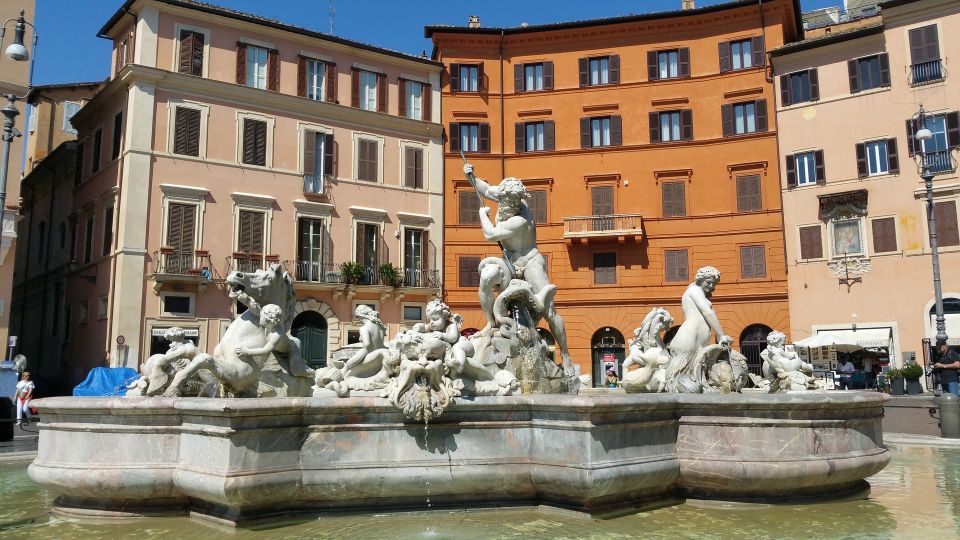
Piazza Navona’s big selling point is right in front of you: three fountains created during the papacy of Gregory XIII. One of them is the Fontana dei Quattro Fiumi, designed by Bernini in 1651. Even if you’ve passed through Rome’s “must sees” a hundred times, this is a square where your eyes get anchored fast, because the art is doing storytelling, not just decorating.
Your guide will use this above-ground stop to set the timeline, then you’ll switch gears and head down beneath the square. That contrast matters. You stop treating the city like a museum you walk through, and start treating it like a living layer cake.
You can also read our reviews of more tours and experiences in Rome.


Going underground under Piazza Navona and the Stadium of Domitian
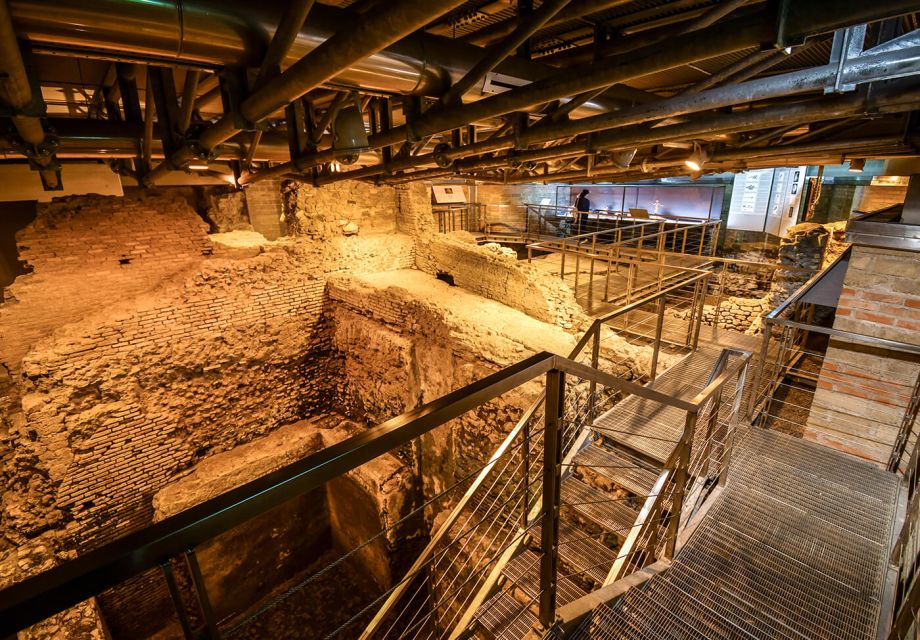
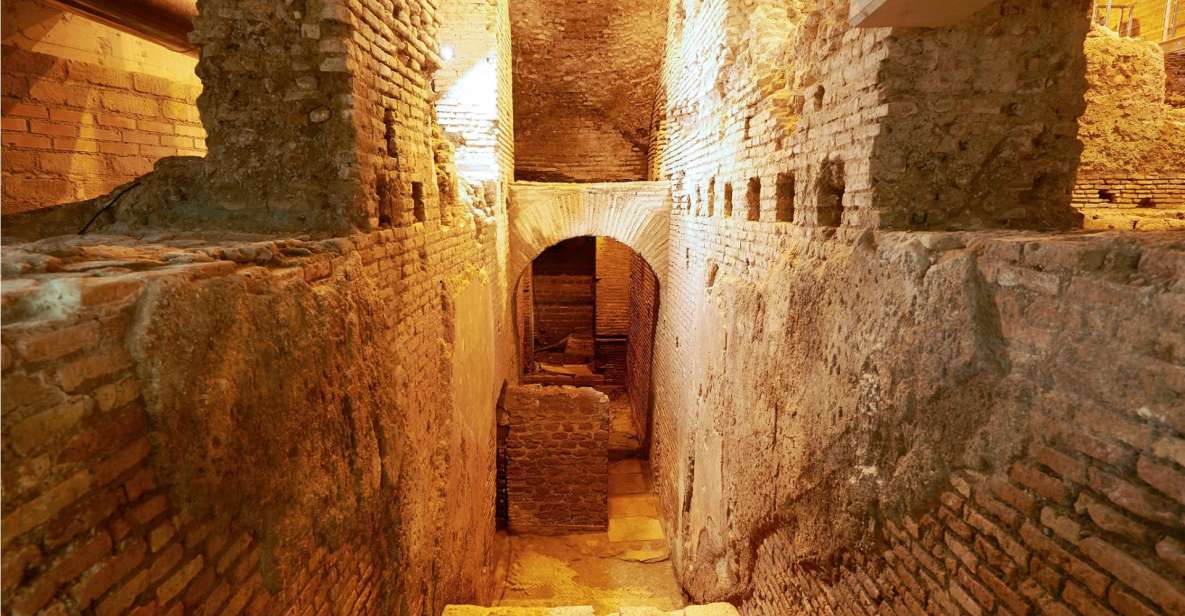
Then comes the part that changes how you see Rome: you enter the subterranean area built over the Stadium of Domitian. This isn’t a generic “dark room with old stones” situation. The stadium was used mostly for athletic contests, and—here’s the twist—after fire damage to the Colosseum in 217 A.D., it was used briefly for gladiator shows.
What I like about this stop is the way your guide can connect daily life above ground to big public spectacles below it. When you understand what that space hosted, it’s easier to imagine Romans moving, cheering, and arguing over sport—thousands of years ago—right where you’re standing now.
Also, the underground temperature shift helps. In Rome’s summer heat, stepping below street level is one of the few “take a breath” moments you’ll get without leaving the main route.
The Pantheon stop: legend, structure, and church etiquette
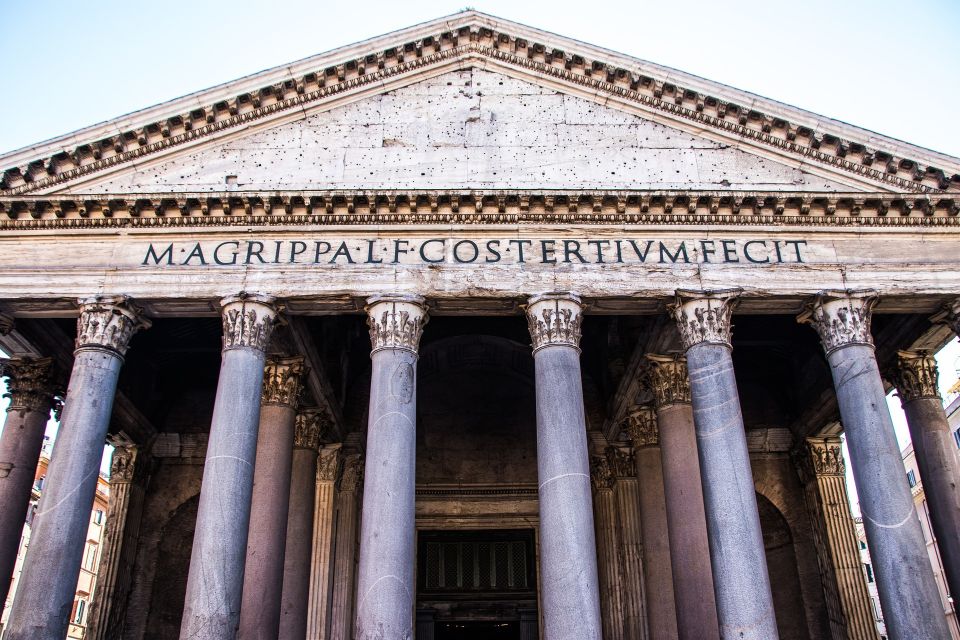
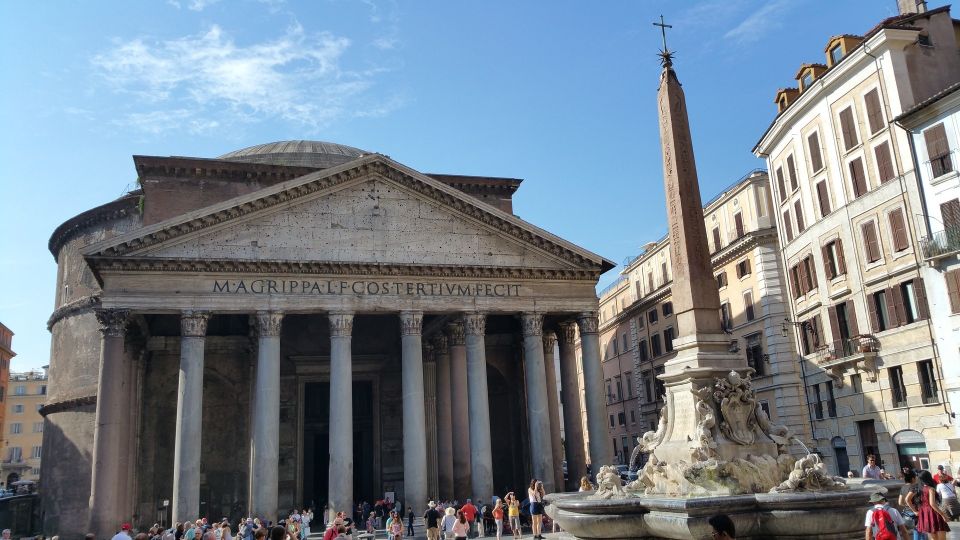
After the stadium ruins, you head back up to the streets and continue toward the Pantheon. Plan for this to be the emotional centerpiece of the tour for most people—partly because it’s beautiful, partly because your guide will slow you down and explain what you’re looking at.
One detail that guides often highlight is Roman legend tied to the founder of Rome, Romulus. The story goes that at his death, Romulus was seized by an eagle and taken into the skies with the gods. That legend isn’t just trivia. It helps you understand why Romans invested so much meaning into monuments like this, even when the physical building functioned as civic and religious space.
Because the Pantheon is an active church, the practical rules are very real. You’ll want shoulders and knees covered. Sleeveless tops, shorts, and short skirts are not the move here. If you show up dressed for summer streets, you’ll likely lose time at the site.
There’s also a heads-up built into the tour info: on some days, religious functions may limit access. And with the Jubilee, some monument access routes can change due to restoration work. I treat that as normal Rome reality—check messages before you go, then be ready with a backup route in your head.
Trevi Fountain with coin tradition, then straight to the water ruins
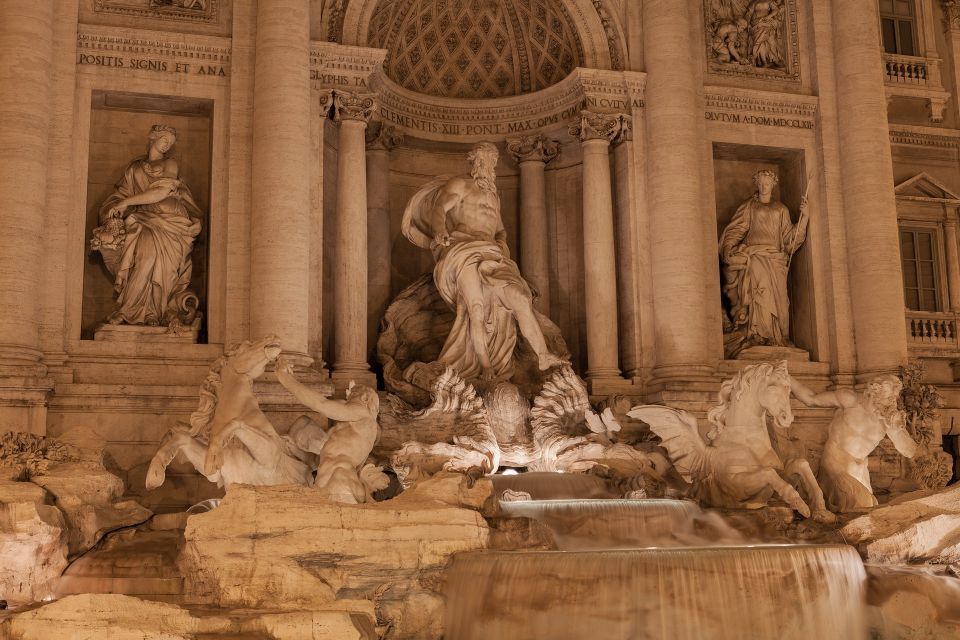
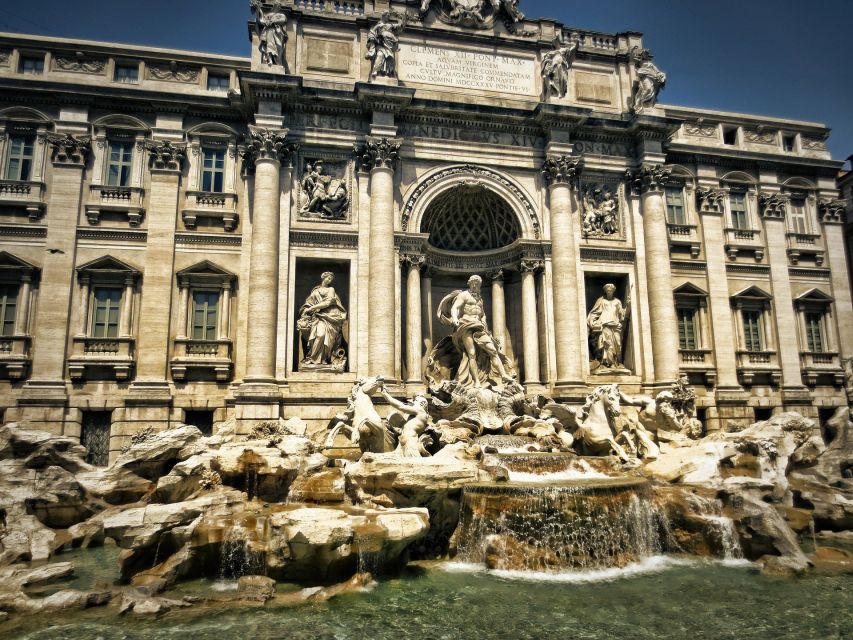
Next up is Trevi Fountain. Yes, you’ll do the classic coin ritual. The tradition is to throw a coin in the water, and your guide will point you to the right spots for photos without turning the stop into a chaotic bottleneck.
But the real value is what comes after. This tour doesn’t treat Trevi like an ending. Instead, it uses Trevi as a gateway to the underground world of water systems.
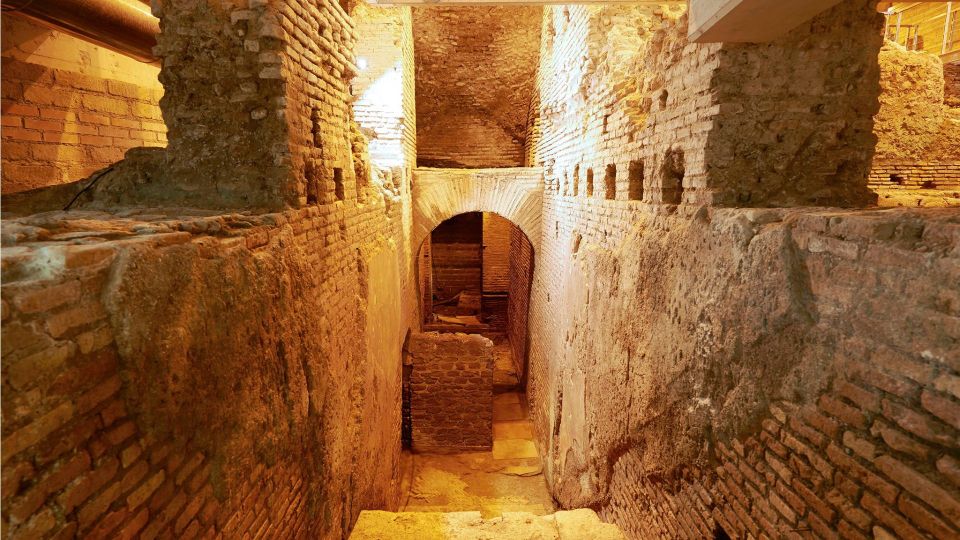
You’ll then head into the underground archaeological area called Vicus Caprarius, also known as the City of Water. The name matters: this is where Rome’s engineering and daily life overlap. You’re not only learning about fancy monuments—you’re learning how water moved through the city.
Vicus Caprarius: City of Water, domus remains, and the Aqua Virgo system

Vicus Caprarius is a maze of remains you can feel your brain trying to map. That’s a good thing. Your guide will guide your attention through the space so you see a coherent story rather than random fragments.
What’s particularly interesting here is the mix of domestic and infrastructure evidence. You can see remains of an imperial-era domus—so this connects to elite living—alongside water infrastructure tied to the Aqua Virgo aqueduct.
One key feature mentioned for this area is the castellum aquae, a water distribution structure. It’s the kind of detail that makes the whole tour click. Once you picture a water system feeding fountains like Trevi, those statues and basins stop being just pretty. They become the visible tip of a buried logistical machine.
Some guides (and you’ll hear this reflected in the reviews) are especially good at explaining why the underground pieces were built where they were, and how the Romans shaped the city around water availability. If you’ve been to Rome before and felt like everything was just ruins and selfies, this is where you get a more functional view of how the place worked.




Walking pace, comfort, and why shoes matter more than you think
This is a three-hour tour, and it feels like it. You’ll move between piazzas, churches, and underground stops. Even if you enjoy walking, Rome walking adds up fast, especially with uneven stone surfaces.
So bring comfortable shoes. Don’t count on your sandals saving you. You’ll be switching between open-air crowds and indoor space where you may stand and look for a while.
Also, it’s not a full-time underground crawl. One review flagged that much of the tour can be above ground, so plan for that walking factor. If you’re expecting “mostly underground,” set your expectations to a mix of street-level and underground.
What the guide role really changes (and why the names keep popping up)
A major reason this tour earns such strong marks is the guide style. Many guides on this experience are described as having archaeological training, and that shows in how they handle questions.
I’ve read about guides like Amanda and Alex bringing both passion and academic discipline to the group. Francesca stands out in the way she turns the underground and Pantheon explanation into something you can follow even if you’re not a Roman-history person. Sabrina, Caterina, Maria, and Gloria also come up as guides who keep a lively pace and make space for questions, not just scripted facts.
Practical note: Rome crowds can be loud. One review mentioned that clearer meeting signage would have helped and that a microphone/headset setup improved the experience. Your takeaway: if you’re toward the back, keep an eye on your guide and be ready to ask for clarification.
The possible downsides you should plan for
Even a great tour has friction points, and this one has a few.
First, there’s the dress code for the Pantheon. If your outfits are shorts-and-shoulders, you’ll either be turned back or forced to improvise. Bring a light layer you can actually walk in.
Second, meeting points can be confusing in Rome. One review described some start-of-tour confusion and said the guide company called to fix it and waited. That’s reassuring, but it also means you should arrive a bit early and double-check any message updates.
Third, wheelchair accessibility is not a fit. The tour is not suitable for wheelchair users, so if that affects you, look for an alternative plan that matches your mobility needs.
Jubilee restorations and on-the-day route changes
Rome loves a schedule you can’t fully predict. The tour info explicitly warns that during the Jubilee, some monuments may be under restoration and access routes can change. That’s not a reason to skip it. It’s a reason to treat your phone like part of your luggage.
Check your messages before you go. If the walking route shifts, don’t take it personally. You’re still in the same idea of the tour: piazzas above and Roman layers below.
Should you book the Rome Underground and Piazzas tour?
If you love Rome but want something more than the usual photo stops, I think this tour is a strong choice. The value isn’t just that you visit famous places like the Pantheon and Trevi Fountain. It’s that your guide helps you connect those landmarks to what was happening under your feet: the Stadium of Domitian and the water-focused Vicus Caprarius ruins.
Book it if:
- you want guided explanations tied to specific underground sites
- you like archaeologist-style storytelling, not just general sightseeing
- you’ll enjoy a three-hour mix of walking and indoor/church time
Skip it (or consider another format) if:
- you can’t meet the Pantheon dress requirements of shoulders and knees
- you need wheelchair-friendly access
- you’re not up for some street-level walking between the major stops
If you go, wear good shoes, cover up for the Pantheon, and bring your questions. This is the kind of tour where the right question at the right moment makes the whole city click into place.
FAQ
How long is the Rome Underground and Piazzas Tour?
The tour lasts 3 hours.
Where does the tour start?
The meeting point can vary depending on the option booked. Two starting options mentioned are the Fiumi Fountain and the National Academy of San Luca area.
Which major sights are included?
The tour focuses on Piazza Navona, the Stadium of Domitian underground area, the Pantheon, Vicus Caprarius (City of Water), and Trevi Fountain.
Is the Pantheon included, and do I need to dress a certain way?
Yes, the Pantheon is part of the tour. You need to cover your shoulders and knees to enter the site.
What clothing is not allowed?
Shorts, short skirts, and sleeveless shirts are not allowed.
What languages are available for the live guide?
Live guides are available in Italian, English, and Spanish.
Is this tour suitable for wheelchair users?
No, it is not suitable for wheelchair users.
Is the tour mostly underground?
No. You will visit underground areas, but the tour also includes above-ground walking between stops.
Are there any accessibility or access changes due to the Jubilee?
The tour notes that due to the Jubilee, some monuments may be under restoration and access routes may change, so it’s important to check your messages.