REVIEW · ROME
Rome: Pasta & Tiramisu Cooking Class near the Spanish Steps
Book on GetYourGuide →Operated by Cheforaday · Bookable on GetYourGuide
Fresh pasta in Rome starts at your hands. This Spanish Steps-area class turns simple egg and flour into fresh pasta and scratch-made tiramisu, all guided by a real instructor. You’ll do it inside a historic, air-conditioned setting with original 19th-century wall paintings, so even the waiting-between-steps feels like part of the show.
One thing to keep in mind: the sauces are prepared by the restaurant kitchen, and the pasta is cooked collectively before being divided by sauce. If you want every single step to be 100% hands-on, adjust your expectations going in.
In This Review
- Key highlights you’ll actually care about
- Why this class fits perfectly into a Rome evening
- Checking in at Trattoria Amici (and how the room works)
- Making pasta: egg, flour, rolling, and turning dough into fettuccine
- Sauce choices (tomato & basil, pesto, or Alfredo) and what you’ll be doing
- Tiramisu training: group cream, then you assemble yours
- Wine, limoncello toast, and the meal that turns lessons into memories
- The instructors: fun energy with patient, practical teaching
- Price and value: what $58 gets you in Rome
- Who should book this class—and who might want to skip
- Practical tips to make the most of your two hours
- Should you book this Spanish Steps pasta and tiramisù class?
- FAQ
- Where is the meeting point?
- How long is the class?
- What will I cook and eat during the class?
- Is wine or other drinks included?
- Can you accommodate allergies or dietary restrictions?
- Is the class wheelchair accessible?
- Is there free cancellation and can I pay later?
Key highlights you’ll actually care about
- Spanish Steps-area location at Trattoria Amici: meet inside, not on a random street corner
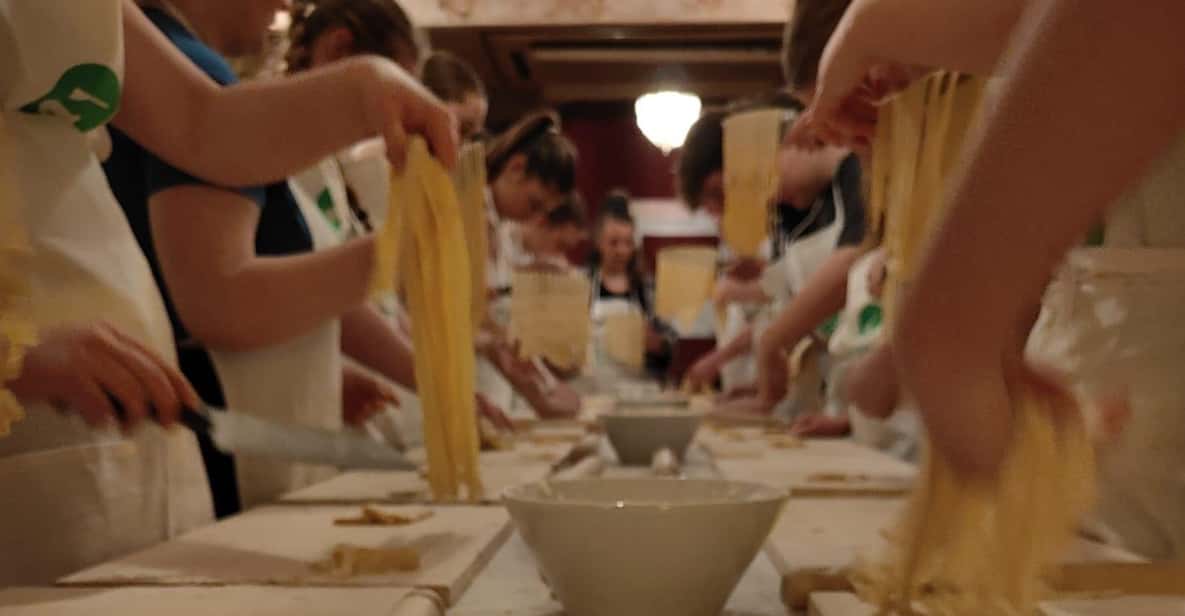
- Hand-made fettuccine from egg and flour: rolling and shaping are the main event
- Tiramisu at your station: the cream is made as a group, then you assemble yours
- Wine plus limoncello toast: you don’t just cook, you also sit down and taste
- Historic interior details: original 19th-century wall paintings in a 17th-century building
- Team-taught in English and Spanish: you’ll get guidance in the language you booked with
Why this class fits perfectly into a Rome evening
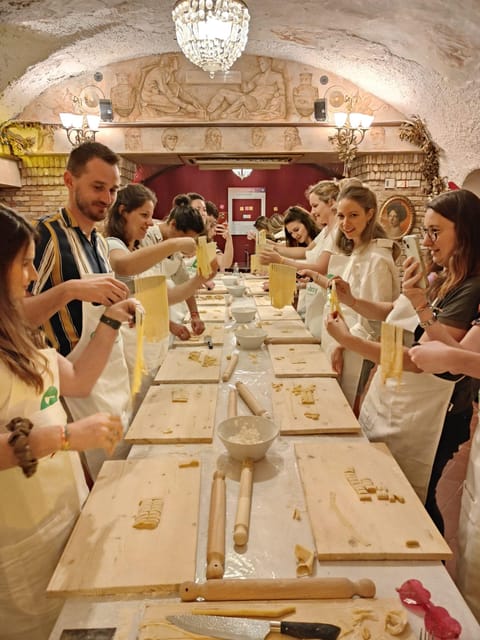
Rome is full of meals. This one gives you the chef role, at least for two hours, and you still end up eating like a local. I like this format because it focuses on a few core skills—pasta dough, shaping, tiramisù assembly—rather than trying to teach everything under the Italian sun.
You’ll also get a real sense of rhythm: mix, roll, cut, rest, assemble, then eat. That matters in a city where it’s easy to spend your day “watching Rome” instead of doing something that stays with you.
And the location is handy. Being near the Spanish Steps means you can pair the class with an evening stroll through the neighborhood, without blowing your schedule.
You can also read our reviews of more tours and experiences in Rome.


Checking in at Trattoria Amici (and how the room works)
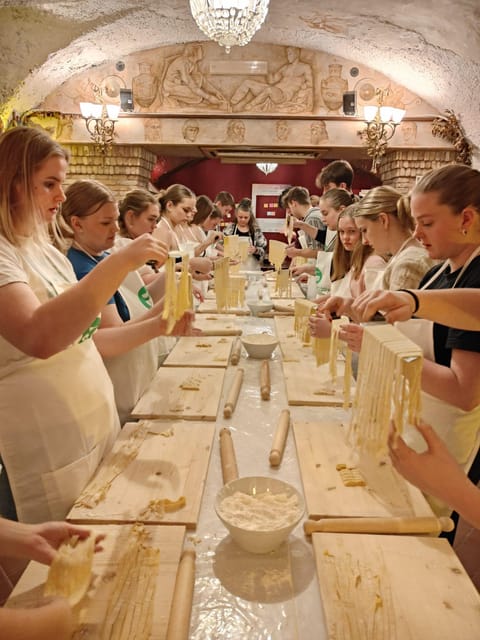
Your meeting point is straightforward: go inside Trattoria Amici and ask for the cooking class room. This is the kind of detail that saves time when you’re tired and Rome is doing what Rome does.
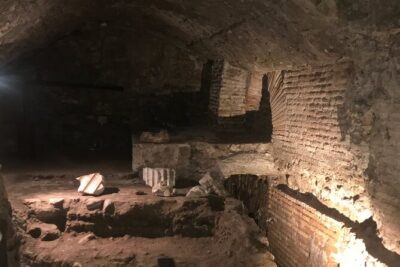
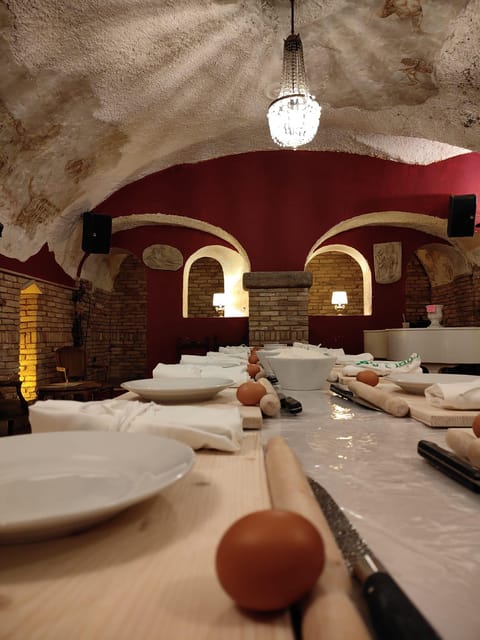
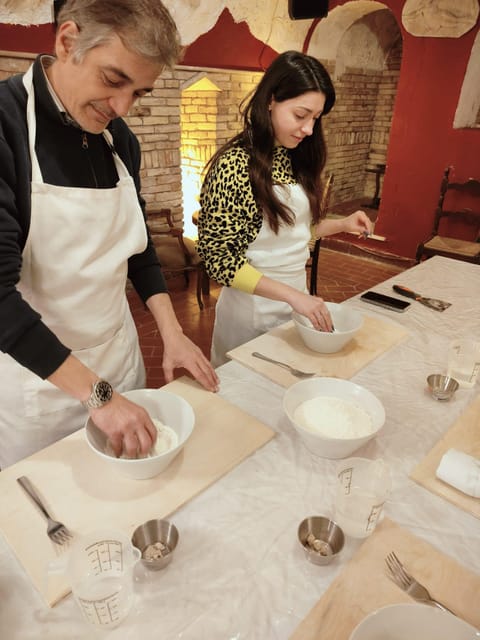
The class happens in an air-conditioned restaurant, and the space has original 19th-century wall paintings inside a 17th-century building. That sounds decorative, but it changes the feel of the experience. In a regular classroom, you rush through instructions. Here, you slow down a bit, because the room looks like it belongs to the story.
There’s also a skip-the-line setup with a separate entrance. That’s not glamorous, but it’s practical. You lose less time to bottlenecks, so you spend more time actually cooking and eating.
Making pasta: egg, flour, rolling, and turning dough into fettuccine
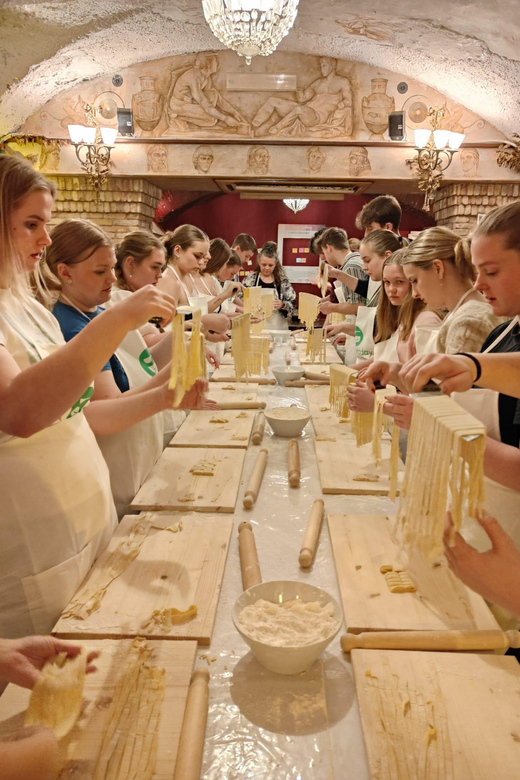
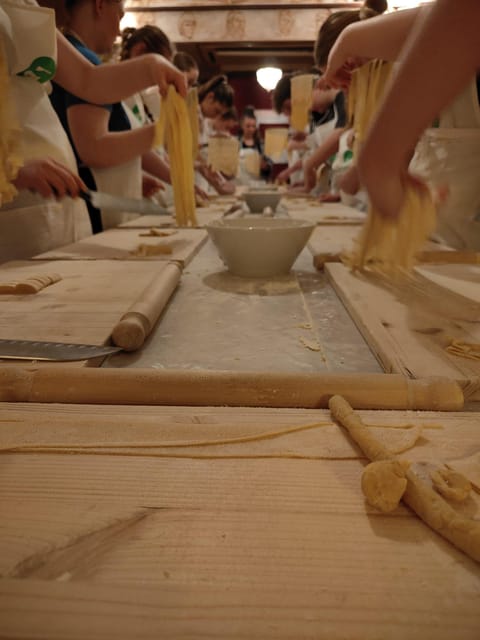
The hands-on part is what you came for, and it’s built around turning a simple mix into something real. You’ll learn how to make pasta dough using egg and flour, and you’ll work with your hands to get the texture right.
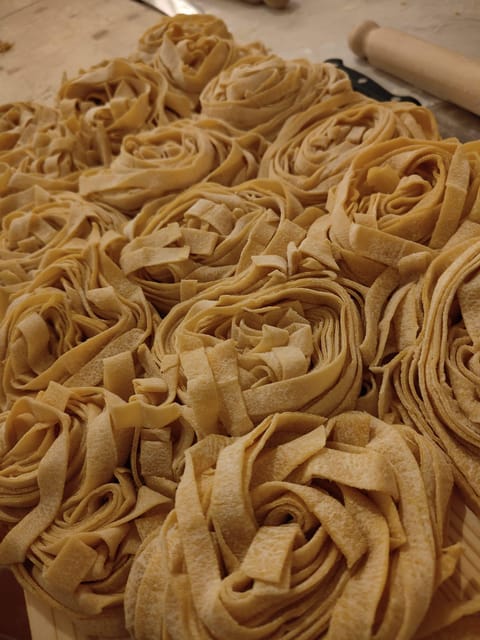
From there, the class focuses on the classic technique: rolling the dough and shaping it into fettuccine. Even if you’ve never made pasta before, this format teaches you the key physical cues—how the dough should feel and how to handle it as it transforms from sticky to silky.
What I like here is the emphasis on technique, not intimidation. The instructions are designed so beginners can follow along at an actual workstation pace. The result isn’t just a plate of pasta. It’s the understanding of how dough behaves.
One more practical note: the pasta is cooked collectively and divided by sauce. That’s efficient. It also means you’re mainly responsible for the dough work—shaping and making it your own—while the kitchen handles cooking logistics.
Sauce choices (tomato & basil, pesto, or Alfredo) and what you’ll be doing
You get to choose your sauce for the pasta course: tomato & basil, pesto, or Alfredo. That’s a nice way to let the meal match your taste, especially if you’re traveling with people who don’t all agree on what counts as the perfect Roman pasta night.
Just remember how the flow works. The sauces are prepared by the restaurant kitchen, not by you. Then the cooked pasta is divided by those choices. So this class rewards people who want to learn pasta-making and dessert technique, not people who want a fully separate sauce workshop.
The upside is consistency. Everyone gets a sauce that’s already right. The downside is that you don’t get the satisfaction of stirring your own pot. I’d call it a fair trade given the class length.
Tiramisu training: group cream, then you assemble yours
Tiramisu is where a lot of classes get messy, either too advanced or too rushed. Here, you’re guided through a clear process.
The tiramisù cream is prepared as a group, and then each participant makes their own tiramisù. That structure is smart. It keeps the cream at the right stage—no one wandering off with a half-finished bowl—and it still gives you the hands-on “I made this” moment for your own dessert.
For texture fans, this part is usually the highlight. You’re creating something delicate: layering flavors, getting proportions to feel right, and assembling the dessert so it looks like it belongs in an Italian kitchen, not a science project.
Dessert also matters because it’s how you judge the experience after the cooking. Tiramisu isn’t forgiving. When it’s right, it tastes like a proper finale.




Wine, limoncello toast, and the meal that turns lessons into memories
The class doesn’t stop at food prep. You’ll eat your homemade pasta and your freshly made tiramisu as part of the experience.
Along the way, you get a glass of wine—red or white—or a soft drink. That’s a normal pairing in Italy, and it also helps make the meal feel like a real dining moment, not just a tasting session.
Then you finish with a refreshing limoncello toast. It’s bright, light, and it gives you that clean ending that works especially well after rich pasta and creamy dessert.
Another small but meaningful touch is the certificate of participation. It’s not a museum artifact, but it’s a fun keepsake—especially for groups and first-timers who like collecting evidence that they did something besides sightseeing.
Finally, you’ll receive recipes so you can recreate the dishes at home. Even if you don’t make it every week, having the steps written down keeps the memory from fading into generic “it was good” fog.
The instructors: fun energy with patient, practical teaching
The quality of a cooking class comes down to the instructor, and this one is built around teaching style. People often remember the names of the guides: Lucas, Andrea, Frederico, Irene, Ricardo, and Gabi show up again and again in the way the class feels—friendly, lighthearted, and willing to help when your dough does something weird.
What I think is especially valuable is how the teaching is both fun and structured. When you’re learning pasta dough and tiramisù assembly, you need two things at the same time: clear steps and emotional support. A good instructor handles both, so you don’t feel embarrassed when your first roll is thicker than it should be.
The format is interactive. Instructors go around, check progress, and keep the group moving. Several people also note that the pace can feel a bit fast at times, which is true of classes built around tight timing and a shared cooking schedule. If you’re the type who learns slowly, go with the mindset that this is skill-building, not perfection training.
Price and value: what $58 gets you in Rome
At $58 per person for a 2-hour class, the value is mostly about what’s included and how “hands-on” it actually is.
You’re paying for:
- equipment and ingredients
- expert instruction in English or Spanish
- your fettuccine experience (dough work, rolling, shaping)
- your tiramisù making (with group cream support, then your assembly)
- wine (or a soft drink) plus water during the class
- a limoncello toast and a participation certificate
- recipes to take home
If you compare this to dinner-only meals near major landmarks, you’re not just buying food. You’re buying instruction, a structured activity, and the satisfaction of eating something you made yourself. That alone often turns the price from “expensive” to “actually fair,” especially for first-timers.
The only real value trade-off is that sauces are kitchen-prepared. But since pasta-making and tiramisù are the big skill blocks here, the class doesn’t pretend you’ll do everything from scratch. You get the core experience without running a full restaurant shift.
Who should book this class—and who might want to skip
This is a great fit for:
- beginners who want a guided win
- couples and small groups who want an activity with built-in conversation
- families with older kids who enjoy cooking tasks
- anyone who wants a Rome evening that’s more than walking and photo stops
It’s also a strong choice if you like social experiences. You’ll share the meal with your group after making everything, and the setting encourages interaction.
But it’s not for everyone. It isn’t suitable for wheelchair users, and it’s not suitable for vegans. If accessibility or vegan needs are non-negotiable, you’ll need a different format.
Children under 7 can join for free, but they must share a workstation with an accompanying adult. If you’re traveling with little kids, plan around that shared setup so it feels safe and fun, not cramped.
Practical tips to make the most of your two hours
Plan your evening like a cooking class, not a museum visit.
- Arrive at least 15 minutes early so you don’t get turned away if you’re late.
- Wear clothes you’re comfortable getting a little flour on. You’re making dough. Accidents happen.
- Expect a guided workflow. Pasta dough and tiramisù assembly both have timing, so don’t aim to move slower than the group.
- If you have allergies or dietary restrictions, inform the team in advance. They’ll do their best, but you can’t assume the environment is completely allergen-free or that cross-contamination won’t happen.
Also, because the pasta cooks collectively and sauces are kitchen-prepped, your focus should be on dough feel, rolling consistency, and careful assembly for tiramisù. That’s where you’ll feel confident leaving.
Should you book this Spanish Steps pasta and tiramisù class?
I’d book it if you want a Rome activity that gives you something more lasting than a photo. The hands-on pasta dough work plus individualized tiramisù assembly is a solid combo, and the meal upgrade—wine, limoncello toast, and eating what you made—makes it feel like a complete evening.
I’d skip or rethink it if you’re vegan, need wheelchair access, or you’re expecting every step (like sauce prep) to be fully hands-on. In this experience, you’re mastering the dough and dessert craft. The kitchen supports the rest so you can finish with confidence and eat soon.
If you’re in the Spanish Steps area anyway, this is one of those bookings that can turn an average “sightseeing day” into a memory you can recreate at home. And that recipe link at the end? That’s often the difference between a fun night and a skill you keep using.
FAQ
Where is the meeting point?
You should go inside Trattoria Amici and ask for the cooking class room.
How long is the class?
The experience lasts 2 hours.
What will I cook and eat during the class?
You’ll make fresh fettuccine pasta from scratch and choose a sauce (tomato & basil, pesto, or Alfredo). You’ll also make tiramisu for dessert, then eat the pasta and dessert as part of the meal.
Is wine or other drinks included?
Yes. You’ll get a glass of wine (red or white) or a soft drink to complement your meal, and water is available during the class. You’ll also have a limoncello toast.
Can you accommodate allergies or dietary restrictions?
You should inform the team in advance of any dietary restrictions or allergies. They’ll do their best, but they cannot guarantee a completely allergen-free environment and cannot ensure cross-contamination will not occur. Also, the experience is not suitable for vegans.
Is the class wheelchair accessible?
No. It is not suitable for wheelchair users.
Is there free cancellation and can I pay later?
Yes. You can cancel up to 24 hours in advance for a full refund. You can also reserve now and pay later, meaning you can book your spot and pay nothing today.