REVIEW · ROME
Rome: Private Highlights Tour by Golf Cart
Book on GetYourGuide →Operated by Turtle Tour Rome · Bookable on GetYourGuide
Rome feels like a maze on foot. This private golf cart tour threads it for you, with a local guide keeping the stories and stops moving.
I love how the cart makes Rome’s big sights doable in just a few hours, without turning your day into a footrace. I also love the human touch from guides like Duccio and Paolina, who seem to know how to keep short stops feeling worth it.
One drawback to plan for: entry tickets are not included, so you’ll still need tickets if you want to go inside places like the Colosseum or Vatican.
In This Review
- Key things I’d plan around
- Why a golf cart works so well for Rome’s highlights
- Your central pickup and the first few minutes matter
- Pantheon and Piazza Navona: the tour finds its rhythm
- Spanish Steps and Trevi Fountain, without making your legs hate you
- Colosseum area, Forum views, Vittoriano, and Circus Maximus
- Aventine Hill photo stop and the Mouth of Truth moment
- Jewish Ghetto streets, Theatre of Marcellus, and toward Castel Sant’Angelo
- Vatican City time: what you’ll get in the allotted window
- Guides who make the short stops feel long enough
- Is $164.26 per person worth it for a private cart tour?
- Tips to make your cart day smoother
- Should you book this Rome highlights golf cart tour?
- FAQ
- How long is the Rome private highlights tour by golf cart?
- Is this tour private?
- What sights will I see?
- Are entry tickets included?
- Is pickup included, and where does it operate?
- What’s included besides the guide?
- What languages are available for the live guide?
- Is the tour wheelchair accessible?
- Can the route be customized?
- Is free cancellation available?
Key things I’d plan around
- Central pickup and drop-off keeps you from wasting time getting to a meeting point
- Private, adaptable route means your guide can adjust to what you already saw
- A highlights loop that’s time-smart: Pantheon, Navona, Spanish Steps, Trevi, Colosseum area, Vatican City
- More than the usual postcard stops with stops that often include Mouth of Truth and the Jewish Ghetto
- Rain-proof comfort with umbrellas/rain cover, bottled water, and blankets if needed
- Easy access for tight streets where regular cars can’t go and walking can feel endless
Why a golf cart works so well for Rome’s highlights
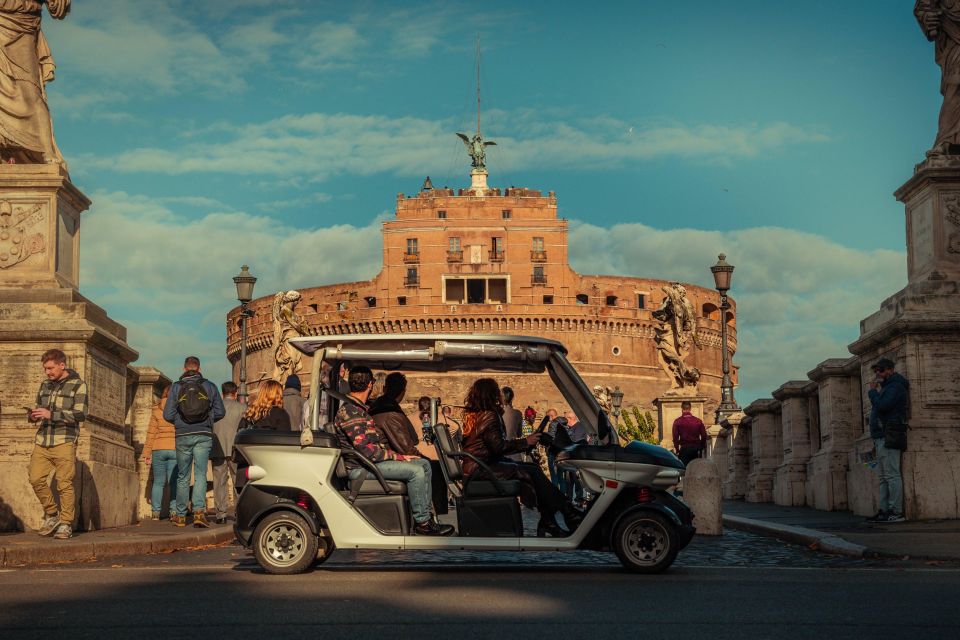
Rome’s classics are spread out, and the city’s historic center is… tight. That’s why a golf cart setup makes sense. You trade long sidewalk stretches for quick rolls between key squares and monuments, and the pace stays conversational instead of frantic.
This tour is private, so you’re not stuck waiting on strangers to find the right photo angle. You get a guide who narrates while you’re moving, then hands you the moment to look, snap pictures, and soak up the vibe before the next stop.
Also: Rome can be hot, or rainy, or both in the same week. Here, you get bottled water plus umbrellas/rain cover, and even blankets if you need them. Small comforts like that matter more than people think when you’re out for 1.5–3 hours.
You can also read our reviews of more tours and experiences in Rome.


Your central pickup and the first few minutes matter
The day starts with pickup in the historical center (ZIP codes 00184, 00186, 00187). Then you’re off fast—expect those early transfers between nearby landmarks to feel like the tour’s warm-up. In many cases, you’ll spend just a handful of minutes between major stops, which is how you fit in so much without feeling rushed.
One practical win: because it’s private, you can ask your guide what you’re most excited about right away. Some guides have a knack for tailoring the route based on what you already did, so you don’t accidentally duplicate your own plans.
You’ll also feel the cart’s advantage quickly on Rome’s narrower streets. They can be bumpy, and that’s just part of the experience, but the cart gets you close to where you need to be—often much closer than you’d manage with public transport.
Pantheon and Piazza Navona: the tour finds its rhythm
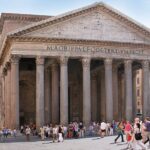
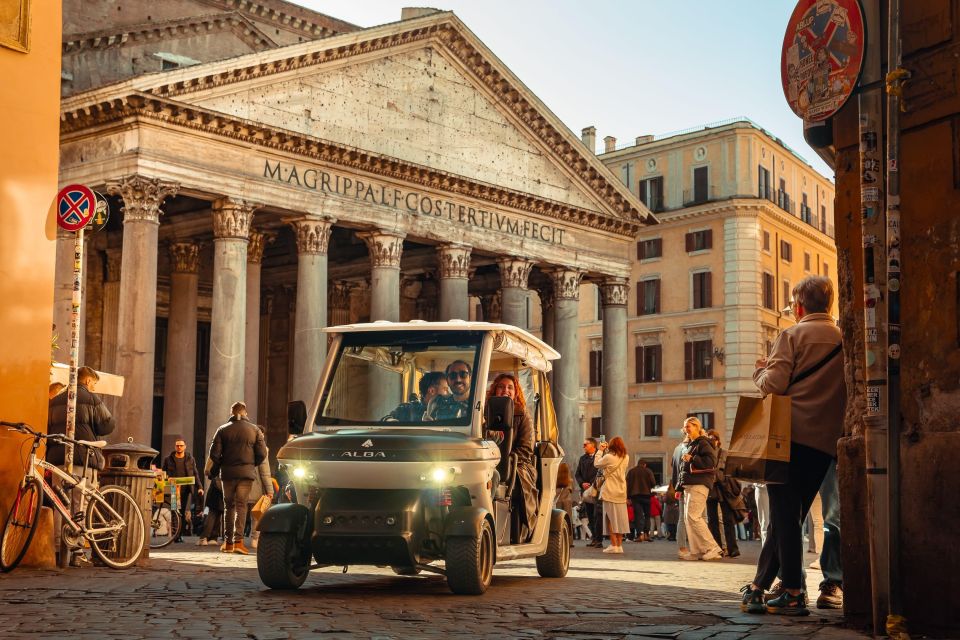
The tour often begins with a stop at the Pantheon. Even if you’re not going inside, you’re in the right place to clock what makes it special—scale, symmetry, and that unmistakable Roman confidence. You’ll get a guided orientation, plus enough time to take in details without standing in a crush of people for an hour.
From there, the tour moves toward Piazza Navona, a baroque masterpiece. This is where you start to see how your guide is thinking: they’re not just pointing out monuments, they’re showing you the story of Rome in layers—ancient foundations, later redesigns, and the way squares like this became the city’s stage.
A typical pattern looks like this: drive to the next spot, quick orientation, then time to look around. That pacing helps if you’re the type who likes to read the room before taking photos.
Spanish Steps and Trevi Fountain, without making your legs hate you
The Spanish Steps and Trevi Fountain are the big names, and yes, they’re popular for a reason. The real value here is that the cart helps you get between them efficiently, so you spend your energy on viewing instead of shuffling.
At the Spanish Steps, you’ll get a short guided stop—enough to understand what you’re seeing and why the place became an icon. Trevi is similar: you get time to admire the fountain and take pictures, with commentary as you approach so it doesn’t feel like you’re only checking a box.
One helpful mindset: treat these stops like chapters, not destinations you conquer. In a short visit, you can still appreciate the big design ideas and historical context, especially when your guide is explaining the why behind the wow.
If you’re doing this early in your trip, this part also gives you your bearings. After Trevi and the Spanish Steps, you’ll understand how Rome’s sightlines and streets connect—so your future self exploring on your own doesn’t feel like guessing.
Colosseum area, Forum views, Vittoriano, and Circus Maximus
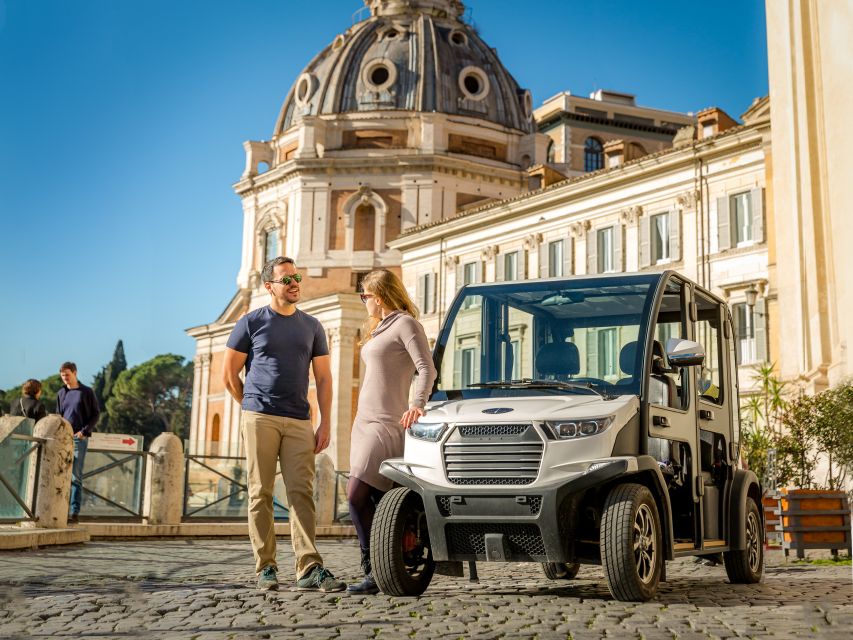
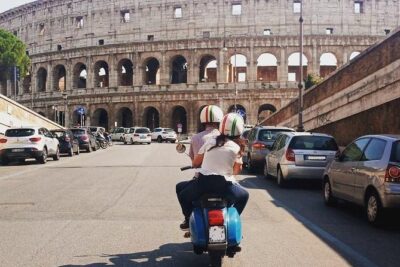
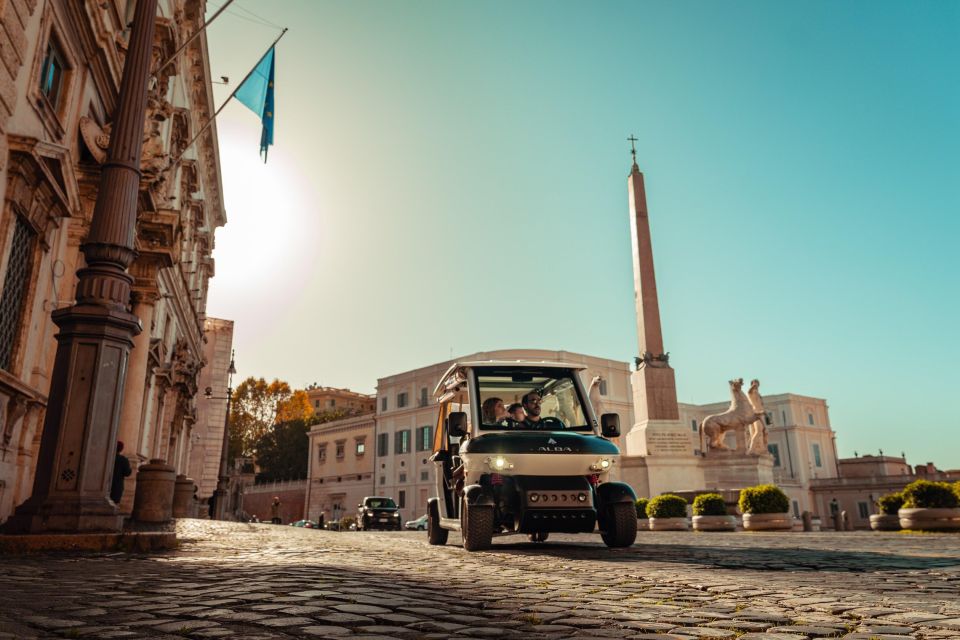
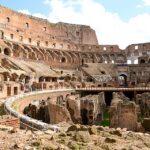
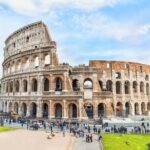
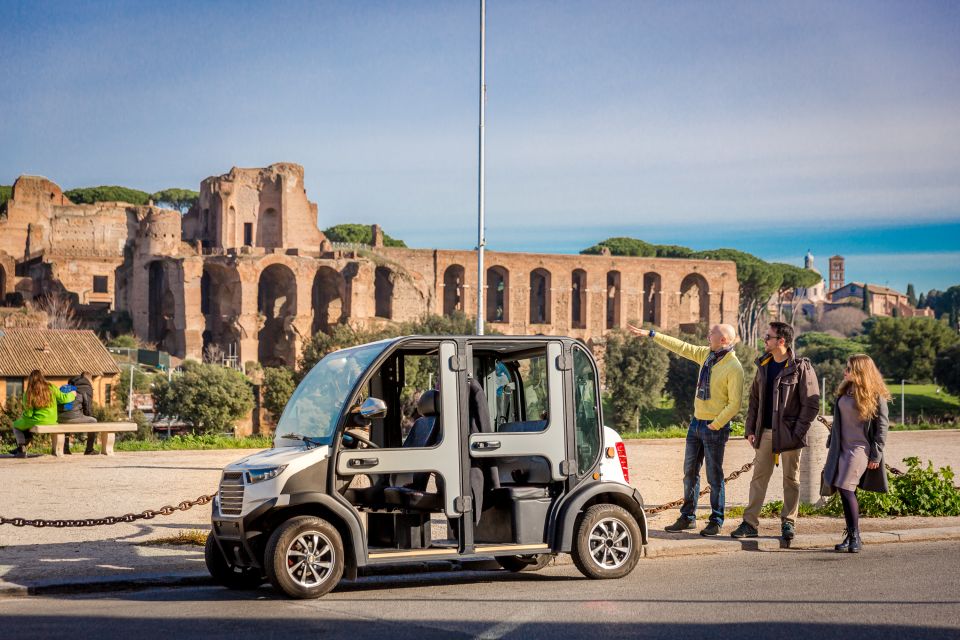
Rome’s ancient core is where most people want time, and you do still get it. The tour approaches the Colosseum area and passes by major nearby sights like the Vittoriano, then heads toward the heart of the ancient city and the viewpoint over the imperial palaces near Palatine Hill. You also get Circus Maximus time.
Here’s the key balance: the tour provides sightings and explanations, but it doesn’t replace a full, timed entry visit. Entry tickets are not included, so you might see the Colosseum’s outside and learn the context, but you’ll still need a ticket if you want to go inside.
That said, this is still a smart way to start. Seeing the Colosseum in context first helps you decide later whether you want to return for a deeper visit. The guide narrative is what makes the stones feel connected instead of random ruins.
Also, the cart’s route matters. You get those passing glimpses and photo opportunities that are hard to orchestrate on foot in a short window—especially around areas where traffic and crowds can slow you down.

Aventine Hill photo stop and the Mouth of Truth moment
Rome has a talent for mixing ancient ritual with daily street life. That shows up beautifully around Aventine Hill and the Mouth of Truth. You’ll have a photo stop and then a visit to Mouth of Truth, typically with brief time to take it in and hear what makes it famous.
This is one of the stops that turns a highlights tour into something more personal. It’s not just a landmark; it’s an experience people come for. Even in a quick visit, you can learn the story behind the legend and then enjoy the moment the way it’s meant to be enjoyed—light, a little quirky, very Roman.
Because the tour is private and mobile, you’re not stuck planning transportation between far-flung points. You arrive, you get context, and you move on—without the logistics headaches.
Jewish Ghetto streets, Theatre of Marcellus, and toward Castel Sant’Angelo
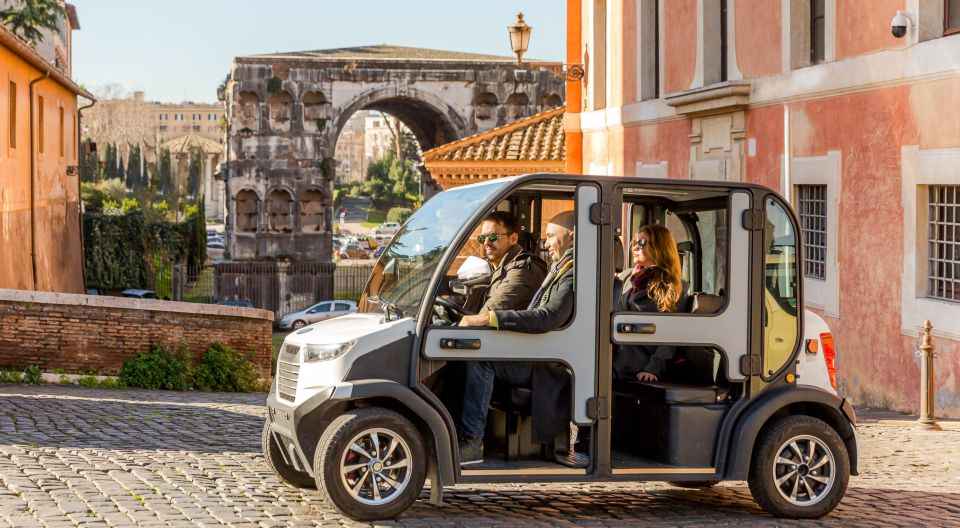
After the ancient core, the route often shifts tone. You may pass by and stop for viewpoints and photo moments like Theatre of Marcellus, plus time around the Jewish Ghetto. That shift is valuable because it reminds you Rome is not one era. It’s a stack of eras sharing the same streets.
The Jewish Ghetto visit is guided, which helps. Short guided time can still give you real direction: what to notice, what the area represents, and how the city’s history kept shaping daily life over centuries.
You’ll also encounter other nearby historic points like Forum Boarium and then head toward Castel Sant’Angelo for sightseeing time. Castel Sant’Angelo is a classic anchor on the river side, and seeing it within the flow of the route (rather than as a separate trip) keeps your day coherent.
A practical plus: these are spots where walking routes can be longer or slower due to crowds and uneven streets. The cart keeps things smooth enough that you don’t lose the plot.
Vatican City time: what you’ll get in the allotted window
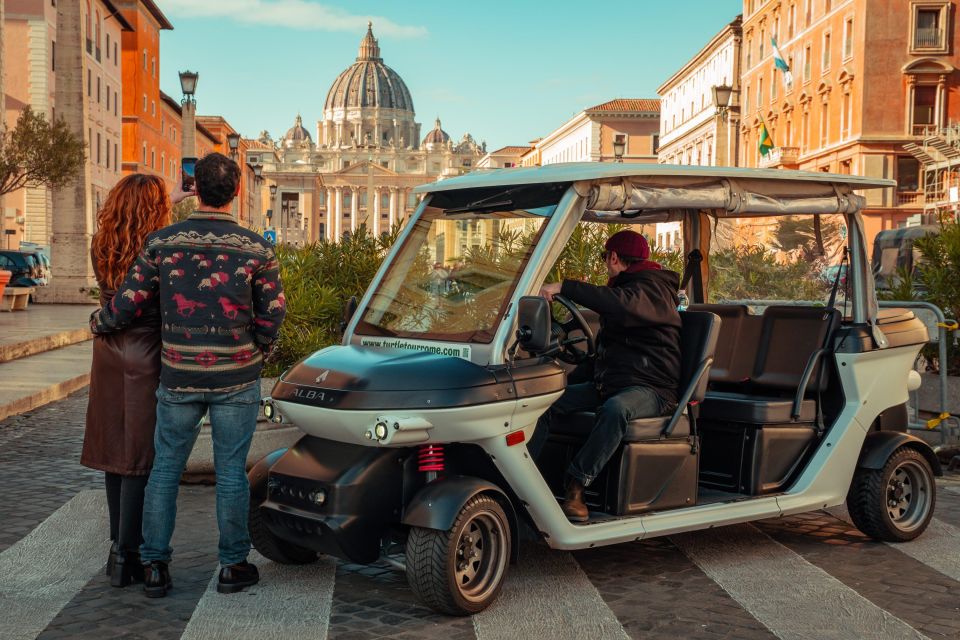
The tour reaches Vatican City and finishes with sightseeing time there. This is usually where people feel the pressure, because the Vatican is huge and famous, and time is limited.
So I’d think of this as orientation plus key viewpoints, not a replacement for a dedicated Vatican day with full museum or chapel time (again, entry tickets aren’t included). If the Vatican is a must-do for you, this tour can help you decide what’s worth a second pass.
The upside is that you’re arriving with context. If you’ve never been, the guide commentary as you move through the area can make the site feel less like random buildings and more like a designed world.
If you already know what you want to see inside, you’ll use this time better. You’ll spot where to return and you’ll have a stronger sense of the layout.
Guides who make the short stops feel long enough
What really drives the satisfaction in this kind of tour is not the cart. It’s the guide’s pacing and storytelling. The best versions come from guides who can keep the information clear, funny when needed, and tuned to your interests.
In the provided feedback, certain names stand out: Gian Marco for making a plan that avoids repeating what you’ve already done; Lisa for being energetic and native-level in art-and-history perspective; Fabio for fitting a lot in without rushing; and Claudio for keeping even a jet-lagged 7-year-old engaged. There are also mentions of Mimmo, Tiziano, Max, and Paolina being adaptable, patient, and great at steering the day when weather turns.
You should also know this: the tour is designed to be private and customizable to a certain extent. That means you’re not locked into a rigid checklist where you spend your whole day doing things you don’t care about.
One more thing I like: you’re usually getting stops for pictures and explanations rather than only driving-by. That keeps the tour from turning into just sightseeing from the seat.
Is $164.26 per person worth it for a private cart tour?
At $164.26 per person, you’re paying for three things at once: a private guide, vehicle convenience in tight streets, and multiple high-demand sight stops squeezed into a short time.
If your alternative is spending two half-days wrestling with logistics, heat, and long walking distances, this can feel like good value. It’s also a smart choice for your first day, when you’re trying to get your bearings fast and decide what you want to return for.
Where the math can wobble a bit: because entry tickets aren’t included, the total cost of your Vatican/Colosseum plans depends on what you want to enter. If you’re the type who wants deep interior visits on every stop, you’ll likely still spend extra on tickets after this tour. If you mostly want context, exterior viewing, and guidance to choose what to do next, you’re using your money well.
Another subtle value point: private means you can ask the guide to adjust. If you have mobility limits, limited time, or you’re traveling with kids, that flexibility can easily be worth the difference versus a shared tour.
Tips to make your cart day smoother
A few practical moves will help you get the most out of your time:
- Wear shoes you can handle on Rome’s uneven surfaces. The cart helps, but you still get out to look and walk short distances.
- Bring a small layer. Even in mild seasons, you can feel temperature swings with river breezes and shaded streets.
- Plan your ticket strategy early. Since entry tickets are not included, check what you want to enter and time it for a different visit if needed.
- Ask your guide what you should prioritize if you only have one repeat day. This tour is great for picking targets.
- If you need rain help, you’re covered with umbrellas/rain cover. Still, a compact rain jacket can make you feel better about the weather.
If you’re bringing a stroller or wheelchair, tell the provider beforehand. Wheelchair accessibility is listed, but you’ll want them to plan correctly.
Should you book this Rome highlights golf cart tour?
If you want a fast, structured intro to Rome’s biggest sites without turning the trip into a daily leg workout, I think this is a strong buy. The private cart approach is ideal for the first 1–3 days, for families, and for anyone who wants context with minimal hassle.
Book it if:
- You like guided storytelling and want your first pass to make sense.
- You’re short on time but still want a lot of variety.
- You prefer comfortable movement through tight historic streets.
Consider skipping (or pairing it with more focused ticketed days) if:
- You plan to spend lots of time inside major attractions like the Colosseum or Vatican during this same window.
- You’d rather explore on your own at your own pace from the start.
If you do book, I’d treat the tour as your Rome map in motion: it helps you choose what to return to, and it saves you from the early-trip confusion that can waste hours.
FAQ
How long is the Rome private highlights tour by golf cart?
The duration is listed as 1.5 to 3 hours. Starting times depend on availability.
Is this tour private?
Yes. It’s a private group experience.
What sights will I see?
You’ll be guided past or visit major landmarks such as the Pantheon, Piazza Navona, Spanish Steps, Trevi Fountain, the Colosseum area, Circus Maximus, Aventine Hill, Mouth of Truth, Forum Boarium, Theatre of Marcellus, Castel Sant’Angelo, and Vatican City.
Are entry tickets included?
No. Entry tickets are not included.
Is pickup included, and where does it operate?
Pickup and drop-off are included in the historical center. Pickup is available only at addresses with ZIP codes 00184, 00186, and 00187.
What’s included besides the guide?
Included are bottled water, umbrellas and rain cover if needed, and blankets if needed. The tour also includes stops for pictures and explanations.
What languages are available for the live guide?
English, French, German, Italian, and Spanish.
Is the tour wheelchair accessible?
Wheelchair accessibility is listed. If you plan to bring a wheelchair or stroller, you should let the provider know beforehand.
Can the route be customized?
Yes, the route is listed as customizable to a certain extent.
Is free cancellation available?
Yes. Free cancellation is available up to 24 hours in advance for a full refund.