REVIEW · VERONA
Verona: Highlights Walking Tour with Arena Priority Access
Book on GetYourGuide →Operated by Ways Tours | B Corp certified · Bookable on GetYourGuide
Verona’s stone tells stories. I love how this 3-hour walking tour pairs Arena priority access with a guided sweep of the city’s top sights, including Castelvecchio and Juliet’s balcony. I also like that it stays small, with a maximum of 12 people, so you’re not just shuffled along with a crowd.
You start in the city center and move at a steady walking pace, with photo stops and short guided stops at each major monument. One thing to plan around is that this is rain-or-shine, and some parts may be difficult for reduced mobility—plus you’ll want to travel light since luggage or large bags aren’t allowed.
If you want a Verona “greatest hits” day without losing half your time to ticket lines and map confusion, this is a strong way to do it. The price (around $81 per person) isn’t only about entry—it also covers a local licensed guide and the skip-the-line Arena ticket, which is usually the biggest time-saver of all.
In This Review
- Quick hits you’ll feel right away
- Where the walk starts: Via Teatro Ristori and the yellow sign
- Castelvecchio Bridge and Scaligeri power: the medieval start
- Arco dei Gavi and Porta Borsari: Roman Verona without the museum fatigue
- Piazza Erbe to Piazza dei Signori: squares, stories, and quick magic stops
- Juliet’s balcony area: romance with a guided sense of place
- Piazza Bra break: reset before the Arena moment
- Entering Verona Arena: why skip-the-line feels worth it
- Group size, pacing, and what to do with your questions
- Who this Verona highlights tour is best for
- Should you book this Verona highlights walking tour?
Quick hits you’ll feel right away
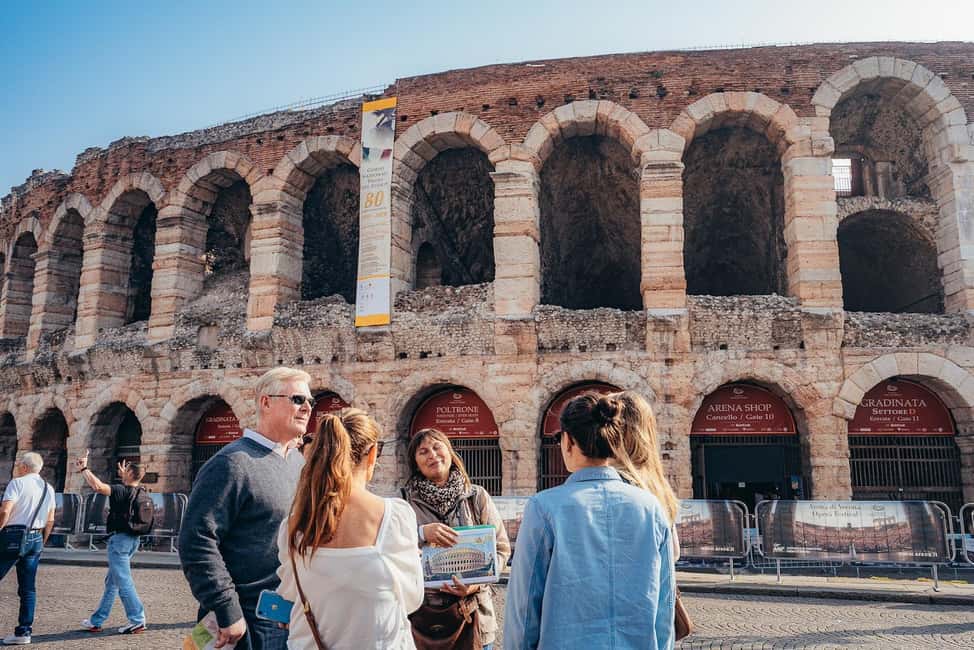
- Arena skip-the-line entry plus a guided look inside one of Italy’s famous open-air stages
- Castelvecchio first, so you get the medieval power backdrop before the romance and legends
- Juliet’s House area stops paired with the stories people come to Verona for
- Roman-era landmarks in one arc, including Porta Borsari and Arco dei Gavi
- Piazza Bra timing, with a planned break before you enter the Arena
Where the walk starts: Via Teatro Ristori and the yellow sign
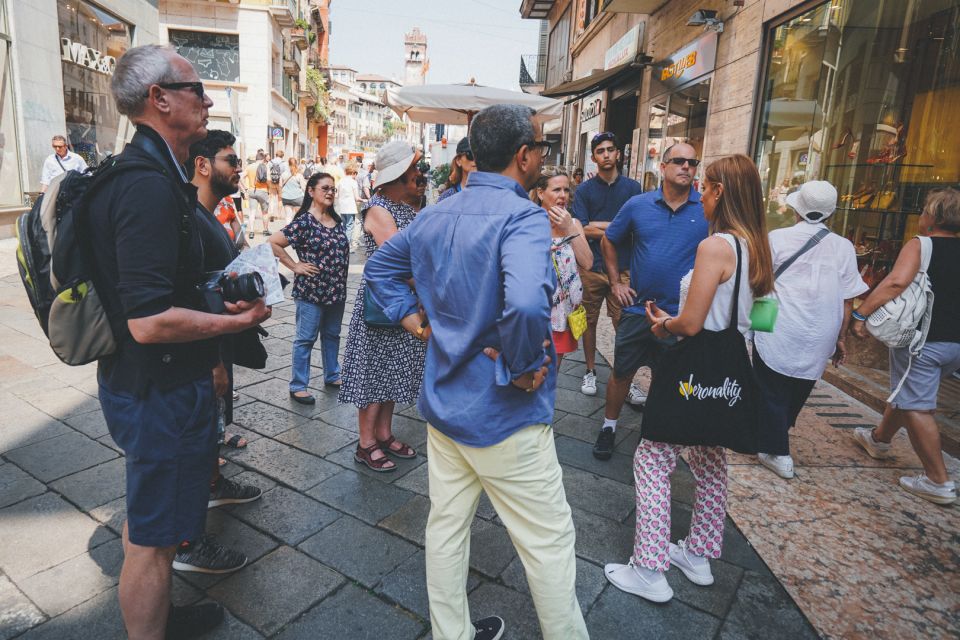
Meet your guide at Via Teatro Ristori, 3, in the city center. You’ll spot them in front of the theater holding a yellow sign that says Tour. This matters more than it sounds: Verona’s streets are full of tight corners and quick turns, so having a clear meeting point helps you get your bearings fast.
From there, you’re not waiting around for a long intro. You’re walking, looking, and learning. The format is simple: guided stops at major sites, then moving on before the area gets too chaotic.
Practical note: this is a walking tour, so comfortable shoes help. Also, pets aren’t allowed, luggage or large bags aren’t allowed, and minors must be accompanied by an adult.
You can also read our reviews of more tours and experiences in Verona.

Castelvecchio Bridge and Scaligeri power: the medieval start
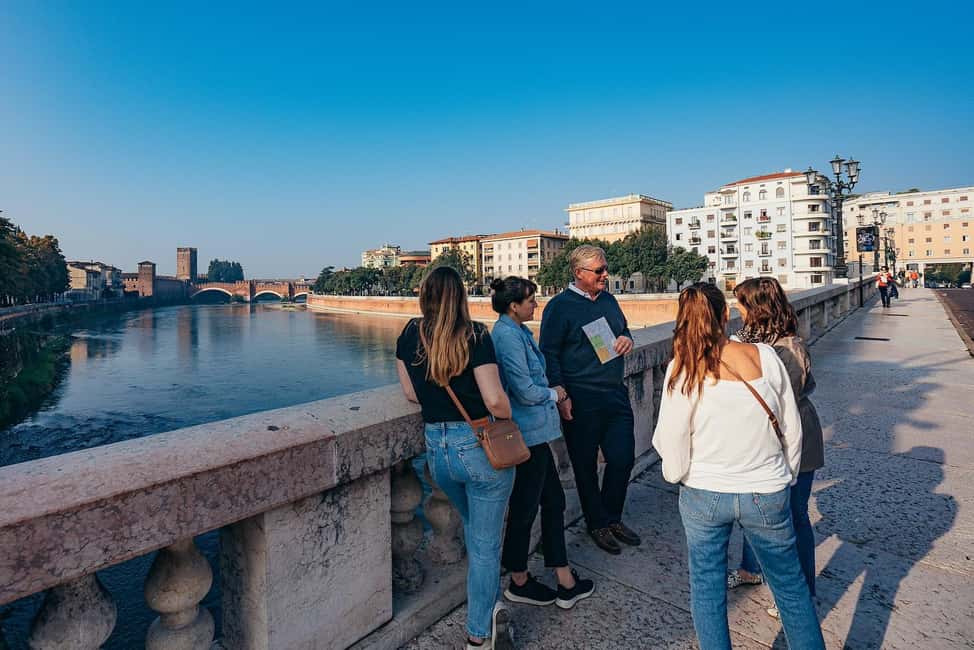
Your first real stop is the Castelvecchio area, beginning with the Castelvecchio Bridge. You get a photo stop and then a guided visit/talk that totals about 2 hours in this first big block. It’s a smart opener because Castelvecchio gives you context: Verona isn’t just a Romeo-and-Juliet postcard town. It’s a city that once ran on medieval strategy and strong-arm politics.
Castelvecchio is described as a magnificent medieval castle built by the Scaligeri family. That’s the key idea to keep in mind as you walk here: this place explains why Verona’s center feels layered. You’ll also get guided viewpoints as you move through the area, and the stories usually connect architecture to power—who built what, and why.
Why this works for you: starting with a fortress makes everything else click. When later you see squares and smaller landmarks linked to legend, you’ll understand that the city’s romantic reputation sits on top of older, tougher days.
Arco dei Gavi and Porta Borsari: Roman Verona without the museum fatigue
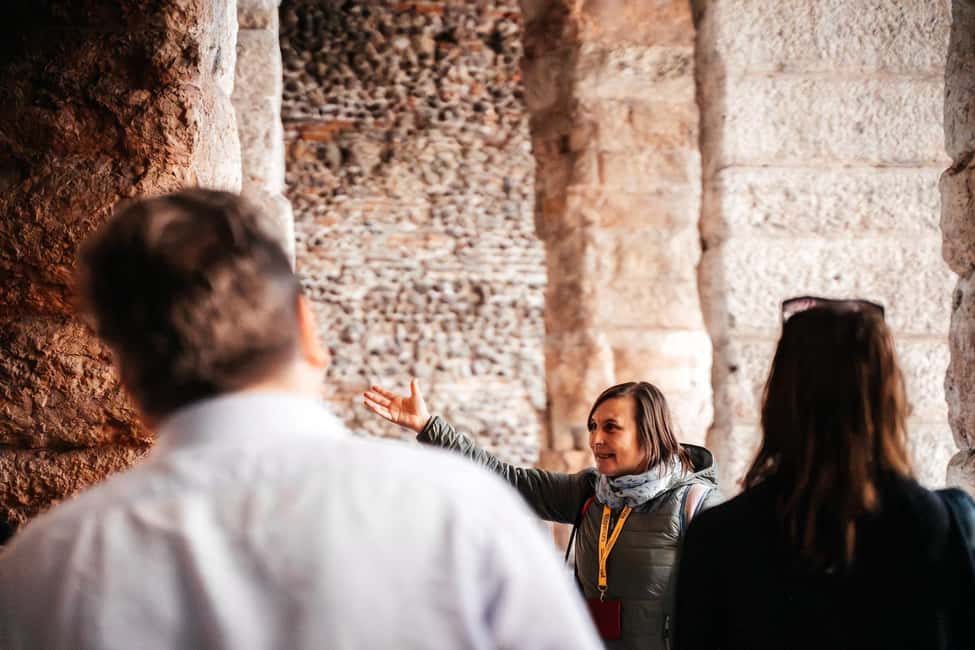
After Castelvecchio, the tour continues through the lanes toward Roman-era touches. Two stops stand out here: Arco dei Gavi and Porta Borsari.
These are the kinds of sights that can be easy to miss if you’re wandering solo. On your own, you might take a photo and move on. On this tour, you’ll get a guided framework—what the monument is, why it matters, and how it fits into Verona’s long timeline. You’re also learning as you walk, not stopping for lectures.
Arco dei Gavi comes early in the sequence, which helps because it gives you an anchor point before the tour moves into the open, more public spaces. Then Porta Borsari adds another sense of structure—city gates were practical, but they also acted like statements.
This section is also where the guide’s personality can make a big difference. In the tour’s past leadership, guides like Isabella and Priscilla have been praised for humor and clear context—so you’re more likely to remember what you saw rather than just ticking off names.
Piazza Erbe to Piazza dei Signori: squares, stories, and quick magic stops
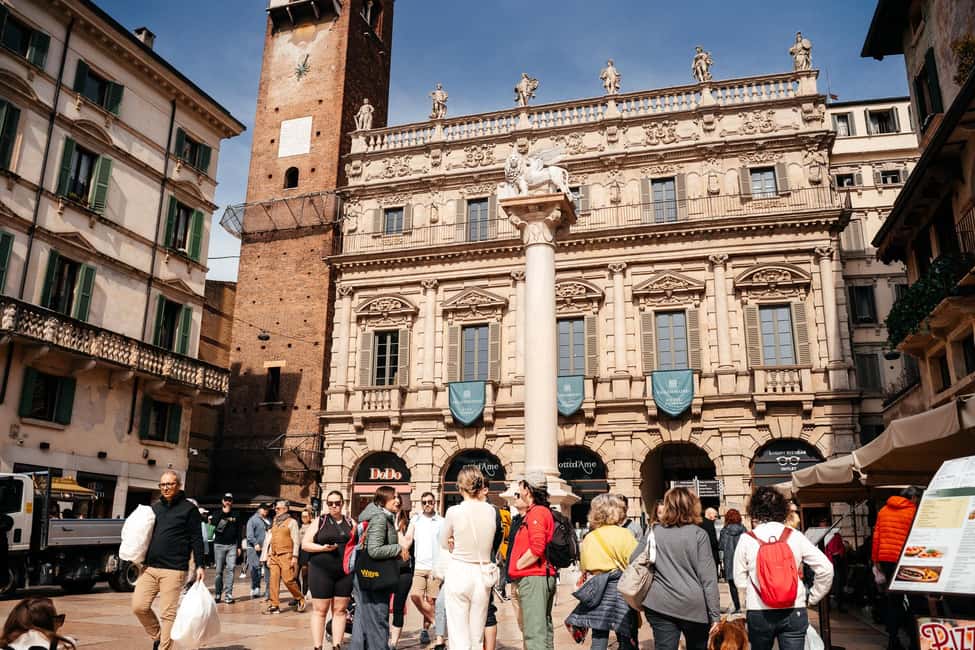
Next you move into the heart of daily Verona: Piazza Erbe and then Piazza dei Signori.
Piazza Erbe is one of those spaces where you can feel the city’s rhythm immediately. On this tour, you’ll have a photo stop and guided sightseeing along the way. The goal here isn’t just a scenic pause. It’s learning how the city’s major monuments relate to public life—where people gathered, where power displayed itself, and where stories stayed alive.
Then you head toward Piazza dei Signori, with a guided visit focused on key points. This is also where the tour naturally brings in the famous Verona legends. You’re not just hearing about Romeo and Juliet like a bedtime tale. You’re connecting their cultural footprint to real locations you’re standing near.
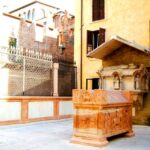
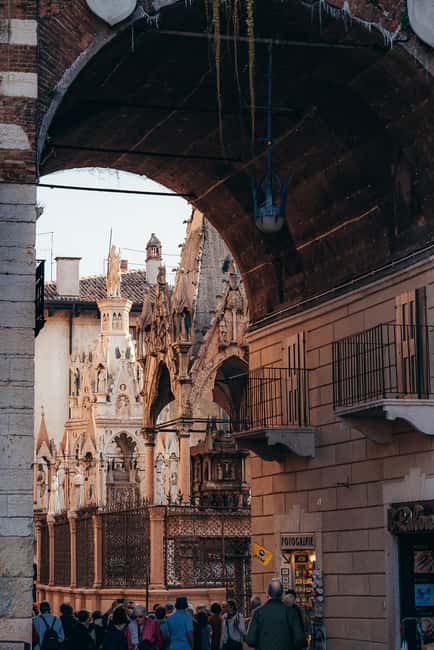
One stop that fits this “legend plus architecture” approach is Arche Scaligere (the Scaligero tombs). You’ll pass through this area as part of the guided flow, and it’s a strong moment for understanding the Scaligeri influence again—now seen through memorial art instead of fortress walls.
Juliet’s balcony area: romance with a guided sense of place
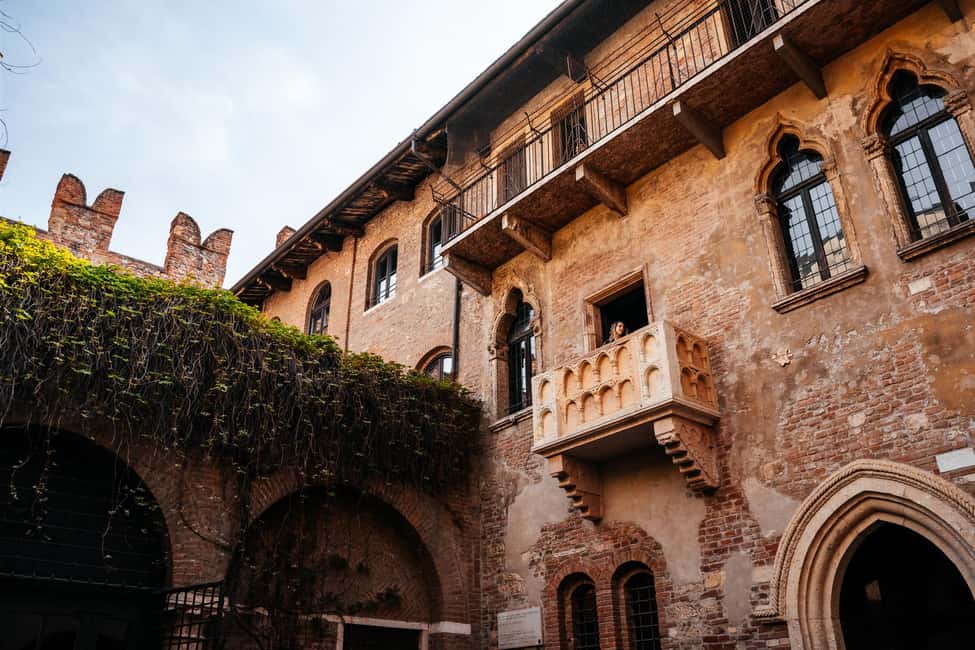
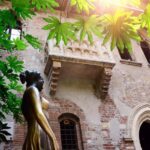
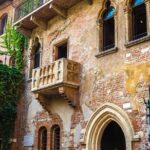
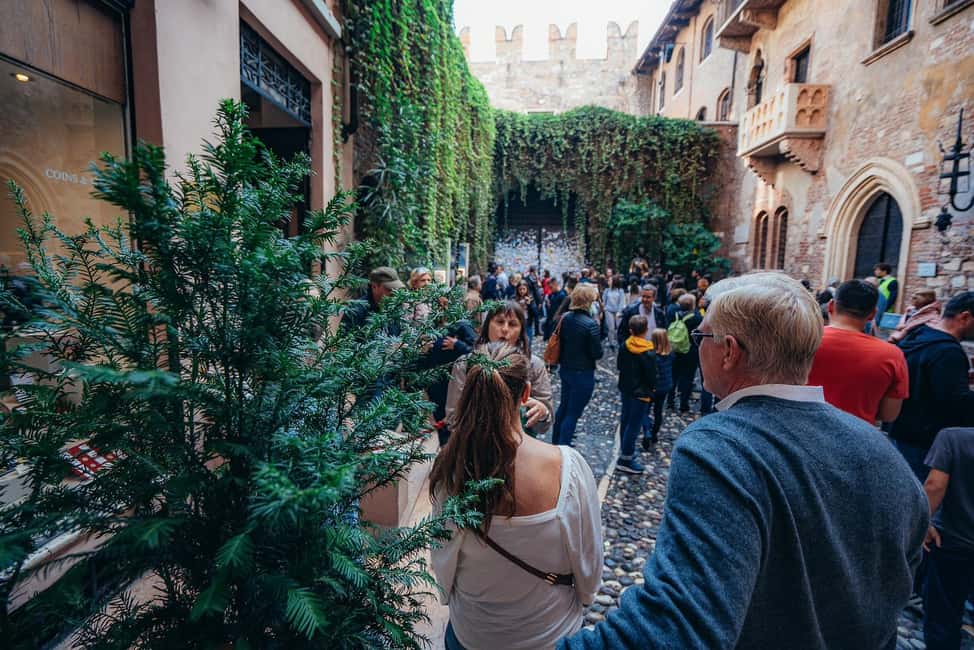
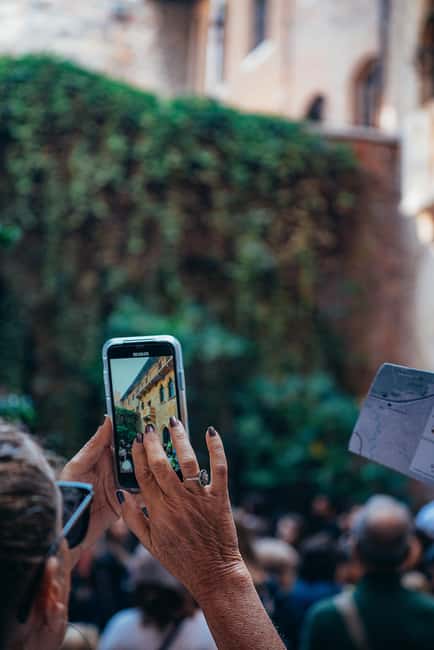
When you reach Juliet’s House, you get another major photo/visit stop. This is where people often come wanting the balcony moment, and this tour is built to deliver it in a way that feels connected to Verona’s reality—not just a quick photo and exit.
What to expect: you’ll have guided commentary and time for a photo stop, plus a closer look at the area linked to the romance. The tour is specifically described as mixing the Romeo-and-Juliet legends with local tales, so even if you already know the basic story, you should come away with details that make the site feel more grounded.
This is also the part where a small-group format helps. You’re more likely to hear your guide’s full explanations and ask a question without shouting at a sea of umbrellas.
If you’re the type who likes to understand why a place is famous, this is the stop you’ll appreciate most. If you only care about getting a photo and moving on, the lesson is still useful: the guide helps you see the site as part of a city, not as a single attraction.

Piazza Bra break: reset before the Arena moment
By the time you reach Piazza Bra, you get a planned 30-minute break. This is a real perk because the walk covers a lot of ground before you enter the Arena. Use the time to refill water, use the restroom, and let your feet recover.
Piazza Bra is also your visual lead-in to the Arena. After walking through medieval structures, gates, and romantic corners, you now face a big Roman presence in the open air.
Then the tour shifts into the Arena sequence with a photo stop and guided focus timed for a 45-minute Arena segment. That structure matters: you’re not thrown into the Arena immediately. You get the emotional build-up first.
Entering Verona Arena: why skip-the-line feels worth it
Now for the reason many people book: Verona Arena entry with a skip-the-line ticket. The tour is clear that you’ll enter and visit the Arena as part of the experience, and it also explains what makes the Arena more than a historic shell.
You’ll learn about:
- the Roman amphitheater’s architecture
- the old games of gladiators
- how the Arena is used today for international festivals and music events, plus the famous Opera Lirica
Even if you’re not an opera fanatic, this is valuable because it shows the Arena as a living space. It’s not just “ancient ruins.” It’s a venue that still shapes nights out in Verona.
What I like about the Arena portion on a guided tour: the guide points out details normally concealed by sheer scale. You’re looking at massive stonework from many angles, and it’s easy to miss the specific “why” behind what you see. A good guide turns the Arena into a story you can follow.
Also, you’ll have the photo stop as you arrive, which helps you take a clean shot before you move inside and get pulled into the narrative.
Group size, pacing, and what to do with your questions
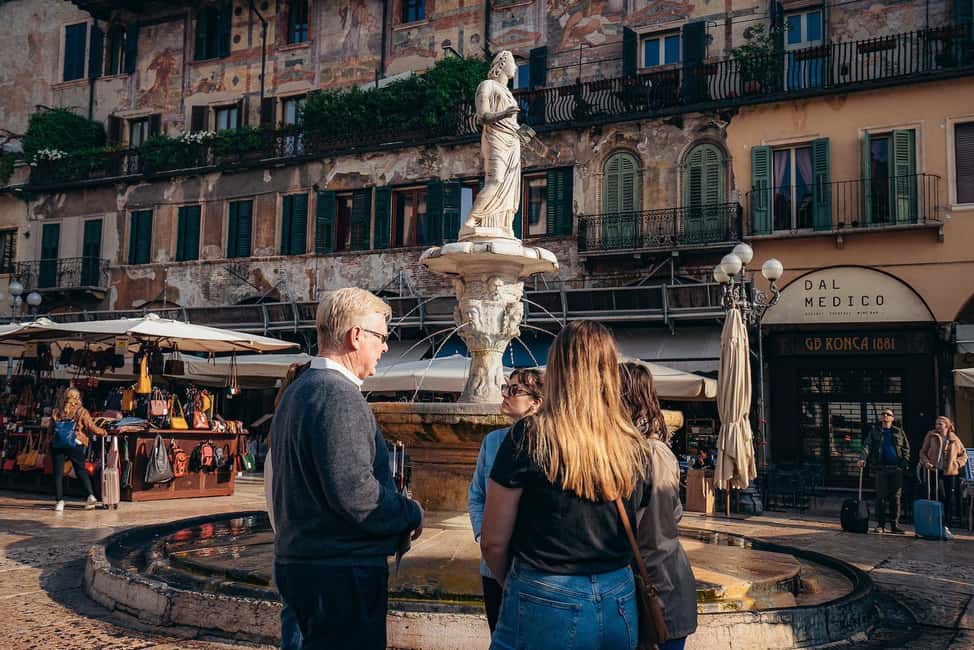
The tour is designed for a maximum of 12 people, which is rare for popular cities like Verona. In practice, small group size usually means:
- you can actually hear the guide
- you have time for answers
- stops feel less rushed
The tour’s reviews also highlight that guides often keep the energy high and tailor explanations. Names that come up with strong praise include Frank (Francesco) for customizing to a group’s interests, Maria for lots of history and practical context, and Andrea/Andre for charming, funny delivery with clear English.
That doesn’t mean every guide will be the same personality type. But it does suggest this is the kind of tour where the guide matters—and the format gives them room to work.
Pacing tip for you: this is a walking-heavy afternoon that still fits into a short total time. If you want time to browse shops or linger in cafés, plan to do that before or after the tour rather than expecting long stopovers during it. You do get the Piazza Bra break, but it’s not designed as a long meal slot.
Who this Verona highlights tour is best for
This tour is a great match if you want:
- a guided overview of Verona’s main monuments in about 3 hours
- the comfort of someone else handling the flow
- a guided Arena visit without waiting in line
- a mix of Roman, medieval, and romance-linked stops
It’s also a solid option for solo travelers who like learning while meeting a few people along the way—small groups make it feel more social without turning it into a party.
It may be less ideal if you:
- need fully accessible routes (the tour notes that some parts may not be easily accessible)
- travel with luggage or large bags
- expect an itinerary that’s built around long, free-roaming time
Should you book this Verona highlights walking tour?
I’d book it if you want the smart Verona combo: medieval Castelvecchio context, Roman-era monuments, Juliet’s romance stops, and then a guided visit to the Arena with skip-the-line priority. The price makes more sense when you think about what’s included: a licensed guide plus a key ticket advantage for one of Verona’s biggest draws.
I’d pass or choose something else if you want lots of slow wandering, or if accessibility is a top concern for your group. Also, if you’re visiting mainly for one site (say, only the Arena), you may prefer a more focused plan.
If you’re landing in Verona for a short stay and want a clean “see the core, learn the story” day, this tour is built for exactly that.