REVIEW · ROME
Rome private tour,half day with comfort van- Highlights of Rome
Book on Viator →Operated by Luke Limousine · Bookable on Viator
Rome is big. This tour is built for speed with comfort. In about four hours, you’ll bounce between Rome’s most photo-ready landmarks and a few viewpoint moments that feel almost magical, like seeing the Vatican through a keyhole. I like that it’s private, so the pacing works for your group, not for some giant bus crowd. I also like the small-but-smart comfort touches: bottled water and onboard Wi‑Fi for ditching roaming charges.
Here’s the trade-off. The itinerary is packed, and many stops are around 10–20 minutes, so you’re not going to slow down for long museum-style visits. You’ll get orientation, views, and “checklist satisfaction,” but if you’re craving deep reading in each place, you’ll need to pair this with another day on your own.
In This Review
- Highlights at a glance
- Comfort Van + Hotel Pickup: The Real Value Here
- What you should consider
- What You’ll See: A Stop-by-Stop Half-Day Plan
- Buco della Serratura (Keyhole Perspective of Rome)
- Vittoriano (Altare della Patria) and the Unknown Soldier
- Colosseo Area: Colosseum Photo Time and a Panoramic Angle
- Piazza del Campidoglio: Michelangelo’s Layout and Marcus Aurelius
- Palatine Hill: Where Imperial Rome Lived
- Circo Massimo: The Big Arena for Chariot Racing
- Fontana di Trevi: The Tradition Plus the Main Photo
- Pantheon: The One Stop Where Admission Is Not Included
- Terrazza del Gianicolo: Panoramic Views to Cap the Day
- Roman Walls (Aurelian Walls): Big Defenses, Real Context
- St. Peter’s Square: Baroque Planning at Vatican Border
- Piazza Navona: Three Fountains, One Obelisk, and Stadium Geometry
- Piazza di Spagna and the Spanish Steps Area
- Timing, Pacing, and How to Make This Tour Work for You
- Price: Is $695.39 Per Group Good Value?
- Guides, Parking, and the Small Things That Change Your Day
- Practical Checklist Before You Go
- Should You Book This Rome Half-Day Highlights Tour?
- FAQ
- How long is the Rome private highlights tour?
- What’s included in the tour price?
- Do I need tickets for all the sights?
- Is hotel pickup offered?
- Is this tour private?
- Can I get a refund if plans change?
Highlights at a glance
- Comfort-van private routing: hotel pickup in an air-conditioned minivan, plus onboard Wi‑Fi
- Free admission for most stops: you’ll spend time at major sights without buying entry for nearly all of them
- Icon views fast: keyhole perspective, Capitoline views, Colosseum area photo time, and a Gianicolo panoramic stop
- Genuine flexibility: guides in the same style often handle small drop-off or pacing requests when possible
- One ticket you’ll plan for: the Pantheon is the notable item where admission is not included
- A small group max of 8: enough room for comfort, still small enough to move quickly
Comfort Van + Hotel Pickup: The Real Value Here
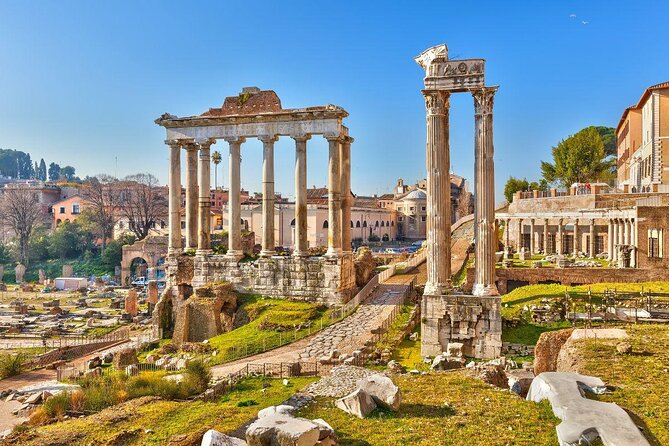
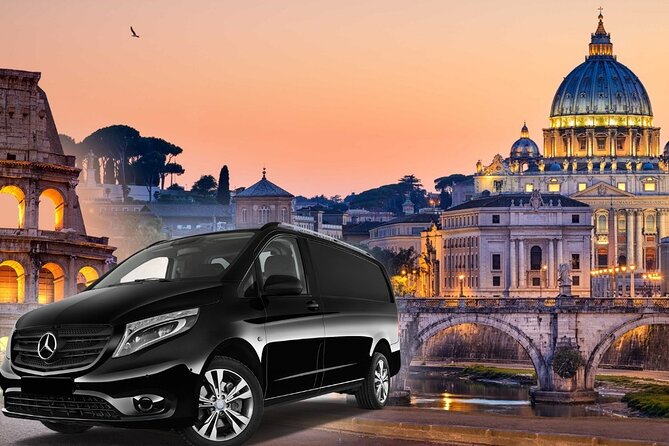
This is not a “line up and hope” style of sightseeing. You get an air-conditioned minivan with hotel pickup anywhere in central Rome (hotels and b&b’s in the city). That matters because Rome’s traffic and walking can eat time fast, especially on a short trip.
Your tour group stays together the whole time, and that small-group size (up to 8) usually keeps things calmer at each stop. Instead of fighting for a spot, you’re guided to the best places to look, take photos, and move on. You also get Wi‑Fi onboard, which sounds minor until you’re trying to navigate, translate signs, or message family without paying roaming rates.
One other practical win: bottled water is included. On a warm day, that’s the difference between enjoying the walk-to-the-next-stop moments and feeling drained before you even reach Trevi.
You can also read our reviews of more tours and experiences in Rome.
What you should consider
- No luggage or suitcases on board. If you’re doing laundry-day in Rome or traveling with big bags, you might want to rethink using a private van tour like this.
- This is a half-day sprint. It’s fantastic for first-time orientation, less ideal for slow travelers who want long stays at each monument.
What You’ll See: A Stop-by-Stop Half-Day Plan
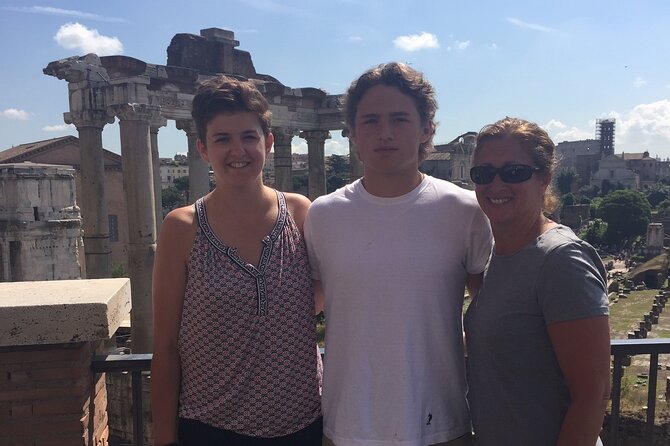
This route is designed so you touch a lot of Rome’s headline moments while still getting viewpoints and photo time. Many stops are about 10–20 minutes, so you’ll feel the rhythm: arrive, look, learn the quick story, take pictures, then move.
Buco della Serratura (Keyhole Perspective of Rome)
Your first highlight is the Aventine Hill keyhole view at the Villa del Priorato di Malta. From the keyhole, you can line up a perspective showing the Aventine Hill area and the dome of St. Peter’s, with Vatican City beyond.
I love stops like this because they’re not just “look at a building.” They’re a little puzzle. You find the spot, line up the view, and suddenly Rome feels cinematic. It’s also a quick win if you like moments that are easy to remember later.
Duration here is short, and admission is free. Don’t expect lots of time to wander; think of it as a “stand, look, and frame the shot” moment.
Vittoriano (Altare della Patria) and the Unknown Soldier
Next is the Vittoriano, Rome’s national monument also known as Altare della Patria. The centerpiece is the tomb of the Unknown Soldier, honoring an identity that can’t be confirmed due to the condition of the remains after World War I.
This stop is good if you want context beyond ruins. You get a sense of how Rome marks national memory—big, formal, and very deliberate. It’s also free to visit in this time window.

Colosseo Area: Colosseum Photo Time and a Panoramic Angle
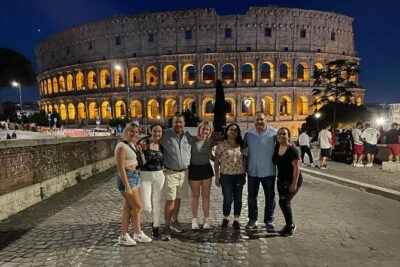
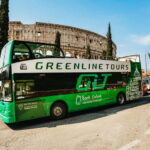
You’ll spend time around the Colosseum for a panoramic view of the arena area and then walk a bit for photos. Admission is listed as free for this part of the stop, which means you’re not doing a full ticketed visit here—more like a best-view orientation.
If your goal is to see Rome’s “it” landmark and get your bearings for a later deeper visit, this works well. Just don’t assume you’re walking through the main historic interior unless you’ve booked something separate.
Piazza del Campidoglio: Michelangelo’s Layout and Marcus Aurelius
Capitoline Hill is where Rome’s geography becomes part of the show. Michelangelo redesigned Piazza del Campidoglio in a way that turns the square into a perfect frame for what’s behind it, including a view toward the Roman Forum.
In the center, you’ll see the equestrian statue of Emperor Marcus Aurelius. This is the kind of stop that benefits from a guide’s quick explanation because the design choices make more sense when someone points them out.
This is also a good “pause” stop: you can stand back, look across the Forum view line, and take photos without rushing.
Palatine Hill: Where Imperial Rome Lived
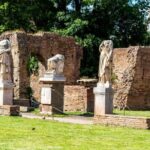
Palatine Hill is one of Rome’s seven hills and among the oldest parts of the city. In the imperial period, it became the residence area for Roman emperors—so even when you’re not going into specific ticketed sites, you’re standing in a major “power center” zone.
This is a stop that feels bigger than it is on the schedule. Even in a short time window, it gives you a strong sense of scale: Rome’s early story sits right under your feet, and the emperors’ presence is the reason the views are so dramatic.
Circo Massimo: The Big Arena for Chariot Racing
Next up is Circo Massimo, an ancient Roman circus with an estimated capacity of around 180,000 spectators. Chariot races took place here, including four-horse chariots (quadrigas).
One fun aspect is the pop-culture connection: the chariot races get compared to the energy of the Ben Hur movie. Whether you’re a film fan or not, it helps you picture the space as something loud and chaotic, not quiet ruins.
Again, this is mostly a timed exterior orientation stop. You’ll leave with the “this was massive” takeaway.
Fontana di Trevi: The Tradition Plus the Main Photo
Then comes the Trevi Fountain, Rome’s largest of the famous fountains. Here the main tradition is tossing a coin into the fountain, with the playful belief that doing it with your eyes closed helps guarantee a return to Rome.
Trevi is one of those places where the guide matters. You want to know the right approach to see it clearly without wasting time in the wrong viewing angle. Since this stop is short and admission is free, you’ll want to be ready to move right after your photos.
Pantheon: The One Stop Where Admission Is Not Included
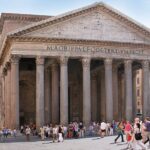
The Pantheon is where the tour shifts from “mostly free-entry time” to “plan one paid ticket.” It’s a Roman temple dedicated to gods, built in 27 B.C. and remodeled around 124 A.D., and this stop’s admission is specifically listed as not included.
That’s not a dealbreaker—it’s just a budgeting reality. If you want the full interior experience, you’ll need to buy your Pantheon ticket separately. If you’re okay with a quicker outside-and-structure moment, you can still use the time well.
Terrazza del Gianicolo: Panoramic Views to Cap the Day
Gianicolo Hill is one of Rome’s best panoramic spots. You get views across nearby districts and the historic center with major monuments visible from above.
This is a smart placement near the end of the tour. After the monuments and city-floor walking, your eyes get a reset. It also works well for couples and photographers, since you’ll be able to step back and frame the city without pushing through crowds.
Admission is free here, and the time is short—so treat it like a viewpoint session, not a long hike.
Roman Walls (Aurelian Walls): Big Defenses, Real Context
You’ll also get a quick look at the Aurelian Walls, built between 270 and 275 to protect Rome from attacks. Over time they were renovated in different periods, and much of the layout is still in good conservation today.
Even with limited time, this stop adds context. Rome isn’t just “pretty ruins.” It was a defended city, and the walls help you understand why the city’s shapes and neighborhoods developed where they did.
St. Peter’s Square: Baroque Planning at Vatican Border
St. Peter’s Square sits on the edge of Rome’s historic core, on Vatican City soil. You’ll see the border feel between the Vatican and Italy, and you’ll get a sense of the square’s daily role as a meeting point for thousands.
The square is known for Baroque architecture and urban planning, and it’s dedicated to St. Peter. This stop also helps round out the day: you end with a different kind of “Rome star,” one tied to religion and world-scale pilgrimage.
Admission is listed as free for this time.
Piazza Navona: Three Fountains, One Obelisk, and Stadium Geometry
Piazza Navona is cobblestone and built around a layout shaped by an older Roman stadium used for games in the Domitian era. You’ll see three fountains and an obelisk, and the square’s geometry makes more sense when someone points out that it sits on top of earlier sporting space.
This is another stop where a quick explanation turns a photo into a memory. You don’t need a long stay to get the idea.
Piazza di Spagna and the Spanish Steps Area
Finally, you’ll reach Piazza di Spagna with the Spanish Steps and the nearby Barcaccia fountain. The square takes its name from the Palazzo di Spagna, tied to the embassy of Iberian states to the Holy See.
This area is famous for good reason, but the tour timing keeps you from turning the day into endless wandering. With a short stop, focus on one or two photo angles and then enjoy the street energy around you.
Timing, Pacing, and How to Make This Tour Work for You
A half-day tour like this is best when you treat it as a navigation tool, not the whole trip. The schedule is built around quick, high-impact stops. That means you should show up ready to move: closed-toe shoes, water bottle in hand even though you’ll have bottled water supplied, and your must-see shots in mind.
I’d recommend this if:
- you’re on a first visit and want a “Rome greatest hits” baseline
- you want a stress-free day with less transit friction
- you prefer private comfort over big-group bottlenecks
I’d think twice if:
- you’re the type who wants 45–60 minutes per major site
- you’re planning to do multiple ticketed interiors on the same day (because this tour already spends your time smartly but quickly)
Price: Is $695.39 Per Group Good Value?
The price is $695.39 per group for up to 8 people, for roughly 4 to 4 hours 10 minutes. That sounds steep until you do the math.
- If you fill all 8 seats, it’s about $87 per person.
- If you’re just 2 people, it’s about $348 per person.
So the value depends heavily on how many people you’re bringing. The good news is that this is exactly the kind of tour where splitting the cost makes it feel like a bargain. You’re paying for private transport, a guide experience, and the comfort package (Wi‑Fi + bottled water + air-conditioning), while still hitting a lot of top stops.
Also, note the admission detail: most stops are free within the time windows, but the Pantheon ticket isn’t included. That doesn’t ruin the value, it just means you should budget one extra purchase if you want to go inside.
Guides, Parking, and the Small Things That Change Your Day
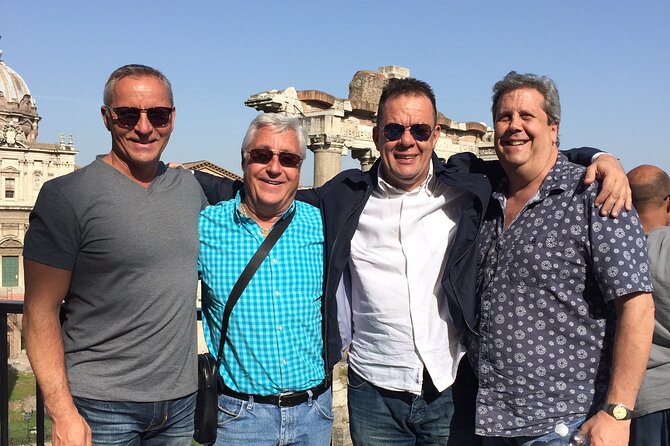
This tour’s reputation isn’t only about the landmarks. What people tend to love is the human factor: a driver-guide who keeps things fun and manages the flow so you don’t feel like you’re herded.
Names that show up in past experiences include Luka (and Luca variants), Leonardo, Gianlucas, and support from Gianfranco for photo moments. The common thread is energy plus flexibility—handling pacing, making sure pickup and arrival times feel smooth, and even assisting with adjustments like dropping you near a follow-on plan when possible. One story describes VIP-style parking for easier access, which can save real time in Rome.
You should still keep expectations realistic. You’re moving through major areas with constant foot traffic and shifting city conditions. But when your guide is good at timing and finding practical curb access, the difference is huge.
Practical Checklist Before You Go

Here are the quick things I’d plan for so your half-day goes smoothly:
- Wear shoes that handle uneven Rome pavement.
- Bring a small day bag. No suitcases or luggage are allowed on board.
- Save your phone battery—then enjoy the included Wi‑Fi.
- Expect most stops to be short. You’ll get time for photos and key points, not long museum-style sessions.
- Plan separately for the Pantheon if you want full entry.
If you’re visiting during a busy season, start the planning early. The experience is commonly booked well ahead, which usually means better availability.
Should You Book This Rome Half-Day Highlights Tour?

Book it if you want a smart first-pass of Rome that balances big icons with a few clever viewpoint moments, all wrapped in comfort. The hotel pickup, air-conditioned van, onboard Wi‑Fi, and included bottled water make it feel easier than cobbling together a half-day by yourself. It’s also a strong choice for small groups who can split the cost and turn $695.39 into something reasonable per person.
Skip or reconsider if you want long stays at fewer sites, or if you’re traveling with big luggage. Also, if the Pantheon interior is your main goal, treat this as the tour that brings you there—then add the ticketed entry separately.
If your Rome trip is short and you want your bearings fast, this one is built for that job.
FAQ
How long is the Rome private highlights tour?
It runs for about 4 hours to 4 hours 10 minutes.
What’s included in the tour price?
The tour includes an air-conditioned vehicle, private transportation, Wi‑Fi on board, and bottled water.
Do I need tickets for all the sights?
Most stops are listed as admission ticket free, but the Pantheon admission is not included.
Is hotel pickup offered?
Yes. Pickup is available from any hotel or b&b located in the city of Rome. Pickup and drop-off at a cruise terminal is not included.
Is this tour private?
Yes. It’s a private tour/activity, and only your group participates.
Can I get a refund if plans change?
Yes. You can cancel up to 24 hours in advance for a full refund. If you cancel less than 24 hours before the start time, the amount paid is not refunded.